Is the Blue Zones Diet Healthier Than the Mediterranean Diet?
This post contains affiliate links, which means we may earn a commission if you purchase through our links—at no extra cost to you. As an Amazon Associate we earn from qualifying purchases. We only recommend products we use or trust. Learn more about affiliate marketing or read our full disclosure.
If you’ve been researching healthy eating, you’ve probably come across both the Blue Zones Diet and the Mediterranean Diet.
Both are widely regarded as healthy eating patterns and have been linked to longer life, better heart health, and a lower risk of several chronic diseases.
If you’re comparing the blue zones diet vs Mediterranean diet, it’s only natural to wonder:
Is the Blue Zones Diet healthier than the Mediterranean Diet?
The short answer is that neither diet is universally “healthier.” Instead, they share many of the same core principles while taking slightly different approaches to food and lifestyle.
The better choice depends on your personal health goals, food preferences, and, most importantly, which eating pattern you can realistically maintain over the long term.
Let’s take a closer look at how these two popular diets compare.
What Is the Blue Zones Diet?
The blue zones diet isn’t a single, fixed diet.
Instead, it’s inspired by the traditional eating habits of people living in five regions where exceptional longevity is more common.
These regions include:
- Okinawa, Japan
- Sardinia, Italy
- Nicoya, Costa Rica
- Ikaria, Greece
- Loma Linda, California
Each Blue Zone has its own food culture, local ingredients, and traditional recipes.
For example, Okinawans traditionally relied on sweet potatoes and soy foods, while Sardinians ate more whole grains, beans, and sheep’s milk products.
Despite these differences, researchers have identified several eating habits shared across the five regions.
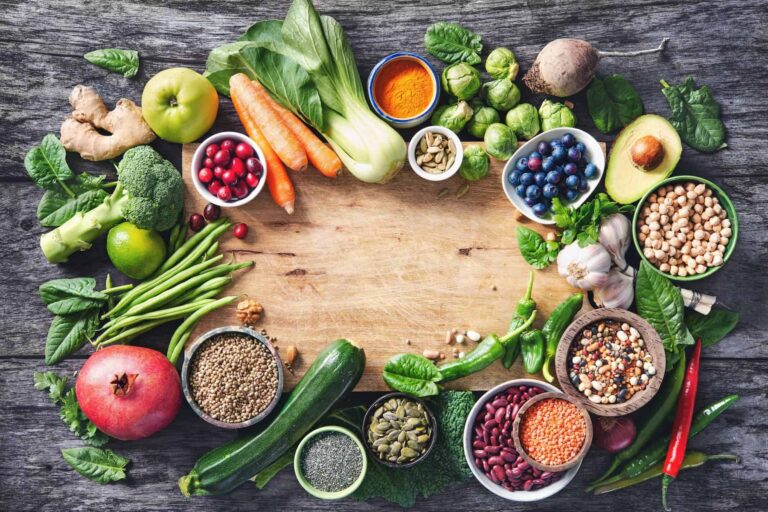
The blue zones diet emphasizes:
- Whole plant foods
- Beans and legumes
- Whole grains
- Seasonal vegetables
- Fruits
- Nuts and seeds
- Minimal processed foods
- Very little added sugar
Animal foods vary between the five Blue Zones. Some communities eat small amounts of fish, dairy, or meat, while others—such as Loma Linda—often follow vegetarian eating patterns.
According to the Blue Zones research, the traditional diets of the five Blue Zones are approximately 95% plant-based, with animal foods generally playing a much smaller role than in the typical Western diet.
Rather than counting calories or tracking macronutrients, the focus is on simple, traditional meals made from whole, minimally processed ingredients.
If you’d like to learn more about the origins of the blue zones diet and the lifestyle habits of the world’s longest-living communities, The Blue Zones Solution: Eating and Living Like the World’s Healthiest People by Dan Buettner (available on Bookshop.org) is an excellent resource.
book tip
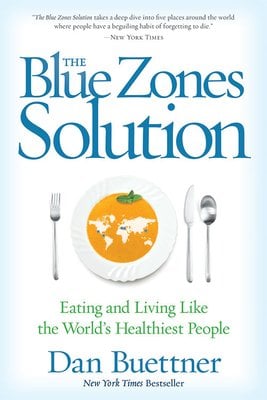
The Blue Zones Solution
By Dan Buettner
Want to know the secrets to living longer, healthier, and happier?
Did you know? Bookshop.org gives 80%+ of their profits to support independent bookstores.
*We may earn a commission at no extra cost to you.
RELATED POST: What Are Blue Zones? The Secrets Behind the World’s Longest-Living People
What Is the Mediterranean Diet?
The Mediterranean Diet isn’t a single, fixed diet either.
It’s inspired by the traditional eating habits of people living in countries around the Mediterranean Sea, particularly Greece, southern Italy, and parts of Spain.
Like the blue zones diet, the Mediterranean Diet developed naturally over generations. Local foods, agriculture, climate, and cultural traditions all helped shape the way people ate.
Although food traditions vary across the Mediterranean region, they share many common principles.
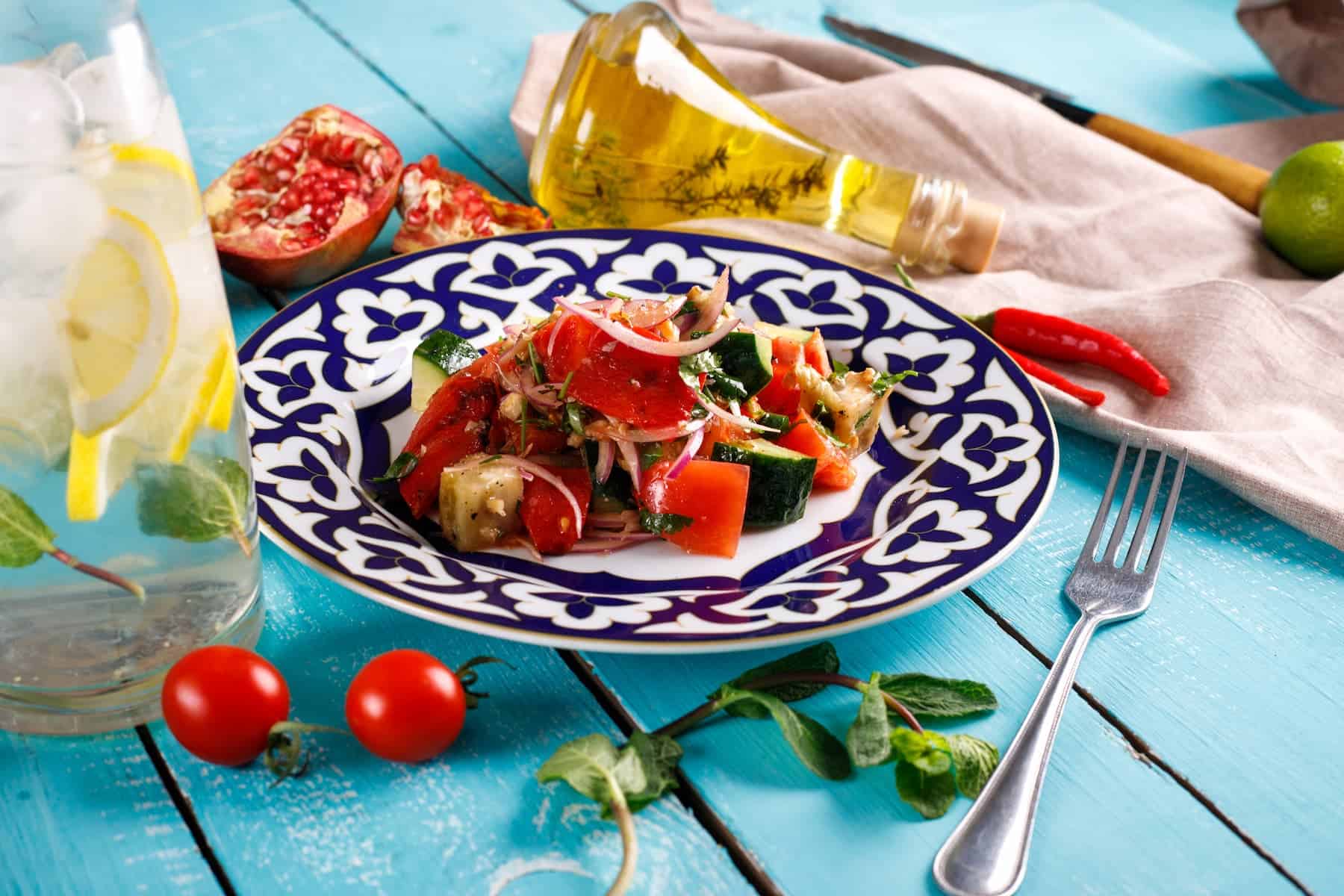
The Mediterranean Diet emphasizes:
- Plenty of vegetables
- Fresh fruit
- Whole grains
- Beans and lentils
- Olive oil as the primary source of fat
- Fish and seafood
- Nuts and seeds
- Herbs and spices
- Moderate amounts of dairy
- Limited red meat
Unlike the blue zones diet, olive oil plays a central role and is used generously in many traditional Mediterranean meals.
Some traditional Mediterranean diets also include moderate amounts of red wine with meals. However, you don’t need to drink alcohol to follow the Mediterranean Diet or enjoy its potential health benefits.
Similarities Between the Two Diets
Despite their differences, the Blue Zones Diet and the Mediterranean Diet have far more in common than many people realize.
Although they developed in different parts of the world, research on the Mediterranean Diet and the dietary patterns identified in the Blue Zones share many of the same core principles.
Both eating patterns encourage:
- Eating mostly whole, minimally processed foods
- Filling your plate with vegetables
- Eating beans and legumes regularly
- Choosing healthy sources of fat
- Limiting added sugar
- Cutting back on highly processed foods
- Cooking at home more often
- Enjoying meals with family and friends
If you compared a week’s worth of meals from each diet, you’d probably notice more similarities than differences.
Both are built around simple, traditional foods rather than packaged convenience products. Instead of focusing on strict rules or calorie counting, they encourage eating patterns that people have followed naturally for generations.
Key Differences Between the Blue Zones Diet and the Mediterranean Diet
Although the two eating patterns share many similarities, a few key differences set them apart.
|
Blue Zones Diet |
Mediterranean Diet |
|---|---|
|
About 95% plant-based |
Mostly plant-based, with more fish and dairy |
|
Meat is eaten only occasionally |
Fish, seafood, and moderate dairy are more common |
|
Fat sources vary by region |
Olive oil is the primary source of fat |
|
Inspired by five different traditional diets |
Inspired by traditional diets from Mediterranean countries |
|
Closely associated with longevity research |
Backed by extensive clinical research, particularly for heart health |
1. Plant-Based Emphasis
Both diets are built around plant foods, but the Blue Zones diet takes that idea a step further.
According to the Blue Zones research, the traditional diets of the five Blue Zones are approximately 95% plant-based. On average, people eat about two ounces (57 g) or less of meat around five times per month.
The Mediterranean Diet is also centered around plant foods, including:
- Vegetables
- Fruits
- Whole grains
- Beans and lentils
- Nuts
- Olive oil
However, it typically includes moderate amounts of:
- Fish and seafood
- Poultry
- Dairy products
- Eggs
Red meat is still limited but is generally eaten more often than in the traditional Blue Zones diets.
2. Olive Oil
Olive oil is one of the defining features of the Mediterranean Diet and serves as its primary source of added fat.
It’s commonly used for:
- Cooking
- Salad dressings
- Vegetable dishes
The Blue Zones are more diverse.
Some regions, such as Ikaria and Sardinia, traditionally use olive oil regularly. Others, including Okinawa, Nicoya, and Loma Linda, rely on different foods and cooking traditions that reflect what has historically been available in their local communities.
As a result, olive oil is a hallmark of the Mediterranean Diet, but not of the Blue Zones as a whole.
3. Dairy Consumption
The Mediterranean Diet typically includes moderate amounts of dairy, especially yogurt and cheese.
The Blue Zones are more varied.
For example:
- Okinawa traditionally includes very little dairy.
- Sardinia commonly includes sheep’s and goat’s milk products, with many older adults consuming dairy every day.
- Ikaria traditionally includes moderate amounts of goat’s milk and cheese.
- Nicoya traditionally includes fresh milk and fresh cheese (cuajada), with many people consuming dairy regularly.
- Loma Linda includes both vegan and lacto-ovo vegetarian eating patterns, so dairy intake varies from person to person.
Rather than following one pattern, dairy consumption reflects the local traditions and foods available in each Blue Zone.
4. Protein Sources
Both diets rely heavily on plant foods for protein, but they differ in how often they include animal foods.
Research on the Blue Zones shows that traditional eating patterns emphasize whole, plant-based foods, with legumes forming the foundation of many meals.
In the Blue Zones, common plant protein sources include:
- Beans
- Lentils
- Chickpeas
- Soy foods
- Peas
Animal foods are also eaten, but they typically play a smaller role and vary by region.
The Mediterranean Diet also includes legumes as an important source of protein but generally features fish and seafood more regularly, along with moderate amounts of poultry, dairy, and eggs.
Which Diet Is Better for Heart Health?
Both diets are widely recognized as two of the healthiest eating patterns for supporting cardiovascular health.
One reason is that they share many of the same core principles, including plenty of vegetables, legumes, whole grains, and other minimally processed plant foods.
These types of eating patterns have been associated with:
- Lower blood pressure
- Improved cholesterol levels
- Better blood sugar control
- A lower risk of cardiovascular disease
The difference lies in the strength of the evidence.
The Mediterranean Diet has been studied extensively in randomized clinical trials, with strong evidence showing that it can improve cardiovascular risk factors and reduce the risk of cardiovascular disease.
The Blue Zones, by contrast, are supported primarily by observational research.
Rather than testing a single diet in a clinical trial, researchers have studied populations where exceptional longevity and good cardiovascular health occur alongside traditional eating patterns and healthy lifestyles.
Overall, both eating patterns offer excellent support for heart health.
However, the Mediterranean Diet currently has the stronger clinical evidence because it has been tested directly in controlled studies.
RELATED POST: 9 Surprising Benefits of the Mediterranean Diet (Science-Backed)
Which Diet Is Better for Longevity?
One of the reasons the Blue Zones have attracted so much attention is that these communities are home to an unusually high number of people who live to 100 and beyond.
However, researchers emphasize that diet is only one part of the story.
People living in the Blue Zones also tend to:
- Stay physically active through everyday life
- Walk regularly
- Maintain strong social connections
- Manage stress through daily routines
- Get consistent sleep
- Have a strong sense of purpose
- Avoid smoking
Rather than pointing to a single “longevity diet,” the research suggests these habits work together to support healthy aging.
The Mediterranean Diet tells a similar story.
People living in Mediterranean regions with high adherence to the traditional diet also tend to combine healthy eating with regular physical activity, strong family relationships, and active social lives.
While neither diet can guarantee a long life, both show that longevity is influenced by the combination of food, lifestyle, and environment—not by any single ingredient or eating plan.
Which Diet Is Better for Weight Loss?
Neither diet was created specifically for weight loss.
Instead, both emphasize whole, minimally processed foods that can naturally support a healthy body weight.
The traditional Blue Zones eating patterns include many foods that are naturally filling while being relatively low in calories.
They include:
- Beans
- Vegetables
- Whole grains
- Fruits
These foods are rich in fiber, which may help people feel satisfied while consuming fewer calories.
The Mediterranean Diet can also be an effective choice for weight management.
Research suggests that people with higher adherence to the Mediterranean Diet are more likely to maintain weight loss over the long term, highlighting the importance of following a healthy eating pattern consistently rather than relying on short-term diets.
Ultimately, neither diet is designed as a weight-loss program. Their greatest strength is that they encourage sustainable eating habits that many people can maintain for years.
Which Diet Is More Sustainable?
Both eating patterns are designed around long-term habits rather than short-term restrictions.
For many people, the Mediterranean Diet may feel easier to adopt because it allows a little more flexibility.
For example, it includes:
- A wider variety of protein sources
- Moderate amounts of fish, poultry, dairy, and eggs
- Familiar ingredients that are widely available
- More restaurant-friendly options
Traditional Blue Zones eating patterns place a stronger emphasis on plant foods, with meat typically eaten less often and in smaller amounts.
If you already enjoy cooking with beans, vegetables, and whole grains, many Blue Zones eating habits may feel like a natural fit.
Ultimately, the most sustainable diet is the one you enjoy and can maintain consistently over time.
RELATED POST: The Ultimate Mediterranean Diet Blueprint: How to Eat Healthy and Thrive
Foods Both Diets Encourage
One of the biggest takeaways from comparing these two eating patterns is how much they have in common.
Whether you prefer the Mediterranean Diet or the traditional eating habits of the Blue Zones, both encourage filling your plate with simple, minimally processed foods.
1. Vegetables
Aim to fill at least half your plate with vegetables at most meals.
Some excellent choices include:
- Leafy greens
- Broccoli
- Tomatoes
- Peppers
- Carrots
- Onions
- Squash
- Cabbage
2. Beans and Legumes
Beans and other legumes are nutritional powerhouses, providing protein, fiber, vitamins, and minerals.
Try adding more:
- Black beans
- Chickpeas
- Lentils
- Kidney beans
- Cannellini beans
3. Whole Grains
Choose whole grains more often than refined grains, such as:
- Oats
- Brown rice
- Quinoa
- Barley
- Whole wheat
- Farro
4. Healthy Fats
Healthy fats help support heart health and can make meals more satisfying.
Good choices include:
- Extra virgin olive oil
- Nuts
- Seeds
- Avocados
5. Fruit
Fresh fruit provides fiber, vitamins, antioxidants, and natural sweetness, making it a satisfying alternative to many processed desserts.
Foods Both Diets Limit
Although neither eating pattern relies on strict food rules, both naturally encourage eating less of the following:
- Sugary drinks
- Candy
- Pastries
- Highly processed snacks
- Fast food
- Refined grains
- Processed meats
- Foods high in added sugars
Rather than focusing on restriction, both eating patterns emphasize replacing these foods with wholesome alternatives like vegetables, beans, fruit, whole grains, and other minimally processed foods.
RELATED POST: 8 Blue Zones Diet Secrets for Cutting Out Ultra-Processed Foods
Lifestyle Matters Just as Much
One of the biggest takeaways from comparing these two eating patterns is that good health isn’t just about food.
People living in the Blue Zones and Mediterranean regions often share lifestyle habits that support long-term health and well-being.
These include:
- Walking regularly
- Gardening
- Cooking at home
- Eating slowly
- Sharing meals with family and friends
- Staying socially connected
- Managing stress
- Getting enough sleep
Rather than relying on a single “superfood” or perfect diet, these everyday habits work together to support overall health and healthy aging.
Can You Combine Both Diets?
Absolutely.
Because these eating patterns share many of the same core principles, it’s easy to combine the healthiest aspects of both into everyday meals.
For example:
- Base your meals around vegetables.
- Eat beans and other legumes several times each week.
- Use extra virgin olive oil as your primary cooking fat.
- Enjoy fish once or twice a week.
- Limit red meat.
- Snack on fruit and nuts.
- Choose whole grains over refined grains.
- Cook most meals at home.
Rather than choosing one diet over the other, you can take inspiration from both.
Focusing on whole, minimally processed foods and building habits you can maintain over the long term is likely to matter more than following either eating pattern perfectly.
Final Thoughts
Rather than thinking of the Blue Zones and Mediterranean Diet as competing ways of eating, it’s more helpful to see them as complementary approaches that share many of the same healthy principles.
Both emphasize whole, minimally processed foods rich in vegetables, legumes, fruits, and healthy fats.
They also encourage limiting added sugars and ultra-processed foods while making simple, home-cooked meals the foundation of everyday eating.
If you’re drawn to the traditional eating habits of some of the world’s longest-living communities, the Blue Zones may offer plenty of inspiration.
If you prefer an eating pattern that regularly includes fish, dairy, and extra virgin olive oil alongside plenty of plant foods, the Mediterranean Diet may be a better fit.
Ultimately, the healthiest eating pattern is the one you enjoy and can maintain consistently over time.
Small, sustainable habits—such as eating more vegetables, choosing whole grains, cooking at home, eating more beans, and limiting processed foods—are likely to have a greater impact on your long-term health than choosing one popular diet over another.
Whether you take inspiration from the Blue Zones, the Mediterranean Diet, or a thoughtful combination of both, focusing on simple, traditional, whole foods is a practical approach that can support heart health, healthy aging, and overall well-being for years to come.
Which approach appeals to you most? Let us know in the comments below!
*This article is for informational purposes only and is not intended as medical advice. It should not be used to diagnose, treat, or prevent any health condition. Always consult a qualified healthcare professional before making any changes to your diet, exercise, or health routine.
Blue Zones. "Food Guidelines." Blue Zones, https://www.bluezones.com/recipes/food-guidelines/. Accessed 10 July 2026.
Candal-Pedreira, Cristina, et al. "Blue Zones, an Analysis of Existing Evidence through a Scoping Review." Aging and Disease, vol. 17, no. 3, 2026, pp. 1335–1346. https://doi.org/10.14336/AD.2025.0461. Adapted and used under the terms of the Creative Commons Attribution 4.0 International License.
Finicelli, Mauro et al. “The Mediterranean Diet: An Update of the Clinical Trials.” Nutrients vol. 14,14 2956. 19 Jul. 2022, doi:10.3390/nu14142956. Adapted and used under the terms of the Creative Commons Attribution 4.0 International License.
Godos, Jacopo, et al. “Underrated Aspects of a True Mediterranean Diet: Understanding Traditional Features for Worldwide Application of a ‘Planeterranean’ Diet.” Journal of Translational Medicine, vol. 22, 2024, p. 294, https://doi.org/10.1186/s12967-024-05095-w. Adapted and used under the terms of the Creative Commons Attribution 4.0 International License.
Kreouzi, Magdalini et al. “Lessons Learned From Blue Zones, Lifestyle Medicine Pillars and Beyond: An Update on the Contributions of Behavior and Genetics to Wellbeing and Longevity.” American journal of lifestyle medicine vol. 18,6 750-765. 20 Aug. 2022, doi:10.1177/15598276221118494. Adapted and used under the terms of the Creative Commons Attribution 4.0 International License.
Landry, Matthew J, and Catherine P Ward. “Health Benefits of a Plant-Based Dietary Pattern and Implementation in Healthcare and Clinical Practice.” American journal of lifestyle medicine vol. 18,5 657-665. 14 Mar. 2024, doi:10.1177/15598276241237766. Adapted and used under the terms of the Creative Commons Attribution 4.0 International License.
Le, Lap T et al. “The Design, Development and Evaluation of the Vegetarian Lifestyle Index on Dietary Patterns among Vegetarians and Non-Vegetarians.” Nutrients vol. 10,5 542. 26 Apr. 2018, doi:10.3390/nu10050542. Adapted and used under the terms of the Creative Commons Attribution 4.0 International License.
Mohol P, Ghosh A, Kulkarni S. Blue Zone Dietary Patterns, Telomere Length Maintenance, and Longevity: A Critical Review. Nutr Food Sci 2025; 13(2), doi:http://dx.doi.org/10.12944/CRNFSJ.13.2.6. Adapted and used under the terms of the Creative Commons Attribution 4.0 International License.
Nieddu, Alessandra et al. “Dietary Habits, Anthropometric Features and Daily Performance in Two Independent Long-Lived Populations from Nicoya peninsula (Costa Rica) and Ogliastra (Sardinia).” Nutrients vol. 12,6 1621. 1 Jun. 2020, doi:10.3390/nu12061621. Adapted and used under the terms of the Creative Commons Attribution 4.0 International License.
Poulimeneas, Dimitrios et al. “Exploring the relationship between the Mediterranean diet and weight loss maintenance: the MedWeight study.” The British journal of nutrition vol. 124,8 (2020): 874-880. doi:10.1017/S0007114520001798. Adapted and used under the terms of the Creative Commons Attribution 4.0 International License.
Wang, C., Murgia, M.A., Baptista, J. et al. “Sardinian dietary analysis for longevity: a review of the literature.” J. Ethn. Food 9, 33, 2022, https://doi.org/10.1186/s42779-022-00152-5. Adapted and used under the terms of the Creative Commons Attribution 4.0 International License.
Willcox, Donald Craig et al. “Healthy aging diets other than the Mediterranean: a focus on the Okinawan diet.” Mechanisms of ageing and development vol. 136-137 (2014): 148-62. doi:10.1016/j.mad.2014.01.002.

Malin, the co-founder of Courier Wellness, is well-informed in nutrition and health and brings her own unique perspective to the world of holistic wellness. With a passion for writing and a deep interest in wellbeing, she wants to create content that fosters balance and nourishment for the mind and body.