9 Surprising Health Benefits of the Mediterranean Diet (Backed by Science)
This post contains affiliate links, which means we may earn a commission if you purchase through our links—at no extra cost to you. As an Amazon Associate we earn from qualifying purchases. We only recommend products we use or trust. Learn more about affiliate marketing or read our full disclosure.
When it comes to healthy eating, the Mediterranean diet isn’t just a passing trend—it’s a lifestyle that’s stood the test of time.
While so many diets come and go, the Mediterranean way of eating has been around for centuries.
And the best part?
Science keeps backing up what people in places like Greece, Italy, and Spain have known all along: it’s incredibly good for you.
But what exactly makes this diet so powerful? And why do doctors, nutritionists, and researchers constantly rank it as one of the healthiest in the world?
Well, we’re about to dive into the science-backed Mediterranean diet benefits that have people everywhere singing its praises—and see how you can start reaping those benefits for yourself.
Ready to take a closer look? Let’s begin!
What Is the Mediterranean Diet?
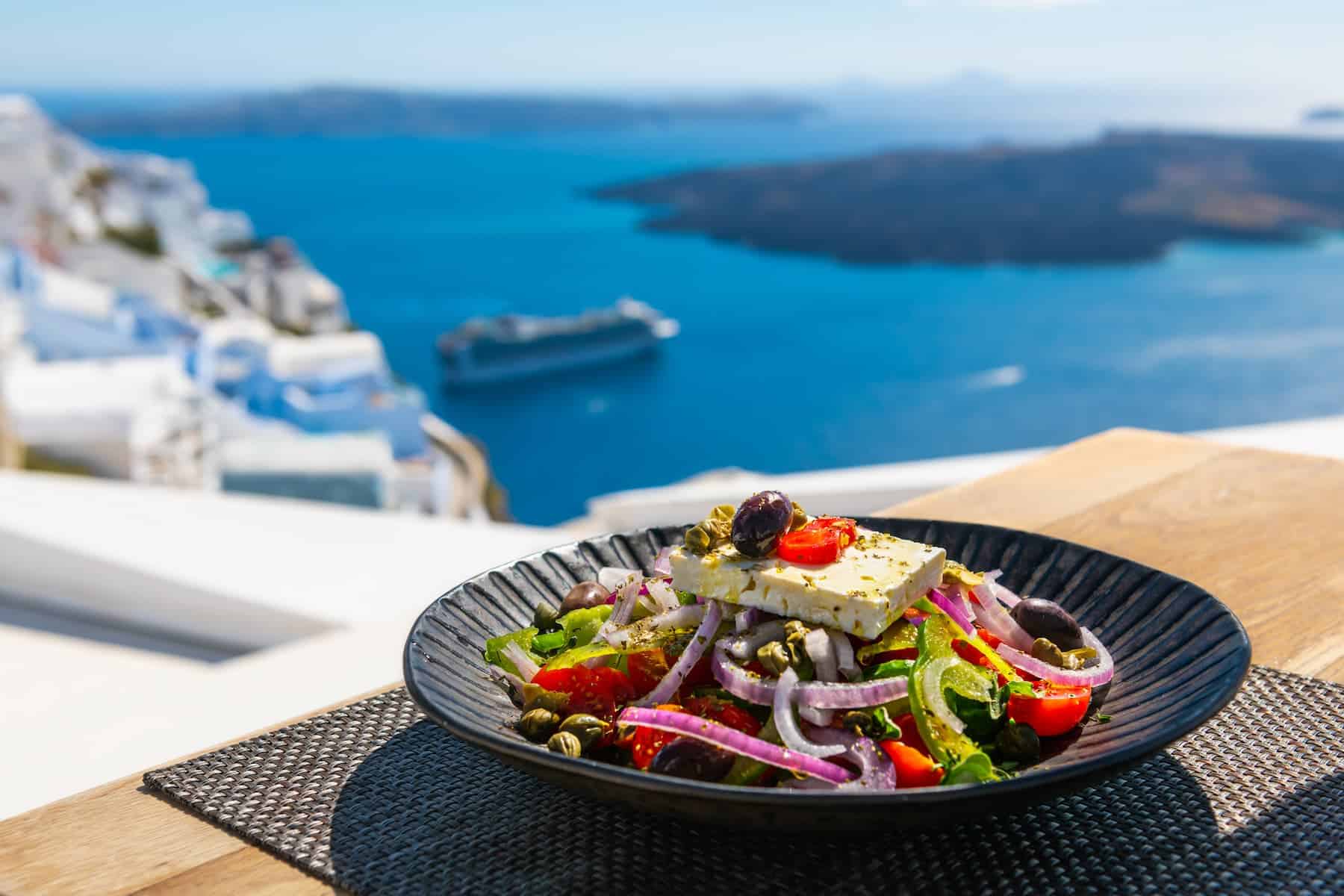
The Mediterranean diet is all about embracing the traditional eating habits of people living along the sun-drenched Mediterranean coast.
While the exact foods might vary a bit depending on the region, the core principles stay the same.
Here’s what you’ll typically find in a Mediterranean-style way of eating:
A Bounty of Plant-Based Foods
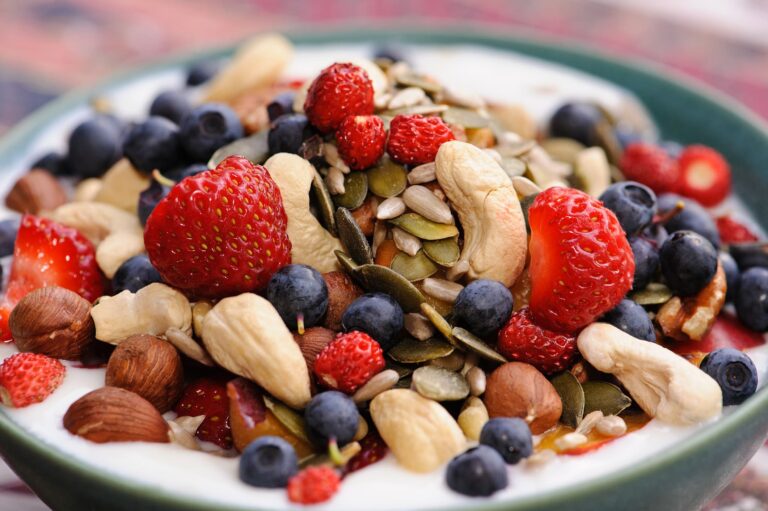
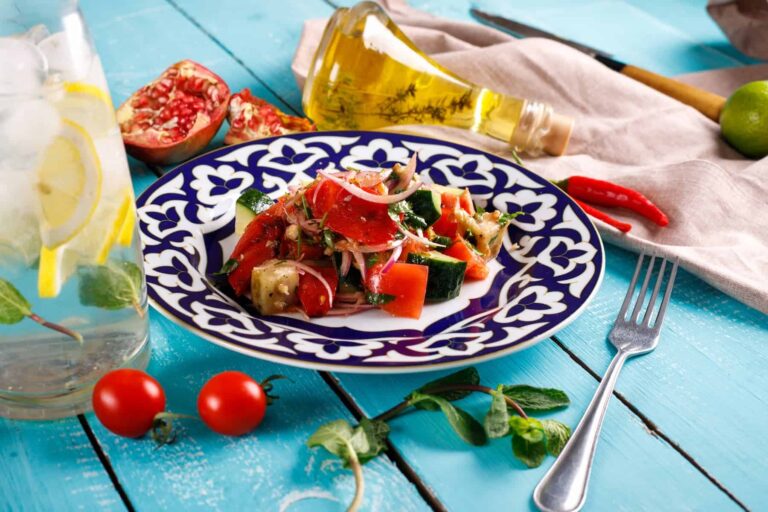
Think fresh veggies, juicy fruits, legumes, nuts, seeds, and hearty whole grains. The focus is on nutrient-rich, fiber-packed options that keep you feeling satisfied and energized.
Healthy Fats
Extra virgin olive oil takes center stage here, providing a rich source of healthy monounsaturated fats that are good for your heart and overall well-being.
Moderate Amounts of Lean Protein
Fish (especially fatty fish like salmon), poultry, eggs, and dairy (think yogurt and cheese) are common protein sources, all enjoyed in balanced portions.
Limited Red Meat and Processed Foods
The Mediterranean diet isn’t about cutting out food groups completely—it’s about moderation. Red meat and processed foods are kept to a minimum.
Herbs and Spices for Flavor
Instead of reaching for artificial flavors, Mediterranean cuisine uses a variety of fresh herbs and spices to add flavor. It’s all about enhancing taste with natural ingredients.
A Glass of Wine (In Moderation)
Red wine is often enjoyed with meals, adding to the social and cultural experience of eating, as long as it’s consumed in moderation.
What’s great about the Mediterranean diet is that it’s flexible, flavorful, and sustainable. No strict rules, no feeling deprived—just a delicious, balanced way of eating that you can stick with for the long haul.
RELATED POST: Mediterranean Diet Food List for Beginners: Your Simple Guide
The Science Behind the Mediterranean Diet
If you’ve ever wondered why the Mediterranean diet gets so much hype, here’s the secret: it’s not just “another healthy eating trend.”
It’s one of the most researched eating patterns in the world — and the Mediterranean diet benefits backed by science are pretty remarkable.
For years, big studies like the PREDIMED trial in Spain have shown that people who follow a Mediterranean-style diet have a lower risk of heart disease, stroke, diabetes, and even early death.
And now, the research keeps expanding.
A new long-term study followed thousands of adults for five years and found that the Mediterranean diet may also protect your liver. People who stuck more closely to the diet showed improvements in their liver-health markers, even with small increases in adherence.
Why the Mediterranean Diet is So Good For You
So what’s behind all these Mediterranean diet benefits?
It comes down to how its nutrients work together. Extra-virgin olive oil, nuts, legumes, whole grains, fruits, and vibrant veggies deliver a powerful mix of healthy fats, antioxidants, fiber, and anti-inflammatory compounds.
But the magic happens in the synergy — these nutrients support your body in ways that go far beyond what they can do individually.
They help:
It’s a simple, enjoyable way of eating that feels nothing like a restrictive diet — yet it delivers real, measurable results.
It’s food as medicine — and it tastes amazing.
Health Benefits of the Mediterranean Diet
Now, let’s dive into the incredible health benefits that come with adopting the Mediterranean diet:
1. Supports Heart Health
Cardiovascular disease is the number one cause of death worldwide — but here’s some good news: the Mediterranean diet has been shown to significantly lower your risk.
How?
It all comes down to healthy fats, like those in extra virgin olive oil. These fats help improve your cholesterol while reducing inflammation—two key players in heart health.
Big studies, like the CORDIOPREV trial, even found that people following a Mediterranean diet had about 28% fewer cardiovascular events compared to those on a low-fat diet.
Then there’s the fatty fish, like salmon and sardines, packed with heart-protective omega-3s that help lower blood pressure and prevent blood clots.
And don’t forget nuts and seeds. Small but mighty, they help keep your arteries flexible and your blood vessels working well.
One study shows that increasing intake of nuts, legumes, and other Mediterranean staples can improve waist size, reduce visceral fat, and lower triglycerides—all major factors for heart disease risk.
Even combining a Mediterranean-style diet with moderate physical activity can make a noticeable difference. In the same study, participants saw improvements in key heart health markers in as little as 12 weeks.
So, it’s not just delicious—it’s seriously heart-healthy too.
2. Aids in Weight Management
When it comes to weight management, the Mediterranean diet takes a refreshingly different approach than strict, calorie-counting fad diets.
Instead, it’s all about quality over quantity.
By focusing on nutrient-dense, whole foods—like fresh vegetables, fruits, whole grains, and healthy fats—you naturally feel fuller and more satisfied.
That means you’re less likely to overeat or snack mindlessly, and staying on track feels much easier.
And it’s not just theory. Research shows that people who stick closely to the Mediterranean diet are much less likely to carry excess body weight or have higher levels of abdominal fat.
In one large population-based study of over 3,000 adults, those with the highest adherence to the Mediterranean diet had 51% lower odds of having excess weight and 59% lower odds of abdominal weight gain, compared to people with low adherence. This was after accounting for age, sex, activity level, and other factors.
In other words, the Mediterranean diet helps you maintain a healthy weight in a sustainable, long-term way, without feeling deprived.
While you nourish your body with wholesome, satisfying foods, you’re also giving yourself a real edge in keeping your weight in check for the long haul.
3. Improves Blood Sugar Control
If you have type 2 diabetes—or are at risk of developing it—the Mediterranean diet can be a real game-changer.
This way of eating is packed with high-fiber foods like beans, vegetables, and whole grains, which help slow down blood sugar spikes and keep your levels more stable throughout the day.
But it’s not just about fiber. The healthy fats in olive oil, nuts, and fatty fish can actually improve your body’s insulin sensitivity, making it easier for your body to manage blood sugar.
And here’s the really exciting part: research shows that people who stick closely to the Mediterranean diet have lower fasting glucose, better insulin resistance scores, and reduced abdominal fat.
In one study from Poland, each additional point on the Mediterranean Diet Index was linked to a 10% lower risk of prediabetes, even after adjusting for age, sex, calorie intake, alcohol, and smoking.
Another big plus?
The Mediterranean diet keeps processed sugars to a minimum, meaning less strain on your pancreas. By cutting out sugary, processed foods, you’re reducing one of the major triggers for blood sugar problems.
In short, following a Mediterranean-style way of eating not only nourishes your body but also helps keep blood sugar steady.
This could potentially lower your risk of diabetes and even reduce your need for medications over time.
4. Reduces Inflammation
Chronic inflammation is linked to nearly every major health issue out there — from heart disease and diabetes to Alzheimer’s and arthritis.
The good news?
The Mediterranean diet is naturally anti-inflammatory, helping to calm inflammation and protect your body.
How does it work?
Polyphenols
Found in olive oil and red wine, polyphenols are powerful compounds that help reduce inflammation and protect your cells from damage.
Antioxidants
Vibrant, colorful fruits and vegetables (like berries, tomatoes, and leafy greens) are packed with antioxidants that help neutralize free radicals, reducing inflammation throughout the body.
Omega-3 Fatty Acids
These healthy fats, found in fatty fish like salmon and sardines, have been shown to lower inflammation markers and promote heart and brain health.
It’s not just theory — research shows that following a Mediterranean diet can significantly reduce key inflammatory markers, particularly in people with cardiovascular disease or under 60 years old.
And the benefits extend to the brain, too.
Another study found that people who stick closely to a Mediterranean diet had lower risk of cognitive decline, dementia, and Alzheimer’s disease, likely thanks in part to its anti-inflammatory and antioxidant effects.
This natural anti-inflammatory power is one of the big reasons the Mediterranean diet is so protective against chronic diseases.
By reducing inflammation, you’re not just feeling better day-to-day — you’re also lowering your risk of long-term health issues.
5. Supports Brain Health and Cognitive Function
Your brain thrives on the right nutrients—things like omega-3s, antioxidants, and polyphenols—all of which are abundant in the Mediterranean diet.
And the science backs it up: research shows that this way of eating is great for brain health, helping with everything from memory to mood.
Here’s how it helps:
Slows Age-Related Cognitive Decline
The Mediterranean diet is packed with nutrients that help protect your brain from the effects of aging, keeping your mind sharp as you get older.
Reduces the Risk of Alzheimer’s and Dementia
High adherence to the Mediterranean diet has been linked to a lower risk of mild cognitive impairment (MCI) and Alzheimer’s disease (AD).
Improves Mood and Reduces Depression Symptoms
The healthy fats, antioxidants, and anti-inflammatory compounds in Mediterranean foods may also have a positive effect on mental health, improving mood and reducing symptoms of depression.
So, not only can the Mediterranean diet protect your brain—it can help keep it running at its best, supporting memory, focus, and overall cognitive function.
6. Promotes Longevity
If there’s one thing the Mediterranean diet is famous for, it’s longevity.
Many Mediterranean communities are known for their high number of vibrant older adults—and their delicious, wholesome way of eating plays a huge role in that.
Recent research backs this up in a big way.
A 2024 meta-analysis looking at more than 679,000 older adults found that people who closely follow the Mediterranean diet have a 23% lower risk of early death and a 27% lower risk of dying from cardiovascular disease.
That’s a major difference—just from choosing nourishing, whole foods.
Why does it help so much?
The Mediterranean diet is naturally protective. It’s rich in anti-inflammatory foods, heart-loving fats, fiber-filled veggies, and antioxidant-rich ingredients that help your body stay strong as you age.
By supporting cardiovascular health and reducing overall inflammation, this way of eating helps you stay healthier for longer and keeps your body feeling resilient through the years.
Simply put: embracing the Mediterranean diet isn’t just about eating well—it’s about adding more good years to your life.
7. Improves Gut Health
Gut health is a hot topic these days—and for good reason.
A balanced gut microbiome doesn’t just support smooth digestion; it also plays a big role in your immune system, metabolic health, and even how you feel mentally.
The Mediterranean diet naturally supports a thriving gut thanks to its emphasis on whole, fiber-rich foods and healthy fats.
Fiber-Rich Fruits, Vegetables, and Legumes
Fruits, vegetables, whole grains, and legumes are rich in fiber—and your gut bacteria love fiber.
It acts like fuel for the beneficial microbes that keep your digestion running smoothly and help reduce inflammation throughout the body.
Fermented Dairy (Yogurt and Kefir)
These probiotic-rich foods are full of live cultures that promote a healthy gut microbiome, improving digestion and boosting immunity.
With a balanced gut microbiome, you’ll not only feel better physically—you might even notice improvements in your mood and mental health.
Healthy Fats and Polyphenols for a Balanced Microbiome
Extra virgin olive oil and plant-based foods are packed with polyphenols, which help beneficial gut bacteria grow while keeping harmful ones in check.
These compounds also support the gut lining and help maintain a strong, healthy gut barrier.
Probiotic-Rich Dairy for Extra Support
Yogurt, kefir, and other fermented dairy products add live cultures that help diversify your gut microbiome, boost immunity, and support smoother digestion.
When your gut microbiome is balanced, you’re likely to feel better from the inside out. Many people even notice improvements in mood and mental well-being—because the gut and brain are closely connected.
Research shows that the Mediterranean diet can increase microbial diversity, reduce inflammation, and support better metabolic and cognitive health.
In other words, it’s one of the most effective ways to nourish your gut and your overall wellness.
One of the simplest ways I’ve added probiotics to my daily routine is by making my own yogurt at home. Purchasing the Luvele Yogurt Maker has honestly been one of the best choices I’ve made for my health—I use it constantly and recommend it wholeheartedly.
Homemade yogurt is easy, tasty, and gives you complete control over the ingredients while naturally supporting your gut health.
RECOMMENDATION
Luvele Pure Yogurt Maker

This simple and high-quality yogurt maker has advanced water-bath technology, which ensures even and consistent temperatures for thick, probiotic-rich yogurt.
Key features:
*We may earn a commission at no extra cost to you.
8. May Help Lower Cancer Risk
No diet can completely prevent cancer, but the Mediterranean diet is packed with protective compounds that help your body stay strong and resilient.
Research shows that this eating pattern is associated with a lower risk of several types of cancer, particularly digestive system cancers, and may also be beneficial for breast, colorectal, and prostate cancers.
Here’s how it works:
Antioxidants
Fruits, vegetables, and other plant foods in the Mediterranean diet are rich in antioxidants. These molecules help neutralize free radicals that can damage cells and contribute to cancer development.
Fiber
High-fiber foods, like whole grains, legumes, fruits, and vegetables, support healthy digestion and hormone balance, which is particularly important in reducing risk for certain hormone-related cancers.
Olive Oil Polyphenols
Extra virgin olive oil is full of polyphenols, which may help protect cells from damage and inhibit tumor growth.
While the Mediterranean diet is not a cure-all, its nutrient-rich foods work together to support your body’s defenses and may lower your risk of developing cancer over time.
Eating this way is a delicious and practical step toward long-term health.
9. Supports Healthy Aging and Skin
The Mediterranean diet isn’t just good for your heart and mind—it can also help your skin stay vibrant, healthy, and resilient as you age.
Healthy Fats
Omega-3 fatty acids from fatty fish, olive oil, and nuts help keep skin hydrated, plump, and nourished. They also support your skin’s natural barrier, helping lock in moisture and protect against dryness.
Antioxidants
Fruits and vegetables are packed with antioxidants, including carotenoids, that help protect your skin cells from oxidative stress.
Studies show that people who closely follow the Mediterranean diet have higher skin carotenoid levels, which is linked to better skin protection and overall cellular health.
Hydration
Water-rich foods, like vegetables, fruits, and legumes, contribute to natural hydration, helping skin look healthy and glowing.
People who follow the Mediterranean diet often report a more radiant complexion and fewer age-related skin concerns. By nourishing your body from the inside out, this eating pattern supports both overall health and youthful, glowing skin.
Practical Tips to Follow the Mediterranean Diet
Adopting the Mediterranean lifestyle doesn’t mean you have to completely overhaul your eating habits overnight. Start small, make gradual changes, and enjoy the process of discovering new foods and flavors.
Here are some simple, practical tips to help you get started:
Use Extra Virgin Olive Oil as Your Main Fat
Swap out butter and vegetable oils for high-quality extra virgin olive oil (EVOO). You can use it for cooking, drizzling on salads, or even for baking. It’s a heart-healthy fat that’ll bring a delicious richness to your meals.
Fill Half Your Plate with Vegetables
Try to load up half your plate with a variety of veggies—leafy greens, colorful peppers, tomatoes, zucchini, and root vegetables. The more colorful, the better! Aim for variety to get the full spectrum of nutrients.
Eat More Fish and Less Red Meat
Try to enjoy fatty fish like salmon or sardines 2-3 times a week. Fish is packed with healthy omega-3s. Red meat? Save it for special occasions or enjoy it in smaller portions.
Snack on Nuts and Seeds
Instead of processed snacks, go for a handful of nuts and seeds. Almonds, walnuts, pumpkin seeds—these are all great options that are full of healthy fats, protein, and fiber.
Choose Whole Grains
Make the switch from refined carbs to whole grains. Think whole-grain bread, brown rice, quinoa, or farro. These options provide more fiber and nutrients, keeping you full and satisfied longer.
Incorporate Legumes
Beans, lentils, and chickpeas are staples in Mediterranean cooking. They’re full of fiber and protein, and they make a great meat alternative in salads, soups, or stews.
Flavor with Herbs and Spices
Experiment with herbs and spices like garlic, oregano, rosemary, basil, and even cinnamon. These add tons of flavor!
Enjoy Fruit for Dessert
Craving something sweet? Reach for fresh fruit. It’s naturally sweet, packed with antioxidants, and gives you a satisfying, healthy dessert after a meal.
Practice Moderation with Dairy and Wine
When it comes to dairy, opt for plain yogurt and aged cheeses in moderation. If you enjoy wine, a glass of red wine with your meal is a great way to enhance the experience—just remember, moderation is key!
Embrace the Lifestyle
The Mediterranean diet isn’t just about food—it’s about a lifestyle. It’s about enjoying meals with loved ones, staying active, and reducing stress. Make time for daily movement and focus on living a balanced, fulfilling life.
Sample Mediterranean-Inspired Meal Plan
Here’s a day’s worth of meals inspired by the Mediterranean diet. Easy to make, full of flavor, and packed with nutrients to keep you feeling your best.
Breakfast
- Greek yogurt topped with fresh berries, a handful of walnuts, and a drizzle of honey (if you like a little sweetness)
Lunch
- Grilled salmon with olive oil–roasted vegetables (like zucchini, peppers, and tomatoes) and a side of quinoa for a nutrient-packed lunch
Snack
- A handful of almonds and a crisp apple—perfect for a quick, satisfying snack
Dinner
- Lentil and vegetable stew, served with whole-grain bread for dipping. On the side, a fresh salad with a simple olive oil vinaigrette to finish off the meal
Dessert
- Fresh orange slices or baked figs with a sprinkle of cinnamon—a naturally sweet and healthy way to end your day.
Final Thoughts
The Mediterranean diet isn’t just a trend—it’s a lifestyle that has stood the test of time for a reason.
It’s a way of eating that’s not only backed by science but also rooted in the simple, joyful traditions of living well.
By focusing on whole foods, healthy fats, and mindful eating, the Mediterranean approach supports everything from your heart health to brain function to longevity—and the best part is, it doesn’t feel like a chore.
If you’re tired of dieting and restricting yourself, and you just want to feel better and enjoy your meals, the Mediterranean lifestyle might be exactly what you’re looking for.
You don’t need to make huge changes all at once—just start with small, simple steps and let the food bring you joy.
Whether it’s adding more vegetables to your plate, swapping in olive oil, or savoring a glass of wine with dinner, you’ll be nourishing your body in a way that feels good and is sustainable for the long run.
So why not give it a try?
Start small, savor the journey, and discover just how rewarding eating well can be.
*This article is for informational purposes only and is not intended as medical advice. It should not be used to diagnose, treat, or prevent any health condition. Always consult a qualified healthcare professional before making any changes to your diet, exercise, or health routine.
Barbosa, Ana Rita et al. “Impact of a Mediterranean-Inspired Diet on Cardiovascular Disease Risk Factors: A Randomized Clinical Trial.” Nutrients vol. 16,15 2443. 26 Jul. 2024, doi:10.3390/nu16152443. Adapted and used under the terms of the Creative Commons Attribution 4.0 International License.
Cueto-Galán, Raquel et al. “Adherence to the Mediterranean diet to prevent or delay hepatic steatosis: a longitudinal analysis within the PREDIMED study.” Frontiers in nutrition vol. 12 1518082. 21 May. 2025, doi:10.3389/fnut.2025.1518082. Adapted and used under the terms of the Creative Commons Attribution 4.0 International License.
Delgado-Lista, Javier et al. “Long-term secondary prevention of cardiovascular disease with a Mediterranean diet and a low-fat diet (CORDIOPREV): a randomised controlled trial.” Lancet (London, England) vol. 399,10338 (2022): 1876-1885. doi:10.1016/S0140-6736(22)00122-2. Abstract only.
Fekete, Mónika et al. “The role of the Mediterranean diet in reducing the risk of cognitive impairement, dementia, and Alzheimer's disease: a meta-analysis.” GeroScience vol. 47,3 (2025): 3111-3130. doi:10.1007/s11357-024-01488-3. Abstract only.
Fu, Jialei et al. “Association between the mediterranean diet and cognitive health among healthy adults: A systematic review and meta-analysis.” Frontiers in nutrition vol. 9 946361. 28 Jul. 2022, doi:10.3389/fnut.2022.946361. Adapted and used under the terms of the Creative Commons Attribution 4.0 International License.
Furbatto, Michela et al. “Mediterranean Diet in Older Adults: Cardiovascular Outcomes and Mortality from Observational and Interventional Studies-A Systematic Review and Meta-Analysis.” Nutrients vol. 16,22 3947. 19 Nov. 2024, doi:10.3390/nu16223947. Adapted and used under the terms of the Creative Commons Attribution 4.0 International License.
Keshani, Mahdi et al. “Mediterranean Diet Reduces Inflammation in Adults: A Systematic Review and Meta-analysis of Randomized Controlled Trials.” Nutrition reviews, nuaf213. 10 Nov. 2025, doi:10.1093/nutrit/nuaf213. Abstract only.
Monllor-Tormos, Aitana et al. “Mediterranean diet for cancer prevention and survivorship.” Maturitas vol. 178 (2023): 107841. doi:10.1016/j.maturitas.2023.107841. Abstract only.
Panagiotakos, Demosthenes B et al. “Association between the prevalence of obesity and adherence to the Mediterranean diet: the ATTICA study.” Nutrition (Burbank, Los Angeles County, Calif.) vol. 22,5 (2006): 449-56. doi:10.1016/j.nut.2005.11.004. Abstract only.
Perrone, Pasquale, and Stefania D'Angelo. “Gut Microbiota Modulation Through Mediterranean Diet Foods: Implications for Human Health.” Nutrients vol. 17,6 948. 8 Mar. 2025, doi:10.3390/nu17060948. Adapted and used under the terms of the Creative Commons Attribution 4.0 International License.
Zalewska, Magdalena et al. “Beneficial Effect of the Mediterranean Diet on the Reduction of Prediabetes-Results of the Bialystok PLUS Study.” Nutrients vol. 17,12 2034. 18 Jun. 2025, doi:10.3390/nu17122034. Adapted and used under the terms of the Creative Commons Attribution 4.0 International License.

Linda is the co-founder of Courier Wellness and holds a Diploma in Natural Health Nutrition & Diet. Her passions include photography, food, and travel, where she derives inspiration from diverse cultures and their holistic approaches to well-being. She is committed to helping others make informed, nourishing choices for a healthier life.