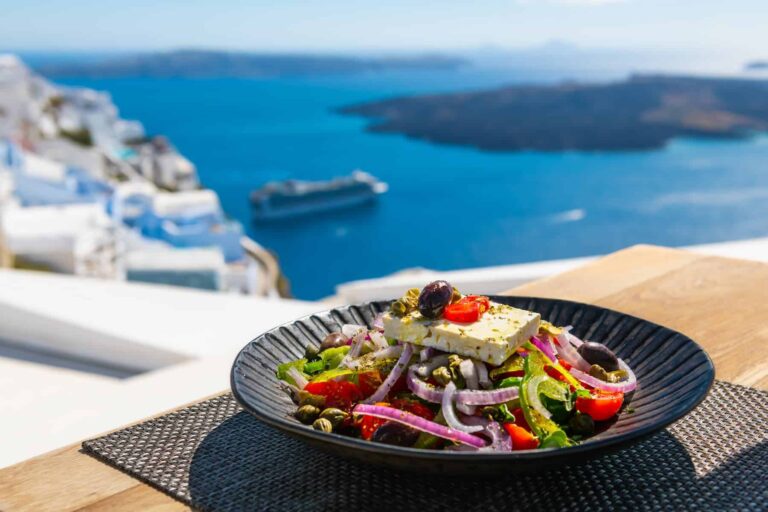
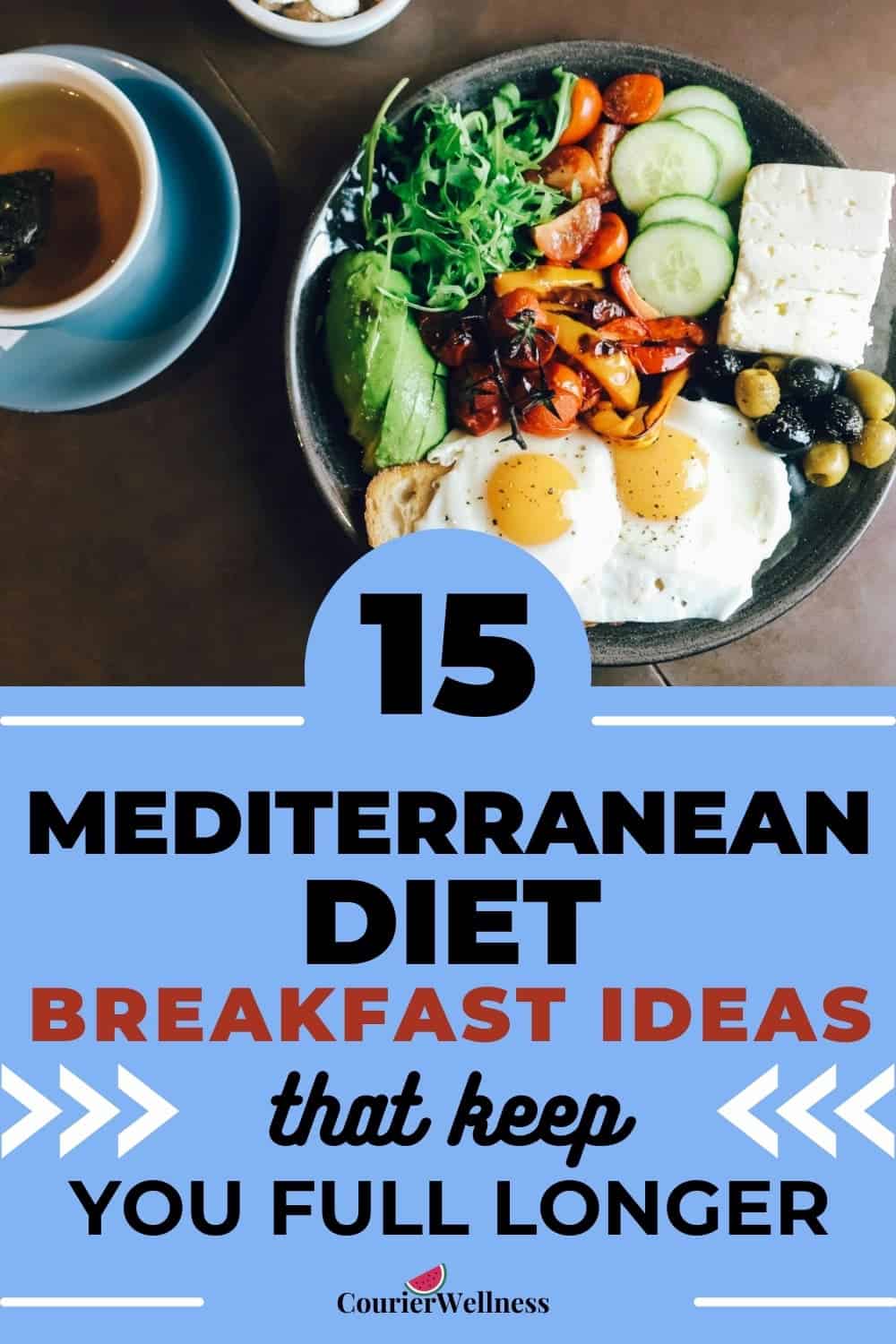
15 Quick and Tasty Mediterranean Diet Breakfast Ideas
This post contains affiliate links, which means we may earn a commission if you purchase through our links—at no extra cost to you. As an Amazon Associate we earn from qualifying purchases. We only recommend products we use or trust. Learn more about affiliate marketing or read our full disclosure.
Starting your day with a breakfast that’s both healthy and delicious can totally set the tone for the rest of your day.
If you’ve been curious about eating in a way that’s wholesome, satisfying, and full of flavor, the Mediterranean diet is a fantastic place to start.
And the best part?
Breakfast doesn’t have to be complicated or time-consuming.
In this article, I’m sharing 15 quick and tasty Mediterranean diet breakfast ideas that are not only easy to whip up but will leave you feeling energized, nourished, and excited about your mornings.
Let’s dive in and make breakfast your favorite meal of the day!
Why Choose Mediterranean Diet Breakfast Ideas?
The Mediterranean diet is all about simple, whole foods—think fresh fruits and veggies, nuts, whole grains, legumes, olive oil, dairy, and lean proteins like fish.
And when it comes to breakfast, this approach is a game-changer.
Breakfasts inspired by the Mediterranean diet are:
Full of vitamins, minerals, fiber, and healthy fats to start your day right.
A perfect mix of carbs, protein, and fats to keep your energy steady until lunch.
Fresh, vibrant flavors and textures that make mornings something to look forward to.
Ideal for busy mornings when you don’t want to sacrifice nutrition for convenience.
Switching to Mediterranean diet breakfast ideas isn’t just tasty—it can also help with weight management, support heart health, and even give your brain a boost.
related Posts:
- 9 Surprising Health Benefits of the Mediterranean Diet (Backed by Science)
- Mediterranean Diet Food List for Beginners: Your Simple Guide
- The Ultimate Mediterranean Diet Blueprint: How to Eat, Cook, and Thrive
- Mediterranean Diet for Beginners: Your Complete Guide to Getting Started
- The Complete Mediterranean Diet Grocery List for Beginners
Ready to see what you can make?
Let’s jump into 15 tasty ideas you’ll actually want to eat!
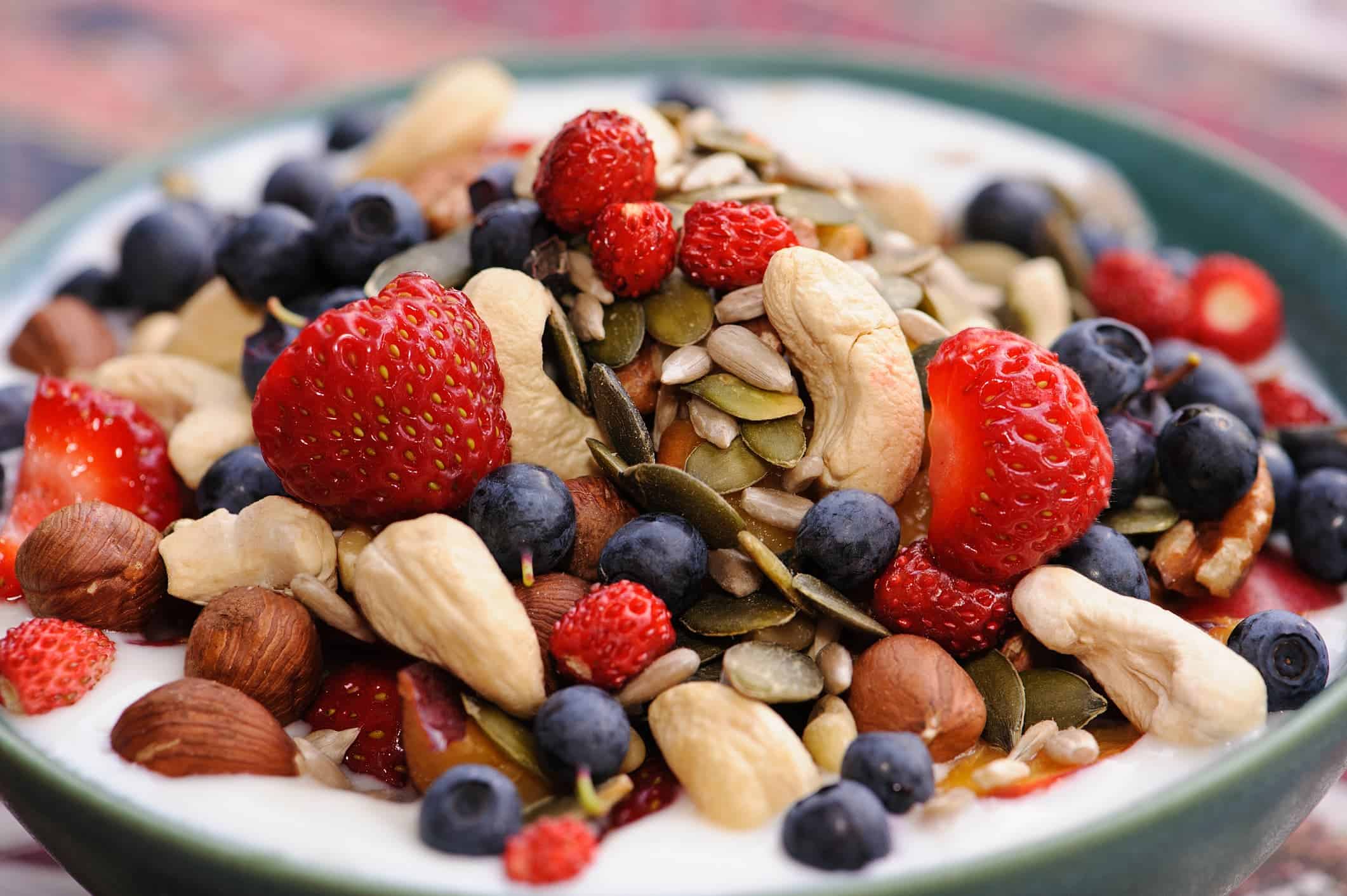
1. Yogurt with Fresh Fruit and Nuts
Sometimes the simplest breakfasts are the best—and this one is a classic Mediterranean favorite. It’s quick, wholesome, and oh-so-satisfying.
Ingredients:
- Yogurt
- Mixed berries (strawberries, blueberries, raspberries)
- A handful of walnuts or almonds
Why it works (Backed by Science):
Yogurt is packed with protein and probiotics, which help support gut health and may even benefit the immune system. It is also a good source of calcium, potassium, and vitamins B2 and B12, making it a nutrition-dense choice.
If you’re someone who loves yogurt but wishes it could be even healthier and more satisfying, making it at home is a game-changer. I use the Luvele yogurt maker myself, and I can’t imagine going back to store-bought yogurt.
Homemade yogurt is packed with probiotics, the good bacteria that support gut health — something many of us don’t get enough of in our diets. Probiotics help balance your digestive system, support your immune function, and may even improve nutrient absorption.
Eating fermented foods regularly is one of the simplest ways to give your gut a boost.
editor’s choice
Luvele Pure Yogurt Maker

This simple and high-quality yogurt maker has advanced water-bath technology, which ensures even and consistent temperatures for thick, probiotic-rich yogurt.
Key features:
*We may earn a commission at no extra cost to you.
Since I started making my own yogurt and fermenting it for 24 hours, I’ve noticed some amazing changes: my skin looks clearer and has a healthy glow, my stomach feels flatter, and overall I just feel healthier and more energized.
Sure, it tastes a little more tangy than store-bought, but that natural flavor is exactly what makes it so satisfying — and so much better for you.
If you’re looking to make yogurt for the whole family or want the option to make kefir as well, consider the Luvele Pure Plus yogurt maker. It’s a versatile appliance that makes homemade fermented foods easy, convenient, and consistent — and once you try it, you’ll wonder why you ever bought yogurt from the store.
great pick
Luvele Pure Plus Yogurt Maker

This versatile and high-quality yogurt maker features advanced water-bath technology, delivering precise, consistent temperatures for thick, probiotic-rich yogurt—and even homemade kefir.
Key features:
*We may earn a commission at no extra cost to you.
Want to learn more about why this is our go-to yogurt maker for gut health? Check out our full article: “Luvele: Why It’s The Best Yogurt Maker For Gut Health.”
Once you have your homemade yogurt, you can elevate it even further with nutrient-dense toppings. A handful of nuts like raw walnuts or almonds adds a satisfying crunch along with heart-healthy fats, magnesium, and amino acids that support brain function and nerve health. They’re also rich in antioxidants that help protect your cells.
For high-quality options, consider NOW Foods Organic Raw Walnuts, Unsalted and NOW Foods Organic Raw Almonds, Unsalted, from iHerb which are widely available and ideal for sprinkling on yogurt or mixing into breakfast bowls.
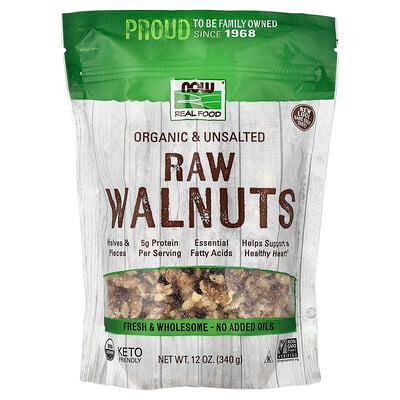
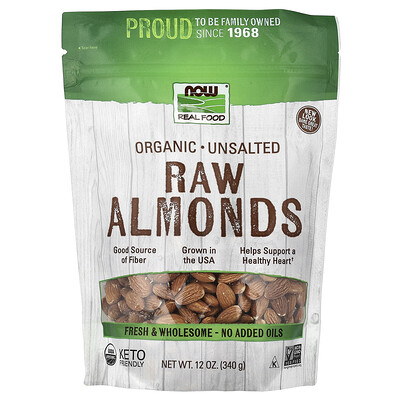
Last, but not least the berries bring a burst of natural sweetness, fiber, and polyphenols— plant compounds linked to a range of health benefits, from antioxidant protection to potential support for heart and metabolic health.
2. Avocado Toast on Whole Grain Bread with Olive Oil Drizzle
Creamy avocado meets hearty whole-grain bread—simple, satisfying, and totally Mediterranean.
Ingredients:
- Whole grain or sourdough bread
- Ripe avocado
- Extra virgin olive oil
- A pinch of sea salt
- Optional: chili flakes or a squeeze of lime juice for a little zing
Why it works (Backed by Science):
Whole grains are naturally rich in antioxidants and have a gentler effect on blood sugar than refined grains, helping keep your energy steadier throughout the morning
Avocado brings creamy healthy fats and fiber, which help keep you satisfied, and research shows it may also support heart health — with early studies even looking at gut and brain benefits as well.
Extra virgin olive oil adds a drizzle of antioxidants and those classic Mediterranean monounsaturated fats that have been linked with better heart and metabolic health.
Here are two great options to consider from Olive Oil Lovers:
Entelia Extra Virgin Olive Oil – A fantastic value option for everyday use, this olive oil is packed with antioxidants and heart-healthy monounsaturated fats. It’s a simple way to bring the Mediterranean into your meals without breaking the bank.

Entelia
Tamia Green Extra Virgin Olive Oil – With its mild, versatile flavor, this olive oil is perfect for drizzling on salads, roasted veggies, or even your breakfast toast.
It also provides the same heart- and metabolism-supporting monounsaturated fats, making it easy to enjoy the health benefits of the Mediterranean diet.

Tamia Green
3. Mediterranean Vegetable Omelette
Start your morning with a protein-packed, veggie-filled omelette that’s as colorful as it is tasty.
Ingredients:
- Eggs or egg whites
- Diced tomatoes
- Spinach
- Olives
- Feta cheese
- Fresh herbs like parsley or oregano
Why it works (Backed by Science):
This omelette combines Mediterranean staples that bring both flavor and nourishment.
Eggs supply high-quality protein and choline for brain-supporting nutrition. Tomatoes and spinach add antioxidants and phytonutrients.
Research shows that tomatoes, in particular, contain a variety of bioactive compounds beyond lycopene that contribute to overall wellness when included in a balanced diet.
Olives provide monounsaturated fats and vitamin E, and reviews note that table olives also contain hydroxytyrosol, a natural antioxidant found in the olive fruit.
If you want to elevate your breakfast with something extra, consider Colonna Kalamata Black Olives from Olive Oil Lovers. They’re flavorful, nutrient-rich, and perfect for adding a Mediterranean touch to salads, breakfast bowls, or any recipe — though they are on the pricier side, so best saved for when you want a little luxury in your meal.

Colonna Kalamata Black Olives
A little feta adds calcium and protein and fresh herbs like parsley or oregano contribute aroma and additional plant compounds.
Many herbs and spices used in the Mediterranean Diet are recognized for their bioactive potential.
4. Oatmeal with Whole Milk, Nuts, and Dried Fruit
Here’s a twist on classic oatmeal that’s both comforting and packed with Mediterranean flavors.
Ingredients:
- Rolled oats
- Whole milk
- Chopped walnuts
- Dried apricots or figs
- A sprinkle of cinnamon
Why it works (Backed by Science):
Oats provide beta-glucan, a soluble fiber shown to support healthy cholesterol levels and promote steady blood sugar.
If you’ve ever tried oatmeal that turns out mushy, bland, or unevenly cooked, Bob’s Red Mill Old Fashioned Rolled Oats from iHerb are a game-changer. They cook up perfectly every time, hold their texture, and mix beautifully with nuts, fruit, or milk — giving you a heart-healthy, satisfying breakfast that actually keeps you full and energized through the morning.
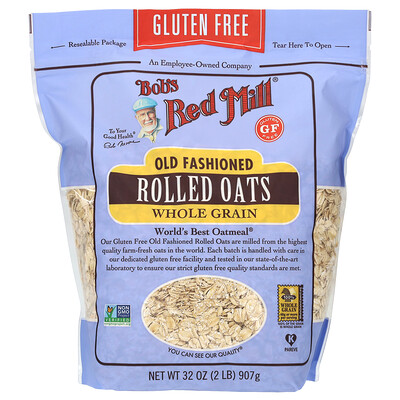
Bob's Red Mill, Old Fashioned Rolled Oats, Whole Grain, Gluten Free, 32 oz (907 g)
Whole milk contains calcium, a mineral essential for bone, muscle, and nerve function.
Research notes that dairy foods offer highly bioavailable calcium and contain naturally occurring peptides with potential antioxidant and immune-supporting properties.
And figs contain flavonoids and phenolic acids linked to digestive and cardiometabolic benefits, while apricots supply vitamins, minerals, and fibers that help support healthy digestion and blood sugar regulation.
A sprinkle of cinnamon adds warmth and natural sweetness to your oatmeal while providing antioxidants and supporting healthy blood sugar levels.
Not all cinnamon is created equal, though — many common varieties (like cassia) can contain high amounts of coumarin, which may be harmful if consumed in large quantities over time.
Choosing a high-quality Ceylon cinnamon ensures you get the flavor and health benefits without the risks.
For a reliable option, Simply Organic Ceylon Cinnamon from iHerb is a great choice. It’s aromatic, pure, and easy to use, giving your breakfast that cozy, slightly sweet flavor while keeping your health a priority.
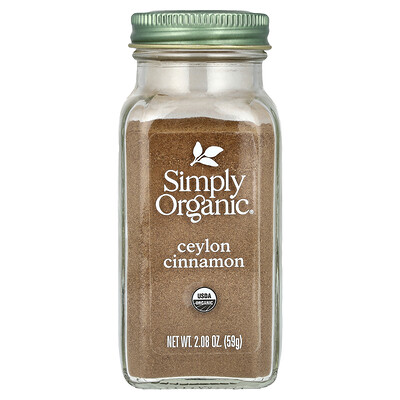
Simply Organic, Ceylon Cinnamon, 2.08 oz (59 g)
5. Hummus and Whole Grain Pita Bread
If you’re looking for a savory breakfast that’s both quick and satisfying, this one’s for you. Plus, homemade hummus takes it to the next level!
Ingredients:
- Homemade hummus (recipe below) or store-bought if you’re short on time
- Whole grain pita
- Cucumber slices
- Cherry tomatoes
Why it works (Backed by Science):
Chickpeas provide plant-based protein and fiber that help keep you full, and research has shown they contain bioactive compounds linked to antioxidant and cardiometabolic benefits.
If you’ve ever struggled with bland or mushy canned chickpeas, try Arrowhead Mills Organic Chickpeas from iHerb. They cook up beautifully, hold their texture, and give your hummus or salads a naturally hearty flavor while delivering all those health benefits.
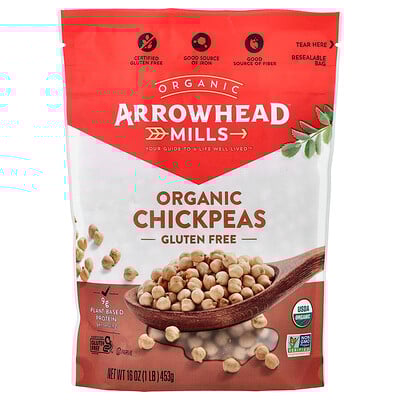
Arrowhead Mills, Organic Chickpeas, 16 oz (453 g)
Tahini (used in hummus) adds healthy fats from sesame seeds, which have been studied for their antioxidant and lipid-supporting properties.
Not all sesame seeds are created equal — some can be bitter or lose potency over time. Bob’s Red Mill Hulled White Sesame Seeds from iHerb are high-quality, fresh, and easy to blend into homemade tahini, ensuring your hummus is creamy, flavorful, and packed with the nutrients your body loves.
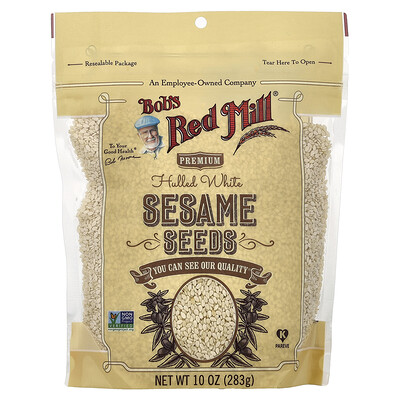
Bob's Red Mill, Hulled White Sesame Seeds, 10 oz (283 g)
Whole grain pita gives you steady energy thanks to its fiber-rich complex carbs, while the tomatoes and cucumbers add hydration and micronutrients. Cucumber, in particular, is known for its antioxidant properties.
It’s a balanced, feel-good Mediterranean combo that’s quick, satisfying, and built on ingredients with real nutritional benefits.
I love this easy homemade hummus recipe from Inspired Taste—it’s better than store-bought, and honestly, once you try it, you’ll never go back! It’s smooth, creamy, and full of flavor. You can find the recipe here.
6. Smoked Salmon and Avocado Wrap
For a breakfast that’s both delicious and nutrient-packed, this smoked salmon and avocado wrap is a winner. Perfect for a quick, satisfying meal.
Ingredients:
- Whole grain wrap or flatbread
- Smoked salmon
- Avocado
- Arugula
- A squeeze of fresh lemon juice
Why it works (Backed by Science):
This wrap brings together several Mediterranean-friendly ingredients with real research behind them.
Smoked salmon deliversomega-3–rich fish proteins, and studies have shown that regular consumption of oil-rich fish like salmon can help lower blood pressure, reduce triglycerides, and improve cholesterol levels.
Arugula adds a fresh, peppery crunch along with folate, vitamins A, C, and K, and plenty of antioxidants that support immunity, metabolism, and even healthy digestion.
Creamy avocado contributes fiber and heart-healthy fats, and a squeeze of lemon adds brightness along with citrus polyphenols, which have been studied for potential anti-aging and gut-supportive effects.
All together, it’s a quick breakfast that feels indulgent but is deeply nourishing.
7. Tomato and Cucumber Salad with Feta Cheese
For those mornings when you want something light, refreshing, and full of flavor, this tomato and cucumber salad with feta is just perfect.
Ingredients:
- Diced tomatoes
- Cucumber
- Red onion
- Crumbled feta cheese
- Olive oil
- Oregano
- Lemon juice
Why it works (Backed by Science):
This simple salad is fresh, hydrating, and loaded with nutrients.
Tomatoes bring antioxidants like lycopene and cucumbers add hydration and fiber, plus they contain bioactive compounds with potential antioxidant and metabolic-supportive effects.
A little red onion gives the salad a flavorful kick while offering quercetin and other antioxidant compounds. Red onions actually have higher levels of these beneficial phytochemicals compared to white or yellow varieties.
Feta cheese contributes protein, calcium, and satisfying richness, and it fits right into the Mediterranean pattern when eaten in moderation. A drizzle of olive oil and a squeeze of lemon round everything out with healthy fats and bright citrus polyphenols.
It’s refreshing, nutrient-dense, and takes just minutes to make—perfect for light mornings that still need substance.
I highly recommend trying this Tomato Cucumber Feta Salad from Natasha’s Kitchen—it’s super tasty and the perfect blend of fresh veggies and creamy feta. You can find the recipe here.
8. Whole Grain Toast with Ricotta and Honey
Craving something sweet and savory?
This whole grain toast topped with ricotta, honey, and a sprinkle of nuts is the perfect balance of flavors and textures to start your day.
Ingredients:
- Whole grain bread
- Fresh ricotta cheese
- Drizzle of honey
- Crushed pistachios or almonds
Why it works (Backed by Science):
This toast is simple but surprisingly nutrient-dense.
Ricotta, made from whey, is naturally rich in high-quality protein and calcium, and whey proteins are highly bioavailable with documented immune-supportive and anticancer properties.
It’s also lower in fat and calories than many cheeses, so you get creaminess without heaviness.
Whole grain bread adds fiber and slow-digesting carbs to keep your energy steady, while honey provides natural sweetness and a touch of antioxidants.
Topping it with pistachios or almonds brings in heart-healthy monounsaturated fats, fiber, and antioxidant-rich phytochemicals.
Pistachios in particular have been linked to better cholesterol, glucose control, and reduced inflammation, making them a smart addition.
If you’ve ever opened a bag of nuts only to find they taste dull, stale, or slightly rancid, you know how disappointing that can be. Quality really matters with nuts because their natural oils are delicate.
Wilderness Poets Organic California Pistachios, Unsalted from iHerb are a clean, high-quality option with no added oils or unnecessary ingredients — just pure pistachios with a naturally rich flavor and satisfying crunch.
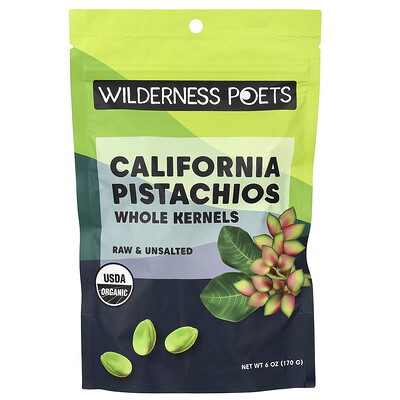
Wilderness Poets, Organic Organic California Pistachios, Unsalted, 6 oz (170 g)
A light drizzle of honey adds natural sweetness and depth to this recipe. While honey is best enjoyed in moderation, choosing a high-quality option makes all the difference.
If you’re a true honey lover and want to elevate your breakfast with something special, Entelia Cretan Honey XL is a luxurious choice available from Olive Oil Lovers.

Entelia Cretan Honey XL
Altogether, it’s a quick breakfast that’s balanced, satisfying, and backed by solid nutrition science.
9. Chickpea Pancakes (Socca) with Herbs
If you’re in the mood for something a little different, these chickpea pancakes (or socca) are a tasty, traditional Mediterranean treat. Packed with flavor and texture, they’re perfect for breakfast or a light snack.
Ingredients:
- Chickpea flour
- Water
- Olive oil
- Fresh herbs (rosemary, thyme)
- Sea salt
Why it works (Backed by Science):
Chickpea flour gives these pancakes a major nutritional boost. Studies show it’s naturally richer in protein, fiber, and essential nutrients than refined wheat flour.
Even better?
Those nutrients stay stable even after soaking, boiling, and drying. In fact, processing can increase dietary fiber, which helps keep you full and supports digestion.
If you’ve ever tried alternative flours that turned out gritty or heavy, quality makes a difference. Bob’s Red Mill Chickpea Flour (Gluten Free) from iHerb is finely milled and reliable, giving you light, satisfying pancakes with all the nutritional benefits — without the dense texture some gluten-free flours can create.
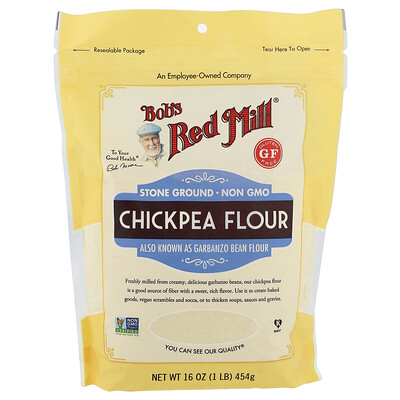
Bob's Red Mill, Chickpea Flour, Gluten Free, 1 lb (454 g)
Using sea salt adds flavor with slightly lower sodium. It also contains trace minerals like magnesium and potassium.
If you want to elevate the flavor, Frantoi Cutrera Sicilian Natural Coarse Sea Salt from Olive Oil Lovers is a great finishing option. Its clean, mineral-rich taste adds authentic Mediterranean flavor, turning simple pancakes into something that feels thoughtfully crafted.

Frantoi Cutrera Sicilian Natural Coarse Sea Salt
A touch of extra virgin olive oil brings heart-healthy fats, and herbs like rosemary and thyme add natural antioxidants.
Simple, satisfying, and backed by science — socca checks all the boxes.
10. Mediterranean Breakfast Bowl
This Mediterranean breakfast bowl is like a little bit of everything you love—packed with wholesome ingredients for a nutrient-rich start to your day. It’s the ultimate mix-and-match breakfast that you can customize based on what you have on hand.
Ingredients:
- Quinoa or farro base
- Chopped cucumber
- Cherry tomatoes
- Olives
- Boiled egg
- Tahini drizzle
Why it works (Backed by Science):
Quinoa is often called the “golden grain” for good reason.
Research shows it’s higher in protein, richer in essential amino acids, and packed with fiber, minerals, and vitamins compared to most cereals, all while being naturally gluten-free.
It also provides slow-digesting carbs with beneficial hypoglycemic effects, making it a steady-energy breakfast base.
If you’ve ever felt hungry again an hour after eating cereal or toast, switching to a protein-rich grain can make a noticeable difference.
Bob’s Red Mill Organic Tri-Color Quinoa from iHerb is a great option — the mix of white, red, and black quinoa gives a slightly nuttier flavor and firmer texture, making your breakfast bowl more satisfying and nutrient-dense.
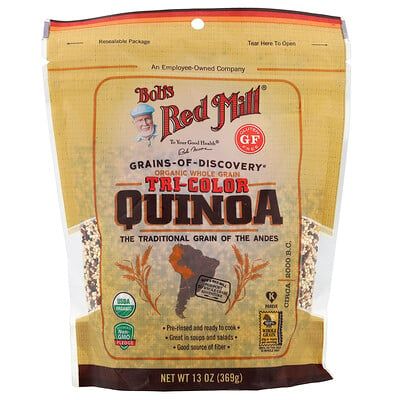
Bob's Red Mill, Organic Tri-Color Quinoa, Whole Grain, 13 oz (369 g)
Farro is another great option. Like quinoa, it’s high in protein, fiber, and B vitamins, with more calcium and a broader nutrient profile than quinoa. The main difference is that farro contains gluten.
If you enjoy hearty, chewy grains that keep you full for hours, Bob’s Red Mill Organic Farro from iHerb is a reliable, high-quality option that cooks up beautifully and adds authentic Mediterranean character to your bowl.
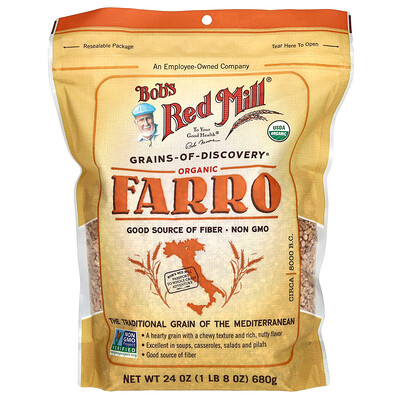
Bob's Red Mill, Organic Farro, 24 oz (680 g)
The veggies (cucumber, tomatoes, olives) add hydration, antioxidants, and heart-healthy fats, while the egg boosts high-quality protein. A drizzle of tahini adds creaminess along with calcium, magnesium, and healthy fats.
Altogether, this bowl delivers balanced fuel — fiber, protein, healthy fats, and antioxidants.
11. Fruit and Nut Bars (Homemade)
For those mornings when you need something quick, homemade fruit and nut bars are perfect for grabbing on the go. They’re sweet, satisfying, and full of energy-boosting goodness.
Ingredients:
- Dates
- Almonds
- Walnuts
- Dried figs
- A pinch of cinnamon
Why it works (Backed by Science):
Dates are more than just a natural sweetener.
Research shows they’re packed with antioxidants, anti-inflammatory compounds, and essential nutrients, which is why they’re often used as the base for functional snack bars.
Their natural sugars offer quick energy, while their fiber helps keep digestion steady.
Nuts like almonds and walnuts add long-lasting fuel thanks to their healthy fats, plant protein, and minerals. Walnuts, in particular, are rich in omega-3s, while almonds bring vitamin E and additional fiber.
Dried figs contribute even more fiber and antioxidants, and a pinch of cinnamon adds natural sweetness with its own anti-inflammatory benefits.
Together, these simple ingredients make a bar that’s naturally energizing and nutrient-dense – the perfect grab-and-go breakfast.
12. Ricotta and Spinach Stuffed Whole Wheat Crepes
Craving something a little more indulgent but still healthy?
These ricotta and spinach stuffed whole wheat crepes are a delicious way to enjoy a Mediterranean-inspired breakfast that’s both satisfying and nutritious.
Ingredients:
- Whole wheat crepes
- Ricotta cheese
- Fresh spinach
- Lemon zest
- Olive oil
Why it works (Backed by Science):
This omelette is a powerhouse of nutrients.
Eggs provide high-quality protein and choline for brain and muscle health. Spinach adds vitamins, minerals, and unique bioactive compounds that help fight oxidative stress, support metabolism, and may even help control appetite.
Tomatoes and olives bring antioxidants and heart-healthy fats, while feta contributes calcium and protein for bone and muscle strength.
Fresh herbs like parsley or oregano add flavor plus additional antioxidants and anti-inflammatory benefits.
Together, this colorful breakfast supports brain, heart, and overall metabolic health — all in one satisfying, easy-to-make meal.
13. Chia Seed Pudding with Mediterranean Flavors
A little prep the night before means a quick, effortless breakfast the next morning. This chia seed pudding with Mediterranean flavors is an easy and delicious way to kickstart your day.
Ingredients:
- Chia seeds
- Whole milk
- Orange zest
- Chopped pistachios
- Honey
Why it works (Backed by Science):
This pudding is a nutrient-packed start to your day.
Chia seeds provide fiber, plant-based protein, omega-3s, antioxidants, and polyphenols that support heart health, stabilize blood sugar, aid digestion, and protect against chronic diseases.
If you’ve ever struggled with mid-morning hunger, bloating, or energy dips, adding chia seeds to your breakfast can make a real difference.
Their soluble fiber forms a gentle gel when soaked, which helps slow digestion, support gut health, and keep you feeling full longer.
For a clean, reliable option, Mamma Chia Organic Chia Seeds from iHerb are a great choice. They’re organic, versatile, and easy to stir into yogurt, oatmeal, or overnight puddings — making it simple to boost your breakfast with powerful plant-based nutrition.
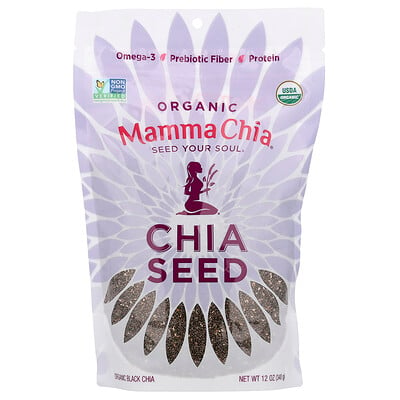
Mamma Chia, Organic Chia Seed, 12 oz (340 g)
Whole milk adds protein and calcium for bones and muscles, while orange zest contributes vitamin C, polyphenols, and carotenoids that boost antioxidant defenses.
Pistachios supply healthy fats, protein, and minerals, and a drizzle of honey offers natural sweetness along with antioxidants.
Together, these ingredients make a creamy, flavorful breakfast that supports heart, gut, and metabolic health while keeping you full and energized.
Mindful note:
While honey is a great natural sweetener, try to enjoy it in moderation—once in a while is perfect, but not every day.
14. Frittata with Zucchini and Feta
A frittata is a fantastic, make-ahead breakfast that’s easy to reheat when you’re in a rush. This version with zucchini and feta is light but hearty, and it keeps you satisfied all morning.
Ingredients:
- Eggs
- Zucchini
- Onions
- Feta cheese
- Olive oil
Why it works (Backed by Science):
This frittata is a nutrient-packed way to start the day.
Zucchini is rich in lutein, β-carotene, zeaxanthin, and vitamin C, which act as antioxidants, protect cells from oxidative stress, and may even support healthy cell turnover.
Eggs provide high-quality protein and choline for brain health, while onions bring additional antioxidants and anti-inflammatory compounds.
Feta cheese contributes calcium, protein, and bioactive peptides that support bones, heart health, and blood pressure regulation. And a drizzle of olive oil adds heart-healthy monounsaturated fats and polyphenols.
Together, these ingredients make a balanced, flavorful breakfast that supports metabolism, heart health, and overall cellular protection.
15. Greek Yogurt Smoothie with Spinach and Berries
For a quick and nutrient-packed breakfast, this smoothie hits all the right notes. It’s refreshing, full of flavor, and the perfect way to power your morning.
Ingredients:
- Greek yogurt
- Spinach
- Mixed berries
- A spoon of almond butter
- Water or whole milk
Why it works (Backed by Science):
This smoothie is a powerhouse of nutrients in every sip.
Greek yogurt provides protein and probiotics for gut health and satiety. Spinach adds vitamins, minerals, and antioxidants that help protect cells and support metabolism.
Berries are rich in polyphenols and vitamin C, giving your immune system a boost while promoting heart health.
A spoon of almond butter brings healthy fats, protein, and vitamin E, helping to stabilize blood sugar and keep you full.
Blended with water or milk, it’s a quick, balanced breakfast that’s as nourishing as it is delicious.
Tips for Mediterranean Diet Breakfast Success
Here are some tips to set you up for success:
Many Mediterranean breakfasts, like frittatas, chia pudding, or even a yogurt parfait, can be prepped the night before. Set yourself up for success with minimal effort in the morning!
Extra virgin olive oil is a cornerstone of the Mediterranean diet, and it adds not only rich flavor but also those heart-healthy fats we love.
Drizzle it on salads, toast, or anything that could use a little extra boost of flavor.
For a truly satisfying breakfast, aim to include a combination of fiber, protein, and healthy fats.
This balance will help keep you full longer and energized throughout the morning. Think whole grains, protein-rich eggs or yogurt, and plenty of veggies!
Fresh herbs like oregano, thyme, and parsley (or a dash of cinnamon) not only amp up the flavor but also provide antioxidants.
These flavorful additions elevate your meal without adding extra calories.
The Mediterranean way isn’t just about nutrition—it’s about savoring each bite. Slow down, enjoy your food, and make your meal an experience rather than just something to rush through.
Final Thoughts
These 15 quick and tasty Mediterranean diet breakfast ideas show that healthy eating doesn’t have to be complicated.
With just a few simple ingredients, you can create meals that are not only satisfying and flavorful but also packed with nutrients.
By incorporating these breakfasts into your routine, you’ll be supporting heart health, gut health, brain function, and sustained energy throughout the day—all while enjoying the delicious flavors of the Mediterranean.
So go ahead—give them a try and bring a little Mediterranean sunshine to your mornings!
*This article is for informational purposes only and is not intended as medical advice. It should not be used to diagnose, treat, or prevent any health condition. Always consult a qualified healthcare professional before making any changes to your diet, exercise, or health routine.
Angeli, Viktória et al. “Quinoa (Chenopodium quinoa Willd.): An Overview of the Potentials of the "Golden Grain" and Socio-Economic and Environmental Aspects of Its Cultivation and Marketization.” Foods (Basel, Switzerland) vol. 9,2 216. 19 Feb. 2020, doi:10.3390/foods9020216. Adapted and used under the terms of the Creative Commons Attribution 4.0 International License.
Barakat, Hassan, and Hani A Alfheeaid. “Date Palm Fruit (Phoenix dactylifera) and Its Promising Potential in Developing Functional Energy Bars: Review of Chemical, Nutritional, Functional, and Sensory Attributes.” Nutrients vol. 15,9 2134. 28 Apr. 2023, doi:10.3390/nu15092134. Adapted and used under the terms of the Creative Commons Attribution 4.0 International License.
Begum, Nabila et al. “Nutritional composition, health benefits and bio-active compounds of chickpea (Cicer arietinum L.).” Frontiers in nutrition vol. 10 1218468. 28 Sep. 2023, doi:10.3389/fnut.2023.1218468. Adapted and used under the terms of the Creative Commons Attribution 4.0 International License.
Chwastowska-Siwiecka, Iwona et al. “A Comparison of the Physicochemical Properties and Sensory Attributes of Ricotta Cheeses Purchased from Retail Outlets in Poland.” Foods (Basel, Switzerland) vol. 14,8 1413. 19 Apr. 2025, doi:10.3390/foods14081413. Adapted and used under the terms of the Creative Commons Attribution 4.0 International License.
Collins, Edward J et al. “Tomatoes: An Extensive Review of the Associated Health Impacts of Tomatoes and Factors That Can Affect Their Cultivation.” Biology vol. 11,2 239. 4 Feb. 2022, doi:10.3390/biology11020239. Adapted and used under the terms of the Creative Commons Attribution 4.0 International License.
Dandachy, Sahar et al. “Effect of Processed Chickpea Flour Incorporation on Sensory Properties of Mankoushe Zaatar.” Foods (Basel, Switzerland) vol. 8,5 151. 3 May. 2019, doi:10.3390/foods8050151. Adapted and used under the terms of the Creative Commons Attribution 4.0 International License.
Fleming, Stephen A et al. “Exploring avocado consumption and health: a scoping review and evidence map.” Frontiers in nutrition vol. 12 1488907. 10 Feb. 2025, doi:10.3389/fnut.2025.1488907. Adapted and used under the terms of the Creative Commons Attribution 4.0 International License.
Garza, María Carmen et al. “Effect of Aromatic Herbs and Spices Present in the Mediterranean Diet on the Glycemic Profile in Type 2 Diabetes Subjects: A Systematic Review and Meta-Analysis.” Nutrients vol. 16,6 756. 7 Mar. 2024, doi:10.3390/nu16060756. Adapted and used under the terms of the Creative Commons Attribution 4.0 International License.
Hadjimbei, Elena et al. “Beneficial Effects of Yoghurts and Probiotic Fermented Milks and Their Functional Food Potential.” Foods (Basel, Switzerland) vol. 11,17 2691. 3 Sep. 2022, doi:10.3390/foods11172691. Adapted and used under the terms of the Creative Commons Attribution 4.0 International License.
Katsouri, Evangelia et al. “Nutritional Characteristics of Prepacked Feta PDO Cheese Products in Greece: Assessment of Dietary Intakes and Nutritional Profiles.” Foods (Basel, Switzerland) vol. 9,3 253. 27 Feb. 2020, doi:10.3390/foods9030253. Adapted and used under the terms of the Creative Commons Attribution 4.0 International License.
Khalid, Waseem et al. “Chia seeds (Salvia hispanica L.): A therapeutic weapon in metabolic disorders.” Food science & nutrition vol. 11,1 3-16. 15 Dec. 2022, doi:10.1002/fsn3.3035. Adapted and used under the terms of the Creative Commons Attribution 4.0 International License.
Lara, Jose J et al. “Benefits of salmon eating on traditional and novel vascular risk factors in young, non-obese healthy subjects.” Atherosclerosis vol. 193,1 (2007): 213-21. doi:10.1016/j.atherosclerosis.2006.06.018. Abstract only.
Lee, Bog-Hieu et al. “Natural sea salt consumption confers protection against hypertension and kidney damage in Dahl salt-sensitive rats.” Food & nutrition research vol. 61,1 1264713. 20 Dec. 2016, doi:10.1080/16546628.2017.1264713. Adapted and used under the terms of the Creative Commons Attribution 4.0 International License.
Martínez-Valdivieso, Damián et al. “Role of Zucchini and Its Distinctive Components in the Modulation of Degenerative Processes: Genotoxicity, Anti-Genotoxicity, Cytotoxicity and Apoptotic Effects.” Nutrients vol. 9,7 755. 14 Jul. 2017, doi:10.3390/nu9070755. Adapted and used under the terms of the Creative Commons Attribution 4.0 International License.
Mateos, Raquel et al. “Why Should Pistachio Be a Regular Food in Our Diet?.” Nutrients vol. 14,15 3207. 5 Aug. 2022, doi:10.3390/nu14153207. Adapted and used under the terms of the Creative Commons Attribution 4.0 International License.
Mukherjee, Pulok K et al. “Phytochemical and therapeutic potential of cucumber.” Fitoterapia vol. 84 (2013): 227-36. doi:10.1016/j.fitote.2012.10.003. Abstract only.
Muscolo, Adele et al. “Unlocking the Health Secrets of Onions: Investigating the Phytochemical Power and Beneficial Properties of Different Varieties and Their Parts.” Molecules (Basel, Switzerland) vol. 30,8 1758. 14 Apr. 2025, doi:10.3390/molecules30081758. Adapted and used under the terms of the Creative Commons Attribution 4.0 International License.
Paudel, Devendra et al. “A Review of Health-Beneficial Properties of Oats.” Foods (Basel, Switzerland) vol. 10,11 2591. 26 Oct. 2021, doi:10.3390/foods10112591. Adapted and used under the terms of the Creative Commons Attribution 4.0 International License.
Picone, Pasquale et al. “Enriching the Mediterranean diet could nourish the brain more effectively.” Frontiers in nutrition vol. 11 1489489. 27 Nov. 2024, doi:10.3389/fnut.2024.1489489. Adapted and used under the terms of the Creative Commons Attribution 4.0 International License.
Roberts, Joseph L, and Régis Moreau. “Functional properties of spinach (Spinacia oleracea L.) phytochemicals and bioactives.” Food & function vol. 7,8 (2016): 3337-53. doi:10.1039/c6fo00051g. Abstract only.
Rocha, Janete et al. “Table olives and health: a review.” Journal of nutritional science vol. 9 e57. 2 Dec. 2020, doi:10.1017/jns.2020.50. Adapted and used under the terms of the Creative Commons Attribution 4.0 International License.
Sandhu, Amandeep K et al. “Phytochemical Composition and Health Benefits of Figs (Fresh and Dried): A Review of Literature from 2000 to 2022.” Nutrients vol. 15,11 2623. 3 Jun. 2023, doi:10.3390/nu15112623. Adapted and used under the terms of the Creative Commons Attribution 4.0 International License.
Sanjulián, Laura, et al. “The Role of Dairy in Human Nutrition: Myths and Realities.” Nutrients, vol. 17, no. 4, 2025, p. 646. https://doi.org/10.3390/nu17040646. Adapted and used under the terms of the Creative Commons Attribution 4.0 International License.
Shimizu, Chikako et al. “Effects of lifelong intake of lemon polyphenols on aging and intestinal microbiome in the senescence-accelerated mouse prone 1 (SAMP1).” Scientific reports vol. 9,1 3671. 6 Mar. 2019, doi:10.1038/s41598-019-40253-x. Adapted and used under the terms of the Creative Commons Attribution 4.0 International License.
Stanojković-Sebić, Aleksandra et al. “Response of Arugula to Integrated Use of Biological, Inorganic, and Organic Fertilization.” Microorganisms vol. 12,7 1334. 29 Jun. 2024, doi:10.3390/microorganisms12071334. Adapted and used under the terms of the Creative Commons Attribution 4.0 International License.
Todd, Lindsey. "6 farro benefits for health and nutrition." Medical News Today, June 25, 2021, https://www.medicalnewstoday.com/articles/farro-benefits#vs-rice-quinoa-and-more. Accessed December 2, 2025.
Vilas-Boas, Ana A et al. “Upcycled Orange Peel Ingredients: A Scoping Review on Phytochemical Composition, Extraction Techniques, and Biorefinery Strategies.” Foods (Basel, Switzerland) vol. 14,21 3766. 3 Nov. 2025, doi:10.3390/foods14213766. Adapted and used under the terms of the Creative Commons Attribution 4.0 International License.
Wei, Panpan et al. “Sesame (Sesamum indicum L.): A Comprehensive Review of Nutritional Value, Phytochemical Composition, Health Benefits, Development of Food, and Industrial Applications.” Nutrients vol. 14,19 4079. 30 Sep. 2022, doi:10.3390/nu14194079. Adapted and used under the terms of the Creative Commons Attribution 4.0 International License.
Yang, Baoru, and Maaria Kortesniemi. “Clinical Evidence on Potential Health Benefits of Berries.” Current Opinion in Food Science, vol. 2, 2015, pp. 36–42. Elsevier, https://doi.org/10.1016/j.cofs.2015.01.002. Abstract only.

Linda is the co-founder of Courier Wellness and holds a Diploma in Natural Health Nutrition & Diet. Her passions include photography, food, and travel, where she derives inspiration from diverse cultures and their holistic approaches to well-being. She is committed to helping others make informed, nourishing choices for a healthier life.