The Complete Mediterranean Diet Grocery List for Beginners
This post contains affiliate links, which means we may earn a commission if you purchase through our links—at no extra cost to you. As an Amazon Associate we earn from qualifying purchases. We only recommend products we use or trust. Learn more about affiliate marketing or read our full disclosure.
The Mediterranean diet has earned a reputation as one of the healthiest ways to eat—and for good reason. Decades of research link it to benefits like a stronger heart, easier weight management, sharper brain function, and even a longer life.
And the best part?
It’s built around fresh, flavorful whole foods, healthy fats, lean proteins, and tons of vibrant plant-based ingredients.
In other words: it’s as delicious as it is good for you.
If you’re just getting started, having a clear and simple Mediterranean diet grocery list can make the whole process feel much easier. Think of it as your roadmap—helping you shop with confidence, plan meals you’ll actually look forward to, and build habits that stick.
Ready to dive in? Let’s get started!
Understanding the Mediterranean Diet
Before we jump into your Mediterranean diet grocery list, it helps to get a feel for what this lifestyle is all about.
At its core, the Mediterranean diet is simple, delicious, and surprisingly flexible.

Here are the basics:
Vegetables, fruits, whole grains, legumes, nuts, and seeds are the foundation of your meals. Think colorful plates and plenty of variety.
Olive oil is the star here, but avocado, nuts, and fatty fish also play a big role. These fats keep you full, satisfied, and energized.
Fish and seafood are encouraged, along with eggs, poultry, yogurt, and cheese. Red meat isn’t off-limits—it’s just enjoyed occasionally.
Skip the excess salt and lean into flavors like basil, oregano, garlic, rosemary, and cumin. They bring dishes to life.
Highly processed snacks, sugary treats, and refined oils aren’t part of the regular rotation. Whole, real foods take the lead.
A small glass of red wine with meals is common in Mediterranean cultures, but it’s completely optional.
Overall, this way of eating is all about whole foods, balanced nutrition, and truly enjoying what’s on your plate. It’s not just a diet—it’s a lifestyle you can actually feel good about living.
Mediterranean Diet Grocery List for Beginners
To make your trips to the grocery store a breeze, I’ve broken this Mediterranean diet grocery list into categories.
That way, you can stock your kitchen with everything you need to whip up delicious, healthy meals without the guesswork.
1. Vegetables (Fresh or Frozen)
Vegetables are the heart and soul of the Mediterranean diet — and research backs that up.
Studies show that people who eat plenty of fresh, seasonal vegetables (like leafy greens, tomatoes, eggplant, onions, and garlic) benefit from a powerful mix of vitamins, minerals, fiber, and antioxidant-rich plant compounds.
This combo has been linked to a lower risk of heart disease, stroke, type 2 diabetes, certain cancers, and even overall mortality.
In short: the more colorful veggies you eat, the more your body thrives.
|
Vegetable |
Examples |
|---|---|
|
Leafy greens |
Spinach, kale, arugula, romaine, Swiss chard |
|
Cruciferous veggies |
Broccoli, cauliflower, Brussels sprouts |
|
Tomatoes |
Cherry, grape, heirloom, plum |
|
Peppers |
Red, yellow, green, chili |
|
Cucumbers |
English, Persian, Kirby |
|
Zucchini & summer squash |
Green zucchini, yellow squash |
|
Eggplant |
Globe, Japanese, Italian |
|
Carrots & radishes |
Orange carrots, purple carrots, red radishes |
|
Onions & garlic |
Yellow onions, red onions, white garlic |
|
Mushrooms |
Button, cremini, portobello |
💡 Pro tips: Frozen vegetables are a fantastic option—they’re picked at peak ripeness, so they’re nutrient-packed and super convenient.
2. Fruits
Fruits bring natural sweetness, fiber, and antioxidants to your Mediterranean meals.
Research shows that diets rich in fruits and other plant-based foods, like the Mediterranean diet, are linked to a lower risk of heart disease, stroke, and overall mortality.
|
Fruit |
Examples |
|---|---|
|
Berries |
Blueberries, strawberries, raspberries, blackberries |
|
Apples & pears |
Fuji apple, Granny Smith apple, Bartlett pear, Bosc pear |
|
Citrus |
Oranges, lemons, limes, grapefruits |
|
Grapes |
Red grapes, green grapes, black grapes |
|
Stone fruits |
Peaches, plums, nectarines |
|
Bananas |
Cavendish, baby banana |
|
Figs & dates |
Black mission figs, Medjool dates (in moderation) |
|
Melons |
Cantaloupe, honeydew, watermelon |
💡 Pro tips: Pair fruits with nuts or Greek yogurt for a balanced, satisfying snack. And choose whole fruit over juice to get more fiber and slower sugar absorption.
3. Whole Grains
Whole grains like brown rice, quinoa, and whole wheat aren’t just filling—they’re brain-friendly too.
Research shows that diets rich in whole grains, as part of the Mediterranean diet, are linked to more stable blood sugar levels and a lower risk of cognitive decline.
Their antioxidants and fiber contribute to overall brain and body health, while the cultural and social aspects of Mediterranean eating—shared meals and seasonal, local ingredients—may also support mental well-being.
|
Whole Grain |
Examples / Notes |
|---|---|
|
Quinoa |
White, red, or tri-color |
|
Brown rice |
Short-, medium-, or long-grain |
|
Oats |
Rolled or steel-cut |
|
Barley |
Hulled barley (most nutritious) |
|
Whole wheat pasta |
Includes whole wheat couscous |
|
Farro |
Einkorn, emmer, or spelt varieties |
|
Whole grain bread |
Sourdough or sprouted whole grain preferred |
|
Bulgur |
Fine, medium, or coarse grind |
💡 Pro tips: Always check labels—make sure “whole grain” is listed as the first ingredient. And don’t be afraid to mix it up! Trying different grains adds texture, flavor, and variety to your meals.
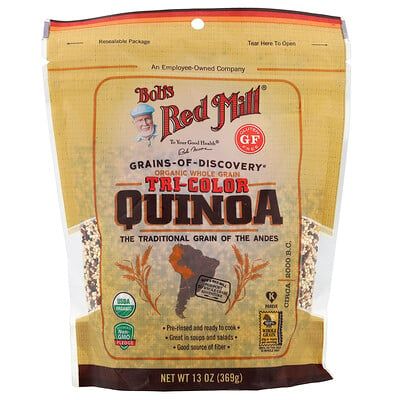
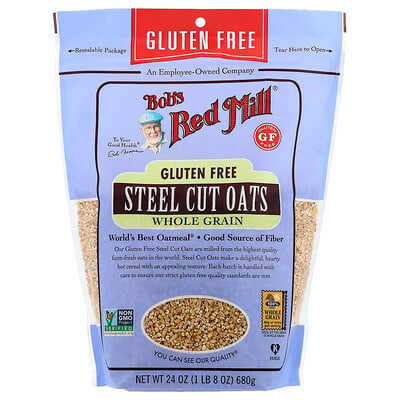
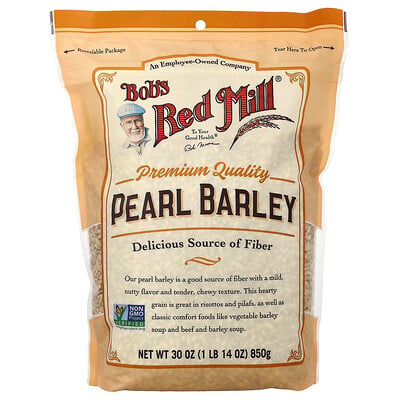
If you’re looking for reliable, high-quality whole grains, some solid options include: Bob’s Red Mill Organic Tri-Color Quinoa, Bob’s Red Mill Steel Cut Oats, and Bob’s Red Mill Pearl Barley (all available on iHerb).
4. Legumes and Beans
Research shows that legumes—like chickpeas, lentils, and fava beans—are a cornerstone of the Mediterranean diet.
They provide protein, fiber, vitamins, minerals, and heart-healthy fats, helping improve blood sugar, insulin sensitivity, and cholesterol levels.
While some anti-nutrients are present, it’s best to use simple preparation methods like soaking, sprouting, or cooking to make legumes highly digestible and nutrient-rich.
|
Legume / Bean |
Examples / Notes |
|---|---|
|
Chickpeas |
Canned or dry |
|
Lentils |
Red, green, or brown |
|
Black beans |
Great for salads, bowls, stews |
|
Kidney beans |
Red or white varieties |
|
Cannellini beans |
Creamy Italian white bean |
|
Fava beans |
Fresh or dried |
💡 Pro tips: Soak dried beans overnight to cut down cooking time and make them easier to digest. Then toss beans into salads, soups, or stews—they add protein, texture, and heartiness to any meal.
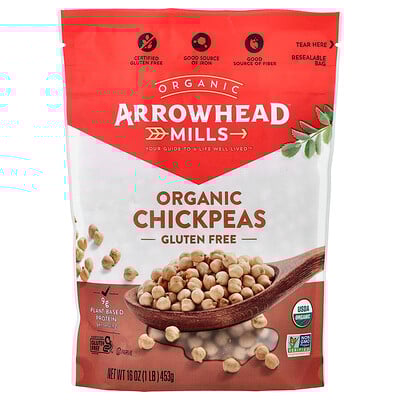
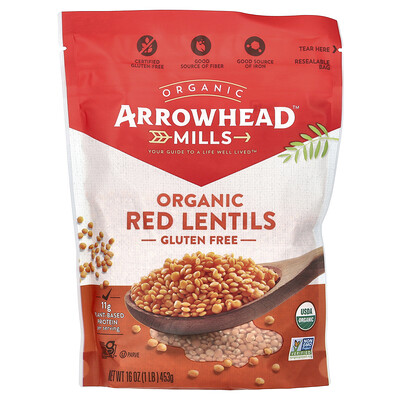
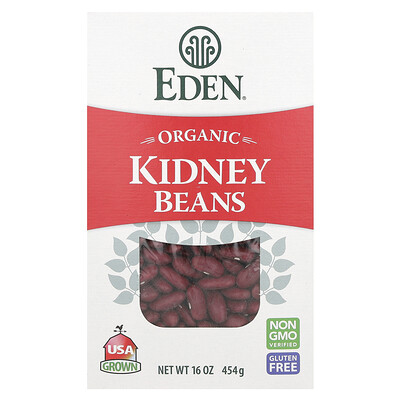
Some great options from high-quality brands include: Arrowhead Mills Organic Chickpeas, Arrowhead Mills Organic Red Lentils, and Eden Foods Organic Kidney Beans (all available on iHerb).
5. Nuts and Seeds
Nuts and seeds are little nutrition powerhouses.
They’re rich in healthy fats (MUFAs and PUFAs), protein, fiber, vitamins, minerals, and bioactive compounds like phenols and flavonoids.
Studies link regular nut consumption to reduced risk of cardiovascular disease, diabetes, and metabolic syndrome.
Additionally, combining nuts and seeds with legumes and whole grains supports heart health, weight management, and improved cholesterol levels.
|
Nuts / Seeds |
Notes |
|---|---|
|
Almonds |
Great for snacking or adding to salads |
|
Walnuts |
Rich in omega-3s |
|
Pistachios |
Shelled or unshelled |
|
Cashews |
Enjoy in moderation |
|
Sunflower seeds |
Add to salads or yogurt |
|
Pumpkin seeds |
Also known as pepitas |
|
Chia seeds |
Great for puddings or smoothies |
|
Flaxseeds |
Add to your morning oatmeal |
💡 Pro tips: Choose unsalted and raw or lightly roasted options to get the most nutrition. And remember, nuts aren’t just for snacking—they make a crunchy, satisfying topping for Greek yogurt, salads, or oatmeal.
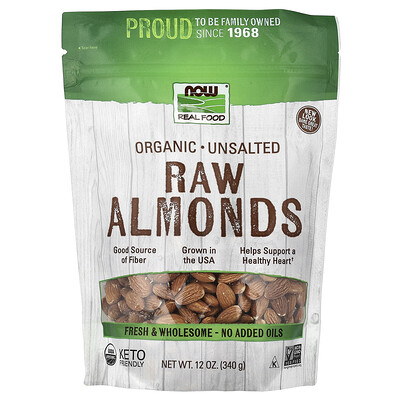
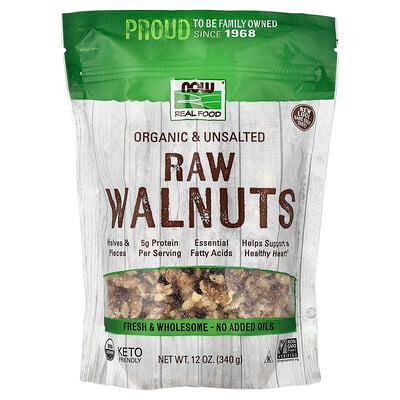
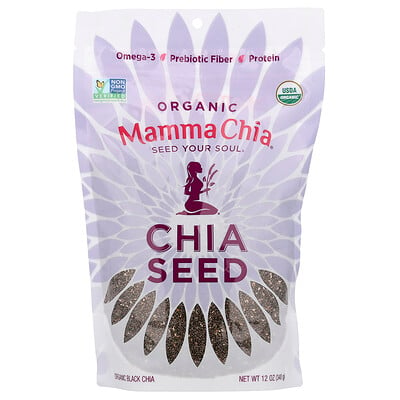
Some great options from high-quality brands include: NOW Foods Organic Raw Almonds, Unsalted, NOW Foods Raw Walnuts, Unsalted, and Mamma Chia Organic Chia Seeds (all from iHerb).
6. Healthy Fats
Healthy fats are a cornerstone of the Mediterranean diet.
Research shows that extra virgin olive oil (EVOO), a staple of the Mediterranean diet, is linked to lower risk of cardiovascular disease, type 2 diabetes, metabolic syndrome, cognitive decline, certain cancers, and obesity.
The health benefits come mainly from its phenols—bioactive compounds that are preserved during careful processing—and not just its monounsaturated fat content.
Combining EVOO with other sources of healthy fats, like avocados and fatty fish, further enhances the diet’s protective effects.
|
Healthy Fats |
Notes |
|---|---|
|
Extra virgin olive oil (EVOO) |
Your go-to for cooking and salad dressings |
|
Avocados |
Great for salads, toast, or dips |
|
Fatty fish (salmon, sardines, mackerel, trout) |
Rich in omega-3s |
|
Olives (green or black) |
Perfect for snacking or adding to dishes |
💡 Pro tips: Use olive oil for drizzling over salads, roasting veggies, or light sautéing. Aim to include fatty fish 2–3 times per week to get those heart-healthy omega-3s.
If you’re looking for high-quality extra virgin olive oil, some well-regarded options include:
Quattrociocchi Superbo Organic – Known for its very high polyphenol content and careful production, making it a strong choice if health benefits are your top priority.

Quattrociocchi Superbo Organic
Pruneti Frantoio Biologico – A classic Tuscan olive oil with a balanced, approachable flavor that works well for everyday cooking and finishing dishes.

Pruneti Frantoio Biologico
Entelia Extra Virgin Olive Oil – A good value option that still meets quality standards, making it easier to use olive oil regularly without overthinking it.

Entelia
All three are available from Olive Oil Lovers, which helps ensure you’re getting authentic, well-sourced extra virgin olive oil.
7. Dairy and Fermented Foods
In the Mediterranean diet, dairy is enjoyed in moderation, with a focus on nutrient-rich, minimally processed options.
Research shows that fermented foods support gut health by acting as natural probiotics.
Fermented dairy products like yogurt, kefir, and cheeses are rich in beneficial bacteria, which may improve digestion, enhance nutrient absorption, and positively influence the gut-liver and gut-brain axes.
|
Dairy & Fermented Foods |
Notes |
|---|---|
|
Greek yogurt (unsweetened) |
High in protein and probiotics |
|
Feta cheese |
Great for salads and Mediterranean dishes |
|
Parmesan or Pecorino |
Flavorful hard cheeses used in small amounts |
|
Ricotta or mozzarella |
Mild, versatile options |
|
Kefir |
Fermented, probiotic-rich drink |
💡 Pro tips: Yogurt and kefir are packed with probiotics that help support a healthy gut. Pair cheese with fruits or whole-grain crackers for a satisfying, balanced snack.
If you want to include more fermented foods in your diet, making yogurt at home can be a simple and meaningful step. I use a Luvele yogurt maker myself and genuinely love it—it makes it easy to ferment yogurt for longer periods (such as 24 hours), which can improve digestibility and reduce lactose.
editor’s choice
Luvele Pure Yogurt Maker

This simple and high-quality yogurt maker has advanced water-bath technology, which ensures even and consistent temperatures for thick, probiotic-rich yogurt.
Key features:
*We may earn a commission at no extra cost to you.
Fermenting yogurt at home also brings back a tradition that used to be part of everyday eating. Since fermented foods are far less common now, making your own yogurt or kefir is one practical way to regularly support gut health with natural probiotics.
Luvele also offers larger-capacity models that can be used for kefir, which works well for families or frequent use.
great pick
Luvele Pure Plus Yogurt Maker

This versatile and high-quality yogurt maker features advanced water-bath technology, delivering precise, consistent temperatures for thick, probiotic-rich yogurt—and even homemade kefir.
Key features:
*We may earn a commission at no extra cost to you.
8. Proteins
Protein is key for feeling full, maintaining muscle, and keeping your body strong. In the Mediterranean diet, the focus is on fish, seafood, and lean poultry, with red meat enjoyed only occasionally.
Research shows that fish and seafood are rich in high-quality protein, essential amino acids, vitamins (A, B, D), minerals (iron, calcium, zinc, selenium), and especially omega-3 fatty acids.
Regular fish consumption supports cardiovascular health, cognitive function, mental well-being, immune function, and reduces the risk of chronic diseases like anemia, dementia, and certain cancers.
|
Proteins |
Examples / Notes |
|---|---|
|
Fish |
Salmon, sardines, trout, mackerel, cod |
|
Seafood |
Shrimp, mussels, clams, squid |
|
Poultry |
Chicken, turkey |
|
Eggs |
Preferably free-range or pasture-raised |
|
Occasional lean red meat |
Grass-fed beef or lamb (in moderation) |
💡 Pro tips: Eating seafood 2–3 times a week helps you get heart-healthy omega-3s. Rotate protein sources throughout the week to enjoy a variety of nutrients and flavors.
9. Herbs and Spices
Herbs and spices are your secret weapon for flavorful Mediterranean meals—without relying on excess salt.
They not only enhance taste but also add beneficial micronutrients.
Studies show that herbs and spices commonly used in the Mediterranean diet—such as cinnamon, turmeric, ginger, black cumin, and saffron—can improve fasting glucose levels and even influence insulin and glycated hemoglobin in people with type 2 diabetes.
|
Herbs & Spices |
Examples / Notes |
|---|---|
|
Basil |
Fresh or dried |
|
Oregano |
Staple in Mediterranean cooking |
|
Rosemary |
Great for roasting meats & veggies |
|
Thyme |
Versatile, earthy flavor |
|
Parsley |
Fresh, bright, great for salads |
|
Cilantro |
Optional but delicious in fresh dishes |
|
Dill |
Perfect for fish and yogurt sauces |
|
Paprika |
Adds depth and color |
|
Cumin |
Warm, earthy spice |
|
Cinnamon |
Lovely in both sweet and savory dishes |
💡 Pro tips: Fresh herbs pack the most flavor and nutrients, but dried herbs are a convenient option for everyday cooking.
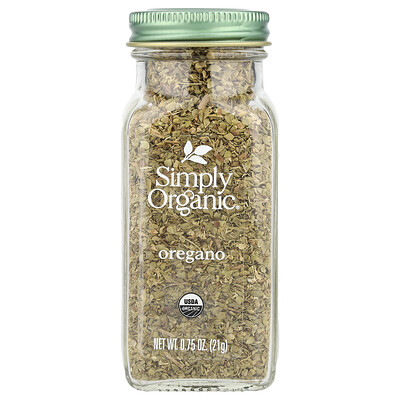
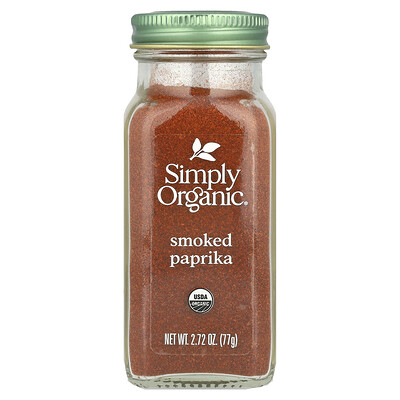
Some great options from high-quality brands include: Simply Organic Oregano, Simply Organic Smoked Paprika, and Simply Organic Ceylon Cinnamon (all available on iHerb).
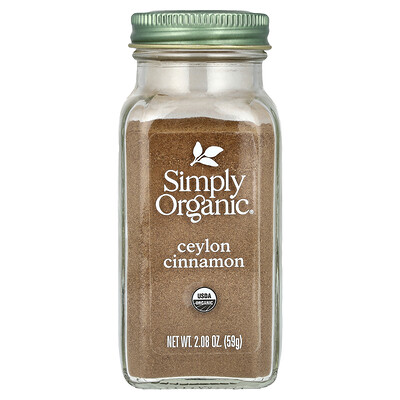
💡 Note: Ceylon cinnamon contains lower levels of coumarin than regular cassia cinnamon. This makes it easier on the liver while still supporting healthy blood sugar and offering antioxidant benefits.
10. Beverages
Staying hydrated is essential for overall health. The Mediterranean diet focuses on water and herbal teas, with the occasional glass of red wine if it fits your lifestyle.
Research shows that herbal teas are rich in polyphenols and other bioactive compounds that provide antioxidant, anti-inflammatory, and antiatherosclerotic benefits.
Unlike traditional caffeinated teas, herbal teas are low in calories and can support overall health while helping reduce the risk of chronic diseases.
Some great options from high-quality tea brands include:
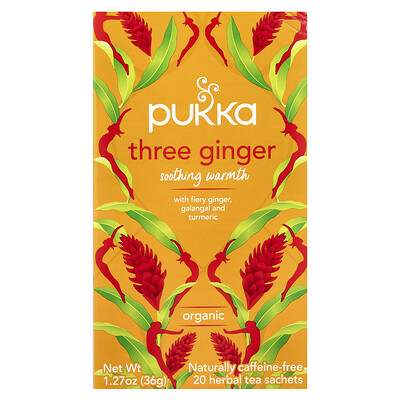
- Pukka Herbs Three Ginger, Caffeine Free – warming and spicy, this tea is gentle on the stomach and perfect for sipping anytime.
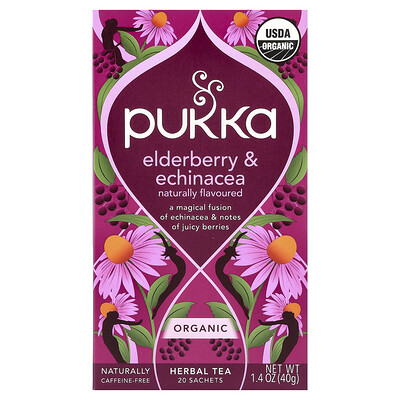
- Pukka Herbs Elderberry & Echinacea, Caffeine Free – fruity and soothing, it’s a great way to support your immune system while enjoying a flavorful cup.
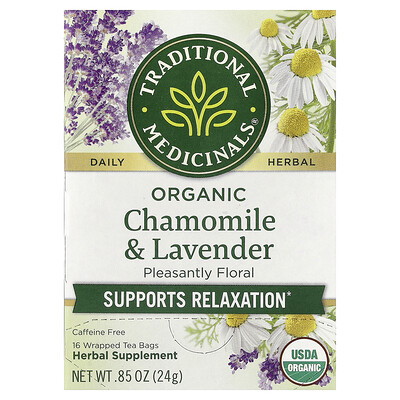
- Traditional Medicinals Chamomile & Lavender, Caffeine Free – calming and aromatic, ideal for winding down in the evening or enjoying a quiet moment during the day.
|
Beverages |
Examples / Notes |
|---|---|
|
Water |
Still or sparkling |
|
Green tea |
Rich in antioxidants; enjoy without added sugar |
|
Herbal teas |
Chamomile, mint, rooibos |
|
Coffee |
Enjoy in moderation |
|
Red wine |
Optional, up to 1 glass per day |
💡 Pro tips: Limit sugary drinks, soda, and fruit juices—they add unnecessary calories and sugar. Instead, drink water to stay hydrated and support digestion.
Shopping and Meal Planning Tips for Beginners
Getting started with the Mediterranean diet can feel overwhelming at first, but a few simple strategies make shopping and meal prep much easier:
Fresh produce, meats, and dairy are usually along the outer aisles—focus here for the most nutrient-dense foods.
Keep beans, whole grains, nuts, seeds, and olive oil on hand so you can quickly throw together healthy meals any day of the week.
Make vegetables the star of your plate—they’re colorful, filling, and packed with nutrients.
Cook grains, roast veggies, or prep salads in advance. It saves time and makes sticking to the diet much easier.
Mix up your fish, poultry, legumes, and whole grains to keep meals interesting and ensure a variety of nutrients.
Add flavor without relying on excess salt or processed sauces.
Sample Mediterranean Grocery Haul
To give you an idea of what a beginner-friendly Mediterranean diet week might look like, here’s a simple grocery haul:
This list gives you everything you need to create balanced, flavorful Mediterranean meals for breakfast, lunch, dinner, and snacks.
It’s a great starting point—you can mix, match, and rotate items each week to keep things fresh and exciting!
Grocery List
Final Thoughts
Starting a Mediterranean diet doesn’t have to be complicated. With a clear Mediterranean diet grocery list, a few meal planning tips, and some simple staples in your kitchen, you can enjoy fresh, flavorful, and nutrient-packed meals every day.
Remember: make vegetables the star of your plate, rotate proteins and grains, season with herbs and spices, and don’t forget to stay hydrated.
Small, consistent steps add up, and before you know it, this way of eating will feel natural, enjoyable, and sustainable.
So grab your shopping list, fill your cart with colorful, whole foods, and have fun experimenting in the kitchen!
*This article is for informational purposes only and is not intended as medical advice. It should not be used to diagnose, treat, or prevent any health condition. Always consult a qualified healthcare professional before making any changes to your diet, exercise, or health routine.
Finicelli, Mauro et al. “The Mediterranean Diet: An Update of the Clinical Trials.” Nutrients vol. 14,14 2956. 19 Jul. 2022, doi:10.3390/nu14142956. Adapted and used under the terms of the Creative Commons Attribution 4.0 International License.
Flynn, Mary M et al. “Is Extra Virgin Olive Oil the Critical Ingredient Driving the Health Benefits of a Mediterranean Diet? A Narrative Review.” Nutrients vol. 15,13 2916. 27 Jun. 2023, doi:10.3390/nu15132916. Adapted and used under the terms of the Creative Commons Attribution 4.0 International License.
Garza, María Carmen et al. “Effect of Aromatic Herbs and Spices Present in the Mediterranean Diet on the Glycemic Profile in Type 2 Diabetes Subjects: A Systematic Review and Meta-Analysis.” Nutrients vol. 16,6 756. 7 Mar. 2024, doi:10.3390/nu16060756. Adapted and used under the terms of the Creative Commons Attribution 4.0 International License.
Godos, Jacopo, et al. “Underrated Aspects of a True Mediterranean Diet: Understanding Traditional Features for Worldwide Application of a ‘Planeterranean’ Diet.” Journal of Translational Medicine, vol. 22, 2024, p. 294, https://doi.org/10.1186/s12967-024-05095-w. Adapted and used under the terms of the Creative Commons Attribution 4.0 International License.
Marinac Pupavac, S., et al. "The Influence on Fish and Seafood Consumption, and the Attitudes and Reasons for Its Consumption in the Croatian Population." Frontiers in Sustainable Food Systems, vol. 6, 2022, article 945186, doi:10.3389/fsufs.2022.945186. Adapted and used under the terms of the Creative Commons Attribution 4.0 International License.
Picone, Pasquale et al. “Enriching the Mediterranean diet could nourish the brain more effectively.” Frontiers in nutrition vol. 11 1489489. 27 Nov. 2024, doi:10.3389/fnut.2024.1489489. Adapted and used under the terms of the Creative Commons Attribution 4.0 International License.
Ramphinwa, M. L., et al. “Eco-Physiological Response of Secondary Metabolites of Teas: Review of Quality Attributes of Herbal Tea.” Frontiers in Sustainable Food Systems, vol. 7, 2023, p. 990334, doi:10.3389/fsufs.2023.990334. Adapted and used under the terms of the Creative Commons Attribution 4.0 International License.

Linda is the co-founder of Courier Wellness and holds a Diploma in Natural Health Nutrition & Diet. Her passions include photography, food, and travel, where she derives inspiration from diverse cultures and their holistic approaches to well-being. She is committed to helping others make informed, nourishing choices for a healthier life.