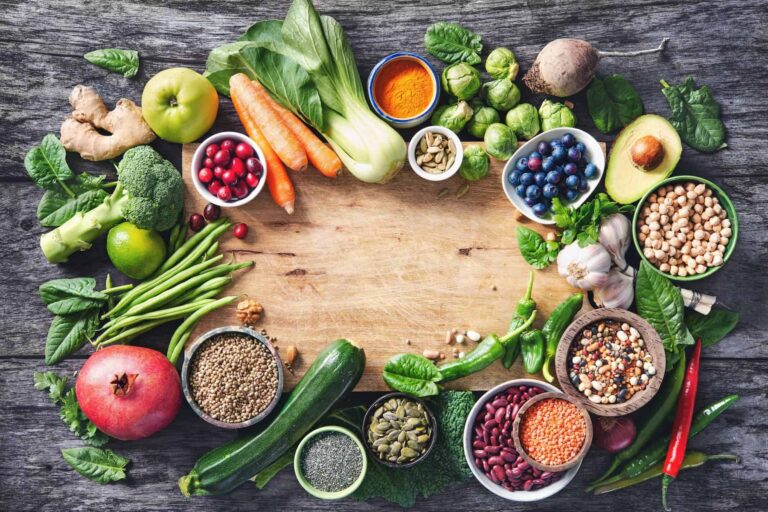
Guide to the Mediterranean Diet Pyramid for Healthy Eating

This post contains affiliate links, which means we may earn a commission if you purchase through our links—at no extra cost to you. As an Amazon Associate we earn from qualifying purchases. We only recommend products we use or trust. Learn more about affiliate marketing or read our full disclosure.
The Mediterranean diet has been praised for decades — and for good reason.
Inspired by the traditional eating habits of countries along the Mediterranean Sea, it’s less of a “diet” and more of a way of eating (and living) built around real, wholesome foods.
Think colorful fruits and vegetables, fresh seafood, olive oil, and simple meals that nourish your body and actually taste amazing.
At the heart of it is the Mediterranean diet pyramid — an easy visual guide that shows what to eat, how often, and in what balance to support long-term health and energy.
In this guide, I’ll walk through the pyramid step by step and share practical ways to bring its principles into your everyday life.
Let’s get started!
What Is the Mediterranean Diet?
Think of the Mediterranean diet as less of a rulebook and more of a way of living — one built around balance, color, and enjoyment.
It’s inspired by the traditional eating patterns of places like Greece, Italy, and southern Spain, where people have historically lived longer, healthier lives with lower rates of chronic disease.
Pretty impressive, right?
So what makes this way of eating so special?
Let’s break it down.
Key Principles of the Mediterranean Diet Pyramid
The Mediterranean diet isn’t a strict meal plan or a list of forbidden foods. At its heart, it’s built on plant foods, olive oil, and simple, minimally processed ingredients.
Here’s what that looks like on the plate.
Plant Foods First
Most Mediterranean meals start with plants.
Fruits, vegetables, whole grains, and legumes form the base, providing fiber, vitamins, minerals, and powerful phytochemicals (like polyphenols and flavonoids).
These nutrients support digestion, gut microbiota diversity, and immune function, and are strongly associated with a lower risk of chronic diseases, from cardiovascular disease to cognitive decline.
Olive Oil & Healthy Fats
Olive oil — especially extra-virgin olive oil — is the main source of fat.
It’s rich in monounsaturated fats and natural antioxidants that support cardiovascular health and help regulate inflammation and oxidative stress.
Nuts and seeds add to this healthy-fat profile, along with minerals and protective plant compounds that further support heart health.
Whole Grains & Legumes
Instead of refined grains, traditional Mediterranean meals rely on whole grains and pulses like lentils, chickpeas, and beans.
These foods deliver slow-digesting carbohydrates, plant protein, and soluble and insoluble fiber, helping to stabilize blood sugar, improve cholesterol levels, support gut health, and promote lasting satiety.
Nuts & Seeds
Small but powerful, nuts and seeds are regular features in Mediterranean cuisine.
Almonds, walnuts, pistachios, pine nuts, and seeds provide healthy fats, fiber, phytosterols, minerals, and polyphenols.
Research consistently links their intake to improved lipid profiles and reduced cardiovascular risk.
Fish Over Meat
Fish and seafood are enjoyed regularly, especially small, oily fish like sardines and anchovies.
They supply omega-3 fatty acids (EPA and DHA), which play key roles in heart, brain, and metabolic health.
Meat is eaten less often and in smaller portions, with processed meats kept to a minimum.
Dairy & Eggs (Moderation)
Yogurt, cheese, and eggs appear in supportive roles rather than as the main attraction.
They contribute high-quality protein, calcium, choline, and essential vitamins.
When eaten within a Mediterranean pattern, current research shows neutral to beneficial effects on cardiovascular and overall health.
Herbs & Spices
Herbs and spices are a signature of Mediterranean cooking.
Garlic, oregano, rosemary, basil, cumin, and saffron add flavor, color, and aroma — while also supplying concentrated sources of bioactive plant compounds with antioxidant and anti-inflammatory properties.
They make food satisfying while helping reduce reliance on excess salt and heavy sauces.
book tip
The Mediterranean Dish: Simply Dinner
By Suzy Karadsheh
Easy-to-make Mediterranean-inspired recipes by blogger and New York Times bestseller, Suzy Karadsheh.
*We may earn a commission at no extra cost to you.
Wine (Optional)
Traditionally, wine — especially red — is enjoyed in moderation in small amounts and with meals.
Red wine contains polyphenols such as resveratrol, studied for their potential support of vascular and endothelial health.
It’s optional, not essential, and always secondary to the overall dietary pattern.
Sweets & Ultra-Processed Foods
Sweets aren’t forbidden, but they aren’t everyday foods.
Traditional Mediterranean cultures leaned more on fruit, nuts, and simple homemade desserts, naturally keeping refined sugars, sodium, and ultra-processed foods low.
Lifestyle & Eating Culture
The Mediterranean diet is also about how you eat.
Meals are seasonal, home-prepared, shared, and unrushed.
This lifestyle element supports mindful eating, portion awareness, social connection, and long-term sustainability — one of the biggest reasons this way of eating works so well in real life.
related Posts:
- Mediterranean Diet for Beginners: Your Complete Guide to Getting Started
- Mediterranean Diet Food List for Beginners: Your Simple Guide
- The Complete Mediterranean Diet Grocery List for Beginners
- 10 Essential Rules of the Mediterranean Diet You Need to Know
Understanding the Mediterranean Diet Pyramid
If you like a little visual guidance when it comes to healthy eating, the Mediterranean diet pyramid is your best friend.
Rather than strict rules or calorie counting, it gives a simple, flexible guide for which foods should fill your plate most often, and which are better reserved for occasional enjoyment.
1. Base of the Pyramid: Daily Plant-Based Foods
At the foundation are foods you should eat every day, which provide fiber, vitamins, minerals, and phytonutrients, while also minimizing environmental impact:
- Vegetables: Leafy greens, tomatoes, peppers, zucchini, eggplant — aim for a variety of colors to maximize nutrients. Choose fresh, seasonal, and minimally cooked to retain vitamins and reduce fuel use.
- Fruits: Berries, oranges, apples, grapes, melons — the main source of simple sugars, and perfect for dessert or snacks.
- Whole Grains: Bread, pasta, rice, couscous, bulgur — ideally whole or partly refined. They provide fiber, minerals, vitamins, and slow-release energy.
- Legumes: Chickpeas, lentils, beans, peas — rich in plant protein and soluble fiber, help regulate blood sugar and cholesterol, and reduce environmental impact compared to animal proteins.
- Herbs & Spices: Garlic, basil, oregano, rosemary, cinnamon — boost flavor and micronutrient content while reducing the need for added salt.
Tip: Mix a rainbow of vegetables and fruits in every meal to cover a wide range of nutrients and phytochemicals.
2. Healthy Fats
Moving up the pyramid, we come to one of the Mediterranean diet’s most loved features: healthy fats.
They support heart health, reduce inflammation, and provide satiety:
- Extra-Virgin Olive Oil (EVOO): The principal fat for cooking and dressing. Contains monounsaturated fats, polyphenols, hydroxytyrosol, and squalene, supporting cardiovascular health and even reducing some cancer risks.
- Nuts & Seeds: Almonds, walnuts, pistachios, sunflower and flaxseeds — excellent sources of healthy fats, plant protein, and fiber. A handful daily can help reduce cardiovascular risk.
- Olives: Rich in monounsaturated fats and antioxidants, complement olive oil in your diet.
Tip: While avocado is not a typical staple in the Mediterranean diet, it’s full of heart-healthy fats and fiber to keep you feeling full longer, so definitely add it to your list of foods.
3. Moderate Protein: Fish, Poultry, and Dairy
Next in the pyramid are protein-rich foods consumed a few times a week rather than daily in large amounts.
These provide high-quality protein, essential fatty acids, and micronutrients:
- Fish & Seafood: Salmon, sardines, mackerel — rich in omega-3 fatty acids (EPA and DHA), supporting heart, brain, and anti-inflammatory health. Aim for 2–3 servings/week of sustainably sourced fish to protect wild stocks.
- Poultry: Chicken and turkey — lean, nutrient-rich, moderate environmental impact.
- Eggs: Up to 4 per week; nutrient-dense with high-quality protein, choline, and antioxidants.
- Dairy: Yogurt, cheese, milk — source of protein, calcium, and probiotics; ideally from small producers or organic sources for environmental benefits.
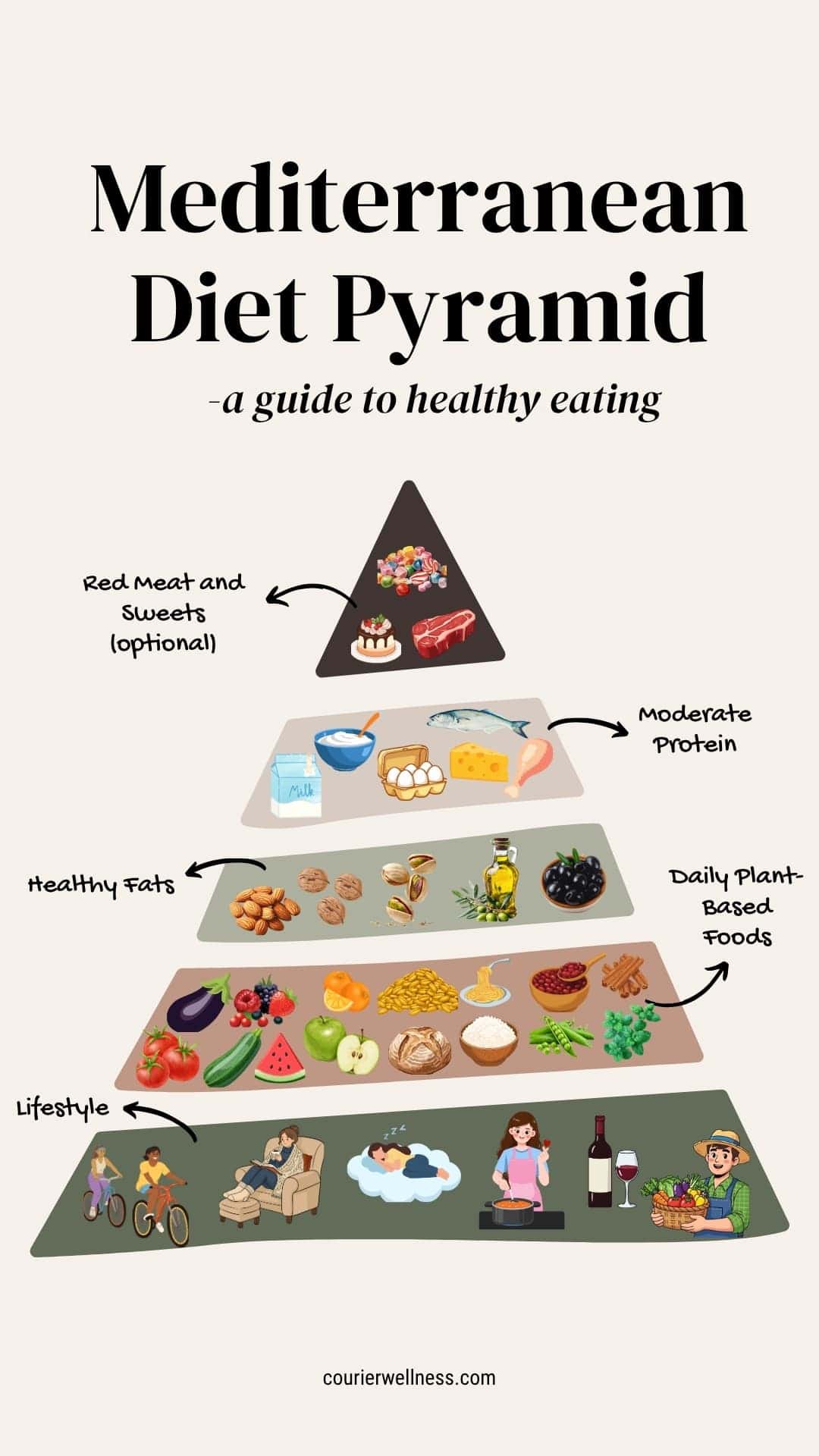
4. Optional: Red Meat and Sweets
At the top of the pyramid are foods meant for special occasions:
- Red Meats: Beef, lamb, pork — consume no more than 2 servings/week, preferably lean cuts.
- Processed Meats: Sausages, cured meats — eat very rarely.
- Sweets & Pastries: Chocolate, cakes, cookies — enjoy in moderation, ideally sweetened naturally with fruits, honey, or carob syrup.
The goal here isn’t restriction — it’s balance.
You can absolutely have your favorite dessert or a juicy steak now and then, just without letting these foods take center stage in your diet.
5. Lifestyle: Physical Activity, Rest, and Social Meals
One thing that makes the Mediterranean diet pyramid so unique is that it isn’t only about what you eat — it’s also about how you live.
Food and lifestyle go hand in hand here, working together to support long-term health and happiness.
Here’s what that looks like:
- Physical Activity: 30 minutes/day of walking, biking, or gardening; strength training twice a week.
- Sleep & Rest: Adequate sleep and daytime relaxation support health.
- Cooking: Preparing meals from scratch and eating with family or friends improves digestion, social connection, and overall well-being.
- Wine (Optional): One glass/day for women, two for men — preferably with meals on occasion, respecting cultural norms. Alternatives like polyphenol-rich herbal teas are excellent to enjoy daily.
- Sustainable Choices: Eat seasonal, local, traditional, and eco-friendly foods to promote biodiversity, reduce environmental impact, and support local economies.
These habits are just as essential as the foods themselves, helping reduce stress, improve digestion, and enhance overall well-being.
It’s about nourishing both your body and your lifestyle.
book tip

The Mediterranean Dish
By Suzy Karadsheh
Want to elevate your dishes with amazing Mediterranean recipes? Then this New York Times best seller is a must!
*We may earn a commission at no extra cost to you.
Health Benefits of Following the Mediterranean Diet Pyramid
So why follow the Mediterranean diet pyramid in the first place?
Beyond the delicious meals and vibrant ingredients, this way of eating has been linked to some pretty remarkable health perks.
Research continues to show that adopting this lifestyle can support your body in numerous ways.
Here are a few of the biggest:
1. Heart Health
One of the biggest reasons people turn to the Mediterranean diet is its powerful heart-health benefits.
People who follow this diet often experience:
- A lower risk of heart disease and stroke
- Healthier cholesterol levels
- Reduced blood pressure and inflammation
Fatty fish like sardines, salmon, and tuna provide omega-3s (EPA and DHA), which research shows help lower the risk of coronary heart disease and improve triglyceride levels.
Extra-virgin olive oil adds heart-friendly monounsaturated fats and antioxidant polyphenols, known to protect blood vessels and reduce oxidative stress and inflammation.
Paired with the fiber- and antioxidant-rich plant foods that define the Mediterranean diet, this combination supports healthier arteries, better lipid profiles, and overall cardiovascular protection.
2. Brain Health
The Mediterranean diet doesn’t just take care of your heart — it looks after your mind, too.
Research including large reviews of long-term studies and clinical trials suggests that people who closely follow this eating pattern may experience:
- A lower risk of mild cognitive impairment and Alzheimer’s disease
- Better memory performance
- Greater protection against brain aging
These benefits are largely linked to the diet’s regular supply of omega-3 fatty acids from fish and polyphenols and antioxidants from foods like olive oil, leafy greens, fruits, and nuts, which help reduce inflammation and oxidative stress in the brain.
3. Weight Management
Another perk worth celebrating?
The Mediterranean diet doesn’t just help with weight loss — it may also help people keep weight off long term.
Research suggests that people with higher adherence to a Mediterranean-style eating pattern are about twice as likely to maintain their weight loss compared to those with lower adherence.
This appears to come from the combined effect of several core foods working together, such as:
- Fiber-rich fruits, vegetables, whole grains, and legumes
- Protein-rich plant foods and seafood
- Healthy fats from olive oil and nuts that support satiety
So, no only do you get to enjoy flavorful meals, but it will also help you manage your weight better — a true win-win for both health and happiness.
4. Longevity
It’s no secret that people in Mediterranean regions tend to live longer, healthier lives — and their traditional way of eating plays a big role.
Large long-term population studies and major clinical trials consistently show that strong adherence to the Mediterranean diet is linked to:
- Longer life expectancy and lower overall mortality
- Reduced risk of major chronic diseases, including heart disease, type 2 diabetes, and some cancers
- Better quality of life and healthier aging, including preserved cognitive function
Researchers believe these benefits come from the synergy of the whole dietary pattern—rich in fruits, vegetables, olive oil, nuts, legumes, and fish—rather than any single “superfood.”
5. Gut Health
The Mediterranean diet doesn’t just benefit your heart and brain — it’s fantastic for your gut, too.
Research shows that this way of eating helps shape a healthier, more diverse gut microbiome, encouraging the growth of beneficial bacteria linked to better digestion, stronger gut lining function, and lower inflammation.
People who follow a Mediterranean-style diet often experience:
- A more balanced gut microbiome
- Improved digestion and gut barrier health
- Reduced inflammation and better metabolic health
These friendly gut microbes produce compounds called short-chain fatty acids, which help regulate immunity, metabolism, and even brain health—showing just how connected your gut is to the rest of your body.
How to Incorporate the Mediterranean Diet Pyramid Into Your Daily Life
Putting the Mediterranean diet pyramid into action doesn’t have to be complicated — it’s all about simple swaps, flavorful foods, and enjoying meals mindfully.
Here are some easy ideas to get started:
Breakfast Ideas
- Greek yogurt with fresh berries and a sprinkle of nuts — creamy, satisfying, and packed with protein and antioxidants.
- Oatmeal topped with chopped fruit and cinnamon — a warm, comforting way to start your day with fiber and natural flavor.
- Whole-grain toast with avocado and tomatoes — a savory option that keeps you full and energized for hours.
These breakfasts are quick, nourishing, and set the tone for the rest of your day.
Lunch Ideas
- Quinoa salad with chickpeas, cucumber, cherry tomatoes, olives, and olive oil — a colorful, protein-packed meal that’s fresh and satisfying.
- Whole-grain pita stuffed with hummus, roasted vegetables, and greens — easy to assemble, portable, and full of flavor.
- Lentil soup with a side of whole-grain bread — warm, hearty, and loaded with fiber to keep you energized through the afternoon.
These lunches are simple, nourishing, and perfectly aligned with the Mediterranean diet pyramid — all about whole foods, plant-based ingredients, and healthy fats.
book tip
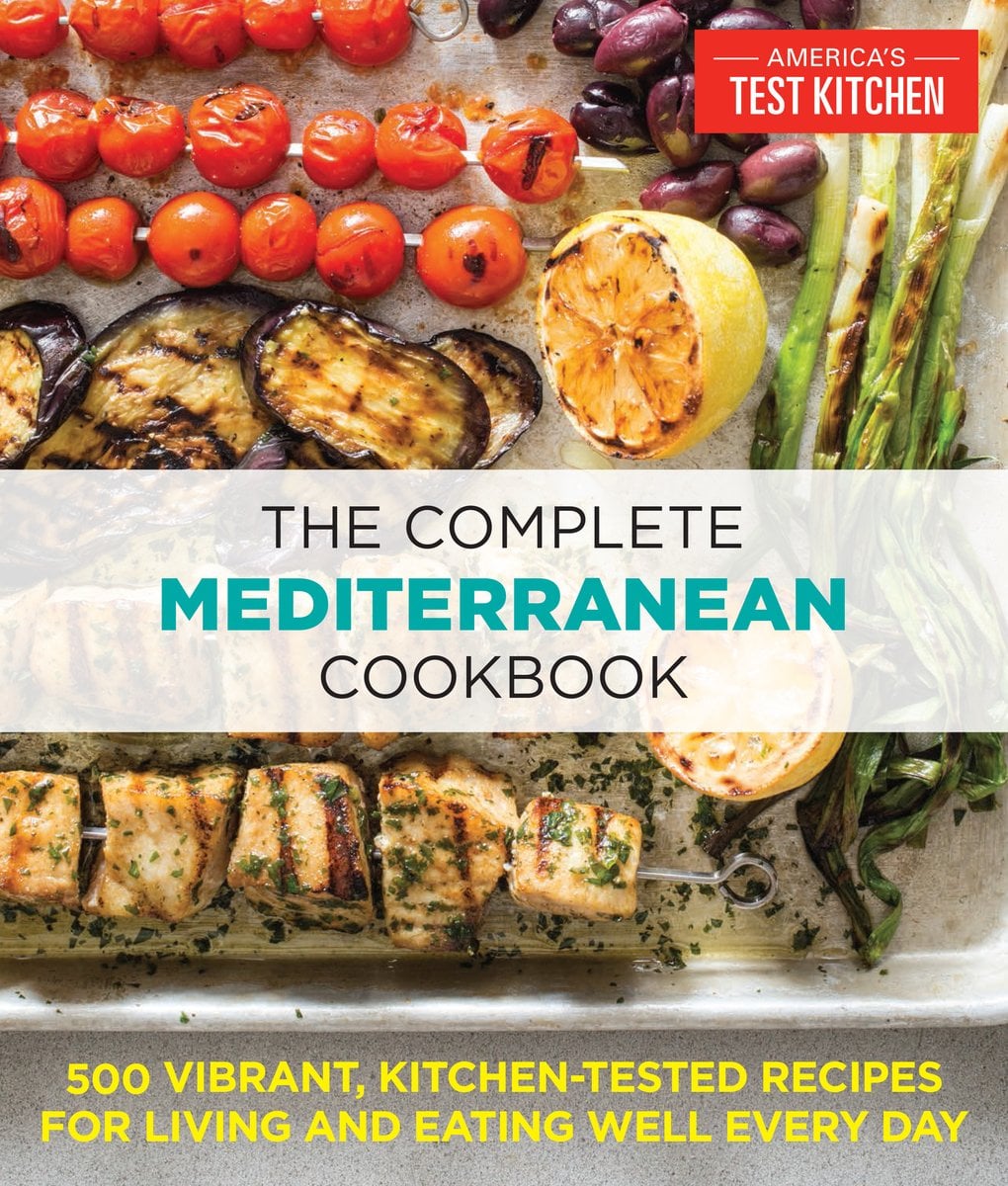
The Complete Mediterranean Cookbook
By America’s Test Kitchen
Want to cook more Mediterranean foods? Then you’ll love this one.
*We may earn a commission at no extra cost to you.
Dinner Ideas
- Grilled salmon with steamed broccoli and brown rice — a simple, nutrient-packed meal rich in omega-3s and fiber.
- Chicken sautéed with olive oil, garlic, and Mediterranean herbs, served with roasted vegetables — flavorful, satisfying, and easy to prepare.
- Whole-grain pasta with tomato sauce, spinach, olives, and a sprinkle of feta — a comforting, plant-forward dish that still feels indulgent.
These dinners are all about balance, incorporating lean protein, plenty of vegetables, whole grains, and healthy fats — the core of the Mediterranean diet pyramid in action.
Snacks
- Fresh fruit or a small handful of nuts — simple, portable, and naturally satisfying.
- Veggie sticks with hummus — crunchy, flavorful, and packed with fiber and protein.
- Greek yogurt with a touch of honey (optional) — creamy and nourishing, with a little sweetness if you want it.
These snacks are easy to enjoy between meals and perfectly fit the Mediterranean diet pyramid, helping you stay energized without relying on processed options.
Beverages
- Water — your go-to drink for staying hydrated throughout the day.
- Moderate red wine (optional) — up to one glass per day for women and one to two for men, enjoyed with meals if you like.
- Herbal teas or coffee — great options as long as you keep added sugar to a minimum.
Keeping hydration simple and focusing on natural, low-sugar drinks fits perfectly with the Mediterranean diet pyramid and complements your meals beautifully.
Tips for Success on the Mediterranean Diet
Making the Mediterranean diet pyramid part of your life is easier than you might think — it’s all about small, sustainable habits.
Here are some practical tips to help you get started:
- Plan Meals Around Plants First. Let vegetables, fruits, legumes, and whole grains be the stars of your plate.
- Use Extra Virgin Olive Oil. Swap butter or other fats for olive oil whenever you can; it’s heart-healthy and full of flavor.
- Eat Fish and Seafood Regularly. Aim for 2–3 servings per week to get those brain- and heart-boosting omega-3s.
- Limit Red Meat and Processed Foods. Enjoy these only occasionally, letting whole, natural foods take center stage.
- Cook at Home Whenever Possible. Making meals yourself gives you control over ingredients, portion sizes, and quality.
- Enjoy Meals Mindfully and Socially. Slow down, savor every bite, and share meals with friends or family whenever you can.
These simple habits make the Mediterranean diet pyramid easy to follow while keeping meals enjoyable, flavorful, and nourishing.
Common Misconceptions About the Mediterranean Diet
- It’s not a low-fat diet: Healthy fats are encouraged.
- It’s not just about olive oil and pasta: It emphasizes whole foods, not refined carbs.
- It’s not restrictive: The diet allows flexibility and enjoyment of a wide variety of foods.
Final Thoughts
The Mediterranean diet pyramid isn’t about strict rules or complicated meal plans — it’s a roadmap for enjoying real, wholesome foods while nourishing your body and lifestyle.
By focusing on plant-based staples, healthy fats, moderate protein, and occasional treats, you can enjoy meals that are both delicious and good for you.
Pair that with daily movement, mindful eating, and sharing meals with loved ones, and you’re not just eating well — you’re embracing a way of life that supports long-term health, energy, and happiness.
Start small: swap in extra vegetables, drizzle olive oil on your meals, or enjoy fish a couple of times a week. Over time, these simple habits add up to big benefits for your heart, brain, gut, and overall well-being.
The Mediterranean diet pyramid is more than a guide — it’s an invitation to eat, live, and enjoy life the Mediterranean way.
*This article is for informational purposes only and is not intended as medical advice. It should not be used to diagnose, treat, or prevent any health condition. Always consult a qualified healthcare professional before making any changes to your diet, exercise, or health routine.
Fu, Jialei et al. “Association between the mediterranean diet and cognitive health among healthy adults: A systematic review and meta-analysis.” Frontiers in nutrition vol. 9 946361. 28 Jul. 2022, doi:10.3389/fnut.2022.946361. Adapted and used under the terms of the Creative Commons Attribution 4.0 International License.
Godos, Jacopo, et al. “Underrated Aspects of a True Mediterranean Diet: Understanding Traditional Features for Worldwide Application of a ‘Planeterranean’ Diet.” Journal of Translational Medicine, vol. 22, 2024, p. 294, https://doi.org/10.1186/s12967-024-05095-w. Adapted and used under the terms of the Creative Commons Attribution 4.0 International License.
Martinez-Gonzalez, Miguel A, and Nerea Martin-Calvo. “Mediterranean diet and life expectancy; beyond olive oil, fruits, and vegetables.” Current opinion in clinical nutrition and metabolic care vol. 19,6 (2016): 401-407. doi:10.1097/MCO.0000000000000316. Abstract only.
Perrone, Pasquale, and Stefania D'Angelo. “Gut Microbiota Modulation Through Mediterranean Diet Foods: Implications for Human Health.” Nutrients vol. 17,6 948. 8 Mar. 2025, doi:10.3390/nu17060948. Adapted and used under the terms of the Creative Commons Attribution 4.0 International License.
Poulimeneas, Dimitrios et al. “Exploring the relationship between the Mediterranean diet and weight loss maintenance: the MedWeight study.” The British journal of nutrition vol. 124,8 (2020): 874-880. doi:10.1017/S0007114520001798. Adapted and used under the terms of the Creative Commons Attribution 4.0 International License.

Linda is the co-founder of Courier Wellness and holds a Diploma in Natural Health Nutrition & Diet. Her passions include photography, food, and travel, where she derives inspiration from diverse cultures and their holistic approaches to well-being. She is committed to helping others make informed, nourishing choices for a healthier life.