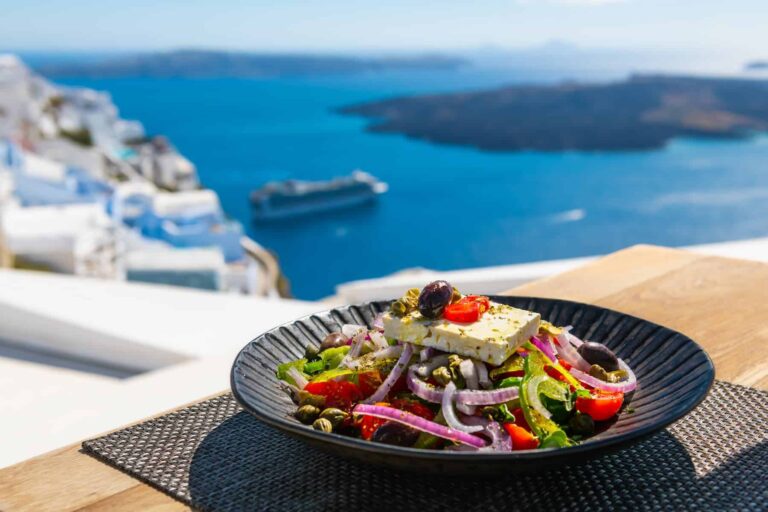
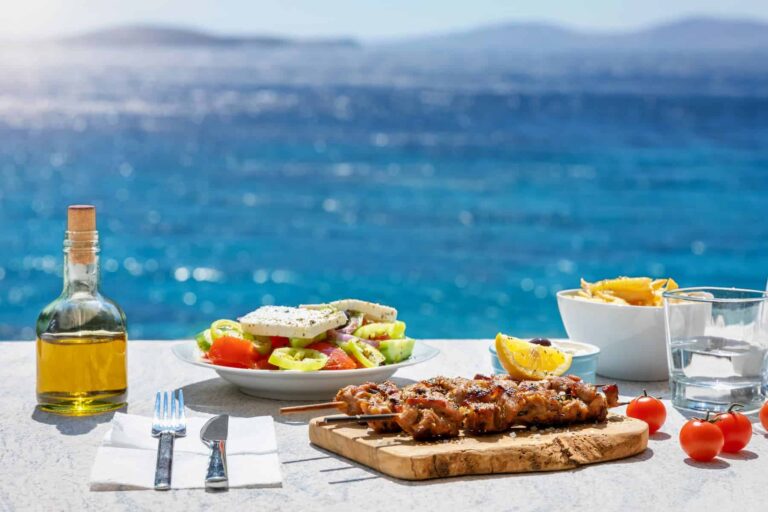
The Ultimate Mediterranean Diet Blueprint: How to Eat, Cook, and Thrive

This post contains affiliate links, which means we may earn a commission if you purchase through our links—at no extra cost to you. As an Amazon Associate we earn from qualifying purchases. We only recommend products we use or trust. Learn more about affiliate marketing or read our full disclosure.
The Mediterranean diet isn’t just about food—it’s a whole way of living.
Loved for its bold flavors, simple ingredients, and science-backed benefits, this style of eating draws inspiration from the vibrant coastal communities of the Mediterranean.
It’s built around whole foods, fresh produce, lean proteins, and heart-healthy fats—but it also celebrates connection, balance, and slowing down to savor every meal.
Whether you want to boost your health, lose weight without feeling deprived, or simply enjoy food that tastes amazing and makes you feel even better, the Mediterranean diet fits effortlessly into modern life.
This guide will show you how to eat, cook, and live the Mediterranean way—no matter how busy your schedule is.
Ready? Let’s dive in!
What Makes the Mediterranean Diet So Special?
The Mediterranean diet isn’t just another passing wellness trend — it’s been researched for decades and consistently ranks as one of the healthiest ways to eat.
And it’s no surprise.
Studies show that it’s linked to lower rates of heart disease, improved brain function, better weight management, and a reduced risk of chronic conditions like diabetes and even certain cancers.
Here’s why the Mediterranean diet really works:
1. Packed With Antioxidants and Phytonutrients
Fresh fruits, vegetables, and herbs are antioxidant powerhouses — and the Mediterranean diet is full of them.
Key Fruits & Vegetables:
- Oranges
- Berries
- Grapes
- Tomatoes
- Leafy greens
- Garlic
- Onions
These foods deliver fiber, vitamins, minerals, and potent plant compounds like polyphenols and flavonoids, which have been linked to lower risks of heart disease, stroke, type 2 diabetes, and certain cancers.
In other words, it’s nature’s medicine, served up in delicious, colorful meals.
2. Rich in Healthy Fats
Olive oil, nuts, and fatty fish like salmon are loaded with heart-healthy fats, especially monounsaturated fats and omega-3s.
Extra virgin olive oil (EVOO), the staple fat of the Mediterranean diet, is particularly powerful.
It’s packed with phenols, natural compounds that protect your heart, support healthy cholesterol, lower inflammation, and even reduce the risk of type 2 diabetes and certain cancers.
Unlike seed oils, EVOO is minimally processed, preserving these bioactive compounds.
Including these fats regularly is one of the main reasons the Mediterranean diet is linked to better heart health, healthier weight, and longer life.
Choose Real Extra-Virgin Olive Oil
Extra-virgin olive oil is the heart of the Mediterranean diet — skip it or grab a regular supermarket oil, and you lose the health benefits.
Most common oils are highly processed, low in polyphenols, and prone to oxidation, which limits their protective effects.
Olive Oil Lovers delivers authentic, high-quality EVOO from trusted small producers, packed with the antioxidants and flavor that give the Mediterranean diet its heart-healthy, disease-fighting power.
Here are 3 excellent choices:


3. Low in Processed Foods and Added Sugars
Because the Mediterranean diet is all about whole, real foods, it naturally cuts out processed junk and added sugars.
That means less inflammation, steadier blood sugar, and more balanced energy throughout the day.
The antioxidants, polyphenols, fiber, and healthy fats in fruits, vegetables, nuts, and olive oil also support insulin sensitivity, gut health, and satiety — giving your body the tools it needs to stay healthy and feel great.
4. Focused on Whole Grains and Fiber-Rich Foods
The Mediterranean diet emphasizes whole, fiber-packed foods like whole grains, beans, fruits, and vegetables.
These staples help keep digestion smooth, stabilize blood sugar, and sustain energy throughout the day — no more midday crashes!
Combined with olive oil, nuts, and moderate amounts of fish and poultry, these fiber-rich foods also deliver essential nutrients and bioactive compounds that support overall health and long-term disease prevention.
5. Balanced, Enjoyable Eating
This isn’t a diet that’s all about restrictions and counting calories. Instead, it’s about making mindful choices and enjoying fresh, flavorful foods.
No guilt, just satisfaction.
What truly makes the Mediterranean diet stand out is that it promotes health without restriction. It’s a refreshing shift away from the extreme “diet culture” that tends to focus on deprivation.
With the Mediterranean diet, it’s all about balance, enjoyment, and feeling great — without all the stress and pressure.
📚 related Articles
The Core Principles of the Mediterranean Diet
To help you understand what eating Mediterranean truly means, here are the foundational principles:
1. Fill Your Plate with Plants
At the heart of the Mediterranean diet are vegetables and fruits. Think of them as the stars of every meal.
The goal?
To get a colorful, fresh, and varied selection of plant-based goodness on your plate. Not only do they add flavor, but they’re also packed with nutrients.
Here are some Mediterranean staples you’ll find in nearly every meal:
Spinach, arugula, kale — all rich in vitamins and minerals.
Veggies like tomatoes, cucumbers, pepper, and eggplant are refreshing and savory addition to any dish.
Naturally sweet, full of antioxidants, and perfect for a snack or dessert.
Chickpeas, lentils, and beans are the unsung heroes of the diet, offering plant-based protein and fiber that’ll keep you feeling full and satisfied.
By centering your meals around these colorful, plant-powered foods, you’ll be getting a huge boost of nutrients, fiber, and flavor — all while keeping things light and satisfying.
2. Prioritize Whole Grains
In the Mediterranean diet, it’s all about the good stuff — so when it comes to grains, whole and minimally processed is the way to go.
Refined grains are kept to a minimum, while whole grains take center stage, offering more fiber, nutrients, and a satisfying texture.
Here are some Mediterranean grain favorites to add to your meals:
A chewy, nutty grain that’s perfect for salads or soups.
A heartier alternative to white rice, packed with fiber.
Still just as comforting as regular pasta, but with extra nutrients.
Great in stews or as a base for grain bowls.
A versatile option, whether for breakfast or baking.
A delicious and wholesome choice for sandwiches or toast.
Switching to these whole grains will not only give you more sustained energy, but they’ll also make your meals more filling and flavorful.
Plus, they’re super easy to incorporate into pretty much any dish!
3. Use Olive Oil as Your Primary Fat
In the Mediterranean diet, extra virgin olive oil is the star fat. It’s not just for cooking — it’s used in so many ways, and for good reason.
Olive oil is packed with antioxidants and anti-inflammatory compounds that support heart health and give your meals a boost of flavor.
Here’s how you can use it:
Cooking
Olive oil is great for sautéing and frying at moderate temperatures. It adds a rich, smooth flavor to whatever you’re making.
Dressing Salads
A drizzle of olive oil, maybe with a squeeze of lemon, makes for a perfect, simple dressing.
Drizzling Over Vegetables
After roasting or grilling veggies, a touch of olive oil enhances their natural flavors.
Dipping Bread
No Mediterranean meal is complete without a small bowl of olive oil for dipping — often with a sprinkle of herbs.
Not only is it versatile and delicious, but olive oil is a key part of the Mediterranean diet’s focus on heart-healthy fats. It’s a simple switch that can make a huge difference in your health (and your taste buds!).
recommendation
Olive Oil Lovers
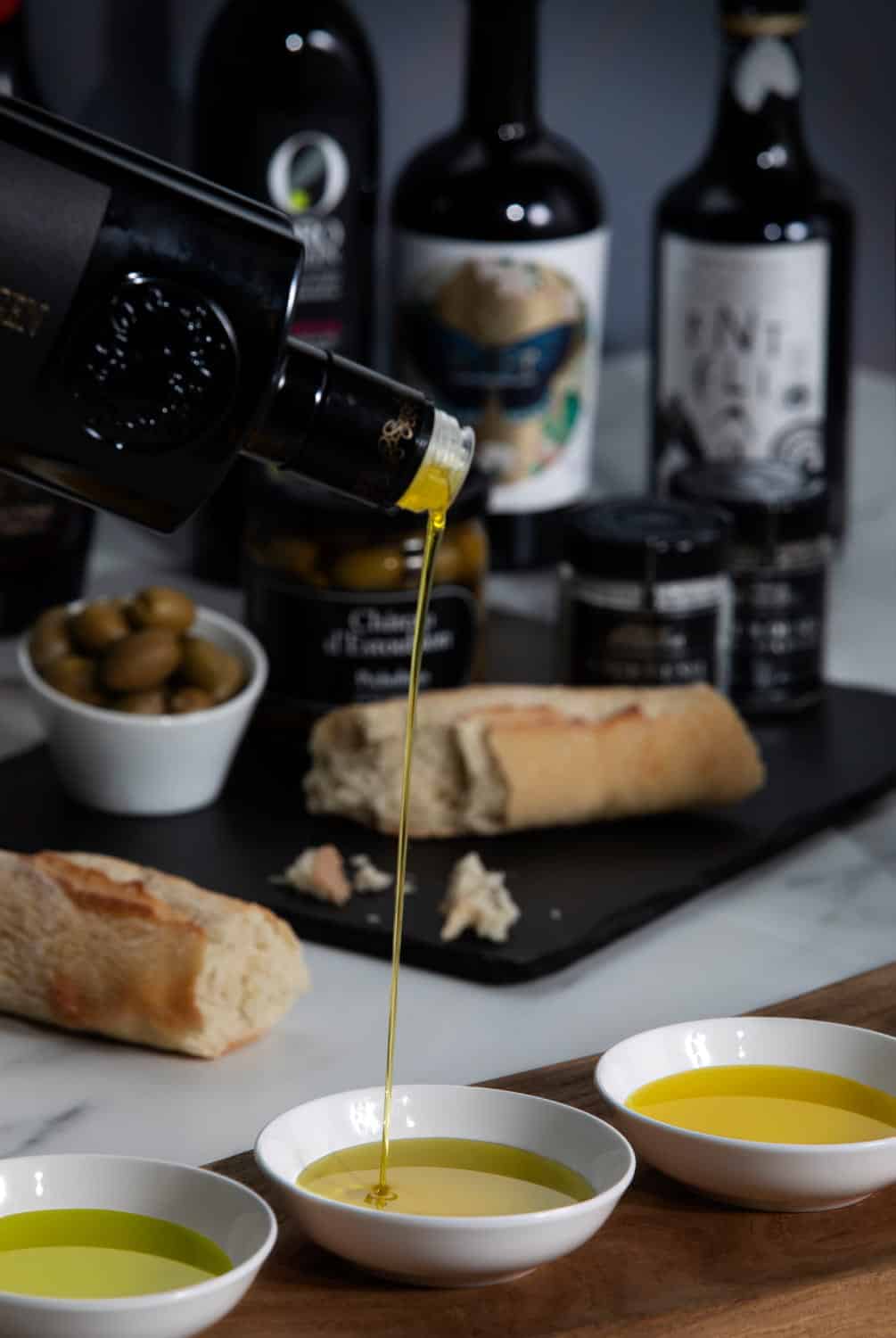
100% natural extra virgin olive oil—no chemicals, no shortcuts.
With Olive Oil Lovers, you get real, high-quality oil packed with rich flavor and incredible health benefits.
Key features:
*We may earn a commission at no extra cost to you.
4. Eat Lean Proteins — Mostly from Plants and the Sea
When it comes to protein in the Mediterranean diet, it’s all about balance. The focus is on lean, nutrient-dense options, with plenty of choices from the sea and plant-based sources.
Here are the main protein sources to keep in mind:
Fish
Especially fatty fish like salmon, sardines, and mackerel, which are rich in omega-3s and great for your heart.
Seafood
Shrimp, mussels, clams, and other seafood make frequent appearances in Mediterranean meals.
Legumes and Beans
Chickpeas, lentils, and beans aren’t just for vegetarians — they’re protein-packed and versatile, perfect in salads, soups, or stews.
Nuts and Seeds
Almonds, walnuts, chia seeds — these provide protein, healthy fats, and crunch to your meals or snacks.
For a convenient, high-quality option, Mamma Chia Organic Chia Seeds (available on iHerb) are versatile and easy to add to yogurt, oatmeal, smoothies, or salads.
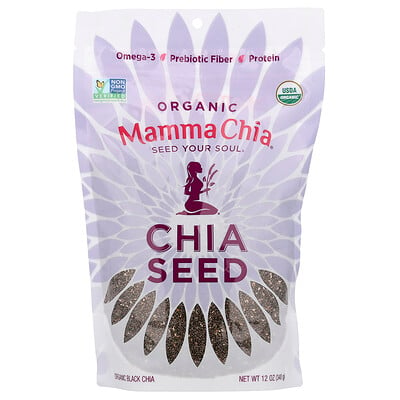
Mamma Chia, Organic Chia Seed, 12 oz (340 g)
Eggs
In moderation, eggs are a great source of protein, often used in Mediterranean omelets or dishes like shakshuka.
Poultry
Chicken or turkey is enjoyed occasionally, often as a light, flavorful protein option.
As for red meat, it’s a rarity — eaten sparingly and usually as a special treat, not as a daily staple. This approach ensures you get a variety of nutrients while keeping things light and heart-healthy.
By choosing lean proteins from the sea and plants, you’re giving your body the building blocks it needs while keeping meals flavorful, satisfying, and full of variety.
5. Choose Dairy in Moderation
Dairy in the Mediterranean diet isn’t the star of the show, but when it is included, it’s often fermented and packed with flavor. Think of it more as a topping or accent to enhance your meals, rather than a main dish.
Here are the dairy staples you’ll find in the Mediterranean:
A creamy, tangy treat that’s often eaten for breakfast or as a snack. Greek yogurt, in particular, is loaded with probiotics and protein.
If you want to make your own at home, using a yogurt maker — like the Luvele yogurt maker — can make the process simple and consistent.
I’ve had my Luvele yogurt maker for over a year now, and honestly, it’s one of the best decisions I’ve made for my health. I ferment the yogurt for 24 hours, which makes it thick, creamy, and packed with probiotics, and I eat it almost every day.
Using a yogurt maker like this makes it easy to enjoy fresh, homemade yogurt without any added sugars or preservatives.
editor’s choice
Luvele Pure Yogurt Maker

This simple and high-quality yogurt maker has advanced water-bath technology, which ensures even and consistent temperatures for thick, probiotic-rich yogurt.
Key features:
*We may earn a commission at no extra cost to you.
great pick
Luvele Pure Plus Yogurt Maker

This versatile and high-quality yogurt maker features advanced water-bath technology, delivering precise, consistent temperatures for thick, probiotic-rich yogurt—and even homemade kefir.
Key features:
*We may earn a commission at no extra cost to you.
Mediterranean cheeses like feta, Parmesan, ricotta, and manchego add rich flavor to dishes without taking over.
They’re often sprinkled on salads, tossed into pastas, or enjoyed as a side.
In the Mediterranean diet, dairy is enjoyed in moderation — it’s there to add a little something special to your meals, not dominate them.
This keeps things light and keeps you focused on whole, plant-based foods while still enjoying the occasional creamy bite.
📚 related Articles
6. Flavor with Herbs, Spices, and Citrus
One of the best things about Mediterranean cooking is that it’s all about bold, fresh flavors — and you don’t need heavy sauces or too much salt to achieve it.
Instead, the Mediterranean relies on a variety of herbs, spices, and citrus to bring meals to life.
Here are some of the flavor-packed ingredients that make Mediterranean food so delicious:
A sweet, aromatic herb that’s perfect for salads, pasta, or pizza.
Earthy and savory, often used in Mediterranean marinades and dressings.
A fragrant, piney herb that works wonders on roasted veggies and grilled meats.
Bright, fresh, and slightly peppery — it adds a pop of color and flavor to almost anything.
The foundation of many Mediterranean dishes, garlic gives depth and richness to sauces, stews, and more.
The zingy, refreshing flavor of lemon is used in everything from dressings to desserts.
Cool and refreshing, mint can be used in both savory and sweet dishes for a burst of flavor.
Often used in Mediterranean desserts and some savory dishes, cinnamon adds warmth and depth.
By using these vibrant, healthy ingredients, you can create bold, flavorful meals that are good for your health and satisfying to your taste buds — without overloading on salt or heavy sauces.
7. Enjoy Meals Socially
One of the best-kept secrets of the Mediterranean diet isn’t just about what’s on your plate — it’s about who you’re sharing it with. In Mediterranean cultures, meals are a time to gather, connect, and savor the moment.
Eating together isn’t just about filling your stomach; it’s about nourishing your relationships, too.
The social aspect of dining encourages slower, more mindful eating.
Instead of rushing through a meal on your own, it’s about taking the time to enjoy the flavors, share stories, and really appreciate the experience.
This kind of mindful eating helps with digestion, reduces overeating, and makes meals more fulfilling.
So, next time you sit down to eat, invite someone to join you. Whether it’s family, friends, or neighbors, sharing a meal is a beautiful way to connect and enjoy the Mediterranean lifestyle in its truest sense.
The Health Benefits of the Mediterranean Diet
The Mediterranean diet isn’t just delicious — it’s also packed with health benefits that can make a real difference in your well-being.
Here are some of the top perks:
1. Heart Health
The Mediterranean diet isn’t just tasty — it’s heart-smart.
Research shows that sticking to plant-packed Mediterranean meals, especially with legumes, whole grains, and regular exercise, can lower LDL cholesterol, reduce blood pressure, and shrink harmful belly fat.
Basically, it’s an easy, delicious way to give your heart some everyday TLC.
2. Weight Management
The Mediterranean diet isn’t just delicious — it’s effective for keeping weight off too.
Research shows that people who stick closely to the diet are about twice as likely to maintain weight loss, thanks to the combination of fiber-rich vegetables, whole grains, fruits, and healthy fats.
These nutrient-packed foods help you feel fuller longer, curb cravings, and keep your energy steady, making healthy weight management easier without strict dieting or calorie counting.
3. Brain Health
The Mediterranean diet isn’t just great for your heart — it’s a powerhouse for your brain too.
Packed with antioxidants from fruits and vegetables, omega-3s from fatty fish, polyphenols from olive oil, and B vitamins from whole grains, it helps protect against inflammation, oxidative stress, and cognitive decline.
Research shows that these nutrients support memory, focus, and overall brain function, making this way of eating a delicious strategy for long-term mental sharpness.
4. Improved Digestion
The Mediterranean diet is a digestive powerhouse.
Its fiber-rich fruits, vegetables, and whole grains, plus gut-friendly foods like yogurt, help feed beneficial bacteria in your gut.
This supports digestion, boosts immunity, reduces inflammation, and even positively influences mood.
Eating the Mediterranean way keeps your gut happy and balanced, which in turn helps your whole body thrive.
5. Reduced Chronic Disease Risk
One of the standout benefits of the Mediterranean diet is its ability to lower the risk of chronic diseases.
Studies consistently show that people who follow this way of eating have lower rates of:
- Type 2 diabetes
- Stroke
- Hypertension (high blood pressure)
- Certain cancers
The secret?
It’s all about the anti-inflammatory and antioxidant-rich power of whole, natural foods.
These nutrient-dense, minimally processed foods help reduce inflammation in the body, which is linked to many chronic diseases.
So, by embracing the Mediterranean diet, you’re giving your body the tools it needs to stay healthy and disease-free in the long run.
How to Eat the Mediterranean Way: A Daily Blueprint
The beauty of the Mediterranean diet is that it’s more about building healthy habits than following strict rules.
So, let’s break it down and make it easy to bring Mediterranean goodness into your daily meals:
Breakfast Ideas
Start your day with a meal that’s packed with fiber, healthy fats, and lean protein to keep you energized and satisfied:
1. Greek Yogurt With Berries and Nuts: A creamy, protein-rich base topped with sweet berries and crunchy nuts.
2. Whole-Grain Toast Topped With Avocado and Cherry Tomatoes: A simple, satisfying breakfast full of healthy fats and fresh veggies.
3. Steel-Cut Oats With Almonds and Cinnamon: A warm, hearty option that combines fiber and healthy fats for a steady energy boost.
For a reliable pantry option, Bob’s Red Mill Steel-Cut Oats (available on iHerb) are naturally gluten-free and cook up nutty, chewy, and satisfying — perfect for Mediterranean-style breakfasts topped with almonds, cinnamon, or fresh fruit.
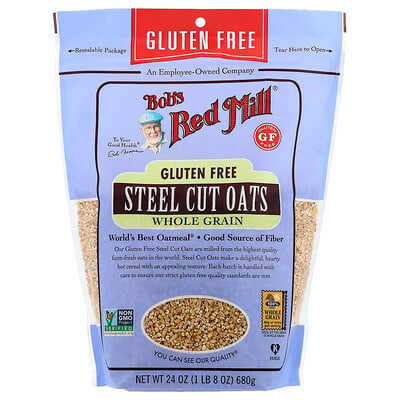
Bob's Red Mill, Steel Cut Oats, Whole Grain, Gluten Free, 24 oz (680 g)
4. A Veggie Omelet Cooked in Olive Oil: Light, flavorful, and packed with protein and veggies, all cooked in heart-healthy olive oil.
These breakfast ideas are a perfect way to start your day the Mediterranean way — balanced, filling, and full of fresh, wholesome ingredients.
Lunch Ideas
For lunch, aim for a meal that’s both balanced and filling, so you stay satisfied and energized through the afternoon:
1. Quinoa Salad With Chickpeas, Cucumber, and Feta: A light yet hearty salad that’s packed with protein, fiber, and refreshing flavors.
2. Whole-Grain Pasta With Spinach, Tomatoes, and Olive Oil: A comforting pasta dish that’s simple, healthy, and full of Mediterranean goodness.
3. Lentil Soup With Herbs and Lemon: A warm, savory soup that’s perfect for boosting your fiber intake and keeping you full.
4. Grilled Fish Served Alongside Roasted Vegetables: A delicious, protein-packed meal with heart-healthy fats and plenty of veggies for added nutrients.
These lunch ideas are quick, satisfying, and full of the wholesome ingredients that make the Mediterranean diet so delicious.
Dinner Ideas
For dinner, aim for something satisfying but not too heavy, so you can wind down without feeling sluggish:
1. Baked Salmon With Herbs, Olive Oil, and Lemon: A simple, flavorful dish with heart-healthy fats and a fresh citrus kick.
2. Stuffed Bell Peppers With Barley and Vegetables: A hearty, veggie-packed meal that’s light yet filling — and easy to make.
3. Mediterranean-Style Chicken With Olives and Tomatoes: Tender chicken cooked with olives, tomatoes, and a splash of olive oil for a rich, savory flavor.
4. Shrimp Sautéed With Garlic and Zucchini Over Whole-Grain Couscous: A quick and flavorful dish that’s packed with protein and veggies, all served on a bed of wholesome couscous.
These dinner ideas are perfect for enjoying a satisfying meal without weighing you down, keeping you in line with the Mediterranean diet’s emphasis on balance and freshness.
Snacks
When it comes to snacks, keep it simple, wholesome, and nutrient-dense:
1. Hummus With Carrot Sticks: A creamy, satisfying snack that’s full of fiber and healthy fats.
2. A Handful of Nuts: Almonds or walnuts are easy to grab and packed with protein, healthy fats, and a satisfying crunch.
3. Fresh Fruit: An easy, naturally sweet snack that’s refreshing and full of vitamins.
4. Olives: A savory, flavorful snack that’s rich in healthy fats and perfect for a quick bite.
5. Whole-Grain Crackers With Cheese: A simple combo that gives you fiber, protein, and healthy fats in one easy snack.
These Mediterranean snacks are quick, easy, and full of the nutrients your body craves — perfect for when you’re on the go or need a little pick-me-up.
Desserts
In the Mediterranean diet, desserts are a treat — enjoyed in moderation and often made with wholesome, simple ingredients:
1. Fresh Fruit With Yogurt: A naturally sweet and satisfying dessert that’s light, refreshing, and full of nutrients.
2. Dark Chocolate: A little square of rich, antioxidant-packed dark chocolate is the perfect way to indulge without going overboard.
3. Honey-Dipped Roasted Figs: Sweet, caramelized figs drizzled with honey — a deliciously Mediterranean way to satisfy your sweet tooth.
For a truly flavorful option, Entelia Cretan Honey XL (available from Olive Oil Lovers) is harvested from bees that forage on thyme and wildflowers in the sun-drenched hills of Crete.
This golden honey is thick, aromatic, and deeply flavorful, with herbal and floral notes that shine whether you drizzle it over Greek yogurt, fresh fruit, warm bread, or even roasted vegetables.

Entelia Cretan Honey XL
5. Almond Cookies or Olive-Oil Cakes: These Mediterranean treats are a bit indulgent but still made with healthy fats like olive oil and nuts, so you can enjoy them guilt-free — just in moderation.
These desserts are all about savoring the moment and enjoying something sweet without overdoing it, keeping you in line with the Mediterranean diet’s balanced, mindful approach to eating.
Pantry Essentials for Mediterranean Cooking
If you want to make the Mediterranean diet a long-term lifestyle, it all starts with stocking your pantry with the right essentials.
Having these staples on hand makes Mediterranean cooking quick, easy, and convenient — so you can whip up delicious meals in no time.
Oils & Vinegars
The heart of Mediterranean cooking, perfect for everything from sautéing and roasting to drizzling on salads.
It’s a must-have for healthy fats and flavor.
For a premium option, Oro del Desierto Organic Coupage (available from Olive Oil Lovers) is an award-winning, organic extra virgin olive oil that’s smooth, rich, and ideal for both cooking and finishing dishes.

Oro del Desierto Organic Coupage
Adds a tangy, zesty kick to salad dressings, marinades, and roasted veggies.
Sweet, rich, and versatile, balsamic vinegar is perfect for finishing off dishes, making glazes, or adding depth to dressings.
For a high-quality option, Oro del Desierto Organic Balsamic Vinegar (available from Olive Oil Lovers) is well-regarded for its smooth, complex flavor and makes a lovely addition to any Mediterranean pantry.

Oro del Desierto Organic Balsamic Vinegar
With these oils and vinegars in your pantry, you’re ready to create vibrant, flavorful Mediterranean meals that are as healthy as they are delicious.
Grains & Legumes
A versatile, fiber-rich whole grain that works well in salads, stir-fries, or as a side dish.
If you’d like to try a more digestible option, sprouted brown rice can be a great choice — it’s easier on the stomach and has a slightly nutty flavor.
A product like NOW Foods Organic Sprouted Brown Rice (available on iHerb) is an example of a high-quality version you can keep in your pantry.
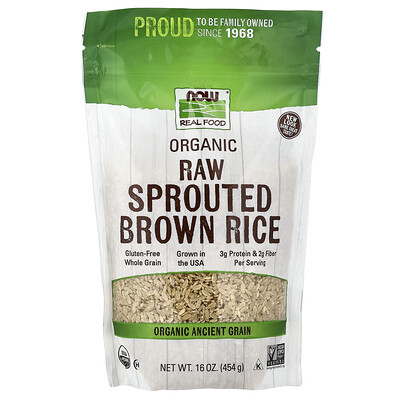
NOW Foods, Real Food, Organic Sprouted Brown Rice, Raw, 16 oz (454 g)
A quick-cooking, nutty-flavored grain that’s perfect for tabbouleh, pilafs, or even as a base for grain bowls.
If you’re stocking your pantry, Bob’s Red Mill Red Bulgur (available on iHerb) is a whole-grain option that cooks fast and delivers great texture for Mediterranean dishes.

Bob's Red Mill, Red Bulgur, Whole Grain, 24 oz (680 g)
A protein-packed, gluten-free grain that’s great in salads, soups, or as a side dish — plus, it cooks in about 15 minutes.
If you like a bit more color and texture, Bob’s Red Mill Organic Tri-Color Quinoa (available on iHerb) is a convenient option that works beautifully in Mediterranean-style recipes.
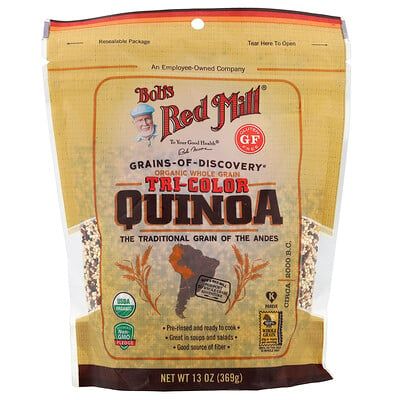
Bob's Red Mill, Organic Tri-Color Quinoa, Whole Grain, 13 oz (369 g)
These little powerhouses are perfect for making hummus, adding to salads, or tossing in stews and soups.
For a reliable pantry option, Arrowhead Mills Organic Chickpeas (available on iHerb) are high-quality and easy to keep on hand.
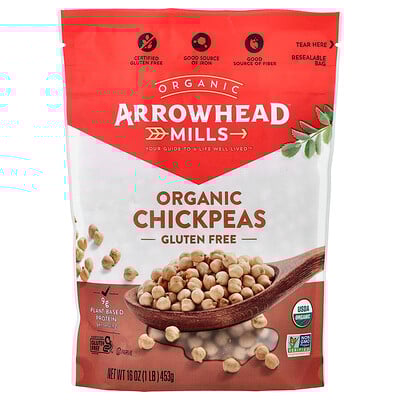
Arrowhead Mills, Organic Chickpeas, 16 oz (453 g)
If you’re looking for a hummus recipe, I highly recommend the one from Inspired Taste — I make it all the time, and it’s absolutely delicious.
It’s simple, flavorful, and a great way to enjoy the Mediterranean diet at home.
Full of fiber and protein, lentils are great for soups, stews, or even as a meat substitute in veggie burgers.
For a reliable pantry option, Arrowhead Mills Organic Red Lentils (available on iHerb) are a convenient and high-quality choice that cooks quickly and works well in a variety of Mediterranean dishes.
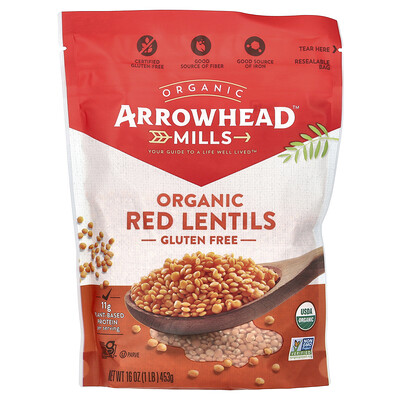
Arrowhead Mills, Organic Red Lentils, 16 oz (453 g)
These grains and legumes are foundational to the Mediterranean diet, providing plant-based protein, fiber, and a satisfying base for so many meals.
Herbs & Spices
A Mediterranean classic, this herb adds a savory, earthy flavor to everything from tomato sauces to grilled meats.
If you’re looking for a reliable pantry option, Simply Organic Oregano (available on iHerb) is a popular choice made from high-quality dried oregano, and it’s easy to keep on hand for everyday cooking.
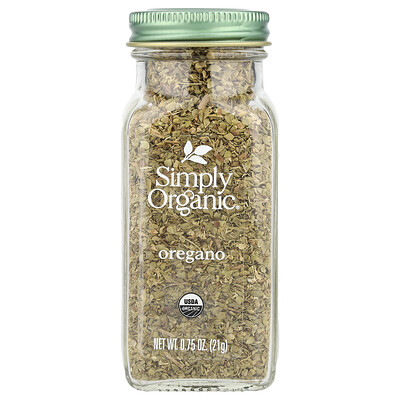
Simply Organic, Oregano, 0.75 oz (21 g)
Warm, slightly smoky, and perfect for adding depth to soups, stews, or roasted veggies.
If you like keeping quality spices on hand, Simply Organic Ground Cumin (available on iHerb) is a dependable pantry option and works beautifully in Mediterranean-style dishes.
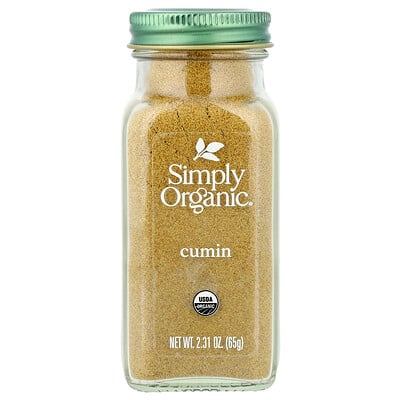
Simply Organic, Ground Cumin, 2.31 oz (65 g)
Not just for desserts! In Mediterranean cuisine, cinnamon is often used in savory dishes to add warmth and complexity.
If you use cinnamon regularly, choosing a Ceylon variety can be a great option — it has a softer, more delicate flavor and naturally contains less coumarin than most conventional cinnamon.
A product like Simply Organic Ceylon Cinnamon (available on iHerb) is a high-quality choice that works beautifully in both sweet and savory dishes.
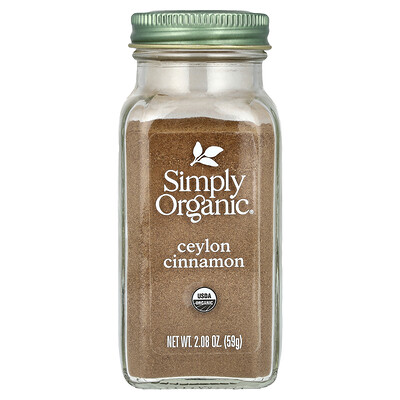
Simply Organic, Ceylon Cinnamon, 2.08 oz (59 g)
Sweet and aromatic, basil is perfect for fresh salads, pasta dishes, and even sprinkled on roasted vegetables.
If you like keeping dried herbs on hand, Simply Organic Basil (available on iHerb) is a reliable pantry option with a bright, clean flavor that works well in everyday Mediterranean cooking.
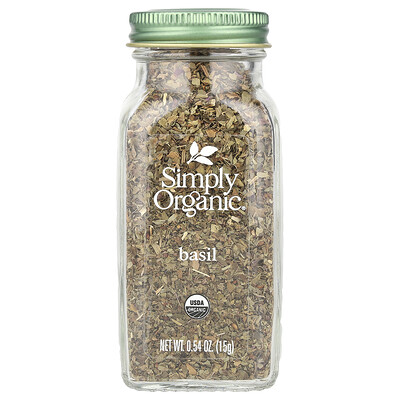
Simply Organic, Basil, 0.54 oz (15 g)
A mild, smoky spice that adds color and a rich flavor to meats, soups, and roasted dishes.
If you enjoy that subtle smoky flavor, Simply Organic Smoked Paprika (available on iHerb) is a great pantry staple — it brings warmth and complexity without overpowering your food.
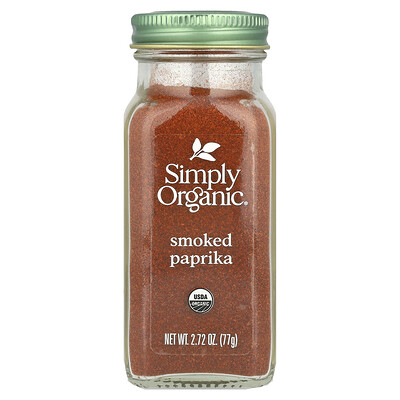
Simply Organic, Smoked Paprika, 2.72 oz (77 g)
With these herbs and spices in your pantry, you’ll be able to infuse your Mediterranean meals with bold, fresh flavors that make every dish feel like a celebration.
Seafood & Proteins
Convenient, protein-packed, and full of omega-3s.
Just keep in mind that while canned tuna is a convenient option, it can sometimes have higher mercury levels — particularly in larger tuna varieties like albacore.
For lower mercury options, try sticking to smaller tuna species (like skipjack) or opt for canned salmon, which is a great alternative and lower in mercury.
Both are perfect for quick salads, sandwiches, or mixing into pasta dishes.
These are a fantastic plant-based protein, creamy and full of fiber. They’re a great choice for adding to soups, stews, or salads — and totally mercury-free.
A classic protein that’s incredibly versatile and a staple in Mediterranean cooking.
You can enjoy them in so many ways, from Mediterranean omelets to frittatas or boiled for a snack. And unlike some seafood, there are no mercury concerns with eggs.
If you like meal prepping or want perfectly cooked eggs with zero guesswork, an egg cooker — like the Evoloop Rapid Egg Cooker (available on Amazon) — can be really convenient.
It makes it easy to boil, poach, or steam eggs in minutes, which means quick, protein-packed meals are always within reach.
By adding a variety of proteins like beans, eggs, and salmon (in moderation), you can enjoy a healthy, balanced Mediterranean diet without worrying about excessive mercury intake.
Snacks & Add-Ons
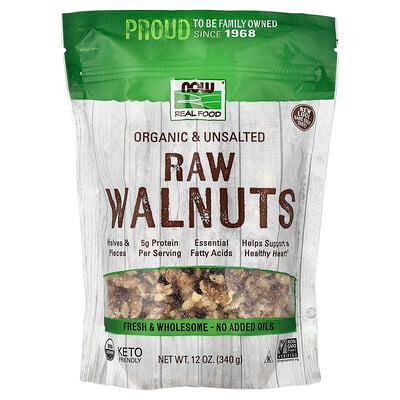
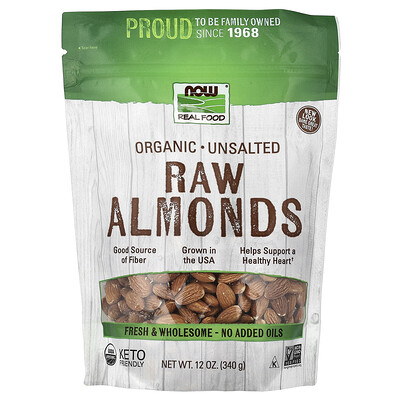
Packed with healthy fats, protein, and fiber, nuts are the perfect snack to keep you feeling full and satisfied.
Walnuts and almonds are especially popular in the Mediterranean diet and great for a quick, crunchy snack.
For convenient, high-quality options, you could try NOW Foods Raw Walnuts, Unsalted and NOW Foods Organic Raw Almonds, Unsalted (available on iHerb) — they’re simple, wholesome, and easy to keep on hand for snacking or adding to meals.
A naturally sweet and portable snack, dried fruit like figs, apricots, and raisins are perfect for when you’re on the go.
Just be mindful of portion sizes, as dried fruit is more concentrated in sugar.
A little indulgence goes a long way. Dark chocolate is rich in antioxidants and can be enjoyed in moderation as a satisfying treat.
One of my personal favorites is the Lindt EXCELLENCE 70% Cocoa Dark Chocolate Candy Bar (available on Amazon) — it’s smooth, rich, and perfectly balanced for when you want a small, delicious treat without going overboard.
A savory, briny snack that’s loaded with heart-healthy fats and perfect for munching between meals.
For those looking to try a high-quality option, Estoublon Picholine Olives from Olive Oil Lovers are a delicious, premium choice. They’re rich in flavor and perfect for adding a special touch to salads, appetizers, or simple snacks.

Estoublon Picholine Olives
A well-stocked Mediterranean pantry makes it easy to put together quick, flavorful snacks or add healthy ingredients to your meals.
Whether you’re snacking or enhancing your dishes, these items are all about nourishing your body and satisfying your taste buds.
How to Cook Mediterranean-Style: Simple Techniques
Mediterranean cooking is all about keeping things simple, fresh, and full of flavor.
These core techniques are easy to master and will make your meals taste like they came straight from the Mediterranean coast.
1. Drizzling and Dressing with Olive Oil
Forget butter or heavy sauces — extra virgin olive oil is the star of Mediterranean cooking. It adds richness, depth, and a silky texture to just about everything.
Use it to sauté vegetables, drizzle over fresh salads, or finish off roasted dishes.
It’s also perfect for dipping bread or making quick dressings with a splash of vinegar, lemon, and herbs.
The best part?
Olive oil is full of heart-healthy fats and antioxidants, so it’s good for you, too!
2. Roasting Vegetables
Roasting is one of the easiest ways to bring out the natural sweetness and flavor of vegetables.
Simply toss your favorite veggies with olive oil, sprinkle in some fresh herbs, and throw in a few cloves of garlic for that Mediterranean touch.
A squeeze of lemon before serving will brighten everything up!
Roasting gives veggies a crispy, caramelized exterior while keeping them tender inside — it’s a win for both flavor and texture.
3. Slow Simmering
Slow simmering is the secret to creating rich, deeply flavored soups, stews, and dishes with legumes.
The beauty of this technique is that it allows all the ingredients to slowly meld together, with flavors deepening over time.
Whether you’re cooking beans, lentils, or a hearty vegetable stew, low and slow is the way to go.
Just let everything simmer gently, and you’ll end up with tender, flavorful dishes that feel like they’ve been cooking for hours (even if they’ve only been simmering for a little while).
4. Grilling
Grilling is one of the best ways to infuse fish, chicken, and veggies with a smoky, charred flavor that’s perfect for Mediterranean meals.
Just brush everything with a bit of olive oil, sprinkle on your favorite herbs (think oregano, rosemary, or thyme), and let the grill work its magic.
The result?
A deliciously crispy exterior and tender, juicy interior. Plus, grilling keeps things light and healthy, allowing the natural flavors of the food to shine.
5. Sautéing
Sautéing is a quick, high-heat cooking method that’s perfect for bringing out the vibrant flavors of seafood, greens, and aromatics like garlic and onion.
Using a high-quality non-stick pan can make sautéing even easier and more enjoyable.
For example, a Caraway Non-stick Ceramic Cookware Set (12-piece, available on Amazon) is PFAS & PFOA free, oven safe, and works on all stovetops — perfect for whipping up Mediterranean dishes with minimal sticking and easy cleanup.
Plus, sautéing in a good pan allows the flavors of olive oil and herbs to really shine in every bite.
6. Marinating
Marinating is one of the easiest ways to add depth and brightness to your Mediterranean meals.
Whether you’re marinating seafood, chicken, or vegetables, the combination of olive oil, lemon, and fresh herbs (like oregano or thyme) works wonders.
The olive oil helps tenderize, while the lemon brings a zesty freshness and the herbs infuse everything with that signature Mediterranean flavor.
A good marinade adds complexity to even the simplest ingredients — no complicated recipes needed!
The Mediterranean Lifestyle: More Than Food
The Mediterranean diet isn’t just about what you eat — it’s about how you live. The lifestyle that accompanies this way of eating plays a huge role in long-term happiness and health.
It’s all about balance, joy, and habits that make life feel good, not forced.
1. Move Naturally Throughout the Day
In Mediterranean cultures, staying active doesn’t mean hitting the gym for an intense workout.
Instead, it’s about incorporating natural movement into everyday life:
Walking
Whether it’s strolling to the local market or walking after dinner, it’s all about staying on your feet and moving at a relaxed pace.
Gardening
Tending to a garden isn’t just relaxing; it’s a great way to stay active while connecting with nature.
For those who like to track their gardening progress, a plant journal — like the Sweet Water Decor Plant Journal (available on Amazon) — can be a useful tool.
It lets you note what you’ve planted, track growth, and jot down seasonal tips, making gardening even more organized and enjoyable.
Biking
A fun, low-impact way to get around while taking in the sights — whether it’s to the store or just for a leisurely ride.
Dancing
The joy of moving to music, often with friends and family, is a big part of Mediterranean culture.
The key is to stay active in ways that feel effortless, fun, and part of your daily rhythm — without burning out or stressing about hitting certain fitness goals.
2. Eat with Others
One of the most enjoyable aspects of Mediterranean life is the emphasis on shared meals. Eating together isn’t just about nourishing the body — it’s about nourishing the soul.
Whether it’s a family dinner, a gathering with friends, or a community celebration, eating with others strengthens bonds and boosts emotional well-being.
Shared meals encourage mindful eating, slow down the pace of your day, and foster positive eating habits.
It’s about more than just the food — it’s about connecting, enjoying the moment, and creating memories around the table.
3. Savor Your Food
In Mediterranean cultures, eating isn’t a rush — it’s a time to enjoy, relax, and savor every bite.
Eating slowly allows your body to properly digest and absorb nutrients, but it also makes the experience more satisfying.
By taking your time and really tasting your food, you’re more likely to feel full and content, and you’ll appreciate the flavors and textures of your meal even more.
It’s all about being present with your food, appreciating the simple pleasure of eating, and giving your body the time it needs to signal when it’s had enough.
4. Manage Stress in Healthy Ways
In Mediterranean cultures, managing stress is about creating balance, not avoiding it. Rather than running from stress, it’s about taking a step back and practicing habits that promote relaxation and well-being.
Common practices include:
Social Connection
Spending time with loved ones, sharing meals, or simply talking with friends and family helps reduce stress and foster emotional support.
Leisure Time
Taking time for yourself to relax, whether it’s enjoying a cup of coffee or taking a walk, is essential for recharging.
Time Outdoors
The Mediterranean climate makes outdoor living a part of daily life. Getting outside in nature — even just for a few minutes — helps clear your mind and reduce anxiety.
Afternoon Breaks or Naps
A short break or nap after lunch is common in Mediterranean cultures and can be a great way to reset your energy and mood for the rest of the day.
The key is to take intentional breaks, spend time with people who lift you up, and create space for calm throughout your day.
5. Enjoy Red Wine in Moderation (Optional)
In many Mediterranean cultures, a glass of red wine with meals is a common tradition.
It’s enjoyed not just for the flavor, but for the experience of sipping slowly, savoring the moment, and complementing the meal.
Of course, this is entirely optional.
If you enjoy wine, aim for moderate consumption — typically one glass a day. But if alcohol isn’t part of your lifestyle, that’s perfectly fine, too.
The Mediterranean way is about balance, so whether you choose to have wine or not, it’s all about what feels right for you.
Tips for Long-Term Success
Adopting the Mediterranean lifestyle isn’t about making drastic changes — it’s about creating small, sustainable habits that fit your life.
Here are some tips to help you stay on track and make it an enjoyable part of your daily routine:
Start Small
You don’t need to overhaul everything at once. Begin by swapping butter for olive oil or trying one plant-based meal a week. Little changes add up!
Eat Mindfully
Take the time to slow down and truly savor each bite. When you eat mindfully, you’ll feel more satisfied and connected to your food.
Focus On Abundance, Not Restriction
Instead of worrying about what you can’t have, focus on all the healthy, delicious food you can enjoy — think plenty of veggies, fruits, whole grains, and healthy fats.
Cook More Often
The Mediterranean way is all about home-cooked meals made with fresh, wholesome ingredients.
The more you cook, the easier it gets, and the more rewarding it becomes.
Stay Active
You don’t have to hit the gym every day. Simply walking daily, biking, gardening, or dancing — anything that gets you moving — is key to feeling your best.
Have Fun With Flavor
Experiment with fresh herbs, bold spices, zesty citrus, and high-quality olive oil to add flavor and excitement to every meal. It’s all about making your food vibrant and enjoyable.
Final Thoughts
The Mediterranean diet isn’t about striving for perfection or sticking to strict rules.
It’s about embracing whole, fresh, vibrant foods and adopting a lifestyle that celebrates balance, joy, and connection.
It’s a way of living that’s grounded in simple pleasures, like cooking with love, eating mindfully, and spending time with the people who matter most.
By focusing on high-quality ingredients, cooking with ease, and enjoying your food with intention, you’ll create a sustainable path to health and happiness — one that feels natural and enjoyable, not restrictive.
Now that you’ve got this blueprint, you’re ready to eat well, cook with confidence, and thrive on the Mediterranean diet.
It’s all about finding your rhythm, enjoying the journey, and living life fully.
Bon appétit!
*This article is for informational purposes only and is not intended as medical advice. It should not be used to diagnose, treat, or prevent any health condition. Always consult a qualified healthcare professional before making any changes to your diet, exercise, or health routine.
Godos, Jacopo, et al. “Underrated Aspects of a True Mediterranean Diet: Understanding Traditional Features for Worldwide Application of a ‘Planeterranean’ Diet.” Journal of Translational Medicine, vol. 22, 2024, p. 294, https://doi.org/10.1186/s12967-024-05095-w. Adapted and used under the terms of the Creative Commons Attribution 4.0 International License.
Finicelli, Mauro et al. “The Mediterranean Diet: An Update of the Clinical Trials.” Nutrients vol. 14,14 2956. 19 Jul. 2022, doi:10.3390/nu14142956. Adapted and used under the terms of the Creative Commons Attribution 4.0 International License.
Flynn, Mary M et al. “Is Extra Virgin Olive Oil the Critical Ingredient Driving the Health Benefits of a Mediterranean Diet? A Narrative Review.” Nutrients vol. 15,13 2916. 27 Jun. 2023, doi:10.3390/nu15132916. Adapted and used under the terms of the Creative Commons Attribution 4.0 International License.
Martín-Peláez, Sandra et al. “Mediterranean Diet Effects on Type 2 Diabetes Prevention, Disease Progression, and Related Mechanisms. A Review.” Nutrients vol. 12,8 2236. 27 Jul. 2020, doi:10.3390/nu12082236. Adapted and used under the terms of the Creative Commons Attribution 4.0 International License.
Perrone, Pasquale, and Stefania D'Angelo. “Gut Microbiota Modulation Through Mediterranean Diet Foods: Implications for Human Health.” Nutrients vol. 17,6 948. 8 Mar. 2025, doi:10.3390/nu17060948. Adapted and used under the terms of the Creative Commons Attribution 4.0 International License.
Picone, Pasquale et al. “Enriching the Mediterranean diet could nourish the brain more effectively.” Frontiers in nutrition vol. 11 1489489. 27 Nov. 2024, doi:10.3389/fnut.2024.1489489. Adapted and used under the terms of the Creative Commons Attribution 4.0 International License.
Poulimeneas, Dimitrios et al. “Exploring the relationship between the Mediterranean diet and weight loss maintenance: the MedWeight study.” The British journal of nutrition vol. 124,8 (2020): 874-880. doi:10.1017/S0007114520001798. Adapted and used under the terms of the Creative Commons Attribution 4.0 International License.

Linda is the co-founder of Courier Wellness and holds a Diploma in Natural Health Nutrition & Diet. Her passions include photography, food, and travel, where she derives inspiration from diverse cultures and their holistic approaches to well-being. She is committed to helping others make informed, nourishing choices for a healthier life.