The Amazing Health Benefits of Olive Oil

This post contains affiliate links, which means we may earn a commission if you purchase through our links—at no extra cost to you. As an Amazon Associate we earn from qualifying purchases. We only recommend products we use or trust. Learn more about affiliate marketing or read our full disclosure.
Olive oil isn’t just a kitchen staple—it’s a powerhouse of health benefits that have been cherished for centuries.
Whether you’re drizzling it over a fresh salad, using it for cooking, or even applying it to your skin, this golden liquid has a lot to offer.
In fact, the health benefits of olive oil go far beyond its delicious taste. From supporting heart health to reducing inflammation, it’s one of the best ingredients for good health.
In this article, we’ll explore why olive oil deserves a place in your diet and how it can help you live a healthier life.
Let’s begin!
What Makes Olive Oil So Special?
Before we dive into the amazing health benefits of olive oil, let’s take a quick look at what makes it such a powerhouse ingredient.
At its core, olive oil is packed with monounsaturated fatty acids (MUFAs)—a type of healthy fat that does wonders for your body.
It also contains small amounts of vitamins E and K, along with powerful antioxidants that help protect your cells from damage.
When choosing olive oil, extra virgin is the way to go. Unlike refined oils, extra virgin olive oil is minimally processed, which means it retains more of those valuable nutrients and health-boosting compounds.
But olive oil isn’t just a modern-day superfood—it’s been treasured for centuries. The ancient Greeks and Romans didn’t just use it for cooking; they also recognized its medicinal properties.
In fact, Hippocrates, the father of medicine, called olive oil “the great therapeutic” for its healing benefits.
The Incredible Health Benefits of Olive Oil
Now that we know what makes olive oil so special, let’s explore why it’s considered one of the healthiest oils on the planet.
From heart health to brain function, this golden liquid has been linked to a wide range of benefits that can help you feel your best.
1. Heart Health
When it comes to taking care of your heart, small dietary changes can make a big difference—and olive oil is one of the best additions you can make.
Thanks to its heart-friendly fats and antioxidants, it has been shown to support cardiovascular health in multiple ways.
reduction of ldl cholesterol
One of the most well-documented benefits of olive oil is how it supports heart health.
Numerous studies have shown that adding olive oil to your diet can help lower levels of low-density lipoprotein (LDL) cholesterol—also known as “bad” cholesterol.
Why is this important?
High LDL cholesterol can lead to plaque buildup in your arteries, which raises your risk of heart disease and stroke.
On the flip side, the monounsaturated fats in olive oil actually help lower those harmful LDL levels while keeping your high-density lipoprotein (HDL) cholesterol (the “good” kind) high.
Blood Pressure Regulation
High blood pressure, or hypertension, is one of the biggest risk factors for heart disease. But here’s some good news: adding extra virgin olive oil to your diet may actually help keep your blood pressure in check.
What’s the secret?
Olive oil is rich in polyphenols, natural compounds with vasodilatory effects—meaning they help relax and widen your blood vessels. This makes it easier for blood to flow, reducing strain on your arteries and lowering blood pressure naturally.
In fact, a crossover study found that people who regularly consumed olive oil had a reduced need for blood pressure medication—a powerful testament to its heart-protective effects.
So, not only does olive oil make your meals more delicious, but it’s also giving your heart some serious love!
Prevention of Atherosclerosis
Atherosclerosis—the hardening and narrowing of the arteries—is a major contributor to heart attacks and strokes. Fortunately, extra virgin olive oil may help keep your arteries clear and healthy.
How does it work?
Olive oil is packed with powerful antioxidants like oleuropein and hydroxytyrosol. These help prevent the oxidation of LDL cholesterol—a key trigger for plaque buildup in the arteries.
By stopping this harmful process before it starts, olive oil supports better circulation, healthier arteries, and a lower risk of heart disease. It’s yet another reason to make it a staple in your diet!
Get the eBook
Join now to receive our FREE ebook on how to create a healthy relationship with food.

2. Anti-Inflammatory Properties
Inflammation is a natural immune response, but when it becomes chronic, it can contribute to a range of serious health conditions, including heart disease, cancer, and neurodegenerative disorders.
The good news?
Olive oil is packed with powerful compounds that help combat inflammation at its source.
Oleocanthal and Its Effects
Olive oil contains a compound called oleocanthal that helps fight inflammation. It works similarly to ibuprofen, the common pain reliever, by blocking the activity of inflammatory enzymes like cyclooxygenase (COX).
This helps reduce inflammation and the pain that often accompanies it.
So, not only is olive oil great for your heart, but it also plays a significant role in reducing inflammation and supporting your overall health.
Reduction of C-Reactive Protein
C-reactive protein (CRP) is a biomarker that signals inflammation in the body, and elevated levels are linked to an increased risk of heart disease. Including olive oil in your diet can help lower CRP levels.
Thanks to its high concentration of antioxidants and monounsaturated fats, olive oil has powerful anti-inflammatory properties. These nutrients work together to fight inflammation at the molecular level.
By reducing inflammation, olive oil helps improve your overall health and lowers the risk of chronic diseases.
3. Potential Cancer-Fighting Properties
Cancer is a complex disease that often starts with oxidative damage caused by free radicals—unstable molecules that can harm healthy cells and lead to uncontrolled cell growth.
The good news is that olive oil, rich in antioxidants, can help combat oxidative damage.
antioxidant protection
The antioxidants found in olive oil, particularly polyphenols like oleuropein and hydroxytyrosol, are powerful natural protectors.
These polyphenols help neutralize free radicals, which could otherwise damage your cells and DNA, contributing to cancer development. By protecting your cells from oxidative stress, these antioxidants may play a key role in reducing the risk of cancer.
So, incorporating olive oil into your daily diet could be a smart and simple strategy to help lower your cancer risk and boost overall health.
Inhibition of Cancer Cell Proliferation
Research has shown that certain components of olive oil can slow down the growth and reproduction of cancer cells. One such powerful compound, oleocanthal, can actually trigger cancer cell death through a process known as apoptosis.
Interestingly, this action is similar to how some chemotherapy drugs work, selectively targeting cancer cells while leaving healthy ones unharmed.
A study published in the Journal of Molecular and Cellular Oncology highlighted oleocanthal’s ability to eliminate cancer cells without causing damage to surrounding healthy tissue.
So, not only can olive oil help prevent cancer, but it may also play a supportive role in cancer treatment.
May reduce risk of breast cancer
Research suggests that consuming olive oil might lower the risk of breast cancer.
The polyphenols in olive oil act as powerful protectors, helping to reduce oxidative stress and inflammation—two well-known risk factors for breast cancer.
A study published in JAMA Internal Medicine found that women who followed a Mediterranean diet enriched with extra virgin olive oil had a significantly lower risk of developing breast cancer compared to those on a low-fat diet.
So, making olive oil a regular part of your meals might be a smart and healthy way to help protect yourself against breast cancer.
4. Additional Health Benefits of Olive Oil
Olive oil’s advantages go far beyond heart health and cancer prevention. It’s a versatile superfood that supports various aspects of your overall health, from cognitive function to skin vitality.
boost cognitive health
Research has linked olive oil consumption to better cognitive function and a lower risk of neurodegenerative diseases like Alzheimer’s.
The high levels of antioxidants in olive oil help protect your brain from oxidative damage and inflammation.
In fact, a study published in the Journal of Alzheimer’s Disease found that people who regularly consumed extra virgin olive oil had better cognitive function and were less likely to experience cognitive decline.
So, adding olive oil to your diet could not only boost your physical health but also support a healthy brain.
strengthen bone health
Beyond its potential cognitive benefits, olive oil may also help keep your bones strong and healthy.
Studies have shown that the polyphenols in olive oil can improve calcium absorption and bone mineralization.
While more research is needed to fully understand olive oil’s impact on bone health, these findings suggest that adding this healthy fat to your diet could support overall bone health.
aid in weight loss
Contrary to popular belief, not all fats lead to weight gain. In fact, olive oil can actually help with weight management.
Olive oil is rich in monounsaturated fats, which are known to keep you feeling full and satisfied, helping to reduce appetite and calorie intake.
Plus, studies have shown that olive oil can boost your metabolic rate and increase fat oxidation, further supporting weight loss. These findings highlight the benefits of incorporating healthy fats like olive oil into your diet for weight management and overall health.
So, instead of cutting out fats entirely, focus on choosing the right types in moderation for optimal health and weight management.
Get the eBook
Join now to receive our FREE ebook on how to create a healthy relationship with food.
help with diabetes management
Studies have shown that olive oil can positively impact blood sugar levels and insulin sensitivity, making it a great addition to the diet of anyone managing diabetes.
The monounsaturated fats in olive oil help regulate blood sugar levels and improve insulin sensitivity.
In fact, a study published in Diabetes Care found that people who followed a Mediterranean diet enriched with olive oil had a significantly reduced risk of developing type 2 diabetes.
improve skin health
Olive oil has been cherished for ages as a natural moisturizer and anti-inflammatory, making it a favorite ingredient in skincare products.
Its high antioxidant content helps protect your skin from damage caused by environmental factors like UV radiation and pollution.
Olive oil is also rich in vitamins E and K, which are essential for maintaining healthy skin. When applied topically, olive oil can reduce dryness and irritation and improve skin elasticity.
So, not only is olive oil fantastic for your overall health, but it also offers specific benefits for your skin – our body’s largest organ!
Related Article: 6 Miracle Foods for a Youthful-Looking Skin»
How to Incorporate Olive Oil Into Your Diet
Adding olive oil to your diet is easy and can be done in many simple ways. It’s a great replacement for other cooking oils or butter, and it can also be used in salad dressings, marinades, and dips.
Tips for Using Olive Oil:
While olive oil is packed with health benefits, it’s also high in calories, so it’s important to enjoy it in moderation. The American Heart Association recommends consuming no more than 9 teaspoons of fat or oil per day.
Choosing the Right Olive Oil for Your Needs
When choosing olive oil, it’s important to understand the different types and grades available, so you can select the best one for your health and culinary needs.
Extra Virgin Olive Oil (EVOO) is the least processed and packs the most health benefits. It’s made from the first cold pressing of olives and has a low acidity level, making it rich in antioxidants and nutrients.
Virgin Olive Oil, also from the first pressing, has a slightly higher acidity level than EVOO but still retains some of its healthful qualities.
Regular or Pure Olive Oil, however, undergoes more processing and is often a blend of virgin and refined oils. This means it has fewer antioxidants and beneficial compounds compared to extra virgin varieties.
Tips for Selecting High-Quality Olive Oil
When shopping for olive oil, always check the harvest date and country of origin on the label. This will help you ensure you’re getting a fresh and high-quality product.
Also, opt for olive oil stored in dark, tinted bottles to protect it from light, which can degrade the oil’s quality over time.
For even more assurance, look for certifications such as the USDA Organic seal or the International Olive Council (IOC) certification. These can help guarantee the oil meets strict quality standards.
And don’t forget to check for taste and aroma! A good quality olive oil should have a fresh, fruity scent and a smooth, slightly peppery flavor.
Feel free to try different brands and types to find the one that best suits your taste preferences.
If you’re looking for a trusted source of premium olive oils, I highly recommend Olive Oil Lovers. They offer a selection of high-quality, certified oils that meet the highest standards, ensuring you’re getting the best for both your health and your meals.
recommendation
Olive Oil Lovers
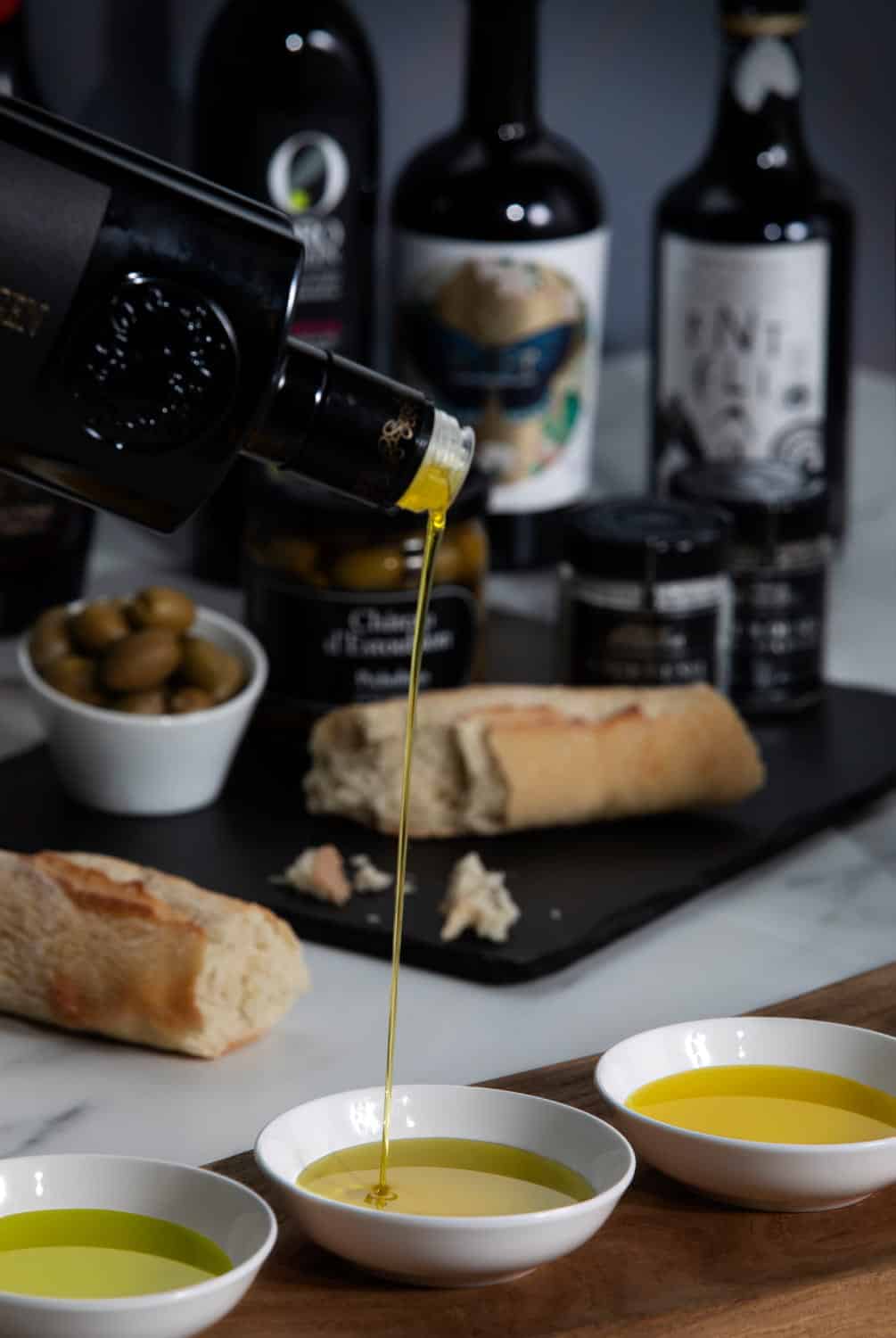
100% natural extra virgin olive oil—no chemicals, no shortcuts.
With Olive Oil Lovers, you get real, high-quality oil packed with rich flavor and incredible health benefits.
Key features:
Final Thoughts
Adding olive oil to your diet can bring a wealth of health benefits! It’s a fantastic alternative to less healthy oils and can truly enhance the flavor and nutrition of your meals.
That said, it’s important to choose the right type of olive oil for your needs and use it in moderation, as it is calorie-dense.
When you understand the different types of olive oil and know what to look for—like freshness, country of origin, and taste—you’re setting yourself up for a healthier, more delicious experience.
So, the next time you’re grabbing a bottle of olive oil, keep the tips mentioned in this article in mind to ensure you’re getting the best quality for your health and your meals!
*This article is for informational purposes only and is not intended as medical advice. It should not be used to diagnose, treat, or prevent any health condition. Always consult a qualified healthcare professional before making any changes to your diet, exercise, or health routine.
Cheah, Mark C.C. et al. "Dietary Manipulations for Nonalcoholic Fatty Liver Disease (NAFLD)." Bioactive Food as Dietary Interventions for Diabetes, 2nd ed., edited by Ronald Ross Watson and Victor R. Preedy, Academic Press, 2019, pp. 69-88. ScienceDirect, doi:10.1016/B978-0-12-813822-9.00005-9.
Cusimano, Antonella et al. “Oleocanthal exerts antitumor effects on human liver and colon cancer cells through ROS generation.” International journal of oncology vol. 51,2 (2017): 533-544. doi:10.3892/ijo.2017.4049.
Díaz-Curiel, Manuel, et al. "Effects of Virgin Olive Oil on Bone Health in Ovariectomized Rats." Nutrients, vol. 12, no. 5, 2020, article 1270, doi:10.3390/nu12051270. Adapted and used under the terms of the Creative Commons Attribution 4.0 International License.
DiNicolantonio, James J, and James H O'Keefe. “Monounsaturated Fat vs Saturated Fat: Effects on Cardio-Metabolic Health and Obesity.” Missouri medicine vol. 119,1 (2022): 69-73, PMCID: PMC9312452.
Esterbauer, H et al. “Inhibition of LDL oxidation by antioxidants.” EXS vol. 62 (1992): 145-57. doi:10.1007/978-3-0348-7460-1_15.
Ferrara, L A et al. “Olive oil and reduced need for antihypertensive medications.” Archives of internal medicine vol. 160,6 (2000): 837-42. doi:10.1001/archinte.160.6.837.
Furman, David et al. “Chronic inflammation in the etiology of disease across the life span.” Nature medicine vol. 25,12 (2019): 1822-1832. doi:10.1038/s41591-019-0675-0.
Gonçalves, Marta, et al. "Olive Oil Components as Novel Antioxidants in Neuroblastoma Treatment: Exploring the Therapeutic Potential of Oleuropein and Hydroxytyrosol." Nutrients, vol. 16, no. 6, 2024, article 818, doi:10.3390/nu16060818. Adapted and used under the terms of the Creative Commons Attribution 4.0 International License.
Guo, Mingruo. "Lipids and Lipid Related Functional Foods." Functional Foods, edited by Mingruo Guo, Woodhead Publishing, 2009, pp. 161-196. Woodhead Publishing Series in Food Science, Technology and Nutrition, doi:10.1533/9781845696078.161.
International Olive Council. www.internationaloliveoil.org. Accessed 11 Aug. 2024.
Jurado-Ruiz, Enrique et al. “Extra virgin olive oil diet intervention improves insulin resistance and islet performance in diet-induced diabetes in mice.” Scientific reports vol. 9,1 11311. 5 Aug. 2019, doi:10.1038/s41598-019-47904-z. Adapted and used under the terms of the Creative Commons Attribution 4.0 International License.
Lanza, Barbara, and Paolino Ninfali. “Antioxidants in Extra Virgin Olive Oil and Table Olives: Connections between Agriculture and Processing for Health Choices.” Antioxidants (Basel, Switzerland) vol. 9,1 41. 2 Jan. 2020, doi:10.3390/antiox9010041. Adapted and used under the terms of the Creative Commons Attribution 4.0 International License.
LeGendre, O., et al. "(-)-Oleocanthal Rapidly and Selectively Induces Cancer Cell Death via Lysosomal Membrane Permeabilization." Molecular & Cellular Oncology, vol. 2, no. 4, 2015, doi:10.1080/23723556.2015.1006077. Adapted and under the terms of the Creative Commons Attribution-Non-Commercial License.
Lucas, Lisa et al. “Molecular mechanisms of inflammation. Anti-inflammatory benefits of virgin olive oil and the phenolic compound oleocanthal.” Current pharmaceutical design vol. 17,8 (2011): 754-68. doi:10.2174/138161211795428911.
"Olive Oil and Olive-Pomace Oil Grades and Standards." USDA Agricultural Marketing Service, www.ams.usda.gov/grades-standards/olive-oil-and-olive-pomace-oil-grades-and-standards. Accessed 12 Aug. 2024.
Poljšak, Borut, and Rok Fink. “The protective role of antioxidants in the defence against ROS/RNS-mediated environmental pollution.” Oxidative medicine and cellular longevity vol. 2014 (2014): 671539. doi:10.1155/2014/671539. Adapted and used under the terms of the Creative Commons Attribution 4.0 International License.
Slomski, A. "Mediterranean Diet with Olive Oil May Reduce Breast Cancer Risk." JAMA, vol. 314, no. 20, 2015, p. 2122, doi:10.1001/jama.2015.15119.
Sproston, Nicola R, and Jason J Ashworth. “Role of C-Reactive Protein at Sites of Inflammation and Infection.” Frontiers in immunology vol. 9 754. 13 Apr. 2018, doi:10.3389/fimmu.2018.00754. Adapted and used under the terms of the Creative Commons Attribution 4.0 International License.
"Suggested Servings From Each Food Group." American Heart Association, last reviewed 29 August 2024, https://www.heart.org/en/healthy-living/healthy-eating/eat-smart/nutrition-basics/suggested-servings-from-each-food-group. Accessed 16 March 2025.
Tsolaki, Magda et al. ‘A Randomized Clinical Trial of Greek High Phenolic Early Harvest Extra Virgin Olive Oil in Mild Cognitive Impairment: The MICOIL Pilot Study’. 1 Jan. 2020 : 801 – 817, DOI: 10.3233/JAD-200405.
Veazey, Karen. "Can Olive Oil Lower Cholesterol?" Medical News Today, 22 Dec. 2023, www.medicalnewstoday.com/articles/does-olive-oil-lower-cholesterol. Accessed 11 Aug. 2024.
Zamora Zamora, Francisca et al. “Aceite de oliva y peso corporal. Revisión sistemática y metaanálisis de ensayos controlados aleatorizados” [Olive Oil and Body Weight. Systematic Review and Meta-Analysis of Randomized Controlled Trials]. Revista espanola de salud publica vol. 92 e201811083. 21 Nov. 2018, PMID: 30461730.

Linda is the co-founder of Courier Wellness and holds a Diploma in Natural Health Nutrition & Diet. Her passions include photography, food, and travel, where she derives inspiration from diverse cultures and their holistic approaches to well-being. She is committed to helping others make informed, nourishing choices for a healthier life.