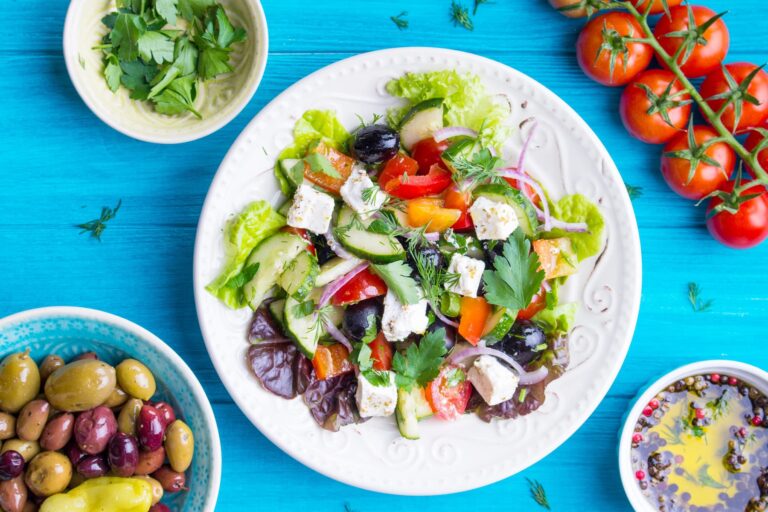
What to Eat on an Anti-Inflammation Diet (And Why It Works)

This post contains affiliate links, which means we may earn a commission if you purchase through our links—at no extra cost to you. As an Amazon Associate we earn from qualifying purchases. We only recommend products we use or trust. Learn more about affiliate marketing or read our full disclosure.
You’ve probably heard the term anti-inflammatory diet countless times, but what does it actually mean?
Despite what social media might suggest, there isn’t a single eating plan or “miracle” food that can eliminate inflammation overnight.
Instead, an anti-inflammatory diet is simply a way of eating that focuses on whole, nutrient-rich foods while limiting highly processed foods that may contribute to chronic inflammation.
If you’re looking for an anti inflammation diet food list, this approach provides a practical foundation built around everyday, nourishing foods.
Inflammation itself isn’t the enemy. In fact, it’s an essential part of your body’s natural defense system. When you cut your finger or catch a cold, inflammation helps your body heal and recover.
The concern begins when inflammation becomes chronic, often influenced by factors such as a poor diet, lack of physical activity, smoking, chronic stress, and inadequate sleep.
The good news is that the foods you choose every day can help support your body’s normal inflammatory response.
By filling your plate with colorful fruits and vegetables, healthy fats, whole grains, legumes, nuts, seeds, and lean proteins, you’re giving your body the nutrients it needs to function at its best.
In this guide, we’ll explore what to eat on an anti-inflammatory diet, why these foods are beneficial, and simple ways to include them in your daily routine.
What Is an Anti-Inflammatory Diet?
An anti-inflammatory diet isn’t a strict program or a short-term cleanse. Instead, it’s a balanced way of eating that emphasizes foods naturally rich in vitamins, minerals, fiber, healthy fats, and antioxidants.
Many of these foods are at the heart of well-researched eating patterns, such as the Mediterranean diet, which has been widely studied for its health benefits.
Rather than cutting out entire food groups, the focus is on enjoying a wide variety of minimally processed foods while limiting those high in added sugars, refined carbohydrates, and unhealthy fats.
Think of it as building your meals around foods that nourish your body instead of following a long list of restrictive rules.
Want to dive deeper? The Complete Anti-Inflammatory Diet for Beginners (available on Bookshop.org) is a great resource if you’re looking for simple meal plans, practical shopping tips, and easy recipes that make it easier to build healthy habits.
book tip
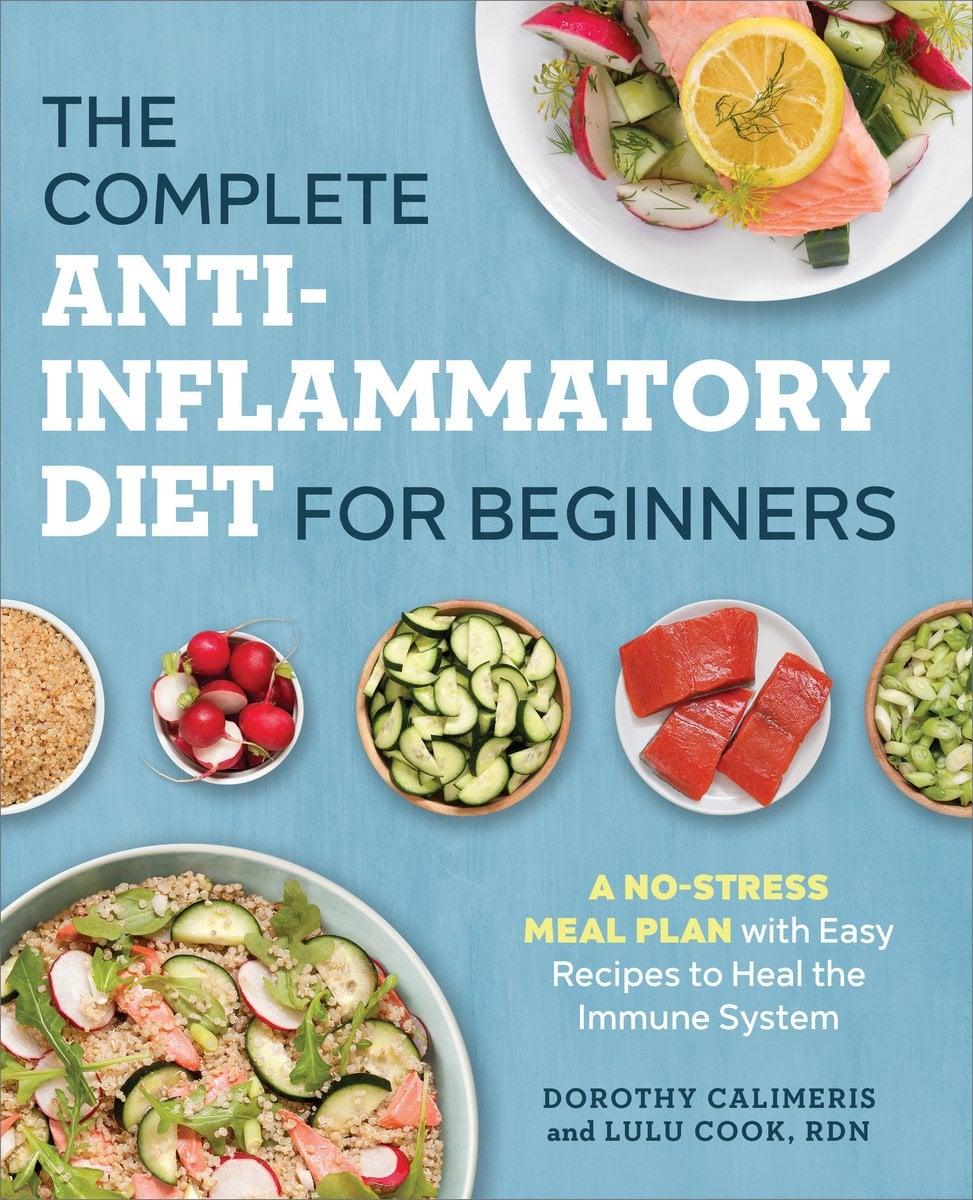
The Complete Anti-Inflammatory Diet for Beginners
By Dorothy Calimeris, Lulu Cook Rdn, and
Jennifer Lang MD
A beginner-friendly guide to the anti-inflammation diet with guidance from a registered dietician.
Did you know? Bookshop.org gives 80%+ of their profits to support independent bookstores.
*We may earn a commission at no extra cost to you.
RELATED POST: The Ultimate Anti-Inflammatory Diet Guide: What to Eat and Avoid
Why Food Matters on an Anti-Inflammatory Diet
The foods you eat provide much more than calories. They supply the nutrients your immune system, digestive system, muscles, brain, and every other part of your body depend on every day.
Colorful fruits and vegetables are rich in antioxidants that help protect your cells from oxidative stress. Healthy fats support normal cell function, while fiber nourishes beneficial gut bacteria that play an important role in overall health.
Together, these nutrients help support your body’s natural processes, including its normal inflammatory response.
No single meal will transform your health overnight, but the choices you make consistently over time can have a meaningful impact.
Anti-Inflammatory Diet Food List: What to Eat
If you’re looking for an anti inflammation diet food list, these are some of the best foods to include in your meals:
1. Colorful Fruits
Fruits are packed with vitamins, minerals, fiber, and naturally occurring plant compounds called phytochemicals.
Different colors often provide different antioxidants, so eating a variety is one of the best ways to maximize their benefits.
Excellent choices include:
- Blueberries
- Strawberries
- Raspberries
- Blackberries
- Cherries
- Oranges
- Grapefruit
- Apples
- Pomegranates
- Grapes
Whenever possible, choose whole fruit instead of fruit juice. Whole fruit contains fiber, which helps slow the absorption of natural sugars while supporting digestive health. Also juice has a lot of sugar even it is only made from fruit.
2. Leafy Greens and Colorful Vegetables
Vegetables should be the foundation of most meals.
Aim to include a rainbow of vegetables throughout the week, such as:
- Spinach
- Kale
- Broccoli
- Brussels sprouts
- Cauliflower
- Carrots
- Bell peppers
- Sweet potatoes
- Tomatoes
- Red cabbage
- Beets
Each vegetable offers its own unique mix of nutrients, so eating a wide variety is more beneficial than focusing on any single “superfood.”
3. Healthy Fats
Not all fats are the same. Unsaturated fats play an important role in supporting heart health and overall well-being.
Good sources include:
- Extra-virgin olive oil
- Avocados
- Walnuts
- Almonds
- Pistachios
- Chia seeds
- Ground flaxseeds
- Hemp seeds
These foods also provide fiber, vitamins, and minerals that contribute to a balanced, nutrient-rich diet.
Looking for a high-quality olive oil? Oro Bailén Reserva Familiar Picual Extra Virgin Olive Oil (available from Olive Oil Lovers) is a premium choice that’s rich in flavor and naturally high in beneficial polyphenols. It’s an easy way to bring one of the staples of a Mediterranean-style eating pattern into your kitchen.

Oro Bailen Reserva Familiar Picual
4. Fatty Fish
Fatty fish are among the richest dietary sources of omega-3 fatty acids.
Try including fish such as:
- Salmon
- Sardines
- Mackerel
- Herring
- Trout
Most dietary guidelines recommend eating fish at least twice a week as part of a healthy, balanced eating pattern.
5. Whole Grains
Unlike refined grains, whole grains retain the bran and germ, making them naturally higher in fiber and essential nutrients.
Choose:
- Oats
- Brown rice
- Quinoa
- Barley
- Whole-wheat bread
- Farro
- Bulgur
Whole grains provide steady energy while supporting digestive health.
Need an easy whole grain to keep on hand? Bob’s Red Mill Organic Tri-Color Quinoa (available on iHerb) cooks quickly and makes a versatile base for salads, grain bowls, and simple weeknight meals.
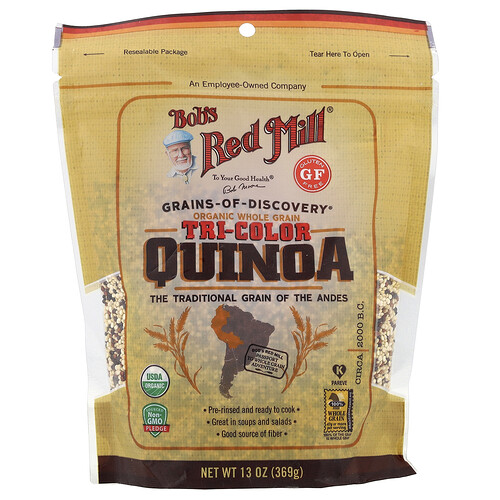
Bob's Red Mill, Organic Tri-Color Quinoa, Whole Grain, 13 oz (369 g)
6. Beans and Lentils
Legumes are affordable, satisfying, and packed with nutrition.
Try:
- Black beans
- Chickpeas
- Kidney beans
- Lentils
- Cannellini beans
- Split peas
They’re excellent sources of plant-based protein, fiber, iron, and folate, making them a nutritious addition to an anti-inflammatory eating pattern.
7. Herbs and Spices
Adding herbs and spices is one of the easiest ways to boost flavor without relying on excess salt or sugar.
Some favorites include:
- Turmeric
- Ginger
- Cinnamon
- Garlic
- Rosemary
- Basil
- Oregano
- Parsley
Both fresh and dried herbs contain beneficial plant compounds that can be part of a healthy, balanced diet.
Want to add more turmeric to your cooking? Simply Organic Turmeric is an easy pantry staple to keep on hand for soups, roasted vegetables, curries, and smoothies.
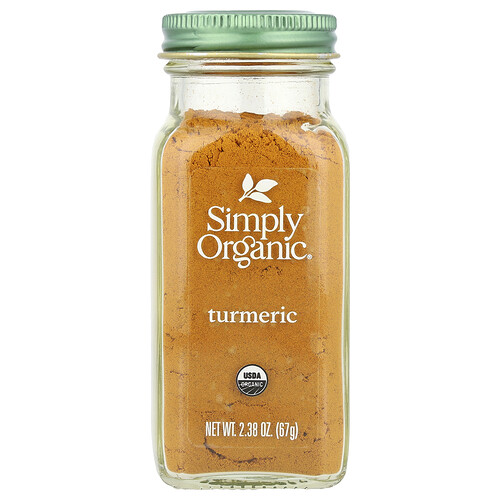
Simply Organic, Turmeric, 2.38 oz (67 g)
8. Fermented Foods
A healthy gut plays an important role in overall wellness, and fermented foods can introduce beneficial bacteria into your diet.
Consider adding:
- Plain yogurt with live cultures
- Kefir
- Sauerkraut
- Kimchi
- Miso
- Tempeh
Whenever possible, choose products with little or no added sugar.
Interested in making your own fermented foods? The Luvele Pure Plus Yogurt Maker makes it easy to prepare homemade yogurt and kefir with just a few simple ingredients. It’s a convenient way to enjoy fresh fermented foods while controlling the ingredients that go into every batch.
great pick

Luvele Pure Plus Yogurt Maker
Create thick, probiotic-rich yogurt or fresh kefir with precise heat and consistently smooth results.
*We may earn a commission at no extra cost to you.
RELATED POST: Top 20 Anti-Inflammation Foods You Need to Eat Every Week
Foods to Limit on an Anti-Inflammatory Diet
An anti-inflammatory diet doesn’t require perfection, and you don’t have to completely give up your favorite treats.
Instead, aim to enjoy these foods less often while making whole, minimally processed foods the foundation of your everyday meals.
Foods to limit include:
- Sugar-sweetened beverages
- Candy
- Pastries and baked goods high in added sugars
- Highly processed snack foods
- Processed meats such as bacon and sausage
- Refined grains like white bread and many packaged cereals
- Fried foods
- Fast food
Enjoying these foods occasionally is completely normal. The goal is to build an eating pattern that supports your health most of the time.
RELATED POST: 20 Foods That Trigger Inflammation in the Body
The Best Drinks for an Anti-Inflammatory Diet
What you drink matters just as much as what you eat.
Choose beverages such as:
- Water
- Sparkling water without added sugar
- Green tea
- Herbal teas
- Black coffee in moderation, if tolerated
It’s also a good idea to limit sugar-sweetened drinks such as soda, sweet tea, and energy drinks, which can add large amounts of sugar without offering much nutritional value.
Even natural sweeteners like honey and maple syrup are still forms of added sugar. While they can absolutely be enjoyed in moderation, using them generously every day can increase your overall sugar intake.
Whenever possible, let the natural flavors of foods and beverages shine.
Looking for an easy way to enjoy more green tea? Yogi Tea Green Tea Super Antioxidant (available from iHerb) is a convenient option to keep in your pantry when you’re looking for a warm, unsweetened drink.
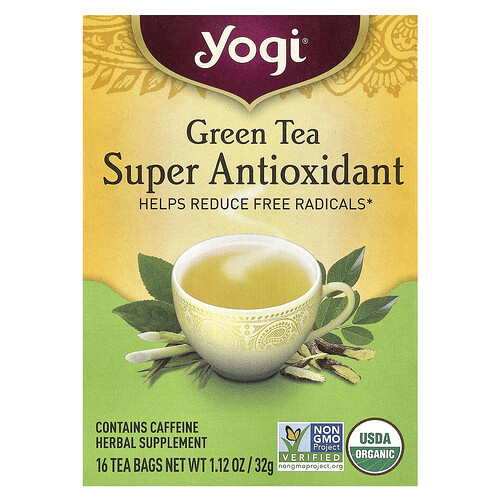
Yogi Tea, Green Tea Super Antioxidant, 16 Tea Bags, 1.12 oz (32 g)
Sample Anti-Inflammatory Diet Meal Plan
Rather than following a rigid meal plan, think of this as inspiration for building balanced meals throughout the day.
Breakfast:
A bowl of oatmeal topped with blueberries, chopped walnuts, ground flaxseed, and a sprinkle of cinnamon.
RELATED POST: What to Eat for Breakfast to Calm Inflammation Naturally
Lunch:
A large salad with mixed greens, grilled salmon, cherry tomatoes, cucumber, bell peppers, chickpeas, avocado, and an olive oil vinaigrette.
Snack:
Apple slices with a small handful of almonds.
Dinner:
Grilled chicken or baked tofu served with roasted broccoli, quinoa, and steamed carrots.
Dessert:
Fresh berries with a dollop of plain Greek yogurt.
Notice how each meal includes whole foods, plenty of color, and a balance of protein, healthy fats, fiber, and complex carbohydrates.
Small Changes Make a Big Difference
You don’t have to overhaul your diet overnight.
Instead, try making one or two simple changes each week, such as:
- Add one extra serving of vegetables each day.
- Replace white bread with whole-grain bread.
- Snack on fruit instead of candy a few days a week.
- Cook with olive oil instead of butter when appropriate.
- Include beans in soups, salads, or tacos.
- Enjoy herbal tea instead of sugary drinks.
- Keep frozen vegetables and berries on hand for convenience.
These small habits are often much easier to stick with than dramatic dietary changes.
Healthy Lifestyle Habits That Support an Anti-Inflammatory Diet
While nutrition is an important piece of the puzzle, it’s only one part of supporting your body’s normal inflammatory response.
Other healthy habits include:
- Getting seven to nine hours of quality sleep each night
- Being physically active most days of the week
- Managing stress through activities you enjoy
- Staying hydrated
- Avoiding smoking
- Limiting alcohol consumption
Together with a balanced diet, these lifestyle habits help support your overall health and well-being.
RELATED POST: The Best Inflammation Remedies Go Beyond Food Alone
Frequently Asked Questions
What is the number one anti-inflammatory food?
There isn’t a single food that stands above all the rest. Instead, research consistently shows that eating patterns rich in fruits, vegetables, whole grains, healthy fats, legumes, and fish are associated with better overall health than focusing on any one “superfood.”
Can I eat eggs on an anti-inflammatory diet?
Yes. Eggs can absolutely be part of a balanced anti-inflammatory eating pattern for many people. They provide high-quality protein along with several important vitamins and minerals. As with most foods, the overall quality of your diet matters far more than any single ingredient.
Do I have to avoid all sugar?
No. An anti-inflammatory diet isn’t about perfection or eliminating every source of sugar. Naturally occurring sugars in whole fruit come packaged with fiber, vitamins, and antioxidants. The bigger focus is on limiting added sugars found in processed foods and sweetened beverages.
Is an anti-inflammatory diet the same as the Mediterranean diet?
They share many similarities. Both emphasize fruits, vegetables, whole grains, legumes, healthy fats, nuts, seeds, and fish while limiting highly processed foods. The Mediterranean diet is one example of an eating pattern that closely aligns with anti-inflammatory principles.
Final Thoughts
An anti-inflammatory diet isn’t about chasing the latest health trend or searching for a miracle food. It’s about consistently choosing whole, nourishing foods that provide your body with the nutrients it needs to thrive.
Following an anti inflammation diet food list can make it easier to build balanced meals without feeling restricted.
By filling your plate with colorful fruits and vegetables, whole grains, healthy fats, legumes, nuts, seeds, and lean proteins, you’re supporting your overall health one meal at a time.
At the same time, limiting highly processed foods and added sugars helps create a balanced eating pattern that’s realistic to maintain over the long term.
Remember, healthy eating doesn’t have to be perfect. Small, sustainable changes often have the greatest impact over time.
Focus on progress instead of perfection, enjoy a wide variety of nourishing foods, and let your meals be both healthy and satisfying.
*This article is for informational purposes only and is not intended as medical advice. It should not be used to diagnose, treat, or prevent any health condition. Always consult a qualified healthcare professional before making any changes to your diet, exercise, or health routine.

Linda is the co-founder of Courier Wellness and holds a Diploma in Natural Health Nutrition & Diet. Her passions include photography, food, and travel, where she derives inspiration from diverse cultures and their holistic approaches to well-being. She is committed to helping others make informed, nourishing choices for a healthier life.