From Diet to Lifestyle: Proven Inflammation Remedies Explained

This post contains affiliate links, which means we may earn a commission if you purchase through our links—at no extra cost to you. As an Amazon Associate we earn from qualifying purchases. We only recommend products we use or trust. Learn more about affiliate marketing or read our full disclosure.
Chronic inflammation is one of those hidden issues that often goes unnoticed—until it starts showing up as joint pain, low energy, digestive trouble, or stubborn health problems.
While short-term inflammation is part of how your body heals, chronic inflammation can slowly wear you down and affect how you feel day to day.
The good news?
You’re not stuck with it. With the right foods, daily habits, and natural inflammation remedies, you can help your body calm inflammation and support its natural healing process.
In this guide, I’ll share simple, effective inflammation remedies—from anti-inflammatory foods to easy lifestyle shifts you can start using today—so you can feel better, move better, and support your overall well-being.
Let’s dive in!
Understanding Inflammation
Inflammation isn’t the enemy—it’s actually one of your body’s built-in protection systems. Think of it as your internal alarm.
When your immune system senses a threat like bacteria, viruses, toxins, or injury, it jumps into action.

Here’s what typically happens behind the scenes:
- Blood flow increases to the affected area
- Immune cells rush in to attack invaders
- Chemical signals trigger tissue repair and healing
This process is known as acute inflammation, and it’s absolutely essential. Without it, your body wouldn’t be able to heal cuts, fight infections, or recover from injuries.
What is Chronic Inflammation?
While acute inflammation is essential for healing, problems arise when this response doesn’t switch off.
Chronic inflammation is persistent, low-grade, and often silent. You may not feel it happening, but over time it can slowly impact multiple systems in your body.
Research shows that ongoing inflammation is linked to:
- Cardiovascular disease
- Type 2 diabetes
- Autoimmune disorders
- Joint pain
- Digestive issues
- Certain skin problems
This is where your daily choices really matter. Diet and lifestyle play a powerful role in regulating chronic inflammation.
What you eat, how often you move, the quality of your sleep, and even how you handle stress all send signals to your immune system.
When those signals are supportive, your body is better equipped to calm inflammation—and that’s where targeted inflammation remedies can make a meaningful difference.
Dietary Remedies for Inflammation
When it comes to calming chronic inflammation, what you put on your plate truly matters.
Food isn’t just fuel—it’s information for your body. Some foods actively help lower inflammatory markers, while others can fan the flames.
The goal isn’t perfection, but making consistent, nourishing choices that support healing over time.
Here are some of the most effective anti-inflammatory foods you can start incorporating into your diet:
1. Fatty Fish (Salmon, Mackerel, Sardines)
Fatty fish are a superstar when it comes to dietary inflammation remedies. They’re packed with omega-3 fatty acids, especially EPA and DHA, which your body can’t produce enough of on its own.
Research shows these healthy fats help calm inflammation at the cellular level, supporting your heart, brain, and joints.
Including fatty fish in your diet is an easy way to give your body a boost while protecting long-term health.
💡 Tip: Aim for at least two servings per week. Grilling, baking, or steaming preserves the nutritional benefits without adding unnecessary inflammatory oils.
2. Leafy Greens
Leafy greens like spinach, kale, and Swiss chard are nutritional powerhouses for fighting inflammation.
Research shows that compounds in leafy vegetables help reduce inflammatory activity in the body, protecting your cells and supporting overall health.
Packed with antioxidants, vitamins, and polyphenols, these greens are an easy way to give your body a natural anti-inflammatory boost.
💡 Tip: Enjoy them raw in salads, blend into smoothies, or lightly sauté to preserve nutrients while boosting flavor.
3. Berries
Berries like blueberries, raspberries, and strawberries may be small, but they’re powerful inflammation fighters.
Research shows that bioactive compounds in berries help reduce inflammatory activity in the body and protect against oxidative stress (a key contributor to chronic inflammation and related health conditions).
Rich in antioxidants like anthocyanins, these colorful fruits not only help calm inflammation but also support overall health, including heart and metabolic function.
💡 Tip: Sprinkle berries over breakfast bowls, blend into smoothies, or add to yogurt for an easy, anti-inflammatory boost.
4. Nuts and Seeds
Nuts and seeds like almonds, walnuts, chia seeds, and flaxseeds are small but mighty when it comes to supporting your body’s fight against inflammation.
Research shows that regular consumption of nuts and seeds is linked to lower levels of inflammatory markers, which may help protect your heart and support healthy blood sugar levels.
Packed with healthy fats, fiber, and antioxidants, they’re a simple, nutrient-rich way to keep inflammation in check.
💡 Tip: Sprinkle them over oatmeal, add to salads, or enjoy a small handful as a satisfying midday snack.
Our top anti-inflammatory picks:
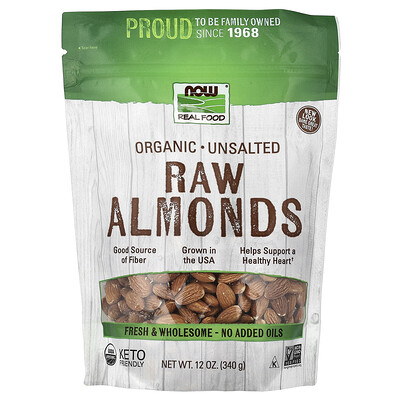
- Almonds: Packed with healthy fats & vitamin E for heart health
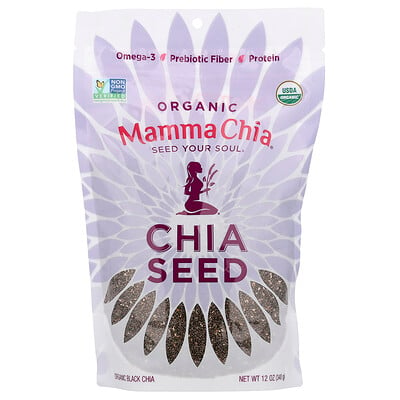
- Chia seeds: High in fiber & omega-3s, promote gut health
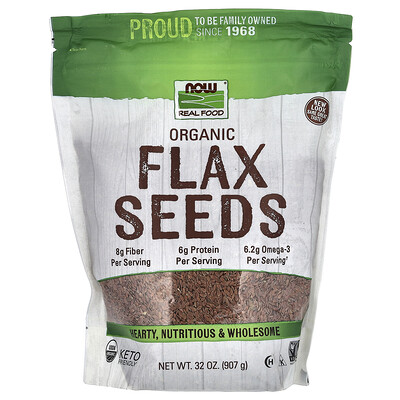
- Flaxseeds: Rich in antioxidants and lignans, help reduce inflammation
I like to keep these staples on hand — you can grab all three below.
5. Extra Virgin Olive Oil
Extra virgin olive oil (EVOO) isn’t just a pantry staple—it’s an easy way to give your body a daily anti-inflammatory boost.
Research shows that polyphenols in EVOO, such as oleuropein, tyrosol, and hydroxytyrosol, have antioxidant and anti-inflammatory effects, supporting heart and joint health, regulating blood sugar, and promoting overall well-being.
💡 Tip: Drizzle it over salads, use it in dressings, or cook with it on low heat to preserve its benefits.
Our top EVOO picks:
- Oro Bailen Reserva Familiar Picual: High-polyphenol option, naturally packed with anti-inflammatory compounds
- Quattrociocchi Superbo Organic: Organic and high-antioxidant choice
- Entelia Extra Virgin Olive Oil: Reliable, quality EVOO at a good value
Elevate your meals with these premium quality extra virgin olive oils — shipping to U.S. only, with free shipping on orders over $100!


6. Tomatoes
Tomatoes are more than just a versatile kitchen staple—they’re a natural inflammation ally.
Packed with lycopene, vitamin C, beta-carotene, and other antioxidants, they help reduce inflammation, especially in the cardiovascular system, while supporting overall health.
Research also suggests that tomatoes may benefit the gut, skin, and even help protect against oxidative stress associated with diabetes and other chronic conditions.
Including tomatoes regularly can support heart health and add bright, fresh flavor to your meals.
💡 Tip: Eat them raw in salads or lightly cooked in sauces—cooking actually helps your body absorb lycopene even better.
Gut-friendly note: If you have a sensitive stomach, raw tomatoes or their skins can sometimes cause discomfort. Cooking, peeling, or pairing them with healthy fats like olive oil can make them easier to digest.
7. Garlic and Onions
Garlic and onions aren’t just flavor boosters—they’re natural inflammation fighters.
Garlic is rich in organosulfur compounds, which research shows can reduce inflammatory markers, support cardiovascular and metabolic health, and protect the immune system.
Onions are packed with quercetin, flavonoids, saponins, and other phenolic compounds that help calm inflammation, modulate immune function, and protect against oxidative stress.
💡 Tip: Use fresh garlic and onions in cooking whenever possible for the maximum benefits—they pack the most punch before being overcooked.
8. Turmeric
Turmeric isn’t just a bright, golden spice—it’s a true anti-inflammatory powerhouse.
Its main bioactive compounds, curcuminoids, including the well-known curcumin, have been shown to reduce inflammation, protect cells from oxidative stress, and support joint and digestive health.
💡 Tip: Pair turmeric with a pinch of black pepper to boost absorption. Add it to teas, smoothies, curries, or roasted veggies for a flavorful, daily anti-inflammatory boost.
We recommend Simply Organic Turmeric from iHerb. It’s pure, highly rated by customers, and easy to keep on hand — perfect for sprinkling into almost any meal.
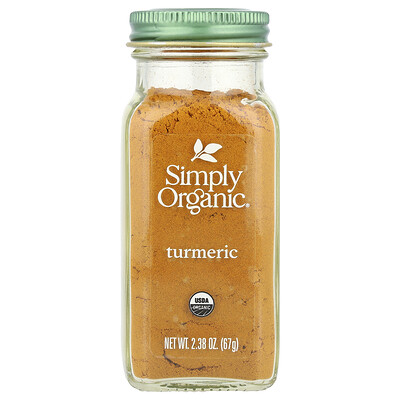
Simply Organic, Turmeric, 2.38 oz (67 g)
9. Ginger
Ginger isn’t just a warming spice—it’s fights inflammation naturally.
Its main bioactive compounds, gingerols and shogaols, have been shown to reduce inflammatory markers, combat oxidative stress, and support joint and digestive health.
Research also suggests ginger may help protect against conditions linked to chronic inflammation, such as cardiovascular stress.
💡 Tip: Brew fresh ginger tea, add it to smoothies, or use it in cooking to enjoy its anti-inflammatory benefits in everyday meals.
10. Green Tea
Green tea is more than a comforting beverage—it’s a natural inflammation fighter.
Its key compounds, catechins, especially EGCG (epigallocatechin-3-gallate), have been shown to reduce cellular inflammation and protect cells from oxidative stress, supporting overall health and wellness.
💡 Tip: Drink 1–2 cups daily. Matcha provides a more concentrated source of EGCG, so a little goes a long way.
I drink green tea every day and one of my personal favorites is Pukka Herbs Organic Green Tea Supreme Matcha, (available on iHerb). It’s easy to brew, packed with antioxidants, and has a great flavor.
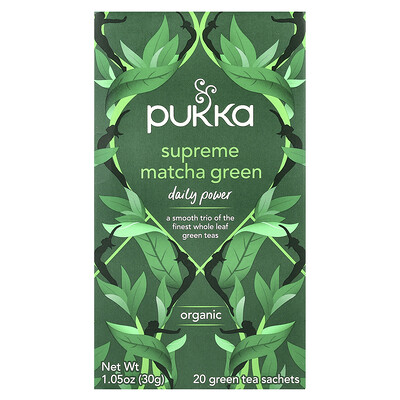
Pukka Herbs, Organic Green Tea, Supreme Matcha Green, 20 Sachets, 1.05 oz (30 g)
11. Fermented Foods
Fermented foods like yogurt, kefir, kimchi, and sauerkraut aren’t just delicious—they’re powerful inflammation allies.
In a study of over 1,700 participants from the Framingham Offspring Study, researchers found that people who ate yogurt had lower levels of interleukin-6 (IL-6) and fibrin—two markers linked to inflammation—compared with those who didn’t.
💡 Tip: Enjoy a serving daily—add yogurt to breakfast bowls, snack on kefir, or mix kimchi or sauerkraut into meals.
Our Favorites
If you want to make yogurt at home, I highly recommend one of Luvele’s yogurt makers.
I’ve been using the Luvele Pure Yogurt Maker for over a year, and it’s easily one of the best decisions I’ve made for my health.
One of the biggest benefits of making your own yogurt is that it’s fresh, packed with probiotics, and completely customizable to your taste.
Since making homemade yogurt regularly, I’ve personally noticed improvements in my gut health — and even my skin.
editor’s choice
Luvele Pure Yogurt Maker

This simple and high-quality yogurt maker has advanced water-bath technology, which ensures even and consistent temperatures for thick, probiotic-rich yogurt.
Key features:
*We may earn a commission at no extra cost to you.
Want to make bigger batches?
Try the Luvele Pure Plus Yogurt Maker. It’s perfect for larger families, and you can even make kefir with it. It’s an easy way to keep fresh, probiotic-rich foods on hand while supporting gut health and keeping inflammation in check.
great pick
Luvele Pure Plus Yogurt Maker

This versatile and high-quality yogurt maker features advanced water-bath technology, delivering precise, consistent temperatures for thick, probiotic-rich yogurt—and even homemade kefir.
Key features:
*We may earn a commission at no extra cost to you.
If you want to learn more about why Luvele yogurt makers are such a great choice for gut health, check out our article: Luvele: Why It’s The Best Yogurt Maker For Gut Health
12. Whole Grains
Whole grains like oats, quinoa, and barley are more than just hearty staples—they’re natural inflammation fighters.
A review of multiple clinical trials involving over 800 participants found that higher whole-grain intake was consistently associated with lower levels of inflammatory markers, including CRP, IL-6, TNF-α, and IL-1β.
💡 Tip: Enjoy them for breakfast, in salads, or as a side dish to boost your daily fiber and antioxidant intake.
Top Pantry Essentials
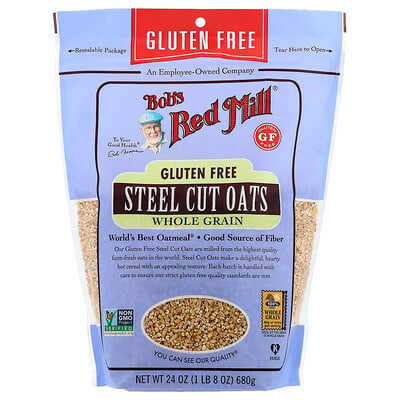
- Bob’s Red Mill Steel Cut Oats: Packed with avenanthramides, oats have antioxidant and anti-inflammatory properties. Enjoy them in hearty breakfasts, baking, or savory dishes.
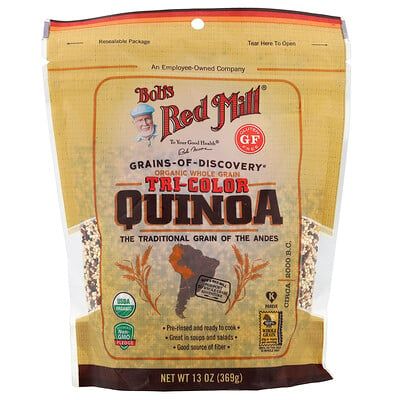
- Organic Tri-Color Quinoa: Quick-cooking and protein-rich, quinoa contains polysaccharides and saponins linked to anti-inflammatory activity. Perfect in salads, bowls, or as a side.
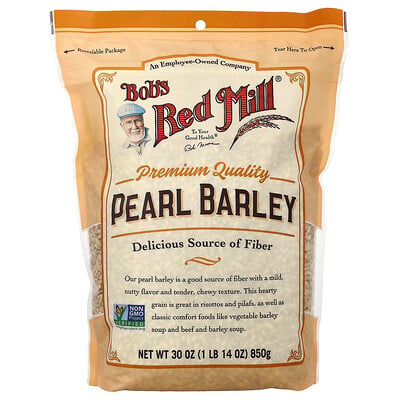
- Pearl Barley: Fiber-rich and versatile, barley may help reduce inflammation markers in adults at risk. Great in soups, stews, or grain bowls.
These high-quality whole grains are versatile, easy to cook, and a reliable way to add anti-inflammatory power to your meals.
13. Citrus Fruits
Citrus fruits like oranges, lemons, and grapefruits aren’t just refreshing—they’re natural inflammation fighters.
Studies show that orange juice and other citrus fruits can help reduce inflammation in humans. Regular citrus intake may also help support immune function and control oxidative stress.
💡 Tip: Enjoy them as a snack, in salads, or squeezed over dishes for a bright, flavorful boost.
14. Dark Chocolate
High-quality dark chocolate isn’t just a delicious treat—it’s also an anti-inflammatory ally.
Cocoa and dark chocolate are rich in polyphenols, which have antioxidant and anti-inflammatory effects.
Studies show that these compounds can reduce markers of inflammation, support cardiovascular health, and even positively influence gut microbiota.
💡 Tip: Enjoy a small square (70% cocoa or higher) a few times a week as a treat—just enough to get the benefits without overdoing sugar.
Lifestyle Remedies for Inflammation
Diet is powerful, but it’s just one piece of the puzzle. Lifestyle factors play a huge role in keeping chronic inflammation in check and supporting overall health.
1. Regular Exercise
Regular, moderate physical activity is one of the most effective ways to reduce inflammation.
While intense or prolonged exercise can temporarily raise inflammatory markers like IL-6 and CRP, moderate activity has consistently been linked to lower chronic inflammation and improved well-being.
💡 Tip: Aim for about 150 minutes of moderate exercise per week. Think walking, swimming, yoga, or strength training—anything that gets your body moving consistently and feels enjoyable.
2. Adequate Sleep
Getting enough quality sleep is one of the simplest—and most powerful—ways to combat inflammation.
Research shows that inconsistent or poor-quality sleep is linked to higher levels of inflammatory markers, particularly in women.
Maintaining regular, consistent sleep patterns may help support healthy inflammation levels and overall immune function.
💡 Tip: Prioritize 7–9 hours of restful sleep per night. Keep a consistent schedule, avoid screens before bed, and create a calming bedtime routine.
Top Picks for Better Sleep
- Slip Pure Silk Sleep Mask: This sleep mask is comfy and blocks out all the light—perfect if you’re trying to get a full night’s rest. It’s breathable, gentle on your skin, and keeps your skincare where it belongs (on your face, not your pillow).
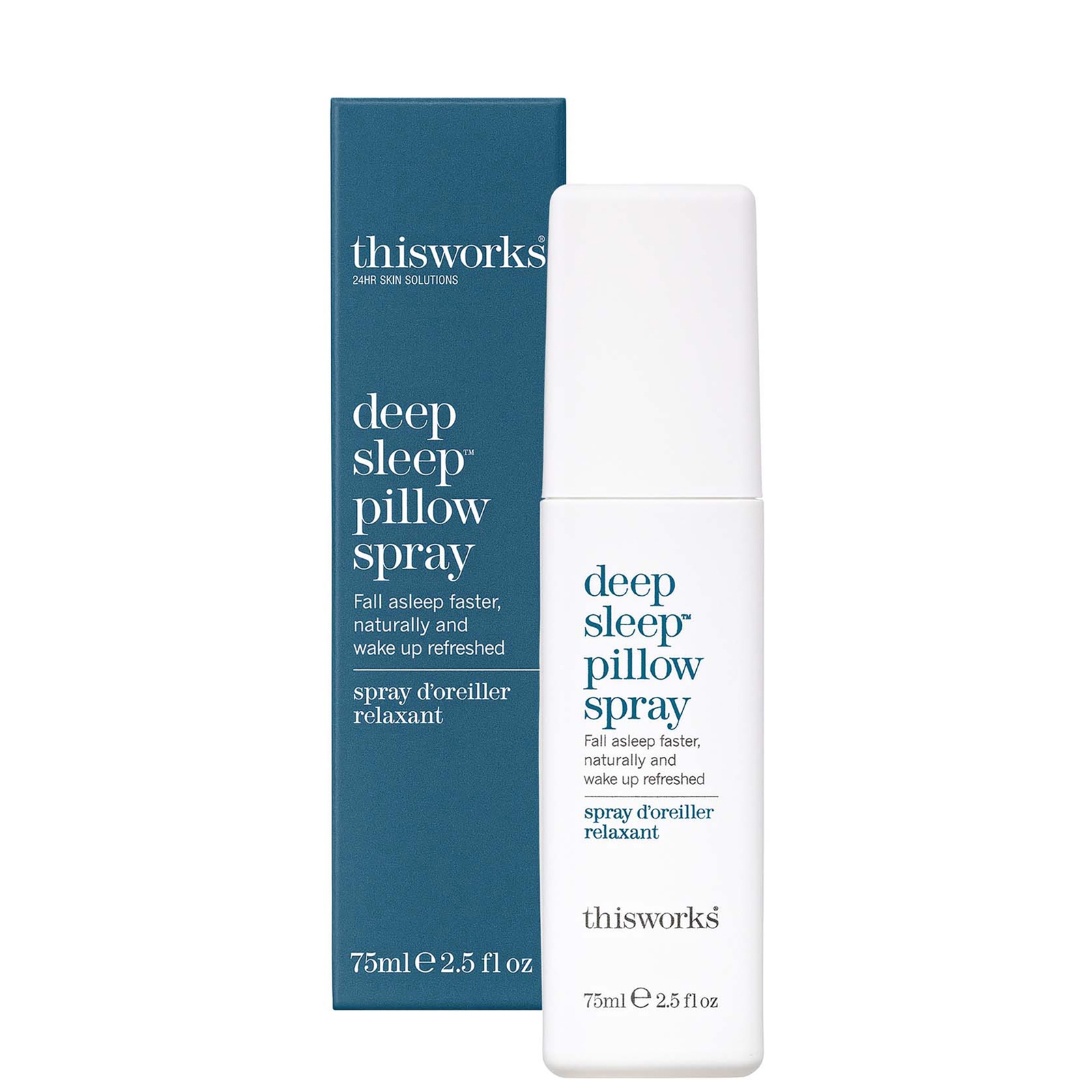
- thisworks Deep Sleep Pillow Spray: Just a few spritzes of this lavender, chamomile, and vetiver blend, and you’ll feel your mind start to relax. Perfect on those nights when you need a little extra help drifting off.

- SNOOZ Smart White Noise Sound Machine: This isn’t your typical white noise machine—SNOOZ uses a real fan to create natural, non-repeating white noise that drowns out distractions and helps you sleep better. You can grab it on Amazon.
3. Stress Management
Chronic stress doesn’t just affect your mood—it directly impacts your immune system.
Research shows that when your body stays stuck in “fight-or-flight,” stress hormones like cortisol remain elevated. Over time, this disrupts immune balance, weakens your natural defenses, and promotes ongoing inflammation.
While short bursts of stress can briefly boost immune activity, long-term stress does the opposite, increasing vulnerability to illness and inflammatory conditions.
💡 Tip: Support your immune health by practicing stress-reducing habits such as mindfulness, deep breathing, journaling, yoga, quality sleep, and regular gentle exercise.
If you’ve been thinking about trying meditation but aren’t sure where to start, The Headspace Guide to Meditation and Mindfulness by Andy Puddicombe could be a nice place to begin (available on Bookshop.org).
It focuses on simple ways to build a mindfulness habit and handle everyday stress—something that can really support both your mental well-being and your body’s natural inflammation response.
book tip

The Headspace Guide to Meditation & Mindfulness
By Andy Puddicombe
What if 10 minutes a day could make your life less stressful and more fulfilling?
*We may earn a commission at no extra cost to you.
Did you know? Bookshop.org gives over 80% of their profit margin to independent bookstores, so your purchase also helps support local booksellers.
4. Avoid Smoking and Limit Alcohol
Smoking and excessive alcohol use don’t just affect one organ—they disrupt the body at a cellular and immune level.
Studies show that smoking alters the gut microbiome, increasing pro-inflammatory bacteria while reducing beneficial microbes that normally help keep inflammation under control. This imbalance can fuel chronic, low-grade inflammation throughout the body.
Research also shows that heavy alcohol intake disrupts immune function and promotes ongoing inflammation, making it harder for the body to defend itself and recover properly.
💡 Tip: If you smoke, seek support to quit, even gradually. Limit alcohol to moderate amounts to help reduce inflammation and protect your body over time.
Want some support with quitting smoking?
Allen Carr’s Easy Way to Stop Smoking: New US Edition (over 20 million copies sold, available on Bookshop.org) is how my sister finally quit smoking for good.
If you’re thinking, “How could a book possibly help me quit?”—that’s exactly the point. Quitting is often so hard because of the beliefs and mental patterns tied to smoking.
This book focuses on shifting that mindset, which can make the process feel far less overwhelming and much more doable.
book tip

Easy Way to Stop Smoking
By Allen Carr
If you’ve been trying to quit smoking but nothing seems to stick, then this book will completely shift how you think about smoking.
*We may earn a commission at no extra cost to you.
Herbal and Supplement Remedies
Sometimes healthy eating and lifestyle habits aren’t quite enough to keep inflammation in check. That’s where a few natural supplements can help.
Omega-3 Supplements
Fish oil or algae-based omega-3s (EPA and DHA) are great for supporting your heart, joints, and overall inflammation balance.
Studies show they can help manage cholesterol, blood pressure, and other markers of chronic inflammation—basically giving your body some extra support.
If you don’t eat fish regularly, Sports Research Omega-3 Fish Oil, Triple Strength is an easy way to get your EPA and DHA.
It’s wild-caught, non-GMO, and gluten-free—basically a simple little boost for your heart, joints, and overall inflammation. You can get it on iHerb.
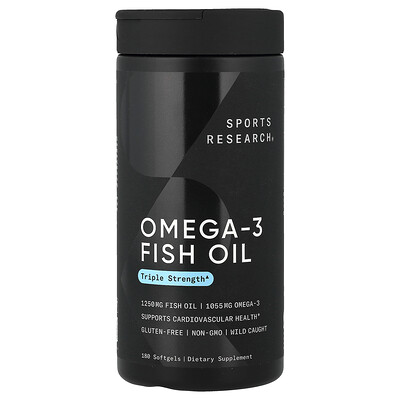
Sports Research, Omega-3 Fish Oil, Triple Strength, 180 Softgels
Boswellia Supplements
Also called Indian frankincense, Boswellia is known for reducing joint inflammation, supporting mobility, and helping regulate the immune system.
Research shows its active compounds, called boswellic acids, can lower pro-inflammatory markers, support gut health, and may even have neuroprotective effects.
While most studies are preclinical, it’s a natural, well-studied option for supporting healthy inflammation levels.
💡 Tip: Look for high-quality options for best results.
You can try NOW Foods Boswellia Extract, 500 mg, available on iHerb. It’s NPA GMP certified, meaning it’s made under strict quality standards, third-party audited, and designed to give you a safe, reliable supplement for joints and overall inflammation support.
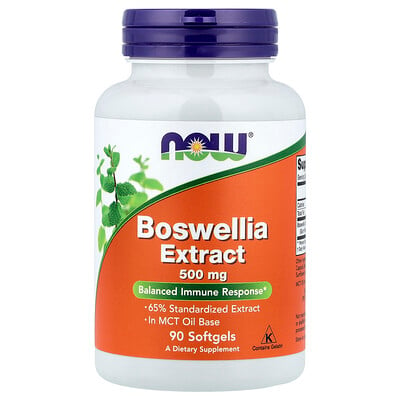
NOW Foods, Boswellia Extract, 500 mg, 90 Softgels
Probiotics
Probiotics help restore gut microbiome balance and support a healthy immune response, which can lower inflammation throughout the body.
Certain strains of Lactobacillus, Bifidobacterium, and Akkermansia have been shown to strengthen the gut barrier, reduce pro-inflammatory markers, and even improve digestion and metabolic health.
While most probiotics are beneficial, effects can vary depending on the strain and your unique gut microbiome—so choosing the right ones matters.
💡 Tip: Look for a multi-strain, high-potency probiotic for consistent gut support. Or, for a fun and tasty option, make your own probiotic-rich yogurt at home with the Luvele Pure yogurt maker—fresh, gut-friendly foods every day!
Vitamin D
Vitamin D isn’t just for bones—it plays a big role in keeping your immune system balanced.
Your immune cells have vitamin D receptors, and vitamin D helps reduce pro-inflammatory signals while boosting anti-inflammatory responses.
This means it can help keep overall inflammation in check, which is important for everything from immunity to general wellness.
💡 Tip: A daily dose of 50 mcg (2000 IU) is generally safe for most adults. Higher doses, like 125 mcg (5000 IU), may be useful under professional guidance if you’re trying to support your immune system and manage inflammation.
If you want an easy way to boost your vitamin D, Sports Research Vitamin D3, 50 mcg, (available on iHerb) is a solid option. It’s non-GMO, gluten- and soy-free, and third-party tested, so you’re getting a quality product without any unnecessary ingredients.
It’s also cGMP certified, meaning it’s made under strict quality standards so you can be sure that what’s on the label is actually in the product.
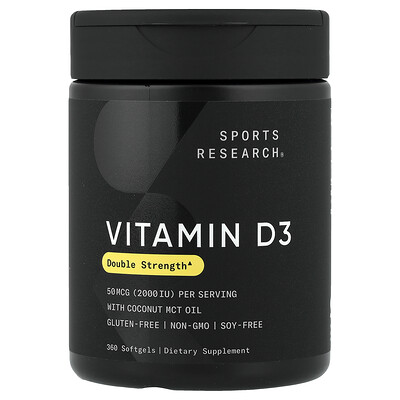
Sports Research, Vitamin D3, 50 mcg (2,000 IU), 360 Softgels
Home-Based Inflammation Remedies
Sometimes simple, at-home strategies can make a big difference in managing inflammation and supporting recovery:
- Warm Compresses: Reduce joint stiffness and soothe sore muscles.
- Cold Therapy: Ice packs can help minimize swelling and pain during acute inflammation.
- Epsom Salt Baths: Magnesium sulfate may help relax muscles and reduce inflammation. You can try the Epsom Salt Bath Soak by Sky Organics (available on Amazon)—perfect for a relaxing soak after a long day or intense workout.
- Hydration: Drinking enough water supports cellular function and helps your body eliminate toxins efficiently.
Foods and Habits to Avoid
To get the most out of your anti-inflammatory efforts, it’s just as important to limit foods and habits that fuel inflammation.
Try to reduce or eliminate:
- Refined sugars and sweetened beverages
- Trans fats and hydrogenated oils
- Excessive red and processed meats
- Refined grains like white bread and pasta
- Artificial additives and preservatives
💡 Tip: Swap these out for whole foods—vegetables, fruits, healthy fats, and lean proteins. Small changes like these can make a big difference in supporting your body’s natural anti-inflammatory processes.
Putting It All Together: Daily Anti-Inflammatory Routine
To really support your body’s natural anti-inflammatory processes, combining diet, lifestyle, and home-based remedies is key.
Here’s an example of how a day could look:
|
Time |
Suggestion |
|---|---|
|
Morning |
Green tea, oatmeal with berries and flaxseeds |
|
Mid-morning |
A handful of walnuts or almonds |
|
Lunch |
Salmon salad with leafy greens, avocado, and olive oil |
|
Afternoon |
Herbal tea paired with a square of dark chocolate or a citrus fruit |
|
Dinner |
Lentil or vegetable stew with turmeric, garlic, and ginger |
|
Evening |
Gentle yoga, meditation, or a warm Epsom salt bath |
💡 Tip: Consistency is everything. Even small, daily habits like these add up, helping reduce chronic inflammation over time and supporting overall health.
Final Thoughts
Chronic inflammation can sneak up on all of us, but the good news is—you can do something about it.
Over the years, I’ve found that combining anti-inflammatory foods, simple lifestyle habits, home remedies, and a few well-chosen supplements makes a real difference in how I feel day to day.
It’s not about being perfect—trust me, I don’t get it right every day either!
It’s about small, consistent changes: adding a handful of nuts to your morning oatmeal, sipping green tea, taking a few minutes to stretch or meditate, or soaking in a warm Epsom salt bath. Over time, these little habits really add up.
Pick one or two changes to start with, and build from there. You’ll be surprised how much your body responds when you give it consistent, gentle support.
With the foods, habits, and remedies in this guide, you now have a roadmap to take care of your body—and trust me, it’s worth it. One mindful step at a time, you can feel better, move easier, and support your long-term health.
*This article is for informational purposes only and is not intended as medical advice. It should not be used to diagnose, treat, or prevent any health condition. Always consult a qualified healthcare professional before making any changes to your diet, exercise, or health routine.
Ansary, Johura et al. “Potential Health Benefit of Garlic Based on Human Intervention Studies: A Brief Overview.” Antioxidants (Basel, Switzerland) vol. 9,7 619. 15 Jul. 2020, doi:10.3390/antiox9070619. Adapted and used under the terms of the Creative Commons Attribution 4.0 International License.
Ballester, Pura et al. “Effect of Ginger on Inflammatory Diseases.” Molecules (Basel, Switzerland) vol. 27,21 7223. 25 Oct. 2022, doi:10.3390/molecules27217223. Adapted and used under the terms of the Creative Commons Attribution 4.0 International License.
Banaszak, Michalina et al. “Role of Omega-3 fatty acids eicosapentaenoic (EPA) and docosahexaenoic (DHA) as modulatory and anti-inflammatory agents in noncommunicable diet-related diseases - Reports from the last 10 years.” Clinical nutrition ESPEN vol. 63 (2024): 240-258. doi:10.1016/j.clnesp.2024.06.053. Adapted and used under the terms of the Creative Commons Attribution 4.0 International License.
Bilal, Muhammad et al. “Dietary Component-Induced Inflammation and Its Amelioration by Prebiotics, Probiotics, and Synbiotics.” Frontiers in nutrition vol. 9 931458. 22 Jul. 2022, doi:10.3389/fnut.2022.931458. Adapted and used under the terms of the Creative Commons Attribution 4.0 International License.
Cerqueira, Érica et al. “Inflammatory Effects of High and Moderate Intensity Exercise-A Systematic Review.” Frontiers in physiology vol. 10 1550. 9 Jan. 2020, doi:10.3389/fphys.2019.01550. Adapted and used under the terms of the Creative Commons Attribution 4.0 International License.
Chavda, Vivek P et al. “Inflammation: The Cause of All Diseases.” Cells vol. 13,22 1906. 18 Nov. 2024, doi:10.3390/cells13221906. Adapted and used under the terms of the Creative Commons Attribution 4.0 International License.
Correia, Marta et al. “Unraveling the Extra Virgin Olive Oil Effect on Inflammation and on Gut and Saliva Microbiota.” Biomolecules vol. 15,3 338. 26 Feb. 2025, doi:10.3390/biom15030338. Adapted and used under the terms of the Creative Commons Attribution 4.0 International License.
Cozmin, Mihai et al. “Turmeric: from spice to cure. A review of the anti-cancer, radioprotective and anti-inflammatory effects of turmeric sourced compounds.” Frontiers in nutrition vol. 11 1399888. 28 May. 2024, doi:10.3389/fnut.2024.1399888. Adapted and used under the terms of the Creative Commons Attribution 4.0 International License.
Dzierzewski, Joseph M et al. “Sleep Inconsistency and Markers of Inflammation.” Frontiers in neurology vol. 11 1042. 16 Sep. 2020, doi:10.3389/fneur.2020.01042. Adapted and used under the terms of the Creative Commons Attribution 4.0 International License.
Fenercioglu, Aysen Kutan. “The Anti-Inflammatory Roles of Vitamin D for Improving Human Health.” Current issues in molecular biology vol. 46,12 13514-13525. 26 Nov. 2024, doi:10.3390/cimb46120807. Adapted and used under the terms of the Creative Commons Attribution 4.0 International License.
Gunathilake, K D P P et al. “In Vitro Anti-Inflammatory Properties of Selected Green Leafy Vegetables.” Biomedicines vol. 6,4 107. 19 Nov. 2018, doi:10.3390/biomedicines6040107. Adapted and used under the terms of the Creative Commons Attribution 4.0 International License.
“In Brief: What Is an Inflammation?” InformedHealth.org, Institute for Quality and Efficiency in Health Care (IQWiG), 11 Apr. 2025, NCBI Bookshelf, www.ncbi.nlm.nih.gov/books/NBK279298/. Accessed 17 January 2026.
Jiang, Rui et al. “Nut and seed consumption and inflammatory markers in the multi-ethnic study of atherosclerosis.” American journal of epidemiology vol. 163,3 (2006): 222-31. doi:10.1093/aje/kwj033. Abstract only.
Land Lail, Hannah et al. “Berries as a Treatment for Obesity-Induced Inflammation: Evidence from Preclinical Models.” Nutrients vol. 13,2 334. 23 Jan. 2021, doi:10.3390/nu13020334. Adapted and used under the terms of the Creative Commons Attribution 4.0 International License.
Magrone, Thea et al. “Cocoa and Dark Chocolate Polyphenols: From Biology to Clinical Applications.” Frontiers in immunology vol. 8 677. 9 Jun. 2017, doi:10.3389/fimmu.2017.00677. Adapted and used under the terms of the Creative Commons Attribution 4.0 International License.
Marefati, Narges et al. “A review of anti-inflammatory, antioxidant, and immunomodulatory effects of Allium cepa and its main constituents.” Pharmaceutical biology vol. 59,1 (2021): 287-302. doi:10.1080/13880209.2021.1874028. Adapted and used under the terms of the Creative Commons Attribution 4.0 International License.
Mendivil, Carlos O. “Dietary Fish, Fish Nutrients, and Immune Function: A Review.” Frontiers in nutrition vol. 7 617652. 20 Jan. 2021, doi:10.3389/fnut.2020.617652. Adapted and used under the terms of the Creative Commons Attribution 4.0 International License.
Miles, Elizabeth A, and Philip C Calder. “Effects of Citrus Fruit Juices and Their Bioactive Components on Inflammation and Immunity: A Narrative Review.” Frontiers in immunology vol. 12 712608. 24 Jun. 2021, doi:10.3389/fimmu.2021.712608. Adapted and used under the terms of the Creative Commons Attribution 4.0 International License.
Peng, Chuhang et al. “From bench to bedside, boswellic acids in anti-inflammatory therapy - mechanistic insights, bioavailability challenges, and optimization approaches.” Frontiers in pharmacology vol. 16 1692443. 18 Nov. 2025, doi:10.3389/fphar.2025.1692443. Adapted and used under the terms of the Creative Commons Attribution 4.0 International License.
Radeva-Ilieva, Maya et al. “Green Tea: Current Knowledge and Issues.” Foods (Basel, Switzerland) vol. 14,5 745. 22 Feb. 2025, doi:10.3390/foods14050745. Adapted and used under the terms of the Creative Commons Attribution 4.0 International License.
Tharmalingam, Jayaraman et al. “Impact of Alcohol on Inflammation, Immunity, Infections, and Extracellular Vesicles in Pathogenesis.” Cureus vol. 16,3 e56923. 25 Mar. 2024, doi:10.7759/cureus.56923. Adapted and used under the terms of the Creative Commons Attribution 4.0 International License.
Xu, Yujie et al. “Whole grain diet reduces systemic inflammation: A meta-analysis of 9 randomized trials.” Medicine vol. 97,43 (2018): e12995. doi:10.1097/MD.0000000000012995. Adapted and used under the terms of the Creative Commons Attribution 4.0 International License.
Yan, Su et al. “Effects of Smoking on Inflammatory Markers in a Healthy Population as Analyzed via the Gut Microbiota.” Frontiers in cellular and infection microbiology vol. 11 633242. 23 Jul. 2021, doi:10.3389/fcimb.2021.633242. Adapted and used under the terms of the Creative Commons Attribution 4.0 International License.
Yuan, Mengjie et al. “Yogurt Consumption Is Associated with Lower Levels of Chronic Inflammation in the Framingham Offspring Study.” Nutrients vol. 13,2 506. 4 Feb. 2021, doi:10.3390/nu13020506. Adapted and used under the terms of the Creative Commons Attribution 4.0 International License.

Linda is the co-founder of Courier Wellness and holds a Diploma in Natural Health Nutrition & Diet. Her passions include photography, food, and travel, where she derives inspiration from diverse cultures and their holistic approaches to well-being. She is committed to helping others make informed, nourishing choices for a healthier life.