The Ultimate Guide to Living a Healthy Lifestyle

This post contains affiliate links, which means we may earn a commission if you purchase through our links—at no extra cost to you. As an Amazon Associate we earn from qualifying purchases. We only recommend products we use or trust. Learn more about affiliate marketing or read our full disclosure.
Have you ever wondered how to live a healthy lifestyle in a way that actually feels enjoyable and sustainable?
Many people think it’s just about eating well or exercising, but true health goes beyond that—it’s about creating daily habits that nourish your body, strengthen your mind, and uplift your spirit.
Living a healthy lifestyle means feeling energized, managing stress effectively, and maintaining strong social connections. It’s not about extreme diets or exhausting workout routines; it’s about making choices that support your long-term well-being.
In this guide, we’ll explore simple and practical steps on how to live a healthy lifestyle—without making it feel overwhelming.
Whether you’re just getting started or looking to improve your current habits, you’ll find actionable tips to help you create a balanced, fulfilling, and healthy life.
Let’s dive in!
The Foundations of a Healthy Lifestyle
Living a healthy lifestyle isn’t about following strict rules, depriving yourself, or making drastic changes overnight. In fact, trying to do too much at once can often feel overwhelming and unsustainable.
Instead, living healthily is about understanding the key elements that contribute to your overall well-being and making small, consistent improvements in each area.
It’s about finding a balance that works for you—one that supports your body, mind, and daily routine without feeling like a burden.

By focusing on gradual changes, you create habits that stick, making healthy living feel natural rather than forced.
There are five key pillars that serve as the foundation for a balanced and fulfilling life:
- Physical Activity – Moving your body for strength, energy, and longevity.
- Nutrition – Fueling yourself with the right foods to perform at your best.
- Mental Health – Cultivating emotional resilience and psychological well-being.
- Healthy Habits – Small, everyday changes that make a big impact over time.
- Long-Term Strategies – Maintaining consistency and adapting to life’s changes.
By focusing on these pillars, you can create a lifestyle that supports both your short-term vitality and long-term health.
In the next sections, we’ll explore each of these areas in detail and provide practical steps to help you incorporate them into your daily routine.
1. Physical Activity: Moving for Health
When it comes to how to live a healthy lifestyle, regular physical activity is one of the most powerful tools at your disposal.
Exercise doesn’t just help you stay in shape—it benefits nearly every aspect of your well-being, from improving heart health to boosting your mood and energy levels.
But here’s the thing: staying active doesn’t mean you have to spend hours at the gym or follow a rigid workout plan. The key is finding movement that feels good for you—something that fits your lifestyle, keeps you engaged, and most importantly, is sustainable in the long run.
Let’s break down the different types of exercise and how they contribute to your overall health:
Cardiovascular Health
Aerobic exercises like walking, running, swimming, and cycling are essential for heart health. These activities get your blood pumping, improve circulation, and help lower blood pressure.
Regular cardio workouts can also reduce the risk of chronic diseases like heart disease, stroke, and diabetes.
Even simple activities, like taking the stairs or going for a brisk evening walk, can make a big difference over time.
Strength Training
Strength training isn’t just for bodybuilders—it’s a crucial part of maintaining a strong and functional body.
Lifting weights, using resistance bands, or doing bodyweight exercises (like squats, lunges, or push-ups) helps build muscle mass, strengthen bones, and increase metabolism.
This means you burn more calories even at rest!
One simple way to add resistance training to your routine is by using Vergali Fabric Resistance Bands, (available on Amazon). These bands are perfect for targeting various muscle groups, improving flexibility, and adding resistance to your workouts.
The non-slip design also keeps them from sliding or rolling — and we all know how annoying that can be.
Strong muscles support your joints, improve posture, and reduce the risk of injury. According to Health.com, muscle growth can become visible after approximately 7 to 18 workout sessions, with significant growth often occurring after 18 sessions.
Flexibility and Mobility
Have you ever woken up feeling stiff or sore?
I know I have—especially since I spend a lot of time sitting in front of a computer for work. Over time, I started noticing tension in my back, neck, and shoulders, and I knew I needed to do something about it.
That’s when I decided to try yoga and Pilates, and I was amazed at how much better my body felt.
Activities like yoga, Pilates, and simple stretching routines help keep your muscles and joints limber, preventing stiffness and reducing the risk of injuries.
If you’re looking to enhance your practice, I highly recommend the Liforme Printed Yoga Mat, (available on Amazon). It has excellent grip and cushioning, making it ideal for yoga, Pilates, and other stretching exercises.
Plus, it’s eco-friendly and provides the perfect support during your workouts.
Since incorporating these exercises into my routine, I’ve felt a significant difference—not just in my flexibility but also in my posture and overall comfort throughout the day.
Regular stretching can also relieve muscle tension and even help lower stress levels, making it a great way to unwind after long hours at a desk.
Balance and Coordination
Good balance isn’t just important for athletes—it’s essential for everyone, especially as we age. Incorporating balance exercises, such as tai chi, single-leg stands, or balance-focused yoga poses, helps improve stability and coordination.
This is particularly important for preventing falls and maintaining independence as you get older.
How Much Exercise is Enough?
The American Heart Association recommends at least 150 minutes of moderate-intensity aerobic activity (such as brisk walking) or 75 minutes of vigorous-intensity activity (like running) per week, plus muscle-strengthening exercises at least two days a week.
But don’t stress over the numbers—any movement is better than none! The key is consistency.
If structured workouts aren’t your thing, find ways to stay active in your daily life. Take a dance class, go on nature hikes, play with your kids, or try a new sport.
The best exercise is the one you enjoy, because that’s the one you’ll stick with.
2. Nutrition: Fueling Your Body for Optimal Performance
When it comes to how to live a healthy lifestyle, what you eat plays a huge role in how you feel, think, and perform.
A healthy diet is more than just about counting calories—it’s about providing your body with the fuel it needs to stay energized, support metabolism, and keep chronic diseases at bay.
To make sure you’re properly fueling your body, it’s important to understand the key components of a balanced diet.
Let’s start by looking at the macronutrients:
Macronutrients: The Building Blocks of Nutrition
When it comes to living a healthy lifestyle, understanding the role of macronutrients is key. These are the nutrients that your body needs in large amounts to function properly.
They provide energy, support growth, and help keep everything running smoothly in your body.
The three main macronutrients are carbohydrates, proteins, and fats—and each one plays a crucial role in keeping you healthy and feeling your best.
Carbohydrates: Your Body’s Main Energy Source
Carbs are the body’s primary source of energy, and they fuel everything from your muscles to your brain. Without them, you’d feel sluggish, unfocused, and low on energy.
Carbs are what keep you going throughout the day, whether you’re working, exercising, or running errands.
But here’s the thing: not all carbs are created equal. It’s important to choose healthy, whole-food sources of carbs. Think whole grains, fruits, and vegetables—these are packed with complex carbs that provide a steady stream of energy, unlike those quick spikes (and crashes) from processed, sugary foods.
According to Medical News Today, studies suggest that carbohydrates should make up about 45-65% of your daily caloric intake, depending on how active you are. This way, your body has enough fuel to perform its best, whether you’re powering through work or working out.
So, embrace carbs as your body’s go-to fuel!
Proteins: Building and Repairing Your Body
If carbs are your body’s fuel, then protein is the builder. Protein is essential for repairing and maintaining your muscles, tissues, and organs. It’s also crucial for supporting a healthy immune system.
If you’re active, trying to build muscle, or simply want to stay strong, protein becomes even more important.
There’s a wide variety of protein sources, both animal and plant-based, so you’ve got lots of options. Lean meats, fish, eggs, beans, lentils, and plant-based options like tofu and tempeh all pack a protein punch.
One simple way to include more protein in your diet is by cooking eggs with a device like the Evoloop Rapid Egg Cooker, (available on Amazon). It makes preparing eggs quick and consistent, whether you like them boiled, poached, or as an omelet, so you can easily boost your protein intake at any meal.
Generally, you should aim for 0.8 grams of protein per kilogram of body weight, but if you’re hitting the gym or pushing your body in other ways, you might need a little more.
Protein is especially important after exercise, as it helps your body recover faster and rebuild muscle. So whether you’re lifting weights, working hard at your job, or just getting through your day, protein helps keep you strong and functional.

Fats: Essential for Brain Function and Hormone Production
Now, let’s talk about fats—and no, they’re not the bad guys! In fact, healthy fats are absolutely essential for your health.
Your body needs them for brain function, hormone production, and even the absorption of important vitamins (A, D, E, and K). Without fats, your body would struggle to absorb these nutrients, which means you’re missing out on some vital health benefits.
There are different kinds of fats, and it’s important to choose the right ones.
Focus on unsaturated fats, which are great for heart health and overall well-being. Foods like avocados, nuts, seeds, fatty fish, and high-quality olive oils are excellent sources.
Unfortunately, many supermarket oils are highly processed and refined, which can strip them of nutrients and even lead to inflammation when consumed regularly. Choosing cold-pressed, extra virgin olive oils can make a big difference — they’re rich in monounsaturated fats and antioxidants, supporting heart health, reducing inflammation, and even promoting brain function.
If you really want to make sure you’re getting a good-quality olive oil, Olive Oil Lovers is a great choice. They’ve done the hard work of finding top-notch extra virgin olive oils so you don’t have to.
Want an olive oil that works on everything?
Tamia Green is my go-to — it’s smooth, mild, and fresh, so it doesn’t overpower anything.

Tamia Green
- Mild extra virgin olive oil with grassy and fruity notes
- Multivarietal blend for a balanced flavor
- Versatile — good for cooking, drizzling, or finishing dishes
Looking for one of the healthiest options out there?
Quattrociocchi Superbo Organic is packed with high polyphenols and antioxidants, though I’ll be honest — its bold flavor isn’t for everyone.

Quattrociocchi Superbo Organic
- Organic extra virgin olive oil with fruity, balanced flavor and a hint of pepper
- Made with traditional pressing for pure, high-quality oil
- Great for cooking, drizzling, or finishing dishes
And if you want a taste of Tuscany in your kitchen, Pruneti Frantoio Biologico is fantastic — award-winning, elegant, and perfect for drizzling over salads, roasted veggies, or fresh bread.

Pruneti Frantoio Biologico
- Medium, green Tuscan olive oil with fresh, grassy notes
- Organic — made with purity and sustainability in mind
- Versatile — great for cooking, drizzling, or finishing dishes
So, go ahead and embrace those healthy fats!
Micronutrients: Vitamins and Minerals for Health
You might not need a lot of micronutrients—just small amounts—but don’t let that fool you. They’re absolutely essential for your body to function properly.
These little powerhouses play a huge role in everything from keeping your energy up, supporting your immune system, and strengthening your bones to helping your muscles work smoothly.
If you’re wondering how to get them, the answer is simple: eat the rainbow! A diet full of colorful fruits and vegetables is your best bet to ensure you’re getting a wide variety of these key nutrients.
When you include different colors on your plate, you’re not just making your meal look pretty—you’re packing it with the good stuff your body craves.
Here’s a breakdown of some of the most important ones:
Vitamin D
Vitamin D is like a best friend to your bones. It helps your body absorb calcium and supports a strong immune system, too.
Often called the ‘sunshine vitamin,’ Vitamin D is primarily absorbed through sunlight, but it’s also found in foods like fatty fish (think salmon or mackerel) and fortified dairy.
If you’re not getting enough sun, you might want to think about boosting your intake from food.
Magnesium
Magnesium is the unsung hero of the body. It’s involved in over 300 different processes, and it helps your muscles relax, keeps your heart healthy, and supports your nervous system.
You can get magnesium from foods like spinach, avocados, and almonds — for example, NOW Foods Organic Raw Almonds, Unsalted (available on iHerb) are a simple, tasty way to add magnesium to your diet. Honestly, it’s one of those minerals you don’t want to miss!
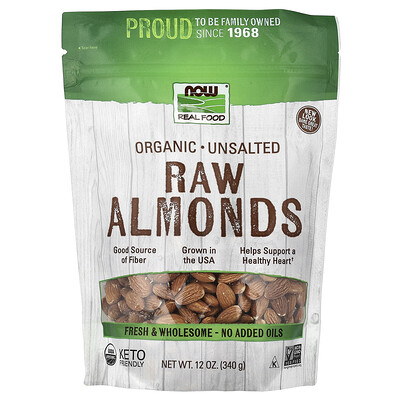
NOW Foods, Real Food, Organic Raw Almonds, Unsalted, 12 oz (340 g)
- Organic, raw, and unsalted whole almonds
- Rich in protein, fiber, and healthy fats
- Excellent source of vitamin E & magnesium
Iron
Iron helps carry oxygen in your blood, which means more energy for you.
When you’re low on iron, it can lead to fatigue, and nobody wants that. Iron-rich foods like lean meats, spinach, and beans are your go-to options. For plant-based sources, lentils and beans are excellent choices.
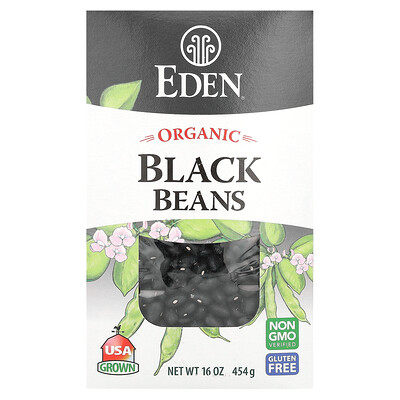
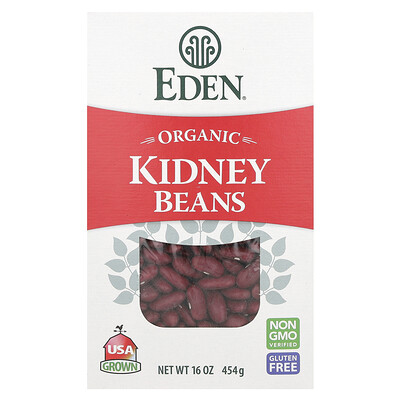
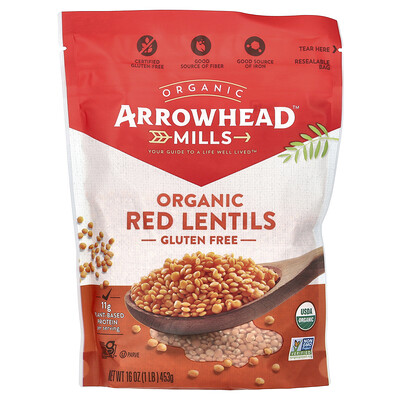
Some great products to include in your diet are Eden Foods Organic Black Beans, Eden Foods Organic Kidney Beans, and Arrowhead Mills Organic Red Lentils. They’re convenient, nutrient-packed, and perfect for adding iron to soups, salads, or stews.
Calcium
You’ve probably heard that calcium is all about strong bones, but it’s also crucial for your muscles and heart. It helps your muscles contract, your blood clot, and keeps your teeth strong.
Dairy like milk, yogurt, and cheese are classic sources, but if you’re not into dairy, you can still get plenty from leafy greens, fortified plant milks, or even tofu!
While it’s tempting to grab a supplement to cover all your bases, getting these micronutrients from whole foods is always the best option.
Whole foods are packed with not just the vitamins and minerals you need, but also fiber and other compounds that work together to help your body absorb nutrients more effectively.
Plus, when you eat a variety of whole foods, you’re giving your body everything it needs to thrive.
So, next time you sit down for a meal, think about how you can add more colorful fruits, veggies, and whole foods to your plate.
Hydration: Water as a Key Nutrient
We often overlook how important water is, but it’s actually a key player in keeping your body running smoothly. We all know we need it to survive, but water does a lot more than just quench your thirst.
Staying hydrated is essential for digestion, nutrient absorption, and even joint health. It’s also crucial for keeping your skin glowing and maintaining energy levels throughout the day.
Think of water as the oil in an engine—it keeps everything running without friction. Your body relies on water to transport nutrients, flush out waste, and regulate temperature. So, it’s no surprise that when you’re dehydrated, you start feeling sluggish and foggy.
Now, how much water do you need?
A general recommendation is to aim for about 8 cups (2 liters) a day. But, keep in mind that your needs might vary depending on how active you are, where you live, and even your diet.
If you’re sweating it out at the gym or living in a hot climate, you may need to drink more to stay properly hydrated.
A great way to stay on top of your hydration throughout the day is with the Hydro Flask Water Bottle, (available on Amazon). This bottle is designed to keep your drinks cold (or hot!) for hours, making it perfect for staying hydrated during your workouts, outdoor activities, or even during your workday.
It’s durable, easy to carry, and helps you drink more water by keeping it at the ideal temperature.
It’s also worth noting that you don’t have to get all your hydration from plain water. Other drinks and water-rich foods—like fruits and veggies—can help contribute to your daily intake. But water is still the most reliable way to keep yourself topped up.
When you’re well-hydrated, you’ll notice that you feel more alert, energized, and focused. Plus, you’ll probably find that your workouts go better and your digestion improves too.
So, the next time you’re feeling a bit off or sluggish, try reaching for a glass of water—your body might just be telling you it’s time to hydrate.
The Role of Fiber
Fiber might not always get the attention it deserves, but it’s incredibly important for your health. It plays a crucial role in healthy digestion, helping to keep things moving smoothly through your system and preventing constipation.
But that’s not all—it also helps regulate blood sugar levels, lower cholesterol, and can even contribute to weight management by keeping you feeling fuller longer.
There are two types of fiber: soluble and insoluble, and both play important roles.
- Soluble fiber can help lower your cholesterol and control blood sugar by forming a gel-like substance in the digestive tract. You can find soluble fiber in foods like oats, beans, and apples.
- Insoluble fiber, on the other hand, helps to add bulk to your stool, making it easier to pass and supporting overall gut health. You’ll find it in foods like whole grains, vegetables, and nuts.
The American Heart Association recommends aiming for 25-30 grams of fiber daily. While it might sound like a lot, it’s pretty doable when you incorporate fiber-rich foods like vegetables, fruits, legumes, and whole grains into your meals.
For example, adding some leafy greens to your lunch or switching from white bread to whole grain can make a big difference.
If you’re not getting enough fiber yet, no worries! Start small and gradually increase your intake. This will give your digestive system time to adjust, and you’ll be giving your body a big favor in the long run.
Plus, when you focus on getting fiber from whole foods, you’re also getting a wealth of other nutrients that support your overall health.
💡 Pro Tip: Don’t forget to drink more water when you eat fiber to prevent constipation.
Balanced Eating and Portion Control
It’s not just about what you eat; it’s also about how much you eat. While portion control is important, the key is to listen to your body and find what feels right for you.
Practicing mindful eating—slowing down, savoring each bite, and tuning into your hunger and fullness cues—can help you avoid overeating and make meals more satisfying.
It’s also important to remember that feeling full is a good thing. If you’re still hungry after a meal, you’re more likely to reach for snacks later, which can throw off your balance.
Aim to fill your plate with a variety of nutrient-dense foods, like whole grains, lean proteins, fruits, and vegetables, so that you’re not only getting the right nutrients but also feeling satisfied.
Here’s the thing: When you focus on whole foods and limit your intake of ultra-processed foods (like sugary snacks, chips, or fast food), you’ll often find that you feel fuller for longer.
That’s because whole foods provide fiber, healthy fats, and proteins, all of which contribute to better satiety and help regulate your appetite.
Remember, it’s all about balance—and paying attention to what works for your body. You don’t have to strictly measure or restrict yourself; just focus on fueling your body with real, nourishing foods and being mindful of how they make you feel.
The goal is to find a routine that leaves you energized, nourished, and satisfied, without the need to constantly snack.
Trends in Nutrition: Plant-Based and Beyond
You’ve probably heard a lot about trendy diets like plant-based eating, intermittent fasting, and keto. While these diets may offer short-term benefits for some, they often come with health risks in the long run.
The keto diet, for example, eliminates a key food group—carbohydrates—which are essential for a balanced, healthy diet. Over time, restrictive diets like keto can lead to nutrient imbalances and other health issues.
Instead of jumping on the latest diet trend, it’s much better to focus on a balanced approach to eating.
A diet that includes a variety of foods—especially those that support gut health like fiber-rich fruits, vegetables, whole grains, and fermented foods—can help you feel your best and prevent long-term health problems.
Listening to your body and making mindful, sustainable choices is always the way to go. A healthy lifestyle is about finding what works for you, not just following a trend.
If you’re looking for a great way to add more gut-friendly, fermented foods to your diet, I recommend the Luvele Yogurt Maker. This handy kitchen gadget allows you to make your own delicious, homemade yogurt with just a few simple ingredients.
It’s an excellent way to incorporate probiotics into your diet, which can support your digestive health and overall well-being. You can read our full review about it here.
RECOMMENDATION
Luvele Pure Yogurt Maker

This simple and high-quality yogurt maker has advanced water-bath technology, which ensures even and consistent temperatures for thick, probiotic-rich yogurt.
Key features:
3. Mental Health: Cultivating Emotional and Psychological Well-being
When we talk about living a healthy lifestyle, it’s easy to focus solely on physical health. But let’s not forget how important your mental and emotional well-being is, too. After all, feeling good mentally can make a huge difference in how we experience life.
Mental health is just as important as physical health, and the more you nurture it, the better you’ll be able to handle life’s challenges with balance and resilience.
Stress Management
Chronic stress can take a real toll—not just on your emotions, but on your body, too. From digestive issues to high blood pressure and even mood swings, stress affects so many aspects of your health.
That’s why finding ways to manage stress is crucial for maintaining a healthy lifestyle.
Here are a few strategies that can help:
Mindfulness
Have you ever tried meditation, deep breathing exercises, or yoga?
I can tell you from personal experience—ever since I started practicing yoga, I’ve noticed I feel much calmer, even in stressful situations. It’s like a reset for my mind. My only regret is not starting sooner!
These practices are known to lower stress hormones like cortisol and improve overall emotional well-being. Studies show that mindfulness can reduce stress and even improve mental clarity.
If you’re new to mindfulness and meditation or looking to deepen your practice, I highly recommend The Headspace Guide to Meditation (available on Bookshop.org). This book offers practical advice and guided techniques that can help you build a consistent meditation habit.
book tip
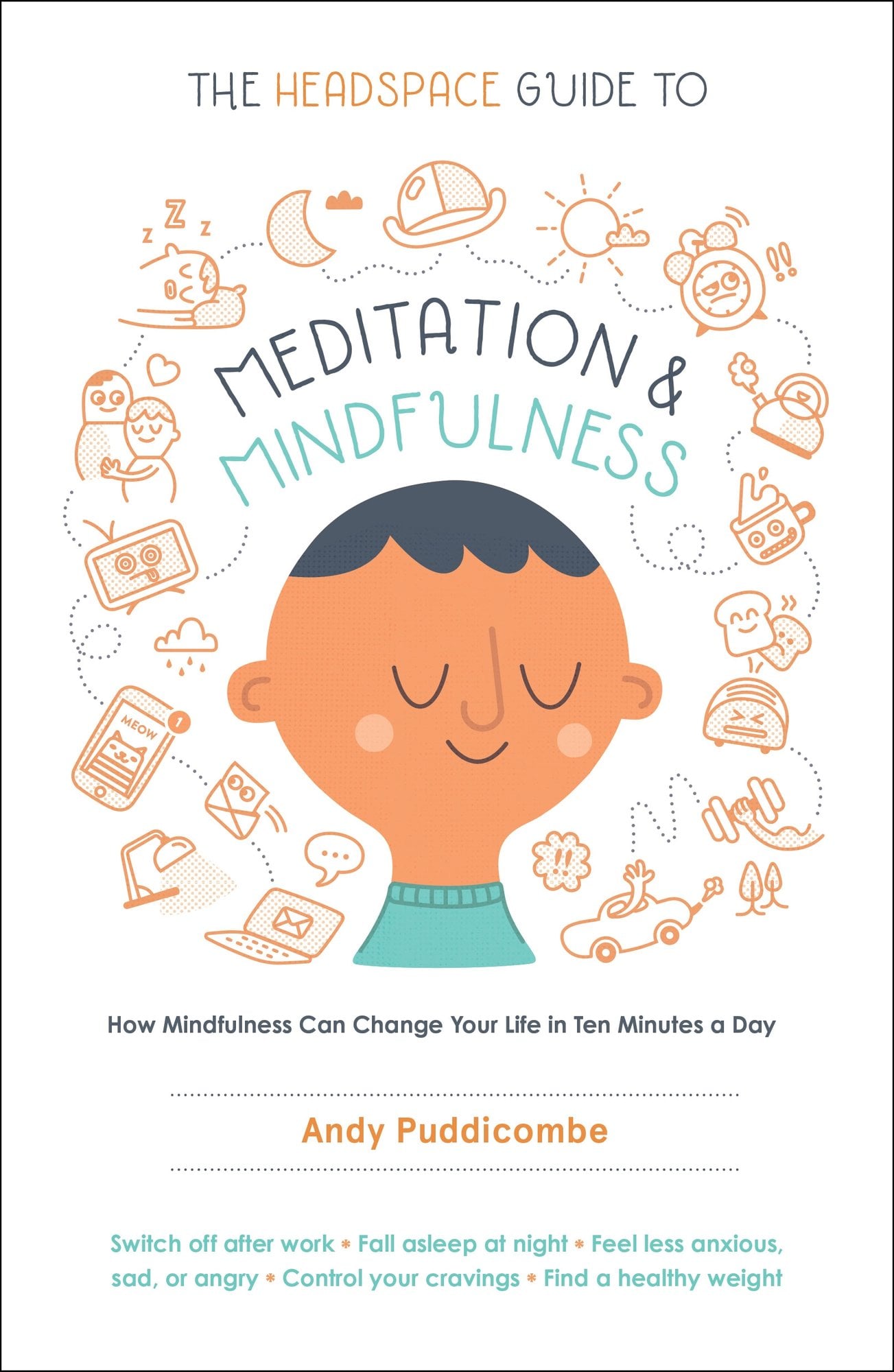
The Headspace Guide to Meditation & Mindfulness
By Andy Puddicombe
What if 10 minutes a day could make your life less stressful and more fulfilling?
*We may earn a commission at no extra cost to you.
So whether you have just 5 minutes or 30, I promise it’s totally worth making time for it. You might just feel the difference the moment you start.
Time Management
Stress can sometimes come from feeling like there’s too much on your plate and not enough hours in the day. If that sounds familiar, improving your time management could be a game-changer.
Start by prioritizing your tasks and setting realistic goals. Break down bigger projects into smaller, manageable steps.
This will not only help reduce stress but also give you a sense of control over your schedule and workload.
Relaxation Techniques
It’s the little things that can make a big difference, like practicing progressive muscle relaxation or trying aromatherapy. Even just taking 5-10 minutes a day to focus on relaxing your body and mind can significantly lower stress levels.
You’d be amazed how much better you’ll feel after a few minutes of intentional relaxation!
The Importance of Sleep
Sleep isn’t just a time to rest—it’s when your body and mind recharge. Getting enough quality sleep is crucial for regulating your mood, keeping your mind sharp, and supporting your overall emotional well-being.
I know when I don’t get enough sleep, it’s hard to focus, and my mood can take a dip. According to the National Sleep Foundation, most adults need at least 7 hours of sleep per night to perform at their best.
When you’re not well-rested, it can make everything feel harder—your focus might slip, your immune system might weaken, and your emotions can get a bit all over the place.
Here are some simple sleep hygiene tips that really helped me:
Try to go to bed and wake up at the same time every day—even on weekends. It helps regulate your body’s internal clock and makes falling asleep easier.
Caffeine and big meals right before bed can mess with your sleep. If you need something before bed, go for something light, like a small snack that’s easy on the stomach.
Make your bedroom a place for relaxation. Keep it cool, dark, and quiet. A calm space can work wonders for your sleep quality.
To enhance your sleep environment, you can try the SNOOZ Smart White Noise Sound Machine (available on Amazon). It’s a fantastic way to block out distractions and create a peaceful, calming atmosphere in your bedroom.
Sleep is truly a game-changer, so make sure to prioritize it!
Building Emotional Resilience
Resilience is the ability to bounce back when life throws you curveballs—whether it’s stress, adversity, or difficult situations. It’s not something you’re born with; it’s a skill you can develop with time and practice.
I’ve found that the more I work on building my emotional resilience, the easier it becomes to handle tough situations without letting them knock me down.
When we talk about emotional resilience, we’re talking about the ability to cope positively with stress and challenges. It involves recognizing and accepting your emotions, seeking support from others, and practicing self-compassion.
Research shows that people with higher resilience levels tend to have better mental health outcomes.
In fact, studies suggest that resilient individuals experience less psychological distress in response to stress, which means they’re more likely to manage difficult situations in healthier ways.
Here are a few things that have really helped me build my own emotional resilience:
Recognize and Accept Your Emotions
It’s okay to feel what you’re feeling. Whether it’s sadness, frustration, or fear—acknowledge those emotions without judgment.
The more we allow ourselves to feel, the better we can understand and manage those feelings.
Build a Support System
Having a solid support network makes a huge difference. Surround yourself with people who uplift you, whether they’re friends, family, or even a therapist.
Having someone to talk to during tough times is a game-changer.
Practice Self-Compassion
Be kind to yourself. We’re all going to face challenges, and it’s important not to be too hard on yourself when things don’t go as planned.
Treat yourself with the same care and understanding you’d offer a friend.
When I started practicing these steps, I noticed a shift in how I responded to stress. Building resilience doesn’t happen overnight, but every step you take adds up to a stronger, more grounded you.
Social Connections and Support
We all need people—family, friends, or a supportive community—to help us feel grounded and connected. Strong relationships aren’t just nice to have; they’re essential for mental well-being.
I’ve found that the more I nurture my connections, the better I feel emotionally and mentally. Studies show that social connections reduce loneliness, lower anxiety and depression, and even increase longevity.
But in today’s digital age, it’s easy to get caught up in screens and miss out on real, face-to-face interactions. Technology can be a great tool, but it shouldn’t replace genuine connection.
So, whether it’s catching up with a friend, having a meaningful conversation with family, or joining a community group, prioritize real interactions. A simple conversation can have a bigger impact on your well-being than any amount of scrolling ever could.
Remember, real connection doesn’t happen through a screen—it happens in the moment, face to face.

4. Healthy Habits: Small Changes, Big Impact
When it comes to creating lasting change in your life, it’s easy to feel overwhelmed by the idea of doing it all at once.
The good news is, you don’t have to completely overhaul your lifestyle overnight.
The key to a healthy lifestyle is building small, consistent habits that fit into your routine—and over time, these habits will add up to big, lasting changes.
I’ve learned that the more manageable I make my goals, the more successful I am in sticking to them. And let’s face it—when we try to do too much at once, we often end up burning out or feeling defeated.
So, the best approach is to start small and gradually add more healthy habits to your routine. Trust me, it’s the little changes that can have the biggest impact in the long run.
Now, let’s explore some of the strategies you can use to build these habits and stay on track as you work toward a healthier lifestyle:
Goal Setting and Motivation
Setting specific, realistic goals is crucial when it comes to staying motivated and making progress.
You’ve probably been there—setting a goal like “lose weight” or “get healthier” only to feel stuck or unsure where to start. Instead, it’s helpful to break down those big, broad goals into smaller, actionable steps.
For instance, instead of just telling yourself, “I need to exercise more,” you could commit to a specific goal like “I’m going to walk for 30 minutes every Monday, Wednesday, and Friday.”
Or maybe it’s adding a serving of vegetables to every meal or drinking an extra glass of water each day. These small, clear goals are easier to track and feel way more attainable, which makes them more likely to stick.
Research has shown that when we set specific, measurable goals, we’re not only more likely to follow through, but we also feel more motivated. Each time you achieve one of these smaller goals, it gives you a sense of accomplishment and propels you toward the next milestone.
I’ve found that celebrating the small wins—whether it’s acknowledging that 10-minute walk or that extra glass of water—makes the process more enjoyable and keeps me motivated.
Plus, when you make these goals a regular part of your routine, they don’t feel like tasks or obligations anymore. They become ingrained habits.
That feeling of progress, even in the smallest way, can build momentum and help you maintain your healthy habits over time.
Tracking Progress
When it comes to building healthy habits, one of the best ways to stay motivated and on track is by tracking your progress.
Whether you prefer using a handy app or keeping a good old-fashioned journal, tracking allows you to monitor key areas like your physical activity, meals, sleep, and even your mental health. It’s a great way to stay focused and stay mindful of the changes you’re making.
For those who love a structured approach to goal-setting and progress tracking, I recommend the Legend Planner PRO Hourly Schedule (available on Amazon). This planner is designed with an hourly schedule and weekly/daily sections, perfect for organizing your day-to-day activities and staying on top of your goals.
The beauty of tracking is that it gives you a tangible record of your efforts. Seeing how far you’ve come, whether it’s with your workouts, nutrition, or sleep patterns, can be incredibly motivating.
Plus, it helps you identify any areas where you might need to adjust or put in a little more focus.
For example, if you notice that you’re consistently getting less sleep than you’d like, you can take steps to improve your sleep hygiene.
Research shows that people who track their habits and progress are more likely to achieve their health goals. The simple act of writing things down or logging them digitally makes you more accountable and aware of your habits.
And, when you see progress—no matter how small—it can give you the confidence and encouragement to keep pushing forward.
Building Routines
Having a daily routine isn’t just about getting things done—it’s about building consistency and reducing decision fatigue.
When your routines are set, you don’t waste energy thinking about what to do next. This makes it easier to stick to healthy habits without feeling overwhelmed.
For example, you might decide to start each morning with a 10-minute stretching session or spend Sunday evenings meal prepping for the week. These routines help reinforce the healthy choices you’re making, turning them into lasting habits.
Research shows that habits are formed through repetition and consistency. So, the more you practice your routines, the more natural they become. Soon enough, these healthy habits will become second nature.
Overcoming Challenges
Let’s face it—life gets busy, and setbacks happen. Whether it’s a hectic work schedule, a lack of motivation, or just a bad day, don’t get discouraged.
But the key is to focus on progress, not perfection. Mistakes are part of the journey—what matters is how you get back on track.
One way to overcome challenges is by focusing on your “why”—the reasons you want to live a healthy lifestyle. When you remember why you started, it helps reignite your motivation and remind you that every small step counts.
It’s all about consistency and getting back to your routine, even after a temporary setback.
5. Long-Term Strategies for Maintaining a Healthy Lifestyle
Creating a sustainable healthy lifestyle is not something that happens overnight. It’s a long-term commitment, and the key is to view your well-being as a lifelong journey, not just a quick fix.
The more you focus on making consistent, small changes over time, the easier it becomes to maintain your healthy habits for the long haul.
Now, let’s explore some long-term strategies that can help you maintain your healthy habits and stay on track for the long haul:
The Power of Consistency
When it comes to maintaining a healthy lifestyle, consistency is everything.
The small, everyday choices you make—like swapping a sugary drink for water, taking a short walk after dinner, or practicing mindfulness for just a few minutes—may seem like tiny steps, but trust me, they add up over time.
It’s easy to think that small changes don’t matter, but research shows that creating simple, sustainable habits is one of the most effective ways to make lasting changes. It’s not about perfection—it’s about showing up every day and making one healthy choice at a time.
Remember, progress is a series of small steps that, when done consistently, lead to big results.
So, don’t stress over every little mistake or misstep. Focus on the consistency, and trust that over time, those small actions will build up into lasting, impactful changes.
Adaptability
One thing that’s inevitable in life is change. As you age, your body’s needs, preferences, and capabilities may shift. Maybe you’ll need to adjust your physical activity routine or rethink your nutrition choices.
The beauty of a healthy lifestyle is that it’s adaptable—what works for you today might not be the best fit tomorrow, and that’s completely okay.
Staying open to making adjustments is key. Whether it’s trying out a new form of exercise, adjusting your diet based on how you feel, or switching up your routine, the goal is to keep evolving and finding what works best for you at every stage of your journey.
Flexibility in your approach will not only keep you motivated but also help you stay engaged and excited about your health, no matter where you are in your journey.
Self-Care
In the hustle and bustle of life, it’s easy to forget to take a moment for yourself. But here’s the truth—self-care isn’t just a luxury; it’s a necessity for maintaining balance and well-being.
Whether it’s curling up with a good book, stepping outside for some fresh air, or unwinding with a warm bath, it’s so important to carve out time for activities that allow you to recharge and reconnect with yourself.
One simple yet powerful way to prioritize self-care is through journaling. I highly recommend the 6-Minute Diary by UrBestSelf (available on Amazon).
This quick and easy journal helps you set positive intentions for the day, reflect on things you’re grateful for, and focus on your personal growth—all in just six minutes a day. It’s a great tool to boost your mood and mental clarity, allowing you to center yourself in the midst of a busy day.
Prioritizing self-care helps you stay energized, lowers stress, and keeps you in a positive mental space. The better you take care of yourself, the more equipped you’ll be to handle the demands of everyday life.
So, remember—taking time for yourself isn’t selfish, it’s essential. You can’t pour from an empty cup, so make sure you’re filling yours up regularly to stay healthy, happy, and able to give your best to others.
Prevention is Key
An ounce of prevention is worth a pound of cure. Regular check-ups with healthcare providers, staying up-to-date on vaccinations, and engaging in screenings for common health conditions are all crucial elements of a healthy lifestyle.
The sooner you catch potential health issues, the easier they are to manage.
Prevention doesn’t just stop at physical health—it also involves maintaining emotional well-being, keeping stress in check, and staying connected with your social support network.
It’s all about creating a balanced, proactive approach to your health, rather than waiting until problems arise.
Final Thoughts
Living a healthy lifestyle is about more than just following trends—it’s about building a balanced, sustainable routine that nourishes your body, mind, and spirit.
There’s no one-size-fits-all approach; it’s a personal journey that requires consistency, patience, and self-compassion.
The foundation of a healthy life is regular physical activity, balanced nutrition, mental well-being, and the development of positive habits. It’s about creating habits that are sustainable and enjoyable, not relying on extreme diets or fitness regimens.
Physical activity doesn’t have to be intense workouts. It can be as simple as walking, stretching, or dancing—just move in a way that feels good to you.
Nutrition is about choosing whole foods that fuel your body and make you feel your best, while mental health requires attention too. Manage stress, practice mindfulness, and build emotional resilience to handle life’s challenges with ease.
Healthy habits are built on small, consistent changes. Start with simple actions like stretching in the morning, eating a nourishing snack, or journaling. Over time, these add up to lasting improvements.
At the end of the day, it’s about progress, not perfection. Every small step is a step toward a better you, and it’s never too late to start.
So, take it one day at a time, stay consistent, and be kind to yourself. Your health journey is uniquely yours, and every effort is worth it.
*This article is for informational purposes only and is not intended as medical advice. It should not be used to diagnose, treat, or prevent any health condition. Always consult a qualified healthcare professional before making any changes to your diet, exercise, or health routine.
Carbohydrates, Proteins, and Fats." Merck Manuals, February 2023, https://www.merckmanuals.com/home/disorders-of-nutrition/overview-of-nutrition/carbohydrates-proteins-and-fats? Accessed 31 March 2025.
Chowdhury, M.R., BA. "The Science & Psychology Of Goal-Setting 101." Positive Psychology, May 2, 2019, https://positivepsychology.com/goal-setting-psychology/. Accessed 31 March 2025.
DeMarco, Cynthia, et al. "Macronutrients 101: What to know about protein, carbs and fats." MD Anderson Cancer Center, February 18, 2025, https://www.mdanderson.org/cancerwise/macronutrients-101--what-to-know-about-protein--carbs-and-fats.h00-159774078.html? Accessed 31 March 2025.
Dr. Rausch-Phung, Elizabeth. "Is 7 Hours of Sleep Enough?" Sleep Foundation, updated November 14, 2023, https://www.sleepfoundation.org/sleep-faqs/is-7-hours-of-sleep-enough. Accessed 31 March 2025.
Gardner, Benjamin et al. “Making health habitual: the psychology of 'habit-formation' and general practice.” The British journal of general practice : the journal of the Royal College of General Practitioners vol. 62,605 (2012): 664-6. doi:10.3399/bjgp12X659466.
Gordon, Sherri. "How Long Does It Take to Build Muscle? Timeline and Tips." Health, March 18, 2025, https://www.health.com/how-long-does-it-take-to-build-muscle-11680172? Accessed 31 March 2025.
"Health Benefits of Exercise and Physical Activity." National Institute on Aging, last reviewed January 14, 2025, https://www.nia.nih.gov/health/exercise-and-physical-activity/health-benefits-exercise-and-physical-activity. Accessed 31 March 2025.
Mae, Angela. "What to know about macronutrients." Medical News Today, September 30, 2021, https://www.medicalnewstoday.com/articles/what-are-macronutrients? Accessed 31 March 2025.
"Resilience." American Psychological Association, https://www.apa.org/topics/resilience. Accessed 31 March 2025.
"Resistance training – health benefits." Better Health Channel, https://www.betterhealth.vic.gov.au/health/healthyliving/resistance-training-health-benefits? Accessed 31 March 2025.
"The health benefits of strong relationships." Harvard Health Publishing, December 1, 2010, https://www.health.harvard.edu/staying-healthy/the-health-benefits-of-strong-relationships. Accessed 31 March 2025.
"The Unique Benefits of Strength Training for Women." University Hospitals, April 29, 2024, https://www.uhhospitals.org/blog/articles/2024/04/the-unique-benefits-of-strength-training-for-women? Accessed 31 March 2025.
Van Horn, Linda. "Fiber, Lipids, and Coronary Heart Disease : A Statement for Healthcare Professionals From the Nutrition Committee, American Heart Association." AHA/ASA Journals, Circulation, Volume 95, Number 12, https://doi.org/10.1161/01.CIR.95.12.270. Accessed 31 March 2025.
Vermani, Monica C. "The Connection Between Self-Care and Mental Health." Psychology Today, February 22, 2023, https://www.psychologytoday.com/us/blog/a-deeper-wellness/202302/understanding-the-mental-health-and-self-care-connection. Accessed 31 March 2025.
"Vitamins and Minerals." The Nutrition Source, Harvard T.H. Chan School of Public Health, last reviewed March 2023, https://nutritionsource.hsph.harvard.edu/vitamins/. Accessed 31 March 2025.
"10 Tips for a Better Night’s Sleep." National Sleep Foundation, https://www.thensf.org/sleep-tips/. Accessed 31 March 2025.

Linda is the co-founder of Courier Wellness and holds a Diploma in Natural Health Nutrition & Diet. Her passions include photography, food, and travel, where she derives inspiration from diverse cultures and their holistic approaches to well-being. She is committed to helping others make informed, nourishing choices for a healthier life.