The Best Exercise Routines for Strength, Cardio, and Flexibility

This post contains affiliate links, which means we may earn a commission if you purchase through our links—at no extra cost to you. As an Amazon Associate we earn from qualifying purchases. We only recommend products we use or trust. Learn more about affiliate marketing or read our full disclosure.
A balanced fitness routine isn’t just about picking a workout you happen to enjoy and hoping for the best. If you really want to feel stronger, have more energy, and stay active for the long haul, your plan needs to be a little more intentional.
The truth is, the best exercise routines include three essential pieces: strength training, cardiovascular exercise, and flexibility work. Think of them as the power trio of fitness.
When you combine all three, you’re not just working out — you’re building a body that’s strong, capable, and resilient in everyday life.
Whether you’re just getting started or you’ve been working out for years and want better results, learning how to blend these types of movement can completely change how you feel. You may notice more stamina during busy days, fewer aches and pains, better posture, and even improved mood.
In this guide, I’ll walk you through exactly how to build the best exercise routines for strength, cardio, and flexibility. You’ll also find simple weekly plan ideas and practical tips to help you stay consistent (because consistency is where the real results happen).
Important Note: Before starting any new exercise plan, especially if you have a medical condition, injury, or have been inactive, consult a qualified healthcare professional. Always listen to your body and progress at a safe, sustainable pace. Exercise should challenge you — not cause pain.
Let’s dive in and create a routine that actually works for you!
Why a Balanced Routine Matters
It’s completely normal to gravitate toward the type of movement you enjoy most. Maybe you love the sweat and endorphin rush of cardio. Maybe lifting weights makes you feel powerful. Or maybe stretching and yoga are your go-to because they help you unwind.
But here’s the thing: your body thrives on variety.
When your exercise routines focus on just one area, you’re missing out on the full picture of what your body needs to truly feel and perform its best. Strength, cardio, and flexibility each play a different role — and they work even better together.
When you build a balanced routine, you’re giving your body the tools to:
And here’s the good news: well-rounded exercise routines don’t require hours in the gym. You don’t need to train like a professional athlete to see results. With a little planning, you can fit strength, cardio, and flexibility into a focused 30–45 minute workout.
It’s not about doing more — it’s about doing what works together.
When you start thinking of your workouts as a team effort instead of separate pieces, everything begins to click.
related Posts:
- Fitness & Healthy Lifestyle: Simple Workouts for Lasting Wellness
- The Ultimate Guide to Exercise for Beginners
- Exercise Motivation for Women Who Want to Feel Stronger
- 10 Fun Exercise Ideas to Make Fitness Exciting
- Best Exercises for a Flat Stomach and Strong Core
- The Ultimate Exercise Plan: Workouts, Tips, and Best Practices
Part 1: Strength Training Routines
If you could only choose one category to anchor your exercise routines, strength training would be a strong contender.
Why?
Because building muscle isn’t just about aesthetics — it’s about creating a body that supports you in real life.
Carrying groceries.
Picking up kids.
Climbing stairs.
Getting up off the floor with ease.
Strength training makes all of that feel easier and more natural.
It also plays a huge role in your long-term health. Muscle supports your metabolism, protects your joints, and helps maintain bone density as you age.
And here’s something many people don’t realize: you don’t need fancy gym machines to see results. Your body weight alone can be incredibly effective when used consistently and with good form.
The key is making strength work a regular part of your exercise routines, not just something you “sometimes” add in.
Benefits of Strength Training
When you commit to strength training, you can expect to notice:
- Increased muscle tone and overall strength
- A higher resting metabolic rate (meaning you burn more calories even at rest)
- Stronger bones and healthier joints
- Better posture and improved balance
- Improved insulin sensitivity and blood sugar control
- A reduced risk of injury in daily life and other workouts
Over time, strength training doesn’t just change how you look — it changes how you move, how you feel, and how confident you are in your own body.
And that’s a powerful shift.
The Best Strength Training Exercises
When building effective exercise routines, you don’t need dozens of complicated movements. A few foundational exercises — done consistently — will deliver incredible results. The key is choosing movements that work multiple muscle groups at once.
Let’s break them down:
1. Squats
Squats are one of the most powerful lower-body exercises you can do. They strengthen your legs and glutes while engaging your core — and they mimic everyday movements like sitting and standing.
For home workouts, adding a resistance band to squats can make a noticeable difference in results. The Vergali 4 Fabric Resistance Bands, available on Amazon, are perfect for this.
Squats are one of the best exercises for legs and glutes, but sometimes it’s hard to feel the muscles fully working, especially at home without weights. These bands add just the right amount of tension, engaging the hips, glutes, and thighs throughout the entire movement.
This helps build strength more effectively and improves the mind-muscle connection, making every squat count.
The fabric construction keeps the bands from pinching the skin or rolling up mid-set, a common frustration with traditional rubber bands. They also come in different resistance levels, so it’s easy to start light and increase the challenge as strength improves.
Just place a band around the thighs and perform squats as usual — lowering the hips back as if sitting in a chair and pressing through the heels to stand. With this simple addition, squats become more effective, supporting stronger legs, glutes, and a more stable core — all without heavy equipment.
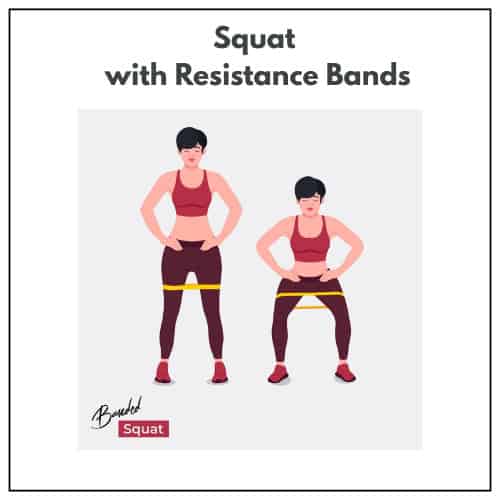
Want to increase intensity? Try Squat Pulses to really challenge your muscles at the bottom of the movement.
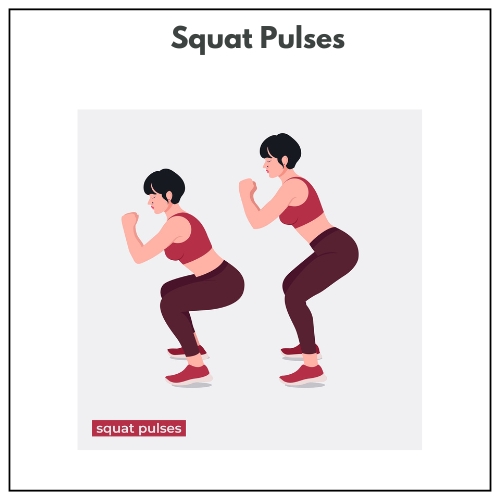
This is a foundational pattern that deserves a permanent place in your exercise routines.
2. Push-Ups
Push-ups are a full upper-body strength builder that also challenge your core stability.
Start in a plank position with hands under shoulders. Lower your chest toward the floor, keeping your elbows close to your body, then push back up
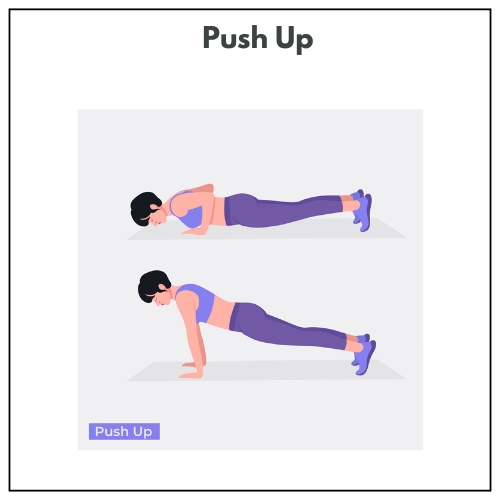
Beginners can start on their knees (Knee Push Ups).
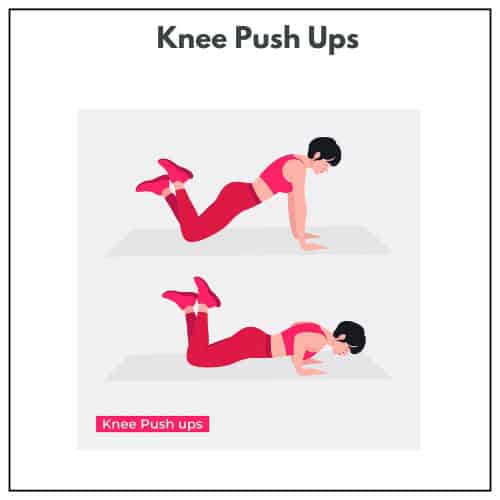
And if you want to level up, Ankle Tap Push Up adds an extra balance and core challenge.
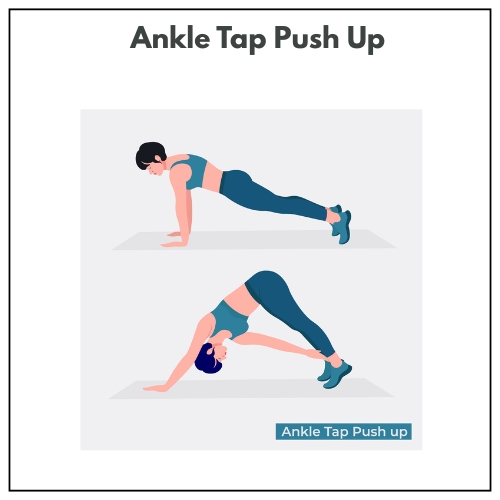
No matter where you’re starting, there’s a push-up variation that fits your current fitness level.
3. Deadlifts
Deadlifts teach you how to hinge properly — which protects your lower back and strengthens your entire posterior chain (glutes, hamstrings, lower back).
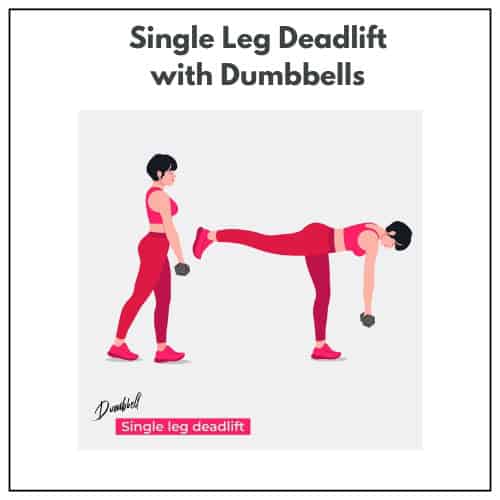
For deadlift‑style moves like Single Leg Deadlifts, having a reliable set of dumbbells makes all the difference — especially if balance and strength imbalances between legs are goals. The HolaHatha Neoprene Dumbbell Free Hand Weight Set with Rack, available on Amazon, is a great option to support this.
This neoprene‑coated set is especially user‑friendly for home workouts. The coating makes the weights comfortable to grip, resists slipping even when palms get sweaty, and is gentle on floors.
The included rack keeps everything organized so you’re not tripping over weights between sets — a small convenience that makes workouts feel smoother and more intentional.
Single Leg Deadlift with Dumbbells is excellent for building balance and correcting strength imbalances between legs. Hold a dumbbell in each hand. Hinge at your hips, lowering the weight toward the floor while keeping your back straight, then return to standing.
If you want a slightly more advanced combo movement, Romanian Deadlift to Squat with Dumbbell adds both hinge and squat patterns into one powerful exercise.
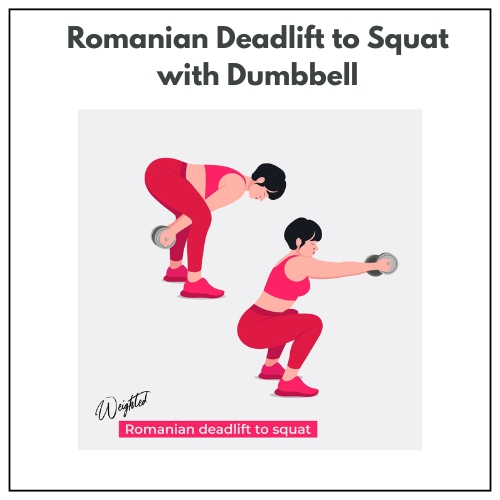
This is one of those movements that pays off big in everyday life.
4. Rows
Rows are essential for a strong, balanced upper body. They strengthen your back, improve posture, and help balance out all the pressing movements like push-ups. Think of them as the key to keeping your shoulders healthy and your upper back strong.
If you’re working out at home, Towel Pull is a simple yet effective way to mimic a rowing motion.
Anchor a towel around a sturdy surface, pull your elbows back toward your torso, and squeeze your shoulder blades together — you’ll feel your upper back working hard.
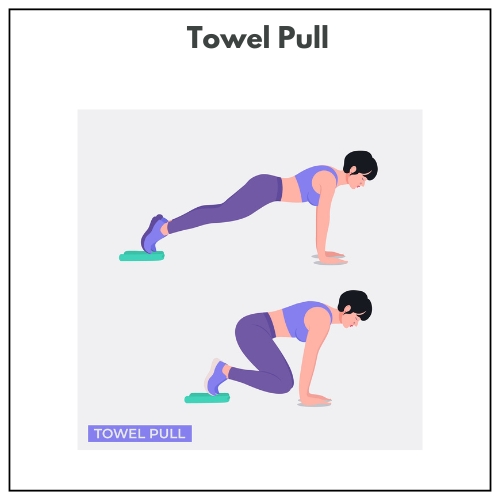
Adding rows to your exercise routines ensures your upper body stays strong, balanced, and injury-resistant. Even one pulling movement like this can make a big difference in how you carry yourself and how your shoulders and back feel in daily life.
5. Lunges
Lunges build lower-body strength while also challenging your balance and coordination.
Reverse Lunges are especially beginner-friendly and easier on the knees. Step one foot back and lower your hips until both knees are at about 90 degrees. Push through your front heel to return to standing.
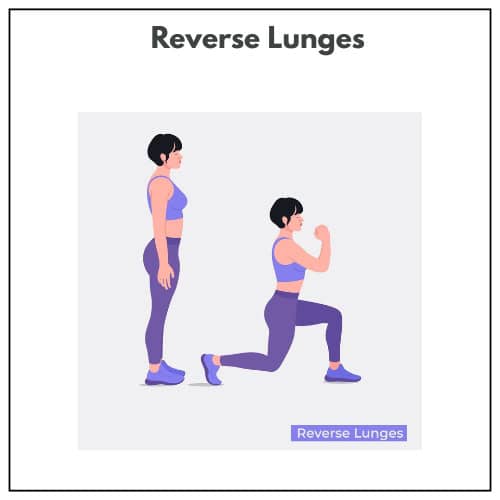
If you want to target your inner and outer thighs more directly, Lateral Lunge with Dumbbells is a great addition.
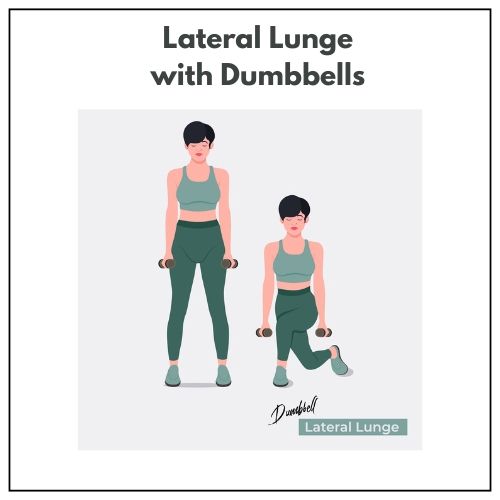
For added instability and core engagement, Lunge with Swiss Ball can raise the difficulty level.
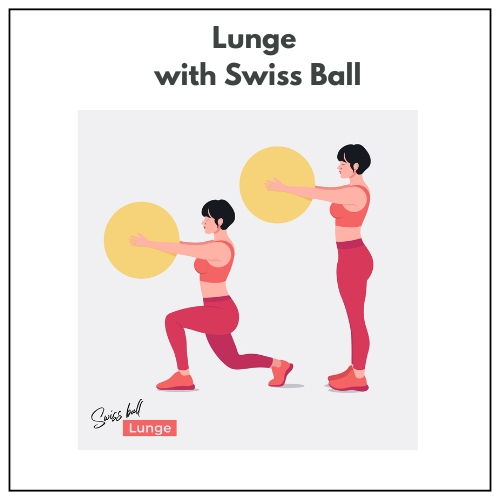
For anyone looking to challenge their workouts and engage their core more, the Gruper Yoga Ball, Extra Thick Exercise Ball, available on Amazon, is a great choice.
Using a Swiss ball during a Lunge with Swiss Ball adds instability, which forces the core, glutes, and legs to work harder. It’s a great way to strengthen stabilizing muscles, improve balance, and make your home workouts more challenging without extra weights.
This extra-thick exercise ball is durable and comfortable, so it won’t wobble unexpectedly or feel unstable. It comes with a pump, making setup quick and easy. Plus, it’s versatile — perfect not only for lunges, but also for yoga, Pilates, stretching, and even physical therapy exercises.
Adding the Gruper Yoga Ball to your exercise routines helps build strength, stability, and confidence in every movement — all from a simple, space-friendly tool.
6. Planks
Planks build deep core stability — the kind that supports everything else you do.
If you’re looking for dynamic core work, High Plank Knee Pulls and Plank with Hip Dip add movement while keeping your core engaged. Start in a high plank position with shoulders over wrists. Engage your core and maintain a straight line from head to heels.
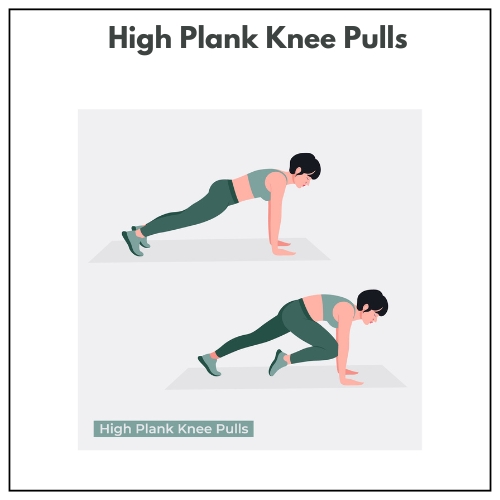
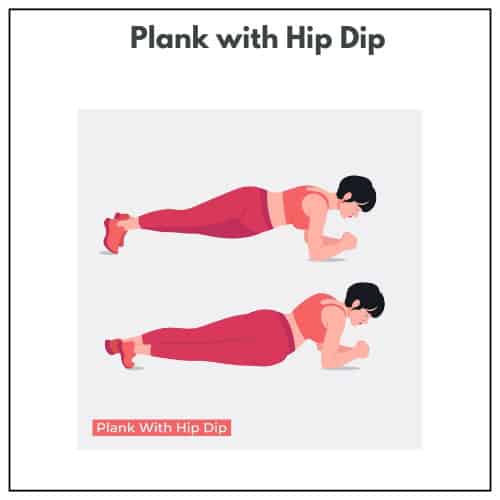
For more advanced variations, Raised Leg Plank and Plank Rotation challenge both balance and oblique strength.
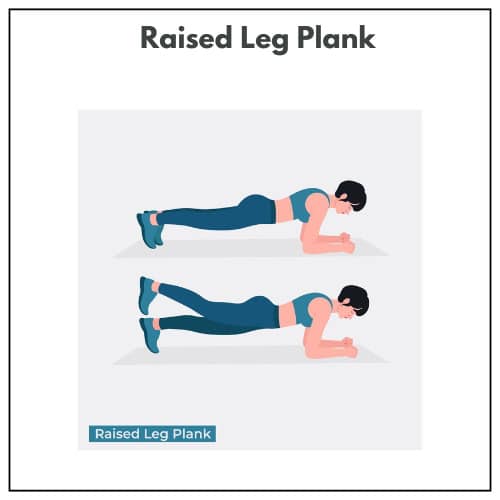
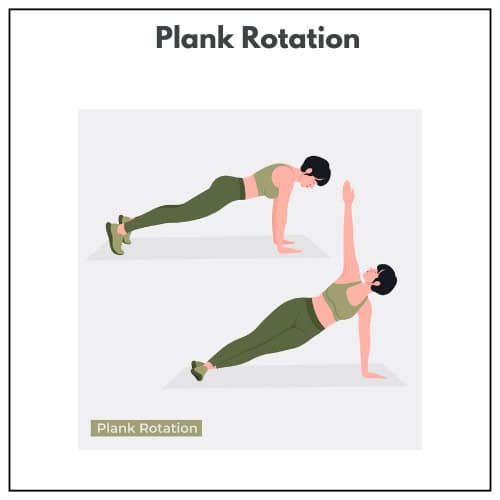
Core stability is the glue that holds strong exercise routines together — and these plank variations make it anything but boring.
Sample Strength Training Routine (30 minutes)
If you’re ready to put your exercise routines into action, here’s a simple, beginner-friendly 30-minute plan that hits all the major muscle groups. You can follow it as-is or scale it up with heavier weights or more reps as you get stronger.
Warm-up (3 minutes):
- Light cardio (jog in place or jumping jacks)
- Dynamic stretches (arm circles, leg swings, torso twists)
Circuit (repeat 3–4 times):
- 12 Squats – try Squat with Resistance Bands or Squat Pulses for extra challenge
- 10 Push-Ups – standard Push Up or Knee Push Ups if you’re starting out
- 12 Deadlifts – use Single Leg Deadlift with Dumbbells or Romanian Deadlift to Squat
- 12 Rows each side – perform Towel Pull to engage your back and posture muscles
- 10 Lunges each leg – Reverse Lunges or Lateral Lunge with Dumbbells
- 30-second Plank – choose High Plank Knee Pulls or Plank with Hip Dip
Rest: 60–90 seconds between sets
Cool down: light stretching, focusing on legs, chest, back, and shoulders
This routine hits strength, core stability, and functional movement — all in just 30 minutes. Stick with it 2–3 times per week, and you’ll notice stronger muscles, better posture, and more energy in your daily life.
Part 2: Cardio Exercise Routines
Cardiovascular exercise isn’t just about running until you’re out of breath — it’s about keeping your heart, lungs, and energy levels in top shape.
The right exercise routines can boost your stamina, burn calories, improve circulation, and even lift your mood thanks to those natural endorphins.
The best part?
Cardio can be whatever works for you. You might prefer low-impact options like brisk walking or cycling, or high-intensity moves that get your heart racing and sweat dripping.
The key is consistency and finding movements you actually enjoy.
Benefits of Cardio
Adding cardio to your exercise routines helps you:
- Improve heart and lung function, keeping your body strong and resilient
- Increase endurance and stamina for everyday life — whether it’s chasing kids or climbing stairs
- Lower blood pressure and reduce the risk of heart disease
- Support a healthy weight and metabolism
- Boost your mood naturally through endorphin release
- Enhance circulation and overall energy levels
The Best Cardio Workouts
Cardio doesn’t have to be boring or repetitive. The best exercise routines mix fun, variety, and intensity — so you actually look forward to moving.
Here are some go-to options that can fit into any schedule:
1. Walking
Walking is simple, low-impact, and surprisingly effective for heart health. It’s perfect for beginners and can easily fit into your daily routine.
Aim for brisk walking — enough that your heart rate rises but you can still hold a conversation. Try 20–30 minutes around your neighborhood or on a treadmill.
2. Running or Jogging
Running and jogging increase cardiovascular endurance, burn calories, and strengthen your legs. It’s a classic, tried-and-true cardio choice.
Start slow with a mix of running and walking if you’re new. Gradually increase your running intervals as your fitness improves.
3. Cycling
Cycling is gentle on your joints but tough on calories. It builds leg strength while keeping your heart rate up.
Use a stationary bike or hit the road. Maintain steady, moderate effort for 20–40 minutes, or try intervals by alternating faster and slower pedaling.
4. Swimming
Swimming is a full-body workout that’s easy on your joints while still challenging your cardiovascular system.
Alternate strokes or swim laps continuously. Even 15–20 minutes of steady swimming gets your heart pumping and muscles working.
5. HIIT (High-Intensity Interval Training)
HIIT packs maximum benefits into a short time. Quick bursts of intense effort followed by rest boost endurance, burn calories, and improve metabolism.
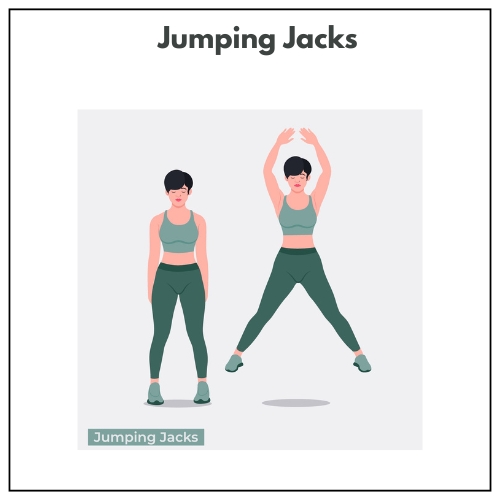
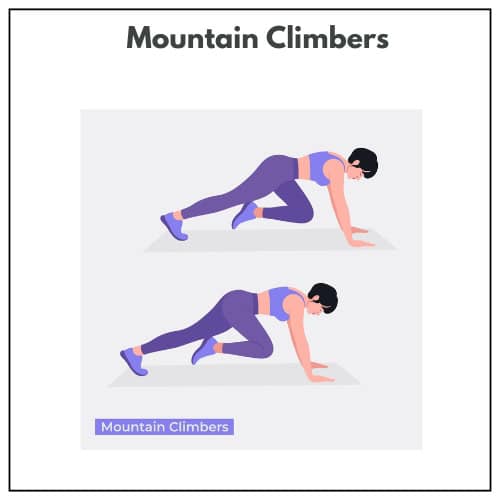
Pick 3–5 exercises like jumping jacks or mountain climbers. Go all-out for 20–40 seconds, rest 10–20 seconds, and repeat for 10–20 minutes.
6. Jump Rope
For anyone wanting to make cardio fun, effective, and easy to do anywhere, the YOTTOY Skipping Rope for Adults — available on Amazon — is a great choice.
Jumping rope is excellent for building endurance, improving coordination, and strengthening your legs, but traditional ropes can get tangled, be too long, or feel awkward indoors. This cordless jump rope solves those problems with a weighted ball design, so it can be used anywhere without worrying about hitting furniture or ceilings.
It’s also easy to track progress thanks to the LCD display, helping keep your intervals and reps on point. Perfect for short, intense sessions or longer endurance workouts, it makes adding cardio to your exercise routines simple, portable, and surprisingly fun — even on days when time or space is tight.
Start with 30–60 second intervals, rest, and repeat for 10–15 minutes. Focus on light, quick jumps and steady breathing.
7. Dance Workouts
Dancing is fun, energizing, and burns calories without feeling like exercise. Plus, it’s great for coordination.
Put on your favorite songs and move continuously for 15–30 minutes. Follow along to online dance routines or freestyle to your own rhythm.
Sample Cardio Routine (Beginner to Advanced)
Cardio can fit into any schedule and any fitness level. Here’s a simple way to structure your exercise routines, whether you’re just starting out or want a higher-intensity challenge.
Option 1: Beginner (20 minutes)
Great for: Anyone new to cardio or returning after a break.
Routine:
- 5-minute warm-up: Light walk and dynamic stretches
- 10 minutes: Brisk walking or light jogging — aim for a pace where your heart rate rises but you can still talk comfortably
- 5-minute cooldown: Slow walking and gentle stretching
This gets your heart pumping, warms up your muscles, and is a solid foundation for longer cardio sessions later.
Option 2: Intermediate (30 minutes)
Great for: Those ready for longer, steady-state cardio.
Routine:
- 5-minute warm-up: Light movement to loosen up
- 20 minutes: Steady cycling, jogging, or swimming — maintain a consistent effort that feels challenging but sustainable
- 5-minute cooldown: Slow down and stretch
This routine strengthens your cardiovascular system while building endurance and stamina for everyday activities.
Option 3: HIIT (15 minutes)
Great for: Those short on time who want maximum impact.
Routine:
- Work for 30 seconds, rest for 30 seconds
- High knees
- Burpees
- Mountain climbers
- Jump rope
- Repeat the cycle 3 times
- Finish with a 3-minute cooldown
HIIT is especially popular because it keeps your metabolism elevated for hours after the workout — giving you a major calorie burn in a short time.
Part 3: Flexibility and Mobility Routines
Flexibility and mobility work is often the most overlooked part of fitness — but it’s just as important as strength or cardio. Improving how your body moves can make everyday activities easier, reduce discomfort, and even help you recover faster from workouts.
The best exercise routines include flexibility and mobility to keep your muscles, joints, and nervous system healthy. Think of it as the “glue” that holds all your other workouts together.
Benefits of Flexibility Work
Adding flexibility and mobility exercises to your exercise routines can help you:
- Move more freely with a better range of motion
- Reduce your risk of injury during workouts or daily activities
- Ease muscle soreness after strength or cardio sessions
- Reduce stiffness and tension in your body
- Improve balance and stability
- Enhance posture for standing, sitting, and lifting
- Calm your nervous system, making it great for stress relief
The Best Flexibility and Mobility Exercises
For anyone looking to get the most out of flexibility and mobility exercises, a supportive surface makes all the difference. The Liforme Printed Yoga Mat + Yoga Bag, available on Amazon, is a great choice.
This mat provides extra cushioning and grip, so poses like Cat-Cow, Downward Dog, and Child’s Pose feel stable and comfortable — even for longer sessions. The alignment markings help guide proper form, reducing strain and making stretches more effective.
Adding flexibility and mobility work to your exercise routines helps your body move better, recover faster, and feel more comfortable day to day.
Here are some foundational stretches and poses, paired with your available images:
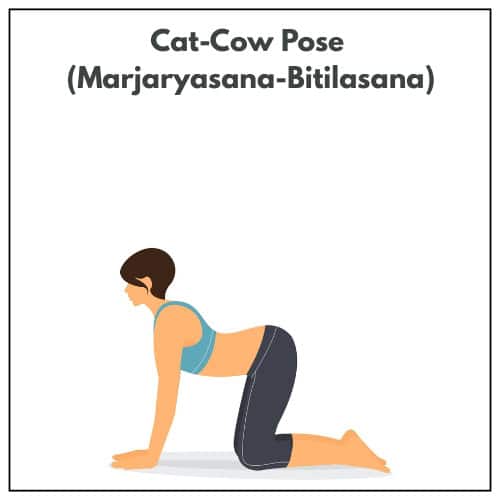
1. Cat-Cow
Why: Loosens the spine, improves mobility, and warms up the back.
How: Alternate arching and rounding your spine while on all fours, moving with your breath.
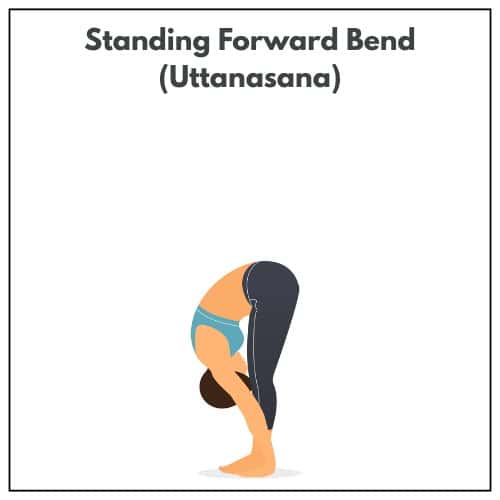
2. Hamstring Stretch
Why: Reduces tightness in the back of the legs, which can improve posture and ease lower back tension.
How: Stand with feet hip-width apart, hinge forward from the hips, and reach toward your toes. Keep a gentle bend in your knees if needed.
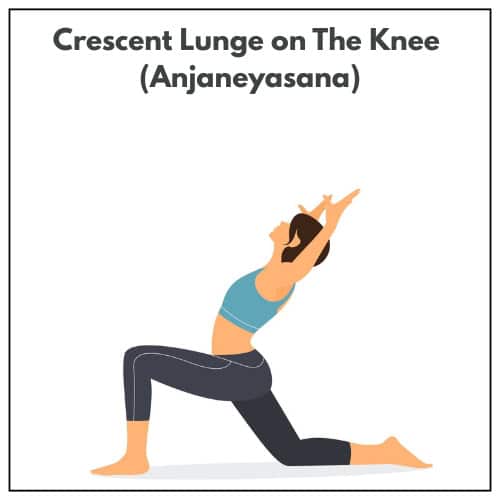
3. Hip Flexor Stretch
Why: Opens tight hip flexors — especially important if you spend lots of time sitting.
How: Step one foot forward into a lunge position, drop your back knee to the floor, and gently press hips forward.
4. Shoulder and Chest Stretch
Why: Opens the chest and shoulders, helping with posture and reducing tension from sitting or typing.
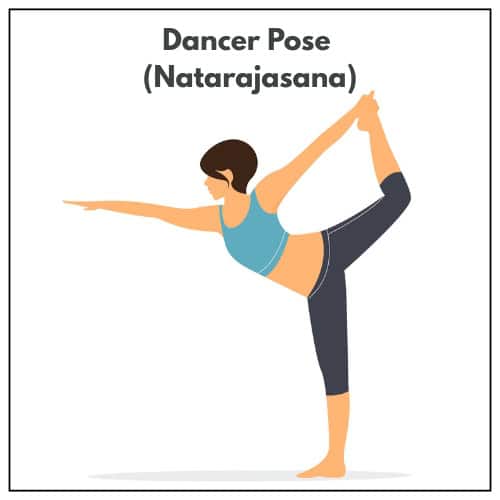
How: Stand tall, reach one arm back and hold your foot or ankle, gently lifting the chest while keeping shoulders relaxed.
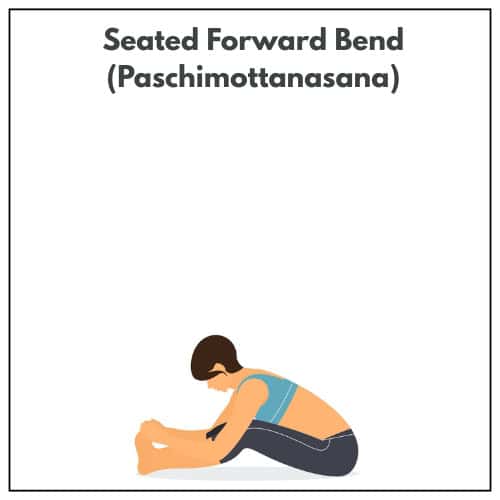
5. Seated Forward Fold
Why: Improves flexibility in the hamstrings and spine, calming the nervous system at the same time.
How: Sit with legs extended, hinge at your hips, and reach forward toward your toes, keeping your spine long.
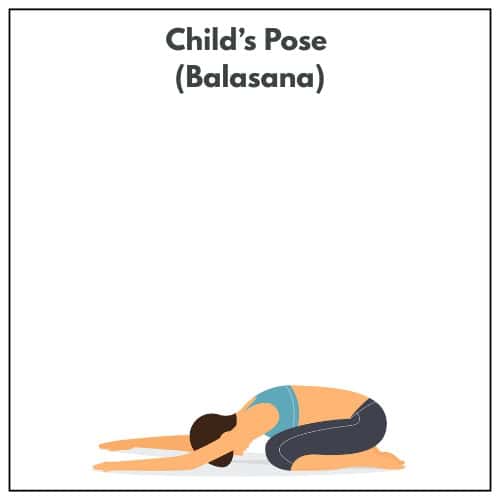
6. Child’s Pose
Why: Restorative stretch that relaxes the back, hips, and shoulders.
How: Kneel on the floor, sit back on your heels, and fold forward, reaching your arms out in front or alongside your body.
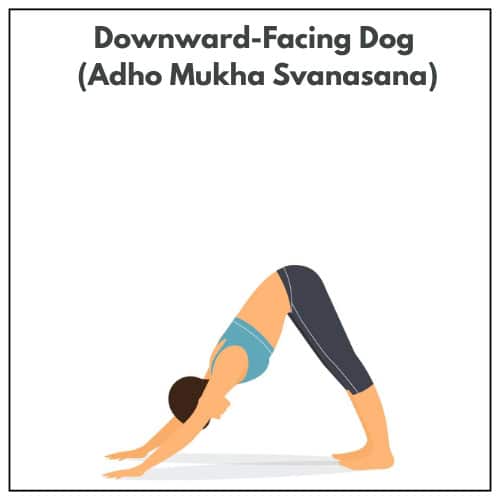
7. Downward Dog
Why: Full-body stretch that improves overall flexibility and mobility, especially in shoulders, hamstrings, and calves.
How: From all fours, lift your hips up and back to form an inverted V. Keep your spine long and press heels toward the floor.
Sample Flexibility Routine (10 minutes)
Adding a short flexibility session to your exercise routines can make a huge difference in how your body moves, recovers, and feels after workouts.
Here’s a simple 10-minute routine you can do after any workout or even on rest days:
- Cat-Cow: 1 minute – Gently arch and round your spine, syncing movement with your breath to loosen your back.
- Downward Dog: 1 minute – Lift hips up and back, stretching hamstrings, calves, and shoulders while lengthening your spine.
- Hip Flexor Stretch: 1 minute per side – Step one foot forward, drop your back knee, and press hips forward to open tight hip flexors.
- Hamstring Stretch: 1 minute per side – Stand tall, hinge forward from the hips, and reach toward your toes for a deep hamstring stretch.
- Chest Stretch: 1 minute – Stand tall and reach arms back or into Dancer Pose, opening your chest and shoulders.
- Child’s Pose: 2 minutes – Fold forward onto your heels, arms extended or relaxed at your sides, to relax your body and calm the nervous system.
This short routine is perfect to improve mobility, reduce stiffness, and aid recovery. Doing it consistently after strength or cardio sessions will help you move better, feel lighter, and keep your joints and muscles healthy.
How to Combine Strength, Cardio, and Flexibility
A great fitness routine isn’t about working out intensely every single day. The secret is variety, balance, and consistency. By mixing strength, cardio, and flexibility, you’ll build a strong, resilient, and mobile body — without burning out.
Here’s a simple way to structure your exercise routines each week based on your experience level:
Sample Weekly Routine (Beginner)
- Monday: Full-body strength training
- Tuesday: Cardio (20–30 minutes brisk walking or cycling)
- Wednesday: Flexibility or yoga (20 minutes)
- Thursday: Strength training
- Friday: Cardio (HIIT or steady-state)
- Saturday: Light stretching or yoga
- Sunday: Rest and recovery
This schedule gives you a balance of all three exercise types, while keeping workouts manageable and sustainable.
Sample Weekly Routine (Intermediate)
- Monday: Upper-body strength training
- Tuesday: Cardio (running or cycling)
- Wednesday: Lower-body strength training
- Thursday: Yoga or mobility work
- Friday: HIIT session
- Saturday: Full-body strength or a long walk
- Sunday: Rest or light stretching
At this level, you can start tailoring intensity, volume, and exercise selection to your goals while still maintaining variety.
Tips for Staying Motivated
Staying consistent with your exercise routines can sometimes be the hardest part of fitness — even if you love working out. These simple strategies will help you stay on track and make progress without feeling overwhelmed:
1. Set Clear, Achievable Goals
Having concrete goals keeps you focused and gives your workouts purpose.
Start small and build up:
- Walk 30 minutes a day
- Complete 3 workouts per week
- Increase your weights every 2–3 weeks
For making your goals actually stick, having a place to write them down and track progress can be incredibly motivating. The Life & Apples Wellness Journal Planner, available on Amazon, is a great tool to support that.
This planner gives you dedicated space to log workouts, set targets like “walk 30 minutes a day” or “complete 3 workouts per week,” and track improvements like increasing your weights every few weeks. There’s something powerful about seeing your progress in black and white — it turns intentions into action and keeps your exercise routines feeling purposeful rather than scattered.
Whether jotting down how you felt after a workout, planning your week, or celebrating small wins, a wellness planner turns your goals into a roadmap you can follow. And when motivation dips, flipping back through it reminds you how far you’ve already come — which is one of the best confidence boosters out there.
2. Track Your Progress
Keeping track of your exercise routines helps you see how far you’ve come — and keeps you motivated to keep going.
Track things like:
- Minutes exercised per session
- Steps taken each day
- Weights used for strength exercises
- Reps and sets completed
Seeing your progress over time — whether it’s lifting heavier, running longer, or moving more efficiently — is a powerful reminder that your effort is paying off. It’s like giving yourself a mini high-five every week!
For tracking your workouts in a way that feels effortless and motivating, a smartwatch can be a game changer. The Apple Watch Series 11 (GPS, 42 mm) Smartwatch, available on Amazon, is a great tool to help you stay on top of your goals.
Instead of manually logging every detail, this watch automatically tracks your minutes exercised, steps taken, and active calories burned. During strength workouts, it can record sets and reps, and while running or cycling, it monitors pace and distance — giving you real data to look back on.
Seeing progress right on your wrist — whether it’s hitting a new move goal, closing your activity rings, or beating yesterday’s best time — gives you that little motivational boost that makes consistency easier.
When your exercise routines become something you can measure and celebrate, it’s easier to stay engaged and keep pushing forward.
3. Choose Activities You Enjoy
You’re far more likely to stick with exercise routines when you actually enjoy them. If you dread your workouts, it’s easy to skip them.
Pick activities that make you feel energized, challenged, or even just happy. Maybe you love brisk walks in nature, dancing around the living room, cycling, swimming, or lifting weights. The more fun you have, the more likely your workouts become a habit rather than a chore.
Think of your fitness routine as something you look forward to, not something you have to force. When you enjoy it, consistency becomes natural.
4. Mix It Up
Variety is key to keeping your exercise routines interesting — and preventing both boredom and plateaus. Rotate different types of workouts throughout the week: mix strength, cardio, and flexibility, or try new exercises, classes, or activities.
Not only does this keep things fun, but it also challenges your body in new ways, helping you get stronger, fitter, and more flexible over time. Think of it as keeping your workouts fresh while making steady progress.
5. Don’t Aim for Perfection
It’s easy to get caught up in doing every workout perfectly, but the truth is consistency beats intensity every time. Even short sessions, light movements, or imperfect days still count toward your progress.
Focus on showing up, moving your body, and sticking with your exercise routines over the long term. Little by little, those consistent efforts add up to big results — and make fitness a sustainable part of your life instead of a source of stress.
6. Rest When Needed
Recovery is just as important as the workouts themselves. Taking a break when your body feels tired or sore helps prevent injury, supports muscle growth, and keeps you energized for future sessions.
Listening to your body and building rest days into your exercise routines isn’t slacking — it’s smart training. Think of rest as part of your plan, not a pause from progress.
Common Mistakes to Avoid
Even with the best intentions, it’s easy to fall into habits that limit your progress or increase your risk of injury. Avoid these common pitfalls to get the most out of your exercise routines:
1. Skipping Warm-Ups and Cooldowns
Jumping straight into a workout or finishing without stretching may save time, but it increases your risk of injury. A proper warm-up prepares your muscles and joints, while a cooldown helps your body recover and reduces soreness.
2. Overtraining
More isn’t always better. Doing too much too often can lead to fatigue, injuries, and burnout. Your muscles need time to recover and grow, so build rest days into your exercise routines and listen to your body.
3. Only Doing Cardio
Cardio is great for your heart and stamina, but skipping strength training can slow your metabolism and limit long-term health benefits. A balanced routine includes both cardio and strength exercises for the best results.
4. Not Prioritizing Form
Using poor technique is one of the fastest ways to injure yourself and slow progress. Focus on proper form in every movement — it’s more important than how many reps or how much weight you lift.
5. Neglecting Flexibility
Tight muscles can cause discomfort, poor posture, and limited range of motion. Incorporating flexibility and mobility exercises into your exercise routines keeps your body moving well and reduces the risk of pain or injury.
6. Not Eating Enough
Your workouts are only part of the equation — your body needs fuel to perform and recover. Not eating enough, particularly protein, can slow muscle growth, reduce energy, and make recovery harder.
Aim for balanced meals that include protein, healthy fats, and carbohydrates to support your exercise routines and overall health.
Final Thoughts
At the end of the day, getting stronger, fitter, and more flexible isn’t about doing everything perfectly or spending hours at the gym. It’s about finding what works for you and making it part of your life.
Start with small, achievable steps. Pick movements you enjoy, listen to your body, and celebrate the little wins — whether that’s holding a plank a few seconds longer, walking a bit faster, or touching your toes in a stretch you couldn’t reach before. Over time, those small victories add up in a big way.
Mixing strength, cardio, and flexibility into your exercise routines isn’t just about building muscles or endurance — it’s about feeling better in your body, moving easier in your day-to-day life, and having more energy to do the things you love.
Remember: progress beats perfection. Some days will be easier, some harder — and that’s okay. What matters most is showing up, doing what you can, and enjoying the journey. Your body, mind, and confidence will thank you for it.
*This article is for informational purposes only and is not intended as medical advice. It should not be used to diagnose, treat, or prevent any health condition. Always consult a qualified healthcare professional before making any changes to your diet, exercise, or health routine.

Malin, the co-founder of Courier Wellness, is well-informed in nutrition and health and brings her own unique perspective to the world of holistic wellness. With a passion for writing and a deep interest in wellbeing, she wants to create content that fosters balance and nourishment for the mind and body.