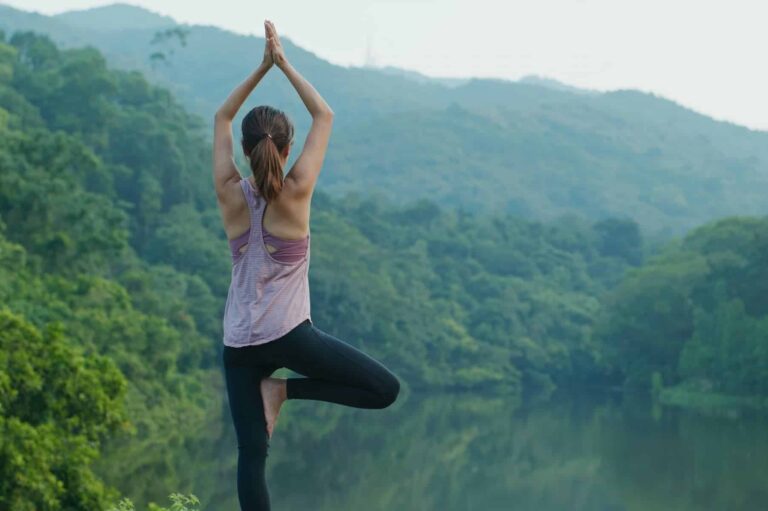
The Ultimate Guide to Exercise for Beginners
This post contains affiliate links, which means we may earn a commission if you purchase through our links—at no extra cost to you. As an Amazon Associate we earn from qualifying purchases. We only recommend products we use or trust. Learn more about affiliate marketing or read our full disclosure.
Starting an exercise routine can feel intimidating, especially if you’re new to fitness. With so many workouts and tips out there, it’s easy to feel overwhelmed.
But don’t worry, you’re not alone in this! This Ultimate Guide to Exercise for Beginners is here to simplify things and help you take that first step toward a healthier, stronger, and more confident you.
Whether your goal is weight loss, strength, flexibility, or simply feeling better, this guide will show you how to get started safely, effectively, and enjoyably.
Important Note: Before starting any new exercise plan, especially if you have a medical condition, injury, or have been inactive, consult a qualified healthcare professional. Always listen to your body and progress at a safe, sustainable pace. Exercise should challenge you — not cause pain.
Ready to begin? Let’s get started!
Why Exercise is Important
Exercise isn’t just about looking good—it’s about feeling good and taking charge of your health.
According to the World Health Organization, physical activity includes any movement that uses energy. So, activities like walking, swimming, dancing, or playing sports all count.

If you’re just starting out, creating a regular exercise routine can be a game-changer, offering you so many incredible benefits:
Boosts Your Physical Health
Exercise is like a supercharger for your body.
Research shows it strengthens your heart, muscles, and bones, and it can help reduce the risk of serious health issues like diabetes, high blood pressure, and heart disease.
Elevates Your Mental Health
When you move, your body releases endorphins—those “feel-good” chemicals that help reduce stress, anxiety, and even depression.
Plus, regular exercise helps clear your mind, leaving you with more mental clarity and focus.
Increases Your Energy
Feeling sluggish?
Exercise improves blood flow and oxygen circulation, so you’ll feel more energized throughout the day. It’s like hitting the reset button for your energy levels!
Supports Weight Management
If weight loss or maintenance is part of your goal, exercise is key. Combined with a balanced diet, it helps burn calories, build muscle, and keep your weight in check.
Improves Your Sleep
Struggling with sleep?
Regular exercise can help you fall asleep faster, sleep longer, and feel more rested.
Moderate activities like walking, strength training, yoga, or cycling reduce stress and support your body’s natural sleep rhythm.
💡 Tip: Exercise earlier in the day for better sleep, and avoid intense workouts late at night.
For beginners, knowing why exercise matters can be the motivation you need to stick with it. Once you start feeling the physical and mental benefits, it becomes easier to keep going.
RELATED POST: Fitness & Healthy Lifestyle: Simple Workouts for Lasting Wellness
Getting Started: Setting Realistic Goals
One of the most common mistakes beginners make is setting goals that are just too big right out of the gate. Trust me, it’s tempting to go all in, but it’s important to start slow and set goals that are actually achievable.
Here’s how to do it:
Define Your Goals
What do you want to achieve?
Whether it’s weight loss, building strength, improving flexibility, or just getting healthier overall, knowing exactly what you’re working toward helps you pick the right exercises and stay focused.
Set SMART Goals
Ever heard of SMART goals?
They’re a great way to make your goals clear and achievable. SMART stands for Specific, Measurable, Achievable, Relevant, and Time-bound.
For example: “I will walk for 20 minutes, 3 times a week, for the next month.” It’s clear, measurable, and has a set timeframe—perfect for staying on track.
Track Your Progress
It’s easy to forget how far you’ve come if you don’t track your progress.
Whether you’re journaling or using a fitness app, keeping tabs on your workouts, progress, and how you’re feeling can really keep you motivated.
If you’re someone who likes writing things down and seeing everything in one place, a wellness planner can be really helpful. A great option is the Legend Wellness Planner & Food Journal (available on Amazon).
It lasts six months and makes tracking feel simple instead of overwhelming. You can log your workouts, meals, water intake, body measurements, and even how you’re feeling day to day.
It’s especially great for beginners because it helps you notice patterns, stay motivated, and actually see your progress over time.
Be Patient with Yourself
Fitness isn’t an overnight transformation. It’s a journey, and progress takes time. Don’t get discouraged if you don’t see huge changes right away.
Celebrate the small wins (like sticking to your workout plan for a week!) and keep going. Consistency is key.
Essential Tips for Beginners
Starting an exercise routine is about more than just choosing a workout—it’s about setting yourself up for success.
Here are some key tips to keep in mind as you get started:
Start Slow
You don’t need to jump into intense workouts right away. Take your time and ease into it.
Start with shorter sessions and lower intensity, then gradually increase as your fitness improves. This will help you avoid burnout and stay motivated.
Focus on Form
Proper form is everything. It may be tempting to try more challenging exercises or lift heavier weights, but if your form is off, you’re more likely to hurt yourself and miss out on the full benefits.
Take the time to learn the right techniques for each movement.
Mix It Up
Doing the same workout every day can get boring, and it doesn’t challenge all of your muscles. Mix things up!
Include a variety of exercises in your routine—strength training, cardio, and flexibility work—to keep things interesting and engage different muscle groups.
Stay Hydrated
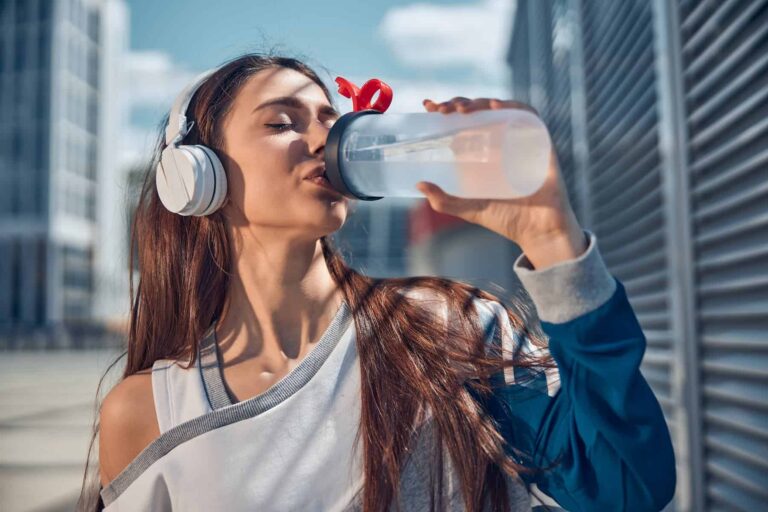
Water is your workout buddy! Make sure you’re drinking enough before, during, and after your workouts.
Proper hydration helps with performance and recovery—but let’s be honest, staying hydrated is a lot easier when you actually enjoy your water bottle.
That’s why something like the Hydro Flask water bottle, (available on Amazon) is such a great option. It keeps water cold all day—seriously, up to 24 hours—so it’s way more tempting to sip throughout workouts and daily errands.
The straw lid makes quick, one-handed drinks a breeze, and it doesn’t leak, so you can toss it in your bag without a second thought.
It’s sturdy, easy to clean, and just one of those small upgrades that makes healthy habits feel a little easier.
Listen to Your Body
Your body will tell you what it needs. A little fatigue and muscle soreness are normal, especially in the beginning. But if you feel sharp pain, that’s a signal to stop and rest.
Don’t push through pain—your body needs time to recover.
Rest and Recover
Rest is just as important as the workout itself. Your muscles need time to repair and rebuild, especially when you’re just starting out.
Aim for at least one full rest day each week to let your body recover and prevent overtraining.
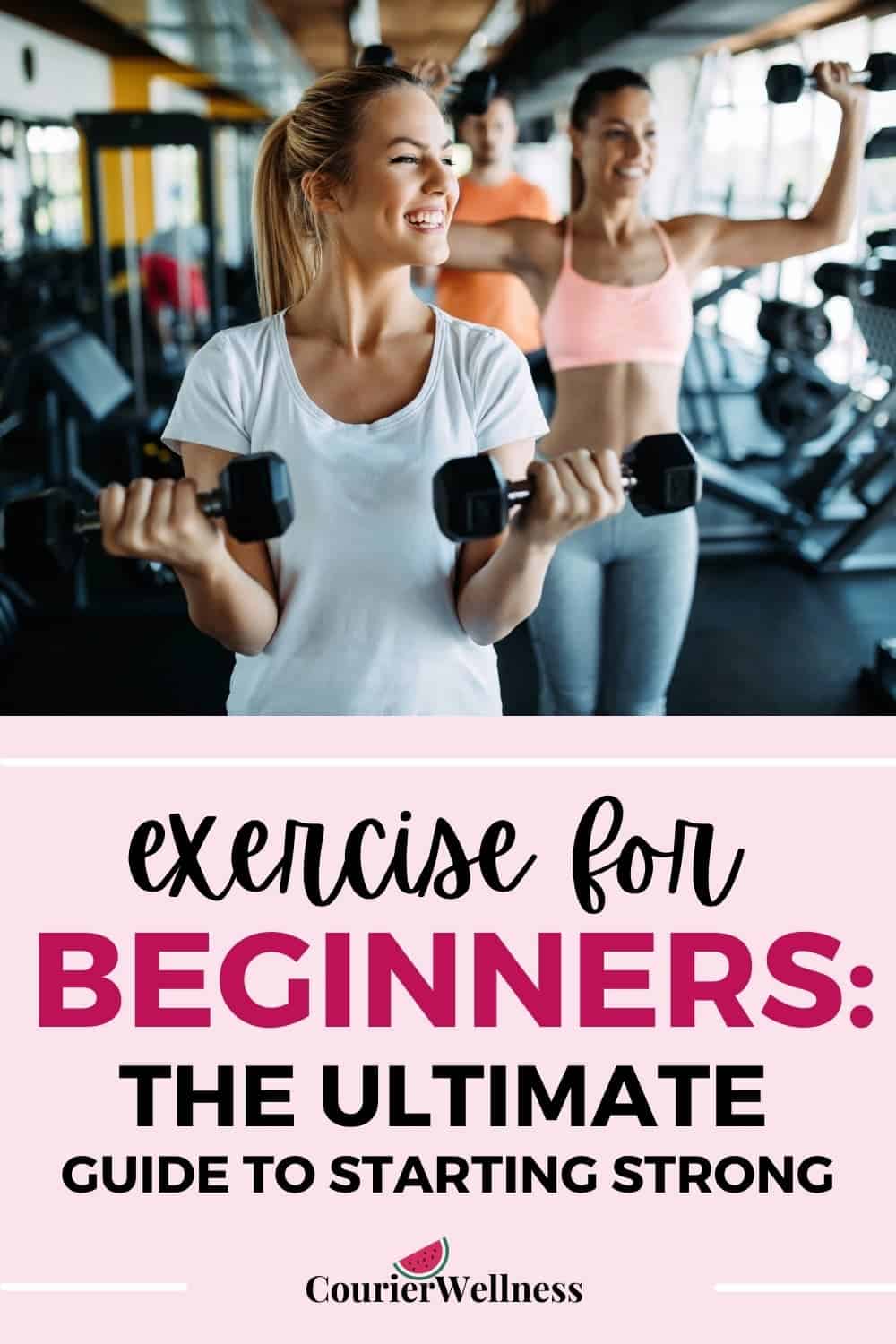
Types of Exercise for Beginners
A well-rounded fitness routine includes cardio, strength training, and flexibility exercises.
1. Cardiovascular Exercise
Cardio workouts are all about getting your heart pumping and improving your overall cardiovascular health. They help burn calories, boost endurance, and leave you feeling more energized.
Here are some great options to try:
Walking
It’s simple, low-impact, and perfect for almost everyone. Whether you’re walking around your neighborhood or taking the stairs, walking is a great way to get moving without overwhelming your body.
Even a brisk 30-minute walk most days of the week can make a real difference in your health.
Walking regularly has many health benefits:
- Supports heart and lung health
- Helps manage blood sugar
- Improves mental well-being
- Promotes better sleep
Over time, it can reduce the risk of age-related diseases and contribute to healthy aging.
Cycling
Hop on a bike, and you’re not just having fun—you’re building leg strength and boosting your stamina.
Cycling is a fantastic cardio workout that’s easy on the joints and can help improve heart health, lower the risk of type 2 diabetes, and boost mental well-being.
Even better?
Swapping short car trips for bike rides is great for both your health and the environment.
Swimming
A full-body workout that’s easy on the joints. Swimming is a great choice if you’re looking for a low-impact cardio exercise that targets multiple muscle groups.
It also helps improve heart and lung health, strengthens muscles, and can support better posture and overall fitness.
Because it’s gentle on your joints, it’s ideal for beginners or anyone looking for a safe, effective way to stay active.
Jogging or Running
If you’re looking to really challenge yourself and burn calories, jogging or running is an effective way to do it.
Even small amounts of running have been linked to longer life and lower risk of chronic diseases, making it a powerful way to support your health.
If you’re just starting out, try alternating between jogging and walking in intervals to build stamina gradually.
💡 Tip: If you’re new to cardio, start with just 15–20 minutes of exercise, three times a week, and gradually increase the duration as you get more comfortable.
Consistency is key—before you know it, you’ll be feeling the benefits!
2. Strength Training
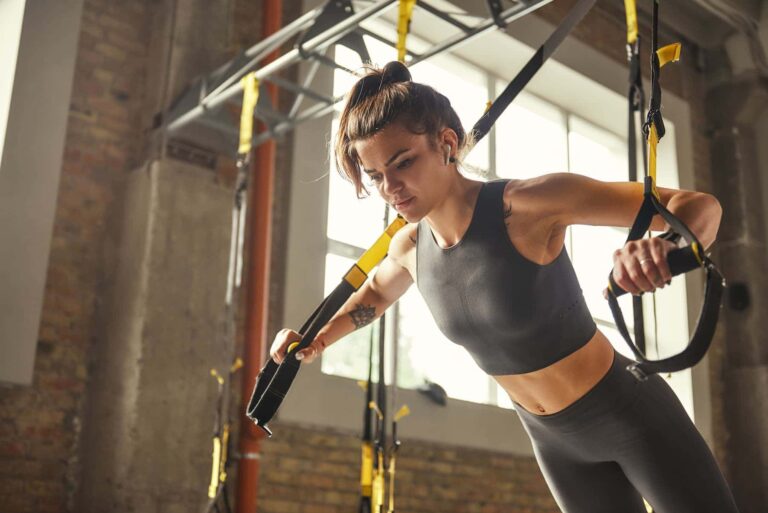
Strength training is a game-changer for building muscle, boosting metabolism, and strengthening bones. For beginners, starting with the right exercises is key.
Here are some excellent options to get you started:
Bodyweight Exercises
Push-ups, squats, lunges, and planks are all great for building foundational strength. They don’t require equipment, so they’re perfect for working out at home.
Resistance Bands
If you’re looking to add some strength training at home or on the go, resistance bands are a game-changer.
The Vergali 4 Fabric Resistance Bands (available on Amazon) are super versatile—you can use them for glute bridges, leg lifts, or just to add a bit of extra resistance to your bodyweight exercises.
They’re gentle on your joints, which makes them perfect for beginners, but sturdy enough to challenge more experienced users too.
The non-slip fabric keeps them in place while you move, and you get four resistance levels, so you can start light and gradually build up.
Dumbbells or Free Weights
Start with light dumbbells, like those in the HolaHatha Neoprene Dumbbell Free Hand Weight Set with Rack, (available on Amazon). These are easy to grip and come with a convenient rack for storage.
Gradually increase the weight as you get stronger. Free weights are great for building muscle, and they help improve your balance and coordination.
Machines at the Gym
Gym machines provide guided movements that are easy to follow and can help reduce the risk of injury.
If you’re unsure about using free weights, machines are a solid option as you start building your strength.
💡 Tip: Aim for 2–3 strength training sessions per week, making sure to allow at least one day of rest between sessions for muscle recovery. This way, you can avoid overtraining and allow your muscles to repair and grow stronger.
3. Flexibility and Mobility
Flexibility exercises are essential for improving your range of motion, reducing muscle tension, and preventing injuries.
Here are some beginner-friendly options to help you stay limber:
Stretching
Take a few minutes to stretch your major muscle groups after workouts. Focus on areas that tend to get tight, like your hamstrings, hips, and shoulders.
Stretching helps relax your muscles, improve flexibility, and maintain healthy joints over time.
It can also support better movement, reduce stiffness, and may even help prevent injuries as your body adapts to exercise.
💡 Tip: Dedicate 10–15 minutes per day to stretching, especially after your cardio or strength sessions.
Yoga
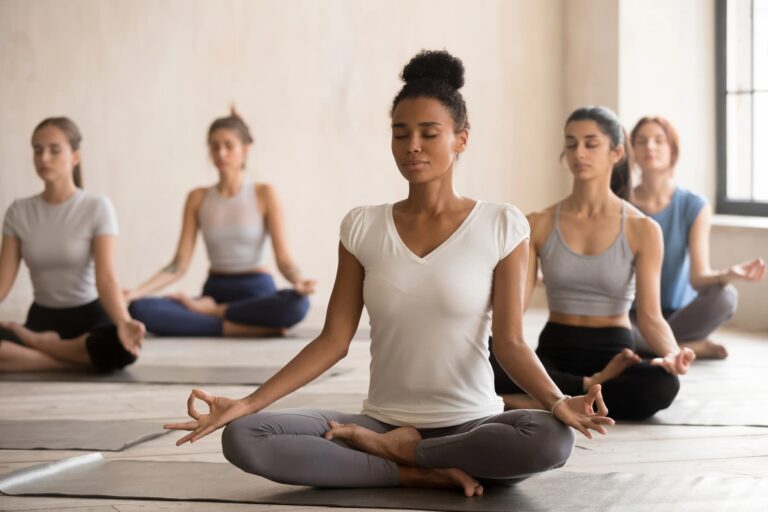
Yoga is a fantastic way to enhance flexibility, improve balance, and cultivate mindfulness.
It’s a low-impact way to work on both your body and mind, making it perfect for beginners looking to build strength and flexibility in a balanced way.
If you’re starting out, having a good mat can really help with proper form. The Liforme Printed Travel Yoga Mat (available on Amazon) has helpful alignment guides so you know where to place your hands and feet, which makes learning poses feel a lot more comfortable.
It’s non-slip, supportive, and stays put—even during sweatier sessions. Plus, the included yoga bag makes it easy to store or take with you on the go.
Pilates
Pilates focuses on core strength, posture, and controlled movements.
Research shows it’s especially helpful for improving body awareness, flexibility, and overall mobility while strengthening the muscles that support your spine.
I do Pilates once a week and find it very useful for improving posture, balance, and core stability. It’s a great option if you sit a lot or want to move more comfortably in daily life.
Because the movements are controlled and low-impact, Pilates can be beginner-friendly if you modify based on your fitness level.
💡 Personal Tip: In Pilates, the goal is to keep your spine and pelvis in a neutral position. If your core isn’t strong enough yet, maintaining that alignment can be challenging.
That’s why it’s perfectly okay to make the movements smaller at first—this helps prevent arching your lower back and reduces the risk of injury. I still modify certain exercises myself, and that’s part of building strength safely over time.
Creating a Beginner-Friendly Workout Plan
A balanced workout plan doesn’t have to be complicated—and it definitely doesn’t have to be perfect. This is just an example to show how you can mix cardio, strength, flexibility, and rest throughout the week.
If you’re brand new to exercise, starting small is the key.
Here’s a simple 3-day starter plan to help you get moving, build confidence, and establish a consistent routine:
|
Day |
Workout |
|---|---|
|
Monday |
15–20 minutes of brisk walking, followed by 5–10 minutes of stretching. |
|
Wednesday |
Bodyweight strength exercises: squats, modified push-ups, lunges, or planks. Keep it light and focus on form. |
|
Friday |
Low-impact cardio: cycling, jogging, or an easy dance workout for 15–20 minutes. Follow with gentle stretching. |
💡 Tip: Take Tuesday, Thursday, Saturday, and Sunday as rest or light activity days (like casual walking or yoga). Focus on consistency and gradually add more days or time as you feel stronger.
Moving to a Full Weekly Plan
Once you feel comfortable with the starter plan, you can progress to a full 7-day weekly plan.
This gives you a balance of cardio, strength, flexibility, and rest each day, while still keeping things manageable:
|
Day |
Workout |
|---|---|
|
Monday |
20 minutes of brisk walking, followed by 10 minutes of stretching. |
|
Tuesday |
Bodyweight strength exercises like push-ups, squats, lunges, and planks. |
|
Wednesday |
Rest day or light yoga to stretch and recover. |
|
Thursday |
20–30 minutes of cycling or jogging. Beginners can alternate walking and jogging. |
|
Friday |
Strength training with resistance bands or light weights (bicep curls, shoulder presses, squats). |
|
Saturday |
Yoga or Pilates to improve flexibility, balance, and mobility. |
|
Sunday |
Rest and recovery day. |
💡 Tip: You don’t have to do every workout perfectly. Pick the days and exercises that work best for you, listen to your body, and build gradually. Consistency matters more than perfection!
Staying Motivated as a Beginner
Staying motivated can be the toughest part of starting an exercise routine, but it doesn’t have to be!
Here are some tips to keep your motivation high:
Set Achievable Milestones
Fitness is a journey, and it’s important to celebrate small victories along the way.
Whether it’s completing your first full week of workouts or hitting a personal best in your walk or run, each milestone is worth celebrating.
These little wins keep you focused and remind you of how far you’ve come!
Workout with a Friend
Accountability is a game-changer. Having a workout buddy makes sticking to a routine much easier, plus it’s more fun! You’ll have someone to cheer you on, and you’ll be less likely to skip your workout.
Mix It Up
Doing the same thing every day can get boring—and when things get boring, motivation fades. Keep things fresh by trying different activities.
One day you might go for a walk, and the next, try a yoga class or a strength workout. Variety helps you stay engaged and challenges different muscle groups.
Track Your Progress
Progress doesn’t always happen overnight, but it’s easier to stay motivated when you see how far you’ve come.
Whether you’re keeping a journal or using an app, tracking your workouts and progress will show you tangible improvements, which can be incredibly motivating.
Reward Yourself
Hitting your goals is cause for celebration! Think about treating yourself to something that’ll keep you on track—like a new pair of workout shoes, a fun fitness class, or a relaxing massage after a week of hard work.
💡 Tip: Motivation ebbs and flows, but consistency will get you to where you want to be. Keep your eyes on the small wins, and remember—every workout counts, no matter how small it may seem at the time!
Common Mistakes Beginners Make
We all make mistakes, especially when we’re starting something new.
But avoiding a few common missteps can help you stay on track, prevent injuries, and make your fitness journey more enjoyable:
1. Skipping Warm-Up and Cool-Down
Warming up for 5–10 minutes before your workout helps get your muscles ready, increases your range of motion, and reduces your risk of injury.
Dynamic stretches — like leg swings, arm circles, or light jogging in place — are especially effective because they prepare your muscles and joints for movement and can even improve your performance.
Cooling down afterward is just as important. Gentle stretches or slow walking help your muscles recover, maintain flexibility, and prevent stiffness.
💡 Tip: Avoid static stretches (holding a stretch for a long time) right before high-intensity movements like jumping or sprinting — save these for after your workout when your muscles are warm.
2. Focusing Only on Cardio
Cardio is great for burning calories and boosting your heart health, but don’t forget about strength training!
Building muscle is just as important for increasing metabolism, improving posture, and preventing injury.
Aim for a balanced routine with both cardio and strength training.
3. Comparing Yourself to Others
It’s easy to look at others and think you should be at the same level, but remember, everyone has their own pace. Your fitness journey is yours alone—don’t rush it!
Focus on your progress, celebrate your wins, and trust that consistency will lead to results.
4. Overtraining
Doing too much too soon can leave you feeling burnt out or even lead to injury. Start slow and listen to your body.
Rest days are just as important as workout days, so don’t be afraid to take a break when you need it.
5. Ignoring Nutrition
Exercise is a huge part of getting fit, but nutrition plays a big role too. You won’t get the best results if you’re not fueling your body properly.
Eating a balanced diet with plenty of whole foods will support your workouts and help you feel your best.
Nutrition Tips for Exercise Beginners
What you eat is just as important as the workouts themselves—nutrition fuels your body and helps it recover.
Here are some key tips to keep you on track:
Eat a Balanced Diet
A well-rounded diet is essential for fueling your workouts and supporting overall health.
Aim to include a good mix of protein, complex carbs, healthy fats, and lots of fruits and vegetables.
Think lean proteins (like chicken, tofu, or beans), whole grains, and healthy fats (like avocados and nuts) to keep you energized.
Pre-Workout Snacks
A light snack about 30–60 minutes before exercise can give you an energy boost and help you power through your workout.
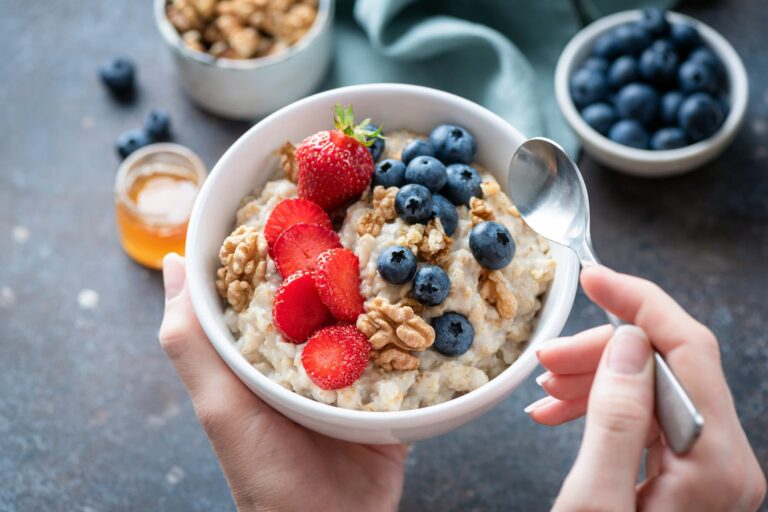
Options like a banana, yogurt, or a handful of nuts are perfect for providing that quick, healthy fuel to keep you going.
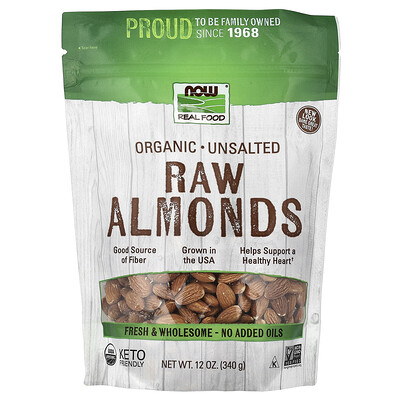
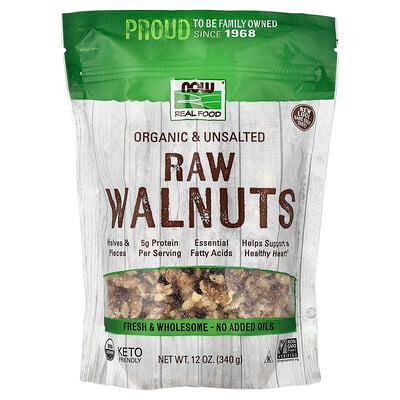
If you want something organic, unsalted, and minimally processed, try NOW Foods Organic Raw Almonds or NOW Foods Raw Walnuts, (available on iHerb.com). You get all the natural goodness without any additives.
They’re packed with healthy fats, plant-based protein, fiber, and nutrients, which makes them perfect for snacking before a workout.
Post-Workout Recovery
After your workout, your body needs protein to repair muscles and aid recovery. Go for a protein-rich meal like eggs, chicken, tofu, or a smoothie with protein powder.
This helps your muscles rebuild stronger and recover faster.
Stay Hydrated
Water is essential for performance and recovery. Make sure you’re drinking enough before, during, and after your workout.
Hydration helps regulate body temperature, keeps your joints lubricated, and supports overall performance.
Recommended Apps and Tools for Beginners
Technology can be a game-changer when it comes to starting and tracking your exercise routine.
Here are some beginner-friendly tools that can help you stay on track and make your fitness journey more enjoyable:
Fitness Apps
If you’re looking for guided workouts that fit your level, apps like MyFitnessPal, Nike Training Club, and FitOn are excellent choices.
These apps offer a variety of workouts for cardio, strength, flexibility, and more—perfect for beginners who want to get started with structured routines.
Activity Trackers
Want to keep tabs on your steps, calories, heart rate, or even your sleep?
The Apple Watch Series 11 [GPS 42mm] Smartwatch (available on Amazon) is a stylish and super functional option.
It’s like having a fitness coach on your wrist—you can track your workouts, monitor your heart rate, check your sleep quality, and even get notifications if something seems off with your blood pressure or heart rhythm.
It syncs seamlessly with other fitness apps, so everything is in one place, whether you’re walking, running, or doing strength training.
Plus, it’s lightweight and comfortable enough to wear all day (and night), so you can track your activity 24/7.
YouTube Channels
If you prefer free guided workouts, YouTube is a treasure trove of fitness content. Channels like Blogilates, MonikaFit, and Yoga with Kassandra offer beginner-friendly videos for everything from cardio and strength to yoga and Pilates.
The best part?
You can follow along at your own pace from the comfort of home.
Final Thoughts
Starting an exercise routine as a beginner may feel overwhelming at first, but remember, every step you take is progress.
The most important thing is to start where you are, be consistent, and keep moving forward—no matter how small the steps may seem.
Whether you’re focusing on building strength, improving flexibility, or boosting your endurance, the key is balance.
Mix up your workouts, set realistic goals, and most importantly, listen to your body. Celebrate your victories—big and small—and don’t be too hard on yourself when things don’t go perfectly.
Fitness is a journey, not a destination, and every effort you make is a step closer to a healthier, stronger you.
You’ve got this! Keep your motivation high, track your progress, and remember that consistency is the secret to success.
*This article is for informational purposes only and is not intended as medical advice. It should not be used to diagnose, treat, or prevent any health condition. Always consult a qualified healthcare professional before making any changes to your diet, exercise, or health routine.
Esteban-García, Paula, et al. “Does the Inclusion of Static or Dynamic Stretching in the Warm-Up Routine Improve Jump Height and ROM in Physically Active Individuals? A Systematic Review with Meta-Analysis.” Applied Sciences, vol. 14, no. 9, 2024, article 3872, https://doi.org/10.3390/app14093872. Adapted and used under the terms of the Creative Commons Attribution 4.0 International License.
Ferreira, Francisco A et al. “Effects of Swimming Exercise on Early Adolescents' Physical Conditioning and Physical Health: A Systematic Review.” Journal of functional morphology and kinesiology vol. 9,3 158. 4 Sep. 2024, doi:10.3390/jfmk9030158. Adapted and used under the terms of the Creative Commons Attribution 4.0 International License.
Lee, Duck-Chul et al. “Running as a Key Lifestyle Medicine for Longevity.” Progress in cardiovascular diseases vol. 60,1 (2017): 45-55. doi:10.1016/j.pcad.2017.03.005. Abstract only.
Li, Fangyi et al. “Effects of Pilates on Body Posture: A Systematic Review.” Archives of rehabilitation research and clinical translation vol. 6,3 100345. 21 May. 2024, doi:10.1016/j.arrct.2024.100345. Adapted and used under the terms of the Creative Commons Attribution 4.0 International License.
Logan, Greig et al. “Benefits, risks, barriers, and facilitators to cycling: a narrative review.” Frontiers in sports and active living vol. 5 1168357. 19 Sep. 2023, doi:10.3389/fspor.2023.1168357. Adapted and used under the terms of the Creative Commons Attribution 4.0 International License.
"Physical Activity." World Health Organization, https://www.who.int/health-topics/physical-activity. Accessed 13 December 2025.
Posadzki, Paulina, et al. “Exercise/Physical Activity and Health Outcomes: An Overview of Cochrane Systematic Reviews.” BMC Public Health, vol. 20, no. 1, 2020, article 1724, https://doi.org/10.1186/s12889-020-09855-3. Adapted and used under the terms of the Creative Commons Attribution 4.0 International License.
Ungvari, Zoltan et al. “The multifaceted benefits of walking for healthy aging: from Blue Zones to molecular mechanisms.” GeroScience vol. 45,6 (2023): 3211-3239. doi:10.1007/s11357-023-00873-8. Adapted and used under the terms of the Creative Commons Attribution 4.0 International License.
Zvetkova, Elissaveta, et al. “Biomechanical, Healing and Therapeutic Effects of Stretching: A Comprehensive Review.” Applied Sciences, vol. 13, no. 15, 2023, article 8596, https://doi.org/10.3390/app13158596. Adapted and used under the terms of the Creative Commons Attribution 4.0 International License.

Malin, the co-founder of Courier Wellness, is well-informed in nutrition and health and brings her own unique perspective to the world of holistic wellness. With a passion for writing and a deep interest in wellbeing, she wants to create content that fosters balance and nourishment for the mind and body.