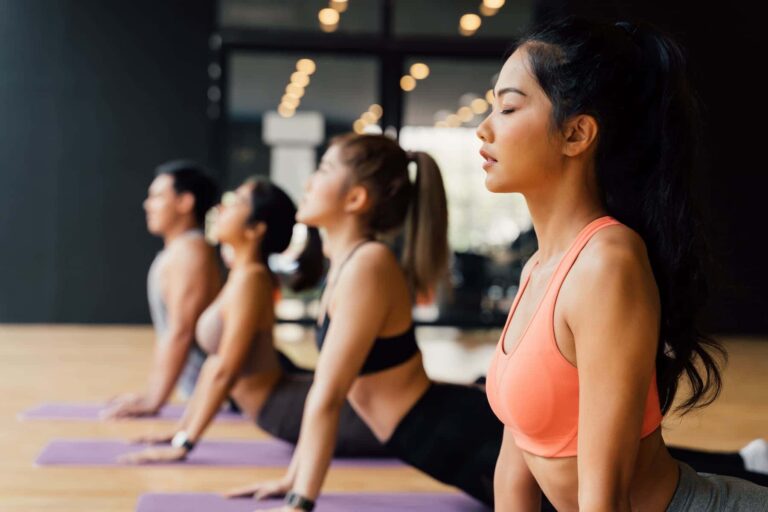
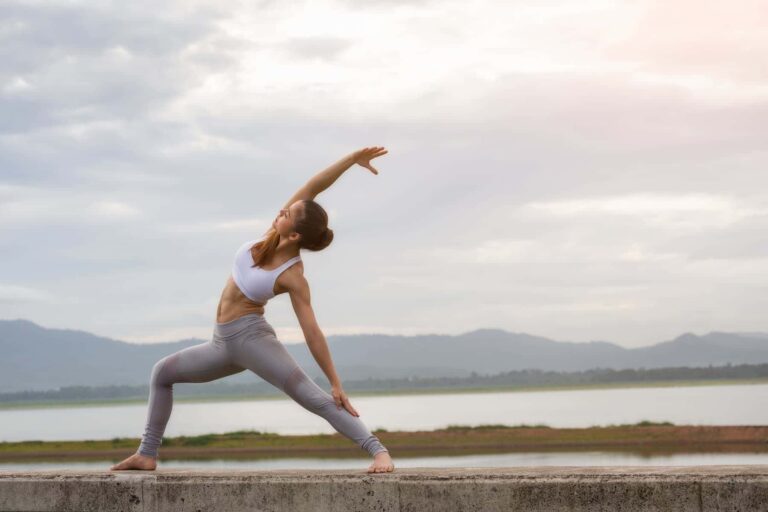
Yoga Made Simple: The Ultimate Guide to Poses, Breathing, and Mindfulness
This post contains affiliate links, which means we may earn a commission if you purchase through our links—at no extra cost to you. As an Amazon Associate we earn from qualifying purchases. We only recommend products we use or trust. Learn more about affiliate marketing or read our full disclosure.
Yoga has become one of the easiest and most rewarding ways to care for your body and mind.
Maybe it’s your first time stepping onto a mat, or perhaps you’re coming back after a long break—either way, yoga is an invitation to slow down, tune in to your body, and give your mind a little peace.
In this guide, we’ll break yoga into its simplest parts: poses, breathing, and mindfulness. By the end, you’ll feel ready to start—or deepen—your practice with confidence and ease.
Important Note: Before starting any new yoga practice, especially if you have a medical condition, injury, or have been inactive, consult a qualified healthcare professional. Always listen to your body and move at a safe, comfortable pace. Yoga should challenge you gently — not cause pain.
Ready? Let’s dive in!
What Is Yoga—and Why Is It So Effective?
Before we jump into poses and breathing exercises, it helps to pause and understand what yoga really is. You might think of yoga as just stretching or exercise, but it’s so much more than that.
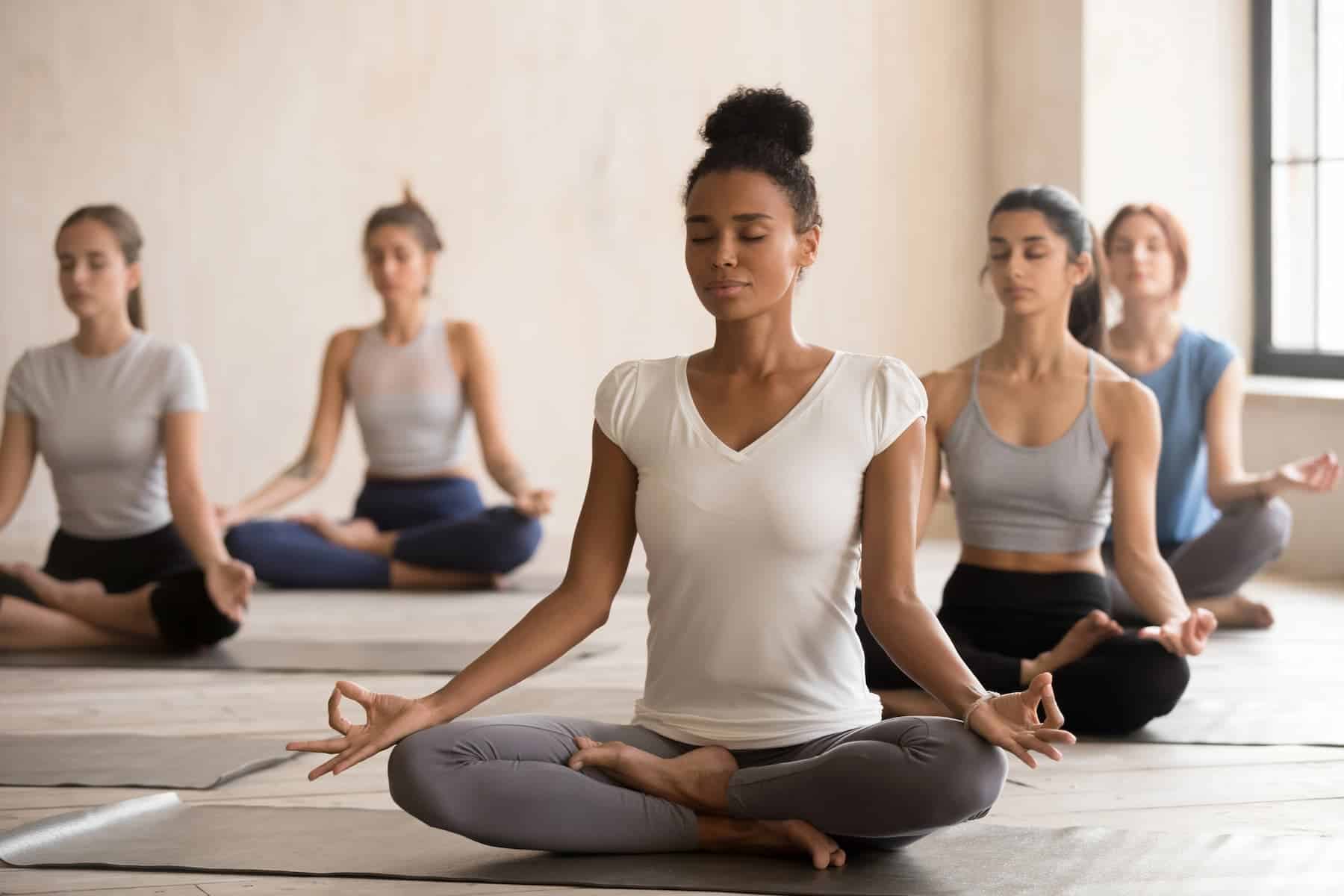
The word “yoga” comes from the Sanskrit root yuj, which means “to unite.” And that’s exactly what yoga does—it brings your body, breath, and mind together.
When these three work in harmony, you can experience not just physical strength, but mental clarity and emotional balance too.
Yoga works on three key levels:
- The body: activating muscles, stretching, and improving balance
- The breath: practicing mindful breathing to calm your nervous system
- The mind: building focus, self-awareness, and a sense of calm through meditation
No matter your goal—whether it’s getting stronger, reducing stress, improving flexibility, or just feeling a little more centered—yoga offers tools that meet you where you are.
And the best part?
You can adapt it to fit your body, your schedule, and your life.
Benefits of a Simple Yoga Practice
You don’t need complicated poses or hours on the mat to feel the benefits of yoga. Even just 10–20 minutes a day of simple practice can make a noticeable difference in how your body and mind feel.
Using a comfortable mat can make a big difference too—for example, something like the Liforme Printed Yoga Mat with free Yoga Bag, (available on Amazon) provides great grip, subtle alignment guides, and enough cushioning so you feel supported through your whole session.
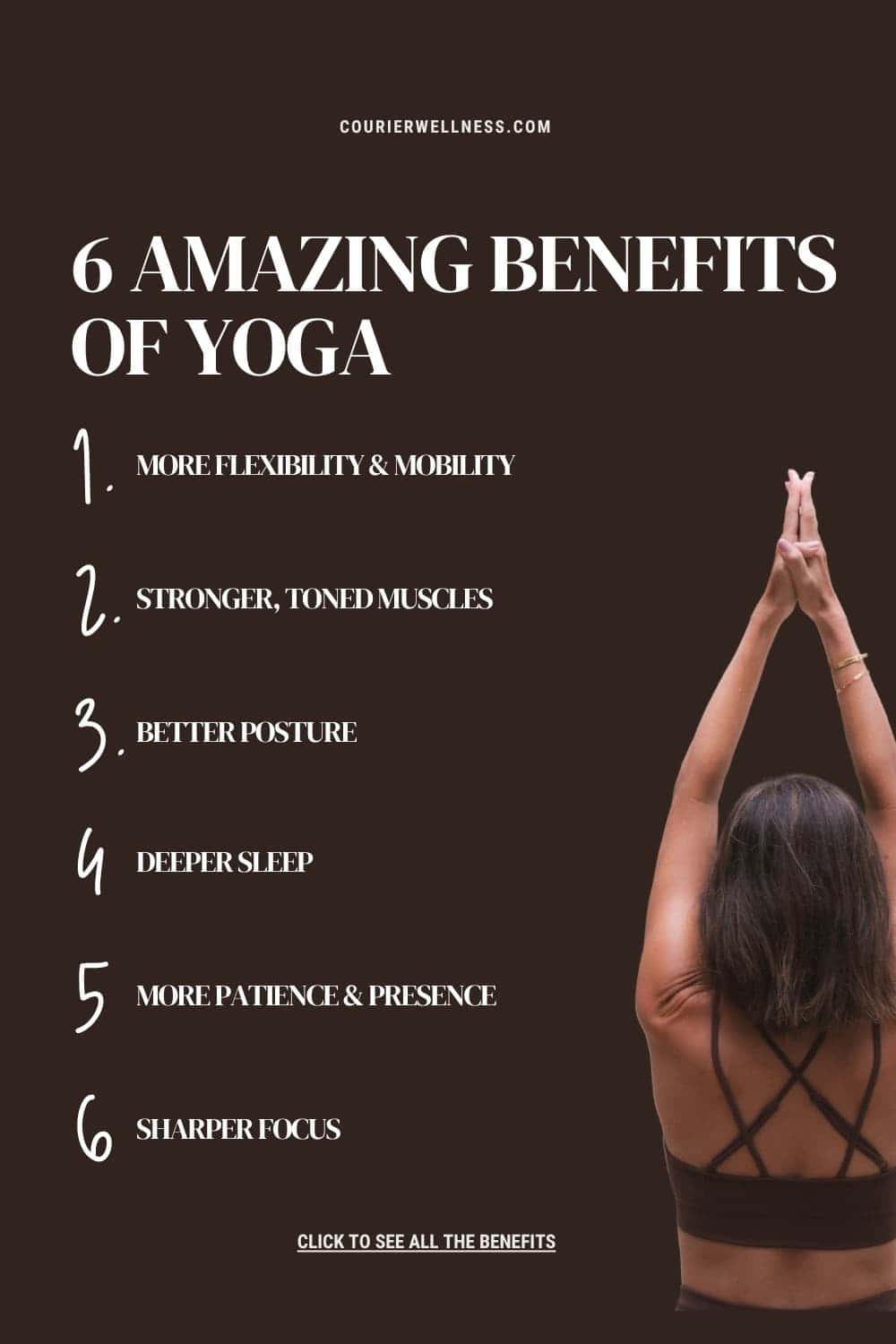
Physical Benefits of Yoga:
- Improved flexibility and mobility – gently move your body and feel stiffness melt away
- Better posture – yoga helps you stand and sit taller with ease
- Increased muscle strength and tone – build strength without heavy equipment
- Enhanced balance and coordination – feel steadier in everyday movements
- Reduced aches, tension, and stiffness – a few mindful stretches can soothe tight muscles
- Better circulation and energy flow – leaving you feeling more energized and alive
Mental and Emotional Benefits:
- Reduce stress and anxiety – calm your nervous system and quiet your mind
- Improve focus and concentration – sharpen your attention both on and off the mat
- Lower cortisol levels – helping your body feel less tension and more ease
- Increase self-awareness – get in tune with your thoughts, feelings, and habits
- Build emotional resilience – handle life’s ups and downs with a little more calm
Lifestyle Benefits:
- Sleep better – wind down naturally and rest more deeply
- Approach daily tasks mindfully – move through your day with intention
- Increase patience and presence – savor the small moments rather than rush past them
- Adopt healthier habits – self-awareness encourages choices that support your well-being
When practiced consistently, yoga becomes more than just an activity—it becomes a foundation that supports your body, mind, and daily life. It’s like giving yourself a toolkit for feeling balanced, calm, and ready for whatever comes your way.
Part 1: Yoga Poses Made Simple
There are thousands of yoga poses, but you only need a small handful to build a meaningful and effective practice. Below are foundational poses that are beginner-friendly, deeply beneficial, and easy to integrate into a home routine.
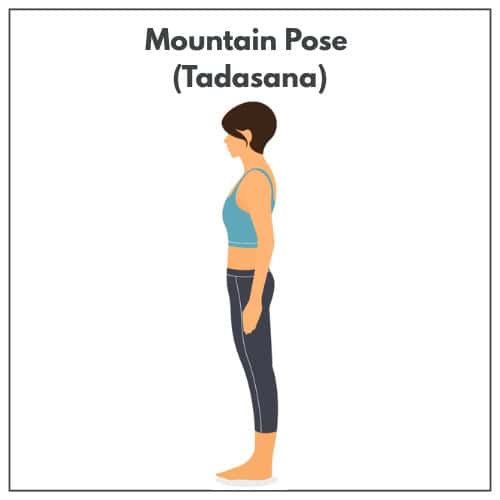
1. Mountain Pose (Tadasana)
Mountain Pose might look simple, but don’t be fooled—it’s the foundation for all standing poses. It helps you find alignment, stability, and a sense of grounding, so you can build strength and confidence in every other pose.
How to do it:
- Stand with your feet hip-width apart.
- Press your feet evenly into the floor, feeling a steady connection with the ground.
- Lengthen your spine and roll your shoulders back and down.
- Gently engage your core, and let your arms rest naturally by your sides.
- Take slow, mindful breaths, noticing how your body feels tall, strong, and steady.
Benefits of Mountain Pose:
- Improves posture and balance
- Strengthens legs and core
- Encourages body awareness and mindfulness
- Serves as a grounding, calming starting point for any yoga session
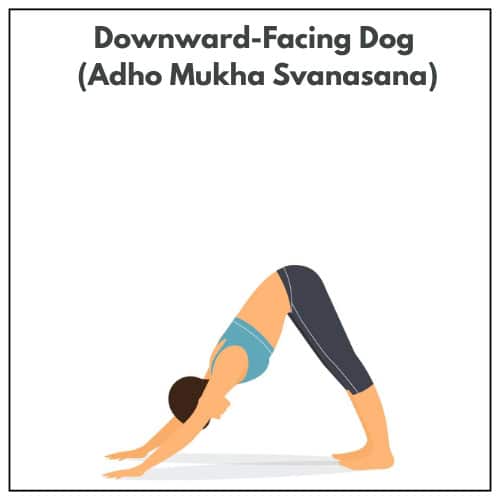
2. Downward-Facing Dog (Adho Mukha Svanasana)
Downward-Facing Dog is one of the most iconic yoga poses—and for good reason. It gives your back body a deep stretch while strengthening your arms, shoulders, and core.
It’s like hitting the refresh button for your body.
How to do it:
- Start on your hands and knees.
- Lift your hips up and back, gradually straightening your legs.
- Press your palms firmly into the mat to lengthen your spine.
- Keep your knees slightly bent if your hamstrings feel tight.
- Let your head and neck relax, letting your gaze fall naturally toward your feet.
Benefits of Downward-Facing Dog:
- Relieves back tension and stiffness
- Strengthens arms, shoulders, and upper body
- Stretches hamstrings, calves, and spine
- Energizes and revitalizes the whole body
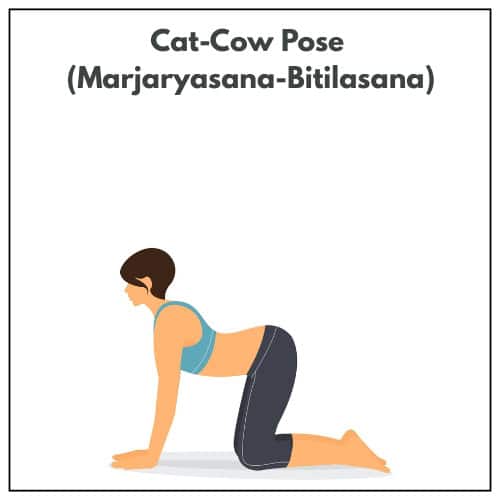
3. Cat-Cow Stretch (Marjaryasana-Bitilasana)
The Cat-Cow Stretch is a gentle, flowing movement that warms up your spine and gets your body moving with ease. It’s perfect for loosening stiffness and connecting your breath with motion.
How to do it:
- Start on your hands and knees in a tabletop position.
- Cow Pose: Inhale, arch your back, lift your head, and let your belly drop toward the mat.
- Cat Pose: Exhale, round your spine, tuck your chin, and draw your belly in.
- Move slowly and mindfully, syncing your breath with each motion.
Benefits of Cat-Cow Stretch:
- Reduces stiffness and tension in the spine
- Improves spinal mobility and flexibility
- Encourages mindful movement and deepens breath awareness
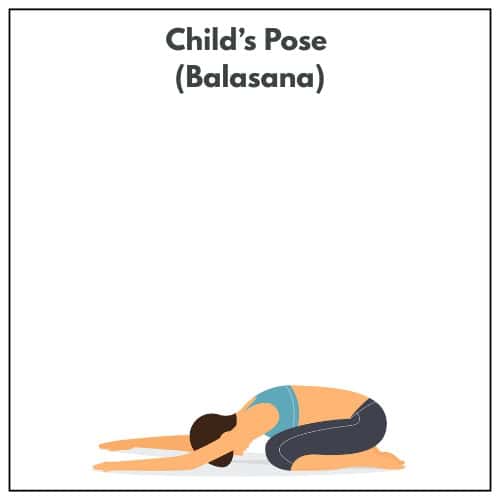
4. Child’s Pose (Balasana)
Child’s Pose is a restful, grounding position that’s perfect for taking a break during your yoga practice. It’s like hitting the pause button—giving your body and mind a chance to reset.
How to do it:
- Kneel on the floor and sit back on your heels.
- Fold forward, bringing your forehead to the mat.
- Extend your arms forward or let them rest alongside your body.
- Take slow, deep breaths, letting your body sink into the mat.
Benefits of Child’s Pose:
- Calms the mind and reduces stress
- Relieves tension in the lower back
- Promotes relaxation and gentle stretching
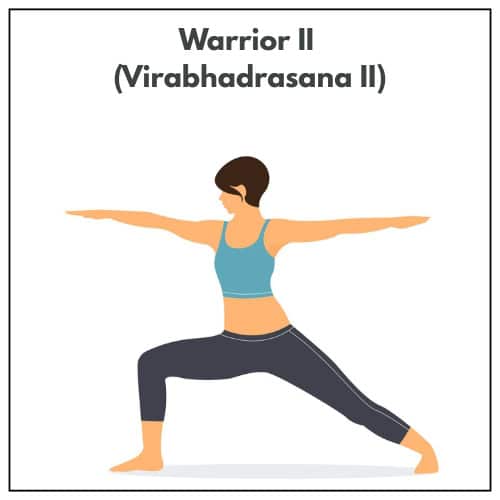
5. Warrior II (Virabhadrasana II)
Warrior II is all about strength, stability, and focus. It challenges your body while encouraging concentration and presence, making you feel powerful and grounded.
How to do it:
- Stand with your feet wide apart.
- Turn your right foot out 90 degrees.
- Bend your right knee so it’s directly over your ankle.
- Extend your arms out to the sides, parallel to the floor.
- Gaze softly past your front hand, keeping your shoulders relaxed.
Benefits of Warrior II:
- Strengthens legs, hips, and core
- Improves focus and mental concentration
- Enhances mobility and stability in the hips and lower body
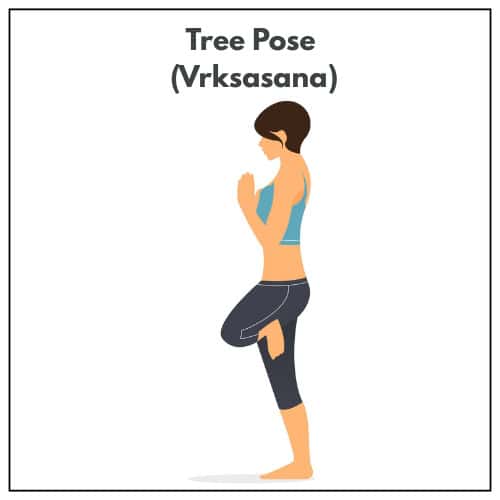
6. Tree Pose (Vrksasana)
Tree Pose is all about balance and focus, offering a gentle yet powerful way to strengthen both your body and mind. It’s a pose that teaches patience, stability, and presence.
How to do it:
- Stand tall and find your grounding.
- Shift your weight onto one foot.
- Place the other foot on your ankle, calf, or inner thigh—just avoid the knee.
- Bring your hands to your heart or lift them overhead.
- Breathe deeply and find your steadiness, even if wobbles appear.
Benefits of Tree Pose:
- Improves balance and coordination
- Strengthens stabilizing muscles in the legs and core
- Enhances focus and mental concentration
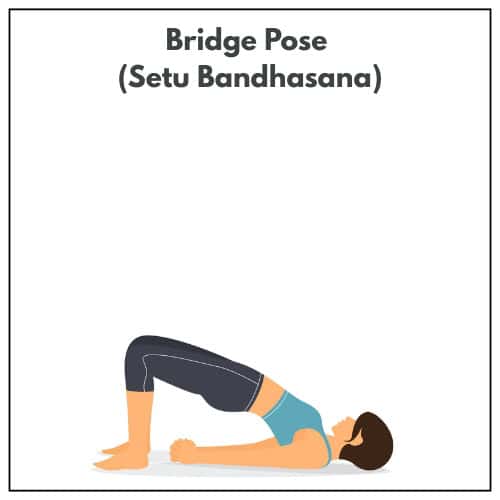
7. Bridge Pose (Setu Bandhasana)
Bridge Pose is a gentle backbend that opens the chest, strengthens the glutes and lower back, and gives your body a refreshing lift. It’s both energizing and grounding at the same time.
How to do it:
- Lie on your back with knees bent and feet hip-width apart.
- Press firmly into your feet and lift your hips toward the ceiling.
- If it feels comfortable, interlace your hands under your body.
- Keep your neck neutral and relaxed.
- Take deep breaths, feeling your chest open and your spine lengthen.
Benefits of Bridge Pose:
- Reduces tension in the lower back
- Opens the chest and shoulders
- Strengthens glutes and legs
- Boosts energy and revitalizes the body
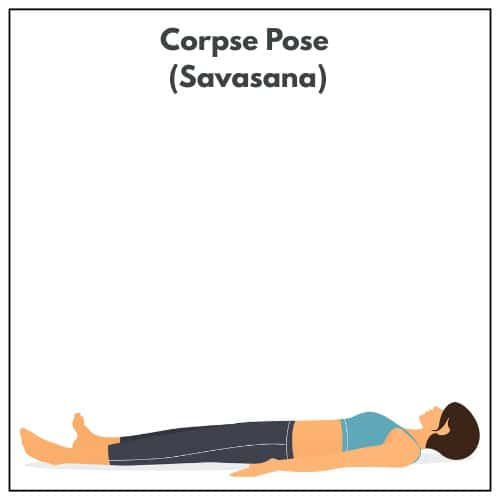
8. Savasana (Corpse Pose)
Savasana may look like “just lying down,” but it’s one of the most important poses in yoga. This final relaxation allows your body and mind to absorb everything you’ve practiced, helping the benefits sink in on a deeper level
How to do it:
- Lie on your back with your legs relaxed and arms resting comfortably at your sides.
- Gently close your eyes and let your breath flow naturally.
- Allow your entire body to soften, releasing any remaining tension.
- Stay here for a few minutes, simply resting and being present.
Benefits of Savasana:
- Deeply relaxes the body and mind
- Reduces stress and mental fatigue
- Supports recovery and integration of your yoga practice
- Leaves you feeling calm, refreshed, and centered
Part 2: Breathing Made Simple
The breath is the heart of yoga. It’s the bridge between your body and your mind—and often the fastest way to calm your nervous system.
When you learn to breathe with awareness, everything in your yoga practice begins to feel more connected and intentional.
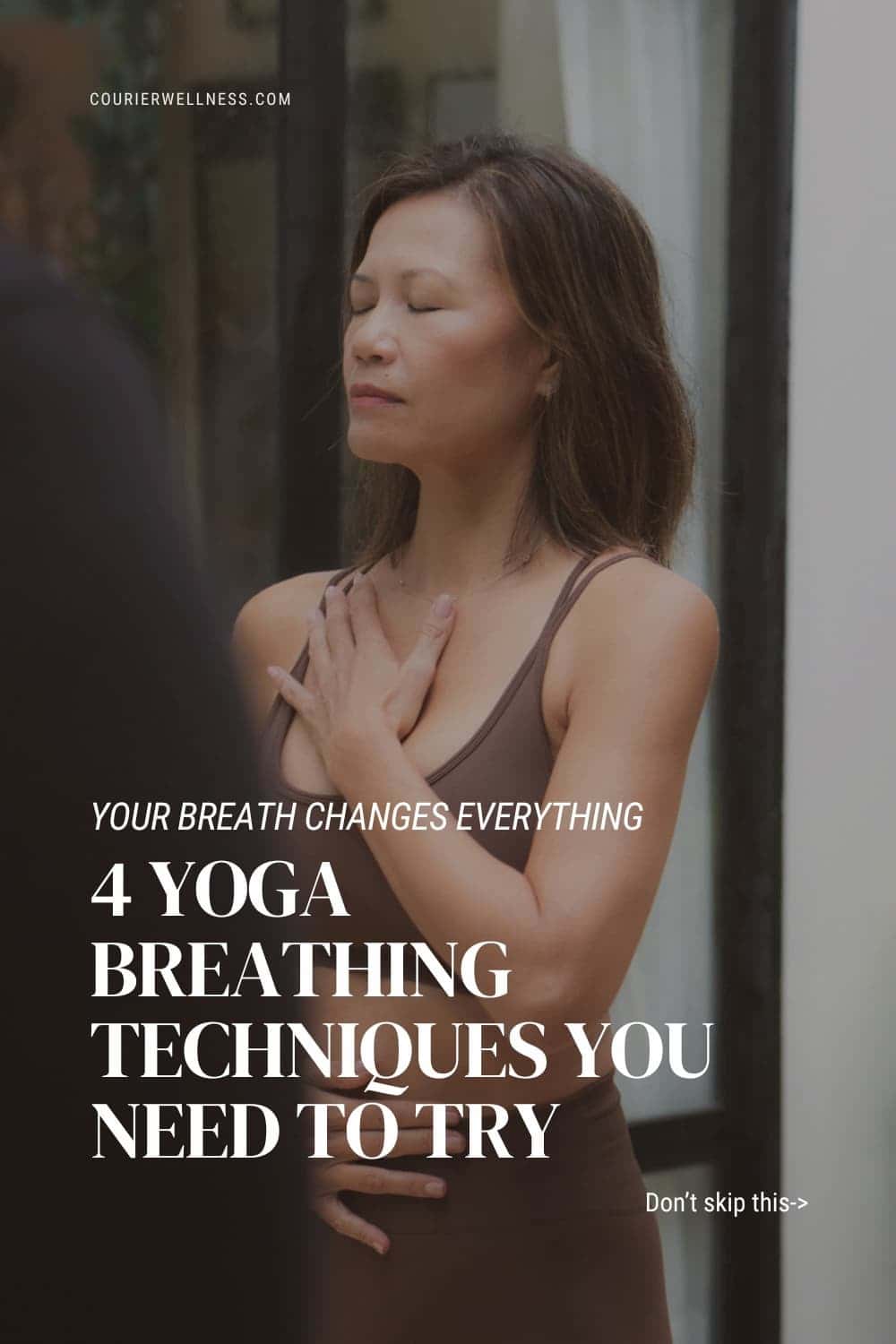
Below are simple breathing techniques that anyone can practice, whether you’re on the mat or going about your day:
1. Diaphragmatic Breathing (Belly Breathing)
This is the foundation of all yoga breathing and a powerful tool for relaxation.
How to do it:
- Sit or lie down in a comfortable position.
- Place one hand gently on your belly.
- Inhale slowly through your nose, letting your belly rise.
- Exhale gently, feeling your belly fall.
- Continue breathing this way for 1–3 minutes.
Benefits of Diaphragmatic Breathing:
- Reduces stress and anxiety
- Improves oxygen flow throughout the body
- Activates the body’s natural relaxation response
- Helps you feel calm, centered, and present
2. Ujjayi Breath (Ocean Breath)
Often used during yoga flows, Ujjayi Breath adds warmth, rhythm, and focus to your practice. The soft sound it creates helps anchor your attention to the present moment.
How to do it:
- Inhale slowly through your nose.
- Exhale through your nose while gently constricting the back of your throat.
- Create a soft, whisper-like ocean sound with your breath.
- Keep the breath steady and controlled as you move or hold poses.
Benefits of Ujjayi Breath:
- Improves focus and concentration
- Builds internal heat and energy
- Stabilizes the breath during movement and flow
3. 4-7-8 Breathing
This simple breathing technique is a powerful tool for calming your nervous system, especially when you’re feeling stressed or having trouble sleeping. It’s easy to learn and can be done anywhere.
How to do it:
- Inhale slowly through your nose for 4 counts.
- Hold your breath gently for 7 counts.
- Exhale slowly through your mouth for 8 counts.
- Repeat for 4 rounds, moving at a comfortable pace.
Benefits of 4-7-8 Breathing:
- Calms anxiety and racing thoughts
- Slows the heart rate
- Supports deeper relaxation and more restful sleep
4. Box Breathing (Equal Breathing)
Box Breathing is an excellent technique for grounding yourself and resetting your mind—especially during stressful or overwhelming moments.
Its steady rhythm creates a sense of balance that’s both calming and centering.
How to do it:
- Inhale slowly through your nose for 4 counts.
- Hold the breath gently for 4 counts.
- Exhale through your nose for 4 counts.
- Hold again for 4 counts.
- Continue for several rounds, moving smoothly through each phase.
Benefits:
- Enhances focus and mental clarity
- Steadies and regulates the breath
- Supports mindfulness and emotional balance
This simple breathing pattern is easy to remember and powerful enough to use anytime—whether you’re on your yoga mat or navigating a busy day.
Part 3: Mindfulness Made Simple
Yoga isn’t just about movement—it’s about being present. Mindfulness in yoga means paying attention to what’s happening in your body, your breath, and your mind, without judging it or trying to change it.
You don’t need to “empty your mind” or be perfectly focused. Mindfulness simply asks you to notice—how you feel, how you breathe, and how your body responds—moment by moment.
Here are a few simple ways to weave mindfulness into your yoga practice:
1. Start with Intention
Before you begin moving, take a brief pause. This moment helps you shift out of autopilot and into awareness.
Ask yourself:
- What do I need today?
- What is my body asking for?
- How do I want to feel after this practice?
Your intention doesn’t have to be big or profound. It can be as simple as “move gently,” “breathe deeply,” or “slow down.”
Setting an intention gives your practice meaning and creates a mental anchor you can return to whenever your mind wanders.
2. Move Slowly and With Awareness
Yoga isn’t about rushing from one pose to the next. In fact, slowing down is often where the real magic happens. When you move with intention, you give yourself the space to truly listen to your body.
Moving slowly helps you:
- Notice physical sensations as they arise
- Pay closer attention to alignment and balance
- Stay present instead of letting your mind wander
You may be surprised how different—even familiar—poses feel when you approach them mindfully. Slowing down turns yoga into a moving meditation, not just a physical workout.
book tip

The Miracle of Mindfulness
By Thich Nhat Hanh
Feeling stressed, distracted, or disconnected from the present moment? Then this book is a must-read.
Did you know? Bookshop.org gives 80%+ of their profits to support independent bookstores.
*We may earn a commission at no extra cost to you.
3. Observe the Breath
Throughout your practice, keep gently noticing your breath. You don’t need to control it—just observe it. When your mind wanders (and it will—that’s completely normal), simply guide your attention back to the rhythm of your breathing.
Each inhale and exhale becomes an anchor, bringing you back into the present moment.
This simple act of returning to the breath is at the heart of mindfulness and one of the most powerful lessons yoga teaches—on and off the mat.
4. Practice Non-Judgment
One of the most powerful lessons yoga offers happens quietly—when you stop judging yourself.
That means letting go of thoughts about:
- How your pose looks
- How flexible you think you should be
- How strong you feel compared to others or to yesterday
Instead of criticism, yoga invites curiosity and kindness. Some days you’ll feel strong and open; other days, tight or tired—and all of it is okay.
When you practice yoga without judgment, you create space for acceptance, growth, and genuine self-connection. Showing up exactly as you are is more than enough.
5. Close with Gratitude
At the end of your practice, take a moment in Savasana or seated meditation to quietly thank your body, your breath, and the effort you showed up with.
This small gesture helps reinforce a kinder, more supportive relationship with yourself—on and off the mat.
Tips for Sticking With Your Yoga Practice
When it comes to yoga, consistency matters more than intensity. Even a few minutes each day can transform your body and mind over time.
Here are some practical tips to help make yoga a lasting part of your life:
- Start Small – Just 5 minutes a day is enough to build the habit and keep momentum going.
- Create a Dedicated Space – Even a tiny corner with a mat signals to your brain: this is your space for calm and focus.
- Practice at the Same Time Each Day – Routines form more easily when you make yoga a regular part of your schedule.
- Avoid Perfectionism – Some days will feel effortless, others challenging—both are valuable and part of the journey.
- Listen to Your Body – Yoga is meant to support and nurture you, not strain or push you beyond your limits.
- Celebrate Progress You Can’t See – Improved sleep, calmer emotions, and sharper focus are all signs your practice is making a difference.
Remember, yoga is a lifelong practice. Even small, consistent steps create lasting benefits—physically, mentally, and emotionally.
Final Thoughts
Yoga doesn’t have to be complicated. You don’t need fancy poses, expensive equipment, or hours on the mat. Its strength lies in simple, mindful movement—breathing, stretching, and paying attention to how your body and mind feel.
Even just a few poses, a few breaths, and a moment of presence can give you a sense of calm, focus, and clarity. Yoga is accessible to anyone, anywhere, and it meets you exactly where you are.
Whether your goal is to build strength, reduce stress, improve flexibility, or just feel a little more balanced in your day, yoga can help.
All it takes is stepping onto your mat and starting—one moment at a time.
*This article is for informational purposes only and is not intended as medical advice. It should not be used to diagnose, treat, or prevent any health condition. Always consult a qualified healthcare professional before making any changes to your diet, exercise, or health routine.

Malin, the co-founder of Courier Wellness, is well-informed in nutrition and health and brings her own unique perspective to the world of holistic wellness. With a passion for writing and a deep interest in wellbeing, she wants to create content that fosters balance and nourishment for the mind and body.