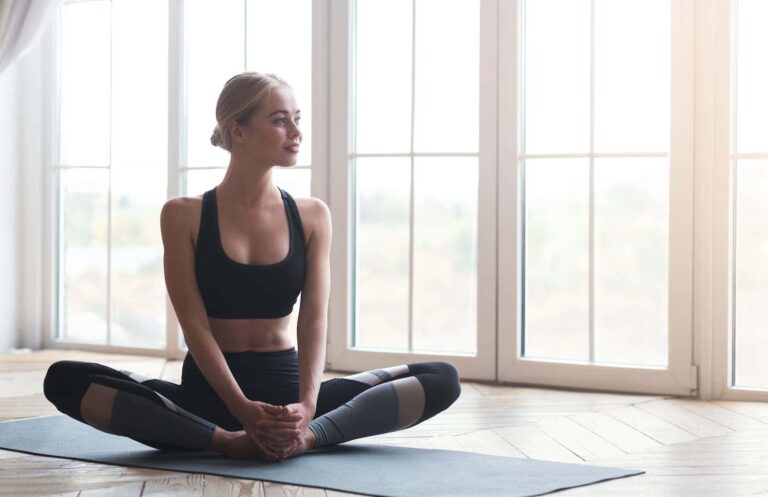
Which Yoga is Right for You? Understanding the Different Types
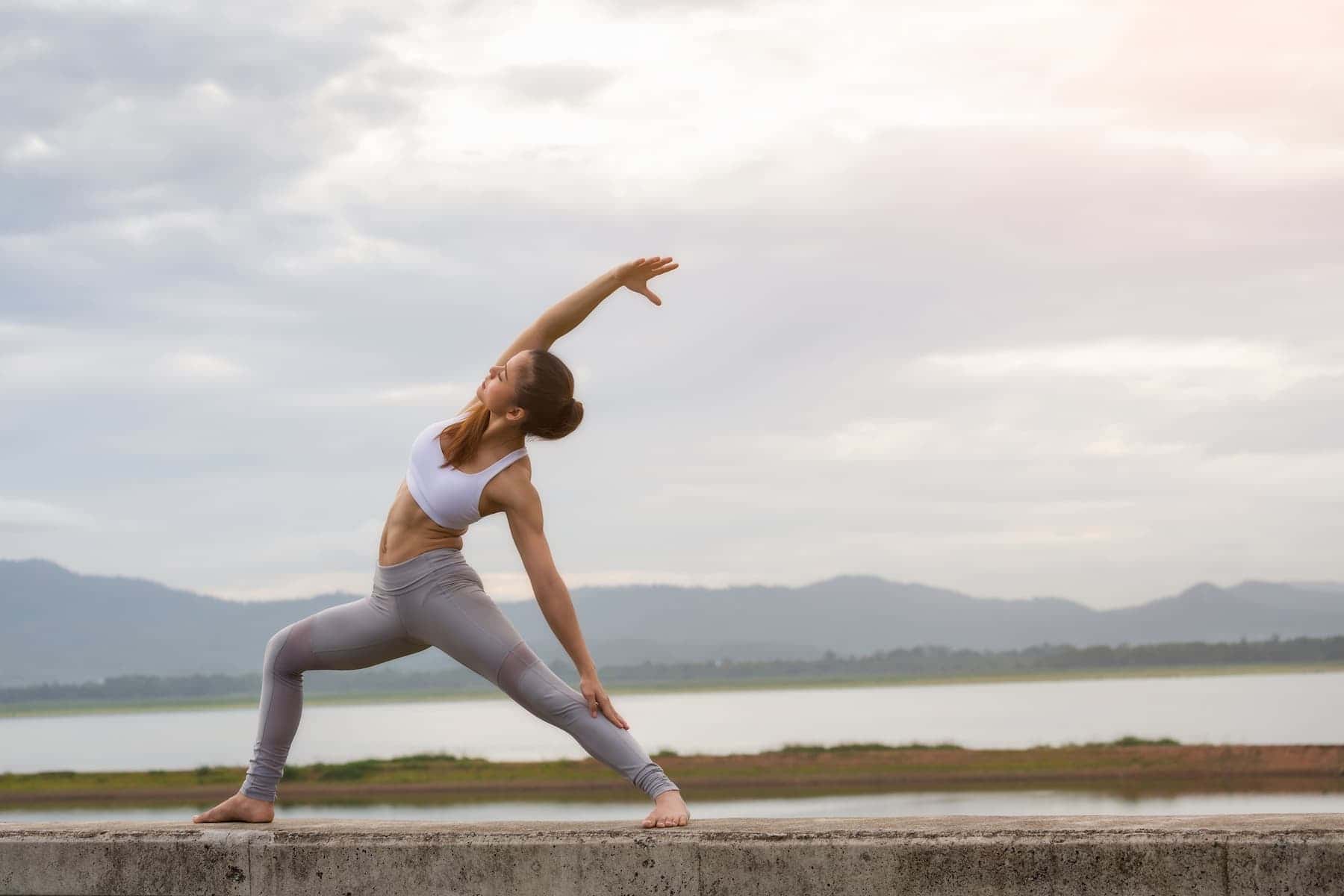
This post contains affiliate links, which means we may earn a commission if you purchase through our links—at no extra cost to you. As an Amazon Associate we earn from qualifying purchases. We only recommend products we use or trust. Learn more about affiliate marketing or read our full disclosure.
Yoga isn’t just about stretching or striking the perfect pose—it’s a practice that can boost your physical health, clear your mind, and even nourish your spirit.
But with so many different types of yoga out there, it’s easy to feel a little lost.
Which style will help you build strength?
Which one is best for improving flexibility or finding deep relaxation?
In this guide, I’ll walk through the most popular types of yoga, break down what makes each unique, and give you tips to figure out which style fits your goals, experience, and lifestyle.
By the end, you’ll have a clearer picture of which yoga is right for you—and how to get started with confidence.
Important Note: Before starting any new yoga practice, especially if you have a medical condition, injury, or have been inactive, consult a qualified healthcare professional. Always listen to your body and move at a safe, comfortable pace. Yoga should challenge you gently — not cause pain.
Let’s begin!
The Importance of Yoga in Everyday Life
I’ve been practicing yoga for six years now, and honestly, it’s been one of the best decisions I’ve ever made. Over time, I’ve noticed not just physical benefits, but mental and emotional ones too.
Yoga has helped me become more relaxed, more grounded, and—something I wasn’t expecting—more intuitive.
I’ve always considered myself an intuitive person, but as life got busier and I started running more on autopilot, my intuition wasn’t what it used to be. Yoga brought me back into my own body and mind, helping me tune in again and trust my instincts.
It’s also been a lifesaver for me when I feel easily overwhelmed. The practice creates a pause in my day—a chance to breathe, slow down, and reset.
In today’s fast-paced world, with constant notifications, work demands, and endless responsibilities, that pause is more important than ever.
Yoga isn’t about perfection or performance; it’s about showing up for yourself, listening to your body, and taking care of your mental and emotional well-being. Even a short session can calm your mind, release tension, and help you feel more centered.
I genuinely recommend yoga for everyone because it truly is that great—it can fit into any lifestyle, support your well-being in countless ways, and help you feel more connected to yourself.
Why Choosing the Right Type of Yoga Matters
Before we dive into the different types of yoga, here’s a tip that can really improve your practice: investing in a high-quality yoga mat.
A good mat can make a huge difference. Cheap or thin mats can feel slippery, wear out quickly, or leave your joints sore—especially in styles like Vinyasa or Bikram where you’re moving, sweating, and holding poses for longer.
A mat that provides stability, cushion, and grip allows you to focus on your practice instead of worrying about slipping, discomfort, or joint pain.
The Liforme Printed Yoga Mat + Yoga Bag (available on Amazon) is a great choice. Yes, it is a bit pricey, but in my experience, you truly get what you pay for.
Investing in a mat that supports your body and keeps you comfortable makes your practice more enjoyable and sustainable.
It’s one of those little things that can completely change how you feel on the mat—and that’s priceless when you’re trying to relax, stretch deeply, or build strength.
Yoga isn’t one-size-fits-all. The different types of yoga each bring something unique to the table:
- Physical Fitness – Some styles are all about building strength, flexibility, and endurance.
- Mindfulness & Meditation – Others focus on breathwork, relaxation, and clearing your mind.
- Spiritual Growth – Certain practices weave in philosophy, chanting, and meditation for a deeper connection.
Knowing the differences can make a huge difference in your practice.
It can help you:
- Avoid frustration by picking a style that matches your fitness level
- Reach your personal goals—whether that’s stress relief, flexibility, or strength
- Stay motivated and consistent because the practice feels right for you
Now that we’ve covered why it matters, let’s dive into some of the most popular types of yoga and see which might suit you best:
1. Hatha Yoga
Think of Hatha Yoga as the “gateway” to most other yoga styles. It’s a slower-paced practice that focuses on the basics—simple postures (asanas) and mindful breathwork (pranayama).
Perfect if you’re just starting out or want a gentle, grounding practice.
What to Expect:
- Gentle, steady movements that let you focus on form
- Emphasis on proper alignment and breathing
- Longer holds in poses, giving you time to connect with your body
Best For:
- Beginners looking for a smooth introduction to yoga
- Anyone wanting a calm, stress-relieving practice
- People who enjoy slower, mindful movement
Benefits:
- Improves flexibility and posture
- Reduces stress and anxiety
- Builds a strong foundation for exploring other types of yoga
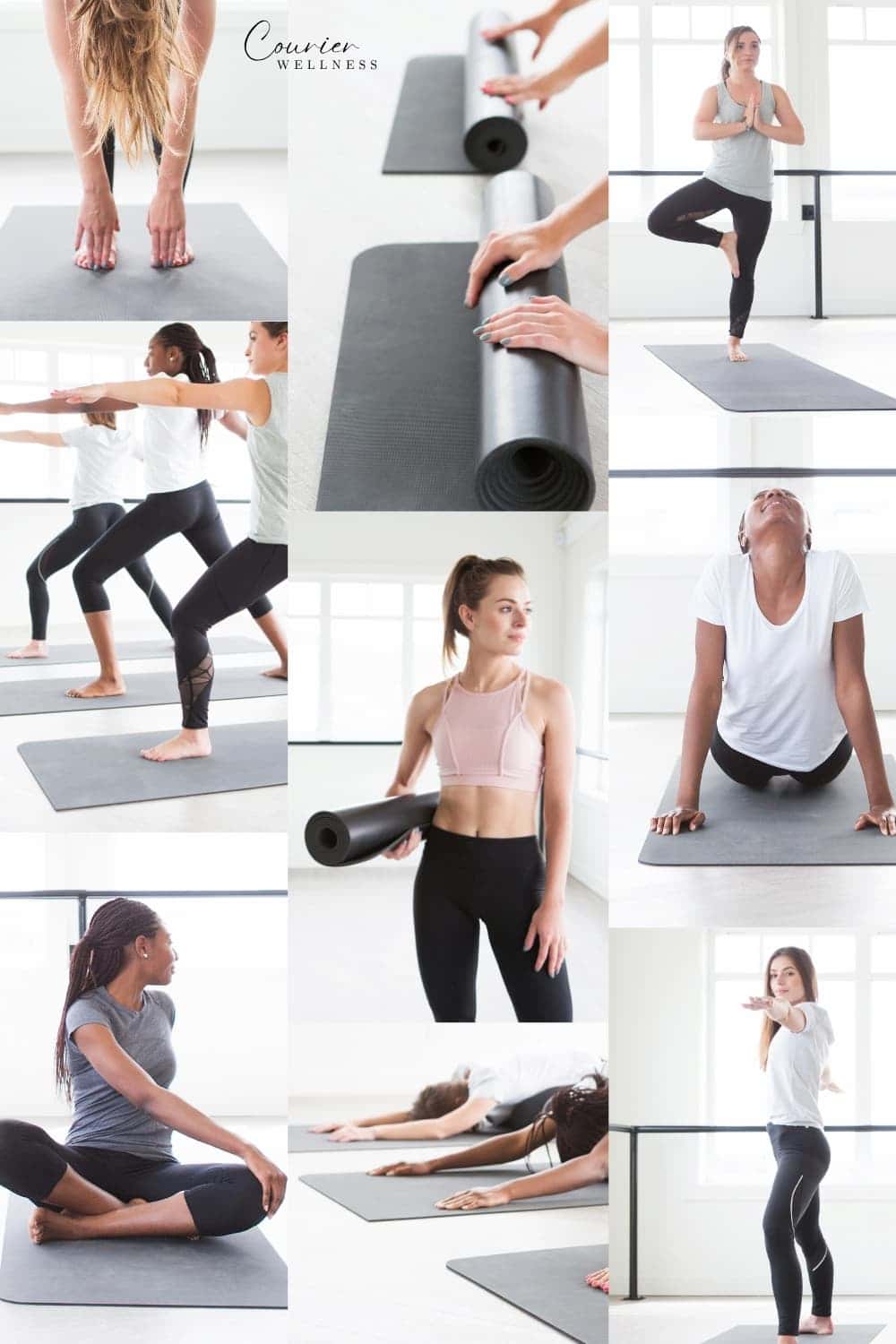
2. Vinyasa Yoga
Vinyasa Yoga is all about movement and flow. Think of it as a “dance” with your breath—each pose seamlessly transitions into the next.
It’s more dynamic than Hatha and keeps your body moving while your mind stays focused on breathing.
What to Expect:
- Moderate to vigorous pace that gets your heart pumping
- Continuous movement and flowing sequences
- Strong focus on coordinating breath with motion
Best For:
- Anyone looking for a full-body workout
- Those who enjoy an energizing, dynamic practice
- Beginners who prefer flowing sequencesover holding static poses
Benefits:
- Builds strength and endurance
- Improves flexibility, balance, and coordination
- Boosts cardiovascular fitness and circulation
3. Ashtanga Yoga
Ashtanga Yoga is a structured, high-energy practice with a set sequence of poses. It’s physically demanding and perfect for those who enjoy a challenge and a clear routine.
If you like knowing exactly what comes next in your practice, Ashtanga is for you.
What to Expect:
- Fast-paced, challenging sequences that really get your body moving
- Repetition of primary series to build strength and familiarity
- Strong focus on stamina, discipline, and breath control
Best For:
- Experienced practitioners or athletic individuals
- People looking to develop strength, flexibility, and endurance
- Those who thrive on a structured, consistent routine
Benefits:
- Builds significant strength and flexibility
- Enhances mental focus and self-discipline
- Improves overall body conditioning and stamina
4. Iyengar Yoga
Iyengar Yoga is all about precision. Every pose is performed with careful attention to alignment, often using props like blocks, straps, and bolsters to help you get it just right.
It’s a slower, detail-focused practice that’s perfect if you want to go deeper into form and technique.
What to Expect:
- Slow-paced sessions with an emphasis on proper alignment
- Use of props to support your body and refine your posture
- Longer holds in each pose, giving you time to focus and adjust
Best For:
- Beginners or anyone dealing with injuries
- People seeking therapeutic benefits or a gentle approach
- Those who want to focus on posture, stability, and form
Benefits:
- Improves alignment and posture
- Builds strength and stability
- Reduces the risk of injury
5. Bikram Yoga (Hot Yoga)
Bikram Yoga, also known as Hot Yoga, is a vigorous practice consisting of 26 poses performed in a heated room—usually around 105°F (40°C). It’s intense, sweaty, and designed to push both your body and mind.
Personally, this is my favorite style, though it’s definitely not for everyone. I’ve found that the heat helps me calm down and really unwind, even during a challenging session.
What to Expect:
- Physically challenging, sweat-inducing sessions
- Repetition of a set sequence of poses
- Focus on flexibility, strength, and detoxification
Best For:
- People who thrive in heat and enjoy a challenge
- Those looking to boost flexibility quickly
- Anyone seeking a full-body, cardiovascular workout
Benefits:
- Improves flexibility and range of motion
- Promotes detoxification through sweating
- Builds endurance and stamina
Caution: Stay well-hydrated before, during, and after class. This is not ideal for beginners or people with certain medical conditions.
6. Kundalini Yoga
Kundalini Yoga is all about awakening your inner energy. It combines breathwork, dynamic movement, chanting, and meditation to help you connect with both your body and mind.
This style is as much about spiritual growth as it is about physical practice.
What to Expect:
- A mix of physical postures, breathing exercises, and chanting
- Meditative and spiritual focus throughout the session
- Emphasis on energy flow, mental clarity, and self-awareness
Best For:
- Anyone seeking mental and spiritual growth
- People curious about meditation and self-reflection
- Those who enjoy integrating breath and sound into their practice
Benefits:
- Reduces stress and anxiety
- Boosts energy and vitality
- Enhances mindfulness and emotional balance
7. Yin Yoga
Yin Yoga is all about slowing down and stretching deep. This gentle practice targets connective tissues, joints, and fascia, with poses held for several minutes to encourage release and flexibility.
While it’s not my personal favorite, I find it incredibly effective—especially on days when I need to relax more or work out tight hips.
What to Expect:
- Long-held, passive poses that let your body relax
- Gentle stretching that reaches deep tissues
- A meditative, mindful focus throughout the practice
Best For:
- Beginners looking for a gentle introduction to yoga
- Anyone with tight hips, shoulders, or spine
- People seeking relaxation, mindfulness, and stress relief
Benefits:
- Improves flexibility and joint mobility
- Reduces tension and stiffness
- Encourages deep relaxation and mental calm
While Yin Yoga on its own isn’t my personal favorite, I’ve recently started practicing Yin/Yang Yoga, which combines a Yang (masculine, active) sequence with a Yin (feminine, passive) sequence.
I love the contrast—the energetic, strength-building Yang followed by the calm, restorative Yin.
This combination has quickly become one of my favorite ways to practice yoga, helping me balance energy, stretch deeply, and truly unwind.
8. Restorative Yoga
Restorative Yoga is the ultimate practice for slowing down and fully letting go. Using props like blocks, bolsters, blankets, and straps, this gentle style supports deep relaxation and recovery.
It’s perfect when you need to recharge, reduce stress, or simply take a break from more intense workouts.
What to Expect:
- Supported poses using blocks, bolsters, and blankets
- Minimal physical effort—focus is on comfort
- Emphasis on deep breathing and complete relaxation
Best For:
- Beginners or anyone recovering from injury
- People dealing with stress, anxiety, or fatigue
- Anyone looking for deep relaxation and mindfulness
Benefits:
- Promotes relaxation and reduces stress
- Gently improves flexibility
- Supports healing, calm, and mindfulness
To get the most out of Restorative Yoga, having the right props can make a big difference. Blocks, straps, and blankets can help you stay comfortable, supported, and fully relaxed in each pose.
For example, the Gaiam Yoga Block – Supportive Latex-Free EVA Foam (from Amazon) provides extra stability, the Gaiam Yoga Strap – Premium Athletic Stretch Band with Adjustable Metal D-Ring (from Amazon) helps you gently deepen stretches, and the Yogikuti Yoga Blanket (from Amazon) adds cushioning for longer holds.
Using these tools can make your practice more accessible, restorative, and enjoyable.
9. Power Yoga
Power Yoga is a vigorous, fitness-focused style inspired by Ashtanga Yoga but usually without strict sequences.
It’s dynamic, challenging, and perfect if you want to build strength, endurance, and flexibility all in one energetic session.
What to Expect:
- Fast-paced, physically demanding practice
- Flowing sequences with strength-based poses
- Focus on stamina, core strength, and overall conditioning
Best For:
- Athletic individuals looking to challenge themselves
- People who enjoy dynamic, high-energy workouts
- Anyone aiming to improve endurance, flexibility, and strength
Benefits:
- Builds strength, flexibility, and endurance
- Enhances balance, coordination, and body awareness
- Burns calories and tones muscles
How to Choose the Right Yoga for You
Picking the yoga style that’s right for you really comes down to your goals, fitness level, and what feels enjoyable.
Here’s a simple guide to help you match your needs with the different types of yoga:
| Goal | Recommended Yoga Styles |
|---|---|
| Stress relief & relaxation | Hatha, Restorative, Yin |
| Flexibility & mobility | Yin, Vinyasa, Iyengar, Bikram |
| Strength & endurance | Ashtanga, Power, Vinyasa |
| Mindfulness & meditation | Kundalini, Yin, Restorative |
| Beginners | Hatha, Iyengar, Restorative |
Tips for Choosing:
- Experiment – Try different styles to see which resonates with you—yoga is personal, and your favorite might surprise you.
- Listen to Your Body – Consider any injuries or physical limitations before jumping into more intense practices.
- Check Your Mental Response – Notice how your mind and mood respond—some styles are energizing, others calming, and both matter for a sustainable practice.
Yoga is about finding what works for you, so don’t be afraid to explore. Even within the same style, each class can feel different, and that’s part of the fun.
Combining Styles for Balance
Many people find it helpful—and fun—to mix different types of yoga depending on their goals and schedule.
For example:
- Morning: Power or Vinyasa to energize your body and build strength
- Evening: Yin or Restorative to stretch deeply and unwind
- Weekly: Kundalini or Hatha for mindfulness and overall balance
By combining styles, you can create a well-rounded practice that addresses strength, flexibility, relaxation, and mental clarity—all at the same time.
It’s a great way to keep your routine fresh, interesting, and tailored to exactly what your body and mind need.
Final Thoughts
With so many different types of yoga, there’s truly something for everyone.
Whether you’re drawn to the calming stretches of Yin, the energizing flows of Vinyasa, or the heat of Bikram, the key is to explore and find what resonates with your body and mind.
Remember: your practice doesn’t have to fit into just one style.
Mixing and matching based on your goals, schedule, and energy levels can create a balanced, fulfilling routine. Yoga is ultimately about listening to yourself, enjoying the journey, and embracing both movement and stillness.
So roll out your mat, take a deep breath, and start exploring the different types of yoga—you might just discover a style (or a few!) that feels like it was made for you.
*This article is for informational purposes only and is not intended as medical advice. It should not be used to diagnose, treat, or prevent any health condition. Always consult a qualified healthcare professional before making any changes to your diet, exercise, or health routine.

Malin, the co-founder of Courier Wellness, is well-informed in nutrition and health and brings her own unique perspective to the world of holistic wellness. With a passion for writing and a deep interest in wellbeing, she wants to create content that fosters balance and nourishment for the mind and body.