9 Yoga Stretches to Start Your Day with Ease and Energy
This post contains affiliate links, which means we may earn a commission if you purchase through our links—at no extra cost to you. As an Amazon Associate we earn from qualifying purchases. We only recommend products we use or trust. Learn more about affiliate marketing or read our full disclosure.
Wake up your body and mind with a few simple yoga stretches!
Mornings can be hectic—but just a few easy stretches can help you shake off tension, boost your energy, and start your day feeling calm and focused.
In this guide, you’ll discover 9 yoga stretches that are simple, energizing, and perfect for your morning routine.
Important Note: Before starting any new yoga practice, especially if you have a medical condition, injury, or have been inactive, consult a qualified healthcare professional. Always listen to your body and move at a safe, comfortable pace. Yoga should challenge you gently — not cause pain.
Let’s dive in and get your body moving!
Why Start Your Day with Yoga Stretches?
Mornings can be rough—stiff muscles, a foggy mind, and low energy. That’s exactly why a few yoga stretches can be a game-changer.
And while you don’t need much to get started, having a good yoga mat can make your practice more comfortable and enjoyable.
A mat like the Liforme Printed Yoga Mat, which comes with a handy yoga bag, (available on Amazon) offers excellent grip and built‑in alignment guides, so your hands and feet stay steady during each pose and you can focus on moving with confidence and ease.
Here’s what a short morning routine can do for you:
1. Get Your Blood Flowing
After hours of sleep, your body’s been pretty still. Gentle yoga stretches wake up your muscles, get your blood moving, and get your body ready for the day ahead.
2. Ease Morning Stiffness
Neck, shoulders, lower back… sound familiar?
Yoga stretches gently release tightness and help you move with ease, even if you woke up feeling stiff.
3. Boost Flexibility
Over time, these stretches increase your range of motion, improve your posture, and make daily movements feel smoother and easier.
4. Reduce Stress
Yoga isn’t just physical—it’s mental, too. Mindful breathing during stretches activates your body’s relaxation response, helping you feel calmer before the chaos of the day begins.
5. Energize Your Body
Stretching opens up your muscles, increases circulation, and gives your mind and body a natural energy boost—no coffee required (though coffee is still welcome!).
6. Nurture Your Mind and Spirit
Yoga isn’t just about your body—regular practice can also support mental clarity, calmness, and a sense of spiritual well-being.
Studies show that even short, consistent sessions of yoga—including stretches, breathing, and relaxation—can boost your mood, reduce stress, and help you feel more connected to yourself.
Now that you know why yoga stretches are such a fantastic way to start your day, it’s time to roll out your mat and try these 9 essential stretches:
Important note: Follow the poses in order to warm up properly and avoid strain.
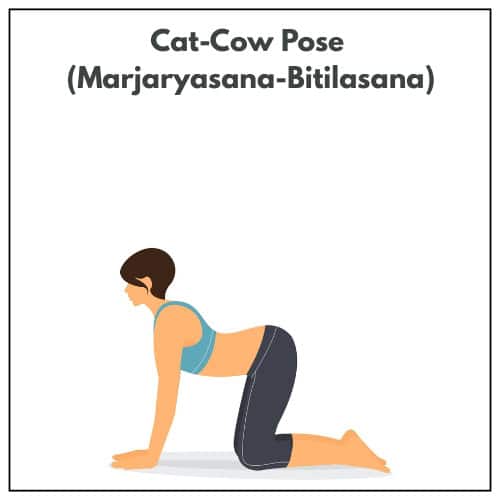
1. Cat-Cow Pose (Marjaryasana-Bitilasana)
Start your morning flow with this gentle, flowing stretch that wakes up your spine and releases stiffness from the night.
what it does:
Stretches your spine, shoulders, and neck, improves flexibility, and engages your core.
How to Do It:
- Begin on your hands and knees in a tabletop position. Make sure your wrists are right under your shoulders and your knees are under your hips.
- Inhale, drop your belly toward the floor, lift your head and tailbone—this is Cow Pose.
- Exhale, round your back, tuck your chin toward your chest, and draw your belly button in—this is Cat Pose.
- Flow through 10 rounds, moving slowly with your breath.
Tip: Some people like to tuck their toes under in Cow Pose for extra lift, then rest the tops of the feet down in Cat Pose. Either way, keep your movements slow and mindful—your spine is the star of this flow!
2. Downward-Facing Dog (Adho Mukha Svanasana)
Next, move into this classic full-body stretch that wakes up your muscles and gives you an energizing boost.
what it does:
Stretches the hamstrings, calves, spine, and shoulders. It also builds strength in your arms, legs, and core, and improves circulation.
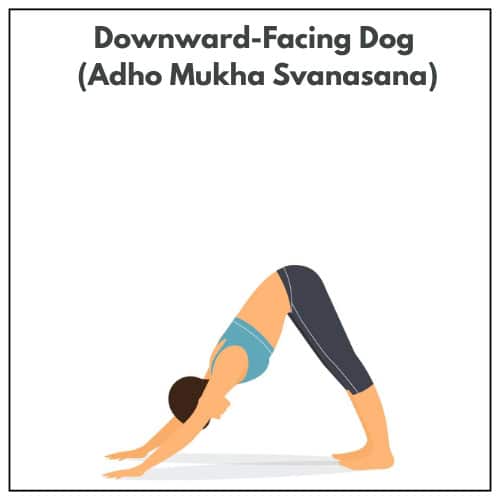
How to Do It:
- Start on your hands and knees in a tabletop position. Spread your fingers wide (index fingers pointing forward) and tuck your toes.
- Lift your hips toward the ceiling, forming an inverted V-shape with your body.
- Keep your hands shoulder-width apart and your feet hip-width apart.
- Gently pedal your feet, bending one knee at a time to warm up your calves and hamstrings.
- When you’re ready, press your heels toward the floor—it’s perfectly okay if they don’t come all the way down.
- Let your head hang naturally between your arms and take deep, steady breaths.
- Hold for 5–10 breaths, then bend your knees and come back to hands and knees.
Tip: Focus on lengthening your spine first. Shift your weight back toward your hips, keep your shoulders light, and let your heels lower naturally over time.
3. Child’s Pose (Balasana)
Next, gently lower into this restorative stretch to release tension and ease your mind—a simple reset for your morning.
This is also a great pose to rest and reset whenever you need a pause in your practice.
what it does:
Gently stretches the back, hips, and shoulders. It allows your heart rate to slow and your muscles to soften, creating a sense of grounded ease.
Research suggests that practicing Balasana regularly may help reduce heart rate and blood pressure, supporting overall relaxation and cardiovascular health.
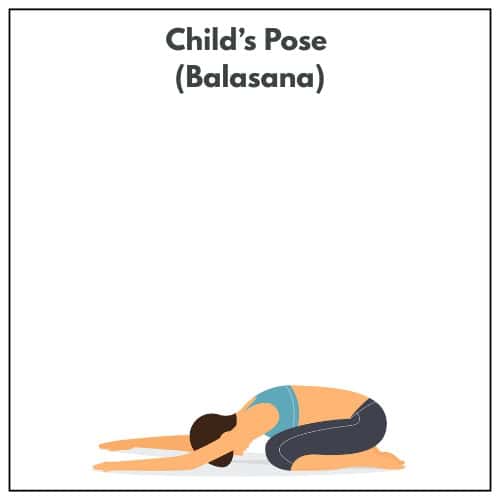
How to Do It:
- From hands and knees, gently push your hips back toward your heels, keeping your knees apart and big toes touching.
- Extend your arms forward and lower your chest toward the floor.
- Rest your forehead on the mat. You can keep your arms stretched out in front or let them rest alongside your body.
- Take 5–10 slow, deep breaths, allowing your body to fully relax.
Tip: You can keep your knees slightly apart or wider, depending on what feels most comfortable — a wider stance can relieve pressure on your knees.
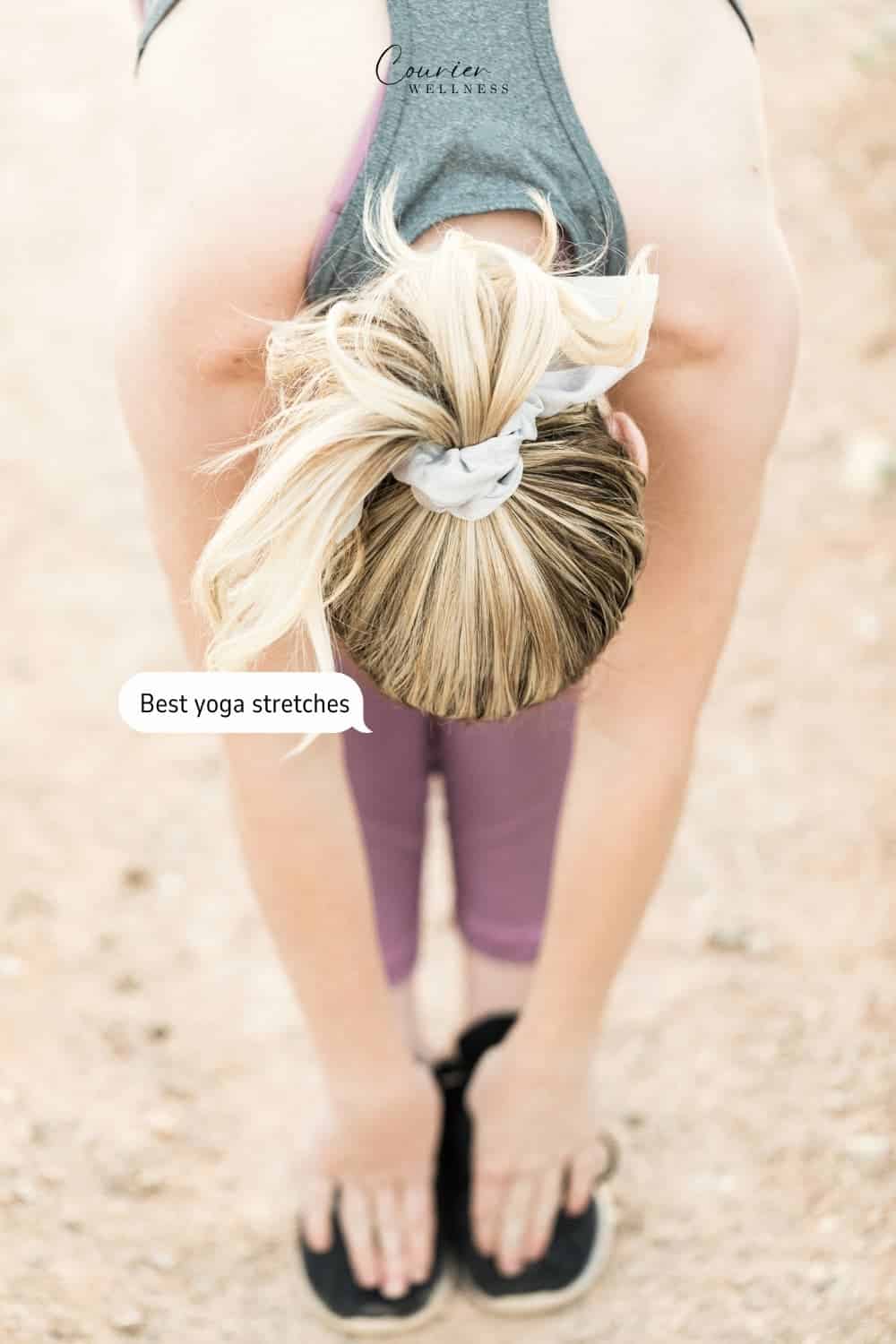
4. Standing Forward Fold (Uttanasana)
Now that you’ve warmed up, ease into the Uttanasana pose and prepare for a deeper stretch.
what it does:
Deeply stretches the hamstrings, calves, and lower back while gently lengthening the spine.
When practiced with soft knees and proper alignment, it can help improve flexibility in the hips and support healthy posture.
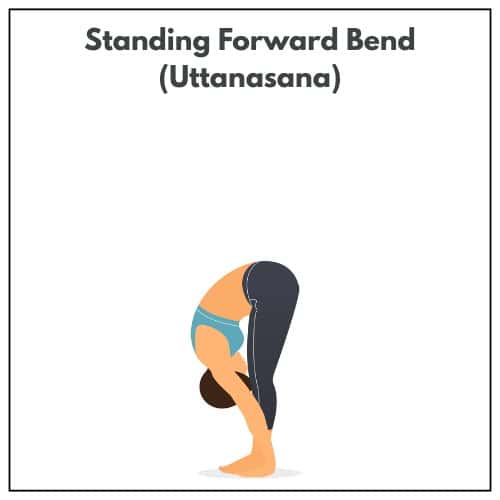
How to Do It:
- Stand tall with your feet hip-width apart (or together for a deeper fold) and your knees slightly bent.
- Inhale as you lengthen your spine and reach up, then exhale and hinge forward from your hips, letting your torso fold gently over your legs.
- Let your head and neck hang heavy toward the floor, keeping your knees soft to protect your lower back.
- Hold for 5–10 deep breaths, then place your hands on your hips, bend your knees, and come back up to standing.
Tip: Keep a slight bend in your knees, especially if your hamstrings are tight. Work your way toward straightening your legs and bringing your torso closer to your thighs over time.
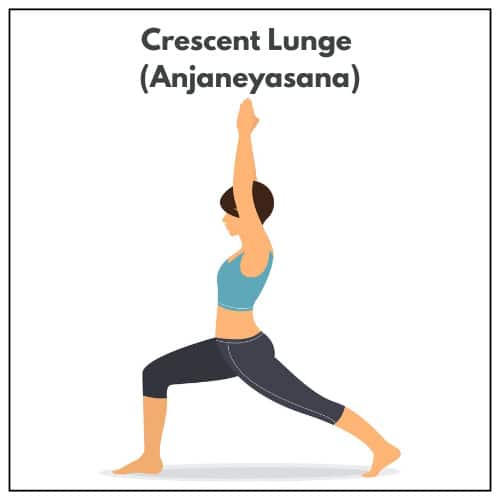
5. Crescent Lunge (Anjaneyasana)
Next, it’s time to open up your hips and energize your body with the Crescent Lunge.
what it does:
Stretches the hip flexors, quads, and hamstrings while strengthening your legs and core.
Research suggests that lunging movements in yoga can also improve hip strength and lower-body stability, which may help with balance and overall posture.
How to Do It:
- Start standing tall, then step your right foot forward into a lunge, keeping your left knee lifted off the floor.
- Keep your front knee above your ankle as you gently press your hips forward to stretch your hip flexors
- Reach your arms overhead and bring your palms together.
- Hold for 5–10 deep breaths, then switch sides.
Tip: Keep your core engaged and chest lifted. If the pose feels unstable, slightly tuck your hips under to improve balance.
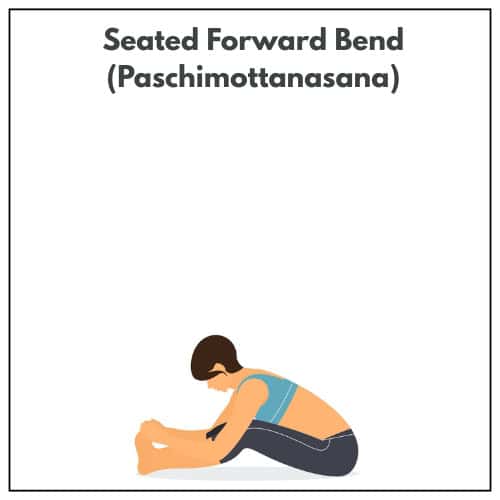
6. Seated Forward Bend (Paschimottanasana)
Next, settle into this gentle fold that encourages deep, mindful breathing, helping you start the day feeling centered, relaxed, and clear-headed.
what it does:
Stretches the hamstrings, calves, and lower back.
Research shows that practicing this pose regularly can significantly increase hamstring flexibility in just a few weeks.
How to Do It:
- Sit on the floor with your legs extended straight in front of you, feet flexed.
- Inhale and lengthen your spine, then exhale as you hinge at the hips and reach your hands toward your feet.
- If needed, keep a slight bend in your knees to stay comfortable and protect your lower back.
- Keep your back as straight as possible, bringing your chest toward your thighs.
- Hold for 5–10 deep breaths, then gently release.
Tip: Don’t worry too much about touching your toes—focus on stretching your spine, relaxing your shoulders, and breathing deeply.
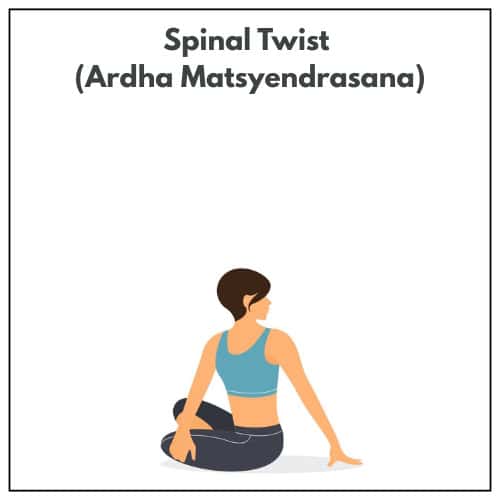
7. Seated Twist (Ardha Matsyendrasana)
Next, energize your spine with this gentle twist to release stiffness from sleep.
what it does:
Relives tension in the spine, shoulders, and neck. It can also help activate your core and improve circulation.
Did You Know?
Research shows that practicing Ardha Matsyendrasana for just 15 minutes can significantly reduce blood sugar levels in people with type 2 diabetes.
How to Do It:
- Sit comfortably on the floor with both legs crossed.
- Inhale and lengthen your spine.
- Exhale as you twist your torso to the right, placing your left hand on your right knee and your right hand behind you for support.
- Keep your chest lifted, sit evenly on your sit bones, and gaze over your right shoulder.
- Hold for 5–10 deep breaths, then gently release and twist to the left side.
Tip: Focus on elongating your spine with each inhale and gently deepening the twist with each exhale. Keep your movements smooth and avoid forcing the twist.
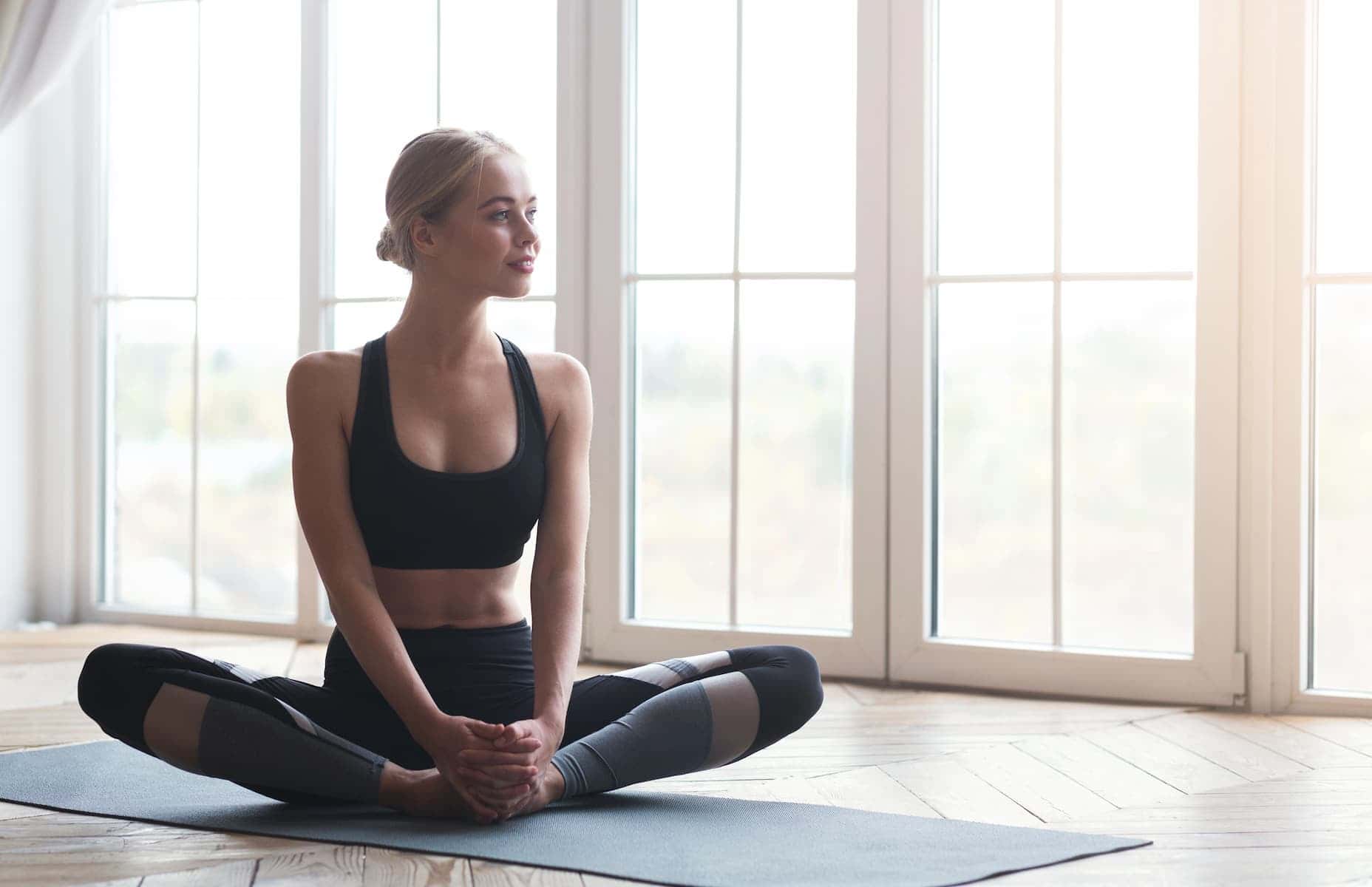
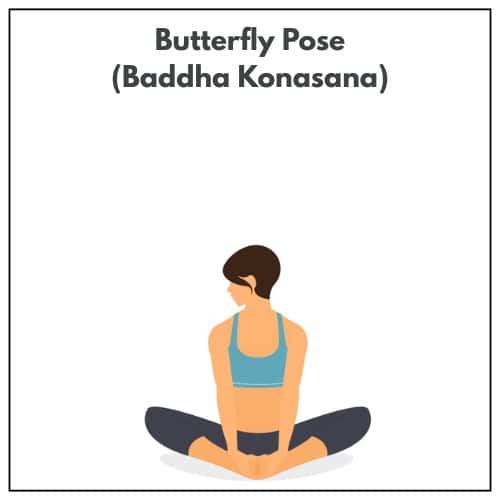
8. Butterfly Pose (Baddha Konasana)
Next, gently open your hips with this Butterfly pose to help your body feel lighter and more flexible as you start the day.
what it does:
Opens the hips, stretches the inner thighs, hips, and relieves tension in the lower back. It gently opens the hips and encourages greater flexibility in the pelvic area.
How to do it:
- Sit on the floor with your legs extended in front of you.
- Bend your knees and gently push the soles of your feet together.
- Sit tall through your spine and let your knees fall out to the sides to deepen the stretch.
- Breathe deeply and hold the pose for 5–10 breaths.
Tip: Keep your chest lifted and focus on slow, steady breathing. Place yoga blocks or pillows under your knees if your hips or inner thighs feel tight.
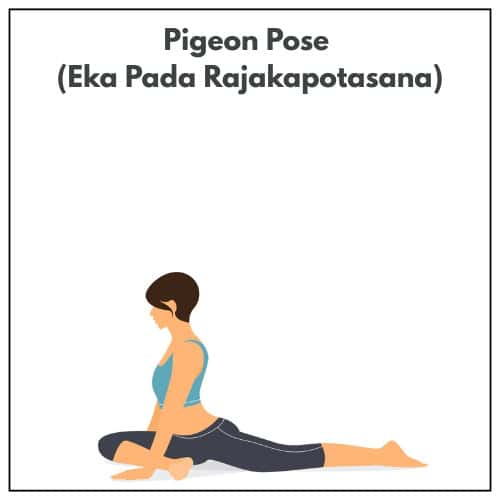
9. Pigeon Pose (Eka Pada Rajakapotasana)
For the final pose, open your hips with this grounding stretch to release tension built up from sleeping, sitting, or daily movement.
what it does:
Opens the hips, stretches the hip flexors and glutes, improves flexibility, and helps relieve lower-back tension.
How to do it:
- Start in a tabletop position.
- Bring your right knee forward and place it behind your right wrist.
- Angle your lower leg so your knee points to the right and your foot points toward the left.
- Extend your left leg straight behind you, and gently lower your hips toward the floor.
- Rest your hands on the floor or fold forward for a deeper stretch.
- Breathe deeply and hold for 5–10 breaths.
- Switch sides and repeat.
Tip: Keep your hips squared toward the front and use a block or folded blanket under your hips if needed. Comfort and stability will help you relax into the stretch safely.
Final Thoughts
Starting your day with yoga stretches is more than just a morning ritual—it’s a way to wake up your body, clear your mind, and set a positive tone for the day ahead.
By weaving these 9 stretches into your routine, you’ll improve circulation, release tension, boost your energy, and lift your mood—all in just a few minutes.
And the best part?
You don’t need any special equipment or prior experience—just a yoga mat, a little space, and a willingness to move.
Whether your goal is to loosen stiff muscles, calm your mind, or simply enjoy a mindful moment before the day begins, these yoga stretches are here to help you feel balanced, energized, and ready for anything.
So roll out your mat, take a few deep breaths, and start your morning with ease, energy, and a smile!
*This article is for informational purposes only and is not intended as medical advice. It should not be used to diagnose, treat, or prevent any health condition. Always consult a qualified healthcare professional before making any changes to your diet, exercise, or health routine.
Jabir, P. K., Sadananda, B., and Das, K. S. “Effect of Balasana on Cardiac Parameters among Healthy Medical Students.” National Journal of Physiology, Pharmacy and Pharmacology, vol. 7, no. 12, 2017, pp. 1342–1346, https://www.njppp.com/fulltext/28-1502452526.pdf?1736876155. Adapted and used under the terms of the Creative Commons Attribution 4.0 International License.
Stephen. "Uttanasana Benefits & Yoga Pose Tutorial." Adventure Yoga, July 25, 2020, https://adventureyogaonline.com/uttanasana-benefits/. Accessed March 19, 2026.
Tamilselvi, G et al. “Effect of a Single Yoga Asana on Blood Glucose Levels in Type 2 Diabetes Mellitus: A Self-Controlled Study.” Advances in mind-body medicine vol. 37,2 (2023): 5-8, https://pubmed.ncbi.nlm.nih.gov/37315227/. Abstract only.
Thapa, Rita et al. “Effect of 4 Weeks of Yogic-based Paschimottanasana Practice on Sit-and-Reach Test Goniometer Measurements among Healthy Participants: A Randomized Controlled Trial.” Advances in mind-body medicine, ADV1420. 28 Aug. 2025, https://pubmed.ncbi.nlm.nih.gov/40864604/. Abstract only.
Whissell, Elizabeth et al. “Biomechanical Characteristics on the Lower Extremity of Three Typical Yoga Manoeuvres.” Applied bionics and biomechanics vol. 2021 7464719. 12 Aug. 2021, doi:10.1155/2021/7464719. Adapted and used under the terms of the Creative Commons Attribution 4.0 International License.

Linda is the co-founder of Courier Wellness and holds a Diploma in Natural Health Nutrition & Diet. Her passions include photography, food, and travel, where she derives inspiration from diverse cultures and their holistic approaches to well-being. She is committed to helping others make informed, nourishing choices for a healthier life.