10 Healthy Lifestyle Habits to Boost Energy, Mood, and Wellness

This post contains affiliate links, which means we may earn a commission if you purchase through our links—at no extra cost to you. As an Amazon Associate we earn from qualifying purchases. We only recommend products we use or trust. Learn more about affiliate marketing or read our full disclosure.
Let’s be real—living a healthy lifestyle isn’t about trading your favorite fries for a sad salad or dragging yourself to the gym once in a blue moon.
Nope, it’s way more about building everyday habits that actually make you feel good—from the inside out.
We’re talking about the kind of routines that boost your energy, lift your mood, and help you show up as your absolute best self—physically, mentally, and emotionally.
If you’re ready to feel more energized, happier, and just plain healthier, you’re in the right spot.
In this article, we’re diving into simple, science-backed habits of a healthy lifestyle that you can start weaving into your day—right now.
So, let’s jump in!
The Importance of a Healthy Lifestyle Habits
Before we jump into which habits of a healthy lifestyle you can start adding to your daily routine, let’s pause for a second and talk about why they actually matter.
It’s so easy to get caught up in the endless hustle—checking off to-dos, rushing from one thing to the next, and just going through the motions on autopilot.
And in the middle of all that chaos?
A healthy lifestyle often gets shoved to the bottom of the list.

But here’s the real deal: when you neglect your well-being, it shows. Your energy dips, your mood takes a hit, and even your body lets you know it’s not thrilled.
That’s why healthy habits—those small, intentional acts of looking after yourself—is actually a key part of any healthy lifestyle.
Taking time for yourself isn’t selfish—it’s downright necessary.
And the best part?
You don’t need a complete life overhaul to feel better. Small, consistent changes add up to big results.
RELATED POST: The Ultimate Guide to Living a Healthy Lifestyle
Here are a few simple ways to start taking better care of you:
1. Start Your Day with Purposeful Morning Rituals
How you start your morning can make all the difference. A hectic, rushed start can leave you feeling frazzled, drained, and off-balance all day long.
But when you take the time for a mindful, intentional morning routine?
You’ll notice a boost in your mental clarity, energy, and emotional well-being. In short, a healthy morning sets you up for success—physically, mentally, and emotionally.
So, if you’re ready to make the most of your mornings, here are a few simple healthy morning habits to try:
Start your day by drinking water. This simple act rehydrates your body after a long night’s rest and gets your metabolism firing.
A few minutes of natural light each day can do wonders. According to research, sunlight helps regulate your circadian rhythm and boosts serotonin, improving your mood.
It also triggers vitamin D production, which supports immune function and reduces the risk of chronic diseases. Just be sure to enjoy the sun safely — a little exposure goes a long way.
You don’t need to go all out at the gym first thing. Even just 10–15 minutes of light stretching or yoga can get your blood flowing, improve circulation, and wake up your muscles.
Take a moment to center yourself. Whether it’s journaling, deep breathing, or 5 minutes of meditation, starting your day with mindfulness can help you feel grounded and focused.
2. Eat a Balanced, Nutrient-Dense Diet
Think of food as the fuel that powers your whole day. What you put into your body has a direct impact on your energy, mood, and overall vitality.
When you nourish yourself with the right foods, you’re setting yourself up to feel your best—inside and out.
Here are some key dietary habits of a healthy lifestyle to keep in mind:
Load up on veggies, fruits, whole grains, lean proteins, and healthy fats. These foods give you lasting energy and essential nutrients.
Include complex carbs like oats, quinoa, or sweet potatoes—they provide steady fuel so you don’t crash mid-day.
These can send your mood on a rollercoaster and zap your energy.
Water isn’t just for thirst—it’s crucial for everything from brain function to keeping your cells happy.
Skipping meals can lead to blood sugar crashes and irritability — no fun for anyone!
According to research, irregular meal timing is also linked to sleep problems, lower energy, and reduced mental well-being.
Sticking to regular mealtimes helps stabilize mood and supports overall health.
3. Prioritize Quality Sleep
Sleep isn’t just about resting—it’s about restoration. While you’re catching those Z’s, your body is hard at work repairing cells, consolidating memories, and balancing the hormones that regulate your mood.
So, getting enough quality sleep is essential for feeling energized and emotionally resilient.
Here are some healthy sleep habits to help you get the best rest possible:
Try to go to bed and wake up at the same time every day—even on weekends. Your body thrives on routine.
Research shows it can also bring your sleep patterns into better harmony with your natural circadian rhythms — a major win for anyone whose internal clock has been out of sync.
The blue light from your phone, tablet, or TV messes with your body’s natural sleep signals. Try to put your devices down at least 30–60 minutes before bedtime.
Whether it’s reading, gentle stretching, or a few minutes of meditation, signaling to your body that it’s time to sleep helps you ease into rest.
The ideal sleep environment can make all the difference in the quality of your rest.
Aiming for 7–9 hours of quality sleep each night isn’t just a luxury—it’s a game-changer for your energy and emotional balance.
4. Move Your Body Daily
Exercise isn’t just about losing weight — it’s one of the best things you can do for your mind, mood, and energy.
According to research, regular physical activity can reduce your risk of early death, boost mental health, and improve your overall quality of life — benefits seen across a wide range of people, including those managing health conditions.
When you make movement a part of your day, you’re not just strengthening muscles — you’re also supporting your brain, lifting your mood, and building resilience to tackle whatever comes your way.
Here are just a few of the benefits of regular movement:
Exercise triggers the release of endorphins, those “feel-good” hormones that lift your mood and reduce stress.
Moving your body helps get more oxygen and nutrients to your brain and muscles, making you feel sharper and more energized.
Exercise is a natural mood booster that helps calm your mind and ease feelings of anxiety or depression.
Regular movement helps you sleep more soundly, leaving you refreshed and ready to take on the day.
And you don’t need hours at the gym to see the benefits — even small amounts of daily movement can make a big difference.
Here are some fun ways to get moving:
- Take a 30-minute walk or jog
- Dance, swim, or ride your bike
- Do at-home bodyweight workouts
- Try yoga or Pilates
The key is consistency—try to get at least 150 minutes of moderate exercise each week.
5. Practice Mindfulness and Stress Management
Let’s face it—life can get stressful. And when stress piles up, it can drain your energy, cloud your mind, and take a toll on your physical health.
But here’s the good news: mindfulness and stress-management habits can help you stay grounded, calm, and focused—no matter what life throws at you.
Here are a few effective stress-relief habits to incorporate into your routine:
You don’t need to meditate for hours to feel the benefits. Even just 5–10 minutes a day can reduce anxiety and help you stay emotionally balanced.
book tip
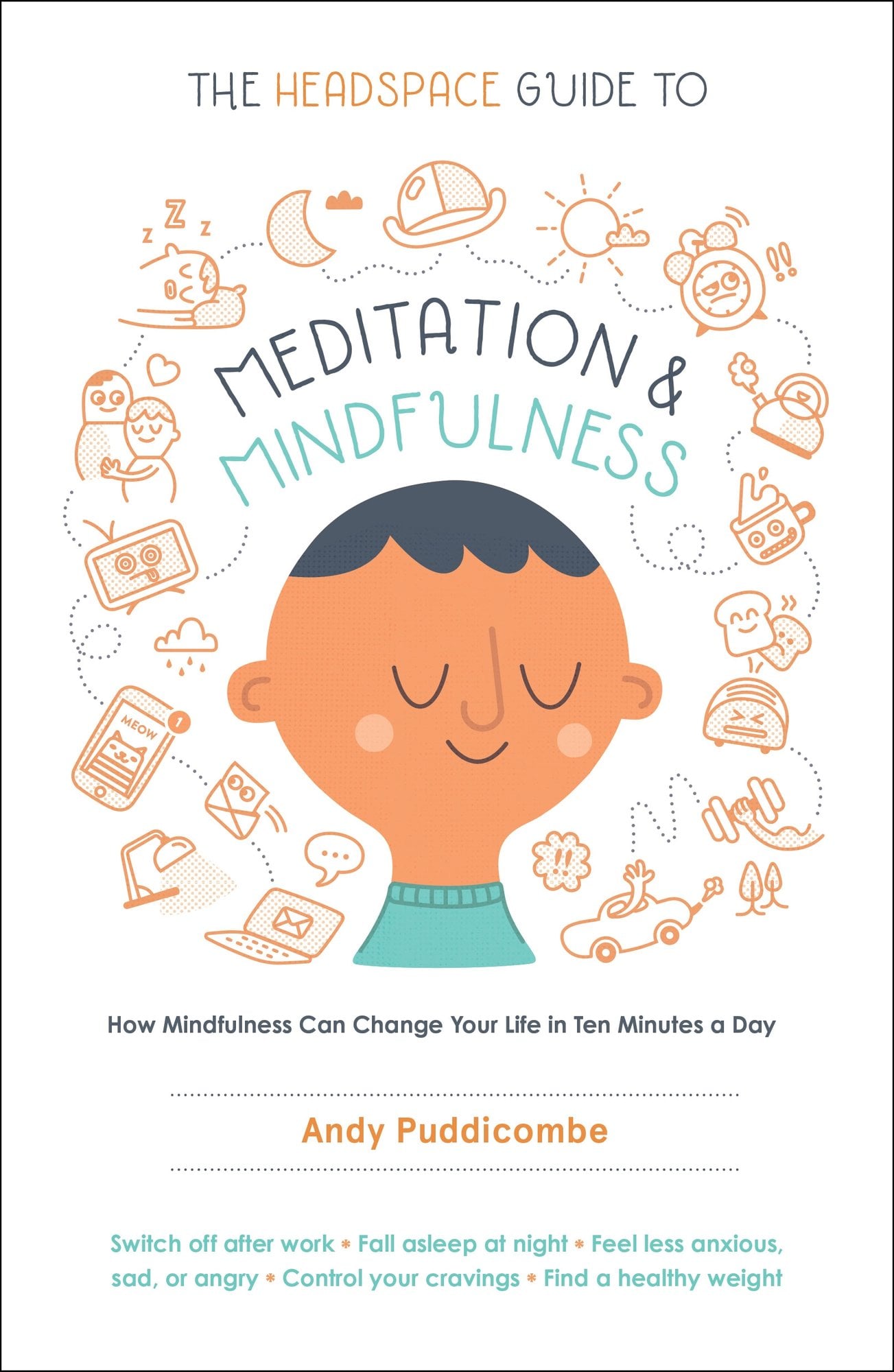
The Headspace Guide to Meditation & Mindfulness
By Andy Puddicombe
What if 10 minutes a day could make your life less stressful and more fulfilling?
*We may earn a commission at no extra cost to you.
Writing down a few things you’re grateful for each day can literally rewire your brain to focus on the positive, boosting your overall mood.
Try box breathing (inhale for 4 seconds, hold for 4, exhale for 4, hold for 4). It’s a simple way to calm your nervous system and clear your mind.
While it may feel like you’re getting more done, multitasking can actually increase stress and reduce your ability to focus.
Research shows that those who multitask the most often aren’t the best at it. In fact, frequent multitaskers tend to have lower attention control and are more easily distracted.
Focusing on one task at a time helps reduce overwhelm and improves both productivity and mental clarity.
6. Build Strong Social Connections
As humans, we’re wired for connection. Having positive relationships doesn’t just make life more enjoyable—it also plays a huge role in supporting mental health and even strengthening your immune system.
We thrive when we feel supported, understood, and part of something bigger than ourselves.
Here are some healthy social habits to nurture those important connections:
Life gets busy, but make it a priority to spend quality time with the people who matter most.
Whether it’s a fitness class, book club, or volunteering team, being part of a group can build a sense of belonging and provide opportunities to meet like-minded people.
It’s okay to distance yourself from relationships that drain your energy or cause unnecessary stress. Protect your peace!
Instead of simply waiting for your turn to speak, focus on really listening and engaging with the other person.
Research shows that when people feel truly heard, it activates positive emotional responses and strengthens social bonds.
Showing empathy and being fully present in conversations can deepen your connections and improve relationships.
Strong social connections have been linked to lower stress levels, better mood, and even a longer life. So, invest in the relationships that nourish you!

7. Limit Toxins and Harmful Substances
The things we put into and around our bodies can have a huge impact on how we feel.
Alcohol, nicotine, excess caffeine, and ultra-processed foods can drain your energy and mess with your mood.
But don’t worry—it’s all about making mindful choices that support your long-term health, not aiming for perfection.
Here are some simple tips to detox your lifestyle:
Cut back on alcohol or choose alcohol-free days to support steady energy and overall well-being.
Swap sugary or caffeinated beverages for herbal teas or water to stay hydrated without energy crashes.
Limit exposure to synthetic fragrances, plastics, and harsh chemicals. Small changes, like using natural cleaning products, can add up.
Quitting smoking or steering clear of second-hand smoke benefits your lungs — and your whole body.
Clean living doesn’t mean being perfect. It’s about making mindful choices that support your body and mind for the long haul.
8. Keep Learning and Challenging Your Mind
Your mind is just like your body—it needs exercise too! Keeping your brain active helps maintain mental sharpness, emotional wellness, and long-term health.
The more you challenge yourself mentally, the more agile and resilient you become.
Here are some fun ways to keep your brain engaged and thriving:
Whether it’s books, articles, or educational podcasts, making reading a habit helps sharpen your mind, expand your knowledge, and support emotional well-being.
Research shows that reading for pleasure also nurtures social connection and a positive sense of self.
Challenge yourself to pick up a new language, learn to play an instrument, or try your hand at a new recipe. It keeps things fresh and exciting!
Simple activities like crosswords, Sudoku, or memory games can help improve cognitive function and keep your brain in shape.
Journaling is a great way to process your thoughts and emotions, helping you gain clarity and emotional balance.
Lifelong learning isn’t just about accumulating knowledge—it’s linked to improved self-esteem, mental agility, and a deeper sense of life satisfaction.
9. Embrace Nature and Outdoor Time
There’s something magical about the outdoors—whether it’s the fresh air, the greenery, or just the sense of space. Spending time in nature can do wonders for your mental clarity, mood, and overall well-being.
In fact, research shows that walking in green spaces, compared to urban areas, boosts your mood.
Here’s how nature works its magic:
Here are a few simple ways to bring more nature into your day:
Even a short stroll can lift your spirits and clear your mind.
Surrounding yourself with plants or just sitting outside can be incredibly soothing.
If possible, step outside to recharge during the day. Even just 10–20 minutes in the fresh air can make a big difference.
10. Create a Sustainable Routine
All the tips we’ve covered are powerful, but here’s the truth: consistency is everything.
Building a healthy lifestyle isn’t about trying to do everything at once—it’s about creating a routine that fits into your life and is easy to stick with long-term.
Here are some tips to help you build habits that actually stick:
Begin with one habit at a time. Trying to change everything at once can be overwhelming—take it step by step.
Combine new habits with existing ones. For example, meditate right after brushing your teeth. This makes it easier to remember and stay consistent.
Use a journal or app to keep track of your habits. Seeing your progress can keep you motivated and show how far you’ve come.
Life happens. If you slip up or miss a day, don’t stress. Just get back on track the next day.
Remember, wellness isn’t a destination—it’s a lifelong journey. So focus on progress, not perfection.
Final Thoughts
Building habits of a healthy lifestyle isn’t about flipping a switch and doing everything perfectly right away. Trust me, I know it can feel overwhelming sometimes.
The good news is, it doesn’t have to be. It’s about finding what works for you and making small changes that fit naturally into your day.
Maybe you start by drinking more water in the morning, or taking a short walk outside. Maybe you try cutting back on caffeine or carving out five minutes to breathe deeply when things get hectic.
Whatever it is, these little habits add up over time and create a foundation for feeling more energized, happier, and healthier overall.
Remember, it’s okay to have off days. Life happens, and sometimes you’ll skip a workout or grab that extra cookie—and that’s fine.
What matters is that you keep coming back to the things that make you feel good.
So be kind to yourself, take it one step at a time, and celebrate the progress you’re making. Your healthy lifestyle isn’t a destination—it’s a journey, and every small choice counts.
*This article is for informational purposes only and is not intended as medical advice. It should not be used to diagnose, treat, or prevent any health condition. Always consult a qualified healthcare professional before making any changes to your diet, exercise, or health routine.
Kawamichi, Hiroaki et al. “Perceiving active listening activates the reward system and improves the impression of relevant experiences.” Social neuroscience vol. 10,1 (2015): 16-26. doi:10.1080/17470919.2014.954732. Abstract only.
Legrand, Fabien D et al. “Effects of Outdoor Walking on Positive and Negative Affect: Nature Contact Makes a Big Difference.” Frontiers in behavioral neuroscience vol. 16 901491. 3 Jun. 2022, doi:10.3389/fnbeh.2022.901491. Adapted and used under the terms of the Creative Commons Attribution 4.0 International License.
McMahon, William R et al. “The impact of structured sleep schedules prior to an in-laboratory study: Individual differences in sleep and circadian timing.” PloS one vol. 15,8 e0236566. 12 Aug. 2020, doi:10.1371/journal.pone.0236566. Adapted and used under the terms of the Creative Commons Attribution 4.0 International License.
Posadzki, P., et al. "Exercise/physical activity and health outcomes: an overview of Cochrane systematic reviews." BMC Public Health 20, 1724, (2020), https://doi.org/10.1186/s12889-020-09855-3. Adapted and used under the terms of the Creative Commons Attribution 4.0 International License.
Raymond-Lezman, Jonathan R, and Suzanne I Riskin. “Benefits and Risks of Sun Exposure to Maintain Adequate Vitamin D Levels.” Cureus vol. 15,5 e38578. 5 May. 2023, doi:10.7759/cureus.38578. Adapted and used under the terms of the Creative Commons Attribution 4.0 International License.
Sanbonmatsu, D.M., et al. "Who Multi-Tasks and Why? Multi-Tasking Ability, Perceived Multi-Tasking Ability, Impulsivity, and Sensation Seeking." PLoS ONE 8(1): e54402, 2013, https://doi.org/10.1371/journal.pone.0054402. Adapted and used under the terms of the Creative Commons Attribution 4.0 International License.
Tahara, Yu et al. “Association between Irregular Meal Timing and the Mental Health of Japanese Workers.” Nutrients vol. 13,8 2775. 13 Aug. 2021, doi:10.3390/nu13082775. Adapted and used under the terms of the Creative Commons Attribution 4.0 International License.

Malin, the co-founder of Courier Wellness, is well-informed in nutrition and health and brings her own unique perspective to the world of holistic wellness. With a passion for writing and a deep interest in wellbeing, she wants to create content that fosters balance and nourishment for the mind and body.