How to Live a Healthy Lifestyle in Today’s Busy World: 7 Practical Tips

This post contains affiliate links, which means we may earn a commission if you purchase through our links—at no extra cost to you. As an Amazon Associate we earn from qualifying purchases. We only recommend products we use or trust. Learn more about affiliate marketing or read our full disclosure.
In today’s fast-paced world, living a healthy lifestyle can feel impossible.
Between work, family, social life, and constant notifications, self-care is often pushed to the bottom of the list.
The good news?
Learning how to live a healthy lifestyle doesn’t mean dramatic changes. It’s about small, meaningful habits that fit into your routine—and actually stick.
In this article, I’ll share tips on how to live a healthy lifestyle, even when life is busy—using simple, practical habits you can start today.
Let’s get into it.
The Importance of Living a Healthy Lifestyle
Living a healthy lifestyle isn’t just about looking good—it’s about feeling good, thinking clearly, and having the energy to tackle your day.
When you take care of your body and mind, you’re better equipped to handle stress, stay focused, and maintain a sense of balance, even when life feels overwhelming.
A healthy lifestyle also goes beyond physical health.
It impacts your emotional and mental well-being, helping you feel more resilient, confident, and connected to the people and activities that matter most.
While the idea of living healthily can sometimes feel intimidating or time-consuming, it doesn’t have to be complicated. Making intentional, manageable choices every day is what really counts.
To help you get started, here are 7 practical tips on how to live a healthy lifestyle:
1. Prioritize Self-Care
If you’re trying to figure out how to live a healthy lifestyle, self-care is a great place to start. In a society that celebrates hustle, late nights, and nonstop productivity, taking time for yourself can almost feel… rebellious.
But the truth is, when you’re constantly pushing, giving, and rushing, burnout isn’t a possibility—it’s inevitable.
Self-care doesn’t have to mean spa days or expensive wellness routines (unless you love those—then go for it).
It can simply be protecting your energy, respecting your limits, and giving yourself permission to slow down.
Here’s how you can start prioritizing self-care, even when life feels full:
Set Work-Life Boundaries
Give yourself a real start and finish to your day. Close the laptop. Step away from emails. Work will still be there tomorrow, but your peace of mind won’t be if you don’t protect it.
Research shows that clear boundaries between work and life aren’t just good for your mental well-being—they actually help you feel more in control, reduce stress, and prevent burnout.
How well you manage these boundaries can depend on your own habits, your workplace culture, and even the people around you, like partners or supervisors.
To make boundaries stick:
- Define your work hours and stick to them whenever possible.
- Communicate your limits with colleagues and family.
- Create physical or psychological cues—like closing your laptop or stepping outside—to signal the end of your workday.
- Seek support from your organization or loved ones to honor these boundaries.
Setting boundaries isn’t selfish—it’s essential for a healthy, balanced lifestyle.
Schedule “You Time” Like an Appointment
Put it on the calendar, no guilt attached. Maybe it’s a quiet morning walk, 15 minutes with your favorite book, or just breathing and grounding yourself for a few minutes a day.
Your time matters.
If you’re anything like most people trying to juggle work, family, and everything in between, “self-care” often ends up at the bottom of your to-do list.
You tell yourself you’ll slow down tomorrow. You’ll journal when things calm down. You’ll rest after this busy season. But somehow… that season never really ends.
That’s why something simple like the Clever Fox Self-Care Journal (available on Amazon) can be so helpful. It gives you a structured space to pause, reflect, and check in with yourself — even on busy days.
Instead of hoping you’ll “find time” for self-care, you’re intentionally creating it. Just a few minutes a day can help you clear your thoughts, track your mood, and build a consistent habit of putting your well-being first.
Because when self-care is written into your routine, it’s much less likely to be neglected.
Practice Saying No
Your energy is valuable. Saying no to something that drains you is really saying yes to your well-being—and that’s self-care in action.
Why this matters:
Taking care of yourself isn’t selfish—it’s foundational.
When you’re rested, calm, and emotionally topped-up, you show up better in every area of your life. You think more clearly, you handle stress more gracefully, and you feel healthier overall.
In a fast-paced world, self-care isn’t optional—it’s essential.
2. Eat Nutritious Food for Energy
If you’re wondering how to live a healthy lifestyle without feeling exhausted all the time, what you eat plays a huge role.
Food is fuel—simple as that.
Research shows that diets high in ultra-processed foods (packaged snacks, sugary drinks, and ready-to-eat meals) are linked to higher risks of diabetes, heart problems, and weight gain.
The good news?
Eating well doesn’t have to mean spending hours in the kitchen. Focus on whole foods like fruits, vegetables, whole grains, nuts, and lean proteins.
Even small changes—like swapping a sugary snack for fruit or choosing water over soda—can boost your energy and support your health in the long run.
Here are some realistic ways to fuel your body, even on your busiest days:
Meal Prep (But Make It Doable)
You don’t need a full Sunday afternoon marathon prep session. Just set aside a little time once or twice a week to chop veggies, cook some protein, or prep a few healthy grab-and-go meals.
One thing that makes this habit easier to stick to is having good storage containers ready to go. A set like the Caraway Glass Food Storage Container Set (available on Amazon) can make meal prep feel less chaotic and more organized.
When you can clearly see your prepped meals in the fridge — neatly stored and ready to grab — you’re far more likely to actually eat them instead of ordering takeout.
Keep Smart Snacks Within Reach
When hunger hits, convenience usually wins. And let’s be honest — when you’re busy and starving, you’re not reaching for the “ideal” option… you’re reaching for the fastest one.
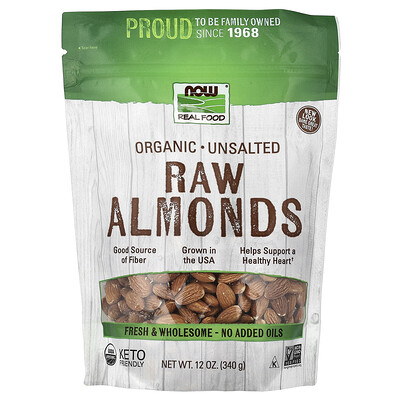
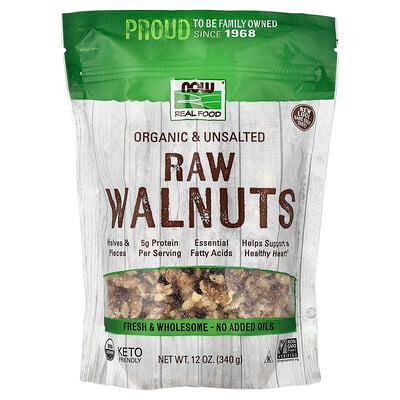
That’s why keeping simple, nourishing snacks within arm’s reach — like NOW Foods Organic Raw Almonds or Organic Raw Walnuts from iHerb — can make such a difference. They’re unsalted, minimally processed, and incredibly easy to grab when you need something quick.
The real benefit?
They actually keep you full. Instead of the energy spike-and-crash you get from sugary snacks, a small handful of nuts gives you healthy fats and protein that help stabilize your energy and curb cravings. That means fewer afternoon crashes, better focus, and less temptation to raid the vending machine later.
Sometimes healthy eating isn’t about willpower — it’s about preparation. When the good choice is already in your kitchen (or your bag), it becomes the easy choice.
Lean On Quick, Balanced Meals
Healthy doesn’t mean complicated.
Think smoothies packed with fruits, veggies, protein, and healthy fats. Or easy one-pan meals—roasted veggies plus chicken, fish, or tofu—and dinner’s done in half an hour or less.
Simple can still be delicious.
Why it matters:
Your body needs real nourishment to function, think clearly, and keep up with the pace of your life.
When you feed yourself well, you’ll notice a difference—not just in energy, but in mood, focus, and overall health.
Eating nutritious food isn’t just about diet; it’s about giving yourself the fuel to thrive.

3. Stay Active
When you’re figuring out how to live a healthy lifestyle, exercise can feel like the thing that always gets pushed aside.
Busy days, long hours, and fatigue make it easy to skip—but movement doesn’t have to be complicated.
Research shows that regular physical activity isn’t just good for your heart or waistline—it can actually help you live longer, reduce disease risk, and even improve your mood. Exercise is also a powerful tool for managing daily stress, depression, and anxiety.
Even small amounts—like a brisk walk, a few minutes of stretching, or a quick bike ride—can add up to real benefits over time.
Here’s how you can fit more movement into a packed schedule:
Take Short Movement Breaks
If you’re glued to a desk or screen most of the day, set a gentle reminder to stand up, stretch, or walk around every 30–60 minutes.
A quick stretch or lap around the room is often enough to reset your mind and body.
And if stepping away from your desk isn’t always realistic, something like an under-desk elliptical like the Cubii JR1 (available on Amazon) can help you keep moving without disrupting your workflow. It allows you to pedal while answering emails or sitting in meetings, which is especially helpful if your schedule is packed back-to-back.
The biggest benefit?
You’re reducing stiffness, improving circulation, and sneaking movement into your day — without having to block off extra workout time. For anyone who ends the day with tight hips, sore legs, or that sluggish “I’ve been sitting too long” feeling, this can be a simple way to stay active while still getting your work done.
Because sometimes the key to staying active isn’t finding more time — it’s using the time you already have.
Walk or Bike When You Can
Skip the car for short trips if it’s safe and doable. Walk to grab coffee, bike to an appointment, or take the longer route home.
You’ll get more steps in—and maybe even a little fresh air and sunshine.
Try Short, Effective Workouts
No hour-long gym session available?
No problem. Workouts don’t have to be long to be powerful.
Try 15–20 minute routines, quick HIIT workouts, or simple bodyweight moves like squats, planks, and push-ups.
Even something as simple as a jump rope session can give you an incredible cardio workout in a short amount of time. A cordless option like the YOTTOY weighted jump rope from Amazon is especially convenient if you’re working out at home and don’t have a lot of space.
The best part?
Just a few minutes of jumping can get your heart rate up, boost your energy, and leave you feeling accomplished — all without needing a gym membership or complicated equipment.
A little effort really does go a long way.
Why it matters:
Movement boosts your mood, reduces stress, and helps you sleep better. It supports your heart, muscles, and overall longevity—without requiring hours each day.
When you stay active, you feel more energized and focused, making it easier to keep up with everything else life throws your way.
4. Make Sleep a Priority
Sleep is your best friend when it comes to feeling your best—but it’s often the first thing we skimp on. We trade rest for one more task, another episode, or late-night scrolling.
Getting quality sleep isn’t just about feeling rested—it supports your heart, brain, hormones, immune system, and mood.
Most of us don’t get the recommended 7–9 hours, or our sleep gets disrupted by stress, lifestyle choices, or environmental factors.
The good news?
Small habits can make a big difference:
Stick to a Sleep Schedule
Try going to bed and waking up at the same time each day, weekends included.
Your body loves consistency, and a steady rhythm makes falling asleep—and waking up—easier.
Build a Relaxing Bedtime Routine
Power down a little early. Dim the lights, trade screens for a book, stretch, meditation, journal—whatever helps you unwind and signal to your brain that it’s time to rest.
If you struggle to fully relax at night, a few small tools can make your bedtime routine feel more intentional. A silk sleep mask, like the Slip Pure Silk Sleep Mask from Dermstore, can help block out light and create a calm, cocoon-like feeling — especially helpful if streetlights or early sun tend to wake you up.

Slip Silk Sleep Mask – Navy
For those nights when your mind won’t slow down, a calming pillow spray like thisworks Deep Sleep Pillow Spray from Dermstore can turn your bed into a subtle sensory cue for relaxation. The gentle scent becomes part of your wind-down ritual, signaling to your body that it’s safe to rest.
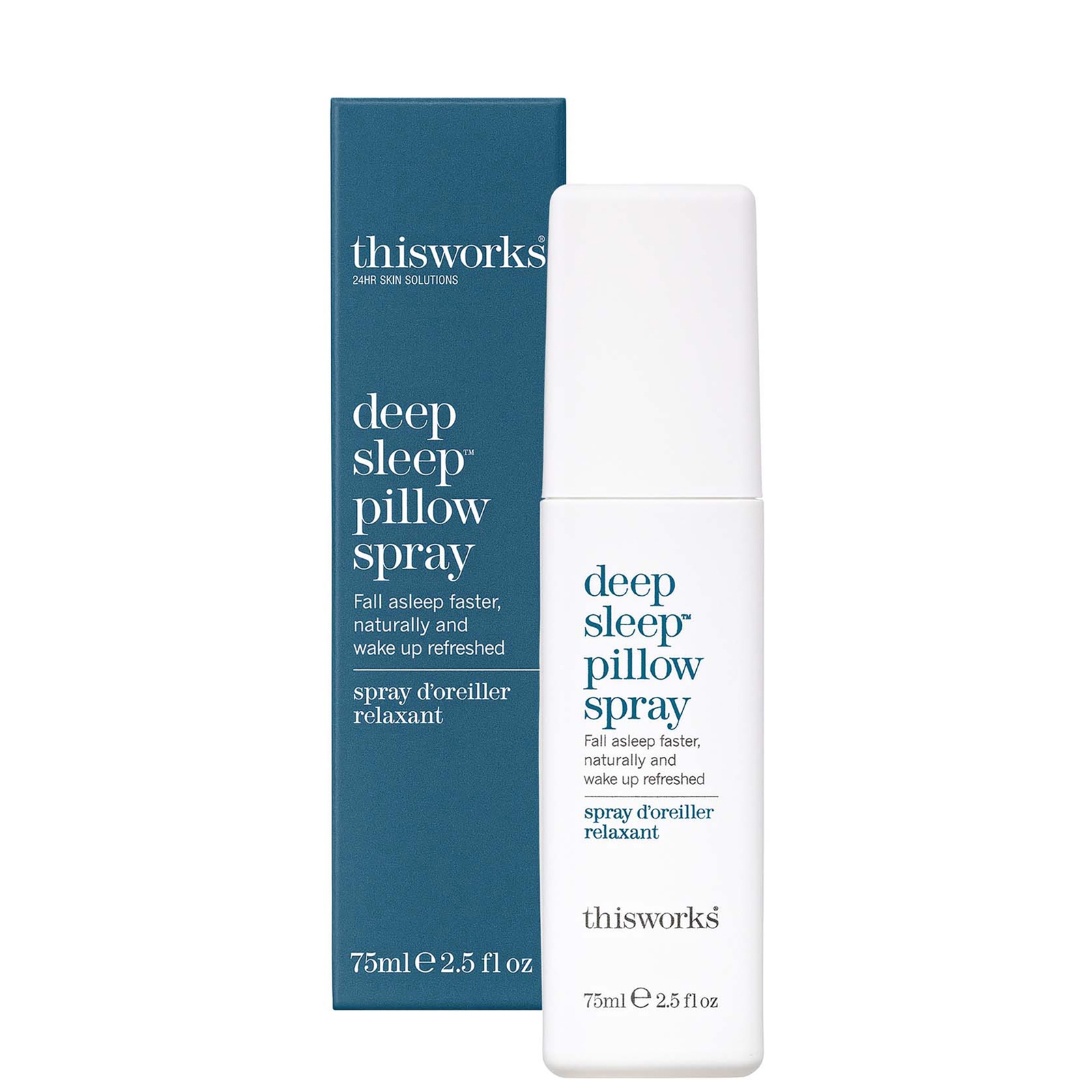
this works Deep Sleep Pillow Spray (2.5 fl. oz.)
And if you’re someone who wakes up at every little sound, a white noise machine like the SNOOZ Smart White Noise Sound Machine from Amazon can help create a consistent, soothing background sound that masks disruptions and supports deeper, uninterrupted sleep.
Sometimes better sleep isn’t about trying harder — it’s about creating an environment that makes rest feel effortless.
Mind Your Caffeine and Alcohol Intake
That afternoon coffee or evening energy drink may be doing more than giving you a boost—it can linger in your system for hours and make it harder to fall asleep, stay asleep, and reach deep, restorative sleep.
Alcohol can be just as sneaky. While it may make you feel sleepy at first, it often disrupts deep sleep and causes more nighttime waking.
Try this: Enjoy caffeinated drinks earlier in the day, and if you do choose to have alcohol, follow it up with a tall glass of water before bed.
Why it matters:
When you’re well-rested, you think clearer, feel calmer, and move through your day with more energy and ease. Sleep strengthens your immune system, supports emotional balance, and helps prevent burnout.
In short—when you prioritize sleep, you’re not losing time; you’re gaining a healthier, more productive version of yourself.
5. Hydration
When you think about how to live a healthy lifestyle, hydration might not be the first thing that comes to mind—but it plays a much bigger role in how you feel than most people realize.
Water supports almost everything your body does—from digestion and circulation to temperature control and brain function. Even mild dehydration can show up as low energy, headaches, trouble focusing, or irritability.
But when life gets busy, it’s incredibly easy to forget to drink enough.
The simple fix?
Drink more water. Small habit, big impact.
Here’s how to make hydration part of your everyday routine:
Keep a Water Bottle With You
A reusable water bottle is a constant visual reminder to drink throughout the day. Keep it on your desk, in your bag, or anywhere you’ll see it often — out of sight really can mean out of mind.
For a durable, easy-to-use option, the Hydro Flask Water Bottle with Wide Mouth Flex Straw Lid from Amazon is a great option. The insulation keeps your water cold for hours, the straw makes sipping effortless, and it’s sturdy enough to toss in a bag without worrying about leaks.
Having a reliable bottle like this makes it way easier to stay hydrated. You’re less likely to reach for sugary drinks or forget to sip, and you’ll notice the difference in your energy, focus, and overall well-being.
Add Natural Flavor if You Need a Boost
If plain water isn’t your thing, make it fun. Add slices of berries, cucumber, or mint. Hydration doesn’t have to be boring.
Set Reminders to Sip Throughout the Day
A quick phone alert or hydration app can help you stay on track—especially on those nonstop, back-to-back schedule days.
Why it matters:
Your body and brain work better when they’re well hydrated. Drinking enough water supports energy, digestion, focus, and even productivity.
When you’re hydrated, you feel clearer, lighter, and more capable of tackling the day head-on.
6. Stress Management
Life gets busy, pressure builds, and before you know it, stress sneaks in and takes over.
Even when you’re trying to figure out how to live a healthy lifestyle, unmanaged stress can make everything feel heavier and harder.
Daily tress will always be part of life—but chronic stress can take a real toll on both your mind and body. Over time, it can affect your mood, energy levels, sleep, focus, and overall health.
That’s why learning to decompress isn’t a luxury. It’s a necessity.
Here are a few simple stress-relief practices you can weave into your routine:
Try Mindfulness or Meditation
Just 5–10 minutes a day makes a difference.
Guided apps like Calm or Headspace are great for beginners, but even sitting quietly and focusing on your breath can help you reset.
book tip
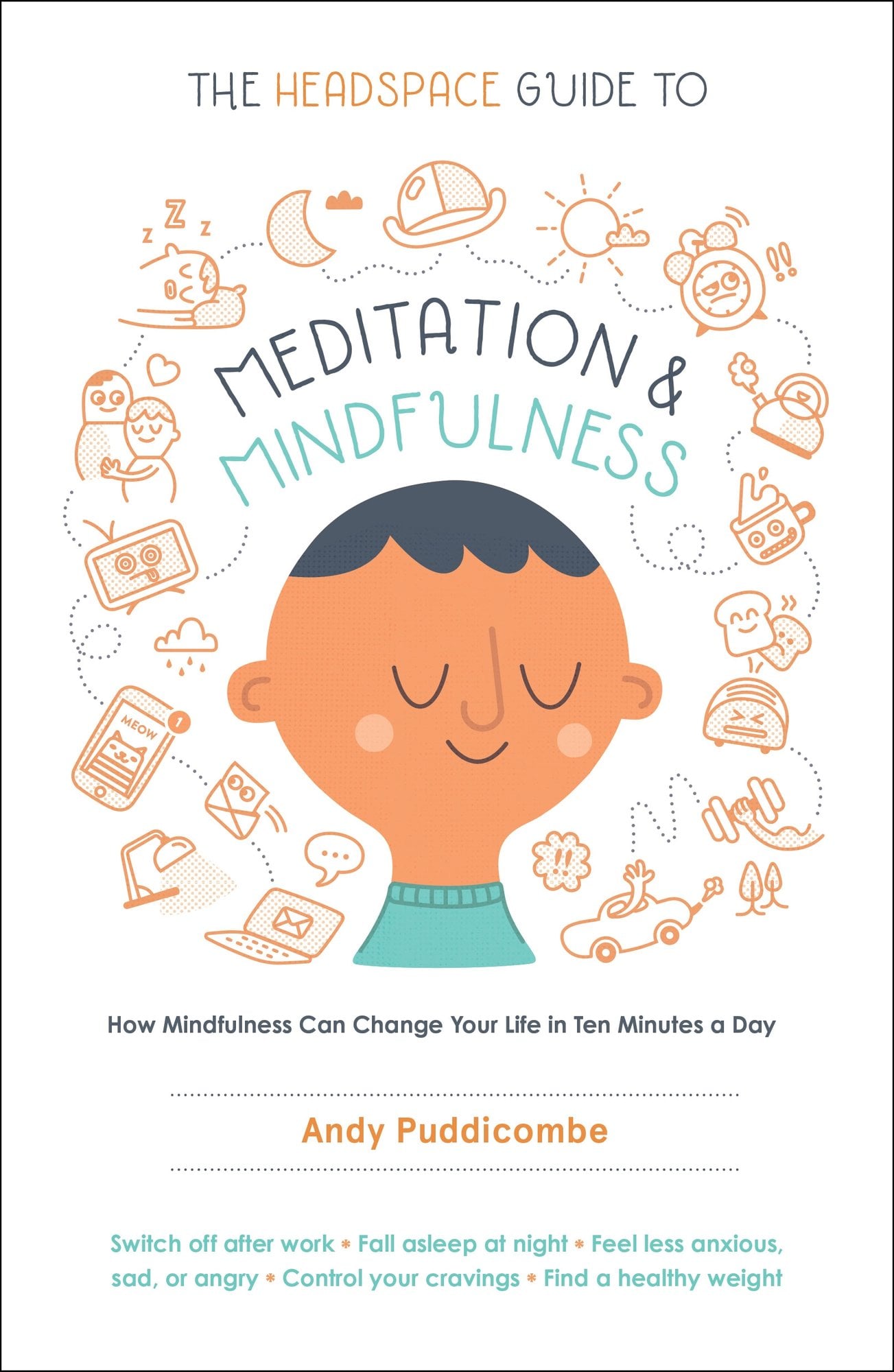
The Headspace Guide to Meditation & Mindfulness
By Andy Puddicombe
What if 10 minutes a day could make your life less stressful and more fulfilling?
*We may earn a commission at no extra cost to you.
Build In Short Breaks
If you find yourself powering through the day without stopping, pause. Stand, stretch, move, breathe.
Sometimes a two-minute reset is all you need to clear your head.
Spend Time on Things You Love
Hobbies aren’t a luxury—they’re stress relief. Read, paint, garden, cook, craft, listen to music.
If it relaxes you, it matters.
Why it matters:
Managing stress protects both your mental and physical health.
It boosts your mood, supports immunity, and helps you maintain balance so you can handle life’s challenges with more resilience and clarity.
When you give yourself space to breathe and recharge, everything else feels a little lighter.
7. Social Connections
When you’re focused on productivity and figuring out how to live a healthy lifestyle, it’s surprisingly easy for relationships to slip down the priority list.
We put work first, responsibilities second, and connection somewhere at the bottom—if there’s time left.
But humans are wired for connection, and strong relationships don’t just feel good—they support both our mental and physical well-being.
Feeling connected helps lower stress, improves mood, and gives us a sense of belonging. On the flip side, chronic loneliness can quietly take a toll on both emotional and overall health.
Good people make life lighter. They bring laughter, support, perspective, and comfort—things that matter just as much as nutrition or movement.
Here are a few simple ways to strengthen your social circle:
Make Time for Those Who Matter
A quick call, a text, or a 20-minute coffee catch-up can go a long way. Connection doesn’t always have to be hours long—small check-ins still count.
Join Groups or Activities You Enjoy
Whether it’s a fitness class, book club, crafting group, or community event, shared interests create space for new friendships and meaningful interactions.
Be Present in Your Moments
When you’re with someone, really be with them. Put the phone away, listen deeply, laugh fully.
Presence is one of the greatest gifts you can offer.
Why it matters:
Positive relationships reduce stress, boost happiness, and help you feel supported—especially when life gets overwhelming. Strong social connection is linked to better mental health, longevity, and overall well-being.
Simply put: life feels fuller when you’re not navigating it alone.
Final Thoughts
At the end of the day, how to live a healthy lifestyle isn’t about perfection—it’s about progress.
Instead of trying to overhaul your entire routine, buy fancy equipment, or squeeze more into an already packed schedule, make small, meaningful choices that support your body, mind, and overall well-being.
- Prioritize self-care
- Eat nourishing foods
- Stay active
- Get quality sleep
- Drink water
- Manage daily stress
- Build social connections
These habits may seem simple, but together, they create a powerful foundation for a healthier life.
And the best part?
You don’t have to do everything at once. Take it one step, one habit, one day at a time.
A healthier lifestyle isn’t something you accomplish overnight. It’s something you build—slowly, intentionally, with compassion for yourself along the way.
Start where you are. Do what you can.
And remember, every positive choice you make today is a step toward feeling better, stronger, and more balanced in your everyday life.
*This article is for informational purposes only and is not intended as medical advice. It should not be used to diagnose, treat, or prevent any health condition. Always consult a qualified healthcare professional before making any changes to your diet, exercise, or health routine.
Gardiner, Carissa et al. “The effect of caffeine on subsequent sleep: A systematic review and meta-analysis.” Sleep medicine reviews vol. 69 (2023): 101764. doi:10.1016/j.smrv.2023.101764. Abstract only.
Martino, Jessica et al. “The Connection Prescription: Using the Power of Social Interactions and the Deep Desire for Connectedness to Empower Health and Wellness.” American journal of lifestyle medicine vol. 11,6 466-475. 7 Oct. 2015, doi:10.1177/1559827615608788. Abstract only.
Nakamura, Yumi et al. “Effect of Increased Daily Water Intake and Hydration on Health in Japanese Adults.” Nutrients vol. 12,4 1191. 23 Apr. 2020, doi:10.3390/nu12041191. Adapted and used under the terms of the Creative Commons Attribution 4.0 International License.
Steffens, Katharina et al. “The concept of "Work-Life-Blending": a systematic review.” Frontiers in psychology vol. 14 1150707. 21 Dec. 2023, doi:10.3389/fpsyg.2023.1150707. Adapted and used under the terms of the Creative Commons Attribution 4.0 International License.
Vitale, Marilena et al. “Ultra-Processed Foods and Human Health: A Systematic Review and Meta-Analysis of Prospective Cohort Studies.” Advances in nutrition (Bethesda, Md.) vol. 15,1 (2024): 100121. doi:10.1016/j.advnut.2023.09.009. Adapted and used under the terms of the Creative Commons Attribution 4.0 International License.
Wang, Yucong, and Kalaiselvan Ashokan. “Physical Exercise: An Overview of Benefits From Psychological Level to Genetics and Beyond.” Frontiers in physiology vol. 12 731858. 12 Aug. 2021, doi:10.3389/fphys.2021.731858. Adapted and used under the terms of the Creative Commons Attribution 4.0 International License.
Yaribeygi, Habib et al. “The impact of stress on body function: A review.” EXCLI journal vol. 16 1057-1072. 21 Jul. 2017, doi:10.17179/excli2017-480. Adapted and used under the terms of the Creative Commons Attribution 4.0 International License.

Malin, the co-founder of Courier Wellness, is well-informed in nutrition and health and brings her own unique perspective to the world of holistic wellness. With a passion for writing and a deep interest in wellbeing, she wants to create content that fosters balance and nourishment for the mind and body.