The Truth About Lemon Water: Benefits, Myths, and Risks

This post contains affiliate links, which means we may earn a commission if you purchase through our links—at no extra cost to you. As an Amazon Associate we earn from qualifying purchases. We only recommend products we use or trust. Learn more about affiliate marketing or read our full disclosure.
When it comes to health trends, lemon water has become the poster child for those “simple hacks that can change your life.”
From social media influencers to wellness blogs, the idea of starting your morning with warm lemon water has been glorified as a cure-all—said to boost immunity, detoxify your body, improve digestion, and even promote weight loss.
But here’s the big question: Is lemon water really the miracle drink it’s claimed to be? Or is it just another overhyped fad built more on marketing than science?
In this article, we’ll take a closer look at the real benefits of lemon water, bust some of the common myths, and talk about the downsides that rarely get mentioned.
Let’s begin!
The Rise of Lemon Water: Why Is It So Popular?
The lemon water craze didn’t just appear out of thin air—it’s been fueled by a mix of trends, marketing, and a whole lot of social media buzz.
Here’s why it caught on so quickly:
Unlike complicated supplements or restrictive diets, lemon water is quick, cheap, and easy to make. Anyone can do it.
When celebrities and influencers casually mention that they always start their morning with lemon water, it instantly feels aspirational (and maybe a little glamorous).
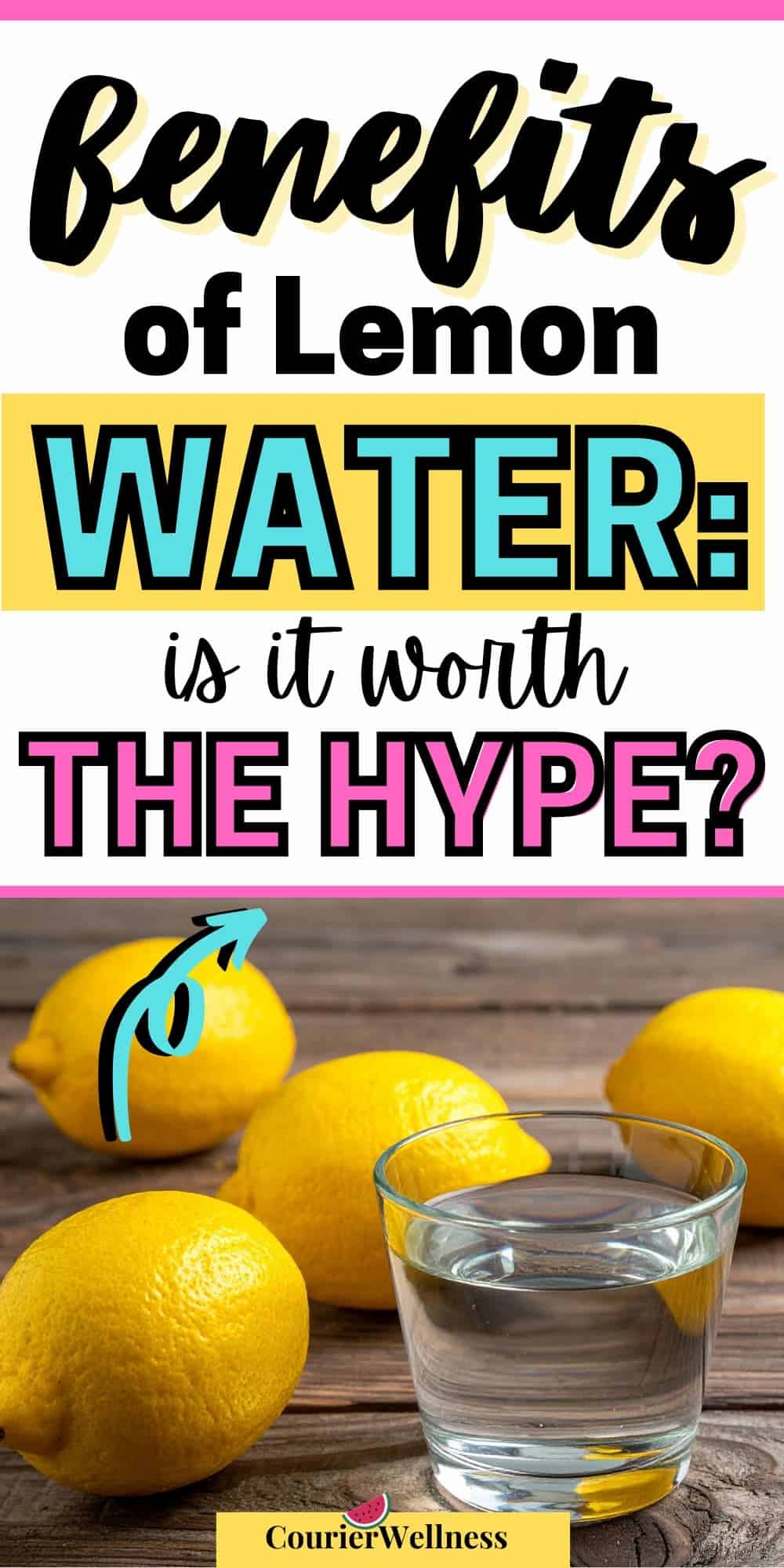
These days, anything labeled “natural” gets extra credibility. Lemon water feels wholesome, clean, and perfectly in line with the wellness lifestyle.
The booming detox industry has put lemon water front and center as a staple of “cleansing” routines.
But here’s the thing: just because something is simple and natural doesn’t automatically mean it’s backed by science.
RELATED POST: Potential Risks of Lemon Water in the Morning
Claimed Benefits of Lemon Water
Before we get into what’s fact and what’s fiction, let’s run through the most common claims you’ve probably heard about lemon water.
Supposedly, it can:
Sounds impressive, right?
On the surface, these benefits of lemon water seem totally believable. But when we look a little closer, the reality turns out to be a lot less magical (and sometimes a little disappointing).
The Reality: What Lemon Water Actually Does
Alright, let’s separate the hype from the truth. Lemon water isn’t a magic potion, but it does have a few real perks worth knowing about.
Here’s what the science (and a little common sense) actually says:
1. Vitamin C – Easily Replaced Elsewhere
Yes, lemons do contain vitamin C — about 53 mg per 100 g (roughly what you’d get from a medium-sized lemon). That’s a solid contribution, but it’s hardly the most impressive option out there.
Now compare that to some other everyday foods:
- One medium kiwi (100 g): ~75 mg
- One medium orange (130–140 g): ~70–80 mg
- One cup strawberries (150 g): ~90 mg
- One cup chopped bell peppers (120–150 g): 120–200 mg depending on the color
Source: FoodData Central
See the difference?
If your main goal is to load up on vitamin C, you’ve got plenty of better (and less acidic) options. Lemon water can add a little boost, but it’s not a unique or essential way to hit your daily target.
2. Digestion – More Myth Than Fact
A lot of people swear by lemon water for digestion, claiming it “stimulates stomach acids” and keeps things moving.
Here’s what the science actually says: a small study found that lemon juice consumed with bread did increase gastric volume and emptying rate, and it even lowered the post-meal blood sugar response.
However, these effects were specific to meal composition and starch digestion—not a general boost to gut health.
In other words, lemon water might change how your stomach handles a meal, but it doesn’t prevent bloating or improve digestion overall. If you have acid reflux, citrus can even make things worse.
A healthier way to support digestion is through fiber-rich foods, probiotics, and staying hydrated—none of which require lemons.
Personally, I’ve found that adding probiotics makes a huge difference.
I use the Luvele Pure yogurt maker to make my own probiotic-rich yogurt at home, and it’s been a total game-changer for my gut health.
RECOMMENDATION
Luvele Pure Yogurt Maker

This simple and high-quality yogurt maker has advanced water-bath technology, which ensures even and consistent temperatures for thick, probiotic-rich yogurt.
Key features:
*We may earn a commission at no extra cost to you.
Thinking about trying a Luvele yogurt maker but still on the fence?
Check out our full review below to see how it performs and whether it’s right for you.
RELATED POST: Luvele: Why It’s The Best Yogurt Maker For Gut Health
3. Weight Loss – No Magic Here
You’ve probably seen claims that lemon water is some sort of miracle fat-burner.
Here’s the truth: lemons themselves don’t have any special weight-loss powers.
What the research shows is that plain water can actually help a bit with appetite and calorie intake. In studies, drinking about 500 mL of water before meals reduced perceived hunger and even lowered the amount of food eaten.
Over time, regular premeal water consumption was linked to slightly more weight loss among middle-aged and older adults.
So if you drop a few pounds while sipping lemon water, it’s usually for one of two reasons:
- You’re swapping out higher-calorie drinks, like soda or juice.
- The simple act of drinking it encourages a bit more mindfulness around eating and drinking.
The takeaway?
The “weight loss effect” comes from cutting calories and staying hydrated—not from anything magical in lemons. Plain water works just as well without all the acidity.
RELATED POST: The Ultimate Guide to Sustainable Weight Loss: Eat Better, Not Less
4. Detoxification – A Marketing Buzzword
One of the most persistent myths about lemon water is that it “detoxifies” your body.
Here’s the truth: your liver and kidneys are already doing all the detox work you need—they don’t need lemon water to get the job done.
No citrus drink can magically “flush out toxins.” Even so-called “lemon detox” programs have been studied scientifically.
In one trial, overweight women followed a lemon juice–based low-calorie diet for 7 days. They did lose weight, body fat, and had improvements in blood markers like insulin and inflammation—but these benefits were entirely due to calorie restriction, not any special detoxifying property of lemons.
At best, lemon water can help with hydration, which indirectly supports your body’s natural detox processes—but honestly, plain water does the exact same thing.

5. Skin Health – Better Sources Exist
It’s true that vitamin C helps with collagen production and overall skin health—but don’t expect lemon water to be a magic glow potion.
The vitamin C in lemon water is modest compared to other foods. More importantly, staying hydrated—whether with water or antioxidant-rich teas—has a bigger impact on your skin.
Some herbal teas contain compounds that go beyond hydration:
- Hibiscus is rich in antioxidants and polyphenols, which studies show can help protect skin from oxidative stress, support collagen production, and even provide mild sun protection.
- Elderberry contains natural compounds that may reduce inflammation, fight oxidative stress, and support skin repair, giving your skin a little extra love.
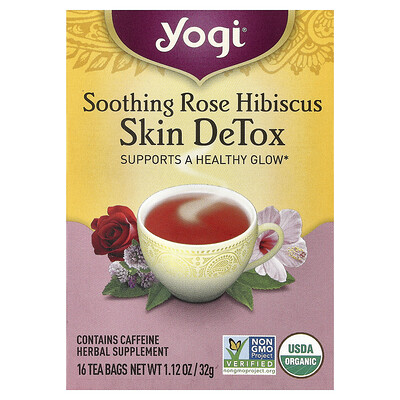
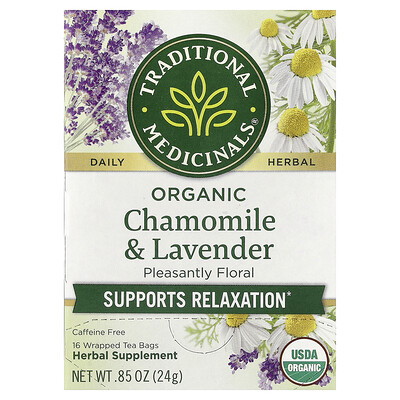
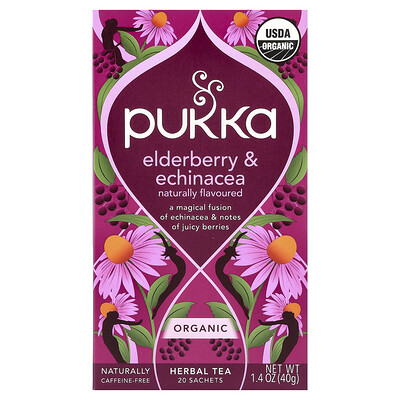
Some great herbal tea options include Skin DeTox by Yogi Tea, Chamomile & Lavender by Traditional Medicinals, and Elderberry & Echinacea by Pukka Herbs—all delicious ways to support hydration and overall wellness.
If you really want healthier, clearer skin, focus on:
RELATED POST: The Complete Guide to Healthy Eating: Nourish Your Body for Life
6. Hydration – Water Does the Heavy Lifting
If there’s one area where lemon water has a tiny edge, it’s hydration—mostly because it can make plain water taste a little more appealing.
But let’s be clear: the hydration comes from the water itself, not the lemon.
If you find plain water boring, adding lemon might help you drink more. But studies show that acidic drinks, even something as simple as lemon water, can gradually erode tooth enamel over time.
The good news?
The same flavor boost can be achieved with cucumber slices, berries, or herbal teas—options that are gentler on your teeth.
A great way to make sure you stay hydrated throughout the day is to carry water with you. A popular choice is Hydro Flask water bottle (available on Amazon)—it keeps drinks cold for up to 24 hours and makes reaching your daily water goal much easier.

Hydro Flask 32 Oz Wide Flex Straw Cap Bottle – Insulated Stainless Steel – Wide Straw Lid, Non Spill, Leakproof in Thyme Rose Gold
7. Fresh Breath – Short-Term at Best
Some people turn to lemon water hoping for fresher breath. While the acidity might temporarily mask odors, it comes with a downside: it can irritate gums and gradually erode tooth enamel.
For long-lasting fresh breath, stick with tried-and-true methods:
I personally use products recommended by Dr. Ellie Phillips, including Act Fluoride Mouthwash, Dr. Plotka’s Toothbrush by Mouthwatchers, and Zellie’s 100% Xylitol Cool Mint Breath Mints—all available on Amazon.


The Downsides of Lemon Water
Lemon water is often marketed as completely harmless, but it actually comes with a few drawbacks that don’t get much attention.
Let’s take a closer look at what to watch out for:
1. Dental Health: Enamel Erosion
This is the biggest red flag when it comes to lemon water. Lemon juice is highly acidic (pH around 2–3), and regular exposure can weaken tooth enamel.
Over time, this can lead to:
Dentists routinely warn patients about the risks of sipping acidic drinks—and research confirms it.
One long-term study found that lemon juice caused the most severe enamel damage compared to other citrus juices like orange and grapefruit.
Some suggest using a straw or rinsing afterward, but the reality is that daily lemon water consumption still puts your teeth at risk—especially if you sip it throughout the day.
For anyone looking to protect their dental health, I highly recommend the books I’ve read and found invaluable: Kiss Your Dentist Goodbye and Mouth Care Comes Clean by Dr. Ellie Phillips.
book tip
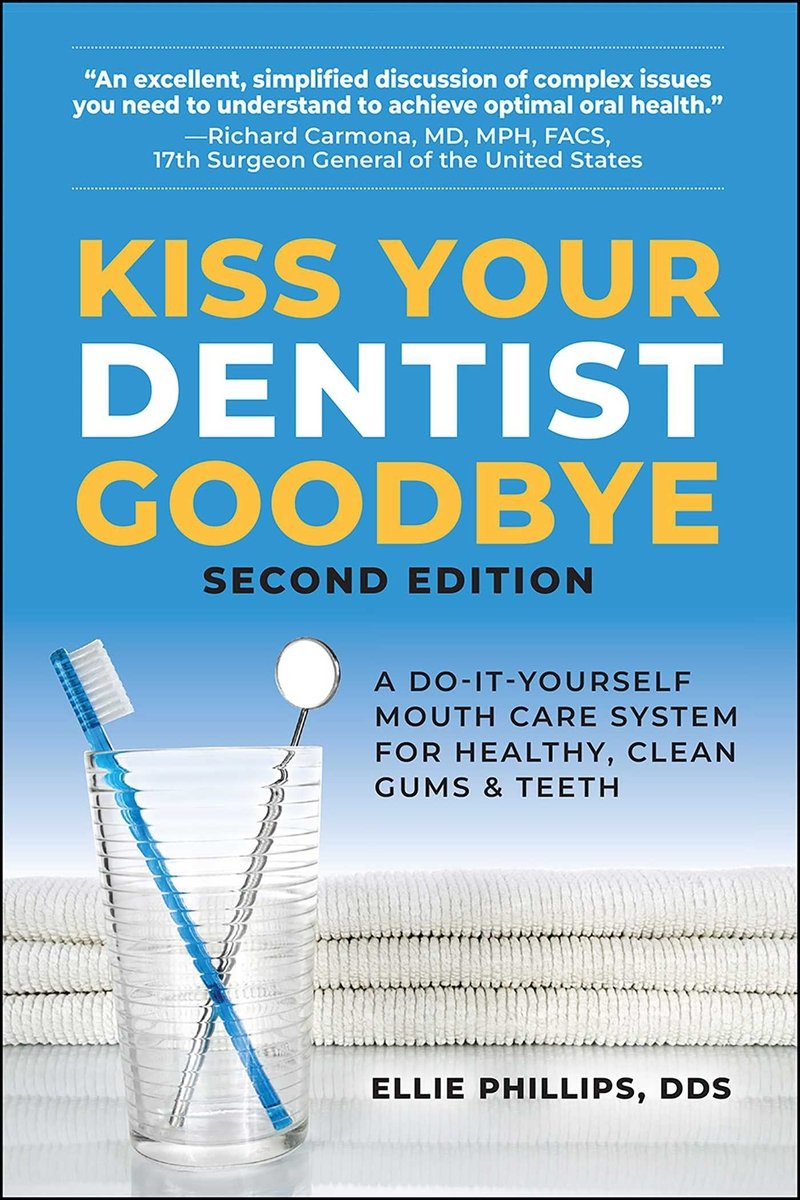
Kiss Your Dentist Goodbye
By Ellie Phillips, Dds
What if there’s a better way to keep your teeth healthy — one that doesn’t revolve around constant trips to the dentist?
*We may earn a commission at no extra cost to you.
book tip
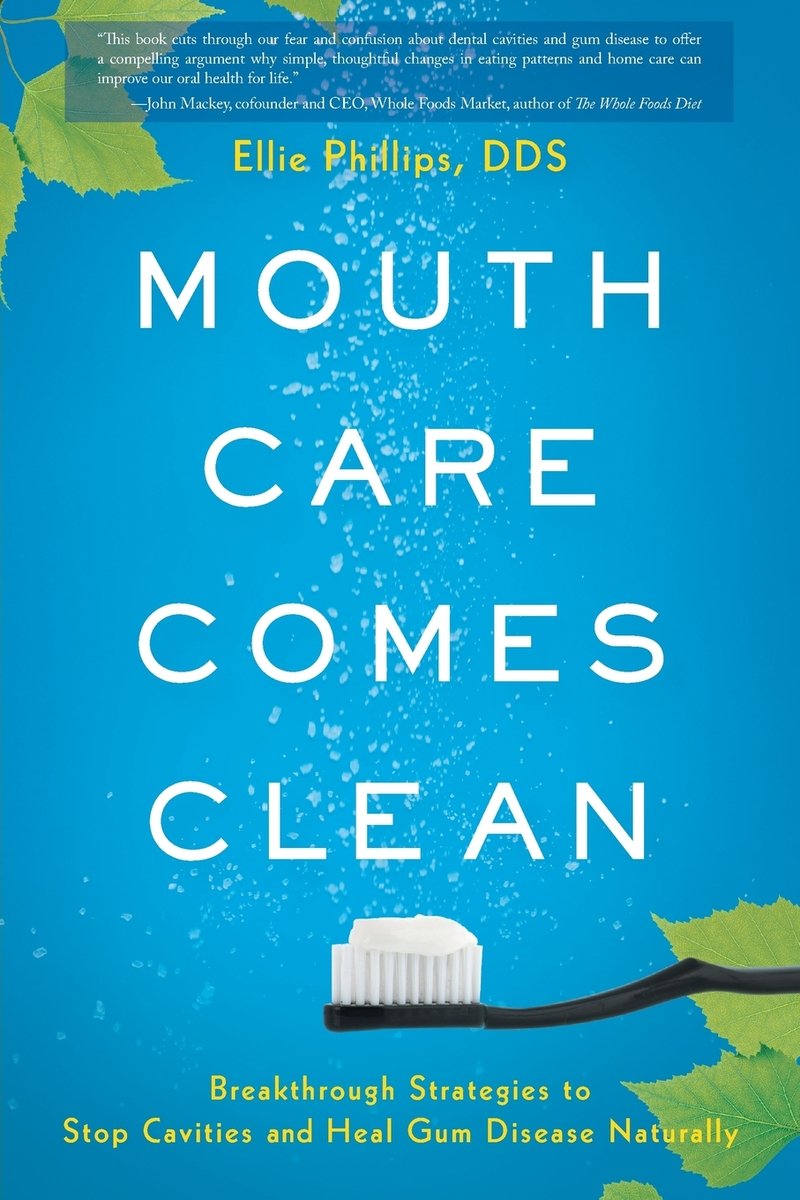
Mouth Care Comes Clean
By Ellie Phillips, Dds
In this book, dentist Dr. Ellie Phillips challenges the common myths about oral care and reveals a better way to protect your teeth and gums for life.
*We may earn a commission at no extra cost to you.
In these books, she explains the dangers of acidic drinks, the importance of daily xylitol use, and practical strategies to keep your teeth and gums healthy.
2. Acid Reflux and Stomach Irritation
If you have GERD or acid reflux, lemon water can make symptoms worse—heartburn, bloating, and general discomfort are common.
Even if you don’t have reflux, regularly drinking acidic beverages can irritate your stomach lining over time.
In short, lemon water isn’t as gentle as it’s often marketed, and frequent consumption may do more harm than good for your digestive system.
3. Overhyped Expectations
Maybe the biggest downside of lemon water isn’t physical—it’s psychological.
It’s often marketed as a cure-all, which can make people believe it’s a substitute for truly impactful habits like eating a balanced diet, exercising regularly, and getting enough sleep.
By putting too much stock in lemon water, it’s easy to lose sight of the bigger picture: lasting health comes from consistent, meaningful lifestyle choices—not a trendy drink.
Why the Hype of Lemon Water Persists
If lemon water isn’t the miracle drink it’s claimed to be, why does it remain so popular?
A few key reasons help explain its staying power:
Wellness culture loves simple, photogenic rituals—and a bright glass of lemon water looks instantly “healthy” on Instagram.
If people believe lemon water makes them feel better, sometimes it genuinely does—psychologically, if not physiologically.
Sipping lemon water can feel like a mindful, healthy start to the day, even if the actual benefits are mostly in your head.
Ultimately, lemon water thrives as much on perception as it does on reality.
Better Alternatives to Lemon Water
If you like the idea of the benefits often claimed for lemon water—but want to avoid the drawbacks—here are smarter options:
Go for kiwi, strawberries, bell peppers, or broccoli—they pack a bigger punch than lemon.
Stick with plain water, or add natural flavor with cucumber, mint, or berries—gentle on your teeth, too.
Focus on fiber-rich foods, probiotic-rich foods like yogurt, and staying active.
Prioritize whole fruits and vegetables, stay hydrated, and don’t forget sunscreen.
Concentrate on balanced meals and consistent hydration—no magic drinks required.
These alternatives give you the benefits without risking enamel erosion, acid reflux, or overhyped expectations.
Practical Tips If You Still Want Lemon Water
If you’re set on enjoying lemon water despite the drawbacks, there are ways to reduce the risks:
Following these simple steps can help you enjoy lemon water more safely—but it’s still more advisable to drink it only occasionally, rather than making it a daily habit.
Final Thoughts
Lemon water may seem like a simple, trendy health hack. But the reality is far less impressive than the hype suggests.
It does provide a small amount of vitamin C and can make water more enjoyable. But the so-called benefits—weight loss, detoxification, glowing skin, fresher breath—are mostly myths.
Many of these results are achievable through better, safer alternatives.
Regular consumption also carries real downsides. Enamel erosion, acid reflux, and overvalued expectations can distract from meaningful habits.
Things like eating a balanced diet, staying hydrated, exercising, and getting enough sleep are far more important.
If you still want to enjoy lemon water, stick to occasional use. Take precautions to protect your teeth, and focus on alternatives that actually deliver benefits.
Remember, true wellness comes from consistent, evidence-based habits—not a trendy drink.
*This article is for informational purposes only and is not intended as medical advice. It should not be used to diagnose, treat, or prevent any health condition. Always consult a qualified healthcare professional before making any changes to your diet, exercise, or health routine.
Davy, Brenda M et al. “Water intake, hydration, and weight management: the glass is half-full!.” Physiology & behavior vol. 297 (2025): 114953. doi:10.1016/j.physbeh.2025.114953.
Dos Santos Nascimento, Luana Beatriz et al. “Phenolic Compounds from Leaves and Flowers of Hibiscus roseus: Potential Skin Cosmetic Applications of an Under-Investigated Species.” Plants (Basel, Switzerland) vol. 10,3 522. 10 Mar. 2021, doi:10.3390/plants10030522. Adapted and used under the terms of the Creative Commons Attribution 4.0 International License.
Freitas, Daniela et al. “Glycemic response, satiety, gastric secretions and emptying after bread consumption with water, tea or lemon juice: a randomized crossover intervention using MRI.” European journal of nutrition vol. 61,3 (2022): 1621-1636. doi:10.1007/s00394-021-02762-2.
Gonçalves, Sara, and Ana Caramelo. “The Role of Elderberry Hydrolate as a Therapeutic Agent in Palliative Care.” Antioxidants (Basel, Switzerland) vol. 14,2 233. 18 Feb. 2025, doi:10.3390/antiox14020233. Adapted and used under the terms of the Creative Commons Attribution 4.0 International License.
Kim, Mi Joung et al. “Lemon detox diet reduced body fat, insulin resistance, and serum hs-CRP level without hematological changes in overweight Korean women.” Nutrition research (New York, N.Y.) vol. 35,5 (2015): 409-20. doi:10.1016/j.nutres.2015.04.001.
Maladkar, Shivani Ramesh et al. “Erosive Effect of Acidic Beverages and Dietary Preservatives on Extracted Human Teeth-An In Vitro Analysis.” European journal of dentistry vol. 16,4 (2022): 919-929. doi:10.1055/s-0041-1742131. Adapted and used under the terms of the Creative Commons Attribution 4.0 International License.
National Institute of Diabetes and Digestive and Kidney Diseases. "Eating, Diet, & Nutrition for GER & GERD." U.S. Department of Health and Human Services, July 2020, https://www.niddk.nih.gov/health-information/digestive-diseases/acid-reflux-ger-gerd-adults/eating-diet-nutrition. Accessed 12 September 2025.
U.S. Department of Agriculture, FoodData Central. Accessed 11 September 2025.

Linda is the co-founder of Courier Wellness and holds a Diploma in Natural Health Nutrition & Diet. Her passions include photography, food, and travel, where she derives inspiration from diverse cultures and their holistic approaches to well-being. She is committed to helping others make informed, nourishing choices for a healthier life.