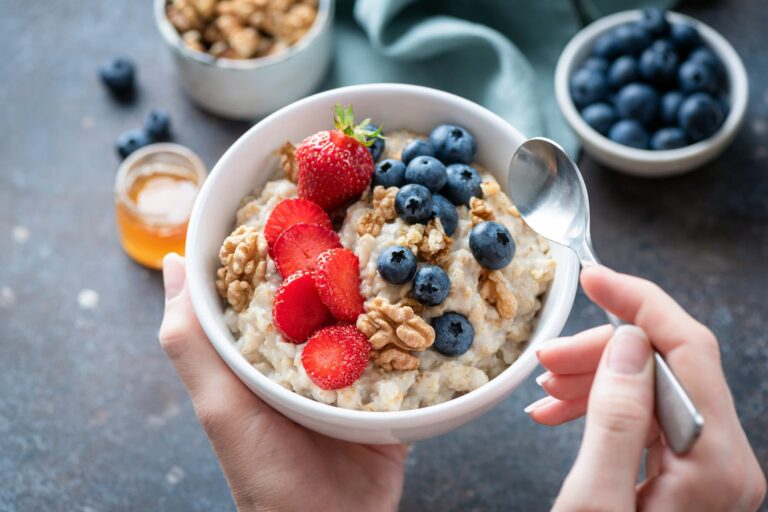
Healthy Lifestyle Tips for Beginners: 10 Easy Habits to Start Today

This post contains affiliate links, which means we may earn a commission if you purchase through our links—at no extra cost to you. As an Amazon Associate we earn from qualifying purchases. We only recommend products we use or trust. Learn more about affiliate marketing or read our full disclosure.
Starting a healthy lifestyle can feel overwhelming — especially if you’re not sure where to start.
With countless diets, workout trends, and wellness advice out there, it’s easy to get stuck before you even take the first step.
But here’s the good news: you don’t have to overhaul your entire life overnight. Making small, consistent changes is the best way to build a routine that lasts.
Whether you’re looking for more energy, a better mood, help with weight management, or just an overall boost in how you feel every day, these 10 easy healthy lifestyle tips are here to help.
Let’s dive in!
Why Start With Small Habits?
It’s tempting to try to transform your whole life overnight, especially when you’re feeling motivated. But here’s the thing: big, drastic changes often backfire when you try to do too much too soon.
The secret to making lasting progress?
Start small.
Tiny habits are much easier to stick with — and they build momentum that can carry you forward. They make a healthy lifestyle feel realistic, approachable, and even enjoyable.

So instead of overwhelming yourself with huge goals, you focus on one simple step at a time.
By starting with manageable changes, you’re much more likely to stay consistent, build confidence, and create habits that truly last.
To help you get started, here are 10 easy healthy lifestyle tips you can try today:
1. Drink More Water
Staying hydrated is one of the simplest — and most powerful — ways to support your overall health.
Water isn’t just for quenching thirst; it’s vital for digestion, energy levels, glowing skin, and sharp thinking throughout your day.
Research shows that drinking enough water can actually boost your brain power.
In a study of recreational runners and walkers, those who stayed well-hydrated performed better on memory and attention tests after exercise.
So keeping up your water intake doesn’t just help your body — it helps your brain stay on top of its game too.
How to Get Started:
Aim for 6–8 glasses a day. This is a solid baseline for most adults to stay hydrated. Consistently reaching this amount can help maintain energy levels, support digestion, and keep your skin looking healthy.
Having a reusable water bottle on hand makes it easy to sip throughout the day, whether you’re at work, running errands, or exercising. A bottle like the Hydro Flask Wide Flex Straw Cap (available on Amazon) keeps water cold for hours and makes hydration convenient and enjoyable.
If plain water feels boring, infuse it with natural flavors like cucumber, mint, or berries. This not only makes your water more enjoyable but can also encourage you to drink more consistently throughout the day.
2. Move Your Body Daily
You don’t have to run marathons or spend hours at the gym to benefit from exercise.
In fact, just a little bit of daily movement can make a huge difference — boosting your mood, energy levels, and heart health— not to mention help prevent a range of diseases, from metabolic disorders to mood imbalances.
Exercise affects everyone differently, and research shows that genetics can even play a role in how your body responds to different types, intensity, or duration of activity.
But the key takeaway is simple: staying active is one of the most effective ways to support both your mental and physical well-being.
How to Get Started:
- Take a 15‑minute walk after meals. A short walk after eating helps stimulate digestion, prevents sluggishness, and gives you a mental break. Plus, it’s a great way to get your daily steps in and get some fresh air at the same time.
- Stretch in the morning or evening. Spending just a few minutes stretching can ease muscle tension, improve flexibility, and help you feel more alert in the morning or relaxed before bed.
- Try walking or biking to work if it’s an option. Turning your commute into an opportunity for movement adds exercise seamlessly to your day. Even a short walk or bike ride can boost energy, improve mood, and help build a sustainable active routine.
- Try beginner-friendly workouts. Activities like gentle yoga, Pilates, or simple bodyweight exercises are excellent ways to strengthen muscles, improve balance, and stay active without overdoing it. They’re also easy to adapt as your fitness improves.
Note: It’s all about consistency. The goal isn’t perfection — it’s making movement a regular, enjoyable part of your day.
3. Eat More Whole Food
Whole foods — like colorful fruits, crisp veggies, hearty whole grains, and lean proteins — are packed with the vitamins, minerals, and fiber your body needs to feel its best.
Research shows that diets rich in fruits, vegetables, and whole grains are linked to better overall health, improved energy, and even stronger immunity.
How to Get Started:
Add one extra serving of veggies to your lunch or dinner. Even a small boost—like a handful of spinach, a side salad, or some roasted veggies—adds fiber, vitamins, and minerals that support digestion, energy, and overall health.
Choosing whole grain bread, brown rice, or whole wheat pasta instead of refined versions provides more fiber, keeps you fuller longer, and helps stabilize blood sugar. It’s an easy swap that packs extra nutrients into your meals.
For example, NOW Foods Real Food Organic Sprouted Brown Rice from iHerb is a simple, nutrient-rich option to keep on hand.
Satisfy your sweet or crunchy cravings with naturally nutritious options like a piece of fruit or a handful of nuts. Fruit provides fiber and antioxidants, while nuts offer healthy fats and protein, making your snack both delicious and more sustaining.
Almonds, in particular, are packed with vitamin E, magnesium, and protein, which help keep you full, support heart health, and provide steady energy throughout the day. Try NOW Foods Organic Raw Almonds, Unsalted as a simple, nutritious snack option.
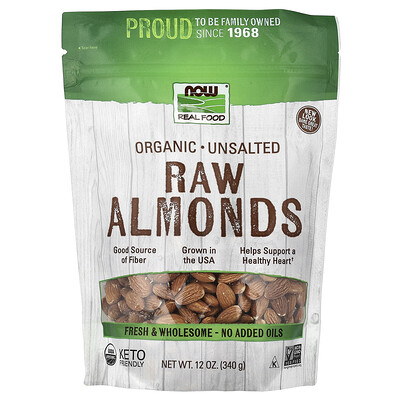
NOW Foods, Real Food, Organic Raw Almonds, Unsalted, 12 oz (340 g)
Note: It’s about making gradual swaps and focusing on progress, not perfection. Every bite you take is an opportunity to nourish your body and feel a little better every day.
4. Get Enough Sleep
Good sleep is truly the foundation of a healthy, happy life. It powers your body and mind — boosting energy, supporting your mood, sharpening memory, and keeping your immune system strong.
Quality sleep also supports heart health, hormones, immunity, and even reproductive health.
Yet it’s one of the easiest things to overlook when life gets busy.
How to Get Started:
Consistently getting enough sleep helps your body recover, boosts focus and mood, and supports overall health. Think of it as giving yourself the foundation you need to tackle each day with energy and clarity.
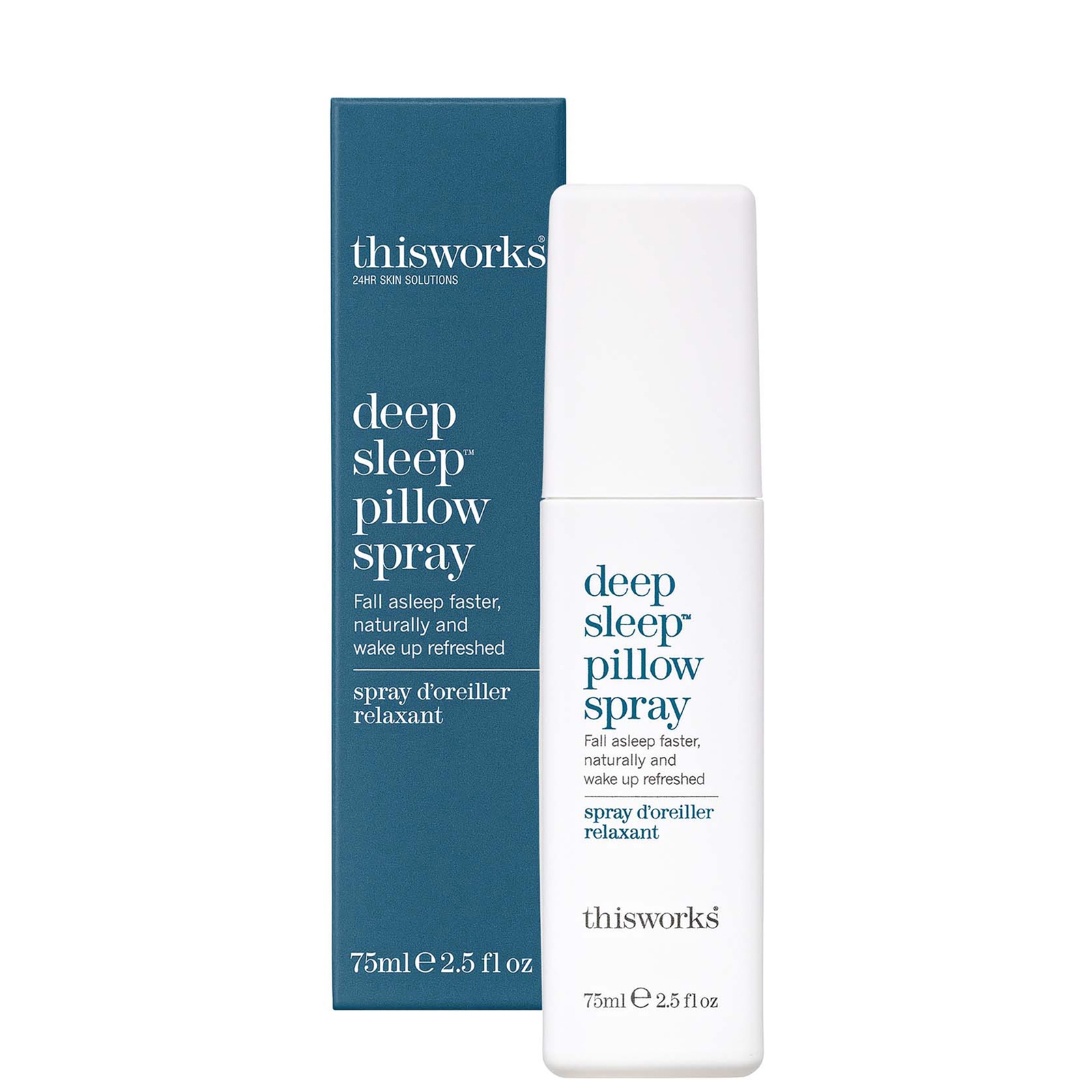
Creating the right environment can make a big difference: a Pure Silk Sleep Mask from Dermstore can block out light and help you fall asleep faster, while the thisworks Deep Sleep Pillow Spray uses calming essential oils to promote relaxation before bed.

If you’re sensitive to sound, a SNOOZ Smart White Noise Sound Machine from Amazon provides soothing background noise that helps you drift off and stay asleep more easily.
Activities like reading, taking a warm bath, or doing gentle stretches can signal to your body that it’s time to wind down. Using something luxurious like Kai Bathing Bubbles from Dermstore can make your bath extra relaxing, turning it into a soothing ritual that helps you fall asleep faster and enjoy deeper, more restorative rest.

kai Bathing Bubbles (12 oz.)
Phones, computers, and TVs emit blue light that can interfere with your body’s natural sleep signals. Try putting devices away at least 30 minutes before bed to give your brain a chance to relax, making it easier to drift off and improve overall sleep quality.
💡 Bonus Tip: Making sleep a priority is one of the best ways you can invest in your overall well‑being. Try to wake up and go to bed at the same time every day, even on weekends.
5. Practice Mindful Eating
Mindful eating is a simple yet powerful way to slow down and truly enjoy your meals. It’s about tuning into the experience — noticing the flavors, textures, and sensations — while giving your body a chance to tell you when it’s satisfied.
Research suggests that mindful and intuitive eating habits are linked to better mental well-being and lower levels of psychological distress.
When we eat with more awareness and trust our body’s signals, we often make choices that better support both mood and physical health.
How to Get Started:
- Eat without distractions. Putting away your phone, turning off the TV, and focusing on your meal helps you truly connect with what you’re eating. Mindful meals can improve digestion, prevent overeating, and make each bite more satisfying.
- Chew slowly and savor each bite. Taking your time allows you to fully taste your food, enhances digestion, and gives your body the chance to signal when it’s satisfied. Slow eating can also turn every meal into a more relaxing, enjoyable experience.
- Listen to your body. Pay attention to hunger cues and notice when you start to feel full. Honoring these signals helps you eat the right amount for your body, prevents mindless snacking, and creates a healthier relationship with food.
Note: It’s not about rules or restriction — it’s about making meals a more enjoyable, balanced part of your day.
book tip
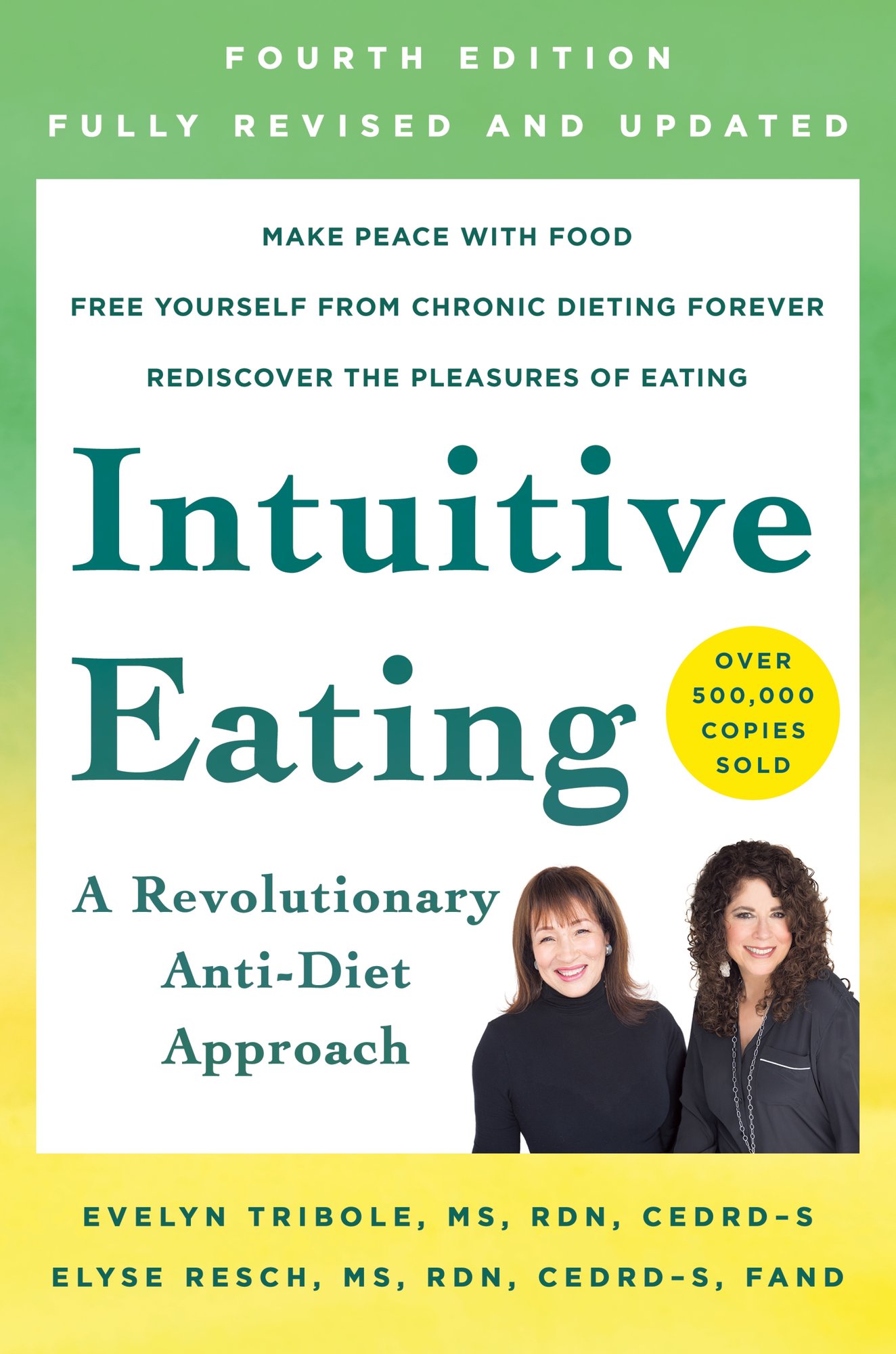
Intuitive Eating
By Evelyn Tribole, Elyse Resch
Frustrated by diets that never seem to stick? This book helps you rebuild a healthy relationship with food by listening to your body’s hunger and fullness cues.
*We may earn a commission at no extra cost to you.

6. Limit Ultra-Processed Foods and Added Sugar
Many processed foods are packed with unhealthy fats, added sugars, and too much salt — all of which can affect your energy, mood, and overall health.
Research increasingly links high consumption of ultra-processed foods with greater risk of weight gain, blood sugar problems, high blood pressure, and unhealthy cholesterol levels.
The good news?
Making a few simple swaps can have a big impact on how you feel every day.
How to Get Started:
Choose products with fewer ingredients by reading food labels. A shorter ingredient list often means less processing and fewer additives.
By selecting foods closer to their natural state, you’re giving your body wholesome nutrition without extra sugars, preservatives, or artificial ingredients.
Swapping soda, juice, or energy drinks for water or unsweetened herbal tea is a simple way to cut added sugar, stay hydrated, and support long-term health. It’s a small change that can make a big difference over time.
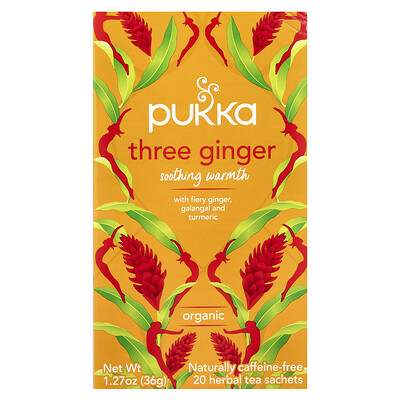
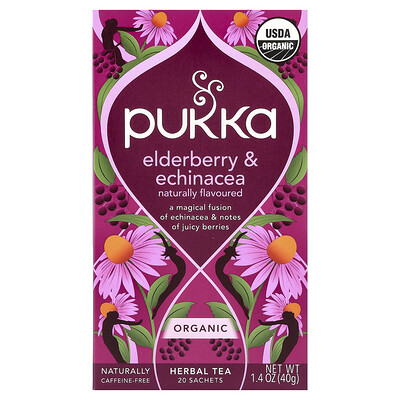
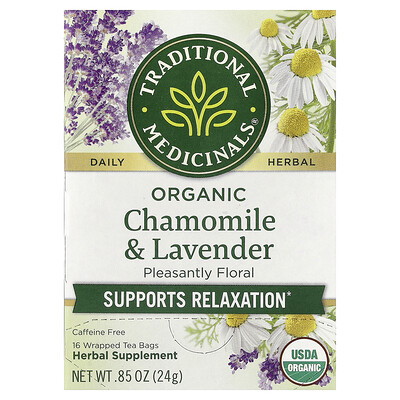
For a flavorful, caffeine-free option, try Pukka Herbs Organic Three Ginger Tea for a warming kick, Pukka Herbs Organic Elderberry & Echinacea Tea to support your immune system, or Traditional Medicinals Organic Chamomile & Lavender Tea to help you unwind in the evening.
Making your own treats allows you to control the ingredients, reduce added sugars or unhealthy fats, and still satisfy cravings. Plus, it can be fun and empowering to experiment in the kitchen while creating healthier versions of what you love.
Note: It’s not about saying “no” to everything you love — it’s about making better choices more often and finding a balance that works for you.
7. Reduce Daily Stress
Daily stress is a normal part of life, but when it becomes chronic, it can take a toll on your body and lead to habits that don’t serve you well.
Research has shown that long-term stress affects hormone balance and immune function, making it harder for your body to defend itself and recover. Over time, this can increase vulnerability to illness, fatigue, and emotional burnout.
The good news?
Even small moments of relaxation can help calm your mind, boost your mood, and support overall health.
How to Get Started:
- Try deep breathing or meditation. Just 5-10 minutes a day can help calm your mind, reduce stress, and improve focus. Techniques like slow, deliberate breaths or guided meditation can make a noticeable difference in mood and overall well-being over time.
- Spend time outdoors or with loved ones. Whether it’s a walk in nature, a chat with a friend, or some quality time with family, connecting with the world around you and the people you care about can reduce stress, boost happiness, and help you feel more grounded.
- Take breaks throughout the day. Stepping away from work or other responsibilities, stretching, or simply pausing for a few moments gives your mind and body a chance to reset. Regular breaks improve productivity, reduce tension, and make it easier to maintain focus when you return.
Note: It’s not about eliminating all stress from your life — it’s about finding ways to balance it, recover from it, and nurture yourself every step of the way.
book tip
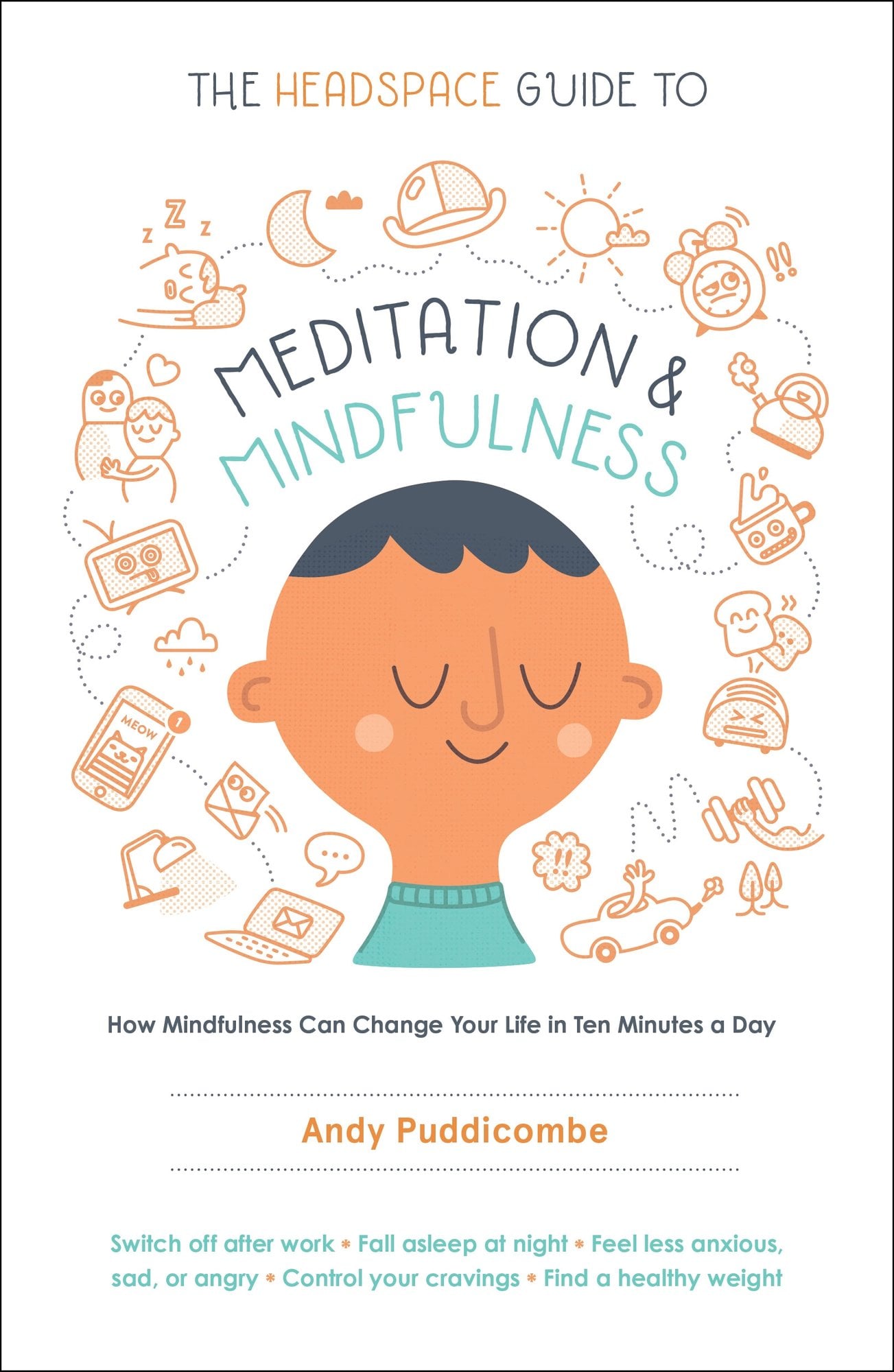
The Headspace Guide to Meditation & Mindfulness
By Andy Puddicombe
What if 10 minutes a day could make your life less stressful and more fulfilling?
*We may earn a commission at no extra cost to you.
8. Build a Supportive Environment
Your environment plays a huge role in your success.
The people you spend time with, the foods you keep at home, and the routines you build all influence the choices you make each day.
Research shows that having supportive people around you — those who encourage healthy eating and positive habits — makes it easier to stick with lifestyle changes.
Social support doesn’t just feel good; it actively helps people improve things like fruit and vegetable intake and overall daily habits..
How to Get Started:
- Share your goals with friends or family. Letting someone know what you’re aiming for creates a built-in support system. Encouragement, check-ins, or even friendly accountability can help you stay consistent and motivated.
- Join a fitness group or wellness community. Being part of a group—online or in person—connects you with like-minded people who share your interests. Community support can make exercising, healthy eating, or other habits more fun and sustainable.
- Remove temptations from your home. Clear out junk food, sugary drinks, or other distractions that pull you away from your goals. Creating a supportive environment makes it easier to stick with healthy choices and reduces the need for willpower alone.
Remember: You don’t have to go it alone — building a positive, encouraging space around you sets you up for lasting success.
9. Set Realistic Goals
Setting clear, achievable goals is key to staying motivated and making steady progress.
Well-defined goals give you direction and help you measure progress — but they work best when they’re also realistic and flexible.
Tools like the Linen Planner by Michael Hyatt — The #1 Daily Planner to Set Annual Goals (available on Amazon) can help you break big goals into smaller, manageable steps, track your progress, and celebrate milestones along the way.
This approach keeps you motivated without feeling overwhelmed.
Research shows that while challenging goals can be motivating, goals that are too extreme or rigid often lead to repeated failure, which can chip away at confidence, mood, and motivation.
That’s why it’s so important to choose goals that stretch you without setting you up for burnout or discouragement.
How to Get Started:
- Break big goals into smaller, doable steps. Large goals can feel overwhelming, but dividing them into manageable pieces makes progress feel achievable. Each small step completed builds momentum and keeps you motivated.
- Try the SMART goal framework: Make your goals Specific, Measurable, Achievable, Relevant, and Time-bound. This approach helps clarify exactly what you want, track progress, and stay realistic, making it easier to follow through.
- Celebrate progress, not perfection. Focus on the effort you’re putting in and the milestones you achieve, rather than waiting for perfection. Recognizing small wins reinforces motivation and encourages you to keep moving forward.
Note: It’s all about moving forward, one step at a time — not about being perfect from the start.
10. Practice Gratitude and Positive Self-Talk
Your mindset plays a huge role in sticking with healthy habits.
The way you speak to yourself influences your motivation, confidence, and resilience far more than most people realize.
Research has shown that simple gratitude practices — like writing down things you’re thankful for each day — can increase happiness, boost positive emotions, and even reduce symptoms of stress and low mood.
It may sound small, but consistently practicing gratitude and positive self-talk can reshape how you experience your days — and how confidently you move toward your goals.
How to Get Started:
Write down three things you’re grateful for each day. Taking a few moments to note what you appreciate—big or small—can help shift your focus toward positivity, reduce stress, and improve overall well-being.
Over time, this simple habit strengthens your ability to notice the good in everyday life.
For an easy and structured way to get started, try the 6-Minute Diary – a Gratitude Journal by UrBestSelf (available on Amazon) which guides you through a quick daily practice to cultivate gratitude and positivity.
Replace negative self-talk with affirmations. When you notice self-critical thoughts, consciously swap them for kind, encouraging words. Positive self-talk can boost confidence, reduce stress, and help you approach challenges with a healthier mindset.
Tools like Ariond Positive Affirmations & Thought-Provoking Questions for Women (available on Amazon) are printed double-sided with empowering elaborations on each card, helping you fully internalize each affirmation.
Using them daily can help melt away stress and anxiety, raise your vibration, and align your mind and spirit, making them perfect for work, therapy, or personal reflection.
Focus on your strengths and progress. Celebrate your achievements, no matter the size, and recognize the unique qualities that make you who you are. Reflecting on your growth reinforces self-esteem and motivates you to keep moving forward.
Note: Building a healthy lifestyle isn’t just about what you do — it’s also about how you think and feel along the way.
How to Stay Consistent as a Beginner
Starting new healthy habits is exciting — but staying consistent can sometimes feel tricky.
Here are a few simple tips to help you keep going:
- Track your habits. Use a journal, a habit-tracking app, or even a simple checklist to mark your daily progress. Seeing your streak grow can be super motivating!
- Be patient with yourself. Real change takes time. Focus on progress, not perfection, and remember that small steps add up.
- Adjust as needed. Listen to your body and how you’re feeling. It’s okay to tweak your habits or try different approaches until you find what works best for you.
- Reward yourself. Celebrate your milestones with fun, non-food rewards — maybe a new workout outfit, a relaxing massage, or a favorite activity.
Consistency isn’t about being perfect every day — it’s about showing up for yourself, day after day, and building a healthier, happier life one habit at a time.
Sample Beginner’s Daily Routine Incorporating These Habits
|
Time |
Activity |
|---|---|
|
Morning |
Drink a glass of water and do some gentle stretching to wake up your body. |
|
Breakfast |
Enjoy oatmeal with flax seeds, berries, cinnamon, and whole milk — a nourishing start. |
|
Mid-morning |
Take 5 minutes for mindful breathing to reset and focus. |
|
Lunch |
Have a fresh salad topped with lean protein for sustained energy. |
|
Afternoon |
Go for a 15-minute walk to boost digestion and clear your mind. |
|
Dinner |
Savor salmon, veggies, potatoes, and tzatziki — a balanced, wholesome meal. |
|
Evening |
Limit screen time and spend a few minutes writing in your gratitude journal. |
|
Before bed |
Follow a relaxing routine and aim for 7–9 hours of restful sleep. |
Final Thoughts
Starting healthier habits doesn’t have to mean big, scary changes right away. It’s really about making small, simple tweaks that fit into your everyday life.
Things like drinking more water, moving a little each day, getting better sleep, and practicing gratitude can all add up to feeling a lot better over time.
Be patient with yourself and celebrate the little wins along the way—they all matter. It’s not about being perfect, just about showing up for yourself a little more each day.
You’re on the right track, and with time, these easy habits can lead to some big improvements in how you feel. You’ve got this!
*This article is for informational purposes only and is not intended as medical advice. It should not be used to diagnose, treat, or prevent any health condition. Always consult a qualified healthcare professional before making any changes to your diet, exercise, or health routine.
Baranwal, Navya et al. “Sleep physiology, pathophysiology, and sleep hygiene.” Progress in cardiovascular diseases vol. 77 (2023): 59-69. doi:10.1016/j.pcad.2023.02.005. Abstract only.
Benefer, M. D., et al. "Water Intake and Post-Exercise Cognitive Performance: An Observational Study of Long-Distance Walkers and Runners." European Journal of Nutrition, vol. 52, 2013, pp. 617–624, https://doi.org/10.1007/s00394-012-0364-y. Abstract only.
Cunha, Lúzie Fofonka et al. “Positive Psychology and Gratitude Interventions: A Randomized Clinical Trial.” Frontiers in psychology vol. 10 584. 21 Mar. 2019, doi:10.3389/fpsyg.2019.00584. Adapted and used under the terms of the Creative Commons Attribution 4.0 International License.
Esquivel, Monica K. “Nutrition Benefits and Considerations for Whole Foods Plant-Based Eating Patterns.” American journal of lifestyle medicine vol. 16,3 284-290. 22 Apr. 2022, doi:10.1177/15598276221075992. Abstract only.
Höpfner, Jessica, and Nina Keith. “Goal Missed, Self Hit: Goal-Setting, Goal-Failure, and Their Affective, Motivational, and Behavioral Consequences.” Frontiers in psychology vol. 12 704790. 21 Sep. 2021, doi:10.3389/fpsyg.2021.704790. Adapted and used under the terms of the Creative Commons Attribution 4.0 International License.
Vitale, Marilena et al. “Ultra-Processed Foods and Human Health: A Systematic Review and Meta-Analysis of Prospective Cohort Studies.” Advances in nutrition (Bethesda, Md.) vol. 15,1 (2024): 100121. doi:10.1016/j.advnut.2023.09.009. Adapted and used under the terms of the Creative Commons Attribution 4.0 International License.
Wang, Yucong, and Kalaiselvan Ashokan. “Physical Exercise: An Overview of Benefits From Psychological Level to Genetics and Beyond.” Frontiers in physiology vol. 12 731858. 12 Aug. 2021, doi:10.3389/fphys.2021.731858. Adapted and used under the terms of the Creative Commons Attribution 4.0 International License.
Yaribeygi, Habib et al. “The impact of stress on body function: A review.” EXCLI journal vol. 16 1057-1072. 21 Jul. 2017, doi:10.17179/excli2017-480. Adapted and used under the terms of the Creative Commons Attribution 4.0 International License.
Yoshikawa, Aya et al. “The Role of Improved Social Support for Healthy Eating in a Lifestyle Intervention: Texercise Select.” Public Health Nutrition 24.1 (2021): 146–156. Web, https://www.cambridge.org/core/journals/public-health-nutrition/article. Abstract only.

Malin, the co-founder of Courier Wellness, is well-informed in nutrition and health and brings her own unique perspective to the world of holistic wellness. With a passion for writing and a deep interest in wellbeing, she wants to create content that fosters balance and nourishment for the mind and body.