The Ultimate Exercise Plan: Workouts, Tips, and Best Practices

This post contains affiliate links, which means we may earn a commission if you purchase through our links—at no extra cost to you. As an Amazon Associate we earn from qualifying purchases. We only recommend products we use or trust. Learn more about affiliate marketing or read our full disclosure.
Exercise can truly change your life. It’s one of the most powerful tools you have to boost your physical health, clear your mind, and feel better in your own skin.
But let’s be honest—figuring out the right exercise plan can feel overwhelming. There are endless fitness trends, complicated workout routines, and plenty of conflicting advice out there.
So where do you even start?
And how do you know if you’re doing it right?
That’s exactly why this guide is here.
Think of this as your practical, no-nonsense roadmap to building an exercise plan that actually works for you. We’ll walk through different types of exercise, how to structure effective workouts, best practices to stay safe and motivated, and simple strategies to help you stick with it long term.
Whether you’re just getting started, getting back on track, or looking to level up your routine, you’ll find something here to support your goals.
Important Note: Before starting any new exercise plan, especially if you have a medical condition, injury, or have been inactive, consult a qualified healthcare professional. Always listen to your body and progress at a safe, sustainable pace. Exercise should challenge you — not cause pain.
Ready to build an exercise plan you can actually stick with? Let’s dive in!
Why Exercise Matters
Let’s take a step back for a second.
Exercise isn’t just about losing weight or building bigger muscles. A well-designed exercise plan does so much more than change how you look — it transforms how you feel, how you move, and how you show up in your daily life.
The benefits go far beyond the surface. They impact your body, your mind, and even your relationships.
In today’s world, moving your body doesn’t happen automatically. Most of us spend hours sitting at desks, scrolling on screens, or commuting.
In the past, daily life naturally included physical activity — walking, lifting, bending, and climbing were part of normal routines. Now, we have to make a conscious choice to move if we want to stay healthy.
This makes exercise even more important. Regular movement helps counteract the negative effects of a sedentary lifestyle, like poor posture, stiff joints, low energy, and long-term health risks such as heart disease or diabetes.
In short, exercise is more than a habit — it’s a vital investment in your health, longevity, and quality of life.
1. Physical Benefits
When you commit to a consistent exercise plan, your body responds in powerful ways.
Cardiovascular Health
Your heart is a muscle — and it needs training, too. Regular exercise strengthens your heart, improves circulation, and helps lower blood pressure.
Over time, this reduces your risk of heart disease and helps you feel more energized throughout the day.
Muscle Strength & Endurance
Strength training isn’t just for bodybuilders. Building muscle boosts your metabolism, protects your joints, and makes everyday tasks — carrying groceries, climbing stairs, lifting your kids — feel easier.
A balanced exercise plan helps you build both strength and stamina so you can move through life with confidence.
Bone Density
As you age, bone density naturally declines. But weight-bearing exercises like walking, strength training, and even bodyweight workouts help maintain strong bones and reduce your risk of osteoporosis.
Flexibility & Balance
Stretching, yoga, and mobility work often get overlooked — but they’re essential. Improving your flexibility increases your range of motion, while balance training helps prevent falls and injuries.
A smart exercise plan always includes movement that keeps you mobile and resilient.
2. Mental Benefits
One of the most underrated parts of following a consistent exercise plan?
What it does for your mind.
You might start working out for physical results, but many people stick with their exercise plan because of how much better they feel mentally.
Stress Reduction
Had a long day?
Movement is one of the fastest, healthiest ways to reset. Exercise helps lower cortisol(your stress hormone) and increases endorphins — those natural “feel-good” chemicals that boost your mood.
Even a brisk 20-minute walk can help you clear your head and shift your mindset.
Cognitive Function
Your brain loves movement. Regular physical activity improves memory, sharpens focus, and supports long-term brain health.
A well-rounded exercise plan doesn’t just strengthen your body — it keeps your mind sharp, alert, and ready to take on challenges.
Sleep Quality
If you struggle to fall asleep or stay asleep, your exercise plan might be the missing piece. Consistent activity helps regulate your internal clock, making it easier to fall asleep faster and enjoy deeper, more restorative rest.
And better sleep? That improves everything else.
3. Long-Term Health Benefits
If you’re building an exercise plan, you’re not just working on today’s workout — you’re investing in your future.
The small, consistent effort you put in now adds up in powerful ways over time.
Reduced Risk of Chronic Disease
Regular exercise significantly lowers your risk of developing chronic conditions like type 2 diabetes, obesity, and cardiovascular disease.
It helps regulate blood sugar, improve cholesterol levels, and support healthy blood pressure. In other words, your exercise plan becomes one of your strongest forms of preventative medicine.
Weight Management & Longevity
While weight loss often gets the spotlight, long-term weight management is really about consistency. A balanced exercise plan helps you maintain a healthy metabolism, preserve lean muscle, and manage body fat in a sustainable way.
Even more importantly, regular physical activity is strongly linked to increased lifespan and better quality of life as you age. So you’re not just adding years to your life — you’re adding life to your years.
Types of Exercise
If you want an exercise plan that truly works, balance is key.
It’s tempting to focus on just one type of workout — maybe you love running, or maybe you stick strictly to weights. But a well-rounded exercise plan includes cardio, strength training, flexibility, and functional movement.
Each type plays a unique role in helping you move better, feel stronger, and stay healthy long term.
Let’s start with one of the most important pillars:
1. Cardiovascular Exercise
Also known as aerobic exercise, cardio is all about getting your heart rate up and keeping it there. It strengthens your heart and lungs while helping you burn calories and build endurance.
If your goal is more energy, better stamina, or improved heart health, cardio should absolutely have a place in your exercise plan.
Examples: Running, cycling, swimming, rowing, brisk walking, and jump rope are all excellent options.
The best choice? The one you’ll actually stick with.
Benefits
Regular cardio improves endurance, strengthens your heart, boosts metabolism, and helps reduce body fat. Over time, you’ll likely notice everyday activities feel easier — from climbing stairs to chasing after your kids.
Best Practices
Aim for about 150 minutes of moderate-intensity cardio or 75 minutes of vigorous-intensity cardio per week, in line with recommendations from the World Health Organization.
That might sound like a lot, but it breaks down to just 20–30 minutes a day. You can split it up however works best for your schedule — consistency matters more than perfection.
For a cardio option that’s simple, effective, and fun, the YOTTOY Cordless Jump Rope for Adults (available on Amazon) is a great choice.
Regular jump ropes can be tricky — hitting the rope on feet, limited space, or feeling clumsy indoors can make workouts frustrating. The cordless version solves these problems.
Weighted balls provide the same satisfying “workout feel” as a normal rope, but without worrying about ceilings, furniture, or tripping, making it perfect for indoor cardio anywhere.
The built-in LCD counter helps track jumps, stay motivated, and monitor progress, which makes fitting 20–30 minutes of cardio a day more manageable. Over time, it can help boost energy, improve stamina, and make everyday activities like climbing stairs or carrying groceries feel easier.
Compact, portable, and easy to use, this jump rope turns cardio into a convenient and enjoyable part of the day. It’s a small tool that helps maintain consistency — and consistency is what truly delivers results.
2. Strength Training
Strength or resistance training is where your exercise plan really starts to pay off. It builds muscle, boosts your metabolism, and makes your whole body stronger — not just for the gym, but for everyday life.
What It Looks Like
You can build strength in many ways — with weights, resistance bands, or even bodyweight exercises. Some excellent moves to include are:
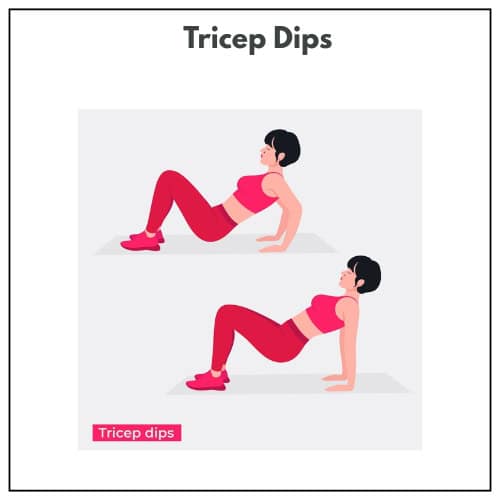
- Tricep Dips – strengthen arms and shoulders
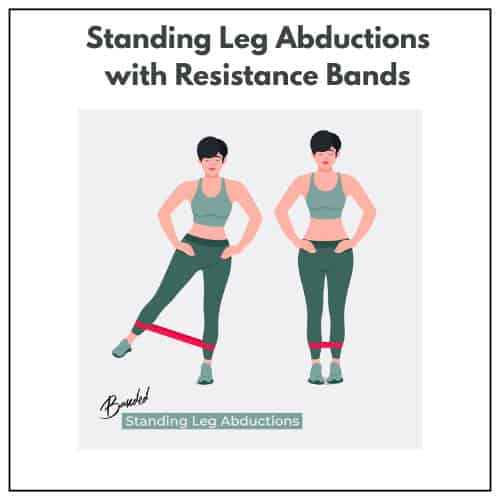
- Standing Leg Abductions with Resistance Bands – build hip and glute strength
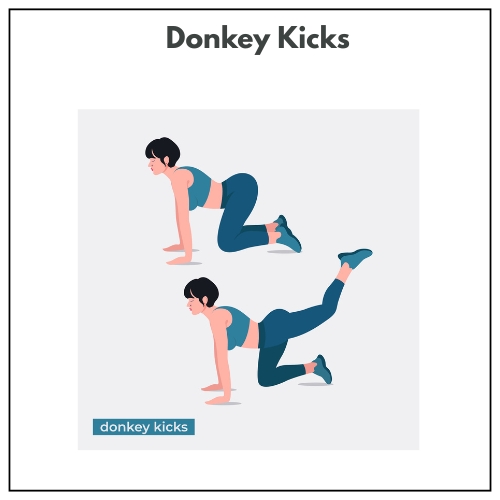
- Donkey Kicks – improve glute and core stability
- Single-Arm Lateral Raise with Dumbbells – targets shoulders and upper back
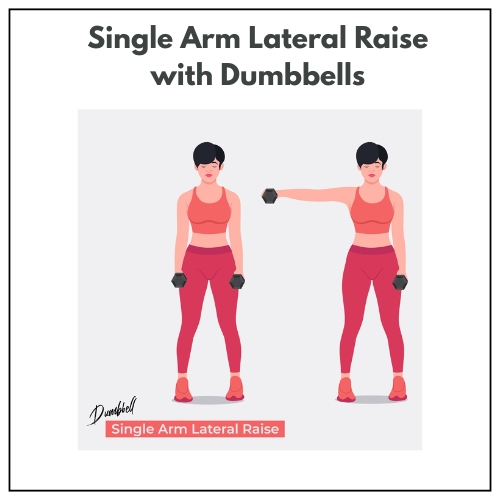
These exercises are visually simple, but they hit key muscle groups while supporting balance, posture, and functional strength.
Why It Matters
Adding resistance work to your exercise plan comes with big benefits:
- More lean muscle mass — helps your metabolism stay active even when you’re resting.
- Stronger bones — resistance training places healthy stress on your skeleton, helping prevent bone loss over time.
- Better posture and balance — a strong back, core, and hips make daily movement easier and reduce the risk of injury.
Best Practices
Aim to train each major muscle group 2–3 times per week, and give yourself 48 hours of recovery between sessions. Your muscles grow and repair during rest, so recovery is just as important as the workout itself.
Remember, you don’t need to lift the heaviest weights or do the most reps. The best exercise plan is one you can stick with consistently and progressively challenge over time.
For strength training at home, a combination of HolaHatha Neoprene Dumbbells and Vergali Fabric Resistance Bands (available on Amazon) makes building muscle simple and effective.
Many people skip resistance work because they think it requires expensive gym equipment or heavy lifting. These tools solve that problem.
The neoprene dumbbells are easy to grip, comfortable on the hands, and come in a range of weights — perfect for gradually increasing strength without risking strain. Meanwhile, the fabric resistance bands provide a versatile, low-impact way to target muscles safely, making them ideal for beginners or anyone recovering from injury.
Together, they allow a full-body workout that strengthens key muscle groups, improves posture, and enhances functional movement — all from the comfort of home. Whether it’s squats, rows, presses, or lunges, these tools make it easy to follow a consistent strength routine.
3. Flexibility and Mobility
Flexibility and mobility are often overlooked, but they’re essential for a balanced exercise plan. Flexibility helps your muscles lengthen and move freely, while mobility ensures your joints move properly — reducing injury risk and helping you move efficiently in daily life.
What It Looks Like
Simple yoga poses and stretches can go a long way:
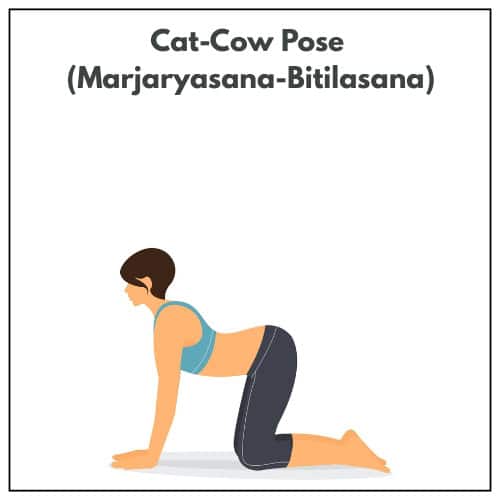
- Cat-Cow Pose to loosen your spine
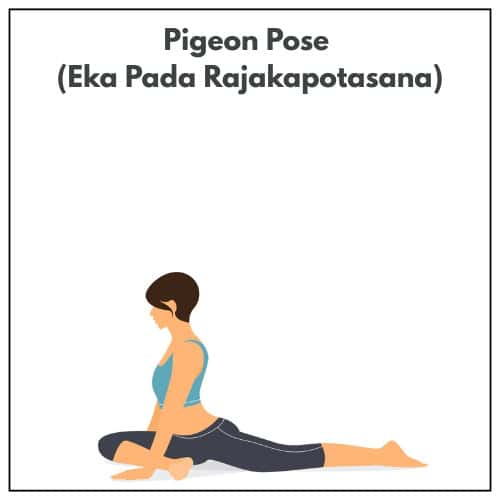
- Pigeon Pose for tight hips and glutes
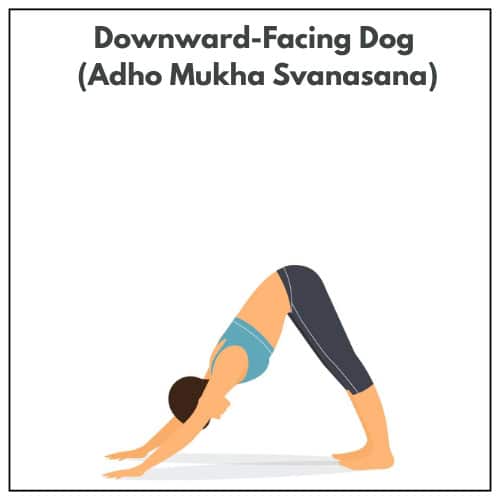
- Downward-Facing Dog for a full-body stretch
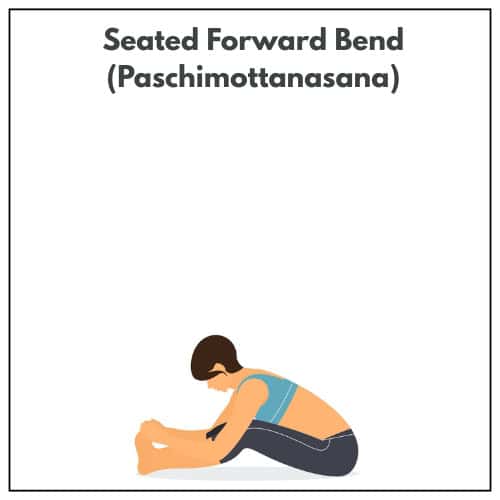
- Seated Forward Bend for hamstrings and lower back
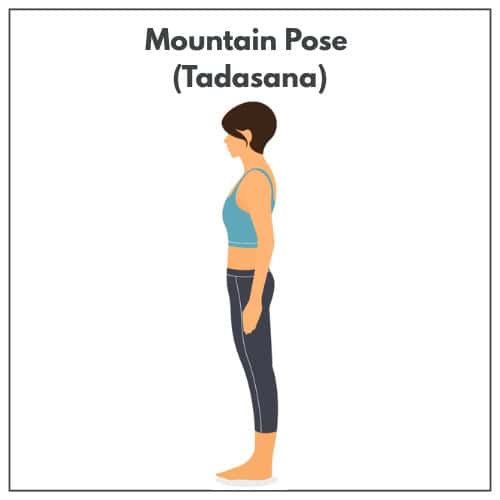
- Mountain Pose to build posture awareness
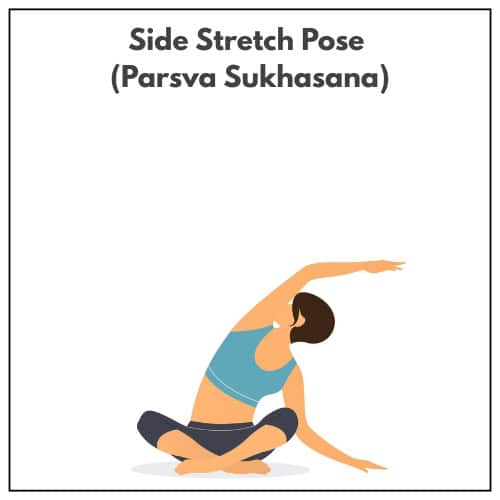
- Side Stretch Pose for lateral flexibility
Why It Matters
Adding flexibility and mobility work to your exercise plan has several benefits:
- Enhances performance — muscles and joints that move well allow you to lift, squat, and run more efficiently.
- Reduces muscle tightness — yoga and stretching help relieve tension from sitting or repetitive movements.
- Improves posture — strengthening and lengthening key muscles supports better spinal alignment.
- Prevents injury — mobile joints and flexible muscles handle daily stresses better, lowering your risk of strains or overuse injuries.
Best Practices
Include at least 10–15 minutes of stretching or mobility work daily, either as a dedicated session or after your workouts when your muscles are warm. Even a few poses from yoga can make a meaningful difference over time.
For anyone looking to add flexibility and mobility work to their routine, having a reliable yoga mat can make all the difference. The Liforme Printed Yoga Mat (available on Amazon) isn’t just another mat — it’s designed to make every stretch, pose, and movement feel safer and more effective.
Its non-slip surface keeps hands and feet planted firmly, even during sweaty sessions, while the extra thickness and cushioning protect knees, hips, and wrists. The printed alignment guides are a subtle but helpful feature, making it easier to set up poses correctly and move with confidence.
Whether it’s yoga, dynamic stretches, or mobility flows, this mat makes the experience more comfortable and encourages consistency. It’s eco-friendly, long-lasting, and comes with a free carrying bag, so it’s easy to take to class or move around the house.
4. Functional Training
Functional training is all about moving the way your body was designed to move. These exercises mimic real-life activities, helping you build strength, balance, and coordination that actually carry over into everyday life.
What It Looks Like
Functional exercises aren’t just for athletes. They can include:
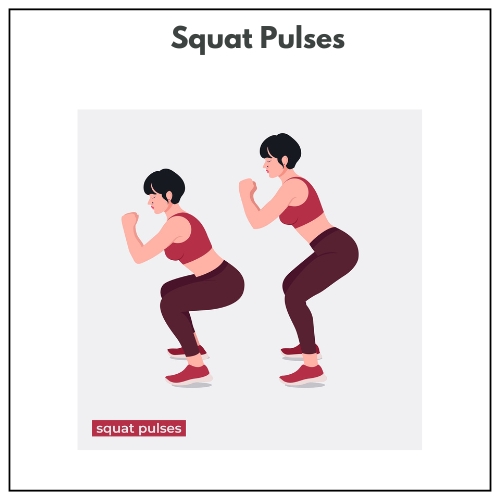
- Squat Pulses — build lower-body strength and endurance in a controlled way
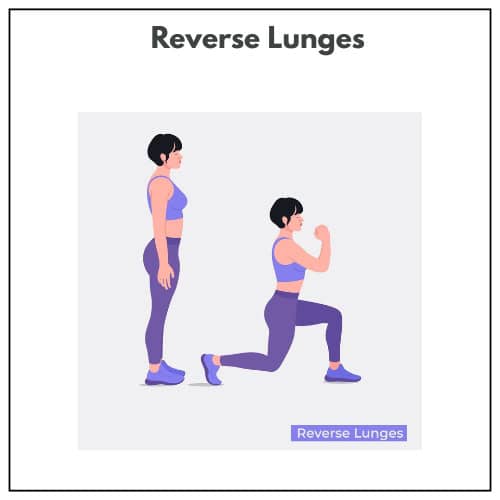
- Reverse Lunges — strengthen legs and improve balance
- Push-ups (or knee push-ups) — target chest, shoulders, and core
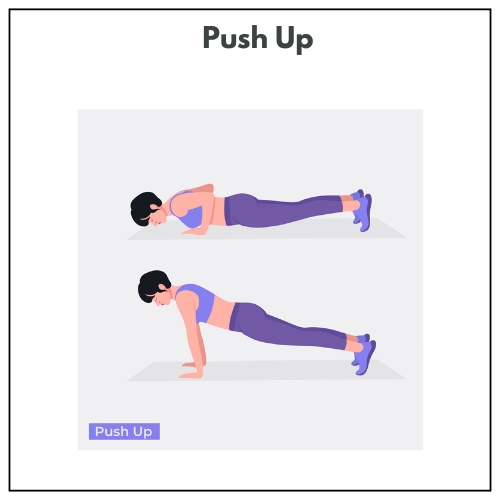
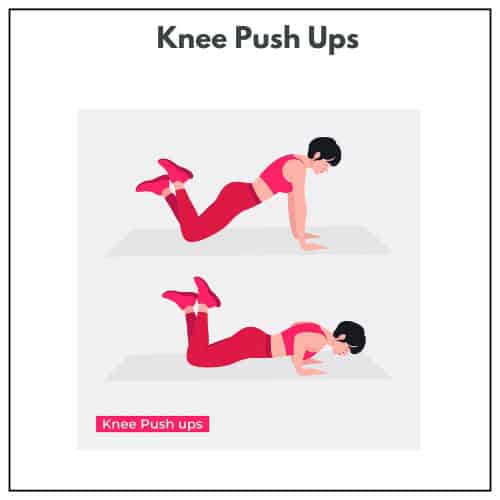
- Romanian Deadlift to Squat with Dumbbell — works the hamstrings, glutes, and quads while reinforcing proper hip mechanics

- Lateral Lunge with Dumbbells — trains lateral movement, coordination, and stability
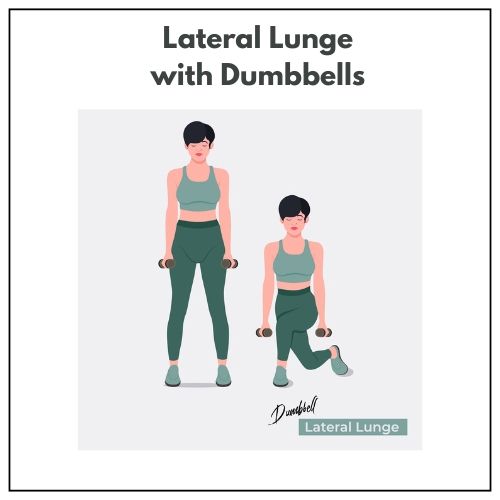
These moves train your muscles to work together efficiently, helping you lift, bend, twist, and reach safely in daily life.
Why It Matters
Adding functional training to your exercise plan gives you benefits that go beyond the gym:
- Supports everyday activities — lifting groceries, climbing stairs, or playing with kids becomes easier.
- Reduces injury risk — training movements you actually use in daily life strengthens muscles and joints in the right way.
- Improves core stability — most functional moves engage your core naturally, which helps posture and balance.
Best Practices
Incorporate functional exercises 2–3 times per week into your strength sessions or circuit workouts. Focus on controlled, deliberate movements, and gradually increase weight or complexity as you progress.
5. High-Intensity Interval Training (HIIT)
If you’re short on time but still want results, HIIT is your secret weapon. High-Intensity Interval Training alternates short bursts of intense effort with brief recovery periods, giving you a powerful workout in a fraction of the time.
Why It Matters
Adding HIIT to your exercise plan can deliver big benefits:
- Efficient calorie burning — you’ll torch calories during the workout and afterward, thanks to the afterburn effect.
- Improved cardiovascular fitness — your heart and lungs get a serious workout in a short time.
- Boosted metabolism — the intensity helps rev up your metabolism for hours after you finish.
Best Practices
For most people, 1–3 HIIT sessions per week is ideal, each lasting 15–30 minutes. Always start with a proper warm-up to prepare your body, and finish with a cooldown to aid recovery.
Remember: HIIT is intense by design, so quality and form matter more than speed or number of reps. Consistency over time is what really makes it effective.
6. Core Training
Think of your core as the engine that powers every movement you make. A strong core isn’t just about having visible abs — it’s about supporting your spine, improving posture, and making every exercise (and daily activity) more efficient and safer.
What It Looks Like
Core training includes exercises that engage your abdominal muscles, obliques, lower back, and even your hips. Examples:
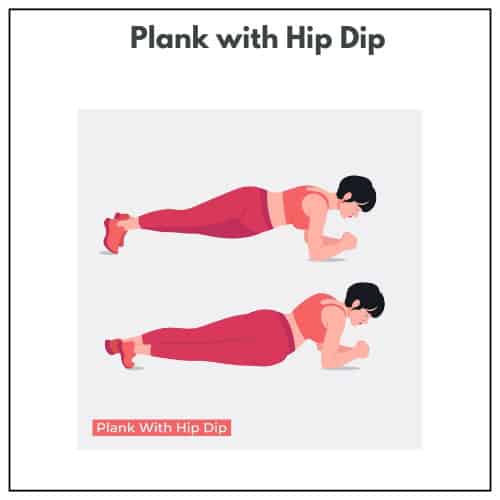
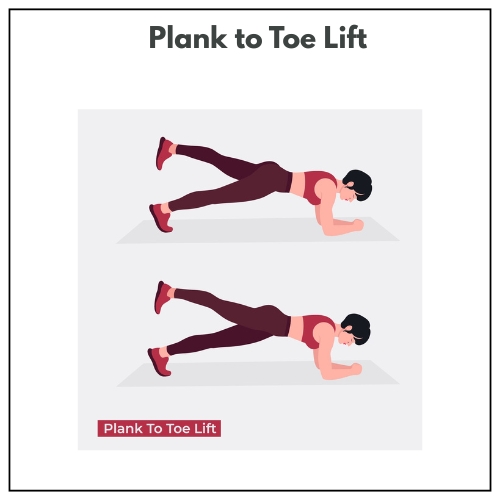
- Plank with Hip Dip and Plank to Toe Lift build deep core stability while challenging balance.
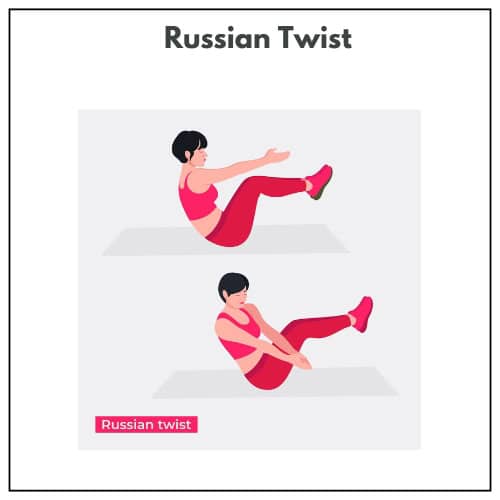
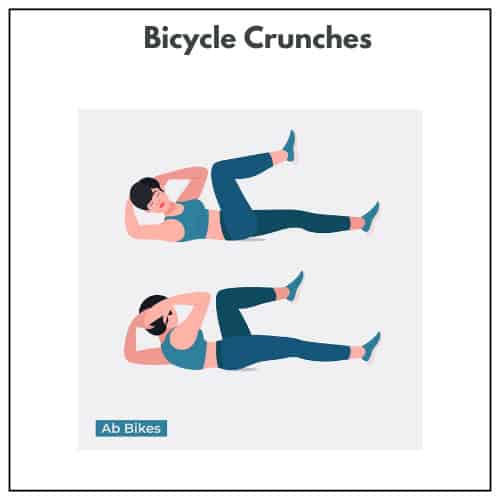
- Russian Twists and Bicycle Crunches add rotation, which is essential for functional strength.
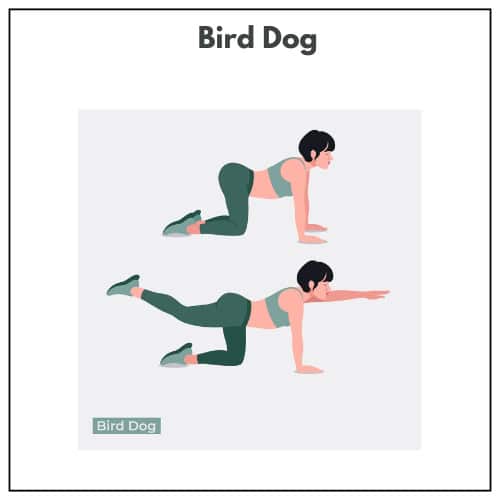
- Bird Dog improves coordination and strengthens the muscles that support your spine.
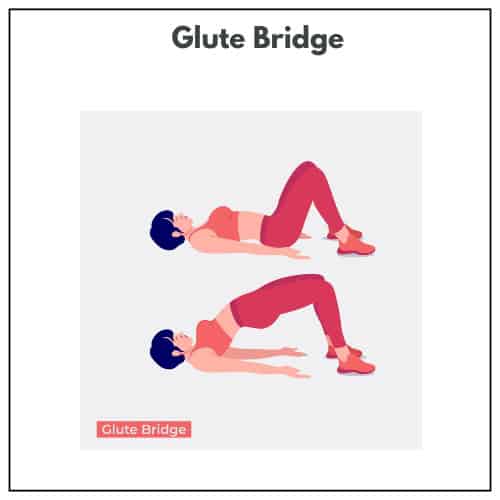
- Glute Bridge strengthens the glutes, which are a crucial (and often neglected) part of your core system.
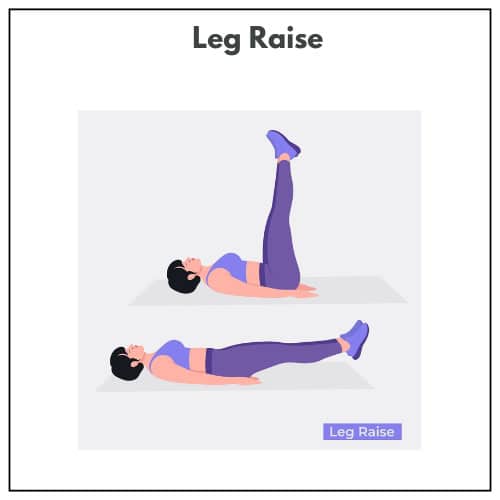
- Leg Raises and Flutter Kicks target the lower abdominals.
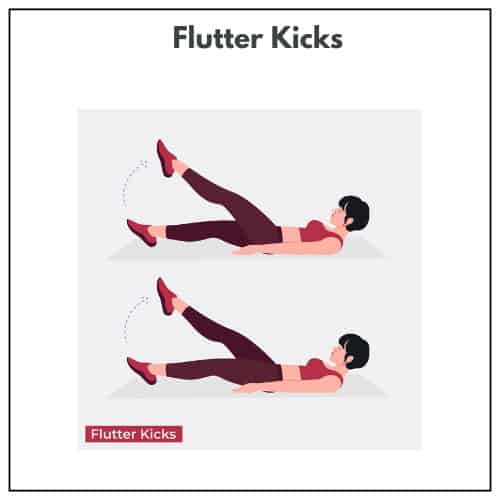
Even small, targeted sessions can make a big difference over time.
Why It Matters
Including core work in your exercise plan has major benefits:
- Better posture — strengthens muscles that support your spine and shoulders.
- Improved stability and balance — essential for everyday movement and injury prevention.
- Enhanced performance in other exercises — a strong core improves your efficiency in cardio, strength, and functional training.
Best Practices
Aim to train your core 2–3 times per week. Focus on form and control rather than speed or quantity, and mix in a variety of exercises to hit different muscles from multiple angles.
Even 10–15 minutes per session can lead to noticeable improvements in strength and posture over time.
How to Plan an Effective Exercise Routine
A smart exercise plan isn’t just about working hard — it’s about balancing intensity, frequency, and recovery.
Follow these steps to build a routine that fits your goals and lifestyle:
Step 1: Define Your Goals
Are you looking to lose fat, build muscle, improve endurance, increase flexibility, or just feel healthier overall?
Your goals will shape the mix of cardio, strength, and mobility work in your exercise plan. Be specific — even small, clear goals make it easier to stay on track.
Step 2: Assess Your Current Fitness Level
Where are you starting from?
Beginners may need lighter exercises, shorter sessions, and more recovery time. Advanced exercisers can handle higher intensity, more complex movements, and longer workouts.
Being honest about your fitness level ensures your plan is challenging but realistic.
Step 3: Choose Exercise Types
A balanced exercise plan includes a mix of:
- Cardio for heart health and endurance
- Strength training to build muscles and support joints
- Flexibility & mobility work for range of motion and injury prevention
You can also sprinkle in functional exercises and HIIT sessions to boost calorie burn, coordination, and overall performance.
Step 4: Schedule Workouts
How often and how long you train depends on your experience:
- Beginners: 3–4 sessions per week, 30–45 minutes each
- Intermediate: 4–5 sessions per week, 45–60 minutes each
- Advanced: 5–6 sessions per week, 60+ minutes, with varied intensity
Consistency matters more than perfection. It’s better to do slightly shorter workouts regularly than occasional marathon sessions.
Step 5: Include Recovery
Recovery isn’t optional — it’s part of your exercise plan.
Muscles repair and grow during rest, so include:
- Rest days or active recovery like light walking, yoga, or stretching
- Adequate sleep — aim for 7–9 hours per night to support adaptation and growth
Remember: a well-balanced routine pairs effort with rest. That’s the secret to long-term progress.
Best Practices for Exercise
Following an exercise plan isn’t just about showing up — it’s about doing it smartly, safely, and consistently.
Here are some best practices to keep in mind:
1. Warm-Up and Cooldown
Never skip these!
- Warm-up: 5–10 minutes of light cardio and dynamic stretches gets your muscles and joints ready for movement. Think brisk walking, gentle lunges, or arm circles.
- Cooldown: 5–10 minutes of light cardio and static stretches helps your body recover, reduces soreness, and keeps you flexible.
2. Proper Form and Technique
Form matters more than heavy weights or speed. Incorrect technique can cause injuries and slow progress. Start with lighter weights or just your bodyweight, focus on proper alignment, and increase intensity gradually.
For complex movements, consider guidance from a trainer or video tutorials to make sure you’re doing it safely.
3. Progress Gradually
Your body adapts over time. Increase weight, intensity, or duration slowly to avoid overtraining or injury. Track your workouts with a journal or fitness app — seeing your progress motivates you and helps you stay accountable.
If goal-setting and tracking help keep motivation high, a Legend Wellness Planner & Food Journal (available on Amazon) can be a really useful tool. It allows you to log workouts, track progress, measure results, and record meals — all in one place.
For people who love seeing progress laid out on paper, it can make sticking to an exercise plan feel more manageable and rewarding.
That said, journaling isn’t for everyone. Some people find detailed tracking stressful or discouraging if they miss a day or don’t hit a target. If that’s the case, it’s completely fine to skip it — the most important thing is to focus on consistency and progress in a way that feels sustainable for you.
4. Listen to Your Body
Pain is your body’s way of communicating. Learn the difference between normal post-workout soreness and signals of injury. Modify exercises when needed, and don’t push through sharp pain.
Respecting your body helps you stay consistent and avoid setbacks.
5. Consistency is Key
The most effective exercise plan isn’t about intense, occasional workouts — it’s about steady, regular effort. Aim for at least 150 minutes of moderate exercise each week, combining cardio, strength, and mobility.
Small, consistent sessions add up to big results over time.
Common Exercise Mistakes to Avoid
Even the best exercise plan can be derailed by a few common mistakes.
Here’s what to watch out for:
1. Skipping Warm-Ups or Cooldowns
It might be tempting to jump straight into your workout, but skipping these can increase your risk of injury and slow down recovery. A few minutes of light cardio and stretching at the start and end makes a big difference.
2. Focusing Only on Cardio or Strength
A balanced exercise plan combines cardio, strength, core, and mobility. Ignoring one aspect can create imbalances, limit progress, and even increase injury risk.
3. Overtraining
Doing too much without adequate rest can lead to fatigue, burnout, or even injuries. Your body needs recovery to repair muscles and adapt. Remember: rest is part of the plan.
4. Ignoring Nutrition
Exercise is powerful, but it can’t fully compensate for poor eating habits. Fuel your body with nutrient-rich foods to support performance, recovery, and results.
5. Setting Unrealistic Goals
Rapid transformations are rare. Setting unattainable goals can lead to frustration and quitting. Focus on achievable milestones, celebrate small wins, and trust the process — consistent effort pays off over time.
Tips to Stay Motivated
Staying consistent with your exercise plan isn’t always easy — even the most dedicated people hit slumps.
These tips can help you stick with it and make fitness a sustainable habit:
1. Set SMART Goals
Specific, Measurable, Achievable, Relevant, and Time-bound goals give you a clear roadmap. Instead of “I want to get fit,” try “I’ll complete three 30-minute workouts per week for the next month.”
Small, clear targets make success easier to track and celebrate.
2. Track Your Progress
Use apps, journals, or even progress photos to see improvements over time. Watching your progress unfold is motivating and reminds you that every session counts.
Tracking progress can make a huge difference in staying motivated — seeing improvements unfold over time reminds you that each workout really counts. Using a tool like the Apple Watch Series 11 (GPS, 42mm) available on Amazon can make that tracking effortless.
Rather than manually logging every detail, the Apple Watch automatically records workouts, heart rate, steps, and even recovery trends. It gently nudges you to close your activity rings each day, which can be a subtle but powerful way to stay consistent without feeling like you’re doing extra work.
Having that real-time feedback often turns small efforts into big wins — like noticing improved endurance, faster recovery, or steadier heart rate over weeks and months.
That said, not everyone needs a smartwatch, and you definitely don’t need one to succeed. Some people find apps or simple journals more calming and personal. The key is choosing a tracking method that supports your journey without adding stress.
3. Find a Workout Buddy
Accountability is powerful. Partnering with a friend or family member makes workouts more fun and increases the likelihood that you’ll stick to your plan.
4. Mix It Up
Variety keeps boredom away and challenges your body in new ways. Try alternating cardio, strength, functional training, yoga, or HIIT sessions — your body and mind will thank you.
5. Reward Yourself
Celebrate milestones with non-food rewards like new workout gear, a massage, or a fun activity. Recognizing your achievements reinforces the habit and keeps motivation high.
Nutrition and Exercise
Exercise and nutrition go hand-in-hand. Fueling your body properly helps you perform better, recover faster, and get the most out of your exercise plan.
1. Pre-Workout Nutrition
Eating the right foods before a workout gives your body energy to perform at its best. Aim for a small meal 1–2 hours before training, focusing on carbohydrates for fuel and moderate protein.
Examples:
- Oatmeal with banana
- Yogurt with fruit
- Whole-grain toast with nut butter
For a pre-workout boost, a warm bowl of Bob’s Red Mill Steel Cut Oats (available on iHerb) is hard to beat. Steel-cut oats provide slow-digesting carbohydrates, giving steady energy for your workout without the crash that sugary foods can cause.
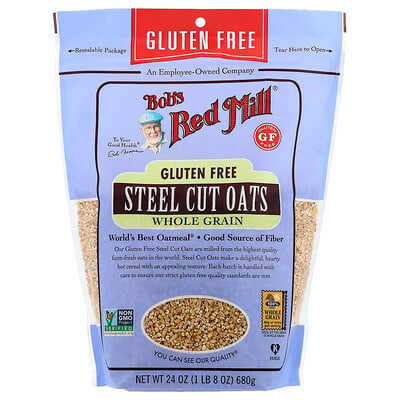
Bob's Red Mill, Steel Cut Oats, Whole Grain, Gluten Free, 24 oz (680 g)
Pair them with a banana or a spoonful of nut butter, and you’ve got a balanced mix of carbs and protein to fuel your muscles and keep you going.
2. Post-Workout Nutrition
After your workout, your muscles need nutrients to recover and grow stronger. Include protein and healthy carbs to support recovery and replenish energy stores.
Examples:
- Grilled chicken with quinoa and vegetables
- Salmon with brown rice and steamed vegetables
- Chicken salad with mixed greens, veggies, and dressing
- Lean beef or tofu stir-fry with mixed veggies
For convenience, a protein smoothie with berries can work, but it’s ideal to follow it with a full meal within 1–2 hours to ensure you’re getting enough calories and nutrients.
3. Hydration
Water is essential before, during, and after exercise. Staying hydrated keeps your performance high and supports recovery.
Staying hydrated is key before, during, and after exercise, and having a reliable water bottle can make it much easier. The Hydro Flask 32 oz Water Bottle with Wide Straw Lid (available on Amazon) keeps drinks cold for hours, won’t spill or leak, and is easy to sip from while moving.
Many people struggle to drink enough water during workouts — forgetting bottles, dealing with leaks, or just not enjoying room-temperature water. With a sturdy, insulated bottle like this, water stays cold and accessible, so hydration becomes effortless.
Exercise for Different Goals
Everyone’s exercise plan looks a little different depending on what you want to achieve.
Here’s a guide to tailor your workouts to your goals:
1. Weight Loss
Focus on a combination of cardio, HIIT, and full-body strength training. This approach maximizes calorie burn while preserving muscle.
Pair your workouts with a moderate caloric deficit to see sustainable results.
2. Muscle Gain
Your priority here is resistance training with progressive overload — gradually increasing weight or intensity to challenge your muscles. Make sure to consume enough protein and calories to support muscle repair and growth.
3. Improved Endurance
Incorporate steady-state cardio, interval training, and functional exercises. Think long runs, cycling sessions, or circuit-style workouts that challenge your heart and lungs while improving muscular stamina.
4. Flexibility and Mobility
If your goal is to move better and reduce injury risk, include yoga, Pilates, and dynamic stretching. These exercises improve range of motion, joint health, and posture — helping you feel more agile in daily life.
5. Stress Relief and Mental Health
Exercise isn’t just physical — it’s a powerful mood booster. Moderate aerobic exercise, yoga, or tai chi can help reduce anxiety and depression.
Spending time outdoors adds extra mental health benefits, from sunlight to fresh air.
Sample Weekly Workout Plan
A balanced exercise plan combines strength, cardio, core, flexibility, and recovery.
Here’s one way to structure your week:
Day 1: Full-Body Strength Training (45–60 min)
Focus on compound movements that hit all major muscle groups — think squats, push-ups, Romanian deadlifts, and lunges. Include core exercises like planks or bird dogs to engage your midsection.
Day 2: Cardio (30–45 min)
Choose an activity you enjoy, such as running, cycling, swimming, or brisk walking. This helps improve heart health, endurance, and calorie burn. You can also mix in short bursts of intensity if you like.
Day 3: Active Recovery
Take it easier with yoga, Pilates, stretching, or a light walk. Active recovery improves mobility, reduces soreness, and supports mental well-being.
Day 4: Upper Body Strength (45–60 min)
Focus on shoulders, chest, back, and arms. Exercises like tricep dips, single-arm lateral raises, and push-ups are perfect. Don’t forget core engagement — it helps stabilize every movement.
Day 5: HIIT (20–30 min)
Alternate short bursts of intense exercise with recovery periods. You could do exercises like jumping jacks, mountain climbers, or plank variations. Keep your intensity high but safe, and always start with a warm-up.
Day 6: Lower Body Strength (45–60 min)
Target your glutes, quads, hamstrings, and calves. Moves like reverse lunges, lateral lunges, squat pulses, and glute bridges strengthen your lower body and improve functional mobility.
Day 7: Rest or Light Activity
Rest is essential for recovery, muscle repair, and growth. You can do gentle walking, stretching, or even spend time outdoors to recharge mentally and physically.
Final Thoughts
Putting together a solid exercise plan can feel overwhelming at first — trust me, I get it. But the truth is, fitness doesn’t have to be complicated. Start with small, consistent steps, listen to your body, and focus on building habits that feel sustainable.
Remember, it’s not just about looking a certain way. It’s about moving better, feeling stronger, sleeping deeper, and having the energy to enjoy your life. Whether it’s a morning run, a tough strength session, or a calming yoga flow, every workout is a win.
Be kind to yourself along the way. Some days will feel amazing, and others a little harder — that’s okay. What matters is that you keep showing up, celebrating progress, and adjusting your plan as you go.
Your exercise plan is yours to make work for you. Stick with it, mix in variety, nourish your body, and don’t forget to enjoy the journey. Over time, you’ll be amazed at not just what your body can do, but how much more confident, capable, and energized you feel.
*This article is for informational purposes only and is not intended as medical advice. It should not be used to diagnose, treat, or prevent any health condition. Always consult a qualified healthcare professional before making any changes to your diet, exercise, or health routine.

Malin, the co-founder of Courier Wellness, is well-informed in nutrition and health and brings her own unique perspective to the world of holistic wellness. With a passion for writing and a deep interest in wellbeing, she wants to create content that fosters balance and nourishment for the mind and body.