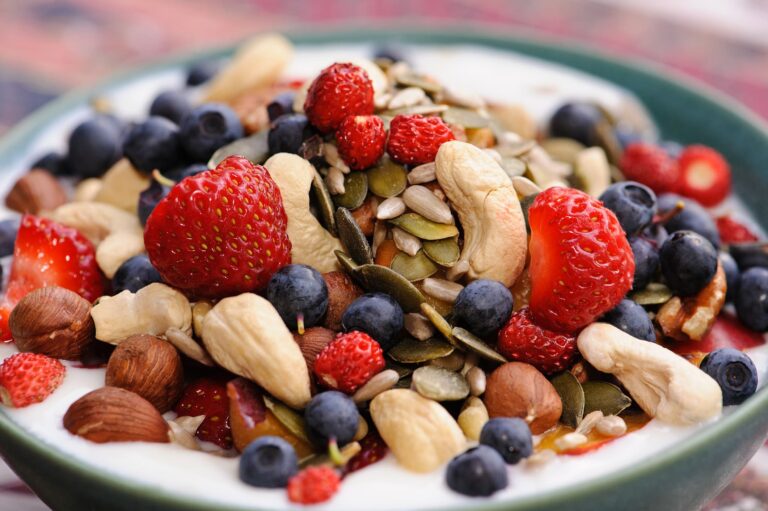
The Ultimate Anti-Inflammation Breakfast Guide: Foods That Heal
This post contains affiliate links, which means we may earn a commission if you purchase through our links—at no extra cost to you. As an Amazon Associate we earn from qualifying purchases. We only recommend products we use or trust. Learn more about affiliate marketing or read our full disclosure.
Breakfast gets called “the most important meal of the day” for a reason — it sets the stage for everything that follows.
The way you fuel your morning can shape your energy, your mood, and even how your body handles stress throughout the day.
And if you’re trying to calm chronic inflammation?
Your first meal becomes a powerful tool. An intentional anti inflammation breakfast can help your body heal, fight fatigue, and support your long-term wellness — all while tasting really good.
In this guide, we’re going to walk through why an anti-inflammatory breakfast matters, the best foods to load your plate with, what to skip, and simple ways to make nourishing mornings easy (even when life gets busy).
Ready? Let’s dive in!
Understanding Inflammation
Inflammation is your body’s natural defense system. When it works properly, it helps you fight infections, heal injuries, and keep your immune system running smoothly.
Think of it as your body’s built-in alarm system — a temporary flare that signals something needs attention.
The problem comes when inflammation becomes chronic.
Unlike short-term inflammation that helps protect you, chronic inflammation lingers in the background, contributing to fatigue, joint discomfort, digestive issues, and even increasing the risk of long-term conditions like heart disease or diabetes.
Factors like poor diet, stress, lack of sleep, and environmental toxins can all push your body into this persistent inflammatory state.
The good news?
The foods you eat — especially at breakfast — have a big impact.
Certain nutrients and eating patterns can help calm these chronic inflammatory responses, support your gut, stabilize blood sugar, and give your body the tools it needs to repair and maintain balance.
That’s why an intentional, nutrient-rich anti inflammation breakfast can be such a powerful first step each day.
Core Anti-Inflammatory Nutrients to Prioritize
When you know which nutrients help calm inflammation, it suddenly becomes much easier to build a smarter, more healing breakfast.
Think of these as your “must-invite” guests to the table.
1. Omega-3 Fatty Acids
Omega-3s (especially EPA and DHA) are like peacekeepers in your body.
They help shift your system away from constant “fight mode” by competing with more inflammatory fats and reducing the signals that drive irritation and immune overreaction.
Your body turns EPA and DHA into special compounds called resolvins and protectins. These don’t just block inflammation — they actively help resolve it, telling your immune system when it’s time to calm down and repair.
In other words: more omega-3s = a calmer, happier system.
Great ways to get them in at breakfast:
A few simple favorites make it easy to get your omega-3s:
- Mamma Chia Organic Chia Seeds on oatmeal or in smoothies
- NOW Foods Organic Flax Seeds ground into your bowl
- A handful of NOW Foods Raw Walnuts
They help calm inflammation, support your gut, and keep your energy steady (available on iHerb).
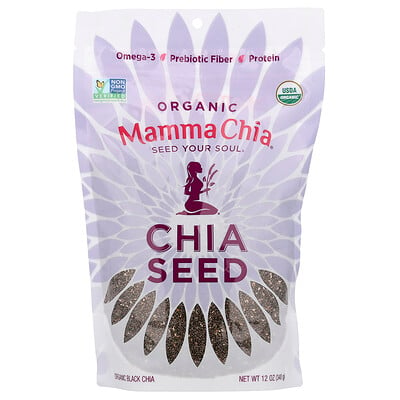
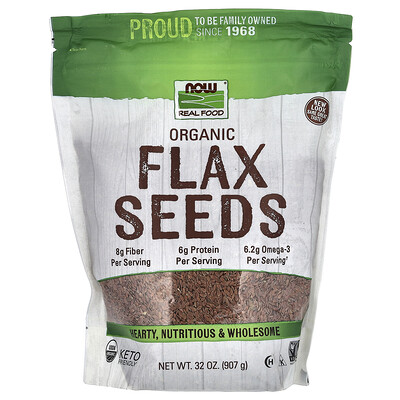
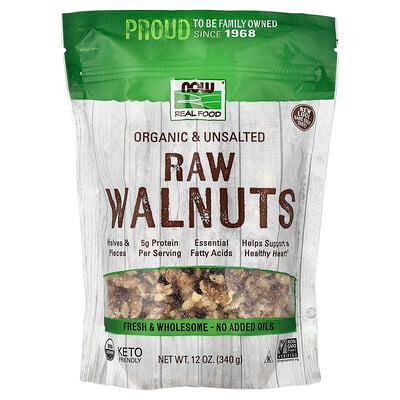
Try adding at least one of these to your anti inflammation breakfast most days — small daily habits really add up.
2. Antioxidants
Think of antioxidants as your body’s cleanup crew. Every day, your cells are exposed to oxidative stress — unstable molecules that can damage tissues and fuel chronic inflammation over time.
Antioxidants neutralize those molecules, helping protect your cells, calm inflammatory signals, and support long-term health.
Large dietary patterns like the Mediterranean diet — rich in fruits, vegetables, olive oil, herbs, and spices — have been shown to lower oxidative stress and are linked to better heart health.
This highlights just how powerful food-based antioxidants can be.
And the best part?
They’re easy to work into breakfast.
Some powerhouse antioxidant groups to focus on:
When you load your plate with color — especially fruits and veggies — you’re naturally building a stronger, more healing anti inflammation breakfast.
3. Fiber
Fiber doesn’t just “keep things moving.” It actively supports your immune system by feeding beneficial gut bacteria.
When certain fibers are fermented in the gut, they produce short-chain fatty acids (SCFAs) — compounds shown to help regulate inflammation and support metabolic health.
Large studies consistently link higher fiber and whole-grain intake with lower risk of chronic inflammatory and cardiometabolic diseases.
Research also shows that fiber-rich diets improve gut microbial diversity and influence immune signaling, both of which are closely tied to how much inflammation your body produces.
Bonus perk: fiber slows digestion, helping steady blood sugar and prevent that mid-morning crash. It’s one of the true heroes of an anti inflammation breakfast.
Easy, delicious ways to get more fiber in the morning:
4. Phytonutrients
Here’s where plants really shine. Phytonutrients are powerful compounds found in plant foods, such as:
- Curcumin (turmeric)
- Quercetin (apples and berries)
- Anthocyanins (deep red and blue fruits)
- Catechins (green tea)
These compounds don’t just act as antioxidants.
Research shows they interact directly with inflammatory and immune signaling pathways, helping reduce excess inflammatory messengers and strengthening your body’s own defense systems.
Think of them as tiny bodyguards working behind the scenes — protecting cells, supporting immune balance, and helping keep chronic inflammation in check.
Some standout phytonutrient “superheroes”:
Adding more plants like these is one of the easiest upgrades you can make to your anti- inflammation breakfast — and you don’t need a complicated recipe to do it.
Foods That Heal: Best Breakfast Choices
Let’s turn all that science into real-life food.
Here’s how to build a breakfast that helps your body heal, calm inflammation, and keep you energized — without feeling restrictive.
1. Whole Grains & Fiber-Rich Staples
These are your steady-energy heroes.
Whole grains digest slowly, help prevent blood sugar spikes, and feed your gut bacteria — which in turn produce short-chain fatty acids that help calm inflammation.
Bonus: many whole grains contain ferulic acid, a polyphenol that helps protect your cells and reduce oxidative stress.
Tasty options to try:
A few pantry staples make it easy to get your whole grains and fiber in: Bob’s Red Mill Steel-Cut Oats, Bob’s Red Mill Organic Tri-Color Quinoa, and Bob’s Red Mill Organic Buckwheat — all available on iHerb.
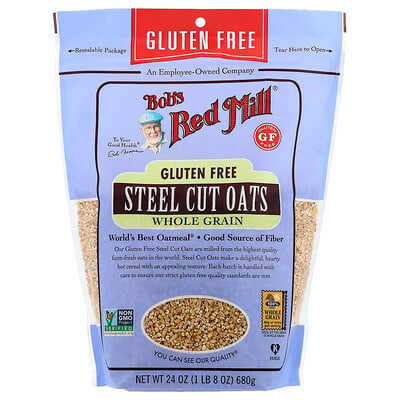
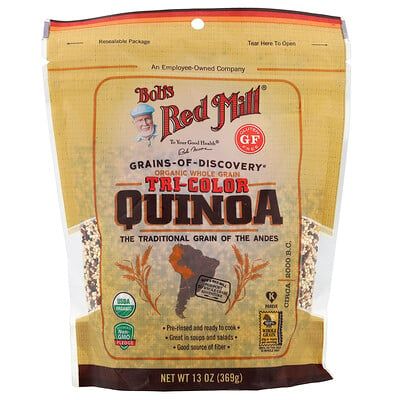
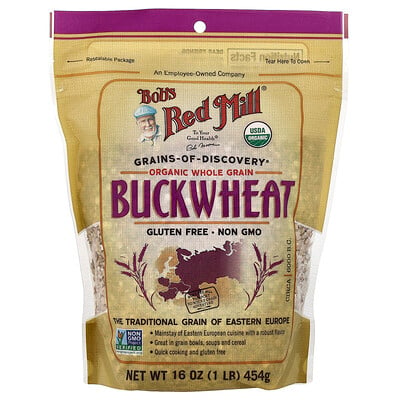
Pair them with fruit, nuts, or seeds to create a hearty, nourishing anti-inflammatory breakfast.
2. Healthy Fats
Healthy fats act like cushioning for your cells — supporting structure, regulating inflammatory signals, and keeping you satisfied longer.
When you add the right fats to breakfast, you stay satisfied longer and give your body the raw materials it needs to heal.
Great choices to include:
If you’re choosing olive oil, quality really matters. Extra-virgin olive oils rich in polyphenols offer the biggest anti-inflammatory benefits.
One of the best places to get them?
From Olive Oil Lovers. Their olive oils are made with the finest olives and sourced from top producers.
Great options include:
- Oro Bailén Reserva Familiar Picual (excellent for inflammation)
- Quattrociocchi Superbo Organic (extremely high in polyphenols and one of the healthiest choices available)
- Entelia (a solid, great-value option)


A simple drizzle of a high-quality olive oil can elevate both the flavor and healing power of your anti inflammation breakfast.
3. Protein Powerhouses
Protein isn’t just about building muscle — it also helps stabilize blood sugar and supports tissue repair, which is essential when you’re focusing on reducing inflammation.
Some of the best anti-inflammatory breakfast proteins:
If yogurt or kefir is part of your breakfast routine, making it at home can be a game-changer. I’ve been using the Luvele yogurt maker for over a year now, and it’s honestly one of my favorite kitchen purchases.
I ferment my yogurt for 24 hours, which helps reduce lactose and boosts gut-friendly probiotics — and I eat it almost every day.
editor’s choice
Luvele Pure Yogurt Maker

This simple and high-quality yogurt maker has advanced water-bath technology, which ensures even and consistent temperatures for thick, probiotic-rich yogurt.
Key features:
*We may earn a commission at no extra cost to you.
If you want the larger size (great for families), you can also use it to make kefir, which adds even more probiotic variety to your routine.
great pick
Luvele Pure Plus Yogurt Maker

This versatile and high-quality yogurt maker features advanced water-bath technology, delivering precise, consistent temperatures for thick, probiotic-rich yogurt—and even homemade kefir.
Key features:
*We may earn a commission at no extra cost to you.
It’s an easy way to turn breakfast into a powerful anti inflammation breakfast, especially if digestive health is part of your focus.
Want to learn more about Luvele’s amazing yogurt makers? Check out our full review: Luvele: Why It’s The Best Yogurt Maker For Gut Health
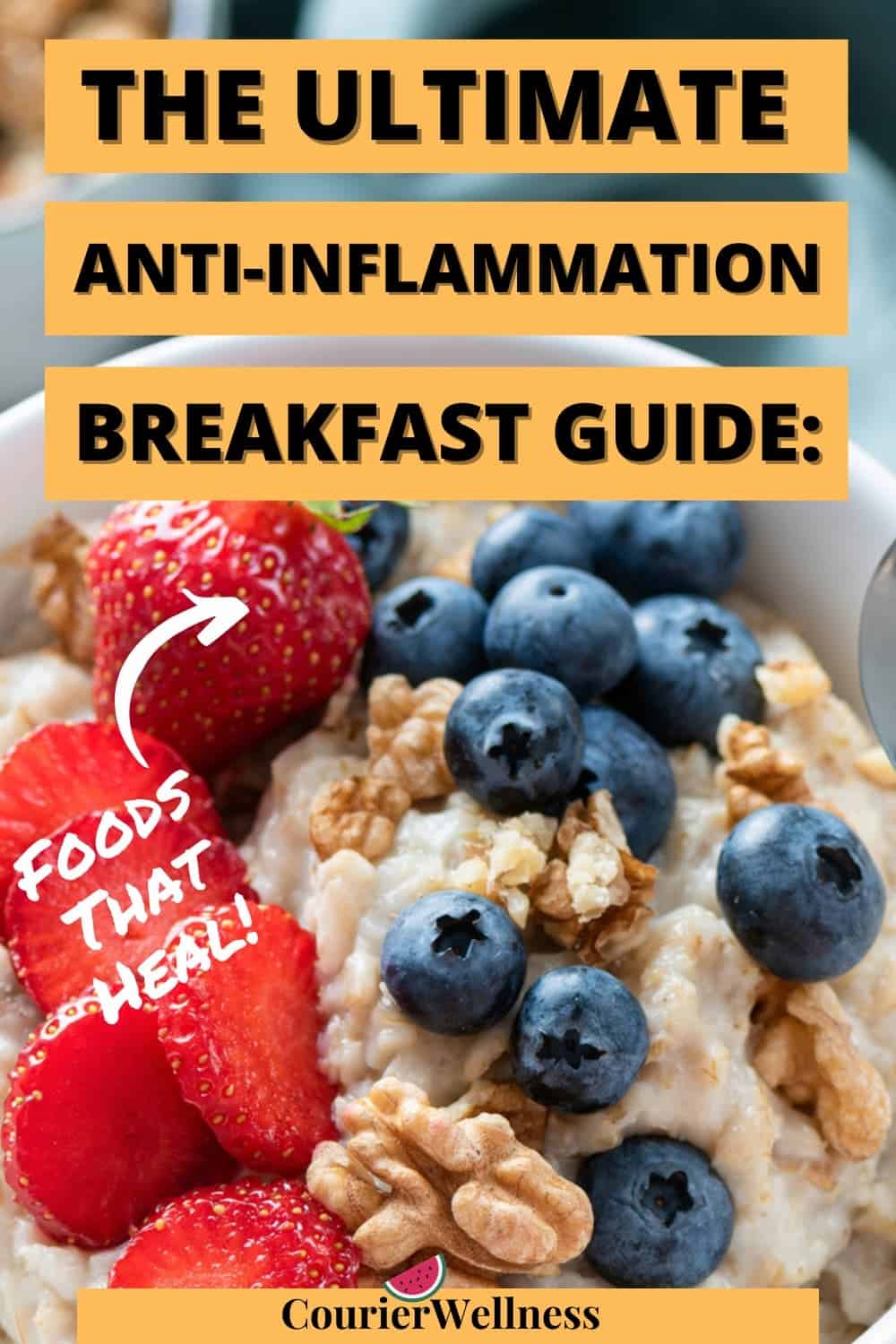
4. Fruits with Anti-Inflammatory Punch
Fruits aren’t just tasty — some of them are true anti-inflammatory superheroes, full of polyphenols, anthocyanins, and resveratrol.
These choices are generally low in sugar but packed with antioxidants, making them perfect for a healing breakfast.
Top picks to try:
Toss a handful of these on your favorite fiber-rich base or blend into a smoothie to create a vibrant, nourishing anti inflammation breakfast that tastes as good as it feels.
5. Vegetables — Yes, for Breakfast!
Who says vegetables are only for lunch or dinner?
Add them for breakfast! They’re packed with phytonutrients like apigenin, luteolin, caffeic acid, beta-carotene, and ferulic acid, all shown to reduce inflammation.
Delicious ways to get your veggies in:
A colorful morning plate is not only satisfying but also a powerful anti-inflammatory boost.
6. Flavor Enhancers That Heal
Sometimes the smallest additions make the biggest difference — both for taste and for inflammation.
A few simple spices and beverages can transform your breakfast into a healing powerhouse.
Try these anti-inflammatory flavor boosters:
If you want to add some high-quality spices to your spice rack, then Simply Organic Turmeric and Simply Organic Cinnamon (with ceylon) are easy staples to have on hand.
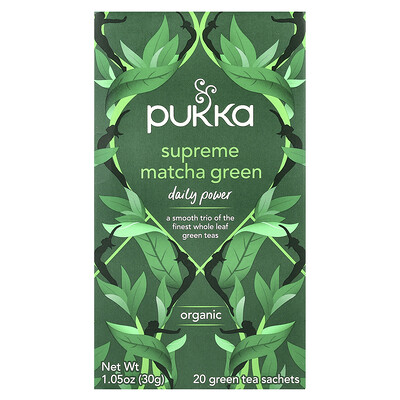
And when it comes to green tea, I highly recommend Pukka Herbs Organic Green Tea (Supreme Matcha Green) — a gentle, antioxidant-rich way to start the morning (all available on iHerb).
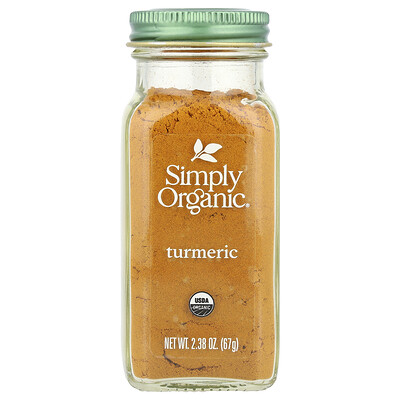
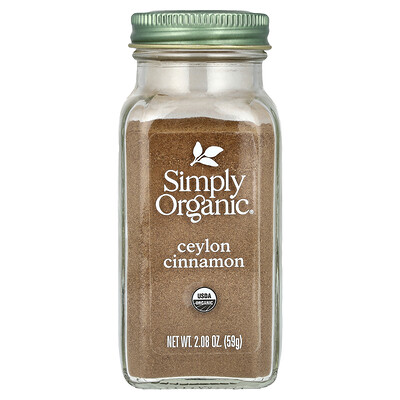
These small additions support blood sugar balance, digestion, and inflammation, while making your anti inflammation breakfast feel extra comforting and flavorful.
Foods to Avoid (or Limit)
If your goal is a truly healing anti-inflammatory breakfast, some foods are worth skipping or limiting.
Research shows that diets high in refined sugar, processed meats, refined grains, and industrial oils — can alter gut microbiota, increase inflammatory signaling, and contribute to low-grade metabolic inflammation.
Try to go easy on:
Instead of focusing on restriction, think of this as clearing space on your plate for the foods that heal, energize, and nourish your body every morning.
Anti-Inflammatory Breakfast Ideas (With Recipes)
Let’s turn all those anti-inflammatory principles into breakfasts that are not only healing but also delicious and easy to make.
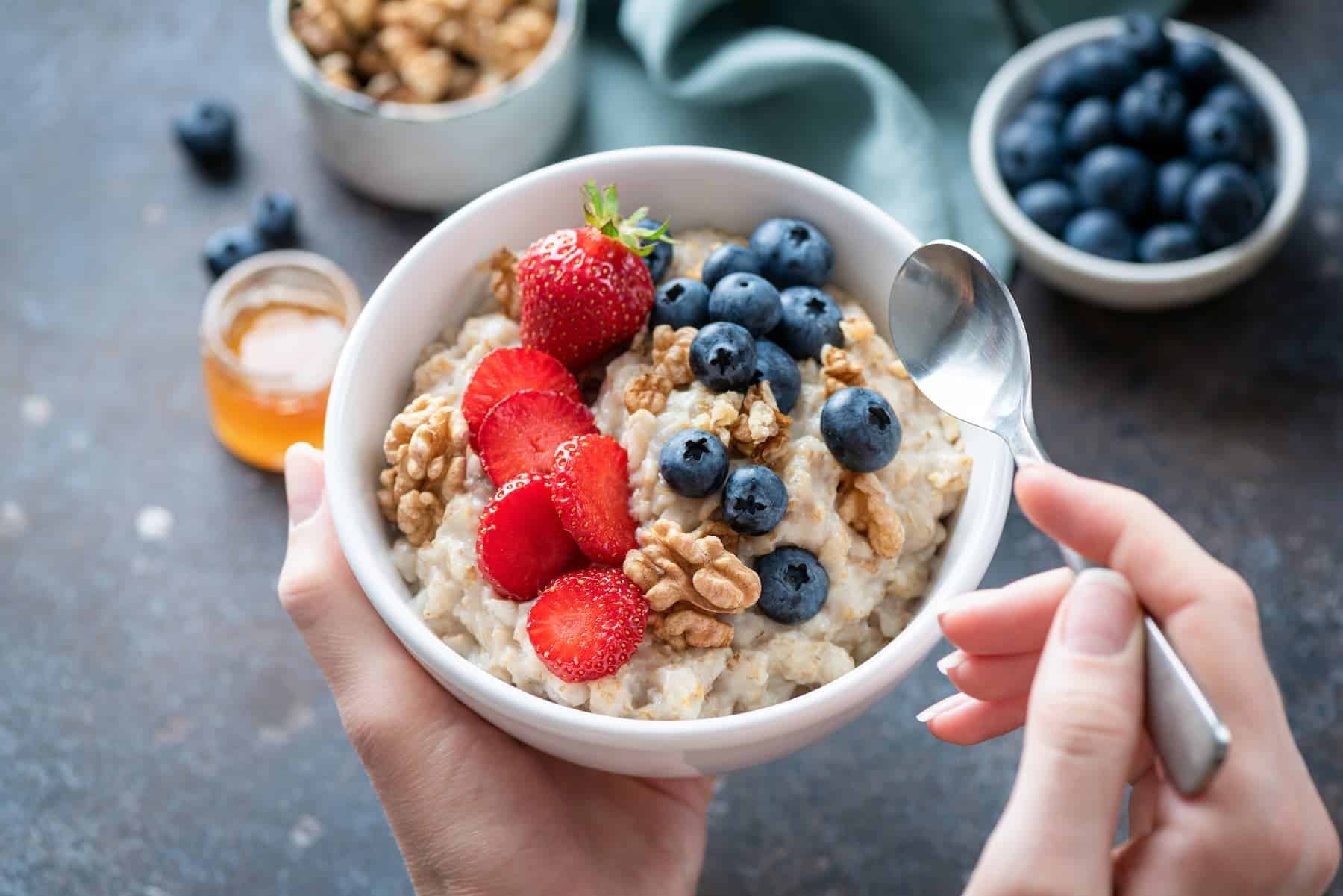
1. Golden Turmeric Oats with Berries & Walnuts
This breakfast combines turmeric, berries, and walnuts — a trio of anti-inflammatory powerhouses.
Ingredients:
- ½ cup steel-cut or rolled oats
- 1 tsp turmeric + a pinch of black pepper
- ½ tsp cinnamon (with ceylon)
- 1 Tbsp chia seeds
- ½ cup mixed berries
- ¼ cup walnuts
- Unsweetened almond milk
Method:
- Cook the oats in almond milk with turmeric, black pepper, and cinnamon.
- Stir in chia seeds while warm.
- Top with berries and walnuts.
Enjoy a breakfast that’s as nourishing as it is colorful!
Why it heals:
Turmeric, berries, and walnuts team up to fight inflammation, protect cells, and support heart and brain health.
- Turmeric (curcumin): Curcumin has been shown to reduce pro-inflammatory markers and calm chronic inflammation.
- Berries (anthocyanins & catechins): These antioxidants protect cells from oxidative stress, support vascular health, and improve insulin sensitivity.
- Walnuts: Packed with omega-3s, fiber, and polyphenols, they support gut health and reduce inflammation. Ellagitannins in walnuts are converted by gut microbes into urolithins, compounds with strong anti-inflammatory effects.
- Chia seeds: Packed with omega-3 fatty acids, fiber, and antioxidants, they can significantly reduce CRP, a key marker of inflammation in the body.
2. Smoked Salmon & Avocado Plate
Omega-3-rich salmon combined with the healthy fats from avocado makes this a simple yet powerful anti-inflammatory breakfast.
Ingredients:
- 2 oz smoked salmon
- ½ avocado, sliced
- A handful of arugula or spinach
- Lemon zest + fresh dill
- Optional: whole-grain toast
Method:
- Arrange the smoked salmon, avocado slices, and greens on a plate.
- Squeeze fresh lemon over the top and sprinkle with dill.
- Serve as-is or with a slice of whole-grain toast for extra fiber.
A few quick minutes, and you’ve got a vibrant, satisfying breakfast that supports your body from the first bite.
Why it heals:
Combining omega-3s from salmon with the healthy fats in avocado helps reduce inflammation and supports cellular function.
- Salmon (EPA/DHA): Studies show that regular salmon consumption significantly lowers key inflammation markers. These benefits are largely credited to salmon’s high levels of long-chain omega-3 fatty acids (EPA and DHA).
- Avocado: Rich in monounsaturated fats, fiber, and bioactive polyphenols, avocado helps regulate inflammation and supports healthy lipid profiles.
- Greens (spinach/arugula): Packed with flavonoids, lutein, and vitamin C, leafy greens help protect cells from oxidative stress and support immune function.
3. Green Power Smoothie Bowl
Packed with fiber, antioxidants, and chlorophyll, this bowl supports detoxification and helps keep inflammation in check.
Ingredients:
- 1 cup spinach
- ½ banana
- ½ cup frozen berries
- 1 Tbsp chia seeds
- ½ cup unsweetened plant milk
- Optional: a scoop of plant-based protein
Method:
- Blend spinach, banana, berries, chia seeds, and plant milk until smooth.
- Pour into a bowl and top with extra sliced fruit, seeds, or nuts for texture.
Enjoy a vibrant, nutrient-rich anti inflammation breakfast that feels like a treat.
Why it helps:
Spinach, bananas, berries, and seeds combine fiber, antioxidants, and anti-inflammatory compounds to support overall health.
- Spinach: Supplies antioxidant carotenoids such as lutein and zeaxanthin, along with vitamin C, magnesium, and natural polyphenols that support vascular health and help regulate inflammatory balance.
- Banana: Provide natural carbohydrates plus polyphenols and antioxidants that have been shown in human studies to reduce inflammation and oxidative stress after intense exercise.
- Berries: Deeply colored berries are packed with anthocyanins, flavonoids, and phenolic acids — plant compounds that have been widely studied for their antioxidant and anti-inflammatory activity.
- Chia seeds: Contain omega-3 fatty acids, fiber, and antioxidants that can help reduce inflammation in the body.
4. Greek Yogurt with Berries & Seeds
This breakfast packs probiotics, fiber, and healthy fats — a triple boost for your gut and immune system, helping fight inflammation naturally.
Ingredients:
- ¾ cup plain Greek yogurt (or dairy-free alternative)
- ½ cup mixed berries
- 1 Tbsp flaxseed meal
- 1 Tbsp pumpkin seeds
- A sprinkle of cinnamon (with ceylon)
Method:
- Spoon yogurt into a bowl.
- Top with berries, flaxseed, and pumpkin seeds.
- Sprinkle with cinnamon for flavor and an extra anti-inflammatory kick.
Enjoy a creamy, satisfying breakfast that supports your body from the inside out.
Why it Helps:
Probiotics, fiber, and healthy fats support gut health, immune balance, and reduce inflammation.
- Greek yogurt: Regular yogurt consumption has been associated with lower levels of inflammatory markers — especially when part of a whole-food diet.
- Berries: Provide polyphenols like anthocyanins, which neutralize free radicals and reduce oxidative stress. Berries are studied for their anti-inflammatory activity.
- Seeds: Rich in unsaturated fats, fiber, and antioxidants that help lower inflammatory markers.
- Ceylon cinnamon: Contains cinnamaldehyde and other compounds that help reduce inflammation, support antioxidant defenses, and promote vascular health.
Note: Unlike common Cassia cinnamon, which is darker and stronger, Ceylon cinnamon is lighter, milder, and much lower in coumarin, a compound that can be harmful in high amounts.
5. Veggie Scramble with Turmeric & Herbs
This colorful scramble combines vegetables, protein, and turmeric to deliver a powerful anti-inflammatory breakfast that fuels your body and keeps you satisfied.
Ingredients:
- 2–3 eggs (or tofu for a vegan option)
- Spinach, tomatoes, bell peppers
- ¼ tsp turmeric + a pinch of black pepper
- Fresh parsley or basil
- 1 tsp extra virgin olive oil
Method:
- Heat olive oil in a pan and sauté the vegetables until tender.
- Add eggs or tofu and scramble together with the veggies.
- Season with turmeric, black pepper, and fresh herbs.
Serve warm for a nourishing, flavorful anti inflammation breakfast.
Why it heals:
A colorful mix of vegetables, protein, and turmeric provides anti-inflammatory compounds, fiber, and nutrients that support long-term health.
- Eggs: Provide high-quality protein and essential nutrients, and research shows that regular consumption does not increase inflammation, making them a safe and nutritious choice for breakfast.
- Extra Virgin Olive Oil: High-polyphenol varieties supports heart health and helps reduce inflammation.
- Turmeric & black pepper: Turmeric contains curcuminoids, compounds with strong anti-inflammatory and antioxidant effects. Its absorption in the body is naturally low, but pairing turmeric with black pepper, which contains piperine, can increase its bioavailability and make it more effective.
- Tomatoes: Rich in antioxidants such as lycopene, vitamin C, beta-carotene, and various phenolic compounds, which together help to modulate inflammation.
- Fresh herbs: Basil contains compounds that supports antioxidant activity, immune balance, and overall inflammation control. Parsley is rich in apigenin and quercetin, flavonoids with strong antioxidant and anti-inflammatory effects.
6. Quinoa Breakfast Bowl with Almond Butter & Fruit
Quinoa is a complete plant protein, while almond butter adds healthy fats — together, they make a balanced, anti-inflammatory breakfast that keeps you full and energized.
Ingredients:
- ½ cup cooked quinoa
- 1 Tbsp almond butter
- ¼ cup diced apple or berries
- A sprinkle of cinnamon
Method:
- Warm the quinoa in a small pot or microwave.
- Stir in almond butter until creamy.
- Top with diced fruit and a sprinkle of cinnamon.
Enjoy a cozy, nutrient-packed anti inflammation breakfast that feels both comforting and nourishing.
Why it helps:
Quinoa and almond butter give you complete protein and healthy fats for balanced energy and reduced inflammation.
- Quinoa: A complete plant protein that may help reduce inflammation by lowering key inflammatory markers.
- Almond butter: Almonds are rich in monounsaturated fats, fiber, vitamins, minerals, and polyphenols, which support heart and gut health, improve cholesterol balance, and reduce chronic inflammation.
- Apples: Rich in vitamins C, A, and E, minerals like potassium and magnesium, and polyphenols concentrated in the peel. These compounds protect against oxidative stress, reduce inflammation, and help regulate blood sugar.
- Ceylon cinnamon: Contains compounds like cinnamaldehyde that help reduce inflammation and support antioxidant defenses.
Meal-Planning Tips for Success
Building a healing anti inflammation breakfast routine doesn’t have to be complicated. A little planning goes a long way — and can make healthy mornings effortless.
1. Plan Ahead
- Cook large batches of oats, quinoa, or chia pudding over the weekend so mornings are stress-free.
- Pre-chop veggies for quick scrambles or breakfast bowls.
- Portion fruit, nuts, and seeds into grab-and-go containers for easy toppings or smoothie add-ins.
Note: Not all oats are ideal for batch cooking. Steel-cut and rolled oats hold up best, while instant oats can become too mushy when stored.
Cook your oats slightly underdone and store in airtight containers in the fridge for up to 5 days. Reheat with a splash of milk or water and top with fresh fruit, nuts, or seeds — batch-cooked oats can actually taste even better the next day!
With a few simple prep steps, you can set yourself up for a week of breakfasts that nourish, energize, and support your body’s natural anti-inflammatory processes.
2. Rotate Favorites
Variety isn’t just more fun — it also ensures you get a broad spectrum of phytonutrients and keeps your anti inflammation breakfasts exciting.
Here’s one simple weekly rotation to get you started:
|
Day |
Breakfast |
|---|---|
|
Mon |
Golden turmeric oats with berries & walnuts |
|
Tue |
Green power smoothie bowl |
|
Wed |
Smoked salmon & avocado plate |
|
Thu |
Veggie scramble with turmeric & herbs |
|
Fri |
Greek yogurt with berries & seeds |
|
Sat |
Quinoa breakfast bowl with almond butter & fruit |
|
Sun |
Sweet potato hash with eggs |
3. Balance Macro & Micronutrients
A truly healing anti inflammation breakfast isn’t just about one “superfood” — it’s about the mix.
Aim to include:
- Protein (eggs, Greek yogurt, tofu, or salmon)
- Fiber (whole grains, fruits, vegetables, seeds)
- Healthy fats (avocado, nuts, olive oil)
- Colorful produce (berries, leafy greens, peppers)
This balanced approach keeps your blood sugar steady, supports energy, and helps reduce stress-induced inflammation.
Think of it as giving your body everything it needs to start the day strong and calm.
Science & Evidence: Why This Works
The science behind anti-inflammatory eating is strong, and understanding a bit of it can help you see why these breakfast choices matter.
1. Blood Sugar & Insulin
High-glycemic breakfasts — think sugary cereals or pastries — spike blood sugar and trigger insulin surges.
Elevated insulin can increase the production of pro-inflammatory molecules in your body.
By choosing low-glycemic, fiber-rich foods like oats, berries, and nuts, you help your body respond more gently. This not only stabilizes blood sugar but also keeps inflammation from flaring up unnecessarily.
2. Gut Microbiome
Your gut isn’t just for digestion — it’s a major player in your immune system. The bacteria living there communicate with your body and influence inflammation.
By including fiber-rich foods (like oats, fruits, and vegetables) and fermented foods (like kefir, yogurt, kimchi, or sauerkraut), you feed these beneficial bacteria.
In turn, they produce short-chain fatty acids (SCFAs), powerful molecules that help suppress inflammation and support a healthy gut lining.
In short: a happy gut = a calmer, healthier body.
3. Omega-3 vs Omega-6 Balance
Many modern diets are heavy in omega-6 fats (think vegetable oils and processed foods) and low in omega-3s. This imbalance can tip your body toward inflammation.
By prioritizing omega-3-rich foods like chia seeds, walnuts, flax, and fatty fish such as salmon, you help restore balance and support your body’s natural anti-inflammatory pathways.
Think of it as giving your body the “peacekeeping fats” it needs to calm inflammatory signals and maintain overall health.
4. Antioxidants & Phytonutrients
Oxidative stress — when free radicals overwhelm your body’s defenses — can drive chronic inflammation.
The good news?
Many plant foods are packed with antioxidants and phytonutrients that help neutralize these free radicals.
Foods rich in polyphenols, like berries, green tea, cocoa, and certain spices, don’t just fight oxidative stress — they also help calm inflammatory signaling at the cellular level.
Including a variety of colorful fruits, vegetables, and herbs at breakfast gives your body a powerful early-morning anti-inflammatory boost.
Lifestyle Factors That Complement Anti-Inflammatory Eating
Your breakfast sets the tone, but inflammation is influenced by more than just food.
Pairing your anti inflammation breakfast with simple lifestyle habits can amplify the benefits.
1. Hydration
Kick off your morning with water or herbal tea. Staying properly hydrated supports cellular repair, aids digestion, and helps your body flush out inflammatory byproducts.
Even a few extra sips first thing in the morning can make a noticeable difference in energy and overall wellness.
If staying hydrated is a challenge, having a bottle you enjoy using can really help. The Hydro Flask Wide Flex Straw Cap Bottle from Amazon keeps water cold for up to 24 hours, making it easier to sip consistently throughout the day, not just at breakfast.
2. Sleep Quality
Getting enough sleep isn’t just about feeling rested — it’s a powerful anti-inflammatory tool. Poor sleep can raise inflammatory markers, making your body more prone to chronic inflammation.
Aim for 7–9 hours per night, and try to keep a consistent bedtime routine. Think of quality sleep as the ultimate complement to your anti inflammation breakfast, helping your body repair and reset overnight.
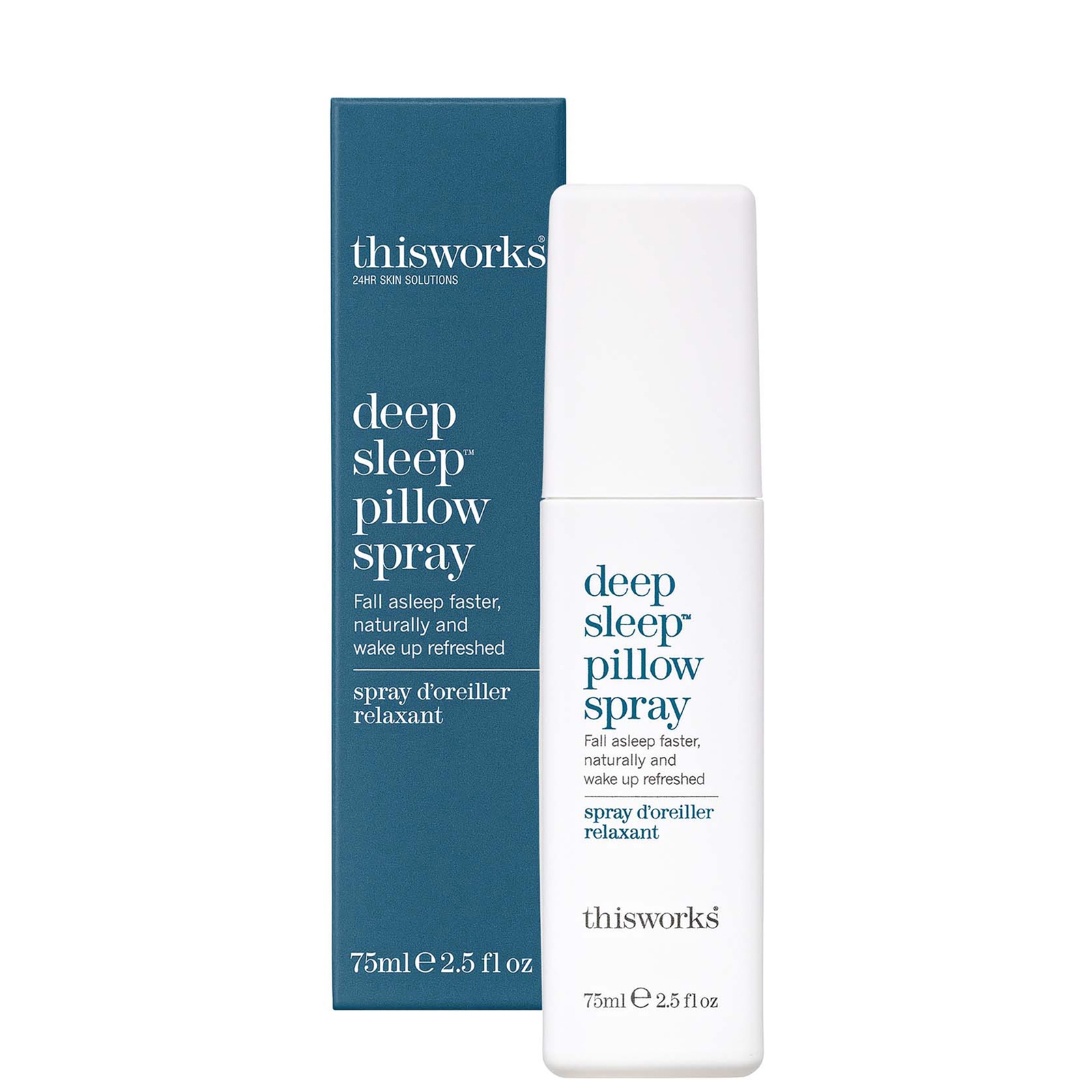
If sleep doesn’t always come easily, a few small tools can make a big difference. The slip Pure Silk Sleep Mask and thisworks Deep Sleep Pillow Spray from Dermstore can help create a calming bedtime environment and encourage deeper rest.

If you tend to wake up in the middle of the night, the SNOOZ Smart White Noise Sound Machine from Amazon may help block disruptions and support more consistent sleep.
3. Physical Activity
Moving your body isn’t just about burning calories — it’s a key way to keep inflammation in check.
Moderate exercise, like brisk walking, cycling, or yoga, can lower inflammatory markers over time and boost immune function.
Even short daily sessions of 20–30 minutes add up, making your anti-inflammatory breakfast even more effective by supporting overall metabolic and immune health.
Note: Intense, prolonged exercise can temporarily increase inflammation, so balance and recovery are just as important as the workout itself.
4. Stress Management
Chronic stress can fuel inflammation by raising cortisol levels, which can suppress and dysregulate your immune system.
Incorporating simple stress-relief practices — like meditation, yoga, deep breathing, or even a short morning walk — can help lower stress, support immune balance, and keep inflammation in check.
Pairing these habits with your anti-inflammatory breakfast helps your body stay calm, resilient, and balanced throughout the day.
If you’re new to meditation or want something easy, The Headspace Guide to Meditation and Mindfulness by Andy Puddicombe (available on Bookshop.org) is a great place to start.
It breaks stress relief down into simple, doable practices that fit into real life — even just a few minutes a day can help calm the nervous system and support lower inflammation.
book tip

The Headspace Guide to Meditation & Mindfulness
By Andy Puddicombe
What if 10 minutes a day could make your life less stressful and more fulfilling?
*We may earn a commission at no extra cost to you.
Common Question About Anti-Inflammatory Breakfasts
Final Thoughts
Your mornings set the tone for the whole day — and choosing an anti inflammation breakfast is one of the easiest ways to support long-term health, energy, and wellness.
By focusing on nutrient-rich foods, balancing protein, fiber, and healthy fats, and adding colorful fruits, vegetables, and spices, you’re giving your body the tools it needs to fight inflammation from the very first bite.
Pair these breakfasts with supportive lifestyle habits — hydration, quality sleep, movement, and stress management — and you create a foundation that helps your body thrive inside and out.
Remember, variety is key. Rotate your favorite meals, experiment with new recipes, and listen to your body. Even small daily changes — a handful of berries here, a sprinkle of seeds there — add up over time.
Starting your day with intention, flavor, and nutrition isn’t about restriction. It’s about giving your body a healing, energizing, and delicious start.
Your anti inflammation breakfast can be a daily ritual that feels good, tastes amazing, and supports a healthier, more vibrant you.
So start small. Build consistency. Choose foods that feed you — not fuel inflammation.
Here’s to breakfasts that heal!
*This article is for informational purposes only and is not intended as medical advice. It should not be used to diagnose, treat, or prevent any health condition. Always consult a qualified healthcare professional before making any changes to your diet, exercise, or health routine.
Bilal, Muhammad et al. “Dietary Component-Induced Inflammation and Its Amelioration by Prebiotics, Probiotics, and Synbiotics.” Frontiers in nutrition vol. 9 931458. 22 Jul. 2022, doi:10.3389/fnut.2022.931458. Adapted and used under the terms of the Creative Commons Attribution 4.0 International License.
Calder, Philip C. “Omega-3 polyunsaturated fatty acids and inflammatory processes: nutrition or pharmacology?.” British journal of clinical pharmacology vol. 75,3 (2013): 645-62. doi:10.1111/j.1365-2125.2012.04374.x. Abstract only.
Cerqueira, Érica et al. “Inflammatory Effects of High and Moderate Intensity Exercise-A Systematic Review.” Frontiers in physiology vol. 10 1550. 9 Jan. 2020, doi:10.3389/fphys.2019.01550. Adapted and used under the terms of the Creative Commons Attribution 4.0 International License.
Collins, Edward J et al. “Tomatoes: An Extensive Review of the Associated Health Impacts of Tomatoes and Factors That Can Affect Their Cultivation.” Biology vol. 11,2 239. 4 Feb. 2022, doi:10.3390/biology11020239. Adapted and used under the terms of the Creative Commons Attribution 4.0 International License.
Correia, Marta et al. “Unraveling the Extra Virgin Olive Oil Effect on Inflammation and on Gut and Saliva Microbiota.” Biomolecules vol. 15,3 338. 26 Feb. 2025, doi:10.3390/biom15030338. Adapted and used under the terms of the Creative Commons Attribution 4.0 International License.
Cozmin, Mihai et al. “Turmeric: from spice to cure. A review of the anti-cancer, radioprotective and anti-inflammatory effects of turmeric sourced compounds.” Frontiers in nutrition vol. 11 1399888. 28 May. 2024, doi:10.3389/fnut.2024.1399888. Adapted and used under the terms of the Creative Commons Attribution 4.0 International License.
Dzierzewski, Joseph M et al. “Sleep Inconsistency and Markers of Inflammation.” Frontiers in neurology vol. 11 1042. 16 Sep. 2020, doi:10.3389/fneur.2020.01042. Adapted and used under the terms of the Creative Commons Attribution 4.0 International License.
Durham, Leandra, et al. “Bioenhancer Assessment of Black Pepper with Turmeric on Self-Reported Pain Ratings in Adults: A Randomized, Cross-Over, Clinical Trial.” Nutrients, vol. 18, no. 2, 2026, p. 223, https://doi.org/10.3390/nu18020223. Adapted and used under the terms of the Creative Commons Attribution 4.0 International License.
Fan, Nuoxi et al. “Antioxidant and Anti-Inflammatory Properties of Walnut Constituents: Focus on Personalized Cancer Prevention and the Microbiome.” Antioxidants (Basel, Switzerland) vol. 12,5 982. 22 Apr. 2023, doi:10.3390/antiox12050982. Adapted and used under the terms of the Creative Commons Attribution 4.0 International License.
Ganea, Mariana et al. “Exploring the Therapeutic Efficacy of Parsley (Petroselinum crispum Mill.) as a Functional Food: Implications in Immunological Tolerability, Reduction of Muscle Cramps, and Treatment of Dermatitis.” Molecules (Basel, Switzerland) vol. 29,3 608. 27 Jan. 2024, doi:10.3390/molecules29030608. Adapted and used under the terms of the Creative Commons Attribution 4.0 International License.
Griffiths, Keith et al. “Food Antioxidants and Their Anti-Inflammatory Properties: A Potential Role in Cardiovascular Diseases and Cancer Prevention.” Diseases (Basel, Switzerland) vol. 4,3 28. 1 Aug. 2016, doi:10.3390/diseases4030028. Adapted and used under the terms of the Creative Commons Attribution 4.0 International License.
Gunathilake, K D P P et al. “In Vitro Anti-Inflammatory Properties of Selected Green Leafy Vegetables.” Biomedicines vol. 6,4 107. 19 Nov. 2018, doi:10.3390/biomedicines6040107. Adapted and used under the terms of the Creative Commons Attribution 4.0 International License.
Iacobellis, Ilaria, et al. “Nutritional, Biochemical, and Functional Properties of Spinach Leaf-Enriched Dough: A Healthier Alternative to Conventional Pasta.” Foods, vol. 13, no. 22, 2024, article 3608, https://doi.org/10.3390/foods13223608. Adapted and used under the terms of the Creative Commons Attribution 4.0 International License.
Jiang, Rui et al. “Nut and seed consumption and inflammatory markers in the multi-ethnic study of atherosclerosis.” American journal of epidemiology vol. 163,3 (2006): 222-31. doi:10.1093/aje/kwj033. Abstract only.
Kabisch, Stefan et al. “Impact of Dietary Fiber on Inflammation in Humans.” International journal of molecular sciences vol. 26,5 2000. 25 Feb. 2025, doi:10.3390/ijms26052000. Adapted and used under the terms of the Creative Commons Attribution 4.0 International License.
Kamelnia, Elahe et al. “Anti-inflammatory, immunomodulatory and anti-oxidant effects of Ocimum basilicum L. and its main constituents: A review.” Iranian journal of basic medical sciences vol. 26,6 (2023): 617-627. doi:10.22038/IJBMS.2023.67466.14783. Adapted and used under the terms of the Creative Commons Attribution 3.0 Unported License.
Land Lail, Hannah et al. “Berries as a Treatment for Obesity-Induced Inflammation: Evidence from Preclinical Models.” Nutrients vol. 13,2 334. 23 Jan. 2021, doi:10.3390/nu13020334. Adapted and used under the terms of the Creative Commons Attribution 4.0 International License.
Lucas, Kurt et al. “Cinnamon and Hop Extracts as Potential Immunomodulators for Severe COVID-19 Cases.” Frontiers in plant science vol. 12 589783. 26 Feb. 2021, doi:10.3389/fpls.2021.589783. Adapted and used under the terms of the Creative Commons Attribution 4.0 International License.
Malek Mahdavi, Aida et al. “Effects of Quinoa (Chenopodium quinoa) on inflammatory mediators: a systematic review of preclinical studies.” Inflammopharmacology vol. 31,1 (2023): 241-251. doi:10.1007/s10787-022-01091-y. Abstract only.
Marra, Anita, et al. “Avocado and Its By-Products as Natural Sources of Valuable Anti-Inflammatory and Antioxidant Bioactives for Functional Foods and Cosmetics with Health-Promoting Properties.” Applied Sciences, vol. 14, no. 14, 2024, p. 5978. doi:10.3390/app14145978. Adapted and used under the terms of the Creative Commons Attribution 4.0 International License.
Nieman, David C et al. “Metabolic recovery from heavy exertion following banana compared to sugar beverage or water only ingestion: A randomized, crossover trial.” PloS one vol. 13,3 e0194843. 22 Mar. 2018, doi:10.1371/journal.pone.0194843. Adapted and used under the terms of the Creative Commons Attribution 4.0 International License.
Nisar, Akib et al. “Phytochemicals in the treatment of inflammation-associated diseases: the journey from preclinical trials to clinical practice.” Frontiers in pharmacology vol. 14 1177050. 9 May. 2023, doi:10.3389/fphar.2023.1177050. Adapted and used under the terms of the Creative Commons Attribution 4.0 International License.
Pam, Pedram et al. “Chia seed supplementation and inflammatory biomarkers: a systematic review and meta-analysis.” Journal of nutritional science vol. 13 e91. 11 Dec. 2024, doi:10.1017/jns.2024.70. Abstract only.
Ramel, A et al. “Effects of weight loss and seafood consumption on inflammation parameters in young, overweight and obese European men and women during 8 weeks of energy restriction.” European journal of clinical nutrition vol. 64,9 (2010): 987-93. doi:10.1038/ejcn.2010.99. Abstract only.
Sajadi Hezaveh, Zohreh et al. “Effect of egg consumption on inflammatory markers: a systematic review and meta-analysis of randomized controlled clinical trials.” Journal of the science of food and agriculture vol. 99,15 (2019): 6663-6670. doi:10.1002/jsfa.9903. Abstract only.
Singar, Saiful et al. “The Effects of Almond Consumption on Cardiovascular Health and Gut Microbiome: A Comprehensive Review.” Nutrients vol. 16,12 1964. 20 Jun. 2024, doi:10.3390/nu16121964. Adapted and used under the terms of the Creative Commons Attribution 4.0 International License.
Stromsnes, Kristine et al. “Anti-Inflammatory Properties of Diet: Role in Healthy Aging.” Biomedicines vol. 9,8 922. 30 Jul. 2021, doi:10.3390/biomedicines9080922. Adapted and used under the terms of the Creative Commons Attribution 4.0 International License.
Yuan, Mengjie et al. “Yogurt Consumption Is Associated with Lower Levels of Chronic Inflammation in the Framingham Offspring Study.” Nutrients vol. 13,2 506. 4 Feb. 2021, doi:10.3390/nu13020506. Adapted and used under the terms of the Creative Commons Attribution 4.0 International License.
Zhang, Yue et al. “Does an apple a day keep away diseases? Evidence and mechanism of action.” Food science & nutrition vol. 11,9 4926-4947. 20 Jun. 2023, doi:10.1002/fsn3.3487. Adapted and used under the terms of the Creative Commons Attribution 4.0 International License.

Malin, the co-founder of Courier Wellness, is well-informed in nutrition and health and brings her own unique perspective to the world of holistic wellness. With a passion for writing and a deep interest in wellbeing, she wants to create content that fosters balance and nourishment for the mind and body.