Mediterranean Diet Food List for Beginners: Your Simple Guide

This post contains affiliate links, which means we may earn a commission if you purchase through our links—at no extra cost to you. As an Amazon Associate we earn from qualifying purchases. We only recommend products we use or trust. Learn more about affiliate marketing or read our full disclosure.
If you’re just starting out with the Mediterranean way of eating, you might be wondering where to begin. Don’t worry—I’ve got you covered.
This simple Mediterranean diet food list is designed to give you a clear, no-fuss guide so you can feel confident about what to put on your plate.
At its core, the Mediterranean diet is all about fresh, wholesome foods that not only taste amazing but also support your health.
Think of it as a lifestyle that fuels your body, boosts your energy, and helps you feel your best—without cutting out the foods you love.
In this guide, I’ll walk you through the essential pantry staples and everyday foods to keep on hand, plus share easy tips on how to work them into your routine.
By the end, you’ll see how effortless (and delicious!) this way of eating can be.
Ready to dive in? Let’s get started!
What Is the Mediterranean Diet?
Before we get into the specifics of the Mediterranean diet food list, let’s take a quick look at what this way of eating is all about.
The Mediterranean diet is inspired by the traditional eating habits of countries along the Mediterranean Sea—places like Greece, Italy, and Spain.
It’s not just a diet; it’s a lifestyle that celebrates fresh, vibrant foods and a balanced approach to living.
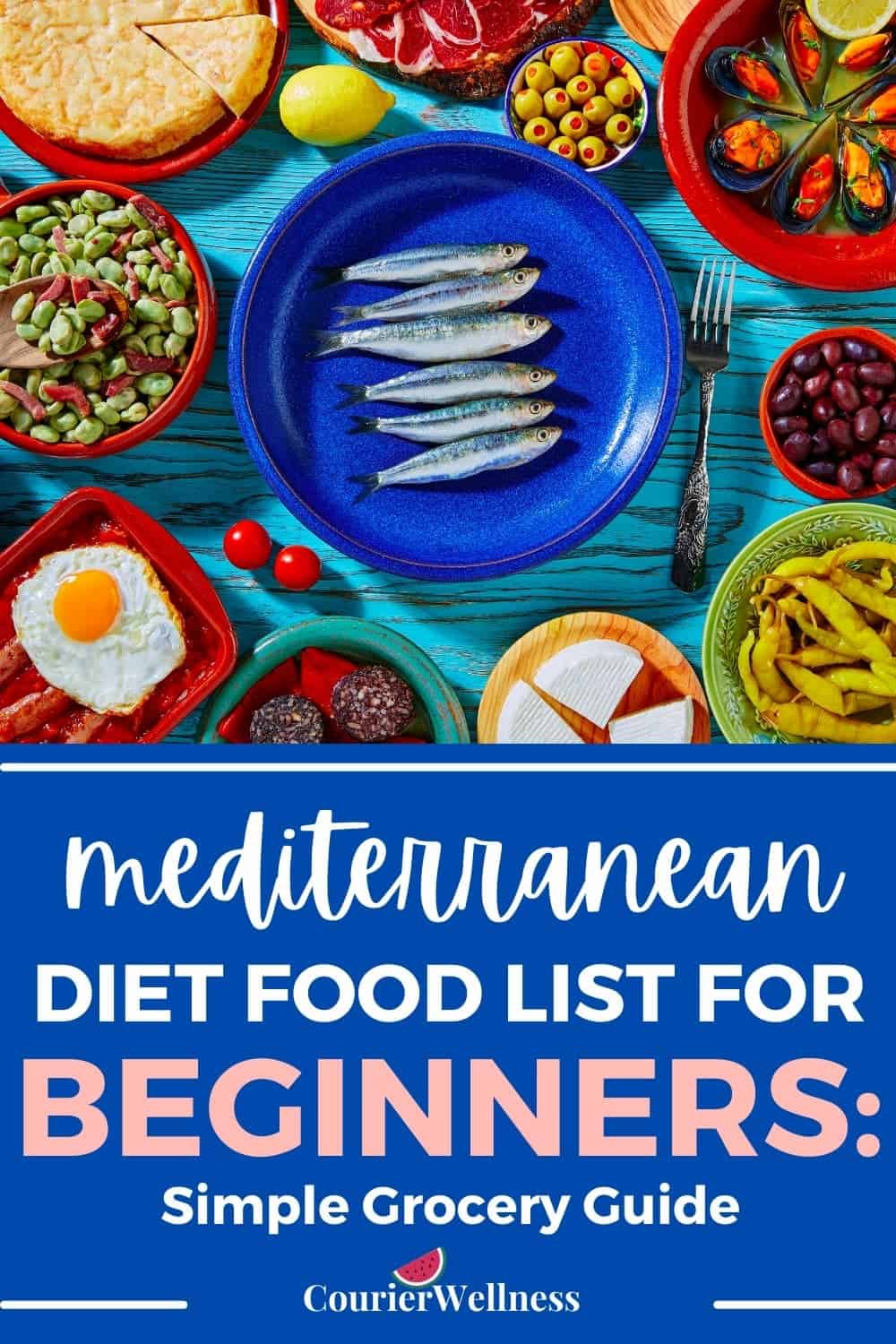
Here’s what it focuses on:
- Loads of Plant-Based Foods – Think fruits, veggies, legumes, nuts, and whole grains. These are the backbone of most meals.
- Healthy Fats – Extra virgin olive oil is the star here, providing that rich flavor and heart-healthy benefits.
- Moderate Amounts of Fish, Seafood, and Poultry – The Mediterranean diet encourages eating these in smaller portions—think two or three times a week.
- Limited Intake of Red Meat and Processed Foods – These are treated as occasional indulgences rather than everyday staples.
- Enjoyment of Meals – Whether it’s with family, friends, or by yourself, dining is a time to savor food and enjoy life.
RELATED POST: The Ultimate Mediterranean Diet Blueprint: How to Eat, Cook, and Thrive
Researchers also note that the Mediterranean diet is more than just a list of foods—it reflects a whole lifestyle.
That includes:
- Locally produced, minimally processed ingredients
- Simple cooking methods
- Sharing meals, slowing down, and savoring food
These cultural elements are part of what makes the Mediterranean way of eating so sustainable and health-promoting.
This way of eating isn’t about restrictions; it’s about quality ingredients, variety, and finding joy in nourishing your body. It’s flexible, delicious, and built to last.
Mediterranean Diet Food List for Beginners
Now let’s get into the fun part: stocking your kitchen!
Here’s a breakdown of the essential foods to add to your cart so you can get started on your Mediterranean journey.
1. Fruits
Fruits are a big deal in the Mediterranean diet—packed with vitamins, minerals, antioxidants, and fiber, they’re not just delicious but also incredibly nourishing.
In fact, research shows that most people in Western countries eat only about half of the recommended amount of whole fruits and fiber.
That’s a shame, because fruit fiber acts like a prebiotic, supporting gut health, helping with weight control, lowering the risk of heart disease and diabetes, and even promoting healthy aging.
Here are some of the best options to keep on hand:
- Berries (strawberries, blueberries, raspberries)
- Apples
- Oranges & citrus fruits
- Grapes
- Figs
- Pomegranates
- Melons
- Peaches & nectarines
Tip: Try to mix it up and enjoy a variety of colorful fruits every day! It’s an easy way to boost your nutrition without getting bored of the same old fruits.
2. Vegetables
Vegetables are truly the cornerstone of the Mediterranean diet, and for good reason. They’re packed with nutrients and should make up a big part of your meals.
And it’s not just theory—research shows that eating around 300–370 grams of vegetables a day can lower the risk of stroke and heart disease by more than 20%.
There’s also evidence linking higher veggie intake to reduced risks of certain cancers and better overall long-term health.
The key here is variety—so aim for seasonal options to keep things fresh and exciting.
Here are some of the must-have veggies:
- Leafy greens (spinach, kale, arugula, Swiss chard)
- Tomatoes
- Cucumbers
- Bell peppers
- Zucchini
- Eggplant
- Broccoli & cauliflower
- Carrots
- Onions & garlic
Tip: Try to include veggies in every meal, whether it’s a fresh salad, roasted, grilled, or steamed. The more colorful, the better!
3. Whole Grains
Whole grains are a must in the Mediterranean diet. They’re not only full of fiber but also packed with nutrients that keep you feeling satisfied and energized.
The idea is to choose whole grains over refined grains most of the time.
Studies consistently show that people who eat the most whole grains have a lower risk of chronic diseases like heart disease and diabetes.
Here are some top picks to add to your pantry:
- Brown rice
- Quinoa
- Bulgur
- Barley
- Whole wheat bread & pasta
- Oats
- Farro
Tip: If you’re used to only eating white rice and pasta, try swapping them out gradually with these whole grain options. You’ll get all the benefits without missing a beat!
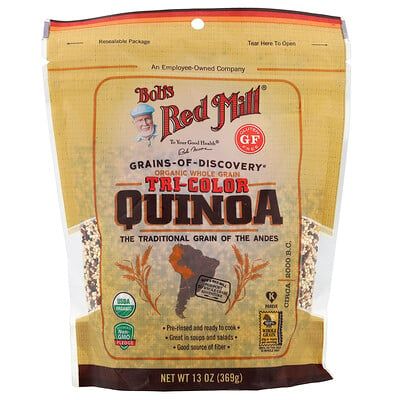
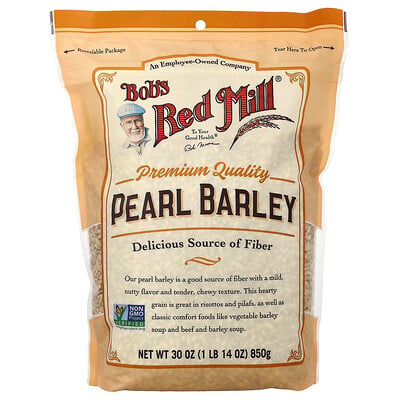
If you want premium quality whole grains, you can’t go wrong with Bob’s Red Mill Tri-Color Quinoa, Red Bulgur, and Pearl Barley – all available on iHerb.com.

4. Legumes
Legumes are a fantastic source of plant-based protein and fiber, making them a staple in the Mediterranean diet.
They’re not only great for your health but also super versatile in the kitchen.
Eating legumes regularly can help:
- Support heart health by improving blood pressure and cholesterol
- Manage blood sugar and reduce risk of type 2 diabetes
- Promote gut health by feeding beneficial bacteria
- Support healthy weight management through increased satiety
Pairing legumes with whole grains (like rice or quinoa) provides a complete protein, making them an excellent alternative to animal-based proteins.
Here are some of the best legumes to keep in your pantry:
- Chickpeas
- Lentils
- Black beans
- Cannellini beans
- Peas
Tip: Try to include legumes in your meals a few times a week—whether in soups, salads, or as a hearty side dish. They’re an easy way to add more nutrition to your day!
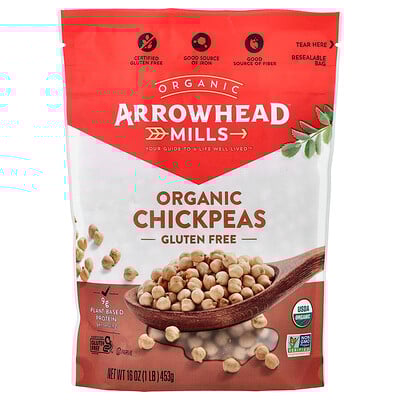
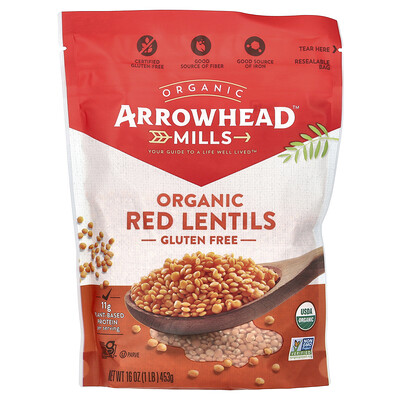
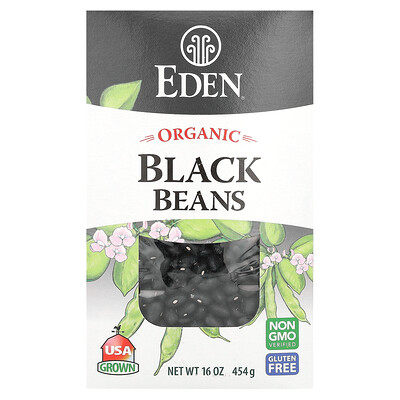
Some great organic options you can add to your pantry are Organic Chickpeas and Organic Red Lentils from Arrowhead Mills and Organic Black Beans from Eden Foods – all available on iHerb.com.
5. Nuts and Seeds
Nuts and seeds are packed with healthy fats, protein, and essential micronutrients—making them a great addition to the Mediterranean diet.
They’re perfect for snacking or adding to meals for that extra crunch and nutrition.
Research shows that consuming a handful of nuts and seeds daily can reduce the risk of cardiovascular disease, cancer, and overall mortality, making them a simple and effective way to boost your health.
Here are some top choices:
- Almonds
- Walnuts
- Pistachios
- Hazelnuts
- Chia seeds
- Flaxseeds
- Sesame seeds
Tip: Enjoy a small handful as a snack or sprinkle them on yogurt, salads, or oatmeal for an extra boost of flavor and nutrients!
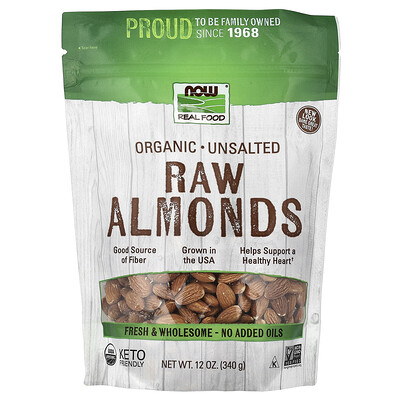
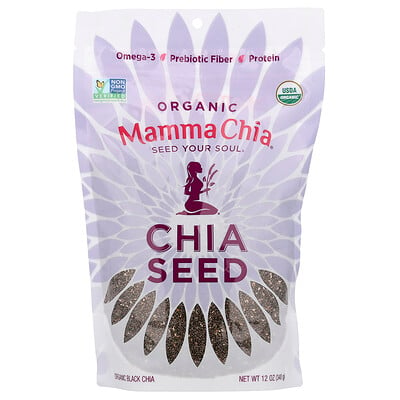
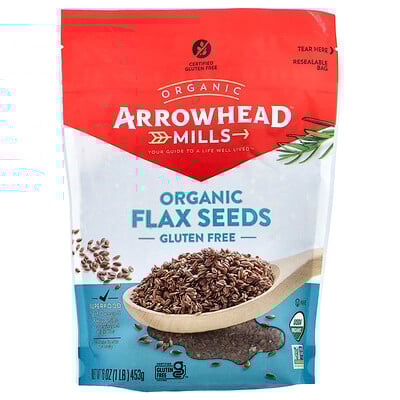
If you want some tips, we recommend Organic Unsalted Raw Almonds, Organic Chia Seed, and Organic Flax Seeds. You can find them on iHerb.com.
6. Healthy Fats
Healthy fats are a key feature of the Mediterranean diet, and they’re mostly sourced from plants.
These fats are not only good for your heart but also help you feel fuller for longer.
Research shows that extra virgin olive oil (EVOO) provides heart-protective benefits, including lowering LDL cholesterol, improving HDL levels, supporting blood pressure, and aiding glycemic control. Its beneficial effects are largely attributed to its polyphenol content.
The focus here is on fats that are nourishing and flavorful.
Here’s what to include:
- Extra virgin olive oil (the star of the show)
- Avocados
- Olives
Tip: Use olive oil for cooking, as a dressing, or even just drizzled over your meals for that rich, heart-healthy flavor.
Can’t decide which extra virgin olive oil to get?
Try one of Olive Oil Lovers’ high quality options like Tamia Green, Quattrociocchi Superbo Organic, or Entelia.
They’re a bit pricier than what you find in supermarkets, but that’s because they’re made with care from the finest olives, so you get all the health benefits.


Important Note: Not all olive oils are created equal. High-quality extra virgin olive oil is rich in antioxidants and has a fresh, fruity flavor. Olive Oil Lovers offers carefully selected EVOOs from top producers, so you get the real deal—delicious and good for you!
7. Fish and Seafood
Fish and seafood are key components of the Mediterranean diet, especially fatty varieties rich in omega-3 fatty acids like EPA and DHA.
These nutrients support heart and brain health, improve overall well-being, and may reduce the risk of chronic diseases.
Aim to enjoy fish at least twice a week, choosing options that are sustainably sourced to protect the environment and ensure safe consumption.
Here are some excellent options to include:
- Salmon
- Sardines
- Mackerel
- Anchovies
- Trout
- Shrimp
- Mussels
Tip: Grill, bake, or poach your seafood with some fresh herbs and olive oil for a simple, flavorful meal that’s packed with nutrients!
💡 Keep in mind: while fish is incredibly nutritious, some types may contain contaminants like mercury. Opting for low-mercury and sustainably sourced seafood helps you enjoy the benefits safely.
8. Dairy (In Moderation)
Dairy plays a role in the Mediterranean diet, but it’s enjoyed in moderate amounts (up to three servings a day), mostly as yogurt and cheese.
These foods add richness to meals and provide important nutrients like calcium and protein.
Yogurt and hard cheeses are usually fine even for those who are lactose intolerant, and they help support bone and muscle health without raising heart disease risk.
Here are some of the favorites:
- Greek yogurt (plain, unsweetened)
- Feta cheese
- Parmesan
- Ricotta
- Halloumi
Tip: Go for full-fat, traditional versions of dairy whenever possible. Not only do they taste better, but they also help with nutrient absorption, giving you more bang for your bite!
One of my favorite ways to enjoy dairy on the Mediterranean diet is by making my own yogurt at home. I use the Luvele Yogurt Maker, and I absolutely love it!
It’s simple to use, gives me full control over the ingredients, and the result is creamy, delicious yogurt that’s perfect for breakfast, snacks, or as a base for dressings and dips.
editor’s pick

Luvele Pure Yogurt Maker
Make thick, probiotic-rich yogurt at home with even heat and reliable results every time.
*We may earn a commission at no extra cost to you.
Curious about the Luvele yogurt maker? Check out our full review below to see how it performs and whether it’s right for you.
RELATED POST: Luvele: Why It’s The Best Yogurt Maker For Gut Health
9. Poultry and Eggs
Poultry and eggs are excellent sources of quality protein in the Mediterranean diet, but they’re enjoyed in moderation. They can easily be incorporated into meals for a satisfying and nutritious boost.
Did You Know? Poultry is the world’s top source of animal protein, often chosen as a lean, healthy option in wealthier countries. But in many lower-income regions, backyard chickens don’t just provide meat, but also daily eggs that boost nutrition, support food security, and even empower women who care for the flocks.
Here’s what to include:
- Chicken (preferably skinless)
- Turkey
- Eggs (free-range if possible)
Tip: Eggs make for a quick and healthy breakfast or can be tossed into salads, while poultry works great as a lean protein option for main meals.
If you’re looking for a simple way to prepare eggs, a countertop egg cooker—like the Evoloop Electric Egg Cooker on Amazon—can be a real time-saver.
It cooks multiple eggs at once (soft, medium, or hard-boiled) with just the push of a button, which makes meal prepping for the Mediterranean diet much easier.
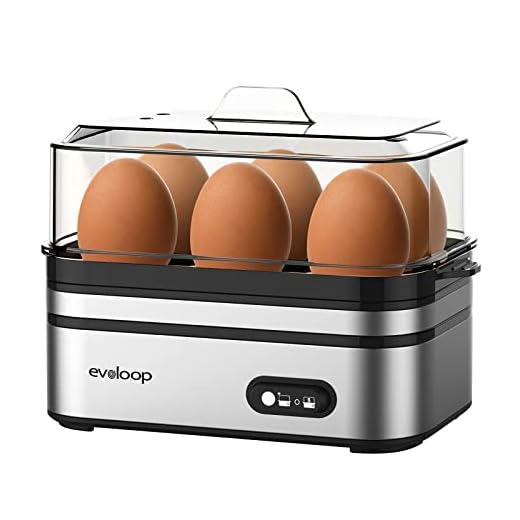
Evoloop Rapid Egg Cooker Electric 6 Eggs Capacity, Soft, Medium, Hard Boiled, Poacher, Omelet Maker Egg Poacher With Auto Shut-Off, BPA Free
10. Herbs and Spices
Herbs and spices are where the Mediterranean diet really shines, adding tons of flavor without the extra calories.
But they’re not just about taste—many also bring powerful health benefits.
Research suggests that herbs and spices can have antioxidant, anti-inflammatory, and even antimicrobial effects, with potential protective roles against conditions like cardiovascular disease, diabetes, and certain cancers.
Here are some essentials to keep on hand:
- Garlic
- Oregano
- Basil
- Rosemary
- Thyme
- Parsley
- Cinnamon
- Cumin
Tip: Don’t be afraid to experiment with both fresh and dried herbs in your cooking. They’re an easy way to elevate any dish and make your meals extra flavorful.
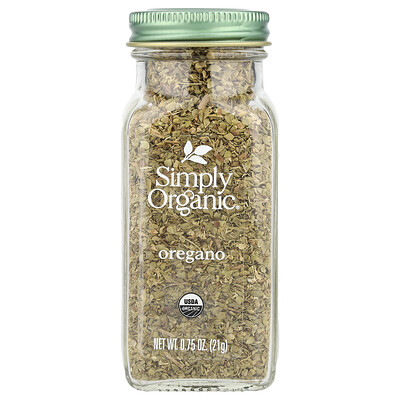
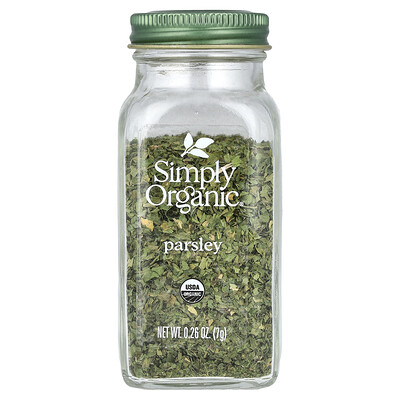
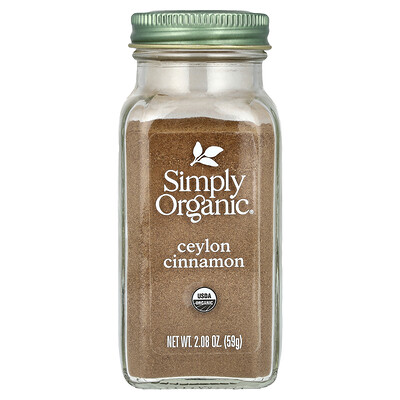
If you want high quality spices, then you’ll love options like Oregano, Parsley, and Ceylon Cinnamon from Simply Organic, available on iHerb.com.
11. Beverages
Staying hydrated is key on the Mediterranean diet, and the focus here is on natural, wholesome drinks.
Hydration isn’t just about water—it’s about making mindful choices that support your health.
Here’s what to sip on:
- Water (the mainstay drink)
- Herbal teas
- Coffee (in moderation)
- Red wine (optional, in moderation)
Tip: Limit sugary drinks and sodas, and opt for more natural hydration options.
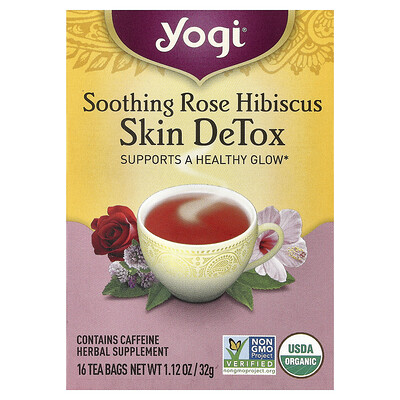
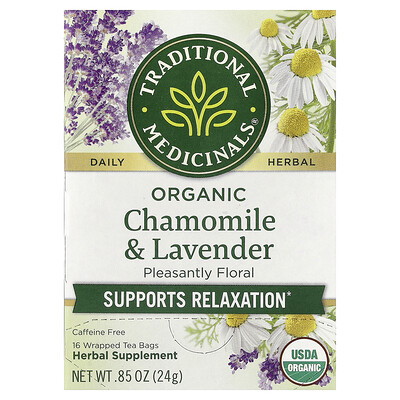
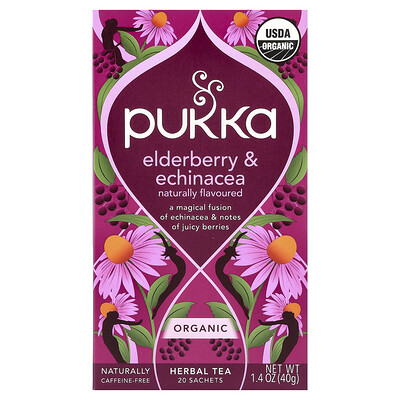
Drinking herbal tea has many health benefits. Some great options include Skin DeTox by Yogi Tea, Chamomile & Lavender by Traditional Medicinals, and Elderberry & Echinacea by Pukka Herbs—all delicious ways to support hydration and overall wellness. You can find them on iHerb.com.
Foods to Eat in Moderation
Since the Mediterranean diet is all about nourishing your body with wholesome, fresh foods, there are a few items you’ll want to limit—but that doesn’t mean you can never enjoy them.
It’s more about balance than perfection.
Here’s what to keep in mind:
- Ultra-processed and packaged foods high in sugar, salt, and unhealthy fats (try to keep these occasional treats, not daily staples).
- Sugary desserts and pastries – enjoy in moderation.
- Refined grains like white bread and white rice – these are okay once in a while, but whole grains should be your everyday go-to.
- Red and processed meats – aim to keep these to a few times a month, though having lean red meat once or twice a week can fit into a balanced plan.
- Fried foods and fast food – best kept to an occasional indulgence.
Think of it this way: nothing is completely “off-limits,” but the Mediterranean diet works best when the majority of your meals come from whole, nutrient-rich foods.
How to Use This Mediterranean Diet Food List
Now that you’ve got your Mediterranean diet food list ready, let’s talk about how to put it to use in your everyday life.
This list isn’t just a shopping guide—it’s your ticket to a balanced, flavorful way of eating that you can easily incorporate into your routine.
Here’s how you can make the most of it:
1. Plan Balanced Meals
With your Mediterranean diet food list in hand, it’s time to start building meals that are both nourishing and delicious.
Here’s a simple guide to putting it all together:
- A variety of colorful vegetables: Think salads, roasted veggies, or sautéed greens.
- Whole grains: Use these as a base or side—quinoa, brown rice, or whole wheat pasta are perfect options.
- Legumes or lean proteins: Add chickpeas, lentils, fish, or poultry for protein-packed meals.
- Healthy fats: Olive oil, nuts, and avocados are your go-to sources for flavor and nutrition.
- Herbs and spices: Elevate every dish with fresh herbs or your favorite spices for a punch of flavor without extra calories.
One thing that makes planning balanced meals so much easier is having good-quality food storage.
The Caraway 13pc Glass Food Storage Container Set (available on Amazon), is a great option—it’s perfect for storing prepped ingredients, leftovers, or full meals.
Plus, since they’re glass, they’re safer for reheating and better for the environment than plastic.
Sample Meal Ideas
Here are some easy and tasty meal ideas that fit perfectly into the Mediterranean diet:
- Breakfast – Greek yogurt topped with berries, seeds, or nuts—easy and packed with protein!
- Lunch – Quinoa salad with chickpeas, cucumbers, tomatoes, olives, and feta—light, fresh, and filling.
- Snack – A handful of almonds and an apple—quick, satisfying, and full of healthy fats.
- Dinner – Grilled salmon with roasted vegetables and a drizzle of olive oil—simple, flavorful, and heart-healthy.
Please Note: This is just a sample meal plan. Depending on factors like your gender, age, activity level, and individual needs, your portion sizes and meal choices might differ.
Feel free to adjust these meals to suit your lifestyle!
Keep Staples on Hand
Stocking your pantry with a few key staples makes it easy to whip up Mediterranean-inspired meals, even on busy days.
Here are some essentials to keep on hand for quick and nutritious meals:
- Canned beans (chickpeas, black beans, etc.)
- Olive oil (extra virgin for cooking and drizzling)
- Nuts (almonds, walnuts, pistachios for snacking or adding to meals)
- Whole grains (quinoa, brown rice, farro)
- Dried herbs (oregano, basil, thyme—perfect for flavoring without extra calories)
Having these basics on hand means you can pull together a meal without a ton of effort—whether it’s a quick salad, grain bowl, or pasta dish.
Tips for Beginners Using the Mediterranean Diet Food List
Below are some tips you can use when starting the Mediterranean diet:
- Start Slow – Don’t feel like you need to overhaul everything at once. Gradually swap out ultra-processed foods and unhealthy fats for whole, Mediterranean-friendly options.
- Cook at Home – Preparing meals yourself lets you control the ingredients and enjoy the Mediterranean food culture in its truest form.
Plus, it’s a fun way to try new recipes!
To make cooking easier and more enjoyable, having the right tools matters. The Caraway Nonstick Ceramic Cookware Set (12 Piece) on Amazon is a great option—it’s non-toxic, nonstick, and beautifully designed.
It makes cooking (and cleaning up) much simpler, so you’ll be more motivated to try Mediterranean-inspired recipes at home.
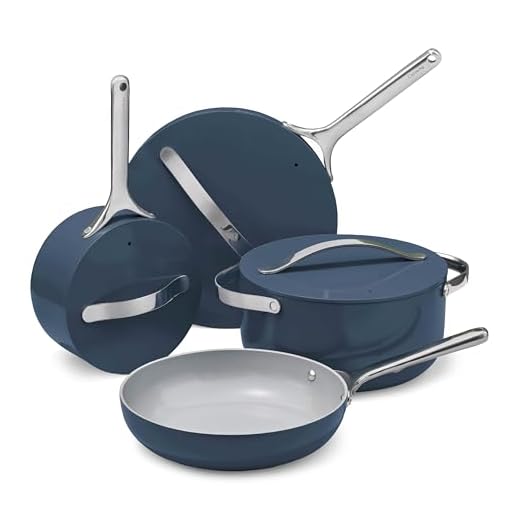
Caraway Nonstick Ceramic Cookware Set (12 Piece) Pots, Pans, Lids and Kitchen Storage – Non Toxic – Oven Safe & Compatible with All Stovetops – Navy
- Experiment With Herbs and Spices – Herbs like oregano, basil, and thyme add tons of flavor without any extra calories. Get creative in the kitchen and try new combinations to keep your meals exciting.
- Enjoy Meals Mindfully – The Mediterranean diet isn’t just about food—it’s about the experience. Take the time to savor each bite, and when possible, enjoy meals with family or friends to make them even more enjoyable.
- Stay Hydrated – Don’t forget about hydration! Drink plenty of water throughout the day, and feel free to enjoy herbal teas or a small glass of red wine (in moderation).
A reusable water bottle can make staying hydrated much easier, especially when you’re on the go.
The Hydro Flask Water Bottle on Amazon is a great choice because it keeps drinks cold for 24 hours, is super durable, and helps cut down on single-use plastics.
Keeping one nearby is a simple way to make hydration part of your daily routine.

Hydro Flask 32 Oz Wide Flex Straw Cap Bottle – Insulated Stainless Steel – Wide Straw Lid, Non Spill, Leakproof in Thyme Rose Gold
Health Benefits of Following the Mediterranean Diet Food List
Adopting the Mediterranean diet can do wonders for your health in more ways than one. Research consistently links this way of eating to improvements across many areas of well-being.
Here are some of the key benefits:
- Heart Health – Packed with olive oil, nuts, and fish, the Mediterranean diet helps lower LDL (“bad”) cholesterol, supports healthy blood pressure, and reduces the risk of cardiovascular disease.
- Brain Health – Nutrients like omega-3 fatty acids, polyphenols, and antioxidants from fish, nuts, and vegetables have been shown to protect against cognitive decline and may lower the risk of Alzheimer’s and Parkinson’s. In other words, the Mediterranean diet keeps you brain sharp!
- Weight Management – High-fiber foods (legumes, whole grains, veggies) paired with healthy fats keep you full and satisfied, making it easier to manage weight and improve insulin sensitivity.
- Gut Health – Fiber-rich foods and fermented ingredients support a diverse microbiome, better digestion, and reduced inflammation in the digestive system.
- Anti-Inflammatory – Thanks to antioxidant- and polyphenol-rich foods (like fruits, vegetables, and olive oil), the Mediterranean diet helps reduce chronic inflammation, supporting everything from joint health to immune function.
RELATED POST: 9 Surprising Health Benefits of the Mediterranean Diet (Backed by Science)
Frequently Asked Questions
Final Thoughts
Starting the Mediterranean diet is simple when you have a clear Mediterranean diet food list to guide you.
Focus on whole, minimally processed foods, plenty of fruits and vegetables, healthy fats like olive oil, and lean proteins such as fish and poultry.
This way of eating is not only healthy—it’s delicious, satisfying, and sustainable.
The Mediterranean diet is also about enjoying your meals, eating mindfully, and sharing food with others whenever possible. Use this guide to shop smart, cook flavorful dishes, and embrace a lifestyle that supports long-term health and happiness.
Remember, it’s not about perfection—it’s about progress, balance, and savoring every bite.
*This article is for informational purposes only and is not intended as medical advice. It should not be used to diagnose, treat, or prevent any health condition. Always consult a qualified healthcare professional before making any changes to your diet, exercise, or health routine.
Dreher, Mark L. “Whole Fruits and Fruit Fiber Emerging Health Effects.” Nutrients vol. 10,12 1833. 28 Nov. 2018, doi:10.3390/nu10121833. Adapted and used under the terms of the Creative Commons Attribution 4.0 International License.
Flynn, Mary M et al. “Is Extra Virgin Olive Oil the Critical Ingredient Driving the Health Benefits of a Mediterranean Diet? A Narrative Review.” Nutrients vol. 15,13 2916. 27 Jun. 2023, doi:10.3390/nu15132916. Adapted and used under the terms of the Creative Commons Attribution 4.0 International License.
Godos, Justyna et al. “Underrated Aspects of a True Mediterranean Diet: Understanding Traditional Features for Worldwide Application of a ‘Planeterranean’ Diet.” Journal of Translational Medicine, vol. 22, no. 294, 2024. SpringerOpen, https://doi.org/10.1186/s12967-024-05095-w. Adapted and used under the terms of the Creative Commons Attribution 4.0 International License.
Lisciani, S., et al. “Legumes and Common Beans in Sustainable Diets: Nutritional Quality, Environmental Benefits, Spread and Use in Food Preparations.” Frontiers in Nutrition, vol. 11, 2024, p. 1385232, doi: 10.3389/fnut.2024.1385232. Adapted and used under the terms of the Creative Commons Attribution 4.0 International License.
Noreen, Sana et al. “Health benefits of fish and fish by-products-a nutritional and functional perspective.” Frontiers in nutrition vol. 12 1564315. 9 May. 2025, doi:10.3389/fnut.2025.1564315. Adapted and used under the terms of the Creative Commons Attribution 4.0 International License.
Rozenberg, Serge et al. “Effects of Dairy Products Consumption on Health: Benefits and Beliefs--A Commentary from the Belgian Bone Club and the European Society for Clinical and Economic Aspects of Osteoporosis, Osteoarthritis and Musculoskeletal Diseases.” Calcified tissue international vol. 98,1 (2016): 1-17. doi:10.1007/s00223-015-0062-x. Adapted and used under the terms of the Creative Commons Attribution 4.0 International License.
Singh, M., et al. “Backyard Poultry Farming with Improved Germplasm: Sustainable Food Production and Nutritional Security in Fragile Ecosystem.” Frontiers in Sustainable Food Systems, vol. 6, 2022, Article 962268. Frontiers, doi: 10.3389/fsufs.2022.962268. Adapted and used under the terms of the Creative Commons Attribution 4.0 International License.
Stanaway, J. D., et al. “Health Effects Associated with Vegetable Consumption: A Burden of Proof Study.” Nature Medicine, vol. 28, 2022, pp. 2066–2074, https://doi.org/10.1038/s41591-022-01970-5. Adapted and used under the terms of the Creative Commons Attribution 4.0 International License.
Taylor, Bettina et al. “Exploring the Complexities of Seafood: From Benefits to Contaminants.” Foods (Basel, Switzerland) vol. 14,9 1461. 23 Apr. 2025, doi:10.3390/foods14091461. Adapted and used under the terms of the Creative Commons Attribution 4.0 International License.
Trajkovska Petkoska, Anka, et al. "Mediterranean Diet: From Ancient Traditions to Modern Science—A Sustainable Way Towards Better Health, Wellness, Longevity, and Personalized Nutrition." Sustainability, vol. 17, no. 9, 2025, p. 4187. MDPI, https://doi.org/10.3390/su17094187. Adapted and used under the terms of the Creative Commons Attribution 4.0 International License.
Vázquez-Fresno, Rosa et al. “Herbs and Spices- Biomarkers of Intake Based on Human Intervention Studies - A Systematic Review.” Genes & nutrition vol. 14 18. 22 May. 2019, doi:10.1186/s12263-019-0636-8. Adapted and used under the terms of the Creative Commons Attribution 4.0 International License.
Wei, Xun et al. “Health Effects of Whole Grains: A Bibliometric Analysis.” Foods (Basel, Switzerland) vol. 11,24 4094. 18 Dec. 2022, doi:10.3390/foods11244094. Adapted and used under the terms of the Creative Commons Attribution 4.0 International License.

Linda is the co-founder of Courier Wellness and holds a Diploma in Natural Health Nutrition & Diet. Her passions include photography, food, and travel, where she derives inspiration from diverse cultures and their holistic approaches to well-being. She is committed to helping others make informed, nourishing choices for a healthier life.