Are We Not Eating Real Food Anymore? What You Need to Know

This post contains affiliate links, which means we may earn a commission if you purchase through our links—at no extra cost to you. As an Amazon Associate we earn from qualifying purchases. We only recommend products we use or trust. Learn more about affiliate marketing or read our full disclosure.
In today’s fast-paced world, it seems like “real food” is slipping through our fingers. We’re surrounded by shelves stacked with pre-packaged meals, processed snacks, and food products that promise to be quick, cheap, and delicious.
But is convenience worth the trade-off?
The concept of “real food”—you know, the kind that’s whole, unprocessed, and packed with nutrients—is getting harder to find.
Instead, we’re seeing more and more options that are refined, chemically altered, and just plain synthetic.
And while these foods might save us time, they’re also playing a part in the rise of chronic health issues like obesity, diabetes, heart disease, and even mental health struggles.
So, here’s the real question: Are we still eating real food? Or have we lost touch with what it really means to nourish our bodies?
Let’s dive in and take a closer look!
What Is “Real Food”?
Before we jump into how today’s eating habits are impacting our health, let’s take a step back and talk about what we mean by real food.
According to the NOVA classification, real food is whole, unprocessed (or minimally processed) food that’s as close to its natural state as possible.
These are foods that come straight from the earth—things that you can recognize and pronounce!
So, what exactly does this look like?
Here’s a quick rundown:
In a nutshell, real food is anything that doesn’t come wrapped in plastic or require a list of chemicals with names you can’t pronounce.
These foods are packed with nutrients—vitamins, minerals, antioxidants—that our bodies crave.
Plus, real food is much easier for our bodies to digest and use, helping us feel energized, healthy, and in balance.
The Rise of Ultra-Processed Foods
Over the past few decades, the way we eat has shifted in some pretty dramatic ways. The rise of ultra-processed foods has been a game changer, and it’s not without its reasons.
So, why are we turning to processed options more than ever before?
Let’s face it—pre-packaged meals, snacks, and fast food make life a lot easier, especially for busy individuals and families.
These foods require zero prep and are always just a few minutes away, making them super tempting when you’re short on time.
Processed foods are often much cheaper than fresh, whole foods. Fast food chains and packaged snacks seem like a quick, affordable option, especially for families working with a tight budget.
RELATED POST: Is Ultra-Processed Food Really Cheaper? Uncovering the Truth
Ever notice how food manufacturers spend billions on ads that make junk food look fun and healthy?
It’s no surprise that ultra-processed foods are everywhere, especially in supermarkets, where fresh, nutritious options can sometimes feel like a scavenger hunt.
We’re constantly bombarded with messages that make ultra-processed foods seem irresistible.
Here’s the kicker: processed foods are engineered to taste really good.
With the right mix of sugar, salt, and unhealthy fats, they hit all the pleasure points in our brains, which is why it’s so hard to stop at just one chip (or one cookie, or one burger… you get the idea).
As a result, we’ve drifted further and further from real, whole foods.
According to the CDC’s National Center for Health Statistics, ultra-processed foods make up a huge portion of the American diet:
- 55% of total calories consumed by Americans age 1 and older come from ultra-processed foods.
- Kids and teens (ages 1–18) consume an even higher share: about 62% of their calories.
- Adults (ages 19 and older) get roughly 53% of their calories from ultra-processed sources.
- There are no significant differences between males and females in either age group.
This is why we’re seeing skyrocketing rates of obesity, heart disease, and type 2 diabetes.
RELATED POST: The Truth Behind How Ultra-Processed Foods Cause Cravings
The Consequences of Not Eating Real Food
Sure, ultra-processed foods are convenient and affordable, but the reality is that relying on them comes with some serious consequences.
The shift away from real, whole foods is taking a toll on our health in ways we can’t ignore.
So, let’s break down how this change in our diet is affecting us:
1. Nutrient Deficiencies
When foods go through extensive processing, they lose a lot of their natural nutrients—things like fiber, vitamins, and minerals that our bodies need to function properly.
Take refined grains, for example: when wheat is stripped of its outer bran and germ, all that’s left is white flour, which offers little to no nutritional value compared to whole wheat.
Research shows this can have real health consequences. A meta-analysis of 14 observational studies found that refined grain consumption was linked to a higher risk of metabolic syndrome, which can significantly increase the risk of heart disease, stroke, and type 2 diabetes.
A diet that skips out on real, whole foods can leave us lacking in essential nutrients like:
These nutrient gaps can show up as a range of health issues, from a weakened immune system to chronic inflammation. Over time, deficiencies like these can even contribute to more serious conditions, such as bone loss or heart disease.
RELATED POST: Modern Eating Is The Number One Cause of Global Obesity
2. Increased Risk of Chronic Diseases
When we consume too many ultra-processed foods—packed with refined sugar, trans fats, and artificial additives—we put ourselves at risk of developing chronic diseases.
Here’s how these foods affect our health:
The excessive sugar and refined carbs in ultra-processed foods promote fat storage and disrupt metabolism.
In a study of Saudi adults, those eating the most ultra-processed foods had 30% higher BMI and 23% larger waistlines, along with higher odds of being overweight or having abdominal obesity.
A diet rich in ultra-processed foods increases the risk of high blood pressure, high cholesterol, and arterial inflammation.
Large U.S. studies show that people who eat the most UPFs have 11% higher risk of cardiovascular disease and 16% higher risk of coronary heart disease compared to those who eat the least.
High sugar intake can spike insulin levels, increasing the risk of insulin resistance and diabetes.
A meta-analysis including nearly 1.1 million people found that moderate consumption of ultra-processed foods increased the risk of type 2 diabetes by 12%, while high consumption increased it by 31%.
A diet high in ultra-processed foods can contribute to anxiety, depression, and other mental health disorders.
A meta-analysis of over 385,000 people found that greater consumption of ultra-processed foods was associated with higher odds of depressive and anxiety symptoms, and even a 22% higher risk of developing depression over time.
RELATED POST: The Truth Behind Ultra-Processed Foods and Its Impact on Health
3. Gut Health Problems
The health of our gut is closely tied to what we eat, and real, whole foods—especially fiber-rich ones—help keep our gut microbiome in check. This balance of good bacteria is crucial for everything from digestion to immune function and even mental health.
But when we rely too heavily on processed foods, it can throw off this balance.
Ultra-processed foods tend to disrupt our gut bacteria, leading to digestive issues like bloating, constipation, and irritable bowel syndrome (IBS).
And it’s not just your stomach that suffers—an imbalanced microbiome can contribute to chronic inflammation and has been linked to a whole host of other health problems.
RELATED POST: A Complete Guide To Gut Health: Everything You Need To Know To Stay Healthy
So, what’s the solution?
One simple way to support your gut health is by adding more probiotic-rich foods to your diet, like homemade yogurt.
And honestly, there’s no easier or more reliable way to make sure you’re getting those probiotics than with a Luvele Yogurt Maker. I’ve been using it myself, and it’s been a game changer.
It allows you to make fresh, delicious yogurt at home with live cultures, ensuring that you’re giving your gut the good bacteria it craves.
Not only is it super easy to use, but it also gives you total control over the ingredients, so you can avoid the added sugars and preservatives that often come with store-bought options.
It’s a simple, effective way to nourish your gut and improve overall health—plus, it tastes amazing.
RECOMMENDATION
Luvele Pure Yogurt Maker

This simple and high-quality yogurt maker has advanced water-bath technology, which ensures even and consistent temperatures for thick, probiotic-rich yogurt.
Key features:
*We may earn a commission at no extra cost to you.
If you want to learn more about Luvele’s yogurt makers, you can read our full review below.
RELATED POST: Luvele: Why It’s The Best Yogurt Maker For Gut Health
4. Additives and Chemicals
A lot of processed foods are loaded with artificial preservatives, colors, and flavorings that are meant to make them last longer or taste better.
But here’s the thing—over time, these chemicals can build up in our bodies and potentially harm our health. Take common additives like aspartame, MSG, and BPA, for example.
Research has linked them to a variety of health concerns, including:
Certain food additives—like BPA, some artificial colors, sweeteners, and parabens—may act as endocrine disruptors, interfering with normal hormone signals.
Over time, this can increase the risk of obesity, type 2 diabetes, and other health issues, and may also affect reproductive development.
Research shows that eating a lot of ultra-processed foods is linked to a higher risk of some cancers, especially colorectal, colon, and breast cancer.
From allergic reactions to neurological issues, these chemicals can have a range of negative impacts on long-term health.
The scary part?
Many of these additives are found in foods we consume regularly, often without us even realizing it.
When we skip out on real, whole foods, we’re not just missing out on nutrients—we’re exposing ourselves to these potentially harmful chemicals.
RELATED POST: What Is the Real Impact of Modern Food?
How to Return to Eating Real Food
If you’re starting to feel concerned about the impact of processed foods on your health, the good news is—it’s never too late to make a change!
Taking steps toward eating more real food is easier than you might think, and every small change can make a big difference.
Here’s how to start:
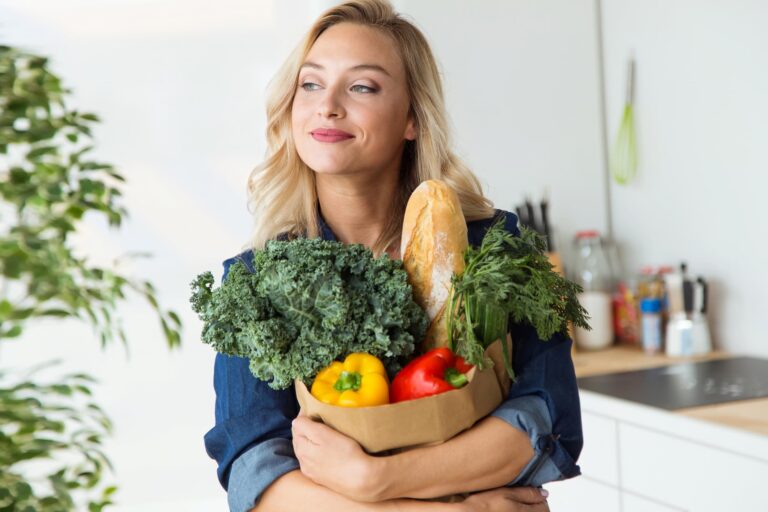
1. Start with Whole Fruits and Vegetables
A great place to begin is by making sure half of your plate is filled with fresh, whole fruits and vegetables at every meal. These nutrient-packed foods are loaded with antioxidants, fiber, and vitamins that support your overall health.
To get the best quality, try to buy in-season produce—it’s usually fresher, tastier, and more affordable.
And when you can, go for organic options to steer clear of pesticides and chemicals.
RELATED POST: Rediscovering Real Food in a World of Ultra-Processed Convenience
2. Choose Whole Grains
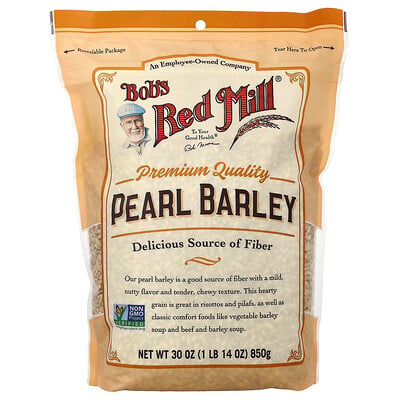
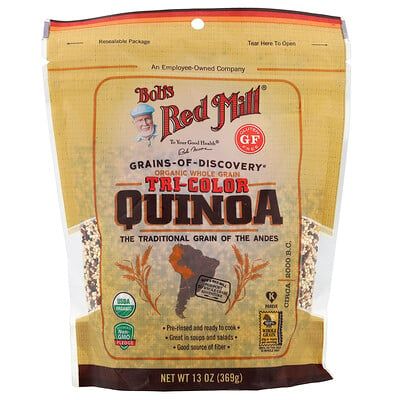
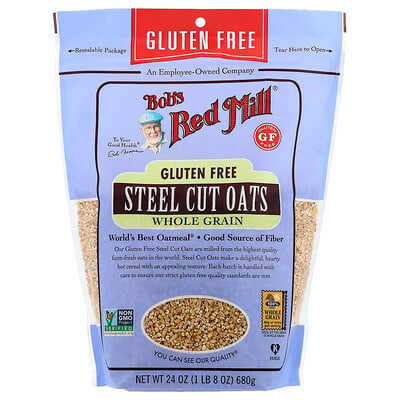
Swap out refined grains for whole grains like brown rice, barley quinoa, farro, and oats.
Whole grains are packed with nutrients, including fiber, which not only helps regulate digestion but also provides you with steady, long-lasting energy throughout the day.
Plus, they’re naturally more filling, so you’ll feel satisfied longer!
You can find premium quality options from Bob’s Red Mill, such as Pearl Barley, Quiona, and Oats at iHerb.com.
3. Cook More at Home
One of the easiest ways to eat more real food is by cooking at home. It gives you full control over the ingredients, so you can choose fresh, whole foods and skip out on the excess salt, sugar, and preservatives found in processed options.
Plus, cooking at home is a great chance to get creative with healthy ingredients—think fresh herbs, vibrant spices, and wholesome fats like olive oil or avocado.
You might just find that making meals from scratch is easier and more enjoyable than you thought!
If you want high-quality cookware, then you can’t go wrong with the Caraway 12 piece Nonstick Ceramic Cookware Set, available on Amazon.
The set includes fry pan, sauce pan, sauté pan, and Dutch oven. They’re non-toxic, nonstick, oven-safe up to 550°F, and works on all stovetops.

Caraway Nonstick Ceramic Cookware Set (12 Piece) Pots, Pans, Lids and Kitchen Storage – Non Toxic – Oven Safe & Compatible with All Stovetops – Navy
RELATED POST: The Complete Guide to Healthy Eating: Nourish Your Body for Life
4. Eat More Plant-Based Proteins
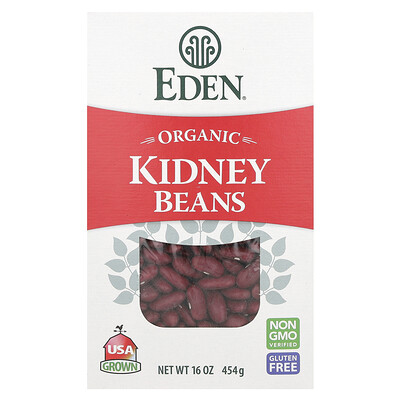
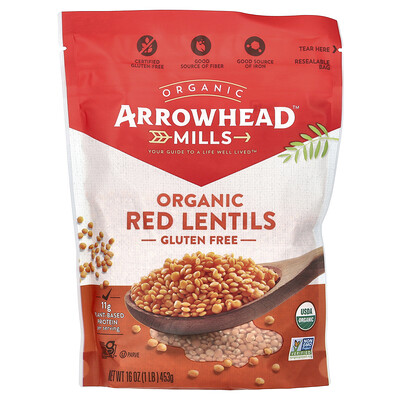
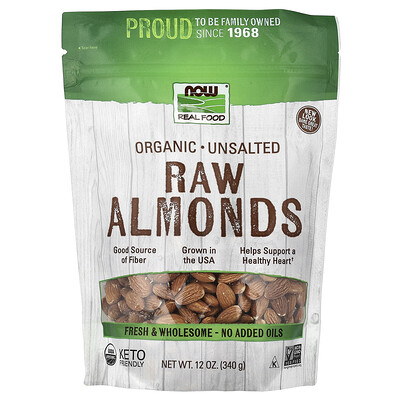
Try adding more plant-based proteins to your meals—things like beans, lentils, tofu, and nuts.
These options are not only packed with fiber and essential nutrients, but they’re also lower in unhealthy fats and cholesterol compared to most animal proteins.
Some great options are Organic Kidney Beans from Eden Foods, Organic Red Lentils from Arrowhead Mills, and Organic Raw Almonds (unsalted) from Now Foods – all available on iHerb.com.
When you do choose animal-based proteins, go for higher-quality options like grass-fed meats and wild-caught fish.
They tend to be richer in nutrients and have fewer added chemicals, making them a healthier choice overall.
5. Drink Water and Herbal Teas
Many of us have gotten so used to sugary sodas and packaged juices that we don’t even think twice about it.
But even “zero-sugar” drinks aren’t a healthy alternative—they can still mess with your metabolism and are often loaded with artificial sweeteners and chemicals.
These drinks not only contribute to weight gain over time, but they’re also bad for your teeth, increasing your risk of cavities and decay.
Instead, make water your go-to beverage. Herbal teas or water infused with fresh fruits are great options to hydrate and nourish your body without the added sugar or artificial ingredients.
Tip: Invest in a high quality water bottle like the Hydro Flask Wide Flex Straw Cap Bottle from Amazon.
It’s leakproof and has double-wall vacuum insulation that keep your water cold for up to 24 hours.

Hydro Flask 32 Oz Wide Flex Straw Cap Bottle – Insulated Stainless Steel – Wide Straw Lid, Non Spill, Leakproof in Thyme Rose Gold
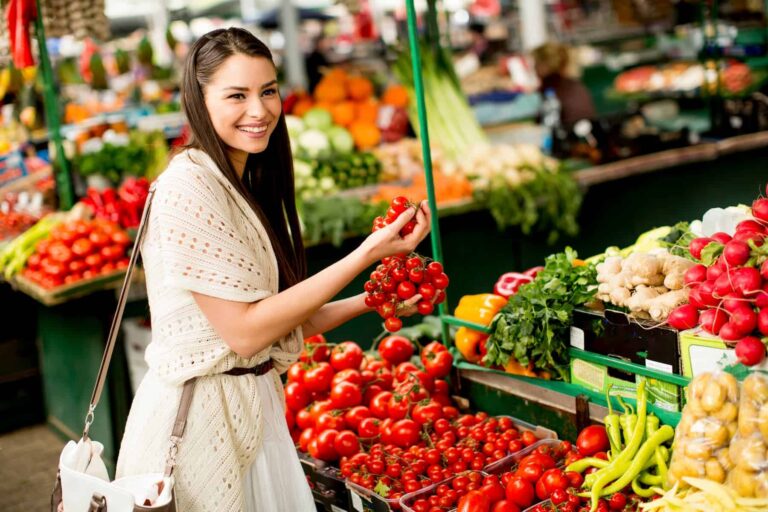
6. Shop at Local Farmers’ Markets
If you’re looking for fresh, nutrient-dense foods, local farmers’ markets are a goldmine.
You’ll find everything from locally grown produce to grass-fed meats and artisanal goods, all of which are typically fresher and more flavorful than what’s sitting on supermarket shelves.
Plus, shopping at farmers’ markets supports small-scale farmers and promotes sustainable, eco-friendly agriculture. It’s a win-win for your health and the planet!
Final Thoughts
Our diets have shifted dramatically in recent decades, with ultra-processed and artificial foods taking center stage. While these options may be convenient and affordable, the cost to our health is undeniable.
But here’s the good news: we have the power to reverse this trend. By reconnecting with real food—whole, minimally processed foods that nourish both the body and mind—we can make a real difference.
Focusing on fresh fruits and vegetables, whole grains, lean proteins, and healthy fats can help you boost your energy, improve your health, and reduce your risk of chronic diseases.
It’s time to make a conscious decision to eat the way nature intended: filling your plate with nutrient-dense, real foods that will fuel you for to come.
*This article is for informational purposes only and is not intended as medical advice. It should not be used to diagnose, treat, or prevent any health condition. Always consult a qualified healthcare professional before making any changes to your diet, exercise, or health routine.
Delpino, Felipe Mendes et al. “Ultra-processed food and risk of type 2 diabetes: a systematic review and meta-analysis of longitudinal studies.” International journal of epidemiology vol. 51,4 (2022): 1120-1141. doi:10.1093/ije/dyab247. Abstract only.
Guo, Hongbin et al. “Associations of Whole Grain and Refined Grain Consumption With Metabolic Syndrome. A Meta-Analysis of Observational Studies.” Frontiers in nutrition vol. 8 695620. 1 Jul. 2021, doi:10.3389/fnut.2021.695620. Adapted and used under the terms of the Creative Commons Attribution 4.0 International License.
Lane, Melissa M et al. “Ultra-Processed Food Consumption and Mental Health: A Systematic Review and Meta-Analysis of Observational Studies.” Nutrients vol. 14,13 2568. 21 Jun. 2022, doi:10.3390/nu14132568. Abstract only.
Lian, Ying et al. “Association between ultra-processed foods and risk of cancer: a systematic review and meta-analysis.” Frontiers in nutrition vol. 10 1175994. 8 Jun. 2023, doi:10.3389/fnut.2023.1175994. Adapted and used under the terms of the Creative Commons Attribution 4.0 International License.
Mendoza, Kenny et al. “Ultra-processed foods and cardiovascular disease: analysis of three large US prospective cohorts and a systematic review and meta-analysis of prospective cohort studies.” Lancet regional health. Americas vol. 37 100859. 2 Sep. 2024, doi:10.1016/j.lana.2024.100859. Abstract only.
Monteiro CA et al. "Nova. The star shines bright." World Nutrition, Volume 7, Number 1-3, January-March 2016, 1-3, 28-38. [Food classification. Public health.] https://archive.wphna.org/wp-content/uploads/2016/01/WN-2016-7-1-3-28-38-Monteiro-Cannon-Levy-et-al-NOVA.pdf. Accessed 16 September 2025.
Paramasivam, Anand et al. “Additives in Processed Foods as a Potential Source of Endocrine-Disrupting Chemicals: A Review.” Journal of xenobiotics vol. 14,4 1697-1710. 4 Nov. 2024, doi:10.3390/jox14040090. Adapted and used under the terms of the Creative Commons Attribution 4.0 International License.
Williams, A. M., C. A. Couch, S. E. Emmerich, and D. F. Ogburn. "Ultra-Processed Food Consumption among Youth and Adults: United States, August 2021–August 2023." NCHS Data Brief, no. 536, Aug. 2025, pp. 1–11, DOI: https://dx.doi.org/10.15620/cdc/174612. Accessed 16 September 2025.

Linda is the co-founder of Courier Wellness and holds a Diploma in Natural Health Nutrition & Diet. Her passions include photography, food, and travel, where she derives inspiration from diverse cultures and their holistic approaches to well-being. She is committed to helping others make informed, nourishing choices for a healthier life.