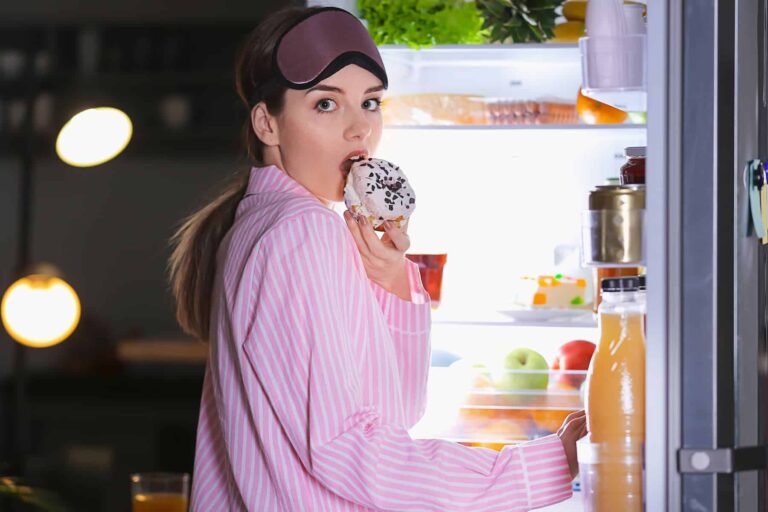
Modern Eating Is The Number One Cause of Global Obesity

This post contains affiliate links, which means we may earn a commission if you purchase through our links—at no extra cost to you. As an Amazon Associate we earn from qualifying purchases. We only recommend products we use or trust. Learn more about affiliate marketing or read our full disclosure.
Did you know that, according to the World Obesity Atlas 2023, over half of the world’s population could be obese by 2035?
That’s not just a health issue—it’s also a huge problem for our economy and healthcare systems. So, why is this happening?
The main reason is that highly processed foods have taken over our diets. They’re easy to grab, cheap, and taste good, but they’re full of empty calories and low on nutrients. This leads to weight gain and all kinds of health problems.
In this article, we’ll look at how our eating habits are contributing to the obesity crisis. Plus, I’ll share some simple tips to help you reach your health and weight goals.
If you want to feel better and create a healthier relationship with food, you’re in the right place!
Let’s begin!
What Types of Food Cause Weight Gain?
It’s kind of funny how we love to blame food for our weight and health issues, right?
We tend to focus on “unhealthy” foods, but honestly, almost every type of food gets criticized in some way. It’s even led some people to cut out entire food groups from their diets!
The problem with cutting out foods is that it can limit the nutrition your body needs. If you skip meat, dairy, or grains, for example, you’re cutting out a lot of potential nutrients.
Even if you’re knowledgeable about food, a restrictive diet can still leave you falling short of your daily nutrient needs.
Sure, you can take supplements, but they don’t work the same way as getting nutrients from whole foods. Supplements are meant to supplement a healthy diet—not replace it.
So, what foods actually cause weight gain?
Well, most of us would probably point to highly processed foods like:
- Potato chips
- Sugary drinks
- Cookies
- Doughnuts
- Chocolate and candy
- French fries
- Pizza
- Savory snacks
- Convenience meals
- Processed meats
- Fast food
These foods are high in calories and low in nutrients, so eating them often can lead to weight gain and increase the risk of serious health problems like heart disease, diabetes, and cancer.
But here’s the catch: Some foods that are labeled as “healthy” or “natural” can also contribute to weight gain. Just because something seems like a better choice doesn’t always mean it’s harmless.
How Modern Eating Has Made Our Lives Easier
Did you know there’s hidden sugar in most grocery store foods?
And a lot of people don’t even realize it! This added sugar is one of the main reasons modern eating habits are contributing to the obesity epidemic.
Today’s food products are designed to make our busy lives easier by offering ready-to-go options.
Instead of spending time making salad dressings, chopping veggies, marinating meat, or mixing taco seasoning, we can just buy everything pre-made and save a ton of time!
Sounds great, right? But is it healthy?
No, unfortunately, it’s not. Because all of those products contain sugar and other additives to add flavor, prolong shelf life, and keep fresh.
The funny thing is, that many of these tasks are simple to do yourself. You can easily marinate meat, and hand-cut vegetables, mix spices, and blend your dressing.
Buying those things ready-to-go might save you a bit more time, but your body will end up paying the price since you’ll likely gain weight and become unhealthier. A little extra sugar here and there quickly adds up.
And the worst part is, it’s so easy to think that you’re eating healthy if you’ve bought one of those pre-packaged salads in airtight bags (hey it’s salad!) for example.
But the truth is, the pre-washed and chopped salad has already lost a lot of its nutrients.
RELATED POST: What Is the Meaning of Modern Food?»
Adding to that, manufacturers often infuse these pre-packaged salads with various gases, referred to as modified atmosphere, to preserve freshness and extend shelf life.
Even worse, they immerse them in industrial bath water containing chlorine!
Now that you know the truth about pre-packaged salads, they don’t sound as healthy anymore, do they?
How Is Sugar Hidden in Foods?
Today, food manufacturers incorporate sugar into a wide range of products. They add it to make things taste sweeter, change the texture, adjust the color, stop bacteria from growing, and even extend shelf life.
But here’s the thing: they have a few tricks up their sleeves to hide how much sugar is actually in the food.
Here are some of the ways they do it:
- They use fancy names for sugars, like maltose or dextran, to confuse you.
- They sneak in sugar syrups like high-fructose corn syrup (HFCS).
- They use different types of sugar in small amounts to make the product seem less sugary than it really is.
- They even add sugar to foods that don’t naturally contain it—like bread or sauces.
- They slap on labels like “healthy” or “natural” to make you think it’s a good choice.
- They add sugar substitutes (like artificial sweeteners) but only list them in the ingredients, not in big, obvious ways.
Here’s a reality check: sugar has 4 calories per gram. On average, Americans eat about 17 teaspoons of added sugar a day—way over the recommended amount.
According to the American Heart Association, this is two to three times higher than what’s considered healthy for both men and women.
When you think about the average daily calorie intake (around 2000 for women and 2500 for men), it’s easy to see how all those sugar calories can lead to weight gain.
RELATED POST: How to Lose Weight by Removing Hidden Sugar»
If you want to learn more about healthy living, check out the American Heart Association’s website—they’re all about helping people live longer, healthier lives.
One major contributor to the obesity problem?
Sugary drinks. They make up about half of the added sugar in the U.S. food supply. If you’re looking to lose weight, cutting back on sugary drinks is one of the best moves you can make, especially if you drink them regularly.
Finally, cooking at home is a great way to avoid hidden sugars.
When you make your meals from scratch, you’re in control of exactly what goes in, so you can avoid the added sugar lurking in store-bought foods.
If you’re serious about losing weight, stepping away from modern eating habits is a key step in the right direction.
Should We Avoid All Types of Sugar?
Sugar has become a major part of our diets, thanks to the food industry. In fact, most of us are consuming more sugar than we should, which can lead to a variety of weight-related issues.
The human body can’t handle too much sugar, but with the way we eat today, it’s forced to deal with it.
The problem is that while small amounts of added sugar are fine, larger amounts can become harmful to our health.
Some people argue we should cut all sugar out of our diets completely, but that’s not really necessary—or even healthy. Our bodies do need sugar, just not in the huge quantities we’re getting from added sugars today.
For example, fruits, vegetables, dairy, and nuts all contain natural sugars, and they’re packed with nutrients that our bodies need.
These natural sugars are totally fine because they come with vitamins and fiber that help us stay healthy.
RELATED POST: An Easy Step-By-Step Guide to Start Eating Healthy»
Instead of cutting out all sugar, the key is to limit our intake of added sugars (the hidden ones in processed foods). If we stick to a balanced diet with mostly natural sugar and only a little added sugar, we’ll be healthier and more likely to lose weight.
Plus, by keeping added sugar in check, we can still enjoy the occasional treat—like cake or cookies—without stressing.
Like I said, our bodies can handle small amounts of added sugar, but it’s the huge amounts that most of us are eating every day that cause the problems.
The Journey from Obesity to Healthier Habits
Losing weight and getting healthier doesn’t have to be as tough as we often think. The key is making gradual, sustainable changes to your diet and lifestyle.
Quick fixes or drastic changes might work short-term, but they’re not sustainable in the long run. If you’re looking for tips on how to lose weight the right way, check out the article below!
RELATED POST: The Ultimate Guide to Sustainable Weight Loss: Eat Better, Not Less»
When it comes to making changes, take it slow. Don’t rush or try to do everything at once—your body needs time to adjust.
Here are a few things I personally do to stay fit and healthy:
- Ditch Sugary Drinks – (Yes, that includes diet sodas) and swap them for water. It’s an easy win!
- Cook Your Own Meals – Try to make things from scratch as much as possible. It’s not only healthier, but also fun and rewarding.
- Make Salad or Vegetables a Regular Part of Every Dinner – Trust me, they’re not as hard to add as you might think!
- Switch to Healthier Fats – Healthier fats like full-fat products, usually don’t have added sugars.
- Eat Fresh Fruits Every Day – They’re packed with natural sugars, fiber, and tons of nutrients.
- Read Food Labels – Look for products with the lowest sugar and sodium. You’d be surprised at how many hidden sugars there are!
- Fill 80% of Your Diet With Healthy Choices – And leave the remaining 20% for those occasional guilty pleasures.
- Eat Regularly – Aim to eat every 3-4 hours to keep your metabolism up and avoid overeating.
- Don’t Exclude Food Groups – Unless it’s for a good reason, like medical needs. A balanced diet is key.
- Stay Active Every Day – Even if it’s just a walk. Movement is essential!
Modern eating has made things more convenient, but it’s also one of the main causes of obesity.
So skip the processed aisles at the grocery store, and reach for real, whole foods like fruits, vegetables, and lean meats— you know, the foods that people ate before“modern eating” took over.
In other words: look for real food.
Final Thoughts
In today’s world, modern eating habits are driving the global obesity crisis. Highly processed foods, sugary drinks, and convenience meals have become the norm, making it harder for people to maintain a healthy weight.
However, the good news is that it’s possible to turn things around with small, sustainable changes.
Start by focusing on eating more whole foods, cutting back on hidden sugars, and prioritizing nutrient-dense options over processed ones.
At the same time, keep a balanced mindset—enjoy the occasional treat without guilt, but ensure that most of your diet is made up of wholesome, natural foods.
When it comes to weight loss, consistency and patience are key.
Ultimately, the path to a healthier life is about reclaiming control over your choices and moving away from the convenience of processed foods. With time, the changes you make will add up, leading to not just weight loss, but a more energetic, vibrant, and confident version of yourself.
By embracing healthier habits, you can create lasting, positive changes that benefit both your body and mind.
*This article is for informational purposes only and is not intended as medical advice. It should not be used to diagnose, treat, or prevent any health condition. Always consult a qualified healthcare professional before making any changes to your diet, exercise, or health routine.
Bierly, Allison, Ph.D. “Certain Foods Linked to Long-Term Weight Gain.” NIH Research Matters, National Institutes of Health, 11 July 2011, https://www.nih.gov/news-events/nih-research-matters/certain-foods-linked-long-term-weight-gain. Accessed 7 April 2023.
Caleb, Oluwafemi J et al. “Modified Atmosphere Packaging Technology of Fresh and Fresh-cut Produce and the Microbial Consequences-A Review.” Food and bioprocess technology vol. 6,2 (2013): 303-329. doi:10.1007/s11947-012-0932-4.
Ferretti, F., Mariani, M. "Sugar-sweetened beverage affordability and the prevalence of overweight and obesity in a cross section of countries." Global Health, vol. 15, no. 30, 2019, https://doi.org/10.1186/s12992-019-0474-x. Adapted and used under the Creative Commons Attribution 4.0 International License.
“How much sugar is too much?” American Heart Association, https://www.heart.org/en/healthy-living/healthy-eating/eat-smart/sugar/how-much-sugar-is-too-much. Accessed 7 April 2023.
“How Sweet It Is: All About Sweeteners.” U.S. Food and Drug Administration, updated 9 June 2023, https://www.fda.gov/consumers/consumer-updates/how-sweet-it-all-about-sweeteners. Accessed 7 April 2023.
“How to cut down on sugar in your diet.” NHS, Last reviewed 3 October 2022, https://www.nhs.uk/live-well/eat-well/how-to-eat-a-balanced-diet/how-to-cut-down-on-sugar-in-your-diet/. Contains public sector information licensed under the Open Government Licence v3.0.Accessed 7 April 2023.
Jürkenbeck, Kristin et al. “Does Allulose Appeal to Consumers? Results from a Discrete Choice Experiment in Germany.” Nutrients vol. 14,16 3350. 16 Aug. 2022, doi:10.3390/nu14163350. Adapted and used under the Creative Commons Attribution 4.0 International License.
Liauchonak, Iryna et al. “Non-Nutritive Sweeteners and Their Implications on the Development of Metabolic Syndrome.” Nutrients vol. 11,3 644. 16 Mar. 2019, doi:10.3390/nu11030644. Adapted and used under the Creative Commons Attribution 4.0 International License.
Petre, Alina, MS, RD (NL). “5 Ways Restricting Calories Can Be Harmful.” Healthline, updated 30 January 2017, https://www.healthline.com/nutrition/calorie-restriction-risks#TOC_TITLE_HDR_2. Accessed 7 April 2023.
Sproesser, G., Ruby, M.B., Arbit, N., et al. "Understanding traditional and modern eating: the TEP10 framework." BMC Public Health, vol. 19, 2019, p. 1606. https://doi.org/10.1186/s12889-019-7844-4. Adapted and used under the Creative Commons Attribution 4.0 International License.
West, Helen, RD. “8 Ways Food Companies Hide the Sugar Content of Foods.” Healthline, updated 9 April, 2019, https://www.healthline.com/nutrition/8-ways-sugar-is-hidden. Accessed 7 April 2023.
Whiteman, Honor. “Sugar: should we eliminate it from our diet?” Medical News Today, 11 January 2016, https://www.medicalnewstoday.com/articles/288088#Is-eliminating-sugar-from-our-diet-healthy?. Accessed 7 April 2023.
World Obesity Federation, World Obesity Atlas 2023. https://data.worldobesity.org/publications/?cat=19.

Malin, the co-founder of Courier Wellness, is well-informed in nutrition and health and brings her own unique perspective to the world of holistic wellness. With a passion for writing and a deep interest in wellbeing, she wants to create content that fosters balance and nourishment for the mind and body.