The Ultimate Guide to Sustainable Weight Loss: Eat Better, Not Less

This post contains affiliate links, which means we may earn a commission if you purchase through our links—at no extra cost to you. As an Amazon Associate we earn from qualifying purchases. We only recommend products we use or trust. Learn more about affiliate marketing or read our full disclosure.
In a world obsessed with weight loss, quick fixes, extreme workouts, and restrictive diets, it’s easy to get caught up in the cycle of feeling like your worth is tied to the number on the scale.
But here’s the truth: real health isn’t about depriving yourself or following extreme rules. It’s about making mindful choices that support your well-being and help you feel good in your body. It’s also about building habits that actually last.
When health becomes your main priority, weight loss often follows naturally.
In this healthy weight loss guide I’ll show you how to lose weight without extreme diets, calorie counting, or intense workout regimens. Instead we’ll explore the philosophy of eating better, not less and why focusing on a healthy, balanced lifestyle leads to sustainable weight loss.
You’ll learn how to enjoy food without guilt and build meals that keep you full and satisfied. Plus, you’ll develop habits that help you feel your best while achieving your weight loss goals.
By the end of this article, you’ll see that weight loss doesn’t have to be overwhelming—it’s just a series of small, mindful shifts that add up over time.
Ready to dive in? Let’s begin!
The Problem with Restrictive Diets
Let’s talk about a big reason why so many weight loss strategies fail—they’re too extreme.
Every year, there’s a new diet trend promising quick fixes and instant results. Whether it’s the latest cleanse, a “no carbs ever” rule, or a program that makes you feel like you’re constantly missing out, these extreme methods rarely lead to lasting success.
In fact, they often backfire, leaving you frustrated, exhausted, and sometimes even heavier than before.
The sad truth is that the ongoing obsession with restrictive dieting has created an unhealthy relationship with food for many people.
Instead of viewing food as something that nourishes and fuels us, diets have turned it into something to fear, control, or avoid.
We’ve gotten so caught up in counting calories, cutting out entire food groups, and obsessing over numbers that we’ve forgotten what it’s like to actually enjoy food.
Many people have lost touch with how satisfying and enjoyable eating can be.
When we’re too focused on calorie counts or the latest ‘detox,’ we can easily overlook the simple pleasure of eating. A balanced, nutritious meal is what truly fuels us and makes us feel energized.
Instead, we’re taught to think of food as either “good” or “bad,” leading to feelings of guilt or shame when we eat something deemed “off-limits.”
What’s worse is that all this focus on restriction often leaves us with less understanding of what truly nourishes our bodies. Instead of learning how to make mindful, healthier food choices, we become fixated on limiting what we eat, believing that the less we consume, the better.
But this “cut it out” mentality is a dangerous trap that doesn’t lead to long-term success or happiness.
Now, let’s take a closer look at why restrictive diets just don’t work:
1. Deprivation Leads to Overeating
Ever notice that the moment you tell yourself you can’t have something, you want it even more?
That’s just how our brains work! When you cut out entire food groups or drastically reduce calories, your body and mind perceive it as restriction. Instead of focusing on what you can eat, you start obsessing over what’s off-limits.
Eventually, willpower runs out (because let’s be real, no one can fight cravings forever), and when that happens, you end up overeating or indulging too much—undoing all that effort.
I’ve learned that balance is the key. I never completely deprive myself of any food. I just focus on eating more of the nourishing, whole foods that make me feel good and less of the ones that don’t.
When you allow yourself to enjoy all foods in moderation, cravings lose their power, and making healthier choices becomes so much easier.
Instead of seeing food as “good” or “bad,” I look at it as fuel, choosing what supports my body while still making room for treats.
This approach doesn’t just make weight loss easier—it makes it sustainable. No guilt, no deprivation, just a way of eating that actually works long-term.
2. Your Metabolism Slows Down
Your body is smart—its main job is to keep you alive. So, when you suddenly start eating way less, your metabolism thinks, Uh-oh, famine incoming! and slows down to conserve energy.
This is a built-in survival mechanism from our ancestors’ days when food wasn’t always available. Your body doesn’t know the difference between a diet and an actual food shortage—it just wants to protect you.
By burning fewer calories, your body tries to hold onto fat stores for as long as possible. This makes weight loss harder and often leads to weight gain once you go back to eating normally.
Instead of working with your body, extreme dieting forces it into panic mode—making sustainable weight loss even more difficult.
3. Restrictive Dieting Affects Your Mental Health
Constantly thinking about what you can’t eat is exhausting. When every meal is a mental struggle between what you should eat and what you want to eat, food becomes stressful rather than enjoyable.
This kind of mindset can lead to anxiety, guilt, and an unhealthy relationship with food. It’s like you’re in a constant battle with yourself, and that’s no way to live.
The truth is, a healthy relationship with food is just as important as what you’re actually eating. If you’re constantly feeling guilty about what you eat or obsessing over the number of calories, it creates a cycle of negative emotions.
This not only impacts your mental and emotional health but can also affect your physical health.
When food is associated with stress and shame, it becomes harder to make nourishing choices. You might turn to comfort foods or eat mindlessly as a way to cope with those feelings, which only perpetuates the cycle of overeating and guilt.
But here’s the good news: you can break free from this cycle. Developing a balanced, mindful approach to eating helps you tune into your body’s natural hunger and fullness cues, instead of following rigid rules.
It’s about letting go of the guilt and learning to enjoy food without fear. This shift not only helps improve your mental well-being but also supports your long-term health and weight loss goals.
When you feel good about your food choices, you’re more likely to make them from a place of nourishment rather than restriction.
You begin to trust your body and make choices that fuel and satisfy you—not out of fear or obligation. That’s the key to building a healthier, happier relationship with food.
4. Yo-Yo Dieting is Dangerous
Strict diets might give you quick results, but what happens when the diet ends?
Most of the time, old habits creep back in. You return to familiar eating patterns, and before you know it, the weight is back—sometimes with a few extra pounds. This is the frustrating reality of yo-yo dieting.
Yo-yo dieting—repeatedly losing and regaining weight—doesn’t just mess with your waistline. It can also have serious consequences for your health.
Constantly cycling between weight loss and weight gain can negatively impact metabolic regulation and may make weight loss more challenging over time.
Your body begins to adapt to these fluctuations by slowing down its metabolic rate, which means that even when you try to lose weight, it gets harder and harder.
But the consequences aren’t just physical. Mentally and emotionally, yo-yo dieting can take a toll as well.
The constant back-and-forth between “success” and “failure” often leads to feelings of guilt, frustration, and defeat. It creates a cycle of self-blame that affects your self-esteem and confidence, making it harder to view food and body image in a positive light.
The stress and anxiety of never quite reaching your goal can leave you feeling exhausted, hopeless, and disconnected from your body’s natural cues.
Instead of focusing on the next fad diet or extreme plan, it’s time to break free from this cycle. Sustainable weight loss isn’t about quick fixes—it’s about building consistent, healthy habits that support your body and mind in the long run.
When you take a more balanced approach to eating and living, the results aren’t just temporary—they last.
And the best part?
You’ll feel empowered instead of defeated.
So, What’s a Better Way to Losing Weight?
Instead of relying on extreme dieting, shift your focus to eating better, not less. It’s about fueling your body with balanced, nourishing meals that leave you feeling satisfied, rather than punishing it with restrictions. When you make this shift, you’re building habits that actually stick.
No more crash diets or feelings of deprivation—just sustainable, healthy choices that become second nature.
And here’s the best part: You can still enjoy the foods you love without the guilt. Life is too short to feel like you’re constantly restricting yourself from your favorite meals. Finding balance is key to a healthy, long-term lifestyle.
Now, let’s dive into how to make this happen!
The Philosophy of Eating Better, Not Less
At the heart of our approach to weight loss here at Courier Wellness is the idea of eating better, not less. This philosophy is the cornerstone of creating a healthier, more balanced relationship with food.
It’s also the key to achieving lasting results.
Rather than focusing on cutting back, restricting, or depriving yourself, we emphasize nourishing your body with the right foods in the right amounts.
When we fuel our bodies with what they need, they naturally find balance, and weight loss can follow organically, without the stress and struggle of extreme diets.
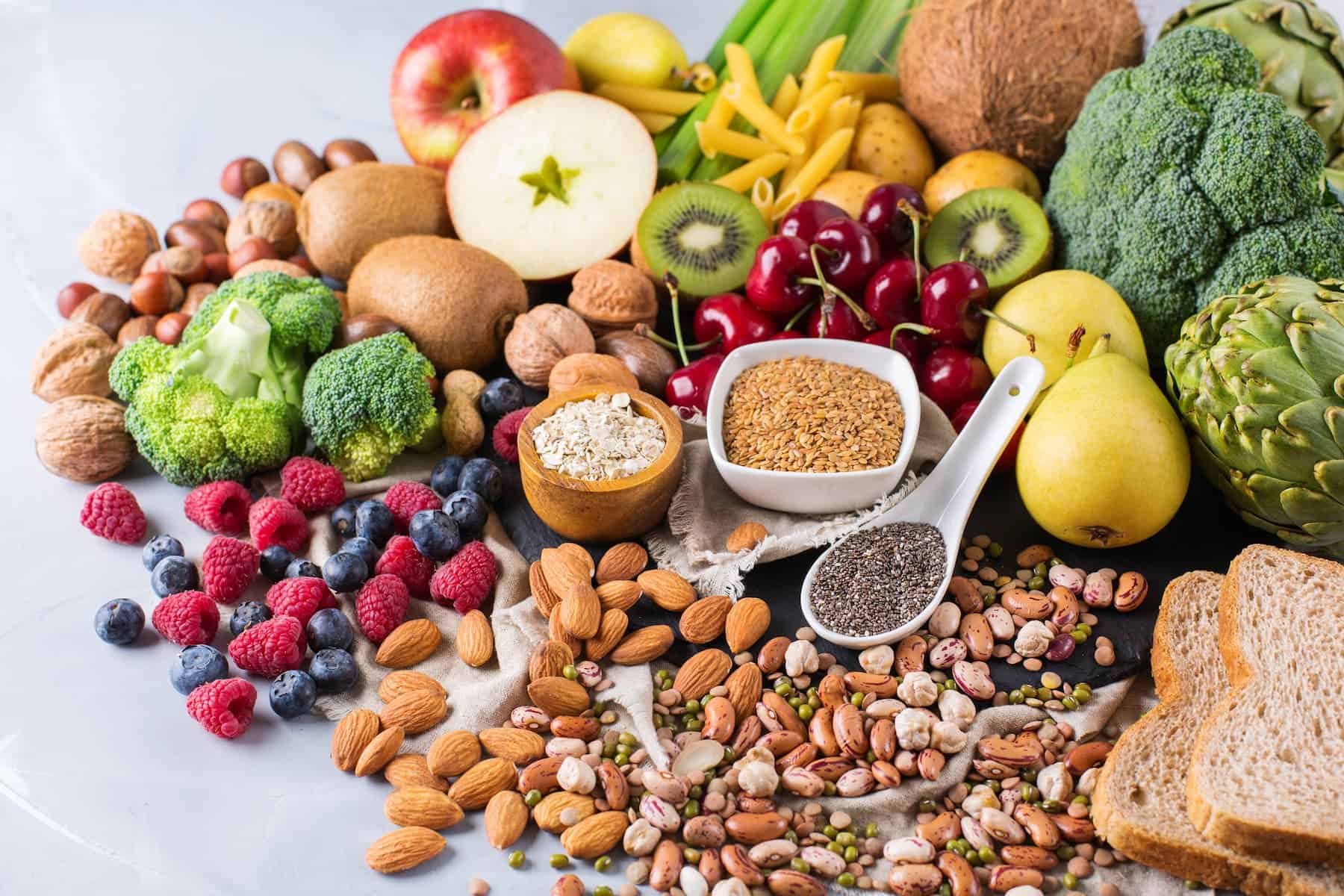
So, what does it really mean to eat better, not less?
Let’s break it down and explore how this mindset can transform not just your eating habits, but your entire approach to wellness.
1. Mindful Eating: Tune Into Your Body’s Needs
Mindful eating is one of the most powerful tools for healthy, sustainable weight loss. It’s about being fully present during meals, rather than eating on autopilot, or using food to cope with stress, boredom, or emotional triggers.
When we practice mindful eating, we tune into our body’s natural hunger and fullness cues. This helps us savor each bite and better understand what our body truly needs—not just what our cravings may tell us.
Research shows that mindful eating can help with weight management by reducing overeating, improving digestion, and increasing satisfaction with meals.
A study published in the International Journal of Science and Research (IJSR) on mindful eating found that individuals who practiced mindful eating were able to eat less and enjoy their food more, leading to healthier eating habits and weight loss over time.
Mindful eating is not about following a set of rules; it’s about becoming more aware of how you feel when you eat. It’s about building a deeper connection with your body and making food choices that are truly in tune with your needs.
And the best part?
It helps you enjoy your meals more and feel more satisfied with less.
Food Journals: A Tool for Awareness, Not Obsession
While we don’t recommend obsessing over calories or restrictive eating, some people find that tracking what they eat can help them stay more mindful of their food choices.
Instead of focusing on calories, a food journal can be a way to become more aware of the types of foods you’re consuming.
Are you getting enough fiber?
Have you eaten enough fruits and vegetables today?
A journal can help highlight these areas. This allows you to make small, positive changes to your meals without focusing on restriction.
A food journal, like the Clever Fox Food Journal (available on Amazon), can be a great tool to reflect on what you eat and how it makes you feel. By tracking your meals, you can identify patterns, see if you’re nourishing your body with the right foods, and develop healthier, more balanced eating habits over time.
But remember, the goal is always to build a positive relationship with food—not to get bogged down in numbers or feel pressured by the journal.
If you find that keeping a food journal helps you become more mindful, that’s wonderful! But if it starts to feel like a chore or triggers unhealthy habits, then it’s okay to skip it.
Here are some practical tips for practicing mindful eating:
Eat Without Distractions
Put away your phone, turn off the TV, and sit down to focus on the meal in front of you. This helps you tune into your body’s cues and really notice how you feel while you eat.
The more you focus, the more you’ll notice when you’re satisfied, rather than eating just because food is in front of you.
Eat Slowly and Chew Thoroughly
Take your time with each bite and chew thoroughly. Chewing mixes food with saliva, which begins the digestive process and helps break food down before it reaches the stomach.
Plus, slower eating gives your brain time to receive the “full” signals from your stomach, which can help you better recognize when you’ve had enough.
Some studies suggests that eating slowly and chewing thoroughly can lead to greater satisfaction with fewer calories, as it allows the body time to signal fullness.
Check In With Yourself
Before you start eating, ask yourself how hungry you are on a scale from 1 to 10. After you eat, check in again—how satisfied do you feel?
This simple practice, inspired by the Intuitive Eating philosophy developed by dietitians Evelyn Tribole and Elyse Resch, helps you recognize when you’re eating because you’re truly hungry and when you’re eating out of habit or emotion.
It encourages you to listen to your body’s signals, rather than relying on external cues like portion sizes or calorie counts.
If you want to dive deeper into this approach, check out Intuitive Eating: A Revolutionary Anti-Diet Approach (available on Bookshop.org) by Tribole and Resch. It’s an insightful guide that helps reshape your mindset around food, break free from diet culture, and develop a healthier relationship with eating.
book tip
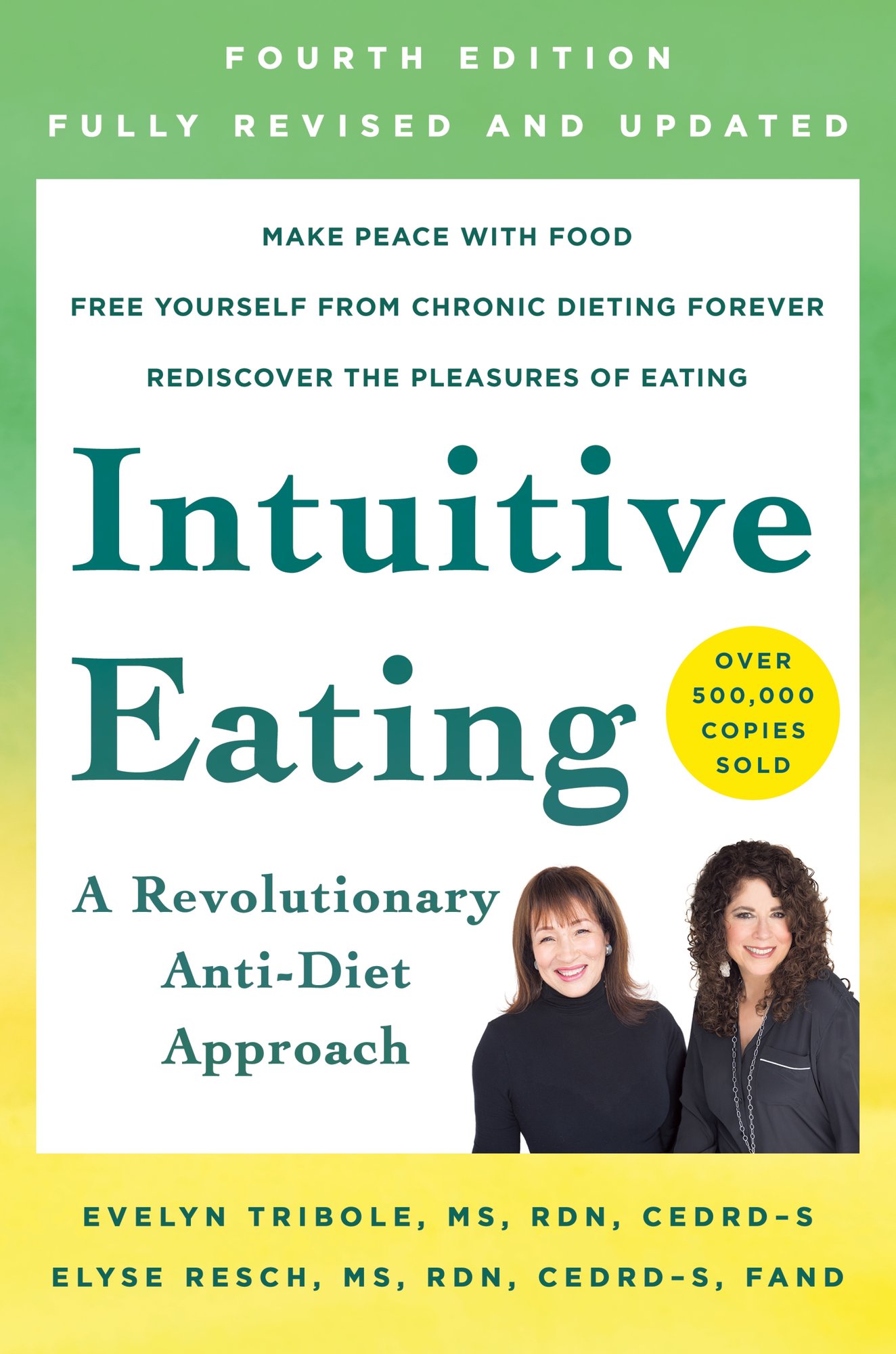
Intuitive Eating
By Evelyn Tribole and Elyse Resch
Frustrated by diets that never seem to stick? This book helps you rebuild a healthy relationship with food.
Did you know? Bookshop.org gives 80%+ of their profits to support independent bookstores.
*We may earn a commission at no extra cost to you.
Engage Your Senses
Notice the colors, smells, textures, and flavors of your food. Fully engaging with your meal makes it more enjoyable and satisfying, and it’s a great way to increase your overall satisfaction.
Mindful eating also helps you uncover emotional triggers that may lead to overeating. By becoming more aware of when and why you’re eating, you can make more conscious, intentional choices about what, when, and how much to eat.
This practice is empowering because it allows you to take control of your eating habits without feeling deprived or restricted.
2. Eat Regularly: Don’t Skip Meals
One of the best things you can do for both your body and your weight loss goals is to eat regularly—and never skip meals. While it might seem like skipping meals is a way to cut calories, it usually ends up having the opposite effect.
Skipping meals can leave you feeling overly hungry later, which often leads to overeating.
Research shows that skipping meals can negatively impact your metabolism and overall energy levels.
One study found that when individuals skipped meals, they experienced a significant increase in hunger and cravings, leading to overeating later in the day. This can set off a cycle of overeating, which makes weight loss harder to achieve.
When you go long periods without eating or significantly restrict your intake, your body can adapt by becoming more energy-efficient—a process known as metabolic adaptation.
Over time, this may make weight loss feel more difficult and can increase hunger and cravings, which often leads to overeating later in the day.
Instead, aim to eat three to four balanced meals a day, depending on what works best for your body. By eating regularly, you’ll keep your metabolism active and your energy levels steady, which can help curb cravings and support healthy digestion.
Here’s how you can structure your meals for maximum nourishment:
Breakfast
A balanced breakfast should include protein, healthy fats, and fiber to keep you feeling full and satisfied. For example, you could have oatmeal with nuts and berries, scrambled eggs with avocado and veggies, or a bowl of homemade Greek yogurt with fresh berries and nuts.
If you love yogurt, consider making your own at home with Luvele Yogurt Maker. Homemade yogurt allows you to control the ingredients, ensuring you’re getting a nutritious, probiotic-rich breakfast every day.
I’ve had other yogurt makers before, but this one tops them all! It’s super easy to use and produces creamy, delicious yogurt every time.
Plus, making your own allows you to control the ingredients, ensuring you’re getting a nutritious, probiotic-rich breakfast. It’s a great way to start your morning on a healthy note, packed with gut-friendly benefits.
If you want to read our full review on this product, check it out here.
editor’s pick

Luvele Pure Yogurt Maker
Make thick, probiotic-rich yogurt at home with even heat and reliable results every time.
*We may earn a commission at no extra cost to you.
If you want a bigger size, or you’d like to make things like kefir as well as yogurt, the Luvele Pure Plus Yogurt Maker is a good option. It gives you the flexibility to ferment different types of cultured dairy at home.
great pick

Luvele Pure Plus Yogurt Maker
Create thick, probiotic-rich yogurt or fresh kefir with precise heat and consistently smooth results.
*We may earn a commission at no extra cost to you.
Breakfast can help regulate hunger and energy levels for many people, making it easier to make balanced food choices throughout the day.
Lunch and Dinner
Each of these meals should include a variety of protein sources (like chicken, fish, tofu, legumes, or even lean cuts of red meat), whole grains (such as rice, quinoa, whole wheat, or potatoes), and plenty of colorful vegetables.
A good rule of thumb is to aim for a variety of colors on your plate, which ensures you’re getting a broad range of essential nutrients and makes meals more exciting.
Snacks
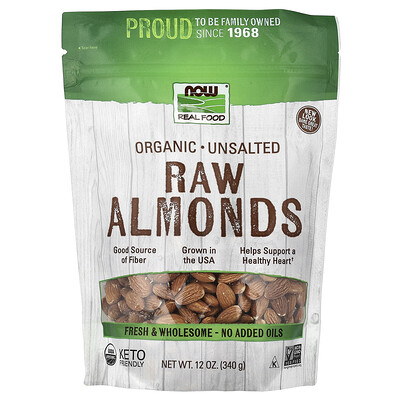
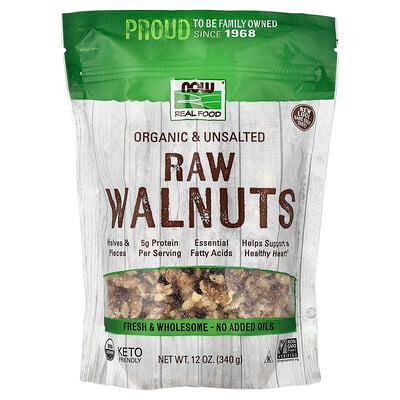
If you often find yourself reaching for snacks that don’t really satisfy you—like biscuits, chips, or something quick that leaves you hungry again soon after—nuts can be a really simple switch that makes a big difference.
They’re naturally rich in healthy fats, protein, and fiber, which helps keep you full for longer and makes it easier to stay steady with your energy throughout the day.
I often recommend keeping a small handful of nuts on hand for those moments when you just need something quick but nourishing.
If you prefer simple, organic options without added oils or salt, almonds from NOW Foods and walnuts (available on iHerb) can be an easy staple to keep on hand. I like keeping products like these in my pantry for everyday snacking—they’re convenient, minimally processed, and make it easier to reach for something more nourishing when hunger hits.
3. Don’t Count Calories: Focus on Nutrition
We live in a society that’s obsessed with calorie counting. Unfortunately, this approach often leads to unhealthy relationships with food.
Constantly focusing on calories rather than nourishment can turn eating into a stressful and overwhelming task. It leaves you constantly worried about whether you’re eating ‘too much.’
When you obsess over calories, you might end up making food choices based on numbers instead of nutrition.
For example, you might cut out healthy foods like nuts, avocado, or olive oil because they seem “too high in calories” and instead reach for a low-calorie, processed option like a rice cake, which provides little nutritional value.
This is a prime example of how calorie counting can actually push you to make choices that don’t support your body’s true nutritional needs.
One study found that when people focus too much on calorie counting, they tend to choose foods that are lower in calories but lack important nutrients. This behavior can ultimately lead to poor nutrition and even feelings of deprivation, which often causes overeating later.
Similarly, another study showed that calorie-counting methods often fail to sustain long-term weight loss. This is because they don’t address the underlying factors that influence eating habits, such as hunger, satiety, and emotional triggers.
Instead of focusing solely on calories, shift your mindset toward nourishing your body with nutrient-dense foods that support energy, satiety, and overall health.
By eating whole, unprocessed foods—such as fruits, vegetables, whole grains, lean proteins, and healthy fats—your body will naturally find balance, and weight loss becomes much easier and more sustainable.
When focusing on whole foods, healthy fats like olive oil can be a valuable part of a balanced diet. Extra virgin olive oil contains monounsaturated fats and naturally occurring antioxidants, and is commonly used in Mediterranean-style eating patterns.
Olive oil quality can vary between brands and production methods, so choosing a reputable extra virgin olive oil can help ensure freshness and flavor. It can be enjoyed in simple ways such as drizzling over salads, roasted vegetables, or using it in homemade dressings.
If you’re interested in higher-quality extra virgin olive oils, Olive Oil Lovers offers a curated selection with an emphasis on flavor and sourcing.
Below are some great options:
If you just want a solid everyday olive oil you don’t have to think too much about, Entelia Extra Virgin Olive Oil is a great option. It’s affordable, reliable, and works well for cooking, salads, or just general use in the kitchen. Nothing complicated—just a good, practical staple.

Entelia
If you’re someone who enjoys a stronger, more peppery olive oil, Quattrociocchi Superbo Organic is a nice step up. It has that bold, slightly spicy finish you get from higher–polyphenol oils, and I personally find it really nice on simple foods like roasted vegetables or a fresh salad where the flavor can actually stand out.

Quattrociocchi Superbo Organic
And then there’s Pruneti Frantoio Biologico, which is a bit more refined and smooth. It’s an award-winning extra virgin olive oil that works beautifully when you want something balanced that doesn’t overpower your food.

Pruneti Frantoio Biologico
Here are some guidelines to follow when planning meals:
Eat a variety of foods
Aim to include a wide variety of colors and textures on your plate. The more diverse your diet, the more likely you are to get the full spectrum of nutrients your body needs.
A study in The American Journal of Clinical Nutrition found that a diet rich in fruits, vegetables, and whole grains is linked to a reduced risk of chronic diseases. It also supports healthy weight management.
Prioritize whole foods
Whole foods, like fresh fruits, vegetables, and whole grains, are packed with essential vitamins, minerals, and fiber. These foods not only nourish your body but also help you feel fuller longer, reducing the temptation to overeat.
Research published in The Journal of Nutrition shows that diets based on whole, minimally processed foods contribute to improved satiety and help prevent overeating.
However, the convenience and appeal of processed foods often make it challenging for people to adopt healthier eating patterns.
Limit ultra-processed foods
Highly processed foods are often packed with empty calories, refined sugars, and unhealthy fats. While some of them may be low in calories, they don’t offer the same nutritional benefits as whole foods.
A study published in JAMA Internal Medicine on obesity development among Canadian children found that highly processed foods are linked to increased calorie intake and a higher risk of obesity.
Choosing fresh or minimally processed options whenever possible supports your metabolism and overall well-being.
By focusing on nourishing your body rather than obsessing over calorie counts, you’ll develop a healthier relationship with food. You’ll be able to make choices that support your body’s needs without the stress and anxiety that come with counting calories.
Over time, your body will naturally find its balance, and weight loss will follow without the need for restrictive measures.
4. No Extreme Workouts: Find Movement You Enjoy
Exercise plays an important role in a healthy lifestyle, but it doesn’t have to mean hours of intense, grueling workouts. Extreme workouts can lead to burnout, injury, and unnecessary stress on the body.
Instead, focus on finding activities that you genuinely enjoy and can do consistently. The key is making movement a regular part of your routine—one that feels good for your body and supports your overall health.
For me, I love dancing! It’s fun, energizing, and a great way to move my body. But I also make sure to balance it with activities like Pilates, which helps strengthen my core, and yoga, which brings me a sense of calm and flexibility.
The goal is to find a mix of exercises that you enjoy and that give you different benefits. You don’t need to stick to just one type of activity—each one offers unique advantages!
Regular movement has numerous benefits:
Boosts metabolism
Regular physical activity supports a healthy metabolism and can assist with weight loss. Different exercises can help you build muscle, which boosts your metabolism even when you’re not working out.
Improves mood
Exercise releases endorphins, the “feel-good” hormones, which can help reduce stress and improve your overall well-being.
According to a study in Frontiers in Psychology, exercise can enhance mental health by promoting the release of endorphins, which lead to feelings of happiness and relaxation.
Whether you’re dancing to your favorite song or doing some mindful yoga, movement can lift your spirits and clear your mind.
Supports heart health
Consistent movement improves cardiovascular health and supports long-term health.
Regular exercise, including activities like swimming, walking, or cycling, is proven to help reduce the risk of heart disease by improving blood circulation, lowering blood pressure, and increasing HDL (good) cholesterol levels.
According to the American Heart Association, even moderate exercise, such as brisk walking, can have a positive effect on heart health and help reduce the risk of cardiovascular diseases.
Helps flexibility and strength
Activities like yoga or Pilates can improve flexibility and core strength, which helps with balance and posture, while also calming your mind.
Aim for at least 150 minutes of moderate-intensity exercise per week, but the type of movement is up to you! The key is to choose something you love and can stick with. It doesn’t need to be extreme or overly intense—it just needs to be enjoyable and sustainable.
By finding a variety of activities that work for you, exercise becomes a fun, rewarding part of your routine, not a chore.
The Power of Health as Your Goal
When your primary goal is health, weight loss becomes a natural byproduct. Instead of obsessing over the number on the scale, you focus on nourishing your body, listening to its needs, and making mindful choices.
Over time, you’ll notice changes—not just in your weight but in how you feel overall—mentally, physically, and emotionally.
Weight loss shouldn’t feel like a constant struggle or something you have to force. It should be a part of a broader approach to wellness.
When you prioritize health, the rest often falls into place. You’ll feel better, be more energized, and develop a deeper appreciation for your body and the foods that fuel it.
This mindset allows you to maintain a healthy weight without the need for restrictive diets or extreme measures.
And the best part?
It feels sustainable and empowering, not like a temporary fix.
This journey is about cultivating a healthy lifestyle and treating your body with the love and care it deserves. By making health your main focus, you’re not just aiming for a number on a scale—you’re building a foundation for long-term well-being.
Key Takeaways:
- Forget restrictive diets – Focus on eating better, not less. Sustainable weight loss happens when you nurture your body, not punish it.
- Practice mindful eating – Pay attention to your body’s hunger and fullness cues. Enjoy your meals and learn to listen to what your body truly needs.
- Eat regularly – Don’t skip meals. Nourish your body throughout the day to keep your energy levels up and prevent overeating later.
- Choose whole foods – Prioritize nutrient-dense, unprocessed meals. Whole foods provide the essential vitamins and minerals that support overall health.
- Move in ways you enjoy – Exercise should feel good, not exhausting. Find activities you love, and make them a fun and consistent part of your routine.
Final Thoughts
At the end of the day, weight loss is not about depriving yourself or obsessing over every calorie. It’s not about extreme diets, restrictive rules, or feeling guilty every time you eat.
True weight loss is about creating a healthier relationship with food, making nourishing choices, and embracing a balanced, sustainable lifestyle.
When we shift our focus from restriction to nourishment, we begin to feel more at peace with our bodies and our choices.
By following the principles in this healthy weight loss guide—whether it’s practicing mindful eating, eating regularly, enjoying physical activity, or prioritizing overall health—you may find that weight loss becomes more natural and sustainable over time.
These small, everyday choices may not give you instant results, but over time, they’ll create lasting change. You’ll find that weight loss becomes a side effect of simply taking better care of yourself.
It’s important to remember that health isn’t just about the number on the scale. It’s about how you feel—your energy, your mood, your confidence, and your overall sense of well-being.
When you prioritize health, weight loss becomes a natural part of the process, but it’s no longer the sole focus. You’ll learn to trust your body more, feel good about the food you’re eating, and enjoy the journey toward a healthier, happier you.
So, remember: eat better, not less. Trust your body, listen to its cues, and nourish it with the foods and activities it needs. Let health be the driving force behind everything you do.
When you focus on what your body truly needs—rather than trying to change it through drastic measures—weight loss may follow in a way that feels effortless and sustainable.
Taking care of yourself is the best thing you can do for your health. Enjoy the process, celebrate the small wins, and remember that you’re worth the effort.
*This article is for informational purposes only and is not intended as medical advice. It should not be used to diagnose, treat, or prevent any health condition. Always consult a qualified healthcare professional before making any changes to your diet, exercise, or health routine.
Baradia, Richa, and Joyeta Ghosh. “Impact of Mindful Eating among Adolescent.” International Journal of Science and Research (IJSR), vol. 10, no. 11, Nov. 2021, DOI: 10.21275/SR211029103903. Adapted and used under the terms of the Creative Commons Attribution 4.0 International License.
Benton, David, and Hayley A Young. “Reducing Calorie Intake May Not Help You Lose Body Weight.” Perspectives on psychological science : a journal of the Association for Psychological Science vol. 12,5 (2017): 703-714. doi:10.1177/1745691617690878. Adapted and used under the terms of the Creative Commons Attribution-NonCommercial 4.0 International License.
Chen, Zheng Hao et al. “Ultraprocessed Food Consumption and Obesity Development in Canadian Children.” JAMA network open vol. 8,1 e2457341. 2 Jan. 2025, doi:10.1001/jamanetworkopen.2024.57341.
Drewnowski, Adam, and Nicole Darmon. “Food choices and diet costs: an economic analysis.” The Journal of nutrition vol. 135,4 (2005): 900-4. doi:10.1093/jn/135.4.900.
Fernandes, Ana C et al. “Perspective: Public Health Nutrition Policies Should Focus on Healthy Eating, Not on Calorie Counting, Even to Decrease Obesity.” Advances in nutrition (Bethesda, Md.) vol. 10,4 (2019): 549-556. doi:10.1093/advances/nmz025.
Liu, Rui Hai. “Health benefits of fruit and vegetables are from additive and synergistic combinations of phytochemicals.” The American journal of clinical nutrition vol. 78,3 Suppl (2003): 517S-520S. doi:10.1093/ajcn/78.3.517S.
Li, Zhaojin et al. “Adolescent mental health interventions: a narrative review of the positive effects of physical activity and implementation strategies.” Frontiers in psychology vol. 15 1433698. 27 Jun. 2024, doi:10.3389/fpsyg.2024.1433698. Adapted and used under the terms of the Creative Commons Attribution 4.0 International License.
Petre, Alina., MS, RD (NL). "5 Ways Restricting Calories Can Be Harmful." Healthline, updated on January 30, 2017, https://www.healthline.com/nutrition/calorie-restriction-risks. Accessed 30 March 2025.
Strohacker, Kelley et al. “Consequences of Weight Cycling: An Increase in Disease Risk?.” International journal of exercise science vol. 2,3 (2009): 191-201. doi:10.70252/ASAQ8961. Abstract only.
Zeballos, Eliana, and Jessica E Todd. “The effects of skipping a meal on daily energy intake and diet quality.” Public health nutrition vol. 23,18 (2020): 3346-3355. doi:10.1017/S1368980020000683. Abstract only.
Crunch! Chew Your Way to Healthier Eating." WebMD, https://www.webmd.com/obesity/features/crunch-chew-your-way-to-healthier-eating. Accessed 30 March 2025.

Linda is the co-founder of Courier Wellness and holds a Diploma in Natural Health Nutrition & Diet. Her passions include photography, food, and travel, where she derives inspiration from diverse cultures and their holistic approaches to well-being. She is committed to helping others make informed, nourishing choices for a healthier life.