How I Lost Weight Without Dieting (and Felt Better Than Ever)
This post contains affiliate links, which means we may earn a commission if you purchase through our links—at no extra cost to you. As an Amazon Associate we earn from qualifying purchases. We only recommend products we use or trust. Learn more about affiliate marketing or read our full disclosure.
I never set out to lose weight.
In fact, the idea of going on a diet never appealed to me. Like many women, I had seen the patterns—restrict, obsess, fall off track, start all over again. I didn’t want that for my body or my mind.
Then one day, something changed. I watched That Sugar Film.
It was a real eye-opener. I had no clue how much added sugar was sneaking into foods I thought were healthy—yogurts, sauces, cereals, snack bars—you name it. I was eating “well,” or so I thought, but sugar was quietly piling up.
That moment sparked something powerful inside me: I decided to take back control of what I put in my body.
Not by dieting—no strict rules or calorie counting. Instead, by simply paying attention and making small, intentional upgrades to how I ate.
And guess what?
Over time, I lost 18 pounds. My cravings faded away. I felt clearer, more energized, and way more comfortable in my own skin than I had in years.
If you want to learn how to lose weight without dieting and feel better than ever, I’ll share exactly how I did it—without ever counting a single calorie.
Let’s dive in!
The Eye-Opening Power of “That Sugar Film”
If you haven’t seen That Sugar Film yet, it’s a documentary about an Australian guy who eats what most people would call a “normal” healthy diet—think low-fat yogurt, smoothies, cereals, muesli bars.
But here’s the kicker: after just a few weeks, he ends up with serious health problems.
Why?
Because of the hidden sugar lurking in those everyday foods. Watching it was a total wake-up call for me. I genuinely thought I was eating pretty healthy.
Did You Know? Cereal is one of the top five sources of added sugar for kids across all races and ethnicities in the U.S.—and children’s cereals often have 40% more sugar than those marketed to adults. In fact, some have more sugar per serving than cookies.
But once I started paying attention to nutrition labels, I saw just how many sneaky sugars were sneaking into my meals—stuff I’d never suspected. Salad dressings, pasta sauces, “healthy” granolas, drinks… it was everywhere.
That moment of realization? It was a game-changer.
So, what did I do next?
Here’s a simple step-by-step guide to how I took control after watching that film:
Step 1: I Stopped Buying What I Could Make Myself
Once I knew what was hiding in my food, I made changes from a place of empowerment. I told myself, If I can make it myself, I don’t need to buy it pre-made.
So, I started small.
I ditched taco spice packets (which often hide sugar, preservatives, and weird additives) and mixed my own blend with cumin, paprika, garlic powder, and chili flakes.
Store-bought taco seasoning can be surprisingly salty—and a little sweet. The sodium on the label is per serving (about 2 teaspoons), but a whole packet has around six servings. Use it all, and you could hit nearly your daily sodium limit in one meal.
I stopped buying store-bought mayo and whipped up my own using avocado oil and egg yolk.
Frozen meatballs?
Out the window. I learned to make them from scratch with grass-fed beef, fresh herbs, and spices.
They swaps helped me get back to eating real food—and cut out the sneaky additives that kept my taste buds hooked and my cravings through the roof.
Step 2: I Replaced Sugary Drinks with Water
This was a big one. I hadn’t realized just how much added sugar I was sipping every day—whether it was kombuchas, flavored waters, iced coffees, or smoothies.
Even those “healthy” options? Loaded with cane sugar, fruit juice concentrate, or syrups. So, I made a conscious choice: I switched almost entirely to water.
And almost immediately, I noticed changes:
- My skin looked clearer.
- The bloating started to fade.
- I stopped reaching for snacks out of pure habit.
Most people don’t realize this but drinks are one of the sneakiest sources of added sugar—and cutting them out made a huge difference.
What Science Says – Sugary drinks have been linked to higher risks of heart disease and stroke. Interestingly, occasional sweet treats don’t show the same effect—so skipping sugary drinks and enjoying sweets in moderation may be a smarter, less harmful approach.
Step 3: I Swapped Granola for Oatmeal
Let’s talk about breakfast. I used to start my day with granola and yogurt, thinking I was making a healthy choice. But here’s the thing: most granolas—even the ones labeled “healthy”—are packed with added sugar and pretty low in protein and fiber.
So, I made a simple swap.
I started cooking steel-cut or rolled oats with full-fat milk. Then, I boosted it with nut butter, hemp seeds, chia seeds, sunflower seeds, or flax seeds for some protein and healthy fats.
For sweetness?
I kept it natural with berries, cinnamon, or half a banana. That bowl of oatmeal kept me full for hours.
And the best part?
I didn’t get that mid-morning energy crash I used to get with granola.
Step 4: I Stopped Buying Low-Fat Everything
Like many people, I grew up believing that low-fat foods were the healthy choice. But here’s what I learned: when you take the fat out, something usually has to replace it—and that something is almost always sugar.
Plus, fat is what actually keeps us full and satisfied.
So, I decided to ditch the low-fat versions of yogurt, milk and dressings—and started enjoying the real, full-fat stuff instead.
And here’s what happened:
- I stayed full longer.
- I snacked less.
- My cravings dropped.
- My meals became way more satisfying.
It honestly felt like my body finally exhaled—as if it had been waiting for this all along.
Research shows that there’s no clear evidence that low-fat diets are better for weight loss or preventing obesity compared to other diets. In fact, cutting fat often means adding sugar to make foods taste good—which can backfire. Eating real, full-fat foods can help you feel satisfied, curb cravings, and make meals more enjoyable.
Real-Life Swap: One of my favorite upgrades was swapping“light” or “low-fat” dressings for real extra virgin olive oil. A high-quality olive oil not only tastes amazing, it also adds healthy fats that keep you full and satisfied.
If you’re not sure which olive oil to try first, the Mandranova Monocultivar Gift Set (available from Olive Oil Lovers) is a great place to start.
It includes four unique Sicilian extra virgin olive oils, each with its own flavor profile.

Mandranova Monocultivar Gift Set
Starting with a set like this lets you explore different flavors and discover which one you love most—while enjoying the satisfaction of real, nourishing fats.
Step 5: I Cooked More Meals at Home
None of this worked overnight. But the more I cooked at home, the easier it became.
When you prepare your own meals, you:
- Know exactly what’s going into your food
- Naturally use fewer processed ingredients
- Make better portion choices based on real hunger—not packaging sizes
- Build a rhythm and routine around eating well
And here’s the unexpected bonus: I started actually enjoying the process. Cooking became a way to care for myself—not a chore or obligation.
And that mindset shift?
It changed everything.
Research shows that people who eat home-cooked meals more often tend to have healthier diets and lower body fat. They eat more fruits and vegetables, follow better overall diet patterns, and are more likely to maintain a healthy weight. Cooking at home isn’t just about control—it’s linked to real health benefits.
If you’re not used to cooking at home, I know it can feel a bit overwhelming at first. I’ve been there too—standing in the kitchen, not knowing what to make, and defaulting to something quick and less nourishing.
What really helped me was having a few go-to cookbooks that made things feel simple and approachable.
I personally love Natasha’s Kitchen: 100+ Easy Family-Favorite Recipes You’ll Make Again and Again. The recipes are straightforward, comforting, and actually doable—even on busy days. It’s the kind of cookbook you’ll keep coming back to when you just want something that works.
book tip
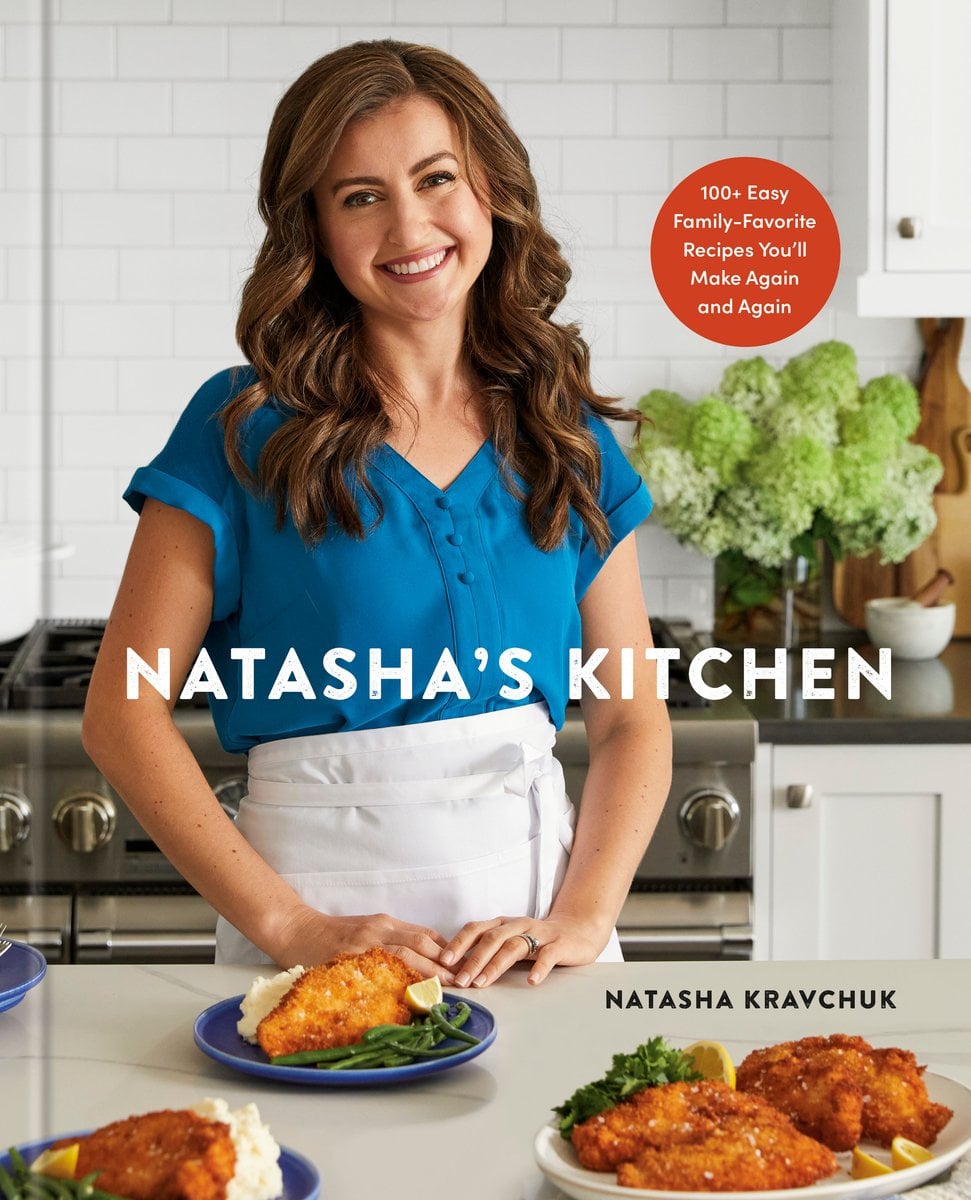
Natasha’s Kitchen
By Natasha Kravchuk
Looking for delicious, approachable recipes that feel like home-cooked comfort food every day?
Did you know? Bookshop.org gives 80%+ of their profits to support independent bookstores.
*We may earn a commission at no extra cost to you.
Another favorite is Laura in the Kitchen: Favorite Italian-American Recipes Made Easy. If you enjoy hearty, home-cooked meals but don’t want anything overly complicated, this one is amazing. It makes cooking feel less intimidating and a lot more enjoyable.
book tip
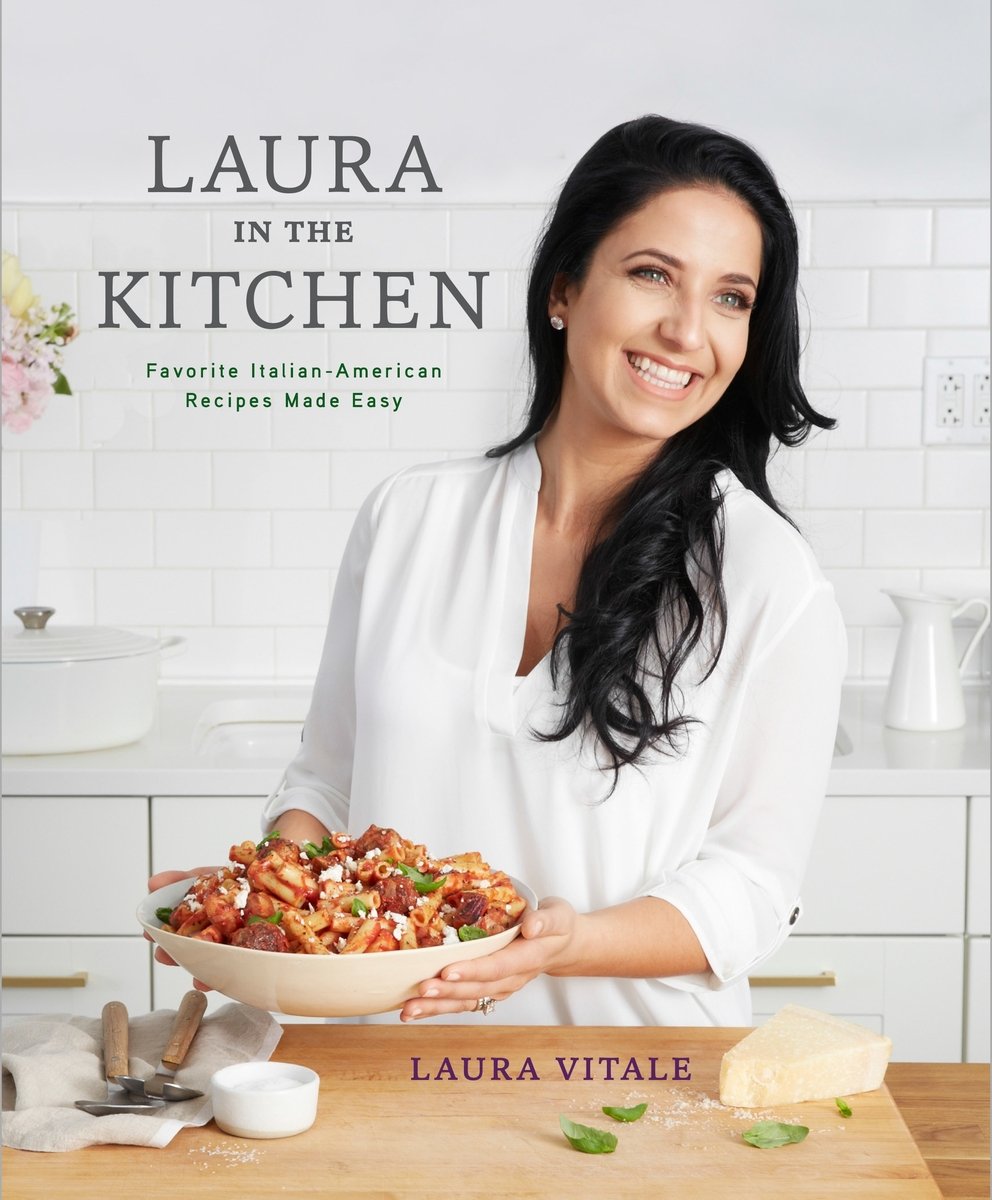
Laura in the Kitchen
By Laura Vitale
Love home cooking but don’t want complicated recipes or hard-to-find ingredients?
Did you know? Bookshop.org gives 80%+ of their profits to support independent bookstores.
*We may earn a commission at no extra cost to you.
And even though I’m not vegan, I have to mention Big Vegan Flavor by Nisha Vora. It’s such a great resource for learning how to cook with more plant-based ingredients in a way that’s full of flavor—not bland or restrictive. It really opened my eyes to new ways of making healthy food taste incredible.
book tip
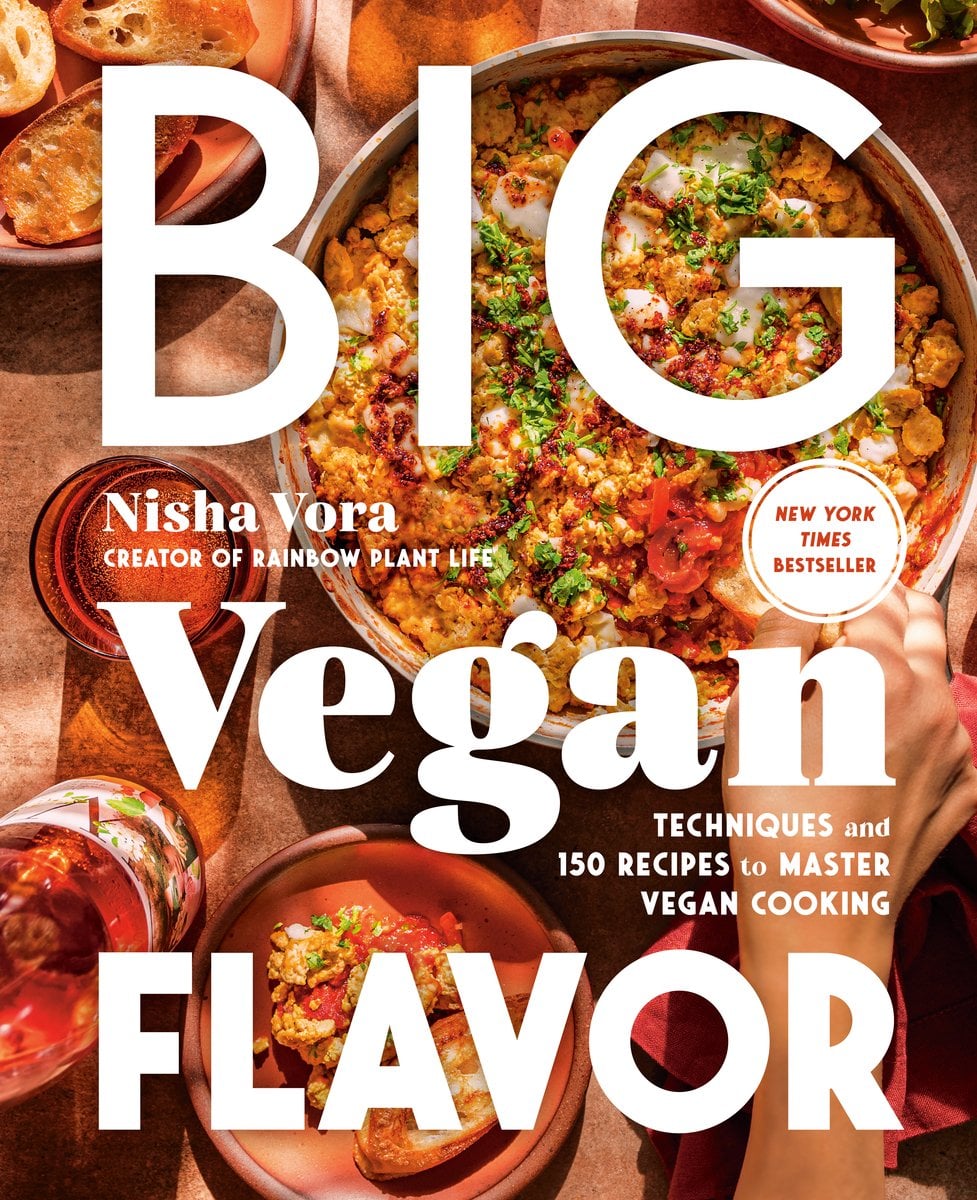
Big Vegan Flavor
By Nisha Vora
Think vegan food can’t be bold, exciting, and full of flavor? Think again!
Did you know? Bookshop.org gives 80%+ of their profits to support independent bookstores.
*We may earn a commission at no extra cost to you.
Because the truth is, cooking at home becomes so much easier when you have inspiration. When you’re not constantly wondering “what should I make?”, everything starts to flow more naturally—and that’s when it becomes a habit rather than a chore.
What I Didn’t Do
Let’s be clear about what I didn’t do:
- I didn’t count calories.
- I didn’t weigh or measure my food.
- I didn’t cut carbs or eliminate any whole food groups.
- I didn’t follow any strict diet plan.
Instead, I focused on:
- Real, whole foods.
- Eating fewer packaged, processed items.
- Choosing meals that kept my blood sugar steady.
- Listening to my body’s signals.
- Eating foods I genuinely enjoyed.
This wasn’t about restriction—it was about freedom and taking back control.
What Happened When I Made These Changes
Over the next few months—without any formal “plan”—I noticed some pretty amazing things:
- I was sleeping better.
- I had more energy.
- My digestion improved.
- My mood stabilized.
- And, naturally, I lost weight.
I didn’t even weigh myself regularly. But my clothes started fitting differently. My body felt lighter.
And maybe most importantly?
I just felt good. Energized. Clear. Peaceful. That was the real win!
Key Lessons I Learned
If you’re stuck in that exhausting “eat less, try harder” cycle, here’s what I want you to know:
1. You Don’t Need to Be Perfect to Make Progress
One of the biggest lessons I learned is that progress doesn’t come from perfection. You don’t have to overhaul your entire diet overnight or follow some rigid set of rules to see results.
Even small, manageable changes—like swapping out just one processed food a day—can move the needle. Those tiny upgrades add up over time, building momentum and making healthy habits feel doable instead of overwhelming.
So if you slip up or don’t get it “right” every day, that’s okay. It’s about progress, not perfection.
2. Cutting Sugar Doesn’t Mean Cutting Joy
One thing I worried about at first was losing all the foods I enjoyed—especially sweets. But here’s the truth: once your taste buds reset, fruit and real, whole foods start tasting naturally sweet and delicious again.
I still enjoy sweets, but now it’s more about quality over quantity—not every day, and definitely not in the same way as before. Cutting back on added sugar isn’t about giving up joy or pleasure—it’s about rediscovering it in healthier, more satisfying ways.
3. Weight Loss Can Be a Side Effect of Eating Well
Here’s something I didn’t expect: weight loss doesn’t have to be the main goal.
When you focus on nourishing your body with real, wholesome food—when your body feels safe and cared for—it often lets go of what it no longer needs all on its own.
That natural, gentle shift happens when you stop stressing about the scale and start tuning in to what makes you feel good inside and out. Weight loss becomes a happy side effect, not the main goal.
4. Food Is Not the Enemy
Food isn’t something to fear or battle with. You don’t have to see it as the enemy. Instead, it’s about understanding your food—what it’s made of, how it makes you feel, and what your body truly needs.
When you start giving your body the quality fuel it’s craving, eating becomes a source of nourishment and pleasure—not stress or guilt.
Final Thoughts
I didn’t follow a strict plan or jump on a trendy diet. I didn’t cut out all sugar or obsess over counting macros.
What I did was simple: I became more mindful about what I was eating, started paying attention to the hidden sugars sneaking into my meals, and made a commitment to choose quality over quantity.
And the results?
My body responded in ways I hadn’t expected. I lost weight without ever dieting. I felt clearer, more energized, and more at peace in my own skin than I had in years.
But most importantly, I started to feel good about my body—not because of a number on a scale, but because I was caring for it in a way that felt kind and respectful.
If you’re tired of the endless cycle of dieting and restriction, know this: you don’t have to go that route to feel better or lose weight.
By tuning in and making thoughtful choices, you can create your own path to health and happiness—without the stress or the rules.
*This article is for informational purposes only and is not intended as medical advice. It should not be used to diagnose, treat, or prevent any health condition. Always consult a qualified healthcare professional before making any changes to your diet, exercise, or health routine.
Mills, Susanna et al. “Frequency of eating home cooked meals and potential benefits for diet and health: cross-sectional analysis of a population-based cohort study.” The international journal of behavioral nutrition and physical activity vol. 14,1 109. 17 Aug. 2017, doi:10.1186/s12966-017-0567-y. Adapted and used under the terms of the Creative Commons Attribution 4.0 International License.
Russo, Rienna G et al. “Disparities in Sources of Added Sugars and High Glycemic Index Foods in Diets of US Children, 2011-2016.” Preventing chronic disease vol. 17 E139. 5 Nov. 2020, doi:10.5888/pcd17.200091.
Seid, Heather, and Michael Rosenbaum. “Low Carbohydrate and Low-Fat Diets: What We Don't Know and Why we Should Know It.” Nutrients vol. 11,11 2749. 12 Nov. 2019, doi:10.3390/nu11112749. Adapted and used under the terms of the Creative Commons Attribution 4.0 International License.

Linda is the co-founder of Courier Wellness and holds a Diploma in Natural Health Nutrition & Diet. Her passions include photography, food, and travel, where she derives inspiration from diverse cultures and their holistic approaches to well-being. She is committed to helping others make informed, nourishing choices for a healthier life.