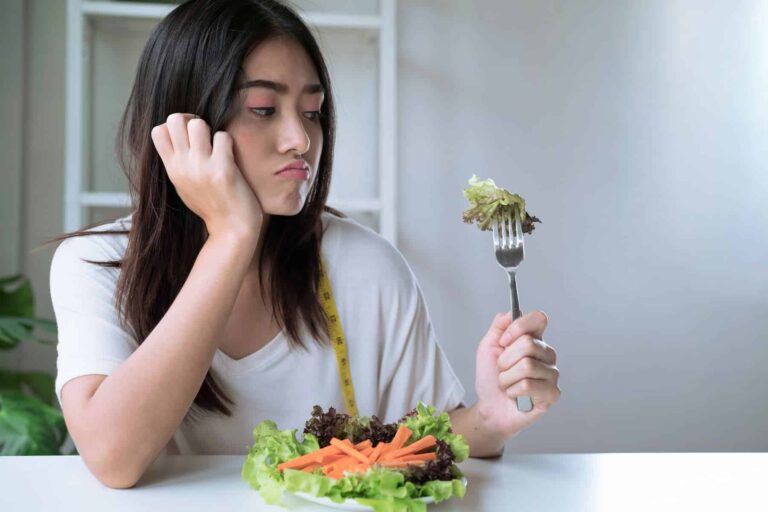
The Secret to Making Intuitive Eating Actually Work

This post contains affiliate links, which means we may earn a commission if you purchase through our links—at no extra cost to you. As an Amazon Associate we earn from qualifying purchases. We only recommend products we use or trust. Learn more about affiliate marketing or read our full disclosure.
Have you ever felt exhausted from trying every diet, only to find yourself back at square one?
The cycle of restriction, cravings, and guilt can feel never-ending. But what if I told you there’s a way to eat that doesn’t involve strict rules, counting calories, or labeling foods as “good” or “bad”?
That’s where intuitive eating comes in. Instead of following rigid meal plans, intuitive eating is all about listening to your body’s natural cues—eating when you’re hungry, stopping when you’re full, and enjoying food without guilt.
In this article, we’ll dive into the core principles of intuitive eating—what it is, how it works, and how it can help you break free from dieting while still reaching your health and weight goals.
If you’re ready to build a healthier, more sustainable relationship with food, keep reading!
How Does Intuitive Eating Work
The idea of intuitive eating has been around since the 1970s. But it wasn’t until 1995 that dietitian Evelyn Tribole and nutrition therapist Elyse Resch gave it a name and a structured approach in their groundbreaking book, Intuitive Eating.
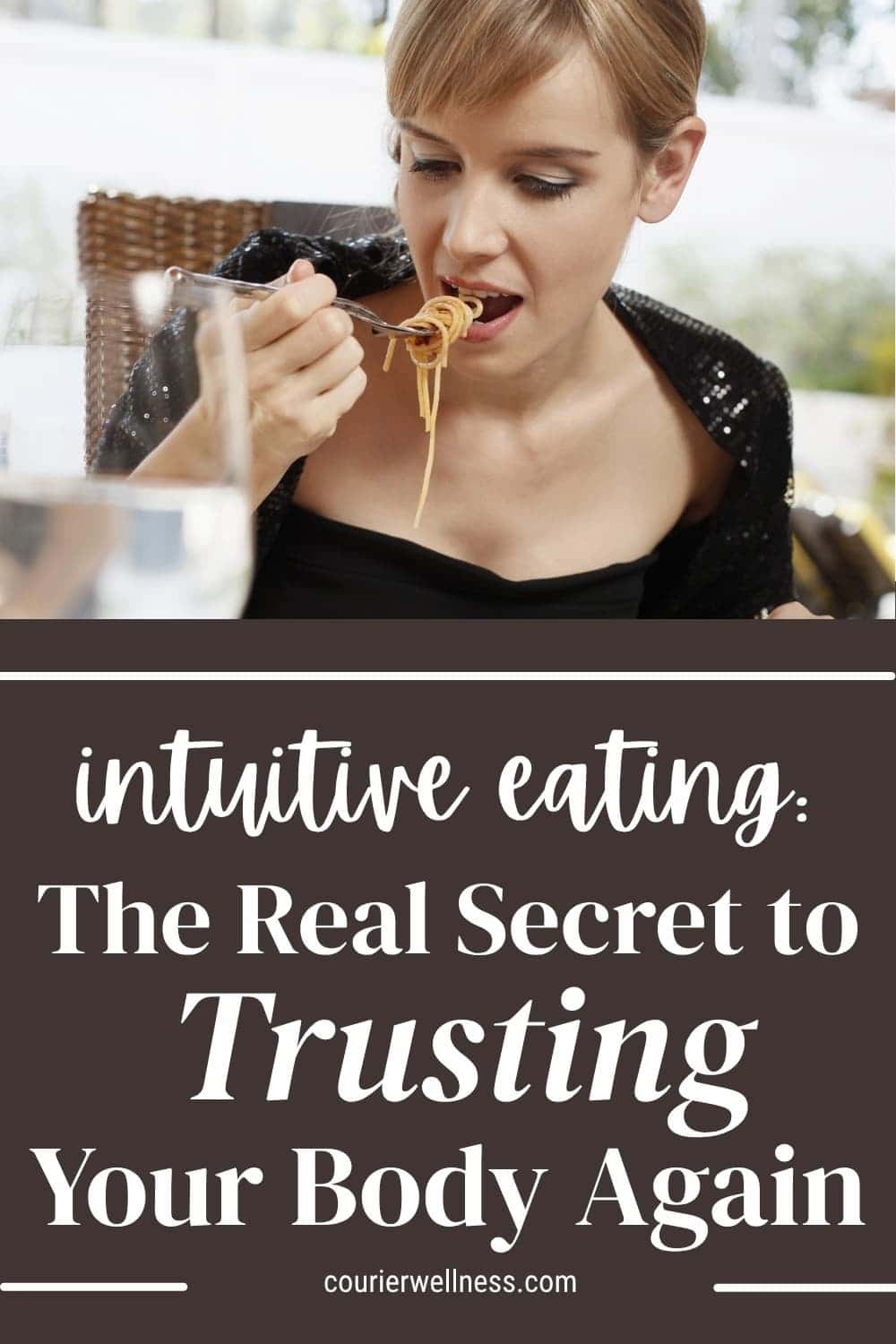
Unlike traditional weight-loss programs that promote restriction, calorie counting, and food guilt, intuitive eating takes a completely different approach—one that’s rooted in self-trust, nourishment, and overall well-being.
Instead of forcing your body into a rigid set of rules, it encourages you to tune in to what your body actually needs.
related Posts:
- 9 Sustainable Weight Loss Habits That Will Change Your Life
- 7 Best Tips on How to Lose Weight Sustainably
- The Ultimate Guide to Sustainable Weight Loss: Eat Better, Not Less
- Eat Better, Not Less: The Quality-Over-Quantity Approach to Lasting Weight Loss
- How I Lost Weight Without Dieting (and Felt Better Than Ever)
- 14 Reasons Why Maintaining Weight Loss Doesn’t Need to Be Difficult
The 10 Guiding Principles of Intuitive Eating
Tribole and Resch outlined 10 key principles to help people reconnect with their natural hunger and fullness cues while healing their relationship with food.
Here’s a quick look at each one:
1. Reject the Diet Mentality – Say goodbye to fad diets and the false hope they bring. Diet culture thrives on making you feel like you’ve failed—when in reality, the system itself is broken.
2. Honor Your Hunger – Your body needs fuel! Ignoring hunger only leads to overeating later. Learn to respect and respond to those hunger signals.
3. Make Peace with Food – No more off-limits foods! Giving yourself unconditional permission to eat reduces cravings and binge-eating cycles.
4. Challenge the Food Police – That voice in your head that tells you carbs are“bad” or dessert is “cheating”? It’s time to silence it.
5. Discover the Satisfaction Factor – Food isn’t just about nutrition; it’s about enjoyment, too. Eating should be a pleasurable experience!
6. Feel Your Fullness – Pay attention to when you’re comfortably full instead of stuffed. Your body will tell you—it just takes practice to listen.
7. Cope With Your Emotions With Kindness – Food can be comforting, but it’s not the only way to deal with emotions. Learning new coping strategies is key.
8. Respect Your Body – You don’t have to love every inch of yourself to treat your body with kindness and dignity.
9. Movement – Feel the Difference – Exercise should feel good, not like punishment. Find movement that brings you joy instead of focusing solely on burning calories.
10. Honor Your Health with Gentle Nutrition – Focus on progress, not perfection. A single meal won’t make or break your health—what matters is the big picture.
book tip
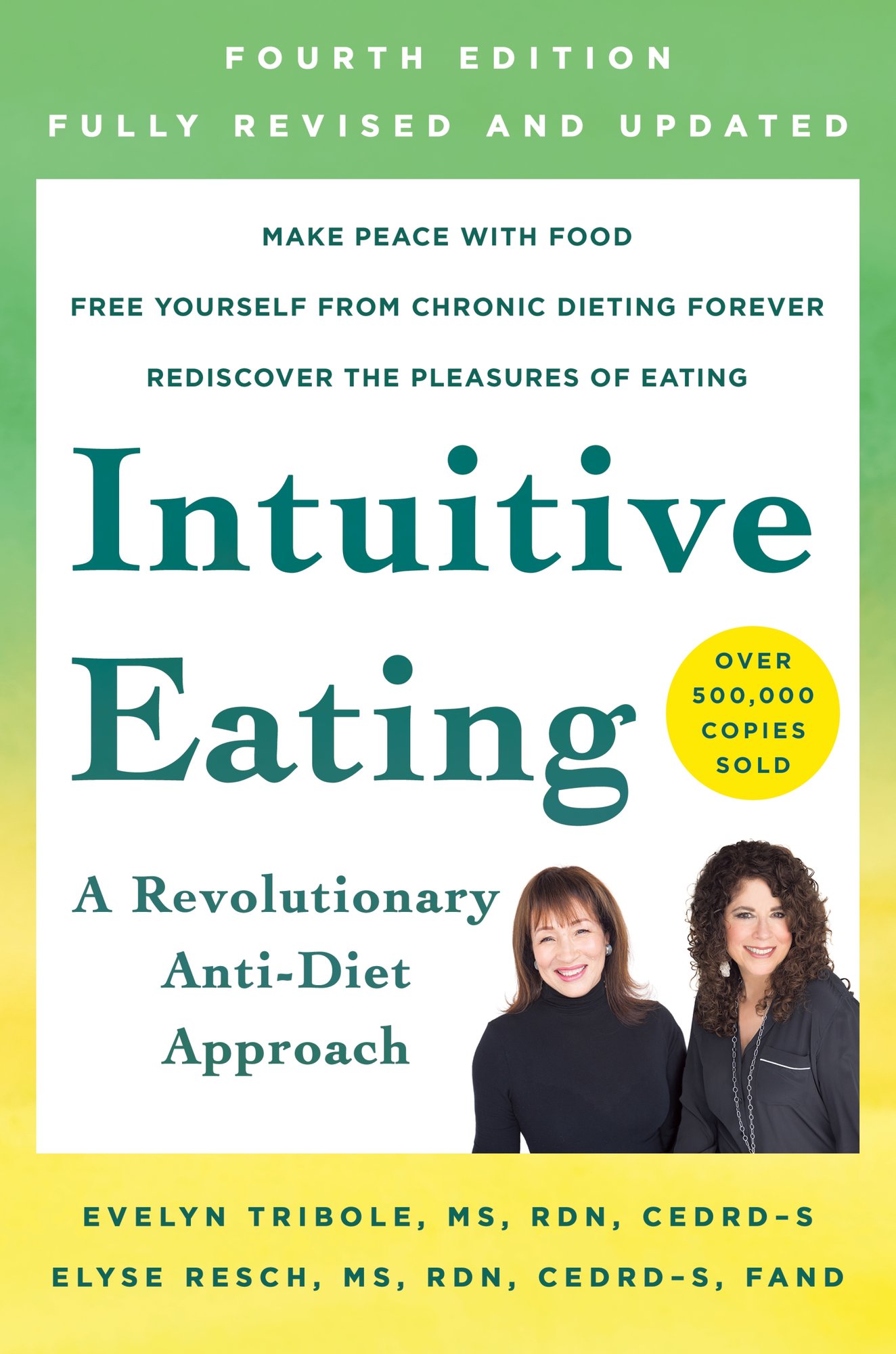
Intuitive Eating
By Evelyn Tribole and Elyse Resch
Frustrated by diets that never seem to stick? This book helps you rebuild a healthy relationship with food.
Did you know? Bookshop.org gives 80%+ of their profits to support independent bookstores.
*We may earn a commission at no extra cost to you.
Breaking Free from Diet Culture
These principles stand in stark contrast to today’s diet-obsessed culture, which often fuels food guilt and body shame.
Instead of viewing food as the enemy, intuitive eating shifts the focus to self-care and nourishment—helping you build a healthy, balanced relationship with food that’s free from stress and restriction.
By letting go of dieting rules and learning to trust your body, you can finally enjoy food without guilt, eat in a way that feels good, and stop obsessing over every bite.
And the best part?
You’ll likely feel more energized, satisfied, and in control of your health than ever before!
The Benefits of Intuitive Eating
One of the biggest advantages of intuitive eating is the relief it brings from the stress and anxiety of dieting.
Strict meal plans often make you second-guess yourself. They tell you what to eat, when to eat, and how much—leaving little room to listen to your body.
Over time, this disconnect can make it harder to trust your own hunger and fullness signals.
But intuitive eating changes that. It helps you reconnect with your body’s natural wisdom, so eating feels natural again—not like a constant battle.
Research shows that intuitive eating can lead to better mental health and fewer disordered eating habits. When you stop obsessing over every calorie or food rule, eating becomes more enjoyable and less stressful.
Many people get so caught up in weight loss that they override their instincts. This creates distrust in their own body’s signals. By embracing intuitive eating, you restore that trust and develop a more balanced, positive approach to food.
Can Intuitive Eating Help with Weight Loss?
A common question is whether intuitive eating leads to weight loss. The answer?
It depends.
Some people naturally lose weight because they stop binge eating and start listening to their hunger cues. Others may maintain their weight or even gain a little—especially if they’ve been under-eating for a long time.
But the real goal isn’t just weight loss; it’s better health and a healthier mindset around food.
I’ll explain more about the weight loss aspect later. But for now, know this: if you focus on overall health, weight loss will naturally follow.
More Energy, Confidence & Freedom
Beyond weight, intuitive eating offers tons of benefits:
- Less stress around food – No more obsessing over what’s “allowed” or feeling guilty for enjoying a treat.
- Better body image – You learn to appreciate your body for what it does, not just how it looks.
- More self-trust – You become more in tune with your body’s needs, making choices that truly nourish you.
- A healthier balance – You can enjoy both nutrient-rich meals and the occasional indulgence without guilt.
Intuitive Eating Can Support Recovery From Eating Disorders
Intuitive eating can also help people who are recovering from disordered eating. It helps shift their mindset away from restriction and fear.
By removing food rules and promoting self-compassion, it can help heal an unhealthy relationship with food and rebuild trust in the body’s natural signals.
The bottom line is, prioritizing healthy, nourishing foods is important. But so is giving yourself permission to enjoy treats without shame. Intuitive eating helps you find this balance, making it easier to maintain a happy, healthy relationship with food in the long run.
Instead of chasing weight loss as the main goal, focus on feeling good, having energy, and enjoying food without guilt. When you take care of your body with kindness, it will take care of you in return.
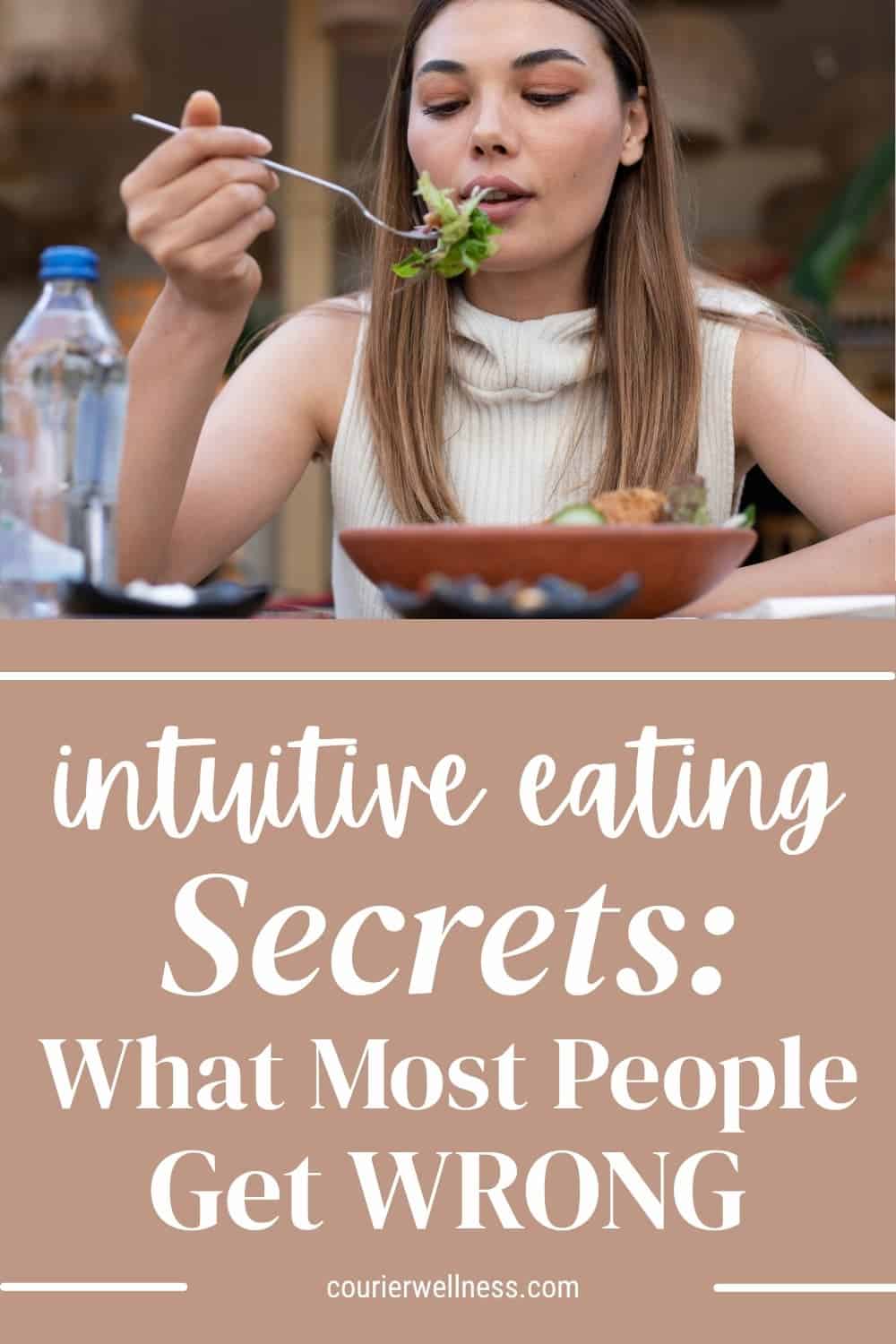
Can Intuitive Eating Lead to Weight Gain?
As we discussed earlier, weight gain is possible with intuitive eating.
But why does this happen? If intuitive eating is all about listening to your body, shouldn’t your weight naturally balance out?
In some cases, yes. But there are a few factors that can disrupt your ability to tune in to hunger and fullness cues.
Let’s take a closer look these factors:
1. The Effect of Processed Foods
One big reason some people gain weight with intuitive eating is the overconsumption of highly processed foods. These foods—loaded with sugar, unhealthy fats, and artificial additives—can trick your body into wanting more.
They make it harder to recognize when you’re truly full, leading to overeating without even realizing it.
The more we rely on these foods, the more disconnected we become from our natural hunger and fullness cues. This can make it tough to trust what your body is actually telling you.
2. Emotional Eating & Food as Comfort
Another common reason for weight gain is emotional eating. When stress, loneliness, or sadness hit, turning to food can feel like an easy way to find relief.
And while we all find comfort in food occasionally, relying on it too often can cause problems.
Emotional eating doesn’t address the real issue—it just masks it for a little while. If these emotions come up frequently and food becomes the main coping mechanism, it can lead to excessive eating and unwanted weight gain.
3. Sugar, Cravings & Hunger Confusion
Hunger is not the enemy. It’s simply your body’s way of saying, Hey, I need fuel!
You should never feel guilty for eating when you’re hungry.
However, ultra-processed foods—especially those high in sugar—can blur the line between true hunger and cravings. Sugar addiction is real, and it can trick your brain into wanting more, even when your body doesn’t actually need it.
Over time, this can make it difficult to tell whether you’re eating out of genuine hunger or just feeding a craving.
The Key to Successful Intuitive Eating
The key to successful intuitive eating isn’t just about giving yourself permission to eat—it’s also about nourishing your body with real, wholesome foods.
Here’s how to stay in tune with your body’s natural signals:
- Prioritize nutrient-dense foods – Whole foods like vegetables, fruits, proteins, and healthy fats help you feel satisfied and energized.
- Be mindful of ultra-processed foods – Enjoy them in moderation, but don’t let them dominate your diet.
- Check in with your emotions – Before reaching for food, ask yourself: Am I actually hungry, or am I just feeling stressed or bored?
- Slow down & listen – Eating mindfully allows you to recognize fullness cues before you overeat.
Intuitive eating isn’t about perfection—it’s about balance.
By focusing on real, nourishing foods and understanding your body’s needs, you can enjoy the benefits of intuitive eating without the risk of unwanted weight gain.
great choice
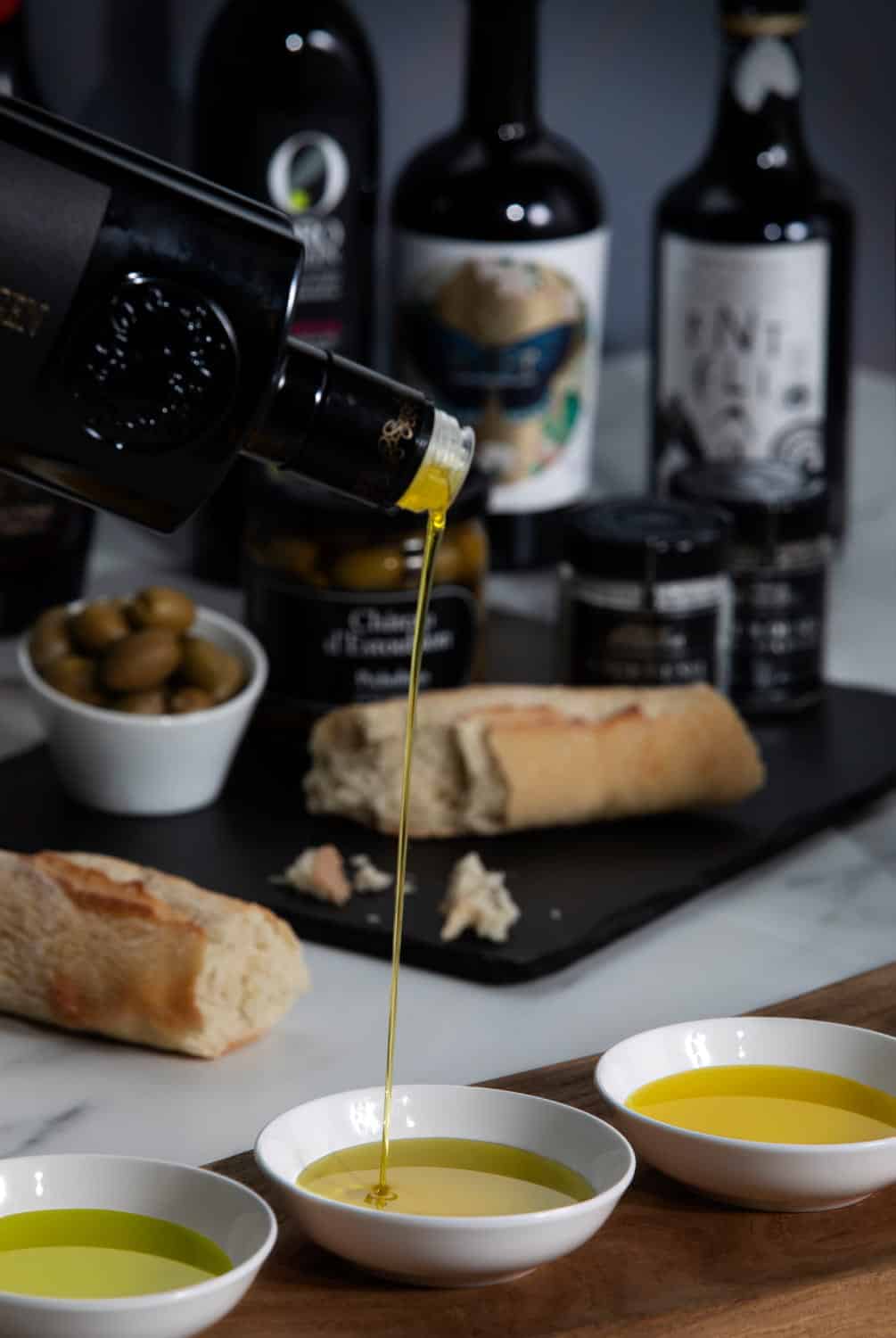
Olive Oil Lovers
Pure extra virgin olive oils—honestly made, full of flavor, and rich in natural goodness.
*We may earn a commission at no extra cost to you.
How to Make Intuitive Eating Work For You
Intuitive eating is much easier when your diet already consists mostly of whole, nutritious foods.
Personally, I find that because I prioritize healthy eating, I can listen to my cravings without guilt. If I want chocolate, I enjoy it—without the fear of losing control or spiraling into unhealthy habits.
However, if your current diet includes a lot of processed, high-sugar, or ultra-refined foods, intuitive eating might be trickier at first. These foods can interfere with your body’s natural hunger cues, making it harder to distinguish real hunger from cravings.
One simple swap I recommend is incorporating high-quality ingredients like extra virgin olive oil into your diet. Olive Oil Lovers offers some of the best options to enhance your meals with healthy fats that promote overall well-being.
Not only does it taste great, but it can also support your body’s natural processes while making meals more satisfying.
You can check them out below:
Let’s explore some practical steps to help you successfully incorporate intuitive eating into your daily life:
Step 1: Build a Solid Foundation with Healthy Eating
Before diving fully into intuitive eating, work on shifting your eating habits toward whole, nutrient-dense foods. Think of it as setting up a strong foundation.
Once your body is properly fueled, it becomes much easier to trust its signals.
A good rule of thumb is the 80/20 balance:
- 80% of the time – Eat real, whole foods that nourish your body.
- 20% of the time – Enjoy your favorite indulgences without guilt.
This balance allows you to stay healthy, satisfied, and free from restrictive dieting.
Step 2: Understand Real Food vs. Processed Food
If you’re wondering what “real food” actually means, here’s a simple breakdown:
|
Real Food |
Ultra-Processed Food |
|
Vegetables, fruits, potatoes, meat, dairy, nuts |
Sugary cereals, frozen meals, condiments, candy, soda |
|
Usually found in the outer aisles of the grocery store |
Mostly located in the middle aisles of the store |
|
Nutrient-dense – packed with vitamins, minerals, and healthy fats |
Not nutrient-dense – high in calories but low in nutrients |
|
Keeps you full – satisfies hunger for longer |
Leaves you craving more – leads to frequent snacking |
This doesn’t mean you have to eliminate ultra-processed foods altogether. But by making real food the foundation of your diet, intuitive eating will feel much more natural.
RELATED POST: Rediscovering Real Food in a World of Ultra-Processed Convenience»
Step 3: Make Healthy Swaps
Instead of following strict diet rules, try small, realistic changes that make a big difference:
- Swap sugary yogurt for plain, full-fat yogurt with fresh berries.
- Make homemade pizza with fresh dough and a side salad instead of frozen, ultra-processed versions.
- Replace sugary sodas with water.
These simple swaps don’t take away enjoyment—they just add more nourishment to your meals.
The bottom line is, intuitive eating isn’t about eating whatever you want, whenever you want—it’s about trusting your body and making mindful choices. When you fuel yourself with nutrient-dense foods, your cravings naturally balance out, and you won’t feel like food is controlling you.
By focusing on real food, a balanced approach, and small healthy swaps, intuitive eating becomes a powerful tool for lifelong health and happiness.
💡A Little Extra Tip: If you love yogurt and want more control over what you eat, try making your own at home! It’s actually pretty easy, and it’s so satisfying to create your own probiotic-rich yogurt.
I’ve noticed so many health benefits from making my own, (like a flatter belly and healthier skin), especially since I make SCD yogurt with 24-hour fermentation.
I use the Luvele Yogurt Maker, and it makes the process a breeze. Plus, you can skip all the added sugars and preservatives found in store-bought yogurt.
editor’s pick

Luvele Pure Yogurt Maker
Make thick, probiotic-rich yogurt at home with even heat and reliable results every time.
*We may earn a commission at no extra cost to you.
I’ve been making yogurt regularly now, and it’s become a part of my routine. If you’re interested, you can read more about our full review here.
How Intuitive Eating Differs from Other Diets
Most diets focus on rules, restrictions, and exercise plans, but few actually address the real problem—the way our modern food environment has changed.
The truth is, the food industry profits from selling highly processed, unhealthy foods. Meanwhile, we, the consumers, pay the price—with weight gain, poor health, and a growing obesity crisis.
Back in the 1960s and 1970s, obesity rates were much lower. But since the 1980s, they have skyrocketed, turning into one of the biggest public health concerns of our time.
So what can we do about it?
For starters, we need to stop blindly trusting big food corporations. Their goal isn’t to keep us healthy—it’s to sell more products. That means it’s up to us to be mindful of what we’re eating.
Instead of relying on flashy packaging and misleading health claims, we should focus on real, whole foods that nourish our bodies.
The Problem with Processed Foods
Dr. Chris Van Tulleken, a medical expert, has pointed out that many of today’s processed foods are made from:
- Modified starches
- Inverted sugars
- Hydrolyzed protein isolates
- Seed oils
- Synthetic emulsifiers & artificial sweeteners
- Stabilizing gums & bulking agents
These “foods” aren’t designed to fuel your body—they’re designed to be cheap, addictive, and long-lasting on store shelves.
The Fear of Food & the Real Issue
Many people fear eating because they’ve been conditioned to believe hunger is the problem. They blame themselves for lacking willpower.
But the real issue isn’t our hunger—it’s the food industry’s influence over what we eat.
When you consume highly processed, artificial foods, your body struggles to regulate hunger. These foods don’t provide true nourishment, making you crave more, eat more, and feel out of control.
If we want to reclaim our health, we need to prioritize real, whole foods and cook at home as much as possible. We can’t keep relying on fake food. Highly processed meals only prolong our struggles with weight gain and poor health.
But when we switch to real food, everything changes.
- Weight loss becomes easier
- Hunger feels natural, not overwhelming
- Energy levels improve
- Our relationship with food becomes healthier
At the end of the day, intuitive eating isn’t just about eating when you’re hungry—it’s about fueling your body with the right foods. And when you do that, your health, energy, and even your weight will naturally fall into balance.
How Healthy Eating Can Lead To Orthorexia
We often hear about the dangers of eating too much processed, unhealthy food, but what about the other extreme? Can eating too healthy actually become a problem?
Surprisingly, yes.
Some people become so hyper-focused on clean eating that it starts to take over their lives. They avoid anything processed, refuse to eat out, and obsess over every ingredient.
While their intentions may be good, this extreme approach can lead to a condition called orthorexia nervosa.
Orthorexia is an unhealthy obsession with eating only pure, healthy foods. It was first described in 1997 by Dr. Steve Bratman and, while not yet officially classified as an eating disorder, it is often considered a form of obsessive-compulsive behavior.
The word itself comes from the Greek words for “correct appetite.” But in reality, orthorexia can lead to a very rigid and restrictive lifestyle.
People with orthorexia often:
- Avoid all processed or artificial foods
- Set strict rules about food preparation and meal timing
- Experience guilt or anxiety if they eat something they consider “unhealthy”
- Spend excessive time researching, planning, and preparing meals
- Avoid social events due to lack of control over food options
What starts as a commitment to healthy eating can spiral into anxiety, guilt, and even malnutrition if taken to the extreme.
Finding Balance: Health Without Obsession
Striving for balance is key—not just in food, but in all aspects of life. While making nutritious choices is important, it’s equally crucial to:
- Enjoy occasional indulgences without guilt
- Prioritize mental and emotional well-being alongside physical health
- Embrace flexibility in eating habits
(People who suffer from orthorexia may require medical intervention and professional guidance to establish a healthier relationship with food. If you or someone you know is dealing with orthorexia, seeking assistance from a qualified professional is essential to combat this problem.)
💡Remember, health isn’t about perfection—it’s about sustainability and joy.
Why Dieting Can Do More Harm Than Good
Most diets promise quick weight loss, but the truth is—they rarely provide long-term success. Sure, you might drop a few pounds initially, but studies show that most people regain the weight(and sometimes even more).
This cycle of yo-yo dieting isn’t just frustrating—it can actually harm your health.
Frequent dieting has been linked to:
- Increased risk of type 2 diabetes
- High blood pressure
- Cardiovascular disease
- Mental and emotional distress
When people hear the word diet, they usually think of restriction—cutting calories, eliminating favorite foods, and ignoring hunger signals.
But here’s the problem: diets require constant willpower.
And when willpower eventually runs out (because let’s be honest, nobody can fight hunger forever), it often leads to:
- Binge eating
- Feeling guilty or ashamed
- Lower self-esteem
- A negative relationship with food
In some cases, extreme dieting can even lead to eating disorders.
Why Calorie Restriction Backfires
Eating too few calories might seem like a fast track to weight loss, but it’s not sustainable. Eventually, your body fights back.
Hunger increases, energy drops, and before you know it, you’re eating more than before—leading to weight regain.
For a diet to be truly effective, it has to be something you can stick to for life. If you can’t imagine eating that way forever, it’s unlikely to bring lasting success.
Instead of extreme dieting, focus on:
- Balanced, nutrient-rich meals
- Listening to your hunger cues
- Eating mostly healthy foods, but allowing flexibility
- Finding a sustainable way to nourish your body
A well-balanced approach helps you maintain a healthy weight, a positive relationship with food, and a lifestyle you can enjoy long term—without guilt or deprivation.
Final Thoughts
If there’s one thing to take away from this, it’s that your body already knows what it needs—you just have to learn to listen. Intuitive eating isn’t about rules or restrictions; it’s about trusting yourself again.
Diet culture has convinced us that we need to micromanage every bite, but the truth is, constant dieting only makes us feel worse in the long run.
When you stop obsessing over food and start focusing on nourishing your body with real, satisfying meals, eating becomes a much more natural and enjoyable experience.
That being said, balance is key. While ignoring your body’s needs and living on processed foods isn’t ideal, neither is obsessing over eating perfectly clean all the time.
Food is meant to be enjoyed, not feared. True health comes from flexibility, not extremes.
It’s okay to crave a slice of pizza or some chocolate—it doesn’t mean you’ve failed. It means you’re human. Learning to honor those cravings without guilt is part of building a healthier relationship with food.
So instead of chasing another restrictive diet, why not focus on what actually feels good for you in the long run?
Prioritize whole, nutrient-rich foods, but don’t forget to savor the little indulgences too. When you stop labeling food as “good” or“bad” and start tuning into your body’s natural cues, healthy eating stops being a chore—it becomes second nature.
And honestly, isn’t that what we all really want?
*This article is for informational purposes only and is not intended as medical advice. It should not be used to diagnose, treat, or prevent any health condition. Always consult a qualified healthcare professional before making any changes to your diet, exercise, or health routine.
Accame, Debbie. "First Randomized, Controlled Study Finds Ultra-Processed Diet Leads to Weight Gain." CC Newsletter, Summer 2019, National Institutes of Health, https://clinicalcenter.nih.gov/about/news/newsletter/2019/summer/story-01.html. Accessed 19 November 2023.
Ayyıldız, Feride et al. “Emotional and intuitive eating: an emerging approach to eating behaviours related to obesity.” Journal of nutritional sciencevol. 12 e19. 13 Feb. 2023, doi:10.1017/jns.2023.11. Adapted and used under the Creative Commons Attribution 4.0 International License.
Contreras, Raian E et al. “Physiological and Epigenetic Features of Yoyo Dieting and Weight Control.” Frontiers in genetics vol. 10 1015. 11 Dec. 2019, doi:10.3389/fgene.2019.01015. Adapted and used under the Creative Commons Attribution 4.0 International License.
Gortat, Mateusz et al. "Orthorexia nervosa – a distorted approach to healthy eating." Psychiatria Polska, vol. 55, no. 2, 2021, pp. 421-433. doi:10.12740/PP/125387. Adapted and used under the Creative Commons Attribution 4.0 International License.
Hazzard, Vivienne M et al. “Intuitive eating longitudinally predicts better psychological health and lower use of disordered eating behaviors: findings from EAT 2010-2018.” Eating and weight disorders: EWD vol. 26,1 (2021): 287-294. doi:10.1007/s40519-020-00852-4.
Katcher, Julia A., et al. "Impact of an Intuitive Eating Intervention on Disordered Eating Risk Factors in Female-Identifying Undergraduates: A Randomized Waitlist-Controlled Trial." International Journal of Environmental Research and Public Health, vol. 19, no. 19, 2023, article 12049, https://doi.org/10.3390/ijerph191912049. Adapted and used under the Creative Commons Attribution 4.0 International License.
Memon, Areeba N et al. “Have Our Attempts to Curb Obesity Done More Harm Than Good?.” Cureus vol. 12,9 e10275. 6 Sep. 2020, doi:10.7759/cureus.10275. Adapted and used under the Creative Commons Attribution 4.0 International License.
“US obesity rates have tripled over the last 60 years.” USA Facts, updated 26 April 2023, https://usafacts.org/articles/obesity-rate-nearly-triples-united-states-over-last-50-years/. Adapted and used under the Creative Commons Attribution-ShareAlike 4.0 International License. Accessed 22 November 2023.
“10 Principles of Intuitive Eating.” The Original Intuitive Eating Pros, Intuitive Eating, https://www.intuitiveeating.org/10-principles-of-intuitive-eating/.

Linda is the co-founder of Courier Wellness and holds a Diploma in Natural Health Nutrition & Diet. Her passions include photography, food, and travel, where she derives inspiration from diverse cultures and their holistic approaches to well-being. She is committed to helping others make informed, nourishing choices for a healthier life.