How to Tell if You’re Eating Enough to Actually Lose Weight
This post contains affiliate links, which means we may earn a commission if you purchase through our links—at no extra cost to you. As an Amazon Associate we earn from qualifying purchases. We only recommend products we use or trust. Learn more about affiliate marketing or read our full disclosure.
Less food. Fewer meals. Smaller portions. That’s the usual advice, right? Eat less to weigh less.
But what if the reason you’re not losing weight… is because you’re not eating enough?
Sounds backwards, I know. But under-eating can seriously mess with your body. It can slow down your metabolism, throw your hormones out of whack, and make weight loss feel impossible—even if you’ve been doing “everything right.”
In this article, we’re going to talk about:
- How to spot the sneaky signs you’re under-eating
- Why eating too little can actually stall your progress
- And how to fuel your body the right way for real, lasting results
Let’s dive in!
Why Less Isn’t Always More
Have you ever caught yourself thinking:
“I’ve barely eaten today—why am I not losing weight?”
“I’m tired, cranky, and starving… this diet must be working.”
“I feel bloated, even though I haven’t eaten much.”
If any of those sound familiar, you might be stuck in something called the calorie trap—cutting way back on food, hoping for faster results, and accidentally making things harder on your body.
Here’s what’s really going on under the surface when you’re not eating enough:
- Your metabolism slows down to conserve energy
- Your cortisol (your stress hormone) goes up
- Your body starts holding on to fat to protect you
- Your hunger hormones—ghrelin and leptin—get all out of whack
- And eventually, you may end up binging because your body is desperate for fuel
And science backs this up: in one study, women who followed a very-low-calorie diet saw their metabolism slow down by 17%, while those on a more moderate plan didn’t experience the same drop.
This shows that eating too little can actually work against you—your body adapts by burning less energy, making fat loss harder instead of easier.
So even if you’re following the “rules,” eating clean, and staying in a calorie deficit, you might still feel stuck, frustrated, and totally confused about why the scale won’t budge.
Spoiler: It’s not about willpower—it’s about not eating enough to support real, lasting fat loss.
RELATED POST: 9 Sustainable Weight Loss Habits That Will Change Your Life
Signs You Might Not Be Eating Enough to Lose Weight
So, how do you know if you’re actually eating too little?
Let’s break it down—because under-eating doesn’t always look like skipping every meal or surviving on salad. Sometimes, it’s more subtle than that.
Here are some common signs you might not be eating enough to lose weight:
1. You’re Always Thinking About Food
If your brain feels like it’s running on a loop of “What can I eat next?”—you’re not alone.
Constant cravings, food obsession, or even getting anxious when mealtime is delayed can all be signs your body isn’t getting the fuel it needs.
This isn’t just about willpower.
Your brain has complex circuits that control feeding—both for survival (homeostatic eating) and for pleasure (hedonic eating).
These circuits overlap with the brain’s reward system, which explains why highly tasty foods can feel almost addictive.
In fact, some research suggests that exposure to ultra-processed foods can change the way your reward system responds, driving compulsive eating behaviors in certain people.
So when your mind is constantly on food, it’s your body and brain signaling that something’s off—whether that’s insufficient fuel, highly stimulating foods, or both.
Understanding this can help you respond with awareness, rather than guilt.
RELATED POST: The Truth Behind How Ultra-Processed Foods Cause Cravings
2. You’re Tired All the Time
Sure, lack of sleep can make you feel drained—but if you’re constantly low on energy, even with decent rest, your food intake might be the real issue.
When you’re not eating enough, your body doesn’t have the fuel it needs to power you through the day.
That means dragging yourself out of bed, crashing mid-afternoon, and struggling through workouts that used to feel doable.
Research shows that fatigue is often tied to nutrition. Low protein, not enough vitamin D or B vitamins, or missing out on key minerals like magnesium can all leave your system running on empty, especially when you’re older.
Protein especially matters as it helps preserve muscle and keep your energy steady. Without enough of it, your body simply doesn’t have the resources to perform at its best.
So if you’re dragging all the time, it’s not a sign of laziness—it’s your body waving a little white flag saying, “Hey, I need more to work with here.”
3. You’re Not Losing Weight (or You’ve Gained)
This part can feel so frustrating: you’re eating less, being disciplined, maybe even skipping snacks—and yet… the scale won’t budge.
Or worse, it goes up.
Here’s the thing: when your body thinks it’s in survival mode (a.k.a. not eating enough), it slows your metabolism to conserve energy. You might lose a few pounds at first, but then?
Plateau. Or even rebound weight gain.
It’s a common mistake, but one that can seriously backfire. Sometimes, the real solution is giving your body more—not tightening the reins even further.
RELATED POST: How to Make Intuitive Eating Work For You and Support Weight Loss
4. You Have Digestive Issues
Bloating, constipation, or just feeling off in the digestion department?
These can be your body’s way of saying it’s stressed and not getting what it needs to run smoothly.
When you’re not eating enough, your digestive system can slow down—because your body is trying to conserve energy wherever it can. That can leave you feeling uncomfortable, bloated, or irregular, even if you think you’re eating “clean.”
Research shows that prolonged undernutrition can affect the intestines, making digestion less efficient and sometimes causing discomfort or irregularity.
RELATED POST: A Complete Guide To Gut Health: Everything You Need To Know To Stay Healthy
Personal Recommendation
One thing that’s helped me personally is homemade yogurt. I use a Luvele yogurt maker and ferment mine for 24 hours, which creates a super-rich source of probiotics.
Since adding this into my routine, my digestion has noticeably improved—and I finally have that flat stomach I’ve been wanting for years.
Making sure you’re eating enough to fuel your body—along with gut-friendly foods like yogurt—can help your digestive system work properly and keep things moving smoothly.
editor’s choice
Luvele Pure Yogurt Maker

This simple and high-quality yogurt maker has advanced water-bath technology, which ensures even and consistent temperatures for thick, probiotic-rich yogurt.
Key features:
*We may earn a commission at no extra cost to you.
Want to learn more about Luvele’s amazing yogurt makers? Check out our full review below.
RELATED POST: Luvele: Why It’s The Best Yogurt Maker For Gut Health
5. You Feel Cold All the Time
Ever find yourself reaching for a sweater or a blanket—even when others seem perfectly comfortable?
That’s your body’s way of conserving energy. Your thyroid, which helps regulate your body temperature, is super sensitive to how much fuel you’re giving it.
Research shows that people who eat significantly fewer calories over long periods tend to have a lower core body temperature, even when they’re otherwise healthy. This is a natural adaptation your body uses to protect itself.
If you’re always feeling cold, it could be a sign you need to give your body enough fuel to keep your “internal thermostat” running properly.
RELATED POST: 5 Tips on How to Create a Healthy Relationship with Food
6. You’re Moody, Irritable, or Anxious
Ever feel like you’re on edge for no good reason? Or snap at people when you don’t mean to?
Your brain actually needs a steady supply of carbohydrates and healthy fats to make the chemicals that keep your mood balanced.
When you’re not eating enough, it can leave you feeling moody, irritable, or anxious.
Research shows that hunger can cause negative emotions, which can then make you more likely to overeat. It’s a kind of vicious cycle: when your body is underfed, your mood dips, and that low mood can drive cravings or emotional eating.
Paying attention to your body’s fuel needs can help keep both your mood and your eating patterns in check.
7. You’re Not Sleeping Well
Struggling to fall asleep or waking up in the middle of the night?
It could be tied to what—and how much—you’re eating.
Proper nutrition isn’t just about staying healthy during the day; it also affects sleep quality. The balance of proteins, carbs, and fats in your diet can influence how easily you fall asleep and stay asleep.
Too little protein might make it harder to get good rest, while too much could actually disturb your sleep.
Keeping your meals balanced helps your body relax, keeps your energy steady, and sets you up for better sleep.
Your Body Is Smart—And Protective
Here’s the truth your body already knows: its job isn’t to keep you slim—it’s to keep you safe.
When your body senses stress or starvation, it hits the brakes on fat-burning to protect you—no matter how hard you’re trying to “be good.”
That’s why:
- Starving yourself might work for a little while, but it usually leads to burnout
- Low-calorie diets almost always backfire in the long run
- Real, sustainable weight loss comes from nourishing your body—not punishing it
Part of that nourishment comes from choosing high-quality, flavorful foods. And one of the best foods you can add to your diet is extra virgin olive oil.
Unfortunately, most store-bought olive oils are not the real deal, so if you want top-quality, then you can’t go wrong with the olive oils from Olive Oil Lovers.
Here are some great choices:
- Entelia extra virgin olive oil offers great value without compromising flavor.
- Oro Bailen Reserva Familiar Picual is celebrated worldwide for its award-winning taste.
- Quattrociocchi Superbo Organic provides high polyphenol levels for maximum health benefits.


Small upgrades like these can help support your metabolism, digestion, and overall well-being.
So if you’ve been stuck feeling frustrated or confused, take a deep breath. Your body isn’t the enemy—it’s your biggest ally.
And the key to success?
Making sure you’re eating enough to fuel your life, your goals, and your well-being.
RELATED POST: The Ultimate Guide to Sustainable Weight Loss: Eat Better, Not Less
But Wait… Don’t You Need a Calorie Deficit to Lose Weight?
Yes—but here’s the nuance:
A calorie deficit doesn’t mean eating as little as possible. It means eating just slightly less than your body burns, while still giving it enough fuel to keep your metabolism, hormones, and daily energy on point.
Here’s the difference between:
A Crash Diet:
- 800–1,500 calories
- Constant hunger
- Slowed metabolism
- Muscle loss
- Fatigue, mood swings, binge eating
A Sustainable Deficit:
- 1,700–2,000+ calories (depending on your body)
- High-protein, high-fiber meals
- Balanced blood sugar
- Slow, steady fat loss
- Sustainable energy + better workouts
So yes—you can eat more and still lose weight when the food you eat supports your body.
RELATED POST: Can You Really Lose Weight with 1500 Calories Per Day?
What Eating “Enough” Actually Looks Like
Here’s the good news: you don’t need to track every single bite or obsess over calories.
What matters more is eating meals that fuel your metabolism and keep your blood sugar steady.
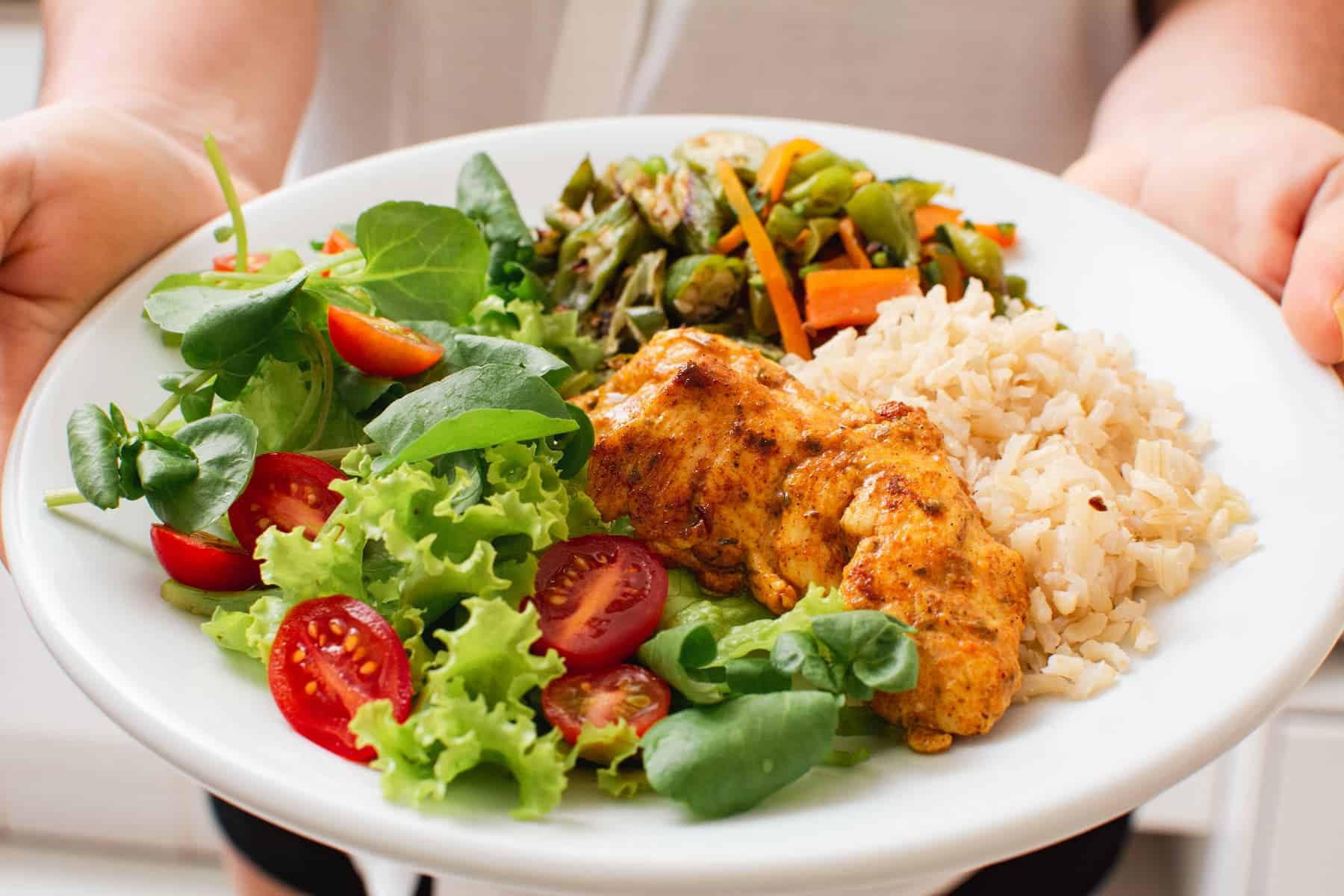
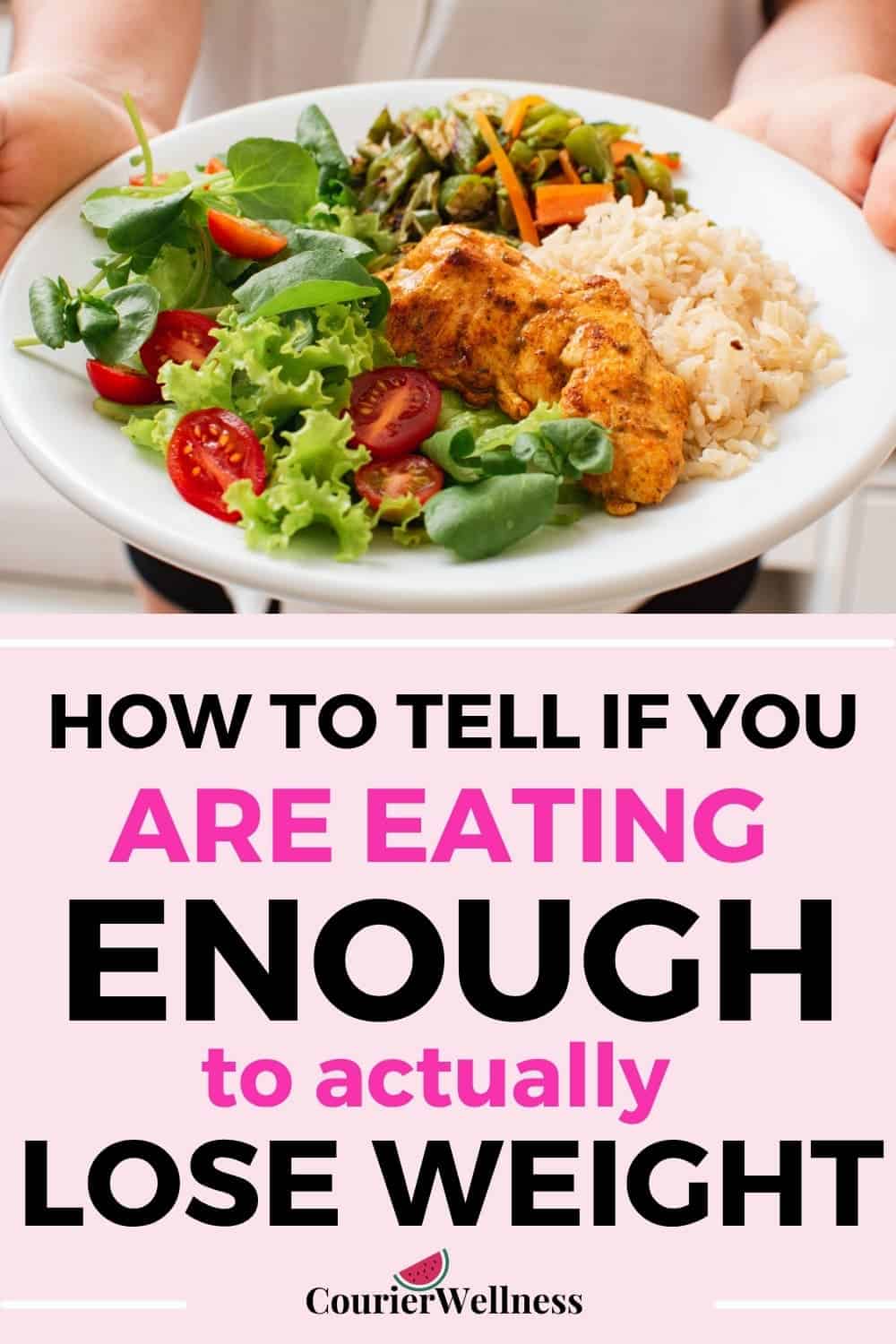
Here’s what a balanced plate might include:
- Protein: chicken, turkey, eggs, beans, Greek yogurt
- Healthy Fats: olive oil, avocado, nuts, seeds, full-fat dairy
- Fiber-rich Carbs: sweet potatoes, oats, fruit, legumes, veggies
- Volume foods: leafy greens, cucumbers, peppers, zucchini
- Hydration: plenty of water and herbal teas
A Simple Rule of Thumb: Each meal should leave you feeling satisfied—not stuffed or starving.
RELATED POST: The Complete Guide to Healthy Eating: Nourish Your Body for Life
Still Not Sure If You’re Eating Enough?
Here are a few questions to ask yourself:
- Am I skipping meals or undereating during the day… then overeating at night?
- Do I feel guilty when I eat a full plate of food—even if it’s healthy?
- Have I been eating “clean” but still struggling to lose weight or feel energized?
- Do I often feel lightheaded, dizzy, or shaky between meals?
- Do I dread social situations with food because I’m afraid I’ll “mess up”?
If you answered yes to any of these—your body might be telling you it needs more food, not less.
Focus on Eating Better, Not Less
When I started making small changes—like cutting out hidden sugars, choosing full-fat foods, and cooking more meals at home—I wasn’t trying to eat less.
Instead, I focused on eating better.
And the difference was huge:
- I ate until I was truly full
- I stopped fearing healthy fats and carbs
- My cravings faded away
- And I lost weight without ever feeling restricted or deprived
Sometimes, the key isn’t eating less—it’s eating enough of the right stuff.
RELATED POST: How I Lost Weight Without Dieting (and Felt Better Than Ever)
A Quick Self-Check: Is Your Body Underfed?
Take a moment to think about your meals over the last 2–3 days.
Ask yourself:
- Did each meal include protein, healthy fats, and fiber?
- Did I eat at least 3 satisfying meals a day?
- Was I skipping meals to “save calories”?
- Was I ignoring or trying to suppress my hunger cues?
If you notice long gaps between meals, small portions, or missing food groups, it might be time to add more nourishment—not take more away.
Your body deserves fuel that supports your goals—not starvation.
What to Do If You Think You’re Not Eating Enough
The good news?
You don’t have to change everything overnight.
Start small with these simple steps:
1. Add Protein to Every Meal
Protein is your best friend when it comes to feeling full, supporting muscle health, and giving your metabolism a little boost.
Aim to include around 20–30 grams of protein in each meal—you’ll notice the difference in your energy and satisfaction.
If you want, you can also add a protein powder for convenience—but just remember, supplements aren’t meant to replace real food. They’re meant to be in addition to an already healthy, balanced meal.
A clean option is Naked Whey (Grass-Fed, Unflavored) available on Amazon, which has no additives, sweeteners, or artificial ingredients—just pure whey protein from grass-fed cows.
2. Don’t Fear Healthy Fats
Healthy fats help your body absorb nutrients, balance hormones, and keep you feeling satisfied.
Foods like avocado, nuts, and olive oil are great—but remember, eating too much of any fat, even healthy ones, can lead to weight gain. So, moderation is key.
RELATED POST: The Amazing Health Benefits of Olive Oil
3. Eat Enough Carbs (Yes, Really)
Carbs often get a bad rap, but they’re essential—especially when they come from whole food sources.
Think fruits, oats, sweet potatoes, or pantry staples like Bob’s Red Mill Organic Tri-Color Quinoa, Arrowhead Mills Organic Chickpeas, and Arrowhead Mills Organic Red Lentils.
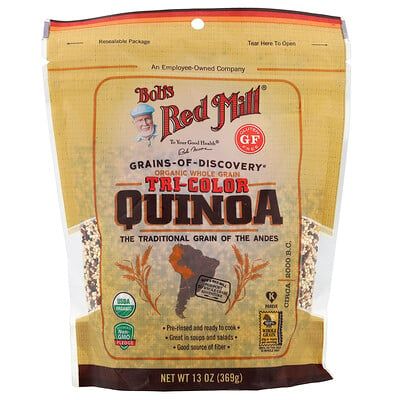
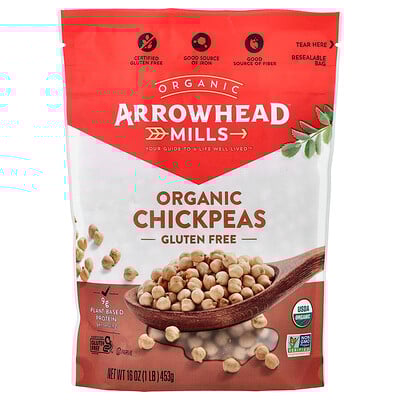
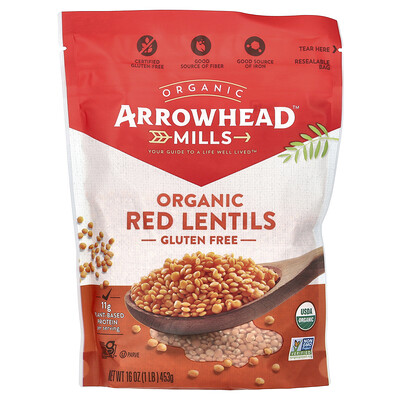
These carbs fuel your brain, support your workouts, and help keep your energy steady throughout the day.
Choosing high-quality, nutrient-dense options makes it easier to trust your hunger signals and feel satisfied.
RELATED POST: Do You Fear Eating Carbs? Learn How to Overcome It
4. Listen to Your Hunger
Think of hunger as your body’s helpful signal—not something to fight or ignore. When you’re hungry, go ahead and eat. When you feel full, take a pause.
The more you focus on healthy, whole foods, the easier it becomes to trust your body’s signals again.
Unlike ultra-processed foods, which can confuse your hunger cues and leave you feeling out of control, real food helps your body know exactly what it needs.
5. Track Energy, Not Just Weight
Weight is just one piece of the puzzle. Pay attention to how you feel instead.
- Are you waking up with more energy?
- Are your workouts getting stronger?
- Do you feel calmer and less anxious around food?
These signs show you’re on the right track—even if the scale isn’t moving as fast as you want.
Final Thoughts
Remember, eating enough isn’t about strict rules or endless restriction—it’s about truly nourishing your body so it can work with you, not against you.
When you focus on quality foods, listen closely to your hunger signals, and pay attention to how you feel—not just the number on the scale—you’re setting yourself up for real, lasting success.
Weight loss isn’t a race or a punishment. It’s a journey that requires patience, kindness, and trust in your own body’s wisdom.
Some days will be easier than others, and that’s okay. What matters is that you keep moving forward, one meal, one day at a time.
Your body is smarter and more adaptable than you realize.
When you start giving it what it truly needs—enough food, the right nutrients, and care—it will reward you in ways beyond just pounds lost. More energy, better mood, improved sleep, and a stronger, healthier you.
So take a deep breath, be kind to yourself, and remember: sustainable change comes from eating enough to fuel your best life.
*This article is for informational purposes only and is not intended as medical advice. It should not be used to diagnose, treat, or prevent any health condition. Always consult a qualified healthcare professional before making any changes to your diet, exercise, or health routine.
Azzolino, Domenico et al. “Nutritional Status as a Mediator of Fatigue and Its Underlying Mechanisms in Older People.” Nutrients vol. 12,2 444. 10 Feb. 2020, doi:10.3390/nu12020444. Adapted and used under the terms of the Creative Commons Attribution 4.0 International License.
Foster, Gary D., et al. “Controlled Trial of the Metabolic Effects of a Very-Low-Calorie Diet: Short- and Long-Term Effects.” The American Journal of Clinical Nutrition, vol. 51, no. 2, 1990, pp. 167–72. Oxford Academic, https://doi.org/10.1093/ajcn/51.2.167. Abstract only.
Kelly, Paul. “Starvation and Its Effects on the Gut.” Advances in nutrition (Bethesda, Md.) vol. 12,3 (2021): 897-903. doi:10.1093/advances/nmaa135. Abstract only.
Leigh, Sarah-Jane, and Margaret J Morris. “The role of reward circuitry and food addiction in the obesity epidemic: An update.” Biological psychology vol. 131 (2018): 31-42. doi:10.1016/j.biopsycho.2016.12.013. Abstract only.
Rossi, Mark A, and Garret D Stuber. “Overlapping Brain Circuits for Homeostatic and Hedonic Feeding.” Cell metabolism vol. 27,1 (2018): 42-56. doi:10.1016/j.cmet.2017.09.021.
Sejbuk, Monika et al. “Sleep Quality: A Narrative Review on Nutrition, Stimulants, and Physical Activity as Important Factors.” Nutrients vol. 14,9 1912. 2 May. 2022, doi:10.3390/nu14091912. Adapted and used under the terms of the Creative Commons Attribution 4.0 International License.
Soare, Andreea et al. “Long-term calorie restriction, but not endurance exercise, lowers core body temperature in humans.” Aging vol. 3,4 (2011): 374-9. doi:10.18632/aging.100280. Adapted and used under the terms of the Creative Commons Attribution 4.0 International License.

Linda is the co-founder of Courier Wellness and holds a Diploma in Natural Health Nutrition & Diet. Her passions include photography, food, and travel, where she derives inspiration from diverse cultures and their holistic approaches to well-being. She is committed to helping others make informed, nourishing choices for a healthier life.