How to Make Healthy Food Choices That Help You Lose Weight
This post contains affiliate links, which means we may earn a commission if you purchase through our links—at no extra cost to you. As an Amazon Associate we earn from qualifying purchases. We only recommend products we use or trust. Learn more about affiliate marketing or read our full disclosure.
If you’re done with the endless cycle of cutting calories, restarting every Monday, or sticking to restrictive diets that just don’t last—you’re definitely not alone.
Most women are smart, self-aware, and want to feel better in their bodies—but they’re exhausted by the noise of dieting.
Here’s the good news: You can lose weight naturally, without dieting, simply by learning how to make healthy food choices that actually support you—not stress you out.
In this article, I’ll walk you through how to shift from dieting to nourishing your body, with easy, effective tweaks that make a real difference in how you look and feel.
Ready? Let’s dive in!
Why Dieting Doesn’t Work
Before we jump into what to eat, it’s important to understand why so many approaches fail.
Dieting often means:
- Cutting calories too low
- Obsessing over “good” and “bad” foods
- Ignoring hunger signals
- Creating a binge–restrict cycle
Sound familiar?
And while it might work short-term, most women end up gaining the weight back—often with more guilt and stress than when they started.
Here’s the truth most plans won’t tell you: Your body doesn’t need punishment.
It needs rhythm, consistency, and nourishment. When you make healthy food choices from a place of care—not control—you start to feel better, naturally.
What Does Work? Eating Better, Not Less
Here’s the shift that actually changes things: Instead of eating less, start eating better.
When you make healthy food choices that support your energy, balance your hormones, fuel your metabolism, and actually honor your hunger—you create the conditions your body needs to let go of extra weight naturally.
And no, this doesn’t mean eating perfectly or giving up everything you love.
It means learning how to build meals and habits that are:
This is how you move away from dieting and toward a way of eating that feels sustainable, nourishing, and yes—enjoyable.
RELATED POST: The Ultimate Guide to Sustainable Weight Loss: Eat Better, Not Less
5 Healthy Food Shifts That Support Natural Weight Loss
You don’t need a strict plan to start feeling better in your body—you just need a few simple shifts.
Here are five powerful ways to make healthy food choices that support natural, sustainable weight loss—no dieting, counting, or obsessing required:
1. Upgrade Your Carbs (Don’t Eliminate Them)
Carbs often get blamed for weight gain, bloating, and energy crashes—but the real issue isn’t carbs themselves. It’s the type of carbs most people are eating.
You don’t need to cut out carbohydrates to lose weight or feel good.
In fact, your body needs carbs for energy, brain function, hormone balance, and even digestion.
The key is to choose carbs that actually support your body rather than spike your blood sugar and send you crashing an hour later.
Here’s the difference:
- Refined carbs—like white bread, sugary cereals, crackers, muffins, and ultra-processed snacks—digest quickly, spike your blood sugar, and leave you feeling tired, hungry, and craving more sugar or caffeine shortly after eating.
- Whole-food, slow-digesting carbs do the opposite. They break down more gradually, giving you steady energy and helping you stay full longer. They’re also loaded with nutrients, fiber, and plant compounds that your body thrives on.
What Research Says
Whole-food, fiber-rich carbs feed beneficial gut bacteria, supporting digestion, mood, and overall health. In contrast, refined carbs—like sugary snacks and white bread—can cause energy crashes, cravings, and increase the risk of metabolic problems.
Try swapping:
- White bread → sprouted grain or sourdough
- Sugary cereal → steel-cut oats with chia and almond butter
- Chips or crackers → roasted sweet potatoes or quinoa
- Muffins or pastries → homemade energy bites with oats, nuts, and dates
Why this works:
Whole food carbs digest more slowly, which keeps your blood sugar steady and helps you avoid the crash–crave–snack cycle.
That means more energy, fewer cravings, and better results.
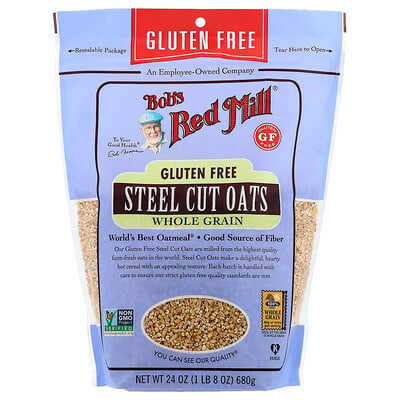
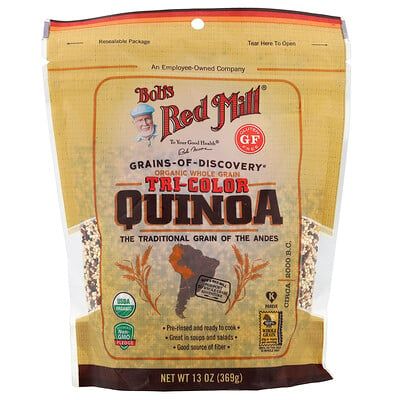
If you’re seeking pantry essentials to create easy, balanced meals, I highly recommend Bob’s Red Mill Steel Cut Oats for a nutritious breakfast, and Bob’s Red Mill Quinoa for a wholesome lunch (available on iHerb).
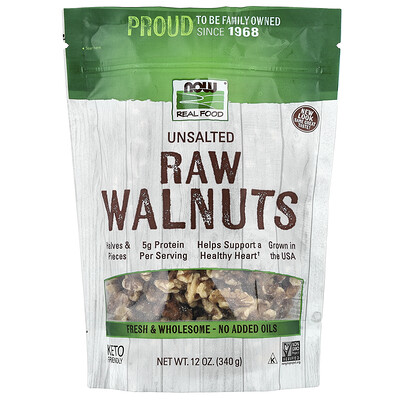
For a healthy homemade granola, I love using Raw Walnuts from Now Foods—they add the perfect crunch and flavor!
These are easy, affordable ways to add balance and nourishment to your meals.
2. Build Every Meal with the 3-S Framework
One of the easiest ways to make healthy food choices without overthinking it is to follow a simple formula I call the 3-S Framework:
Protein + Healthy Fat + Fiber-rich Carbs (plus veggies!).
This combo keeps you satisfied, supports balanced blood sugar, and gives your body the fuel it actually needs—not just quick fixes that leave you hungry an hour later.
Here’s what each “S” does:
- Protein = Satiety. It helps you feel full, keeps cravings in check, and supports lean muscle (which boosts your metabolism). Most women under-eat protein without realizing it.
- Healthy Fat = Stability. Fats like avocado, nuts, olive oil, and seeds help stabilize blood sugar and support hormone health—especially important if you deal with energy crashes, mood swings, or irregular cycles.
If you’re looking for top-quality olive oil, Olive Oil Lovers delivers the real deal, made from the finest olives.
Some standout options include:
- Entelia Extra Virgin Olive Oil – excellent value without compromising flavor.
- Oro Bailen Reserva Familiar Picual – internationally acclaimed for its award-winning taste.
- Quattrociocchi Superbo Organic – rich in polyphenols for maximum health benefits.
A drizzle over salads, roasted vegetables, or grains instantly elevates both flavor and nutrition.


- Slow-burning Carbs + Veggies = Satisfaction. Fiber-rich carbs (like quinoa, sweet potatoes, oats, and legumes) give you energy and help your meals feel complete. Paired with non-starchy veggies, they support digestion, gut health, and that “I’m good—I don’t need to snack” feeling after eating.
What this looks like in real life:
- Breakfast: 2 eggs + sautéed greens + avocado + sourdough toast
- Lunch: Grilled chicken or chickpeas + roasted veggies + quinoa + drizzle of olive oil
- Snack: Apple with almond butter, or Greek yogurt with flaxseeds and berries
Why this works:
When you make healthy food choices using this simple structure, you stay full longer and your energy stays steady.
And those late-night snack attacks?
Way less tempting.
3. Stop Grazing All Day
You’ve probably heard the old advice: “Eat small meals throughout the day to keep your metabolism going.”
But here’s the thing—constant grazing usually does the opposite of what we want.
Instead of feeling energized and balanced, it often leads to:
- Feeling hungry all the time
- Never getting truly satisfied
- Poor digestion and constant bloating
- A rollercoaster of blood sugar highs and lows
When you’re always snacking or nibbling, your body never gets the chance to fully digest, reset, or regulate your hunger hormones properly.
You’re also more likely to eat mindlessly—grabbing something out of habit, boredom, or stress rather than true hunger.
What Research Says
Grazing all day tends to increase total calorie intake and can affect diet quality. Morning grazing is linked to healthier choices—like more fruit, whole grains, and protein—while evening grazing often involves sugary or fatty foods that lower overall nutrition.
What works better: Shift to eating three solid, satisfying meals a day, with one optional snack if needed.
This gives your body a chance to:
Why this works:
When you make healthy food choices that truly satisfy you—meals that include protein, fat, fiber, and complex carbs—you don’t need to snack all day.
Your metabolism and hormones function better with rhythm and consistency, not a constant stream of food.
Plus, eating real meals gives you a chance to slow down, enjoy your food, and feel more connected to what your body actually needs.
4. Drink With Your Body, Not Against It
When it comes to weight loss and energy, we tend to focus on food—but what you drink can make just as much of a difference.
Some drinks seem harmless (or even healthy), but they can quietly sabotage your progress with hidden sugars, artificial ingredients, and more caffeine than your body actually wants.
Here’s what can happen:
- Sugary drinks—like store-bought smoothies or flavored coffee drinks—can spike your blood sugar and leave you crashing an hour later.
- Artificial sweeteners in diet sodas may disrupt gut health and confuse hunger cues.
- Excess caffeine can mess with cortisol (your stress hormone), which affects sleep, appetite, and fat storage—especially around your belly.
What Research Says
Sugary drinks are a major source of hidden calories and added sugar, linked to weight gain, diabetes, and heart disease.
But don’t worry—this isn’t about giving up caffeine completely. I drink 1–2 cups of coffee a day myself.
The goal is to enjoy it mindfully, and not rely on it to power through fatigue or cravings. It’s more about supporting your body with what you’re sipping—not overwhelming it.
Instead of:
- Diet sodas or energy drinks
- Sugary smoothies or bottled iced coffees
- Fancy coffee shop drinks packed with syrup
Try this instead:
Why this works:
When you make healthy food choices, your drinks count too.
Hydration supports digestion, appetite regulation, mental clarity, and even metabolism—but only if what you’re drinking actually supports your body.
So instead of drinking on autopilot, ask yourself: “Is this helping me feel how I want to feel?” That small shift can make a big difference.
5. Use Add-Ins, Not Take-Aways
Here’s a mindset shift that can completely change your relationship with food:
Instead of asking: “What do I need to cut out?”
Start asking: “What can I add in that will support how I want to feel?”
This one simple question helps take the pressure off restriction and moves you toward nourishment—without guilt, without obsessing, and without feeling like you’re missing out.
Try adding more of these into your meals:
- Leafy greens like arugula, spinach, or kale (throw them into smoothies, eggs, or bowls).
- Healthy fats like avocado, tahini, nuts, seeds, and cold-pressed olive oil (they help you stay full and support hormones).
- Fiber-rich foods like berries, beans, chia seeds, flaxseeds, and colorful veggies (these keep digestion happy and reduce cravings).
- Satisfying protein like eggs, Greek yogurt, tofu, salmon, or chicken (protein is a game changer for feeling full and steady between meals)
Why this works:
When you make healthy food choices by focusing on what you can add, you naturally crowd out the processed, less nourishing stuff—without the stress of deprivation.
Your meals become more colorful, more satisfying, and more in tune with what your body actually needs.
Plus, it feels way better mentally. You’re not constantly saying “no” to yourself—you’re simply saying “yes” to more foods that help you thrive.
Why Restriction Doesn’t Work
Sustainable change doesn’t come from restriction. It comes from building a way of eating that you can actually enjoy—and stick with.
Research shows that attempting to restrict certain foods can actually increase cravings, making overeating more likely.
This helps explain why balanced, satisfying meals naturally curb the urge to snack, without the stress of obsessing over tiny portions.
If you’re looking to feel even better and support your gut health, making homemade yogurt is such a game-changer.
I swear by my Luvele Pure Yogurt Maker—it makes the whole process super easy, and the yogurt turns out delicious every time.
Trust me, you don’t want to underestimate the power of a healthy gut. A lot of people don’t realize that gut health is linked to so many things, including weight.
Poor gut health can actually make it harder to maintain a healthy weight.
But the good news?
Making your own yogurt is a simple way to start taking control of your health—and I’ve honestly never felt better since I started doing it.
editor’s choice
Luvele Pure Yogurt Maker

This simple and high-quality yogurt maker has advanced water-bath technology, which ensures even and consistent temperatures for thick, probiotic-rich yogurt.
Key features:
*We may earn a commission at no extra cost to you.
Want to learn more about Luvele’s yogurt makers? Check out our full review below.
RELATED POST: Luvele: Why It’s The Best Yogurt Maker For Gut Health
But What About Portion Control?
If you’ve ever felt like you’re constantly overeating or worried that your portions are too big—you’re not alone. Portion control has been drilled into us as the “magic fix” for weight loss.
But here’s what most diets get wrong: it’s not just about how much you’re eating. It’s why and what you’re eating that really matters.
Most women don’t overeat because they lack discipline.
They overeat because:
- Their meals aren’t truly satisfying—missing key nutrients like protein, healthy fats, or fiber.
- They’re stressed, overwhelmed, or emotionally drained, and food becomes a quick comfort.
- They’ve been stuck in a restrict–binge cycle, where “eating clean” all day turns into “snack everything in sight” at night.
Sound familiar?
Here’s the truth most diet plans don’t tell you: When you make healthy food choices—built on real, nutrient-dense, satisfying meals—you naturally feel full on less.
Your body gets what it needs, and the constant urge to snack or “graze just a little more” fades.
So instead of obsessing over your portions, try this:
Why this works:
When you nourish your body with intention, your appetite becomes more predictable, and eating becomes a lot less complicated.
You don’t need to eat tiny portions to lose weight—you just need food that truly satisfies you.
You Don’t Have to Be Perfect—Just Consistent
Here’s something I remind my readers all the time: One “off” meal doesn’t ruin your progress. But one nourishing meal can restart it.
Let that sink in.
Healthy eating isn’t about being perfect. It’s not about rigid rules, guilt, or trying to eat clean 100% of the time.
It’s about stacking small, supportive choices, day by day, until they become your new normal.
Your body doesn’t need you to overhaul everything overnight. It just needs consistency—enough rhythm and nourishment to feel safe letting go of the extra weight it’s been holding onto.
So start small. Start simple. Start where you are.
Try this:
These may seem like little things, but they’re not. They’re momentum-builders.
Each choice sends a message to your body: “I’m taking care of you now.”
And when you make healthy food choices from that place—not from guilt or pressure, but from self-respect—your body responds. Not with resistance, but with results.
RELATED POST: 9 Sustainable Weight Loss Habits That Will Transform Your Life
Final Thoughts
Making healthy food choices doesn’t have to feel like a punishment or a project.
It can be simple, supportive, and even enjoyable—once you let go of the “all or nothing” mindset that dieting teaches us.
You don’t need to be perfect to see progress. You just need to be consistent enough to give your body the nourishment, rhythm, and care it’s been asking for.
Remember, small changes add up.
You don’t have to overhaul your entire life to feel better in your body—you just need to start where you are. Add a little more protein to your plate. Upgrade one snack. Drink water before that second cup of coffee.
These aren’t just healthy habits—they’re small acts of self-respect.
Most importantly, give yourself grace. Progress isn’t measured in calories or scale numbers—it’s measured in energy, confidence, and how empowered you feel around food.
Keep showing up. Keep choosing yourself. That’s where real change begins.
*This article is for informational purposes only and is not intended as medical advice. It should not be used to diagnose, treat, or prevent any health condition. Always consult a qualified healthcare professional before making any changes to your diet, exercise, or health routine.
Hill, Andrew J. “The Psychology of Food Craving: Symposium on ‘Molecular Mechanisms and Psychology of Food Intake.’” Proceedings of the Nutrition Society 66.2 (2007): 277–285, doi:10.1017/S0029665107005502. Abstract only.
Malik, Vasanti S, and Frank B Hu. “The role of sugar-sweetened beverages in the global epidemics of obesity and chronic diseases.” Nature reviews. Endocrinology vol. 18,4 (2022): 205-218. doi:10.1038/s41574-021-00627-6. Abstract only.
Zeballos, Eliana, and Carolyn Chelius. “The effects of grazing on daily caloric intake and dietary quality.” The international journal of behavioral nutrition and physical activity vol. 18,1 163. 18 Dec. 2021, doi:10.1186/s12966-021-01226-4. Adapted and used under the terms of the Creative Commons Attribution 4.0 International License.

Malin, the co-founder of Courier Wellness, is well-informed in nutrition and health and brings her own unique perspective to the world of holistic wellness. With a passion for writing and a deep interest in wellbeing, she wants to create content that fosters balance and nourishment for the mind and body.