The Importance Of Healthy Food: 5 Amazing Benefits You Need To Know
This post contains affiliate links, which means we may earn a commission if you purchase through our links—at no extra cost to you. As an Amazon Associate we earn from qualifying purchases. We only recommend products we use or trust. Learn more about affiliate marketing or read our full disclosure.
We’ve all heard that healthy eating is “good for us”—but what does that really mean in our day-to-day lives?
Sure, it’s about getting the right nutrients, but the importance of healthy food goes way beyond that.
It’s about how you feel, how much energy you have, and how your body supports you through everything from busy mornings to big life moments.
When you start choosing more whole, natural foods over ultra-processed ones, amazing things can happen—like better focus, improved mood, and some long-term health benefits that might actually surprise you.
In this article, I’m going to walk you through five powerful ways healthy eating can totally upgrade your life.
Ready to feel your best from the inside out?
Let’s dive in!
What is Healthy Food?
When we talk about healthy food, we’re really talking about eating things that are as close to their natural form as possible. Think fresh fruits and veggies, whole grains, nuts, seeds, and lean proteins like fish, eggs, and unprocessed meats.
These are the foods your body actually recognizes and knows what to do with.
They’re packed with all the good stuff—carbs for energy, protein for muscle and cell repair, healthy fats for brain function, plus vitamins and minerals that keep everything running smoothly.
SAVE THIS PIN FOR LATER!
Be sure to save this post by pinning the image to your Pinterest board. I’ll be updating it regularly, so you can easily come back to explore this topic further!
Now, let’s talk about the not-so-great stuff: ultra-processed foods.
These are the snacks and meals that have been heavily altered with preservatives, flavorings, and additives to make them last longer or taste more appealing.
Some common culprits include:
- Packaged chips and cookies
- Sugary sodas and sports drinks
- Frozen dinners
- Shelf-stable canned meals
Sure, they’re convenient. But here’s the thing: they often come loaded with added sugar, salt, and unhealthy fats—and they’re usually stripped of the nutrients your body actually needs.
Related Article: Rediscovering Real Food in a World of Ultra-Processed Convenience»
Over time, relying too much on processed foods can zap your energy, mess with your digestion, and even affect your mood and long-term health. On the flip side, real, wholesome food fuels your body the way nature intended—keeping you energized, focused, and feeling your best.
So, if you’re thinking about making a few changes in your diet, starting with whole foods is a powerful first step.
And the benefits?
They’re seriously worth it.
5 Amazing Health Benefits of Real Food
Here’s the truth: the food you eat plays a huge role in how you feel—physically, mentally, and even emotionally. Swapping out ultra-processed snacks for more real, wholesome foods isn’t about perfection; it’s about progress.
And the payoff?
Totally worth it.
While healthy, natural foods work with your body to support your energy, digestion, and immune system, ultra-processed foods often do the opposite—leading to things like bloating, inflammation, and gut issues that can really drag you down.
So, what happens when you start filling your plate with real food?
Related Article: The Truth Behind Ultra-Processed Foods and Its Impact on Health»
Here are five powerful benefits you might notice:
1. It Boosts Your Nutrition Intake
If there’s one thing your body absolutely loves, it’s real, nutrient-packed food.
Whole foods—like fresh veggies, fruits, whole grains, and lean proteins—are loaded with the vitamins, minerals, fiber, and antioxidants your body needs to function at its best.
This is exactly why the importance of healthy food can’t be overstated. These natural nutrients don’t just keep you going—they support your immune system, help you focus, balance your mood, and keep everything from your skin to your digestion in check.
Now compare that to ultra-processed foods, which often lose most of their nutritional value thanks to heavy refining and artificial additives.
For example, when you choose whole grains over refined ones, you’re keeping all that good stuff—like fiber, B vitamins, and healthy fats—that usually gets stripped away.
So when you choose real food, you’re not just eating—you’re nourishing your body on a deeper level. And it definitely notices.
Get the eBook
Join now to receive our FREE ebook on how to create a healthy relationship with food.

2. It Lowers Your Risk of Chronic Diseases
Here’s something powerful: what you put on your plate today can shape your health for years to come. A diet full of whole, real foods can seriously lower your risk of chronic illnesses like heart disease, type 2 diabetes, and even some cancers.
That’s just one more reason the importance of healthy food is something we really shouldn’t overlook.
When you fill your meals with fruits, veggies, whole grains, and lean proteins, you’re naturally cutting back on the stuff that contributes to long-term health issues—like added sugars, trans fats, and too much sodium.
For example, eating more fiber-rich foods like beans and leafy greens can help lower cholesterol and stabilize blood sugar levels, which is a big win for heart and metabolic health.
Every time you choose real, nutrient-dense food, you’re doing more than just eating well—you’re taking care of your future self.
3. It Boosts Your Digestive Health
Let’s talk about something we all deal with—digestion. When your gut’s happy, you’re happy.
And one of the best ways to support your digestive system is by eating more whole, healthy foods that are naturally rich in fiber. Fiber helps keep things moving by adding bulk to your stool, preventing constipation, and supporting regular, comfortable digestion.
But that’s not all—some healthy foods go a step further.
Fermented options like yogurt, kefir, and sauerkraut are full of probiotics, the “good” bacteria your gut loves.
These helpful microbes support a balanced microbiome, which can improve everything from your digestion to your immune system.
Personally, one of my favorite ways to get probiotics is by making my own yogurt at home using the Luvele Pure Yogurt Maker. It’s super easy to use, and I love knowing exactly what’s going into my food—no hidden sugars or additives. The yogurt comes out thick, creamy, and full of those gut-friendly probiotics.
my top pick for gut health
Luvele Pure Yogurt Maker

This simple and high-quality yogurt maker has advanced water-bath technology, which ensures even and consistent temperatures for thick, probiotic-rich yogurt.
Key features:
If you’re looking to give your digestive health a natural boost, I can’t recommend it enough! For a more in-depth review, check out my full Luvele yogurt maker review here.
4. It Helps with Weight Management
If you’ve ever felt like you’re constantly battling cravings or never quite feeling full, your food choices might have something to do with it.
One of the best-kept secrets to managing your weight?
Eating more whole, healthy foods.
Real food tends to be less calorie-dense but way more nutrient-dense. That means you can enjoy generous, satisfying portions without overloading on empty calories.
And because these foods are packed with fiber, protein, and healthy fats, they help keep you fuller for longer—so you’re not constantly reaching for snacks an hour later.
Whole foods also give your body the balance it needs—carbs for energy, protein for muscle support, and healthy fats for satiety—plus all the vitamins and minerals that keep your metabolism humming.
The best part?
You don’t have to count every calorie or give up the foods you love. Just by adding more real, nourishing options to your plate, you’ll naturally support your weight goals without feeling restricted or deprived.
5. It Benefits Your Mental Well-Being
Here’s something that often gets overlooked: the food you eat doesn’t just affect your body—it also has a major impact on your mind.
In fact, research shows that diets high in ultra-processed foods are linked to an increased risk of anxiety and depression. But the opposite is true, too—eating more whole, unprocessed foods can actually help lift your mood.
That’s where the importance of healthy food really shines. Your brain needs proper fuel to function well, and real food delivers the nutrients it craves.
Take nuts, for example—Brazil nuts and almonds are packed with mood-boosting nutrients like omega-3s, magnesium, and selenium. These are all essential for brain health and emotional balance.
Add in a colorful mix of fruits and veggies, plus some fatty fish like salmon, and you’ve got a recipe for better focus, calmer energy, and more stable moods.
So if you’re looking for a natural way to care for your mental health, what you put on your plate is a great place to start. Healthy eating really is self-care—inside and out.
Related Article: How to Improve Your Mental Health by Reducing Ultra-Processed Food»
The Environmental Impact of Choosing Healthy Food
Healthy eating isn’t just good for you—it’s good for the planet, too. Choosing whole, real foods (especially local and seasonal ones) helps cut down on the energy, packaging, and emissions tied to ultra-processed foods.
It’s a small shift that can make a big difference—for your health and the environment.
Let’s take a look at how making smarter food choices can be a win for both you and the planet:
1. Reduced Carbon Footprint
Did you know that the food choices you make can help reduce your carbon footprint?
Ultra-processed foods require a ton of energy to produce, package, and ship, all of which contribute to pollution and greenhouse gases.
Whole, fresh foods—especially those grown locally—have a much smaller environmental impact. Locally grown produce doesn’t need to travel far, so there’s less fuel and refrigeration required.
By choosing more healthy, locally-sourced foods, you’re helping lower emissions and doing your part for the planet.
SAVE THIS PIN FOR LATER!
Be sure to save this post by pinning the image to your Pinterest board. I’ll be updating it regularly, so you can easily come back to explore this topic further!
2. Less Packaging Waste
One of the often-overlooked perks of choosing healthy food is the reduction in packaging waste.
Have you ever stopped to think about how much plastic comes with processed snacks and meals?
It adds up fast and contributes to the growing problem of plastic pollution.
On the other hand, fresh, whole foods like fruits and veggies usually come with little to no packaging—especially when you buy them in their natural form.
So, by opting for more real food, you’re not only nourishing your body but also cutting down on unnecessary waste.
If you really want to take it a step further, I recommend using eco-friendly shopping tools like the BeeGreen Reusable Grocery Bags (available on Amazon). They’re perfect for carrying all your healthy food without the need for disposable plastic bags.
And if you’re buying fresh produce, the Earthwise Reusable Mesh Produce Bags (also available on Amazon) are a great choice to keep everything organized and waste-free.
By making these small changes, you can make a big difference in reducing packaging waste while filling your basket with fresh, whole foods.
It’s an easy way to be more mindful of both your health and the planet!
3. More Sustainable Farming Practices
Making healthier food choices also means supporting farming practices that are better for the planet. When you buy from local and organic farms, you’re backing methods that prioritize sustainability and environmental health.
Farms that use crop rotation, composting, and avoid harmful pesticides help keep soil healthy, reduce water pollution, and protect biodiversity.
These practices ensure farming can thrive for generations without damaging the land.
You can also support sustainability at home! For example, composting your kitchen scraps is an easy way to cut down on waste and create nutrient-rich compost for your garden.
If you’re new to composting, I personally recommend the 4L Electric Composter for Kitchen, Smart Compost Bin by Fylecen (available on Amazon). This makes composting so easy, turning your food scraps into valuable compost without the hassle.
By supporting sustainable farms and composting at home, you’re helping create a more sustainable food system—and it’s easier than you think.
4. Preservation of Biodiversity
Ultra-processed foods often come from monoculture farming, where huge areas of land are dedicated to just one crop.
While it might seem efficient, this practice depletes the soil and reduces plant and animal diversity, which harms the local ecosystem.
In contrast, local and organic farms that produce healthy food focus on biodiversity. These farms grow a variety of crops, helping maintain healthy soil and creating habitats for wildlife.
By choosing healthy, locally grown, and organic foods, you’re supporting farming practices that preserve biodiversity—and that’s a win for both the planet and future generations.
It’s a simple way to make a big impact on the environment and ensure a thriving, diverse world for years to come.
How to Incorporate Healthy Food into Your Diet
Eating healthy doesn’t have to be overwhelming—it’s all about making small, mindful changes that add up over time. Once you understand the importance of healthy food, it’s easier than ever to adjust your eating habits for long-term benefits.
The best part?
You don’t have to make huge changes overnight. Even simple shifts can make a big difference in how you feel.
Here are 9 practical tips to help you get started:
1. Support Local Farmers
One of the easiest ways to get fresh, seasonal produce is by supporting your local farmers.
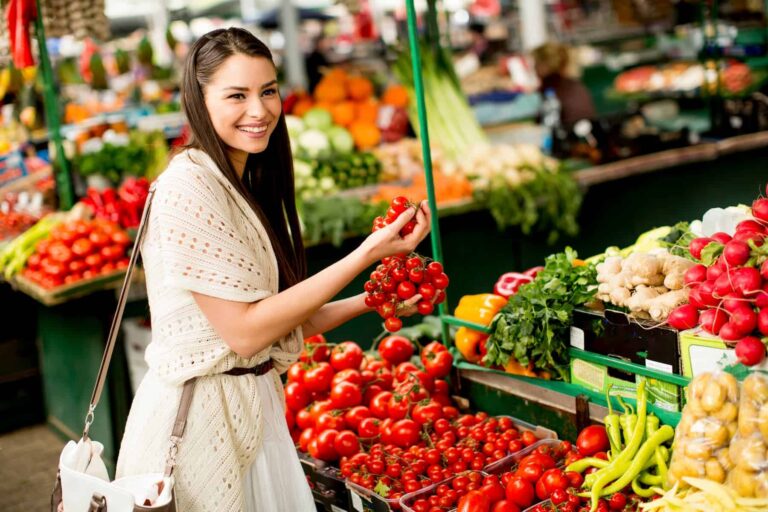
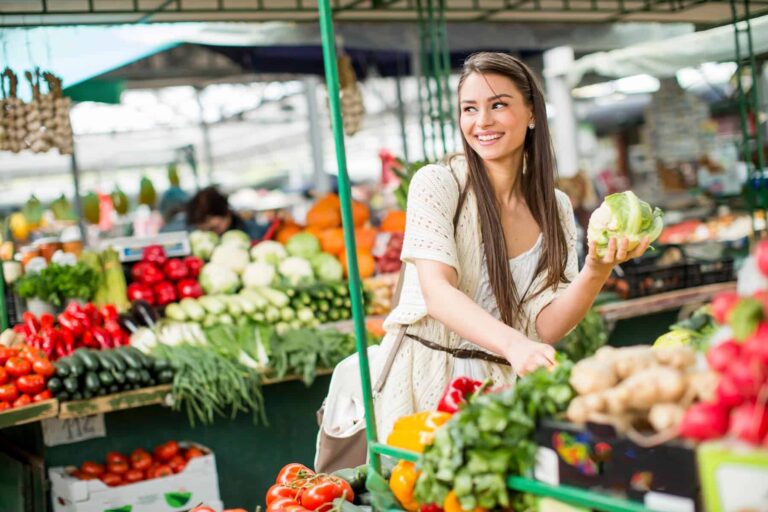
Whether it’s through visiting your local farmers’ market or joining a Community Supported Agriculture (CSA) program, you’re getting high-quality, locally grown food that’s packed with nutrients.
Plus, by choosing local, you’re not just nourishing yourself—you’re also supporting sustainable farming practices in your community, helping the planet one meal at a time.
2. Read Food Labels Carefully
When you’re picking up packaged foods, take a few seconds to read the labels and ingredient lists. Look for items made with real, whole ingredients, and steer clear of those packed with added sugars, preservatives, and unhealthy fats.
By doing this, you’re making sure that your food choices support the health benefits of eating whole, nutritious foods.
Related Article: How to Read Food Labels and Avoid Ultra-Processed Foods»
3. Incorporate More Plant-Based Meals
Experimenting with plant-based meals is a fantastic way to add more nutritious whole foods to your diet. Think beans, grains, and plenty of vegetables!
The best part?
You don’t have to become a vegetarian to reap the benefits. By adding more plant-based options to your meals, you’ll boost your nutrition and reduce your intake of processed meats, which are often linked to health issues.
When you embrace the importance of healthy food, you’ll find a variety of delicious ways to nourish your body for long-term wellness.
4. Choose Whole Grains
Whole grains are a must-have in a healthy diet. Swap out refined grains for options like whole wheat bread, brown rice, quinoa, and oats.
Why?
Because whole grains are loaded with fiber, B vitamins, and essential minerals, all of which help improve digestion and support your metabolism.
Making the switch to whole grains is a simple yet effective way to maintain a balanced, nourishing diet.
5. Opt for Healthier Drinks
Sugary drinks are often packed with empty calories and provide little to no nutritional value.
Instead of reaching for sodas and sugary beverages, try swapping them for healthier options like water, herbal teas, or homemade fruit-infused water.
Your body will thank you for staying hydrated with drinks that are packed with nutrients and support your overall health and well-being.
6. Cook More at Home
Cooking at home gives you full control over what goes into your meals.
By using fresh ingredients, you can whip up delicious, nutritious dishes while avoiding the excess salt, sugar, and unhealthy fats often found in takeout meals.
Plus, cooking at home is not only healthier—it’s also a fun and rewarding way to take charge of your health. It’s a simple way to prioritize the importance of healthy food in your everyday life.
7. Plan and Prep Meals in Advance
Planning and prepping your meals ahead of time is a game-changer when it comes to sticking to a healthy eating routine.
On busy weekdays, you’ll have nutritious meals ready to go, making it easier to avoid the temptation of quick, processed foods. This simple approach ensures you always have wholesome options on hand, even when life gets hectic.
Related Article: How to Do Meal Planning for Beginners»
8. Shop the Perimeter of the Grocery Store
When you head to the grocery store, stick to the perimeter—this is where you’ll find fresh produce, meats, and dairy. The middle aisles are usually filled with processed and packaged foods, which can be tempting but aren’t always the healthiest options.
By focusing on the perimeter and choosing whole foods, you’re setting yourself up for healthier choices that support your long-term well-being.
9. Choose Whole Food Snacks
Instead of grabbing chips or candy, try opting for whole food snacks that are both nutritious and satisfying. Fresh fruits, nuts, seeds, and homemade granola bars are all great options.
These snacks are packed with vitamins, minerals, and healthy fats to keep you energized throughout the day, all while reinforcing the importance of healthy food as part of a balanced lifestyle.
By making these simple adjustments to your diet, you’ll start enjoying the many benefits of healthy food.
Remember, small changes lead to big results, and you’ll feel great knowing you’re supporting both your body and the environment.
Related Article: How to Identify Ultra-Processed Foods and Make Healthier Choices»
How to Overcome Challenges of Eating Healthier
Incorporating healthy food into your diet might sound straightforward, but let’s be real—it does come with its own set of challenges. Whether it’s time constraints, cost, or social pressures, sticking to a wholesome diet can sometimes feel like an uphill battle.
But don’t worry! With the right strategies, you can tackle these challenges and make healthy food a natural part of your daily routine.
Here’s how to tackle the most common obstacles:
1. Time Constraints
We all know that preparing meals with whole ingredients can take more time than simply heating up a frozen meal or grabbing fast food.
But here’s the good news: with a little planning and meal prepping, you can save time while still enjoying healthy food.
Investing in meal prep tools, like the M MCIRCO [8-Pack, 29 oz] Glass Meal Prep Containers (available on Amazon), can make a huge difference. These durable, microwave-safe containers are perfect for portioning out meals in advance.
When you stay organized, healthy eating doesn’t have to be a time-consuming task. You can easily enjoy fresh, nutritious meals—even on your busiest days.
2. Cost
Healthy food can sometimes feel more expensive than ultra-processed options, especially if you’re used to buying pre-packaged meals. But don’t let that discourage you—there are ways to manage costs with a bit of strategy.
Buying seasonal produce, shopping in bulk, and supporting local farmers can make healthy eating more affordable.
And here’s the kicker: investing in healthy food now can save you money in the long run. A nutritious diet helps prevent costly medical bills from chronic diseases and improves your overall well-being.
So while the upfront cost might feel higher, you’re actually saving in the bigger picture!
Related Article: Why Ultra-Processed Foods Are More Affordable»
3. Convenience
In today’s fast-paced world, convenience is everything. It’s tempting to grab an ultra-processed snack or meal when you’re rushing between tasks.
But here’s the secret: with just a little prep, you can have healthy food options ready to go at any time.
Products like the MIYCOO Lunch Bag & Lunch Box (available on Amazon) can help you stay on top of healthy eating even during busy days. With multiple compartments and an insulated design, this lunch bag keeps your homemade meals fresh and organized, making it easier to choose real food over processed alternatives.
Get the eBook
Join now to receive our FREE ebook on how to create a healthy relationship with food.
4. Social Situations
Let’s be real—eating out or attending social events can make sticking to your healthy food routine a bit tricky. But that doesn’t mean you have to compromise your health goals.
When dining with friends or family, don’t hesitate to ask about the ingredients or suggest healthier options. You might be surprised at how easy it can be to make nutritious choices, even in social settings.
By planning ahead and communicating your needs, you can enjoy socializing without compromising your health.
5. Taste Preferences
Healthy food might not seem as exciting as ultra-processed snacks loaded with sugar, salt, and unhealthy fats.
These processed foods are often designed to be addictive, and over time, they can affect your taste buds.
But here’s the good news—your taste buds can adapt!
Start by gradually adding more healthy foods to your meals and experimenting with different spices and flavors. As you continue, you’ll notice your cravings shift, and you’ll begin to genuinely enjoy the natural tastes of wholesome ingredients.
The importance of healthy food becomes even clearer as your body responds positively to real, nourishing foods.
Final Thoughts
Choosing healthy food over ultra-processed or convenience foods brings incredible benefits for both your body and mind.
While it may take some effort and determination to navigate the challenges of making the switch, the long-term rewards are absolutely worth it.
Today, many people are facing health and weight struggles, and one of the biggest contributors is our diet.
By understanding the importance of healthy food, you’re giving your body the essential nutrients it needs to thrive—helping you feel better, both inside and out.
And it’s not just about your health; by supporting local farmers and making sustainable food choices, you’re also contributing to a healthier planet.
Think about it this way: you’re going to live in your body for a long time, so why not fuel it with the best? After all, it’s the only one you’ve got.
So start incorporating more healthy food into your diet today, and see how it transforms your life!
*This article is for informational purposes only and is not intended as medical advice. It should not be used to diagnose, treat, or prevent any health condition. Always consult a qualified healthcare professional before making any changes to your diet, exercise, or health routine.
Cena, Hellas, and Philip C Calder. “Defining a Healthy Diet: Evidence for The Role of Contemporary Dietary Patterns in Health and Disease.” Nutrients, vol. 12,2 334. 27 Jan. 2020, doi:10.3390/nu12020334. Adapted and used under the Creative Commons Attribution 4.0 International License.
Contreras, Francisca, et al. "Health Benefits Beyond the Scale: The Role of Diet and Nutrition During Weight Loss Programmes" Nutrients 16, no. 21: 3585, 2024, https://doi.org/10.3390/nu16213585.Adapted and used under the Creative Commons Attribution 4.0 International License.
Elizabeth, Leonie et al. “Ultra-Processed Foods and Health Outcomes: A Narrative Review.” Nutrients vol. 12,7 1955. 30 Jun. 2020, doi:10.3390/nu12071955. Adapted and used under the Creative Commons Attribution 4.0 International License.
Giannakourou, Maria C, and Theofania N Tsironi. “Application of Processing and Packaging Hurdles for Fresh-Cut Fruits and Vegetables Preservation.” Foods (Basel, Switzerland) vol. 10,4 830. 11 Apr. 2021, doi:10.3390/foods10040830. Adapted and used under the Creative Commons Attribution 4.0 International License.
Grajek, Mateusz et al. “Nutrition and mental health: A review of current knowledge about the impact of diet on mental health.” Frontiers in nutritionvol. 9 943998. 22 Aug. 2022, doi:10.3389/fnut.2022.943998. Adapted and used under the Creative Commons Attribution 4.0 International License.
Gropper, Sareen S. “The Role of Nutrition in Chronic Disease.” Nutrients, vol. 15,3 664. 28 Jan. 2023, doi:10.3390/nu15030664. Adapted and used under the Creative Commons Attribution 4.0 International License.
Kovacs, B., et al. “The carbon footprint of dietary guidelines around the world: a seven country modeling study.” Nutr J 20, 15 (2021), https://doi.org/10.1186/s12937-021-00669-6. Adapted and used under the Creative Commons Attribution 4.0 International License.
Zhang, Ping. “Influence of Foods and Nutrition on the Gut Microbiome and Implications for Intestinal Health.”International journal of molecular sciences vol. 23,17 9588. 24 Aug. 2022, doi:10.3390/ijms23179588. Adapted and used under the Creative Commons Attribution 4.0 International License.

Malin, the co-founder of Courier Wellness, is well-informed in nutrition and health and brings her own unique perspective to the world of holistic wellness. With a passion for writing and a deep interest in wellbeing, she wants to create content that fosters balance and nourishment for the mind and body.