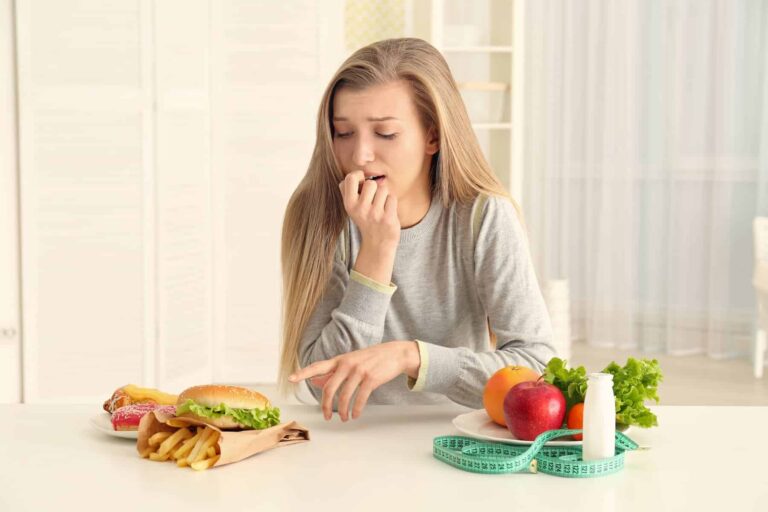
The Truth Behind Ultra-Processed Foods and Its Impact on Health

This post contains affiliate links, which means we may earn a commission if you purchase through our links—at no extra cost to you. As an Amazon Associate we earn from qualifying purchases. We only recommend products we use or trust. Learn more about affiliate marketing or read our full disclosure.
Do you ever find yourself grabbing a quick bag of chips or heating up a frozen meal after a long, hectic day?
It’s easy to fall into the trap of convenience, but have you ever stopped to think about the health risks of regularly consuming ultra-processed foods?
These foods, loaded with added sugars, unhealthy fats, and artificial ingredients, can have a major impact on your health. In fact, regularly eating ultra-processed foods is linked to obesity, heart disease, and a range of other health issues.
In this article, we’re going to uncover the truth behind ultra-processed foods — what they are, how they affect our bodies, and why you might want to rethink your go-to snack.
I’ll also share some simple tips on how to avoid these foods and make healthier choices.
Let’s dive in!
What Are Ultra-Processed Foods?
You’ve probably heard the term “ultra-processed foods” thrown around a lot, but what does it really mean?
Simply put, ultra-processed foods (UPFs) are foods that have been heavily altered from their natural form through industrial processing. They’re packed with artificial ingredients like flavorings, colorings, preservatives, sweeteners, and emulsifiers — things you wouldn’t typically find in your kitchen.
To better understand ultra-processed foods, let’s take a look at the NOVA food classification system created by Brazilian nutritionist Carlos Monteiro.
SAVE THIS PIN FOR LATER!
Be sure to save this post by pinning the image to your Pinterest board. I’ll be updating it regularly, so you can easily come back to explore this topic further!

It breaks down foods into four categories:
These are whole foods like fruits, vegetables, grains, meat, and eggs. They’re pretty much as nature intended.
Things like oils, butter, sugar, and salt — ingredients we use in cooking but don’t usually eat on their own.
These are foods altered with added ingredients like salt, sugar, or preservatives. Think canned vegetables or cheese.
These are the big ones — heavily industrialized products packed with artificial ingredients and little to no whole foods.
Examples include soft drinks, packaged snacks, candy, instant noodles, instant soups, breakfast cereals, and ready-to-eat meals.
Ultra-processed foods often go through multiple manufacturing steps to make them cheap, long-lasting, and sometimes, even addictive. They tend to have a long shelf life but don’t offer much in terms of real nutrition.
Related Article: What is the Difference Between Processed and Ultra-Processed Foods?»
The Rise of Ultra-Processed Foods
So, how did ultra-processed foods become such a big part of our lives?
It all goes back to the industrialization of food production in the 20th century. As food manufacturing advanced, companies found ways to create cheap, calorie-packed foods that were not only convenient but also had a long shelf life.
This shift happened just as urbanization took off, and busy lifestyles were becoming the norm. People wanted food that was quick, affordable, and didn’t require a lot of time to prepare — and ultra-processed foods delivered just that.
But it’s not just about convenience — marketing has played a huge role in the rise of ultra-processed foods.
Advertisements are everywhere, targeting kids, teens, and adults alike with promises of quick meals, indulgence, and savings. These foods are often pitched as an easy way to curb hunger, but they rarely mention the lack of real nutrition or the potential long-term health risks.
And let’s face it: who hasn’t been tempted by that colorful, mouthwatering ad promising a “quick fix” to get us through the day?
Related Article: Unraveling Marketing Tricks in the World of Ultra-Processed Foods»
The Composition of Ultra-Processed Foods
So, what exactly is inside those ultra-processed foods?
These products are packed with a variety of artificial ingredients designed to make them taste better, last longer, and look more appealing.
Let’s break down some of the key components:
Chemicals like sodium benzoate and BHA (butylated hydroxyanisole) are added to keep foods fresh and prevent spoilage. They’re the reason your favorite snack can sit on the shelf for months without going bad.
These help maintain the smooth, uniform texture of products like salad dressings and margarine, preventing separation and keeping everything nice and mixed.
To cut calories without sacrificing sweetness, ultra-processed foods often rely on sweeteners like aspartame, sucralose, high-fructose corn syrup or saccharin instead of regular sugar.
To make food taste even better, additives like Monosodium glutamate (MSG) are used. These help give that “extra punch” of flavor we all crave.
Bright, eye-catching colors like Red 40 and Yellow 5 are added to make foods look more enticing, often at the expense of natural ingredients.
Ingredients like xanthan gum and carrageenan are used to create the right mouthfeel, making processed foods feel smooth and creamy.
While these ingredients help make food convenient and appealing, they’re usually far removed from anything you’d find in nature. Instead, they’re typically synthetic, making ultra-processed foods a world away from whole, natural options.
Get the eBook
Join now to receive our FREE ebook on how to create a healthy relationship with food.

Health Risks Associated with Ultra-Processed Foods
Ultra-processed foods may be convenient, but they come with a range of health risks that shouldn’t be ignored.
Let’s take a closer look at what’s really at stake when we regularly consume these foods:
1. Obesity and Weight Gain
One of the biggest health concerns with ultra-processed foods is their link to obesity.
These foods are typically packed with calories, sugar, unhealthy fats, and sodium — but here’s the kicker: they don’t offer the nutrients or fiber that help us feel full.
In fact, they’re energy-dense but not satisfying, which means it’s easy to overeat without even realizing it.
Studies show that people who regularly eat ultra-processed foods are more likely to gain weight and develop obesity. And we all know that obesity is a major risk factor for a bunch of serious health issues, like type 2 diabetes, heart disease, and even some cancers.
The rise in obesity rates, especially in high-income countries, has been strongly linked to the growing availability and consumption of processed foods, with fast food and convenience stores playing a huge role.
Related Article: What Is the Relationship Between Ultra-Processed Foods and Obesity?»
2. Increased Risk of Chronic Diseases
It’s not just about weight gain — regularly eating ultra-processed foods can also raise your risk of serious long-term health problems.
A growing body of research links these foods to several chronic diseases, including:
Ultra-processed foods are often loaded with trans fats, added sugars, and excessive sodium — a dangerous combo for your heart. These ingredients can lead to high blood pressure, clogged arteries, and an overall higher risk of cardiovascular disease.
Diets high in ultra-processed foods have been linked to insulin resistance, which can pave the way for type 2 diabetes. The refined carbs and hidden sugars in these foods can wreak havoc on your blood sugar levels.
Some studies have found a possible connection between diets rich in processed foods and a higher risk of certain cancers — especially colorectal cancer. This may be due to additives like certain preservatives, colorings, and artificial flavorings that have shown potential carcinogenic effects.
The more we learn about ultra-processed foods, the clearer it becomes: they may be convenient, but they come with serious long-term health risks.
Related Article: How to Identify Ultra-Processed Foods and Make Healthier Choices»
3. Impact on Gut Health
You’ve probably heard the saying, “a healthy gut equals a healthy you” — and it’s true. Your gut is home to trillions of bacteria that help with digestion, boost immunity, and even influence your mood and metabolism.
But here’s the problem: ultra-processed foods can seriously throw your gut out of balance.
These foods are typically low in fiber and essential nutrients — the stuff your gut bacteria thrive on. When your diet is heavy on UPFs, it can lead to an unhealthy gut microbiome.
SAVE THIS PIN FOR LATER!
Be sure to save this post by pinning the image to your Pinterest board. I’ll be updating it regularly, so you can easily come back to explore this topic further!
This imbalance has been linked to a variety of health issues, including obesity, inflammatory bowel disease (IBD), and even some autoimmune conditions.
And it doesn’t stop there.
Many of the artificial additives and preservatives found in ultra-processed foods may irritate your gut, triggering inflammation and weakening the intestinal lining — a condition often called “leaky gut.”
This can allow harmful substances to pass into the bloodstream and potentially lead to even more health complications.
4. Mental Health and Cognitive Decline
We often think about food in terms of physical health, but what you eat can also have a big impact on your mind. More and more research is pointing to a connection between ultra-processed foods and mental health issues like depression, anxiety, and even cognitive decline.
Diets high in sugar, trans fats, and artificial additives — all common in UPFs — can trigger inflammation in the brain.
This kind of inflammation has been linked to mood disorders and may play a role in how we feel emotionally and mentally. It’s not just about feeling sluggish after a sugar crash; it’s about long-term changes that can affect mental well-being.
Some studies even suggest a possible link between diets heavy in ultra-processed foods and an increased risk of Alzheimer’s disease and dementia. That could be due to the oxidative stress and inflammation these foods cause, as well as a lack of brain-boosting nutrients that support cognitive function.
In short, what we eat doesn’t just fuel our bodies — it also fuels our brains.
Related Article: How to Improve Your Mental Health by Reducing Ultra-Processed Food»
5. Addiction and Overconsumption
Have you ever opened a bag of chips intending to eat just a few, only to find the bag empty minutes later?
You’re not alone — and there’s a reason for that.
Ultra-processed foods are engineered to be highly palatable, meaning they’re designed to hit just the right combo of sugar, fat, and salt to light up the reward centers in your brain. This triggers the release of dopamine — the same “feel-good” chemical involved in other forms of addiction.
The result?
You crave more, even when you’re not truly hungry.
Over time, this can create a cycle of emotional eating, where processed foods become a go-to for comfort, stress relief, or simply habit. And unfortunately, this kind of overconsumption can lead to weight gain and a greater risk of chronic health problems.
In short, ultra-processed foods don’t just taste good — they’re built to keep you coming back for more, often at the expense of your health.
Related Article: The Truth Behind How Ultra-Processed Foods Cause Cravings»
The Environmental Impact of Ultra-Processed Foods
It’s not just our health that pays the price — ultra-processed foods also take a toll on the planet. From start to finish, the production of these foods is resource-heavy and environmentally damaging.
Many ultra-processed foods rely on large-scale, industrial farming that favors monoculture crops like corn, wheat, and soy. These methods often require heavy pesticide use, deplete soil health, and consume vast amounts of water.
And that’s just the farming part.
Then there’s the packaging — think plastic wrappers, single-use containers, and non-recyclable materials — all contributing to growing waste and pollution.
Add in the carbon emissions from processing, transporting, and storing these products, and it’s clear that the environmental footprint is massive.
In contrast, shifting toward whole, minimally processed foods and supporting sustainable farming practices can reduce our impact. It’s a win-win: better for your body and better for the Earth.
Get the eBook
Join now to receive our FREE ebook on how to create a healthy relationship with food.
Tips for Healthy Eating Habits
Let’s be honest — completely cutting out ultra-processed foods isn’t always realistic. Life gets busy, and convenience has its appeal.
But the good news?
You can take small, manageable steps to reduce their impact on your health without overhauling your entire lifestyle.
Here’s how:
1. Choose Whole Foods More Often
Fill your plate with fresh fruits, vegetables, lean proteins, whole grains, and legumes. These foods are naturally packed with nutrients — and none of the artificial stuff.
2. Cook at Home Whenever You Can
Making meals from scratch puts you in control of what goes into your food. You can skip the preservatives, cut back on added sugar and salt, and focus on real ingredients.
3. Read Food Labels Like a Pro
If you do buy packaged foods, flip the package over and scan the ingredients list.
A good rule of thumb?
The shorter the list — and the more recognizable the ingredients — the better.
4. Cut Back on Sugary Drinks and Processed Snacks
Try swapping soda for water, and choose simple snacks like fruit, nuts, or yogurt instead of candy or chips. Small changes can make a big difference.
5. Stay Curious and Informed
Nutrition science is always evolving. Stay updated and keep learning about how food affects your body. The more you know, the easier it becomes to make choices that support your long-term health.
Related Article: A Beginner’s Guide to Clean Eating: Basics and Practical Tips»
Final Thoughts
Ultra-processed foods might be convenient and tempting, but the long-term effects on our health are hard to ignore. From contributing to obesity and chronic diseases to impacting mental health and gut function, the risks are real.
As we face the growing consequences of a diet loaded with processed foods, it’s more important than ever to make mindful food choices and start incorporating more natural, whole foods into our lives.
Changing the way we eat — and even the way we think about food — starts with awareness.
Every choice we make, from what we buy at the grocery store to what we eat at the dinner table, has an impact on our health and the planet.
By reducing our reliance on ultra-processed foods and embracing whole, nutrient-dense options, we can take charge of our health and help create a more sustainable food system.
It’s time to reconsider what’s on our plates. Small changes can lead to big results, for our well-being and for the world around us.
*This article is for informational purposes only and is not intended as medical advice. It should not be used to diagnose, treat, or prevent any health condition. Always consult a qualified healthcare professional before making any changes to your diet, exercise, or health routine.
Fletcher, Jenna. "What is hydrogenated oil and is it safe?" Medical News Today, medically reviewed by Adrienne Seitz, MS, RD, LDN, updated 21 September 2023, https://www.medicalnewstoday.com/articles/hydrogentated-oil. Accessed 24 March 2024.
"Food Labels." NHS, Last reviewed 16 September 2022, https://www.nhs.uk/live-well/eat-well/food-guidelines-and-food-labels/how-to-read-food-labels/. Contains public sector information licensed under the Open Government Licence v3.0. Accessed 24 March 2024.
Kliemann, Nathalie et al. “Ultra-processed foods and cancer risk: from global food systems to individual exposures and mechanisms.” British journal of cancer vol. 127,1 (2022): 14-20. doi:10.1038/s41416-022-01749-y.
Lane, Melissa M et al. “Ultra-Processed Food Consumption and Mental Health: A Systematic Review and Meta-Analysis of Observational Studies.” Nutrients vol. 14,13 2568. 21 Jun. 2022, doi:10.3390/nu14132568. Adapted and used under the terms of the Creative Commons Attribution 4.0 International License.
Levine, Allen S, and Job Ubbink. “Ultra-processed foods: Processing versus formulation.” Obesity science & practice vol. 9,4 435-439. 26 Jan. 2023, doi:10.1002/osp4.657. Adapted and used under the terms of the Creative Commons Attribution-NonCommercial 4.0 International License.
Martínez Leo, Edwin E, and Maira R Segura Campos. “Effect of ultra-processed diet on gut microbiota and thus its role in neurodegenerative diseases.” Nutrition (Burbank, Los Angeles County, Calif.) vol. 71 (2020): 110609. doi:10.1016/j.nut.2019.110609.
Monteiro, Carlos A et al. “Ultra-processed foods: what they are and how to identify them.” Public health nutrition vol. 22,5 (2019): 936-941. doi:10.1017/S1368980018003762.
Poti, Jennifer M et al. “Ultra-processed Food Intake and Obesity: What Really Matters for Health-Processing or Nutrient Content?.” Current obesity reports vol. 6,4 (2017): 420-431. doi:10.1007/s13679-017-0285-4.
Samuels, Adrienne. “Could Free Glutamic Acid in Processed Food be the Surprise Ingredient in Mood Disorders?.” Chronic stress (Thousand Oaks, Calif.)vol. 5 24705470211039206. 24 Sep. 2021, doi:10.1177/24705470211039206. Adapted and used under the terms of the Creative Commons Attribution-NonCommercial 4.0 International License.
Streit, Lizzie, MS, RDN, LD. "What You Need to Know About Grains In Your Diet, According to a Dietitian." Healthline, medically reviewed by Alissa Palladino, MS, RDN, LD, CPT, Nutrition, Personal Training, updated 14 June 2023, https://www.healthline.com/nutrition/grains-good-or-bad. Accessed 24 March 2024.
"The NOVA Food Classification System." Food, Nutrition & Fitness I: The Digestion Journey Begins with Food Choices, 4 of 4, compiled in 2018 by EduChange with guidance from NUPENS, Sao Paulo, NOVA-Classification-Reference-Sheet.pdf. Accessed 24 March 2024.
"Trans Fats." American Heart Association, reviewed 23 March 2017, https://www.heart.org/en/healthy-living/healthy-eating/eat-smart/fats/trans-fat. Accessed 24 March 2024.
"Ultra-processed foods are associated with increased risk of cancer and cardiometabolic multimorbidity." International Agency for Research on Cancer, IARC news, 14 November 2023, ultra-processed-foods-are-associated-with-increased-risk-of-cancer-and-cardiometabolic-multimorbidity. Accessed 24 March 2024.
"Ultra-processed foods: how bad are they for your health?" British Heart Foundation, Heart Matters, updated August 2023, https://www.bhf.org.uk/informationsupport/heart-matters-magazine/news/behind-the-headlines/ultra-processed-foods. Accessed 24 March 2024.

Linda is the co-founder of Courier Wellness and holds a Diploma in Natural Health Nutrition & Diet. Her passions include photography, food, and travel, where she derives inspiration from diverse cultures and their holistic approaches to well-being. She is committed to helping others make informed, nourishing choices for a healthier life.