What is the Difference Between Processed and Ultra-Processed Foods?
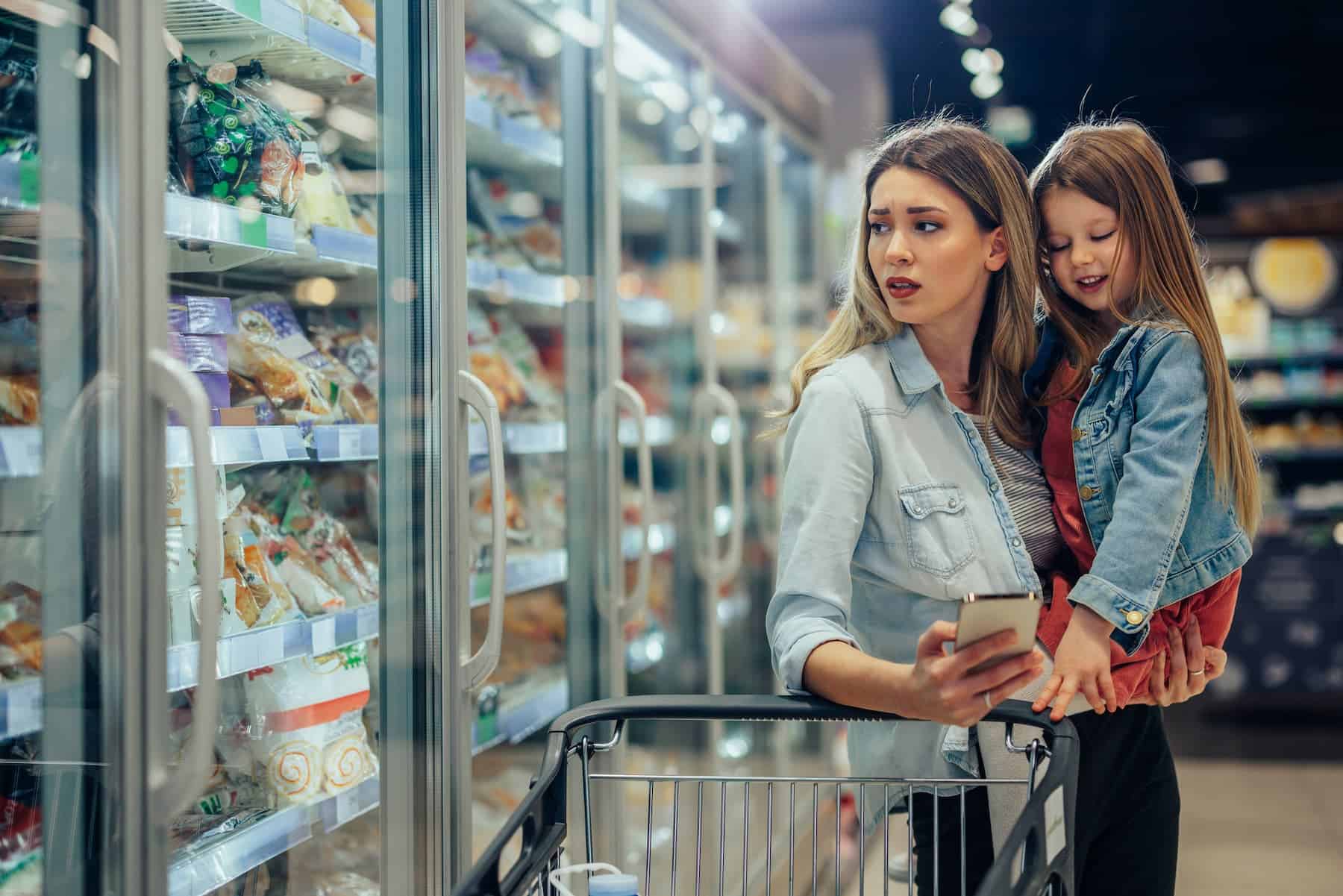
You’ve probably heard it a million times: “Processed foods are bad for you!”
But is that really the whole truth?
And what about ultra-processed foods—are they just regular processed foods with a fancier name, or is there something more going on?
Here’s the thing: not all processed foods are created equal.
Some are totally fine (even healthy!), while others? Not so much.
The difference between processed and ultra-processed foods is actually pretty important when it comes to your health.
In this article, I’m breaking it all down—what processed foods really are, how they differ from ultra-processed foods, and why it matters.
Because let’s be honest, with all the conflicting advice out there, it’s time to separate fact from fiction.
Let’s dive in!
How Processed Is Your Food? Understanding the NOVA Classification
To really understand the difference between processed and ultra-processed foods, let’s take a quick look at something called the NOVA classification system.
This system—developed by nutrition experts at the University of São Paulo in Brazil—sorts foods into four categories based on how much they’ve been processed.
And trust me, once you see these categories, it all starts to make sense.
Here’s the breakdown:
|
NOVA Category |
What It Means |
|
Unprocessed or Minimally Processed |
Whole foods that are either raw or slightly altered (e.g., washed, chopped, frozen) but still close to their natural state. |
|
Processed Culinary Ingredients |
Ingredients derived from natural foods, usually used for cooking but not eaten alone. |
|
Processed Foods |
Foods that have been modified with added ingredients but still resemble whole foods. |
|
Ultra-Processed Foods |
Highly industrialized foods made with additives, preservatives, and artificial ingredients. Often designed to be hyper-palatable. |

Let’s take a closer look at each one!
Group 1: Unprocessed or Minimally Processed Food
Unprocessed foods are the real deal—straight from nature, just as they were meant to be. Think fresh fruits, veggies, raw nuts, seeds, and even plain water.
No additives, no industrial tinkering—just wholesome goodness.
Now, minimally processed foods have been slightly altered, but only to make them safer, last longer, or easier to use. Things like pasteurized milk, plain yogurt, dried herbs, or frozen meat fall into this category.
The key? The food is still recognizable and close to its natural state.
Here’s a simple breakdown:
|
Food Category |
Examples |
|---|---|
|
Unprocessed Foods |
Fresh fruits and vegetables, raw nuts and seeds, plain water |
|
Minimally Processed Foods |
Squeezed fruit juice, rice, beans, pasteurized milk, plain yogurt, frozen meat, dried herbs and spices |
At the end of the day, a healthy, balanced diet is built on these natural and minimally processed foods.
They’re packed with nutrients, free from unnecessary additives, and help fuel your body the way nature intended.
Group 2: Processed Culinary Ingredients
Processed culinary ingredients include oils, butter, lard, sugar, and salt.
These are made by processing natural foods through pressing, refining, grinding, milling, or drying—techniques that have been used for centuries!
Today, they’re mass-produced to last longer and be easier to use in home kitchens, restaurants, and cafeterias.
We don’t typically eat these ingredients alone—they’re used to enhance flavor, texture, and cooking properties in all kinds of dishes.
Here are some examples:
|
Ingredient |
Examples & Common Uses |
|---|---|
|
Oils |
Used for cooking, drizzling over salads, and baking |
|
Butter & Lard |
Add richness to dishes and baked goods |
|
Sugar |
Sweetens desserts, coffee, and sauces |
|
Salt |
Enhances flavor and preserves food |
While these ingredients are affordable and convenient, moderation is key!
When used wisely, they can help you create flavorful, home-cooked meals with fewer additives than pre-packaged foods.
Get the eBook
Join now to receive our FREE ebook on how to create a healthy relationship with food.

Group 3: Processed Foods
Processed foods are natural foods that have been altered with salt, oil, or sugar to improve shelf life and flavor.
Unlike ultra-processed foods, they still retain much of their original nutrients—but depending on what’s added, their health value can vary.
Think of things like canned beans, fruit in syrup, canned fish, processed meats (ham, bacon), store-bought bread, and simple cheeses. These foods are convenient and tasty, often used as ingredients in home-cooked meals.
Some common processing methods (used for centuries) include:
|
Traditional Food Processing Methods |
|---|
|
Canning |
|
Pickling |
|
Bottling |
|
Salting |
|
Smoking |
|
Curing |
That said, the calorie content can vary widely depending on the ingredients added. For example, processed meats usually have 150-250 calories per 100g, while cheeses can be around 300-400 calories per 100g.
Bottom line?
While processed foods can fit into a balanced diet, it’s best to consume them in moderation and be mindful of added salt, sugar, and oils.
Group 4: Ultra-Processed Foods
Ultra-processed foods go through heavy industrial processing, stripping away most of their original nutrients.
They often contain artificial additives, preservatives, and emulsifiers to enhance flavor, texture, and shelf life.
Common examples include:
|
Ultra-Processed Foods |
|
Soda and sweetened drinks |
|
Packaged snacks |
|
Candy, mass-produced bread, and pastries |
|
Sweetened cereals and flavored yogurts |
|
Instant noodles, frozen meals, and fast food |
These foods may start with natural ingredients like sugar, oils, and protein, but they’re altered beyond recognition through processes like chemical modification, extrusion, and pre-frying.
The result? A heavily processed product that mimics real food but lacks its natural goodness.
The biggest appeal of ultra-processed foods is convenience—they’re quick, ready-to-eat, and widely available.
But here’s the problem: When you grab a frozen pizza, you’re not eating a pizza made with fresh ingredients—you’re eating an industrial version loaded with artificial flavors, preservatives, and unhealthy fats.
Bottom line? Ultra-processed foods are designed to be hyper-palatable and addictive, but they offer little to no real nutrition.
While they might be okay for an occasional treat, relying on them too often can seriously impact your health.
Processed vs. Ultra-Processed: What’s the Real Difference?
Both processed and ultra-processed foods go through some level of modification, but the key difference is how much they’re changed—and why.
Processed foods are modified but still recognizable, while ultra-processed foods are so far removed from their original ingredients that they barely resemble real food at all.

Let’s break it down a bit more by exploring 4 key differences between processed and ultra-processed foods.
1. Ingredients: What’s Really Inside?
Let’s break down what’s actually going into these foods.
When it comes to processed foods, you’ll usually find just a few simple ingredients added to the natural food—things like oil, salt, or sugar.
These foods still keep a lot of their original form and are mainly modified to help preserve them or improve flavor.
But here’s the catch: when you add too much of these ingredients—especially oils, sugar, or salt—it can make them a lot less healthy than they seem.
Ultra-processed foods? Well, they take ingredient complexity to a whole new level.
They often contain highly modified, industrially-created ingredients that you’d never find in your kitchen
We’re talking things like high-fructose corn syrup, modified oils and fats, or even protein isolates. Simply put, ultra-processed foods like food have gone through an industrial makeover, and it’s hard to even recognize the original ingredients anymore.
Pretty shocking, right?
The difference in ingredients is huge—and it’s a big reason why ultra-processed foods can have such a negative impact on our health.
2. Nutrient Content: Are We Getting the Good Stuff?
We eat to fuel our bodies, right? It’s not just about filling our stomachs or satisfying cravings—food is how we get the nutrients we need to stay healthy and thrive.
Nutrients like vitamins, minerals, fiber, protein, and healthy fats are essential for keeping us strong, focused, and energized.
So when it comes to processed and ultra-processed foods, we need to consider how much of these vital nutrients they actually provide.
Processed foods usually retain a good amount of their original nutrients—like vitamins, minerals, and fiber—depending on how much they’ve been altered.
While they might not be as nutrient-dense as fresh, whole foods, they can still provide things like protein, carbs, and fats that our bodies need.
Ultra-processed foods, on the other hand, miss out on a lot of that goodness. The heavy processing, combined with the addition of artificial ingredients, strips these foods of essential vitamins, minerals, and fiber.
What’s left? A lot of empty calories.
These foods are often calorie-dense, which means eating them too often can contribute to weight gain or even obesity.
The bottom line: When you choose ultra-processed foods, you’re often missing out on the nutrients your body really needs to stay healthy and strong.
3. Processing Methods: How Are These Foods Made?
When we talk about processed and ultra-processed foods, the methods used to create them are actually pretty different.
For processed foods, the techniques are simpler and more traditional. Think canning, bottling, or adding ingredients like oil, sugar, or salt to help preserve the food and enhance its flavor.
These methods have been around for centuries, and they’re all about making food last longer and be more convenient without altering it too much.
Other common methods for processed foods include salting, pickling, smoking, and curing. These help maintain the food’s safety, texture, and taste—without going overboard with industrial additives.
Get the eBook
Join now to receive our FREE ebook on how to create a healthy relationship with food.
Ultra-processed foods, however, are a whole different ballgame.
These foods go through many more stages of processing, and the methods used are far more complex and industrial in nature.
Instead of just adding a bit of salt or sugar, ultra-processed foods are broken down into their most basic components—like sugars, oils, starches, and proteins—and then reassembled using a variety of advanced techniques.
In simple terms: First, the food is broken down. Then, it’s reassembled with things that thicken it, give it texture, and make it chewy so it feels like real food.
On top of that, they add fats, sugars, and salts to make sure it tastes good (because let’s be real—it probably doesn’t taste like much on its own).
Boom! You’ve got yourself a food product that’s high in calories and low in nutritional value. In other words, it’s an industrially produced pretend food that might look like real food, but is far from it.
4. Health Risks: How Do These Foods Impact Our Health?
When it comes to ultra-processed foods, the health risks are serious and should not be taken lightly.
These foods have been strongly linked to health issues like obesity, type 2 diabetes, and heart disease.
Packed with excess sugar, salt, unhealthy fats, and preservatives, they can seriously disrupt our metabolism and overall well-being.
Processed foods, on the other hand, can still fit into a healthy diet when consumed in moderation.
The key is balance—pair them with whole, nutrient-rich foods for the best results.
Since processed foods often contain added sugars, unhealthy fats, and salt, it’s always a good idea to read those ingredient labels and choose minimally processed options when possible.
Making mindful choices can help you maintain a healthy, balanced diet.
Similar Articles to Explore
- A Step-by-Step Guide on How to Avoid Ultra-Processed Foods
- Rediscovering Real Food in a World of Ultra-Processed Convenience
- How to Improve Your Mental Health by Reducing Ultra-Processed Food
- The Truth Behind Ultra-Processed Foods and Its Impact on Health
- How Ultra-Processed Foods Make Their Way to Your Table
Processed Foods: Why They’re Not All Bad
Processed foods often get a bad rap, with many people advising us to avoid them altogether. But let’s take a moment to look at the bigger picture.
Yes, processed foods can contain added fats, salt, or sugar, but they still maintain the basic qualities of the natural foods they come from.
The key is moderation and being mindful of what’s in them. When we don’t overdo it with those added ingredients, processed foods can still fit into a healthy diet.
The Surprising Benefits of Processed Foods
Processed foods can make certain nutrients more accessible to our bodies. Take cooking vegetables, for instance—it helps break down their tough cell walls, making it easier for us to absorb all the good stuff they have to offer.
Some processed foods even go the extra mile by being fortified with essential vitamins and minerals like iron and folic acid.
This can be a helpful way to prevent nutrient deficiencies, especially in diets where we might not get everything we need from whole foods alone.
Plus, one of the biggest perks of processing is that it helps preserve foods for longer periods. This not only reduces food waste but also ensures that we can enjoy a variety of foods year-round.
So, when fresh fruits and veggies are out of season, frozen or canned versions can still offer nutritional value.
Some processed foods can be quite healthy, especially when they contain minimal additives and retain most of their nutrients.
Here are a few examples:
- Canned beans or lentils: A great source of protein and fiber.
- Frozen vegetables: They can be just as nutritious as fresh and last longer.
- Whole grain bread or pasta: Packed with fiber and nutrients.
- Canned tomatoes: A good source of vitamins and antioxidants.
Tips for Choosing Healthier Processed Foods
Whole foods are always the gold standard, but I get it—processed foods can be super convenient and, when chosen wisely, can definitely have a place in your diet.
So, how do you pick the best options?
Here are some tips to help you make healthier choices:
Read Food Labels Carefully
When shopping for processed foods, take a minute to read the label. Look for items with minimal processing and simple, recognizable ingredients.
If the list is a mile long with things you can’t pronounce, it’s probably best to put it back on the shelf. Choose foods with fewer additives and preservatives to make sure you’re getting the best quality.
Opt for Whole Grains
Whole grains are packed with more nutrients and fiber than their refined counterparts, so whenever possible, go for processed foods made with whole grains.
Think 100% whole grain bread or pasta. These options not only fill you up but also give you more health benefits.
Check the Sugar Content
Added sugars are a major red flag in ultra-processed foods. Check the labels for sugar content and try to avoid products with long lists of added sugars.
If you can, opt for unsweetened versions or foods with little to no added sugar. Your body will thank you for it!
Watch Out for Sodium
Some processed foods can be surprisingly high in sodium. Keep an eye on the salt content in the food you buy. If you can, pick lower-sodium options to help manage your salt intake without sacrificing flavor.
Choose Healthy Fats
Not all fats are created equal! Look for processed foods that include healthy fats, like olive oil, instead of those unhealthy trans fats.
Aim for monounsaturated and polyunsaturated fats, and try to limit your intake of saturated fats. It’s all about finding balance!
Final Thoughts
While processed foods are undeniably convenient, it’s always a good idea to make healthier choices whenever you can.
By taking a moment to read labels and picking out minimally processed foods with simple, recognizable ingredients, you’re already making a positive impact on your health.
Also, if you want to cut back even further on processed foods, cooking your favorite meals from scratch is a great way to go.
Sure, cooking is a form of processing, but it’s a far cry from picking up pre-packaged, heavily processed foods.
The best part? You get to decide exactly what goes into your food!
That means you can avoid unhealthy fats, added sugars, and those long lists of additives you might find in store-bought products.
For example, I love making my own taco seasoning instead of buying the pre-made stuff. I also bake my own bread and make my own mayo and nut butter.
Honestly, these little changes don’t take much time, and they’re a fun way to bring more whole foods into your diet.
So why not get creative in the kitchen?
This article is licensed under CC BY-NC-SA 4.0
Similar Articles to Explore
- Unraveling Marketing Tactics in the World of Ultra-Processed Foods
- What is the Difference Between Processed and Ultra-Processed Foods?
- Emulsifiers in Food: The Hidden Health Risks of Ultra-Processed Foods
- How to Read Food Labels and Avoid Ultra-Processed Foods
- How to Identify Ultra-Processed Foods and Make Healthier Choices
*This article is for informational purposes only and is not intended as medical advice. It should not be used to diagnose, treat, or prevent any health condition. Always consult a qualified healthcare professional before making any changes to your diet, exercise, or health routine.
Monteiro, C.A., Cannon, G., Lawrence, M., Costa Louzada, M.L. and Pereira Machado, P. "Ultra-processed foods, diet quality, and health using the NOVA classification system." Rome, FAO, 2019, https://www.fao.org/3/ca5644en/ca5644en.pdf. Adapted and used under the terms of the Creative Commons Attribution-NonCommercial-ShareAlike 3.0 IGO license. The use of information adapted from FAO.org does not imply endorsement by the Food and Agriculture Organization of the United Nations (FAO) of this article or its contents.
"The NOVA Food Classification System." Food, Nutrition & Fitness I: The Digestion Journey Begins with Food Choices, 4 of 4, compiled in 2018 by EduChange with guidance from NUPENS, Sao Paulo, NOVA-Classification-Reference-Sheet.pdf. Accessed 24 March 2024.
Ultra-processed foods and cardiometabolic health: public health policies to reduce consumption cannot wait." doi:10.1136/bmj-2023-075294. Adapted and used under the terms of the Creative Commons Attribution-NonCommercial 4.0 International License.
van Boekel, Martinus et al. “A review on the beneficial aspects of food processing.” Molecular nutrition & food research vol. 54,9 (2010): 1215-47. doi:10.1002/mnfr.200900608.

Malin, the co-founder of Courier Wellness, is well-informed in nutrition and health and brings her own unique perspective to the world of holistic wellness. With a passion for writing and a deep interest in wellbeing, she wants to create content that fosters balance and nourishment for the mind and body.