Unraveling Marketing Tricks in the World of Ultra-Processed Foods

This post contains affiliate links, which means we may earn a commission if you purchase through our links—at no extra cost to you. As an Amazon Associate we earn from qualifying purchases. We only recommend products we use or trust. Learn more about affiliate marketing or read our full disclosure.
If you’ve ever stood in front of a shelf of “healthy” snacks, wondering which one to trust—you’re not alone.
The truth is, the ultra-processed food industry is full of clever food marketing tricks designed to capture your attention, pull on your emotions, and convince you that what you’re buying is good for you… even when it’s not.
From buzzwords like “natural” and “low-fat” to colorful packaging and feel-good commercials, these marketing strategies are engineered to make you feel safe, satisfied, and loyal to products that often don’t serve your health.
But here’s the good news: you don’t have to fall for it anymore.
In this article, we’re going to peel back the shiny labels and unravel the tactics behind ultra-processed food marketing—so you can shop smarter, feel more confident in your choices, and protect your health.
Let’s get started!
Why We Keep Reaching for Ultra-Processed Foods (Even When We Know Better)
Let’s face it—we’re all busy.
Between work, family, and a million daily responsibilities, who has time to cook from scratch every night?
That’s exactly what food marketers are counting on.
Ultra-processed foods are marketed as the ultimate solution for modern life.
With labels that shout “on-the-go,” “ready in minutes,” or “quick and easy,” they’re positioned as the perfect fix for our time-strapped schedules.
SAVE THIS PIN FOR LATER!
Be sure to save this post by pinning the image to your Pinterest board. I’ll be updating it regularly, so you can easily come back to explore this topic further!
Add to that their budget-friendly prices, and it’s no wonder these products fly off the shelves.
But that convenience comes at a cost.
Ultra-processed foods are often packed with added sugars, refined oils, unhealthy fats, and sodium—ingredients that have been linked to obesity, diabetes, heart disease, and other chronic health conditions.
These foods are engineered to be irresistible, hitting just the right combination of salt, sugar, and fat to light up the brain’s reward system and keep us coming back for more.
And marketers?
They know exactly how to play into that craving. Their ads don’t just sell food—they sell comfort, ease, and pleasure.
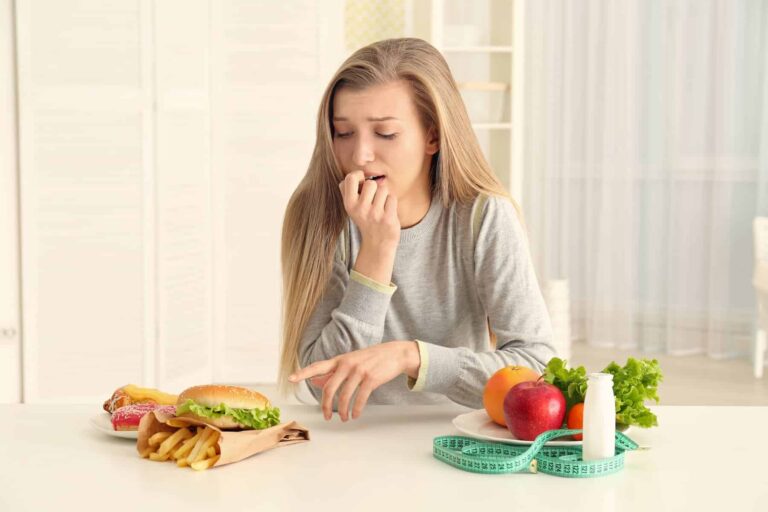
The result? We reach for the processed option, even when we want to eat better.
Related Article: How to Lose Weight by Removing Hidden Sugar»
The Sneaky Tactics Behind Food Marketing Tricks
Have you ever picked up a product because it looked “natural” or “healthy,” only to find out it was anything but?
That’s not an accident—it’s a carefully crafted marketing trick.
Food companies that sell ultra-processed foods are experts at manipulation. Their packaging and advertising are packed with strategies designed to grab attention, build trust, and drive sales—especially among vulnerable groups.
For example, bright colors and cartoon characters are often used to target children, creating brand loyalty from an early age.
These visual cues are more than just cute—they’re powerful emotional triggers that make kids (and their parents) reach for products without questioning what’s inside.
How Do These Marketing Tricks Manipulate Us?
There are so many “health halo” claims—buzzwords that make processed products sound wholesome, even when they’re far from it.
These include:
- “All-natural” – often used even if the product contains added sugars or preservatives
- “Low-fat” – sometimes means more sugar or additives to compensate for flavor
- “Gluten-free” – doesn’t mean healthy, especially in highly processed snacks
- “Made with real fruit” – can still mean mostly sugar, with only trace amounts of actual fruit
- “No added sugar” – might still be sweetened with fruit juice concentrates or other sugar substitutes
These labels make processed products sound healthy, but they’re often loaded with added sugars, preservatives, and artificial ingredients.
A fruit drink might scream “100% natural,” but one look at the ingredients list will reveal it’s mostly sugar and water.
Even packaging design plays a role. Images of fresh produce or leafy greens on the front of a box can trick you into thinking the contents are healthy—when they’re anything but.
And the manipulation doesn’t stop on the shelf.
Ultra-processed foods are relentlessly promoted on TV, social media, and in-store, with targeted campaigns aimed at children, busy parents, and low-income communities—those who are often most affected by poor nutrition.
The takeaway?
If something looks too healthy to be true, it probably is.
Learning to recognize these food marketing tricks is the first step toward making more empowered, informed choices.
Get the eBook
Join now to receive our FREE ebook on how to create a healthy relationship with food.

Why “All-Natural” and “Healthy” Can Be Misleading
Think a product labeled “all-natural” is automatically good for you?
Think again.
The truth is, the FDA doesn’t regulate the use of terms like “natural” or “all-natural” on food labels.
That means food companies can slap these phrases on their packaging—even when the product is highly processed, full of additives, or loaded with added sugars and unhealthy fats.
These claims are some of the most common food marketing tricks used to make ultra-processed foods look like smart, healthy choices.
But in reality, they can contribute to the very health issues people are trying to avoid—like obesity, heart disease, and chronic inflammation.
Here’s the hard truth: Just because a product claims to be “healthy” or “natural” doesn’t mean it’s actually good for you.
That’s why it’s so important to look past the front label and dig into the ingredient list.
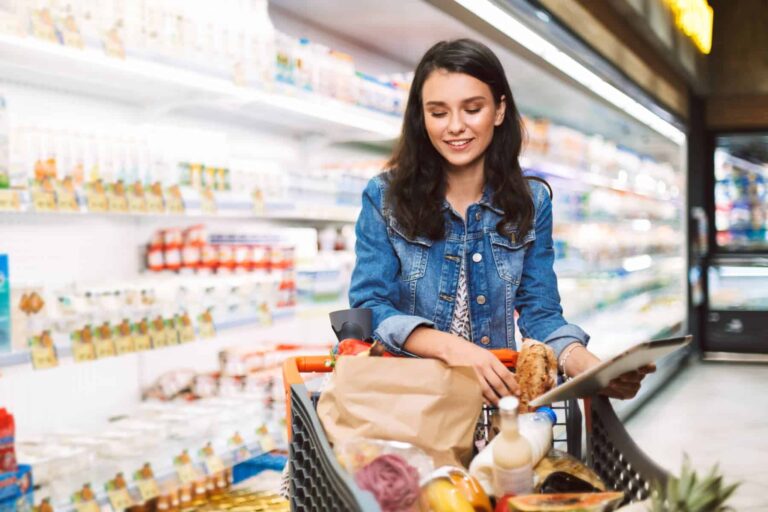
If it’s full of words you don’t recognize, or the list is a mile long, it’s probably not something you want to eat often—no matter how pretty the packaging looks.
SAVE THIS PIN FOR LATER!
Be sure to save this post by pinning the image to your Pinterest board. I’ll be updating it regularly, so you can easily come back to explore this topic further!

Instead of relying on clever wording, make it a habit to:
- Read the full ingredients list
- Watch out for added sugars, preservatives, and seed oils
- Choose foods with simple, whole ingredients
- Trust your judgment over buzzwords
At the end of the day, health and wellness don’t come from flashy claims or green labels—they come from real food, smart habits, and a balanced lifestyle.
So the next time you’re tempted by that “all-natural” snack, take a closer look and make your choice based on facts—not food marketing tricks.
Related Article: How to Read Food Labels and Avoid Ultra-Processed Foods»
Why “Low-Fat” or “Fat-Free” Are Not Healthy
You’ve probably seen “low-fat” or “fat-free” on food labels and thought, “This must be healthier.”
But that’s one of the most misleading food marketing tricks out there.
Here’s the truth: When fat is removed from food, flavor disappears with it—and manufacturers often compensate by adding sugar, artificial sweeteners, or additives to make it taste good again.
One study even found that low-fat foods often contain more sugar than their full-fat counterparts—despite having fewer calories.
But that tradeoff isn’t harmless.
Consuming too much sugar—even in small portions—can contribute to weight gain, diabetes, leptin resistance, and increased hunger, ultimately making it harder to manage your health or lose weight.
Related Article: What Is the Relationship Between Ultra-Processed Foods and Obesity?»
So, why do people still fear fat?
Back in 1977, the U.S. Senate Select Committee on Nutrition and Human Needs issued dietary guidelines that made fat the villain.
That recommendation shaped decades of public perception, leading people to believe fat equals bad health.
But modern science tells a different story.
Your body actually needs healthy fats to function properly. Fats support hormone production, brain health, nutrient absorption, and help you feel full and satisfied after meals.
Personally, I always opt for full-fat milk and plain yogurt. Not only do they contain fewer ingredients and no added sugar, but they’re also more nourishing and satisfying.
So next time you reach for a product labeled “low-fat” or “fat-free,” pause and check the ingredients.
You might be avoiding fat, but you’re likely consuming more sugar—and that’s a tradeoff that does more harm than good.
Want real, honest ingredients?
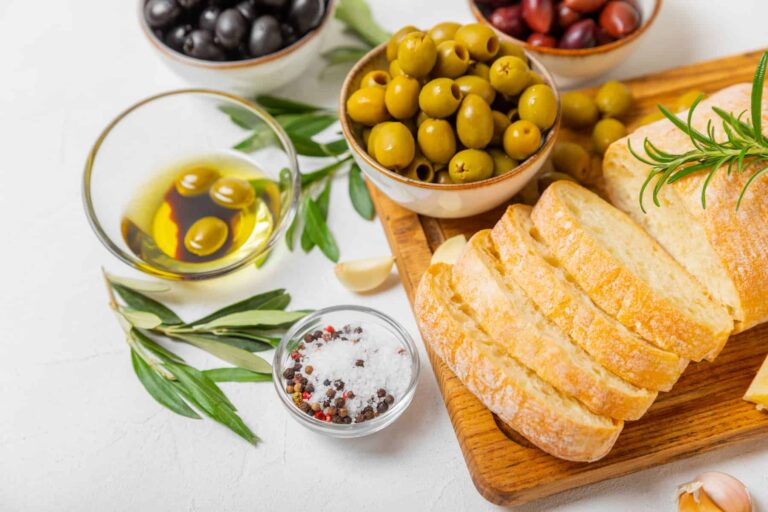
If you’re tired of misleading health claims, and want healthy fats in your diet, try Olive Oil Lovers. Their 100% natural extra virgin olive oils are free from chemicals and shortcuts—just pure, high-quality oil with rich flavor and powerful health benefits. Sourced from top producers and shipped free on orders over $100, this is the kind of transparency and quality the food industry should be delivering.
Related Article: 5 Tips on How to Create a Healthy Relationship with Food»
How the Profit Motive Shapes What Ends Up on Your Plate
In the modern food industry, profit—not health—is the main priority.
Behind the bright packaging and catchy buzzwords lies a system driven by one goal: sell more, spend less.
To maximize profits, many food companies cut costs wherever possible—often by using cheaper, highly processed ingredients, artificial additives, and mass-production methods.
While this boosts their bottom line, it results in food that’s nutrient-poor and calorie-dense, making it harder for people to stay healthy.
But the damage goes far beyond your plate.
In the race to produce more and gain market share, companies often turn a blind eye to ethical and environmental concerns.
This includes:
- Exploitative labor practices
- Unsustainable farming methods
- Animal welfare issues
- Loss of biodiversity (ultra-processed food production relies on a narrow range of crops like corn, soy, and wheat)
This profit-first mentality has also contributed to the global rise of chronic diseases and a broken relationship between people and food.
That’s why it’s so important for us, as consumers, to recognize the impact of these food marketing tricks.
The more aware we become of what drives the industry, the more empowered we are to make choices that support our health, the environment, and a more ethical food system.
Get the eBook
Join now to receive our FREE ebook on how to create a healthy relationship with food.
So, What Can We Do About It?
Understanding the dark side of food marketing tricks is just the beginning. Now that we know how profit-driven tactics influence what we eat, it’s time to reclaim our power as informed consumers.
Instead of falling for flashy packaging and misleading health claims, we can shift our focus to what truly supports our health: whole, natural foods, transparency, and conscious choices that benefit both our bodies and the planet.
Here’s how:
Trust in Whole, Natural Foods
In the face of manipulative marketing and profit-first food practices, the most powerful thing you can do is return to what’s real—whole, natural foods.
These foods aren’t sold with flashy buzzwords because they don’t need them.
They speak for themselves through their simplicity, nutrition, and integrity.
By choosing whole, unprocessed foods, you give your body the nutrients it needs to thrive. You’re also making a vote for better farming practices and a healthier planet.
Research shows that diets centered around whole foods—such as the Mediterranean or plant-based approaches—not only improve health outcomes, but also have a lower carbon footprint compared to more meat-heavy diets like paleo, keto, or the Standard American Diet.
And here’s something even more empowering: whole foods often come from small-scale, local farms that support biodiversity and fair labor.
By supporting these producers, you’re not just feeding yourself—you’re investing in a more ethical, sustainable food system.
Choose Transparency and Support Education
More and more people are waking up to the importance of knowing where their food comes from.
And that’s a good thing.
It’s time we demand more from the brands we buy—from how their food is made to what’s actually in it.
Look for companies that value transparency. That means clear labeling, ethical sourcing, and a genuine effort to educate their consumers.
These are the brands that respect your right to make informed decisions and are willing to be held accountable.
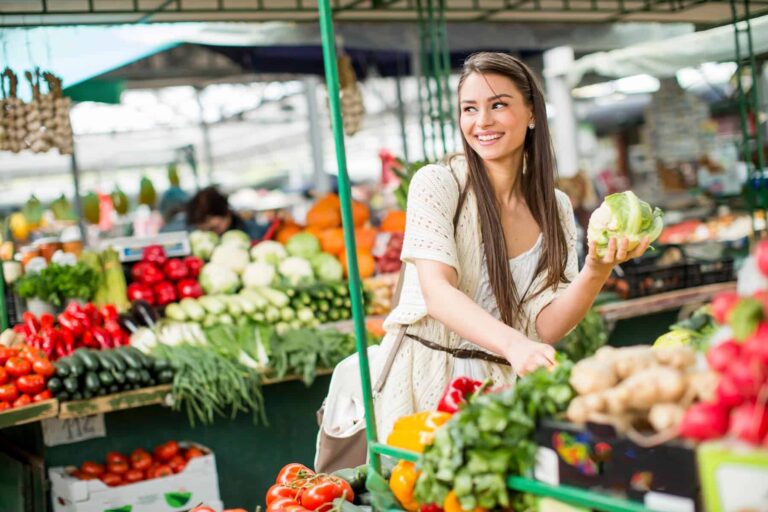
As conscious consumers, we also have the power to shift the food system by supporting better choices—shopping at farmers markets, reading ingredient labels, and sharing what we learn with others.
Together, we can help shape a food culture that values health, honesty, and sustainability over hype and deception.
Related Article: Rediscovering Real Food in a World of Ultra-Processed Convenience»
Final Thoughts
It’s more important than ever to challenge the deceitful marketing tricks used by the food industry.
By being proactive—reading labels, looking up unfamiliar ingredients, and making conscious choices—we can stop falling for misleading claims and start taking control of our health.
Instead of supporting companies that sell ultra-processed foods, let’s direct our money towards whole, unprocessed options. These foods not only nurture our bodies but also contribute to a more ethical and responsible food industry.
And when we act together as a community, we can harness our collective power to push for the changes that matter most.
Every time we choose whole foods over ultra-processed options, we improve our health and protect the planet.
It’s a reminder that even small steps—like choosing real, nourishing food—can lead to big, positive changes.
*This article is for informational purposes only and is not intended as medical advice. It should not be used to diagnose, treat, or prevent any health condition. Always consult a qualified healthcare professional before making any changes to your diet, exercise, or health routine.
Djupegot, I.L. et al. "The association between time scarcity, sociodemographic correlates and consumption of ultra-processed foods among parents in Norway: a cross-sectional study." BMC Public Health, 17, 447, 2017, https://doi.org/10.1186/s12889-017-4408-3. Adapted and used under the terms of the Creative Commons Attribution 4.0 International License.
Hansen, Joyanna. "Interpreting Food Labels: Natural versus Organic." American Society for Nutrition, Clinical Nutrition, 2 February 2016, interpreting-food-labels-natural-versus-organic. Accessed 25 March 2024.
Leite, Fernanda Helena Marrocos et al. “Ultra-processed foods should be central to global food systems dialogue and action on biodiversity.” BMJ global health vol. 7,3 (2022): e008269. doi:10.1136/bmjgh-2021-008269. Adapted and used under the terms of the Creative Commons Attribution-NonCommerical 4.0 International License.
Nardocci, Milena et al. “Consumption of ultra-processed foods is associated with obesity, diabetes and hypertension in Canadian adults.” Canadian journal of public health = Revue canadienne de sante publique vol. 112,3 (2021): 421-429. doi:10.17269/s41997-020-00429-9.
Nguyen, P K et al. “A systematic comparison of sugar content in low-fat vs regular versions of food.” Nutrition & diabetes vol. 6,1 e193. 25 Jan. 2016, doi:10.1038/nutd.2015.43. Adapted and used under the terms of the Creative Commons Attribution 4.0 International License.
Pozelli, Sabio R. and Spers, EE. "Consumers' Expectations on Transparency of Sustainable Food Chains." Front. Sustain. Food Syst., 6:853692, 2022, doi: 10.3389/fsufs.2022.853692. Adapted and used under the terms of the Creative Commons Attribution 4.0 International License.
Saavedra-Garcia, L. et al. "Marketing techniques, health, and nutritional claims on processed foods and beverages before and after the implementation of mandatory front-of-package warning labels in Peru." Front. Nutr., 9:1004106, 2022, doi: 10.3389/fnut.2022.1004106. Adapted and used under the terms of the Creative Commons Attribution 4.0 International License.
Wood, B. et al. "Market strategies used by processed food manufacturers to increase and consolidate their power: a systematic review and document analysis." Global Health, 17, 17, 2021, . https://doi.org/10.1186/s12992-021-00667-7. Adapted and used under the terms of the Creative Commons Attribution 4.0 International License.

Malin, the co-founder of Courier Wellness, is well-informed in nutrition and health and brings her own unique perspective to the world of holistic wellness. With a passion for writing and a deep interest in wellbeing, she wants to create content that fosters balance and nourishment for the mind and body.