How Ultra-Processed Foods Make Their Way to Your Table

Have you ever looked at a packaged snack or a frozen dinner and thought, “What is this even made of?”
In today’s world, food isn’t always something that’s simply grown, picked, and eaten. A huge portion of what we eat is actually created in factories—designed, broken down, reassembled, and packed with ingredients you probably can’t pronounce.
At the center of all this are ultra-processed foods—or UPFs for short.
These are the products that fill most supermarket aisles, pop up in school lunches, and sneak their way into our pantries and plates more often than we might realize.
So, how are ultra-processed foods made, exactly?
In this article, we’re going behind the scenes—exploring the fascinating (and sometimes alarming) journey these foods take from the factory to your fork.
We’ll also take a closer look at what this means for your health, your habits, and the bigger picture of how we eat today.
Ready? Let’s dive in!
What are Ultra-Processed Foods?
Ultra-processed foods are a bit of a mystery for many people. They’re not just made from basic ingredients like flour, sugar, or salt.
Instead, they’re a mix of substances derived from food, along with a whole bunch of additives—ingredients you won’t typically find in a home kitchen. These foods are created in factories or labs, not in the cozy environment of your kitchen.
To help break it down, there’s a system called the NOVA classification (developed by researchers at the University of São Paulo) that puts ultra-processed foods into their own category.
SAVE THIS PIN FOR LATER!
Be sure to save this post by pinning the image to your Pinterest board. I’ll be updating it regularly, so you can easily come back to explore this topic further!
According to this system, ultra-processed foods usually have five or more ingredients, many of which are things you’ll never use at home.
These might include:
You’ve probably encountered these ingredients in some of your favorite packaged foods.
Think of things like:
- Soft drinks
- Packaged snacks (chips, cookies)
- Instant noodles
- Frozen dinners
- Sweetened breakfast cereals
- Reconstituted meat products like hot dogs and chicken nuggets
These products are carefully designed to do more than just fill you up—they’re made to last longer, taste better (or maybe I should say, tastier?), and be super convenient. They’re engineered to be hyper-palatable—meaning, they’re hard to stop eating once you start.
Related Article: What Is the Real Impact of Modern Food?»
Now, let’s take a closer look at how ultra-processed foods are made:
Step 1: The Sourcing of Raw Ingredients
The journey of ultra-processed foods begins long before you see them on the shelves. It starts with the sourcing of raw ingredients—specifically, the cheap and abundant crops that food manufacturers rely on.
These ingredients typically come from just a handful of crops, such as:
- Corn
- Soy
- Wheat
- Sugar beets
- Palm oil
These crops are usually grown on massive industrial-scale farms, often in places like the United States, Brazil, Argentina, and parts of Asia.
And here’s something you might not know: governments sometimes subsidize these crops, making them cheaper for manufacturers to buy and more profitable for farmers.
Commodification of Agriculture
Instead of being grown for us to eat directly, these crops are harvested with the goal of extracting specific components—like turning corn into corn syrup, soy into protein isolates or lecithin, and wheat into starches.
This is the first big transformation: taking whole foods and breaking them down into commodity ingredients.
Once these raw components are extracted, they’re packaged up and shipped in bulk to manufacturing plants around the world, ready to be turned into ultra-processed products.
Step 2: Industrial Processing and Chemical Alteration
After raw ingredients are sourced, it’s time for the real transformation. This next step takes the extracted components and turns them into something entirely different through industrial food engineering.
Advanced food technologies are used to process and reassemble the ingredients, often in ways that completely change their original forms.
Refinement and Fractioning
First, grains are milled into fine flours, sugars are either crystallized or turned into syrup, and oils are hydrogenated.
All of this processing breaks down the natural structure of the food, stripping away things like fiber, micronutrients, and textures that we would find in the original, whole foods.
Related Article: The Importance Of Healthy Food: 5 Amazing Benefits You Need To Know»
Chemical Enhancements
Next up, the magic happens—or maybe more accurately, the chemicals happen. Flavor and texture are carefully reconstructed using synthetic additives to make the food taste, smell, and feel just the way manufacturers want it.
Some of the most common additives include:
- Artificial sweeteners (like aspartame and sucralose)
- Flavor enhancers (like monosodium glutamate or MSG)
- Stabilizers and emulsifiers (like soy lecithin and carrageenan)
- Preservatives (like sodium nitrate, BHA, and BHT)
- Colorants (like Red 40 and Yellow 5)
Get the eBook
Join now to receive our FREE ebook on how to create a healthy relationship with food.

High-Tech Machinery
To make all of this possible, massive machines get involved. Extruders, mixers, and ovens process everything under high pressure and heat, allowing manufacturers to produce thousands of units per hour.
These machines help create consistent taste, texture, and appearance—making sure every bite of that snack or frozen dinner looks and feels exactly the same, no matter where it’s made.
Step 3: Product Development and Sensory Engineering
Ever wondered why some foods are so hard to resist?
It’s no accident. Ultra-processed foods are designed to be irresistible, and a lot of that has to do with the science behind it.
The Science of Craveability
Food companies employ a whole team of food scientists and sensory engineers whose job is to figure out exactly what makes us crave certain flavors and textures.
They dive deep into how combinations of fat, sugar, salt, and texture affect the brain and influence how much we want to eat.
Here are two key terms you might come across when it comes to sensory engineering:
This is the perfect balance of sugar, salt, or fat that makes a product taste as good as possible. Think of it like the “sweet spot” that gets your brain saying, “Mmm, I could eat more of that.”
This refers to the physical sensation of food in your mouth—whether it’s crunchy, creamy, chewy, or something else.
It’s that little extra something that can make a snack or meal feel just right.
Focus Groups and Testing
Once food scientists come up with a new product, it’s time to test it. That’s where focus groups and market surveys come in.
Companies gather feedback from real consumers to see how the new formulation fares. They fine-tune the recipe based on preferences, aiming to hit the ideal balance of taste, convenience, and cost.
The goal is simple: create a product that people will want to buy again and again.
And it works. Ultra-processed foods are engineered to keep us coming back for more.
Related Article: The Truth Behind How Ultra-Processed Foods Cause Cravings»
Step 4: Branding, Packaging, and Marketing
We’ve talked about how ultra-processed foods are made, but here’s the thing: the success of these foods doesn’t just come from how they taste.
A huge part of it is how they’re perceived.
The way these products look, how they’re marketed, and where you see them all play a massive role in getting you to choose them over other options.
Attractive Packaging
Let’s start with packaging—it’s not just there to hold the food. It’s designed to catch your eye and make you want to grab it off the shelf. Companies know what works.
Here’s what you’ll often see:
Psychological Marketing
But packaging is just the start. Psychological marketing takes things to a whole new level.
Brands use clever techniques to make you feel more connected to their product and even push you toward that impulse buy:
- Targeting kids with fun mascots, catchy jingles, or characters they recognize
- Nostalgia to appeal to adults, reminding them of the good old days when they ate this product as a kid
- Health halos, where products are labeled as “healthier” than they really are (like calling candy “made with real fruit” to make it seem like a better choice)
Related Article: Unraveling Marketing Tricks in the World of Ultra-Processed Foods»
Strategic Placement
Once that product is designed and marketed, it’s time for strategic placement. Companies pay big bucks for prime spots on grocery store shelves.
But it doesn’t stop there.
They make deals with schools, hospitals, and fast-food chains to ensure their products are everywhere. They even sponsor sports events and work with social media influencers to make sure you can’t go too long without seeing their logo or ad.
The goal?
To make sure that, when you’re hungry or in a hurry, the ultra-processed foods are the first thing you reach for.
SAVE THIS PIN FOR LATER!
Be sure to save this post by pinning the image to your Pinterest board. I’ll be updating it regularly, so you can easily come back to explore this topic further!

Step 5: Global Distribution and Retail
Once ultra-processed foods are made, packaged, and marketed, the final step is getting them to you—and that’s where the global supply chain comes in.
These products aren’t just everywhere by accident. They’re built for mass distribution.
Transportation
One of the biggest advantages of ultra-processed foods is their long shelf life. Because they’re packed with preservatives and don’t require refrigeration, they can be shipped across countries and continents without much fuss.
That makes them perfect for global export and convenient for manufacturers looking to reach as many markets as possible.
Retail Integration
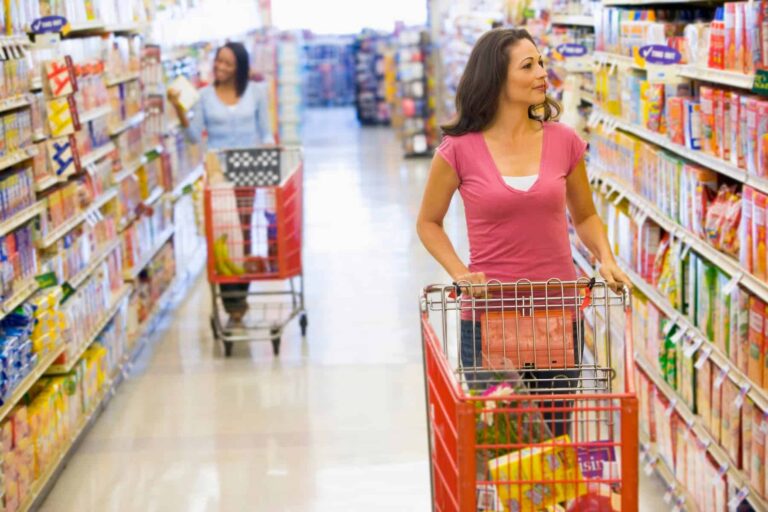
When it comes to where these products end up, supermarkets and convenience stores play a huge role.
Store shelves are stocked based on what sells fast—and ultra-processed foods sell really fast.
That’s why you’ll often find them at eye level, in end-of-aisle displays, or right by the checkout counter where you’re most likely to grab them on impulse.
Affordability and Accessibility
Here’s where things get more complex. Ultra-processed foods are usually cheaper than whole foods.
Why?
Because the ingredients are inexpensive, they’re easy to store, and they’re made in massive quantities. In many low-income communities, these foods aren’t just convenient—they may be the only affordable or available option.
Unfortunately, this contributes to health inequities, as the people with the fewest choices often end up with the least nutritious food.
Related Article: Is Ultra-Processed Food Really Cheaper? Uncovering the Truth»
Step 6: Consumption and Cultural Integration
At this point, ultra-processed foods have done more than just make it onto store shelves—they’ve made their way into our daily lives and even into our cultures.
These aren’t just foods we eat occasionally; for many people, they’ve become the norm.
Convenience Culture
In today’s fast-paced world, time is tight and convenience is everything. Whether you’re juggling work, school, or family life, grabbing something quick and easy can feel like a lifesaver.
That’s where ultra-processed foods shine—ready-to-eat meals, microwave dinners, snack bars, and grab-and-go options fit perfectly into our busy schedules.
Replacing Traditional Foods
But there’s a downside. As ultra-processed foods spread across the globe, they often replace traditional meals.
Local dishes that once took time and care to prepare are being swapped for packaged, mass-produced alternatives.
This shift doesn’t just affect what we eat—it changes our food culture, erasing culinary traditions and, in many cases, contributing to rising rates of diet-related diseases like obesity, diabetes, and heart disease.
Related Article: What Is the Relationship Between Ultra-Processed Foods and Obesity?»
The Role of Social Media
And then there’s social media. Platforms like Instagram, TikTok, and YouTube are filled with influencers showcasing their favorite snacks, fast food hauls, and “what I eat in a day” videos.
It’s not just about food—it’s a lifestyle. These posts can make ultra-processed foods look fun, trendy, and totally normal, especially to younger audiences.
Over time, this glamorizes highly processed products and makes them feel like a natural part of everyday eating.
Related Article: A Step-by-Step Guide on How to Avoid Ultra-Processed Foods»
Health Impacts of Ultra-Processed Foods
While ultra-processed foods have made life more convenient, their widespread availability also comes with some serious health concerns.
1. Nutritional Deficiencies
Even though ultra-processed foods are calorie-dense, they’re often lacking in essential nutrients like fiber, vitamins, and minerals.
When these foods become a regular part of your diet, they can crowd out healthier options—leading to what’s known as “hidden hunger.”
This means you might be getting enough calories, but not the right kind of calories, which can leave your body craving the nutrients it needs to function properly.
2. Chronic Diseases
The list of chronic diseases linked to ultra-processed foods is long and concerning.
Research has consistently shown that eating a lot of these foods can significantly increase the risk of developing:
A 2019 study published in The BMJ found that even a 10% increase in ultra-processed food consumption was linked to a significantly higher risk of cardiovascular disease and mortality.
Additionally, research shows that eating these highly processed foods can disrupt the balance of gut bacteria, potentially leading to inflammation and a range of health issues.
This serves as a stark reminder of the lasting impact these foods can have on your long-term health.
Related Article: How to Improve Your Mental Health by Reducing Ultra-Processed Food»
Addictive Properties
Here’s the kicker: ultra-processed foods are designed to be addictive. They’re engineered to trigger your brain’s reward centers, in much the same way addictive substances do.
This means it’s easy to overeat without realizing it, and you may find yourself craving more and more.
It’s a cycle that can lead to compulsive eating behaviors and make it harder to stop once you start.
Get the eBook
Join now to receive our FREE ebook on how to create a healthy relationship with food.
The Regulatory Environment
Even though there’s growing evidence of the health risks linked to ultra-processed foods, regulations surrounding them are still pretty limited in many parts of the world.
Some countries, like Chile and Mexico, have taken steps to address the issue by putting warning labels on foods that are high in sugar, salt, and fat.
These labels are meant to give consumers a clear and direct warning about what they’re eating.
But in other places, like the U.S. and many European countries, nutrition labels are often confusing or downright misleading. You might see numbers that look fine at first glance, but they don’t always tell the whole story about what’s in a product.
Related Article: How to Read Food Labels and Avoid Ultra-Processed Foods»
Industry Resistance
The food industry, however, doesn’t always make it easy to regulate these products. It has a lot of lobbying power and often pushes back against efforts to create stronger regulations.
For example, attempts to tax sugary drinks or restrict advertising to children have faced major opposition. These companies know that if regulations tighten up too much, it could impact their bottom line.
So, they fight hard to keep things as they are, even when the evidence of health risks continues to grow.
The Future of Ultra-Processed Foods
The story of ultra-processed foods is far from over—and the future holds some interesting possibilities. As public awareness continues to grow, consumer preferences are slowly beginning to shift.
Movements like clean labels, plant-based diets, and a return to whole foods are gaining momentum as people become more aware of what they’re eating and its impact on health.
Related Article: A Beginner’s Guide to Clean Eating: Basics and Practical Tips»
While tackling the widespread consumption of ultra-processed foods might feel like a daunting challenge, there are several paths forward that could help reshape our global food system:
Food Education in Schools and Communities:
Educating younger generations about the benefits of whole foods, cooking from scratch, and making informed food choices can foster healthier habits from an early age.
School programs, local workshops, and cooking classes can also be powerful tools in changing attitudes toward food.
Policy Interventions
Governments can step in to incentivize healthier eating by providing subsidies for fruits and vegetables, making nutritious foods more affordable and accessible.
Likewise, taxing sugary drinks or implementing stricter regulations on food marketing could help steer consumers toward healthier choices.
Incentives for Food Reformulation
The food industry holds much of the power when it comes to what ends up on our plates.
One solution could be to offer incentives for food manufacturers to reduce the use of harmful ingredients, like excessive sugars, fats, and artificial additives.
Reformulating existing products could make a huge difference without requiring consumers to completely abandon their favorite snacks.
Related Article: How to Identify Ultra-Processed Foods and Make Healthier Choices»
Promotion of Local Food Systems
By supporting local and sustainable food systems, we can reconnect people with real, whole foods.
Farmer’s markets, community gardens, and farm-to-table initiatives are ways to not only support local economies but also encourage people to embrace the flavors and benefits of fresh, unprocessed food.
Still, it’s important to remember that changing a global food system built on convenience, profit, and industrialization won’t be easy.
The dominance of ultra-processed foods is deeply rooted in our economic systems and cultural habits, and a meaningful shift will require sustained effort from both consumers and policymakers alike.
But the growing awareness and demand for healthier alternatives suggest that change is on the horizon.
The question is: will it happen fast enough?
Final Thoughts
Ultra-processed foods are everywhere, and they’ve become a major part of our daily diets. While they’re convenient and designed to taste great, the truth is they come with serious health risks—obesity, heart disease, diabetes, and more.
These foods have shifted how we eat, often replacing more whole, nutritious options.
The good news?
People are starting to make better choices—whether that means reading labels, cooking at home, or choosing more whole foods.
While we can always hope that the government and the food industry will make changes, ultimately, it’s up to us to take control of our health.
By educating ourselves and being mindful of what we put on our plates, we can make the best decisions for our well-being and stop relying on systems built around profit.
*This article is for informational purposes only and is not intended as medical advice. It should not be used to diagnose, treat, or prevent any health condition. Always consult a qualified healthcare professional before making any changes to your diet, exercise, or health routine.
Some of the material in this blog post is licensed under CC BY-NC-SA 4.0
Atzeni, A. et al. "Association between ultra-processed food consumption and gut microbiota in senior subjects with overweight/obesity and metabolic syndrome." Front. Nutr., 9:976547, 2022, doi: 10.3389/fnut.2022.976547. Adapted and used under the terms of the Creative Commons Attribution 4.0 International License.
De Siena, Martina et al. “Food Emulsifiers and Metabolic Syndrome: The Role of the Gut Microbiota.” Foods (Basel, Switzerland) vol. 11,15 2205. 25 Jul. 2022, doi:10.3390/foods11152205. Adapted and used under the terms of the Creative Commons Attribution 4.0 International License.
"Food additives." MedlinePlus, reviewed 23 January 2022, https://medlineplus.gov/ency/article/002435.htm. Accessed 22 March 2024.
"Food Ingredients & Colors." International Food Information Council (IFIC) Foundation US Food and Drug Administration (FDA), Food-Ingredients-and-Colors-(PDF).pdf. Accessed 22 March 2024.
Ghusn, Wissam et al. “The Impact of Artificial Sweeteners on Human Health and Cancer Association: A Comprehensive Clinical Review.” Cureus vol. 15,12 e51299. 29 Dec. 2023, doi:10.7759/cureus.51299. Adapted and used under the terms of the Creative Commons Attribution 4.0 International License.
Gupta, S. et al. "Characterizing Ultra-Processed Foods by Energy Density, Nutrient Density, and Cost." Front. Nutr.,6:70, 2019, doi: 10.3389/fnut.2019.00070. Adapted and used under the terms of the Creative Commons Attribution 4.0 International License.
Lane, Melissa M. et al. "Ultra-processed food exposure and adverse health outcomes: umbrella review of epidemiological meta-analyses." BMJ, 2024; 384, 28 February 2024, doi: https://doi.org/10.1136/bmj-2023-077310. Adapted and used under the terms of the Creative Commons Attribution-NonCommercial 4.0 International License.
Lean, Michael E.J. and Morenga, Lisa Te. "Sugar and Type 2 diabetes." British Medical Bulletin, Volume 120, Issue 1, 1 December 2016, Pages 43–53, https://doi.org/10.1093/bmb/ldw037.
et al. "Ultra-processed foods should be central to global food systems dialogue and action on biodiversity."
Lustig, Robert H. “Ultraprocessed Food: Addictive, Toxic, and Ready for Regulation.” Nutrients vol. 12,11 3401. 5 Nov. 2020, doi:10.3390/nu12113401. Adapted and used under the terms of the Creative Commons Attribution 4.0 International License.
Monteiro CA et al. "NOVA. The star shines bright." World Nutrition, Volume 7, Number 1-3, January-March 2016, 1-3, 28-38. [Food classification. Public health], https://archive.wphna.org/wp-content/uploads/2016/01/WN-2016-7-1-3-28-38-Monteiro-Cannon-Levy-et-al-NOVA.pdf. Accessed 22 March 2024.
Monteiro, C.A., Cannon, G., Lawrence, M., Costa Louzada, M.L. and Pereira Machado, P. "Ultra-processed foods, diet quality, and health using the NOVA classification system." Rome, FAO, 2019, https://www.fao.org/3/ca5644en/ca5644en.pdf. Adapted and used under the terms of the Creative Commons Attribution-NonCommercial-ShareAlike 3.0 IGO license. The use of information adapted from FAO.org does not imply endorsement by the Food and Agriculture Organization of the United Nations (FAO) of this article or its contents.
Savin, Marijana et al. “Additives in Children's Nutrition-A Review of Current Events.” International journal of environmental research and public healthvol. 19,20 13452. 18 Oct. 2022, doi:10.3390/ijerph192013452. Adapted and used under the terms of the Creative Commons Attribution 4.0 International License.
Wang, Yi-Jie et al. “Dietary Sodium Intake and Risk of Cardiovascular Disease: A Systematic Review and Dose-Response Meta-Analysis.” Nutrients vol. 12,10 2934. 25 Sep. 2020, doi:10.3390/nu12102934. Adapted and used under the terms of the Creative Commons Attribution 4.0 International License.

Malin, the co-founder of Courier Wellness, is well-informed in nutrition and health and brings her own unique perspective to the world of holistic wellness. With a passion for writing and a deep interest in wellbeing, she wants to create content that fosters balance and nourishment for the mind and body.