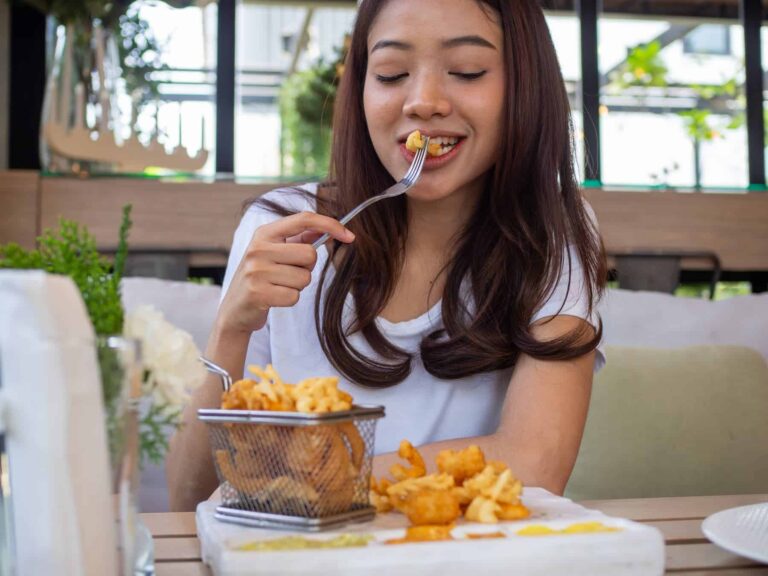
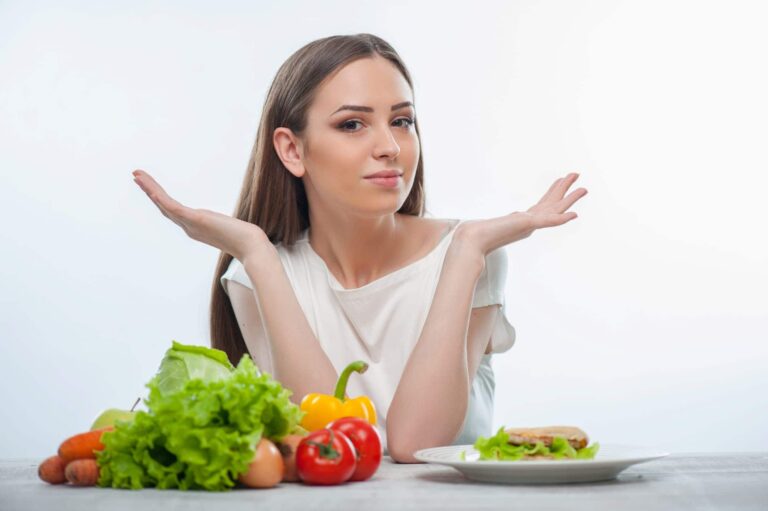
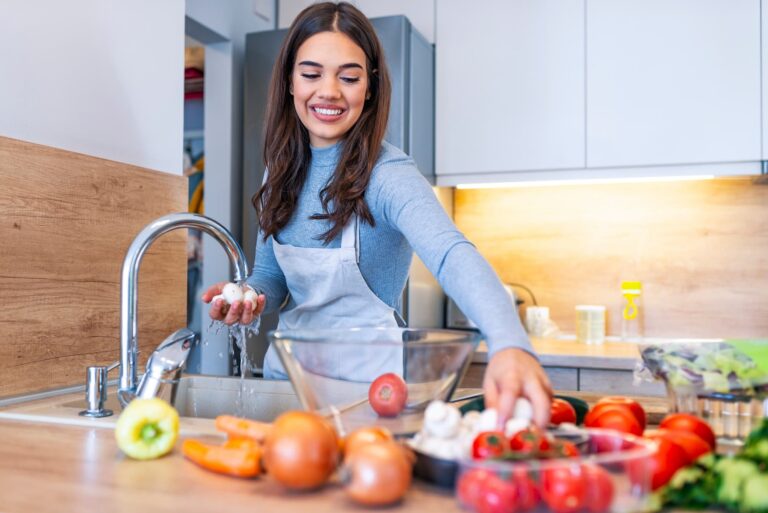
Rediscovering Real Food in a World of Ultra-Processed Convenience
This post contains affiliate links, which means we may earn a commission if you purchase through our links—at no extra cost to you. As an Amazon Associate we earn from qualifying purchases. We only recommend products we use or trust. Learn more about affiliate marketing or read our full disclosure.
Have you noticed how easy it is to eat unhealthy these days? Ultra-processed foods are everywhere—fast, convenient, and, honestly, pretty hard to resist.
But here’s the thing: these foods aren’t doing us any favors. They drain our energy, mess with our mood, and, when eaten in excess, can lead to some serious health issues.
That’s because they’re not real food—just highly processed imitations, stripped of the nutrients our bodies actually need.
The good news?
We can choose better. Rediscovering real food—simple, nourishing, and full of flavor—is worth it. And it all starts with something powerful: bringing cooking back into our lives.
In this article, we’ll dive into the truth about real food vs ultra-processed food, why we need a cooking revolution, and the joy of eating real, wholesome meals.
Let’s dive in!
Real Food vs. Ultra-Processed Foods
Let’s be real—eating isn’t just about filling your stomach when you’re hungry (or bored). Food is fuel, but it’s also so much more than that. It keeps you strong, energized, and feeling your best—physically, mentally, and emotionally.
But here’s the problem: ultra-processed foods don’t do any of that. Sure, they taste good, but they’re missing the real nutrients your body actually needs to thrive. Instead, they’re packed with artificial ingredients you’d never use in your own kitchen.
And the worst part?
They’re designed to keep you hooked—loaded with just the right combo of sugar, salt, and fat to make you crave more. It’s honestly shocking that this stuff is even allowed to be called food.
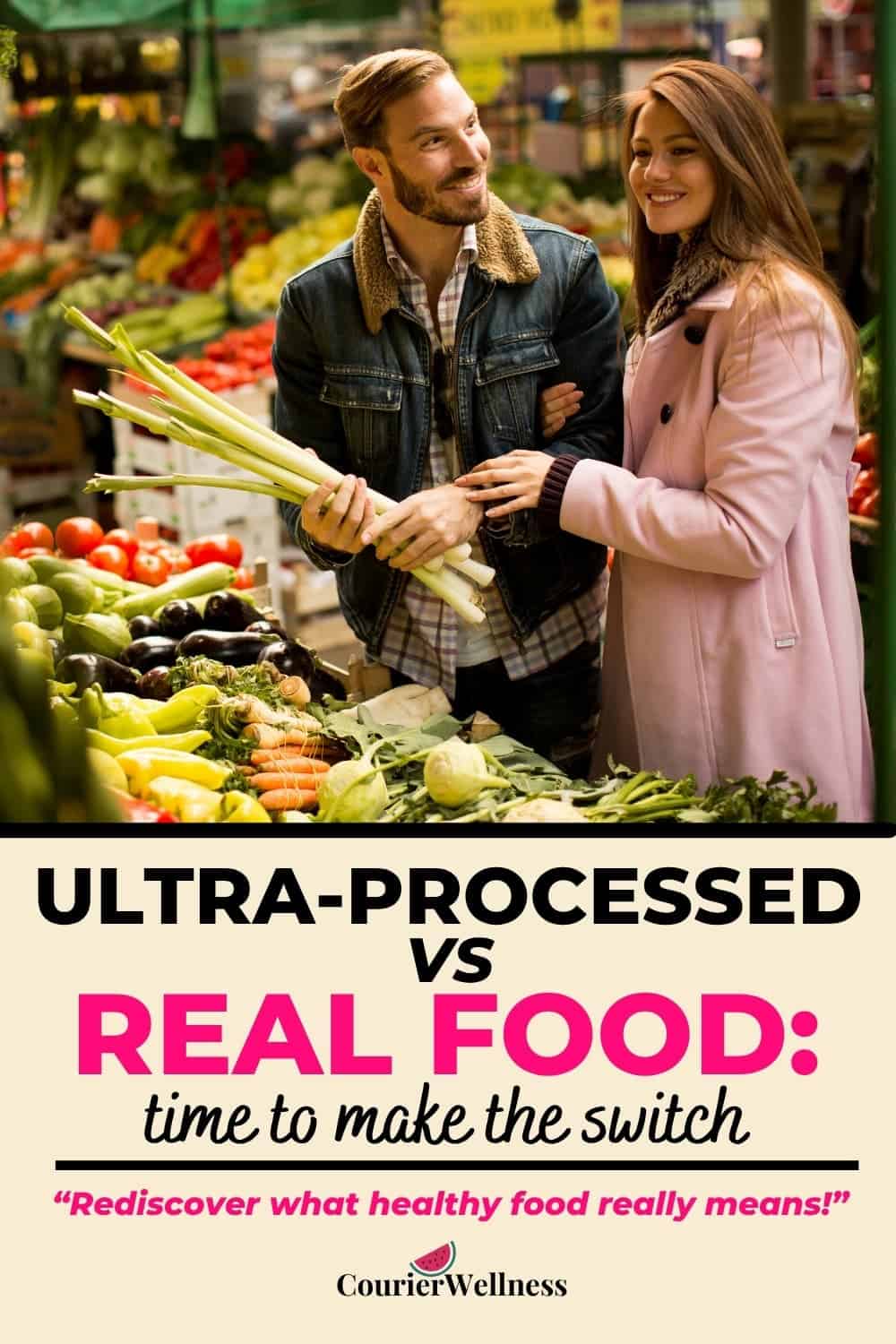
But the good news is, once you understand what ultra-processed foods really are—and what they’re costing you—rediscovering real food becomes a whole lot easier.
Ultra-Processed Foods: The Hidden Dangers
We all know that ultra-processed foods (UPFs) are packed with preservatives, additives, and way too much sugar, salt, and fat. So it’s no shock that they’re linked to serious health issues like obesity, heart disease, diabetes, and other chronic illnesses.
But here’s what most people don’t realize—UPFs don’t just harm your body. They can also take a serious toll on your mental and emotional well-being.
Research has found a strong link between diets high in ultra-processed foods and mental health struggles like depression and anxiety. One study even found that Korean women who ate more UPFs were significantly more likely to experience depression.
Experts are still figuring out exactly why, but there are some pretty solid theories:
- UPFs lack essential nutrients like fiber, vitamins, and minerals.
- They can disrupt gut bacteria, affecting serotonin, the “feel-good” neurotransmitter.
- They may mess with hormones that control appetite and mood.
Ultra-Processed Foods Are Just Imitations
Here’s the bottom line: UPFs aren’t real food. They’re just highly engineered imitations.
Take lasagna, for example. A homemade lasagna is made with fresh pasta, tomatoes, real cheese, and hearty meat or veggies.
But grab an ultra-processed version from the store, and you’re getting a mix of preservatives, artificial flavors, stabilizers, and fillers instead of actual, nourishing ingredients. Instead of fresh mozzarella, you get “cheese flavoring.” And in the place of rich tomato sauce, there’s a sugar-loaded, preservative-filled substitute.
The nutrients, the love, the satisfaction?
Gone. What’s left is something that tastes like food but does nothing for your health.
Don’t just take my word for it—check for yourself. Next time you’re at the grocery store, take a closer look at the ingredient labels. Compare what should be in a food to what’s actually listed.
You’ll probably find a long list of mystery ingredients—some of which you can’t even pronounce!
Real Food: What Your Body Actually Needs
The good news is, you don’t have to be stuck in the ultra-processed food cycle. Real, whole foods can do wonders for both your body and mind.
They’re packed with essential vitamins, minerals, and antioxidants that help boost your mood, reduce stress, and support better brain function.
When we talk about real food, we mean fresh fruits and vegetables, whole grains, quality proteins, and healthy fats—essentially, foods that haven’t been stripped of their nutrients or pumped full of artificial ingredients.
These whole foods fuel our bodies the way nature intended, giving us the energy and nourishment we need to thrive. And let’s not forget your gut!
A diet rich in whole foods helps maintain a healthy gut microbiome, which is closely linked to better digestion, stronger immunity, and even improved mental health.
The Simple Joy of Real Food
Beyond the health benefits, eating real food is an experience—one that reconnects you with the joy of nourishing your body.
There’s something deeply satisfying about chopping fresh vegetables, sizzling a quality cut of meat, or baking homemade bread. Cooking with whole ingredients is more than just preparing a meal; it’s an act of self-care and appreciation for real, unaltered food.
And here’s the best part: real food is naturally delicious!
Once you step away from ultra-processed foods, your taste buds adjust, and you begin to appreciate the vibrant flavors of fresh, high-quality ingredients.
You’ll find that a ripe tomato, a perfectly cooked steak, or a handful of nuts can be far more satisfying than any artificially flavored snack.
So why settle for food imitations when you can enjoy the real thing?
Why We Need for a Cooking Revolution
Let’s be honest—life is hectic. Between work, family, and the never-ending to-do list, it’s no surprise that so many of us turn to convenience foods. They’re quick, cheap, and require zero cooking skills.
But here’s the problem: relying on ultra-processed options comes at a serious cost to our health.
If we truly want to feel our best, we need to reconnect with real food. It’s not just about what we eat but how we prepare it.
No only is cooking with whole, unprocessed ingredients good for our bodies—it’s also an act of self-care. It sparks creativity, brings a sense of accomplishment, and even deepens our connection to the food we eat.
This isn’t about becoming a gourmet chef or spending hours in the kitchen. It’s about taking back control of our health, one meal at a time.
Here are 10 reasons why it’s time for a cooking revolution:
1. It Boost Our Nutrition and Overall Health
Here’s the thing—real, whole foods are nature’s perfect fuel. They’re packed with the fiber, vitamins, minerals, and nutrients our bodies actually need to thrive.
When we cook at home using fresh, unprocessed ingredients, we naturally eat better. No hidden additives, no mystery ingredients—just real food that nourishes us from the inside out.
It’s one of the simplest (and most powerful) ways to take charge of our health.
2. It’s Cost-Effective
Think healthy eating has to be expensive?
Think again! Cooking with whole foods doesn’t have to break the bank—and it’s actually more affordable than you might think. A 2021 study showed that some of the healthiest foods are also some of the most budget-friendly.
Think about everyday staples like:
- Bananas and apples
- Melons
- Lettuce
- Carrots
- String beans
- Oatmeal
- Rice
- Pasta
- Liver and organ meats
And don’t forget about beans, lentils, herbs, and spices! Not only are they nutrient-packed and versatile ingredients, but they’re also affordable and go a long way when you buy them in bulk.
Cooking in large batches is another great way to save both time and money. Personally, I rely on my slow cooker all the time—it’s a lifesaver.
If you’re interested in making the investment in a slow cooker, the All-Clad Stainless Steel Electric Slow Cooker (available on Amazon) is a great choice. It’s easy to use, allows you to cook in large batches, and helps make your meal prep a breeze!
I always make a big batch of beans or lentils, freeze portions, and then reheat them on those days when I just don’t feel like cooking. It’s easy, delicious, and way better than grabbing takeout.
Speaking of takeout, those quick meals might seem cheaper in the moment, but they add up—especially when you factor in the long-term cost to your health.
Cooking at home puts you in control of what goes into your meals, and that’s priceless.

3. It Allows Customization
One of the best things about cooking at home?
You’re the boss of what goes into your meals! Whether you have dietary restrictions, specific food preferences, or just want to get creative with new flavors, cooking with whole foods lets you customize every dish to suit your exact needs.
You can experiment, tweak, and get creative in ways you simply can’t with pre-packaged meals.
4. It Sparks Creativity and Joy
Cooking is about so much more than just filling your stomach—it’s an opportunity to get creative and have some fun in the kitchen!
When you’re cooking with whole foods, you can experiment with new flavors, try out different techniques, and create dishes that are uniquely yours.
It’s a chance to get inventive and make your meals exciting again.
And let’s be honest—there’s something incredibly satisfying about making something delicious from scratch. You get to enjoy the process, and the reward is a homemade meal that’s not only nourishing but also full of love and creativity.
5. It Can Encourage Bonding Time
Cooking doesn’t have to be a solo endeavor—it’s a perfect way to bond with family, friends, or even roommates!
There’s something really special about working together in the kitchen. Not only does it bring everyone closer, but it also fosters teamwork and helps create lasting memories.
And let’s not forget the best part—sitting down together to enjoy the meal you’ve all worked hard to create. It’s not just about the food; it’s about connection, shared laughter, and making great memories over a home-cooked meal.
6. It Can Aid in Weight Loss
Cooking at home with whole, unprocessed ingredients is a powerful way to support your weight loss goals.
When you cook, you’re in control—everything from portion sizes to the ingredients you choose. This gives you the freedom to create meals that are not only delicious but also packed with nutrients that align with your health and weight goals.
On the flip side, ultra-processed foods are often loaded with empty calories, unhealthy fats, and added sugars—ingredients that can contribute to weight gain.
So, by choosing real food, you’re setting yourself up for success in both health and weight management.
7. It Has a Positive Impact on the Environment
When we eat out or rely on pre-packaged foods, we’re not only affecting our health—but also contributing to packaging waste and carbon emissions from transportation.
The good news?
Cooking at home with whole foods can help reduce our environmental footprint. It’s a simple yet powerful way to support sustainability and make a positive impact on the planet.
And here’s a cool bonus: studies show that the foods that are good for our health often have a lower environmental impact, too. So, eating healthy isn’t just good for you—it’s good for the Earth as well.
Pretty great reason to make the switch, don’t you think?
8. It Has Mental Health Benefits
Did you know that cooking can actually boost your mental health?
Taking the time to prepare a meal can be a fantastic way to unwind and de-stress, helping you stay present and mindful in the moment. There’s something calming about chopping veggies, stirring a pot, or just focusing on creating something from scratch.
And here’s the best part: as you learn new cooking skills and become more confident in the kitchen, you’ll feel a true sense of accomplishment.
Mastering a skill you once found challenging is rewarding in itself, and that boost in confidence can make a huge difference in how you feel.
9. It Provides a Learning Opportunity
Cooking is one of those skills that you can continue improving for your whole life.
Every time you step into the kitchen, you have the opportunity to learn something new—whether it’s a recipe, a new cooking technique, or discovering an ingredient you’ve never tried before. It’s an exciting way to expand your culinary knowledge and abilities.
I can personally vouch for this—I used to be a pretty terrible cook! But over time, I learned, improved, and now I actually enjoy cooking. There’s nothing quite like the feeling of making a delicious home-cooked meal and rediscovering the joy of real food.
And here’s something interesting: studies show that simply knowing how to cook is linked to lower levels of depression and higher overall well-being.
10. Cooking Yourself Can Enhance Taste and Flavor
Last but definitely not least—cooking at home gives you full control over flavor! You get to adjust the seasonings, experiment with new flavor combos, and create meals that are perfectly suited to your taste buds.
One of the best parts about cooking for yourself is that every bite can be as delicious and satisfying as you want it to be.
So, why not give it a try?
How to Make the Switch from Ultra-Processed Foods to Real Food
If you’re ready to leave ultra-processed foods behind and rediscover real food, you’re making an amazing decision for both your body and mind. It might feel like a big shift at first, but trust me—it’s absolutely doable.
Here’s how you can make the transition with ease and enjoy every step of the journey.
1. Start With What You Know
The first step is to make small changes by swapping out a few processed foods for fresh, whole foods.
Here are some simple swaps to get you started:
Fresh Fruits and Vegetables
Swap out sugary snacks or packaged salads for whole fruits and veggies. They’re packed with vitamins, minerals, and fiber that your body craves.
Enjoy them raw, steam them, or toss them in a salad.
Whole Grains
If you’ve ever eaten a meal that should have kept you full… but somehow you’re hungry again an hour later, refined grains are usually the culprit.
White bread and regular pasta digest quickly, which can leave you feeling tired, snacky, and stuck on an energy rollercoaster all day.
Swapping in whole grains is one of those small changes that makes a surprisingly big difference.
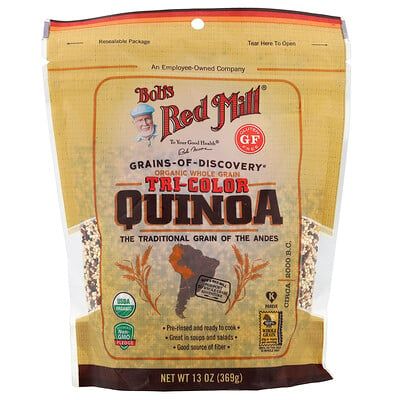
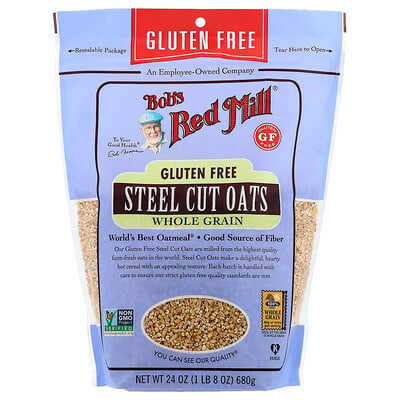
Options like Bob’s Red Mill Organic Tri-Color Quinoa, NOW Foods Organic Sprouted Brown Rice, and Bob’s Red Mill Steel Cut Oats actually stick with you. They’re more filling, give you steady energy, and help you avoid that mid-afternoon crash that makes everything feel harder than it needs to be.
Lean Proteins
Choose lean proteins such as chicken, fish, tofu, or beans. These options will help build and repair your body without the additives found in ultra-processed meat products.
Healthy Fats
For a long time, fat got a bad reputation, and a lot of us are still feeling the effects of that—meals that don’t quite satisfy, constant snacking, and never feeling full for long.
The truth is, it’s usually not fat that’s the problem—it’s using low-quality fats that don’t actually support your body.
Healthy fats, especially from good olive oil, avocados, nuts, and fatty fish help keep you full, support brain health, and make meals feel complete.
If you’re looking for a solid everyday olive oil that won’t strain your budget, Entelia Extra Virgin Olive Oil (from Olive Oil Lovers) is a great-value option. It’s affordable enough to use generously—cooking, roasting, or drizzling—without feeling like you have to ration it.
That alone makes healthy eating easier, because when something fits your budget, you’re more likely to actually use it consistently.

Entelia
If you want something a little more elevated, Pruneti Frantoio Biologico (from Olive Oil Lovers) is award-winning and noticeably richer in flavor. It’s perfect when you want simple meals—like veggies, salads, or grilled fish—to taste amazing with minimal effort.

Pruneti Frantoio Biologico
And if health benefits are your top priority, Quattrociocchi Superbo Organic (from Olive Oil Lovers) really stands out. Its high polyphenol content means stronger antioxidant and anti-inflammatory support, which is great for heart and brain health.

Quattrociocchi Superbo Organic
Herbs and Spices
Spice things up with fresh herbs like cilantro, parsley, and basil. Or use turmeric, cinnamon, cumin and garlic to add flavor and health benefits to your dishes.
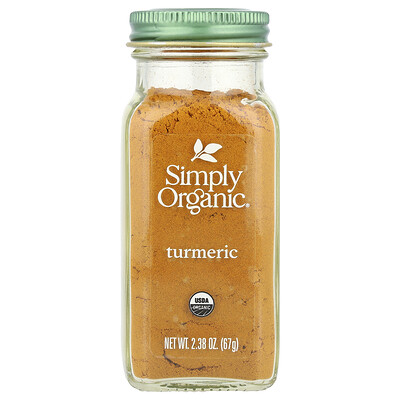
Simple upgrades like Simply Organic Turmeric, Simply Organic Ceylon Cinnamon, and Simply Organic Ground Cumin (from iHerb) can completely change how your food tastes and how it makes you feel.
Turmeric adds warmth and powerful anti-inflammatory benefits, cinnamon helps balance blood sugar and makes even basic breakfasts feel cozy, and cumin brings that deep, savory flavor that makes meals taste satisfying instead of bland.
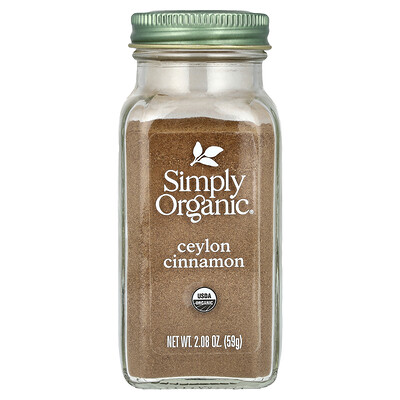
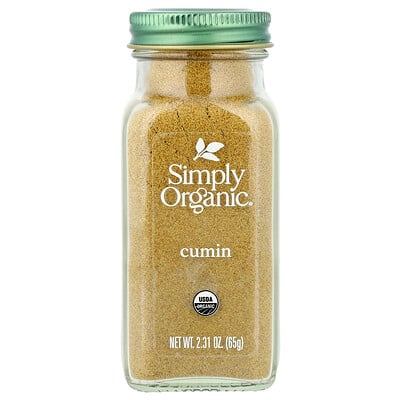
Forget the artificial flavorings in UPFs—real herbs will take your cooking to the next level!
Dairy or Dairy Alternatives
If dairy is part of your diet, opt for unflavored, natural varieties. But if you prefer dairy alternatives, go for options like almond milk or coconut yogurt—just check for minimal added sugars and no artificial ingredients.
2. Make Cooking Fun and Simple
The key to making this switch successfully is to keep it simple and enjoyable.
Start by experimenting with one new recipe a week, or try incorporating more fruits and veggies into meals you already enjoy.
The more you cook, the more confident you’ll become, and before you know it, cooking with real, whole foods will become second nature.
A great way to stay motivated and inspired is by following cooking channels that make learning new techniques and recipes easy and exciting.
Here are a few of my favorites:
natasha’s kitchen
Natasha’s videos make cooking approachable and family-friendly, with tons of delicious recipes you can try.
Her step-by-step guides are perfect for beginners and seasoned cooks alike. Visit her website here for a variety of recipes.
If you want to bring her amazing dishes into your own home, check out her cookbook.
book tip
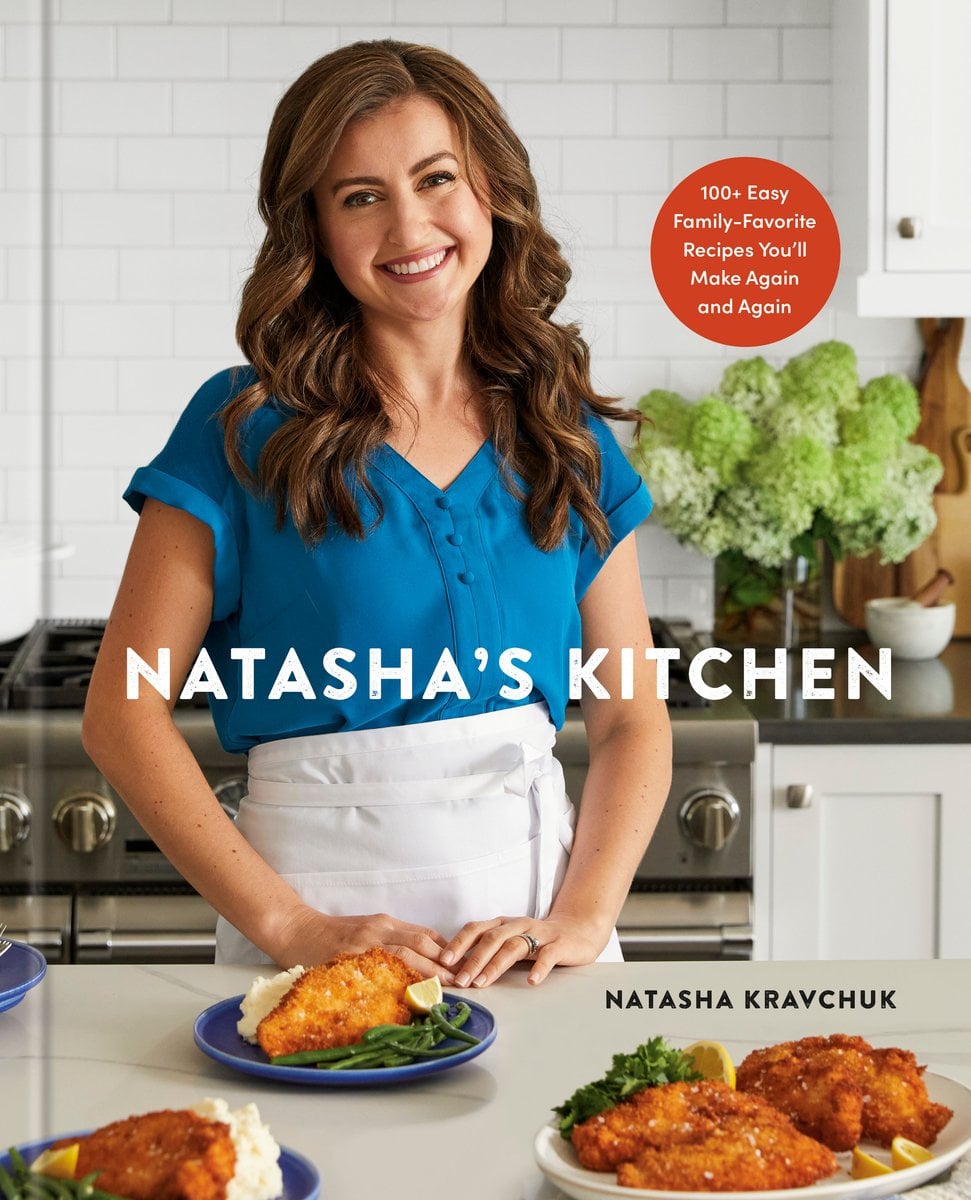
Natasha’s Kitchen
By Natasha Kravchuk
Looking for delicious, approachable recipes that feel like home-cooked comfort food every day?
Did you know? Bookshop.org gives 80%+ of their profits to support independent bookstores.
*We may earn a commission at no extra cost to you.
laura in the kitchen
Laura’s warm and welcoming approach to cooking is contagious. She offers simple, flavorful recipes that’ll have you feeling like a pro in no time. Visit her website here for lots of easy-to-follow recipes.
For more delicious dishes, grab a copy of her cookbook!
book tip
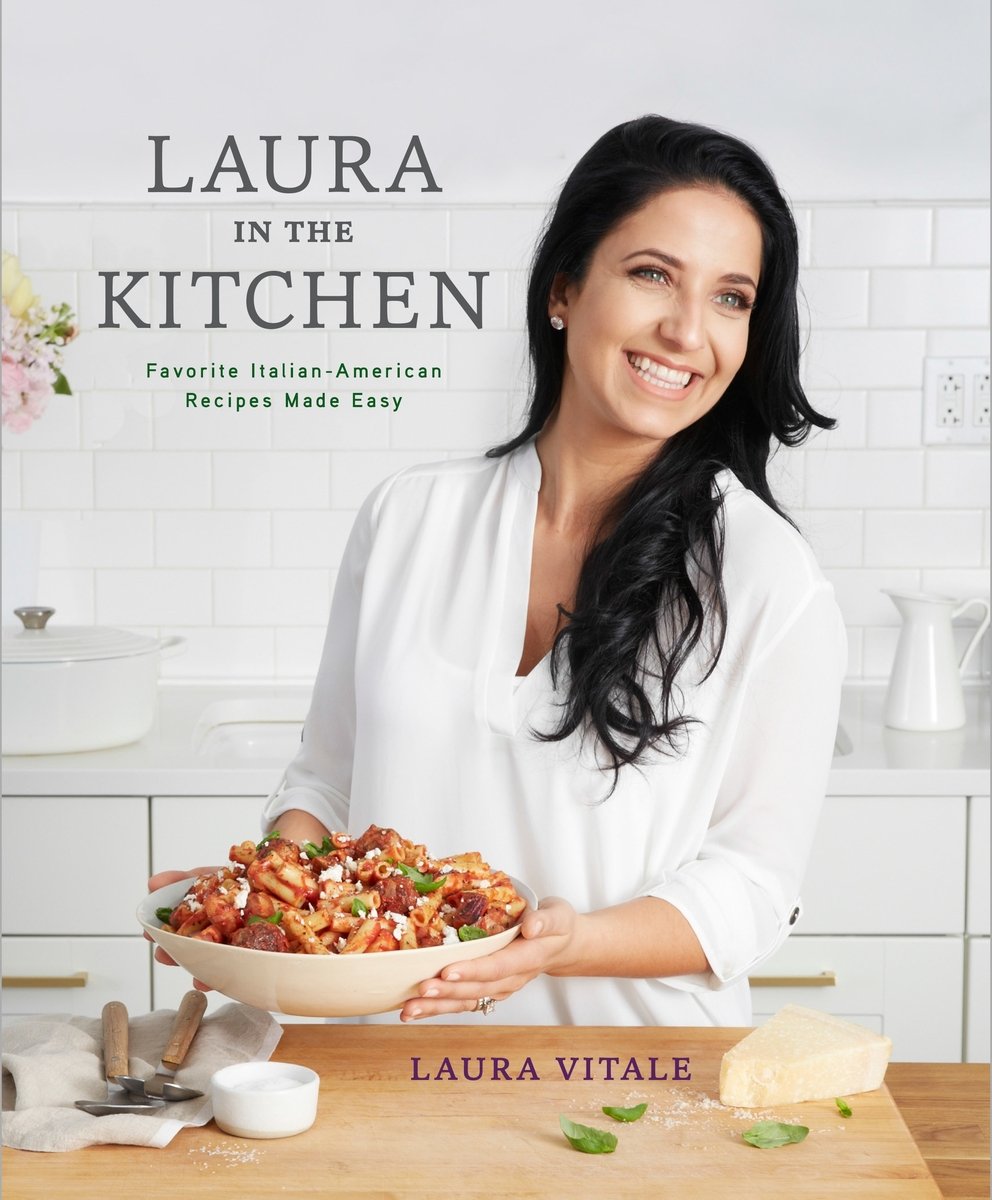
Laura in the Kitchen
By Laura Vitale
Love home cooking but don’t want complicated recipes or hard-to-find ingredients?
Did you know? Bookshop.org gives 80%+ of their profits to support independent bookstores.
*We may earn a commission at no extra cost to you.
rainbow plant life
Are you into vegan cooking?
Then Rainbow Plant Life is a must-follow. Nisha’s recipes are vibrant, nutritious, and totally satisfying. You can find amazing recipes on her website here.
Want even more? Get her cookbook!
book tip
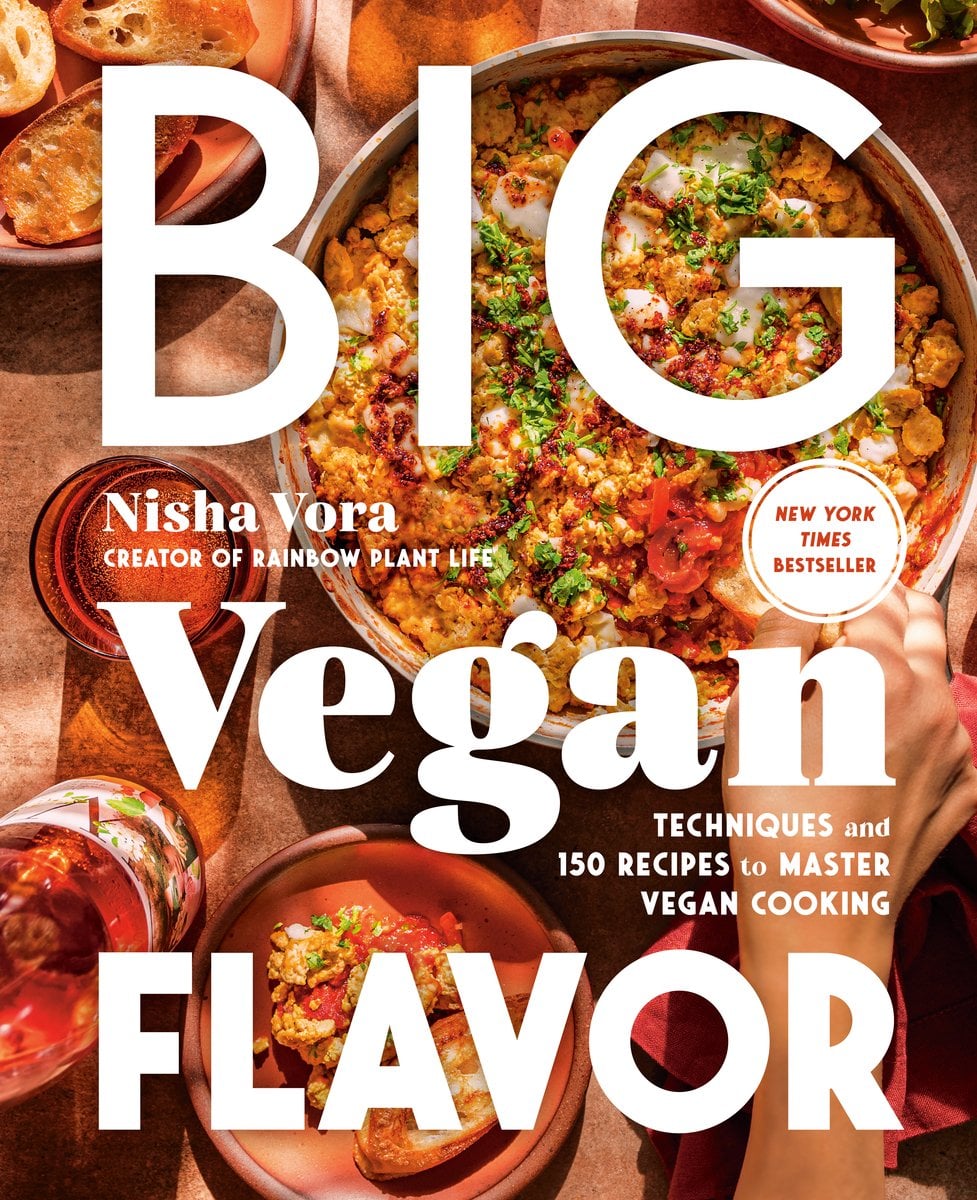
Big Vegan Flavor
By Nisha Vora
Think vegan food can’t be bold, exciting, and full of flavor? Think again!
Did you know? Bookshop.org gives 80%+ of their profits to support independent bookstores.
*We may earn a commission at no extra cost to you.
the french cooking academy
Want to learn how to cook French cuisine like a pro?
This channel breaks down classic French dishes in a way that’s easy to follow, even for beginners. Head over to their website here for tutorials and recipes.
For a deeper dive into French cooking, be sure to grab a copy of the cookbook!
book tip
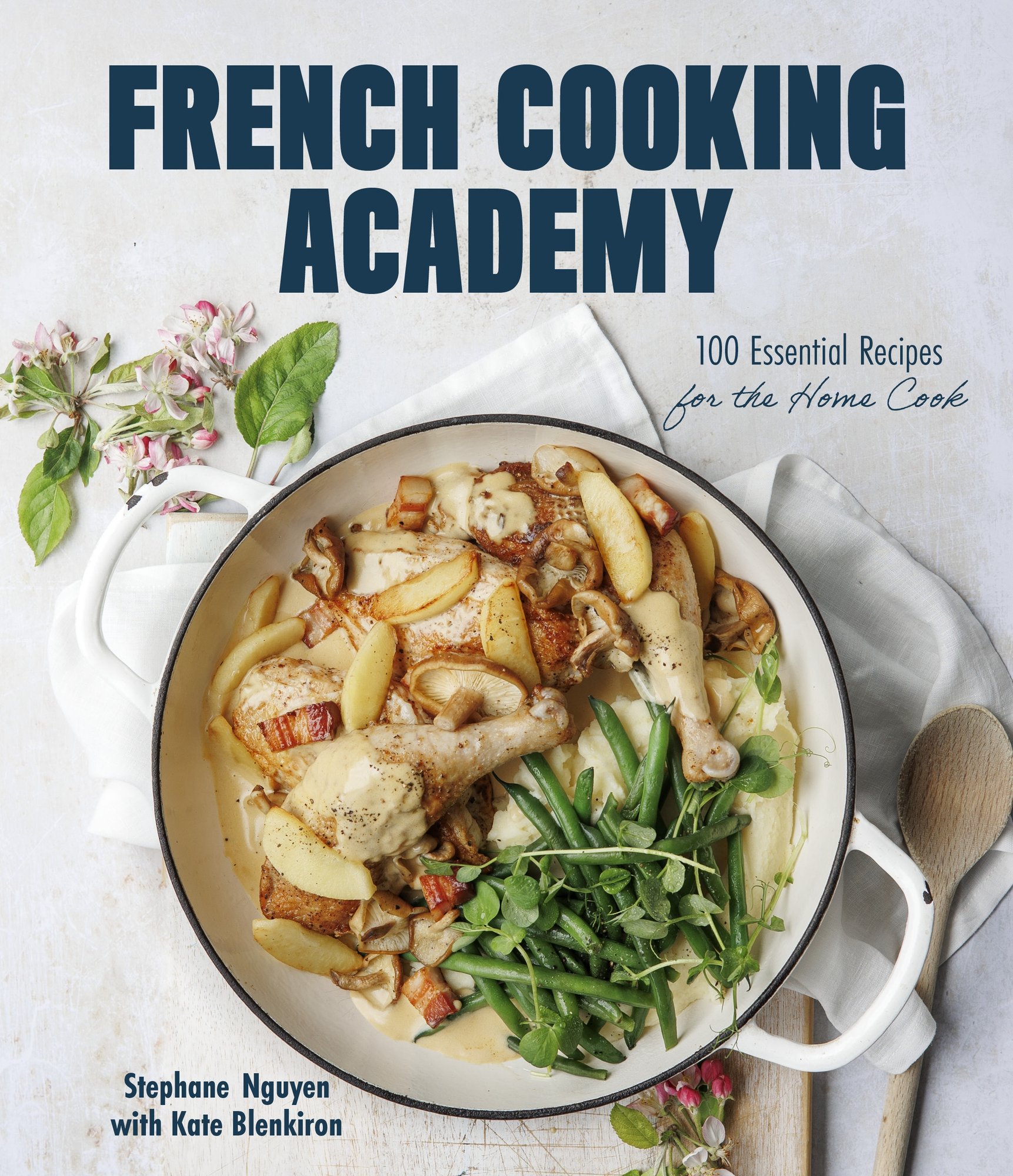
French Cooking Academy
By Stephane Nguyen and Kate Blenkiron
Dreaming of mastering French cuisine at home?
Did you know? Bookshop.org gives 80%+ of their profits to support independent bookstores.
*We may earn a commission at no extra cost to you.
hot thai kitchen
For those who love Thai food, Hot Thai Kitchen is a treasure trove of authentic recipes that’ll take your cooking to the next level. You can visit her website here for a wealth of Thai recipes.
If you want to bring her Thai cooking into your kitchen, then her cookbook is a must!
book tip
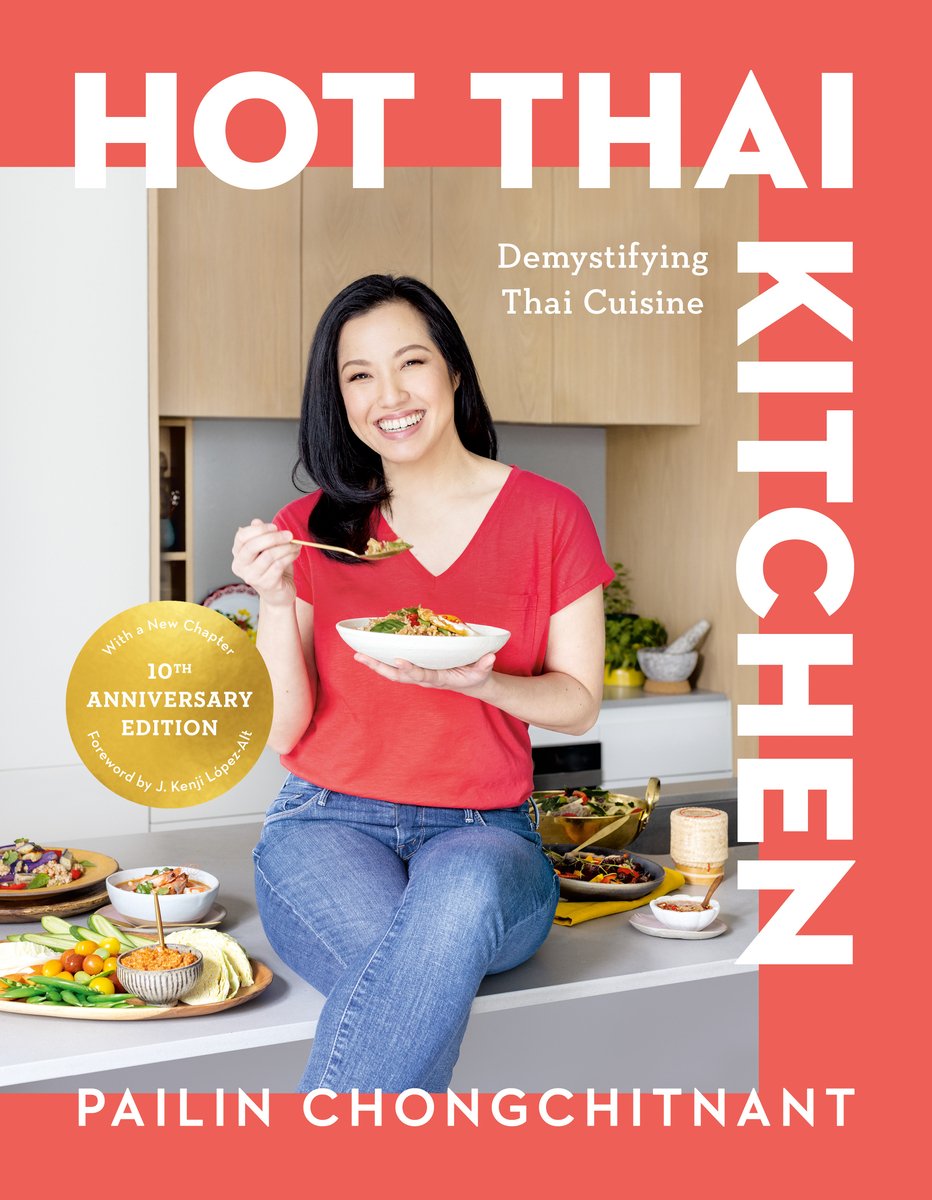
Hot Thai Kitchen
By Pailin Chongchitnant
Love bold, vibrant flavors but intimidated by Thai cooking? Then this book is for you.
Did you know? Bookshop.org gives 80%+ of their profits to support independent bookstores.
*We may earn a commission at no extra cost to you.
3. Meal Prep for Success
Take some time each week to plan your meals and prep ingredients in advance. Cook larger portions and store them for easy, healthy meals throughout the week. This way, you’ll have wholesome meals on hand when you’re too busy to cook.
If you’ve ever had the best intentions to meal prep… and then somehow still ended up staring into the fridge wondering what went wrong, you’re not alone.
One of the biggest meal-prep killers isn’t motivation—it’s messy, mismatched containers that leak, stain, or make your fridge look like chaos. That’s why having the right storage makes such a difference.
The Caraway 13-Piece Glass Food Storage Container Set from Amazon is one of those small upgrades that makes your life easier. The glass containers feel sturdy and clean (no weird smells or orange stains from last week’s pasta), and everything stacks neatly so your fridge doesn’t turn into a game of container Jenga.
When your prepped meals are easy to see, easy to grab, and don’t spill in your bag, you’re way more likely to actually eat them instead of ordering takeout.
By incorporating these tips and tools into your routine, you’ll not only make cooking more enjoyable and efficient, but you’ll also be taking a big step toward healthier, more sustainable eating habits that will benefit you in the long run.
Final Thoughts
Rediscovering real food instead of relying on ultra-processed alternatives can be an exciting, creative, and truly fulfilling experience.
At first, it might feel like a big shift, but trust me—it’s not as hard as it seems. I used to dread cooking and had little interest in it, but my love for food pushed me to learn.
And you know what?
Cooking with real ingredients made my meals taste so much better than anything I ever got from a box or bag. I didn’t realize how much added sugar and salt were in processed foods until I started cooking at home. Over time, my taste buds changed—I can’t even enjoy my old go-to sweets anymore because they taste way too sugary!
That’s the power of real food—it resets your taste buds and makes you crave things that actually benefit your body.
Of course, it’s okay to indulge in processed treats every now and then, but the key is to prioritize real foods as much as possible. Doing so doesn’t just improve your health—it can even support weight loss. It’s amazing how simple changes like this can make such a big difference!
So, the next time you’re tempted by that bag of chips or microwave meal, think about the long-term benefits of choosing real, healthy foods.
Your body will thank you—and who knows, you might even discover a new passion for cooking, just like I did!
*This article is for informational purposes only and is not intended as medical advice. It should not be used to diagnose, treat, or prevent any health condition. Always consult a qualified healthcare professional before making any changes to your diet, exercise, or health routine.
Cena, Hellas, and Philip C Calder. “Defining a Healthy Diet: Evidence for The Role of Contemporary Dietary Patterns in Health and Disease.” Nutrients vol. 12,2 334. 27 Jan. 2020, doi:10.3390/nu12020334. Adapted and used under the terms of the Creative Commons Attribution 4.0 International License.
Clark, Michael A et al. “Multiple health and environmental impacts of foods.” Proceedings of the National Academy of Sciences of the United States of America vol. 116,46 (2019): 23357-23362. doi:10.1073/pnas.1906908116. Adapted and used under the terms of the Creative Commons Attribution 4.0 International License.
Farmer, Nicole, and Elizabeth W Cotter. “Well-Being and Cooking Behavior: Using the Positive Emotion, Engagement, Relationships, Meaning, and Accomplishment (PERMA) Model as a Theoretical Framework.” Frontiers in psychology, vol. 12 560578. 12 Apr. 2021, doi:10.3389/fpsyg.2021.560578. Adapted and used under the terms of the Creative Commons Attribution 4.0 International License.
Lane, Melissa M. et al. "Ultra-processed food exposure and adverse health outcomes: umbrella review of epidemiological meta-analyses." BMJ, 2024; 384, 28 February 2024, doi: https://doi.org/10.1136/bmj-2023-077310. Adapted and used under the terms of the Creative Commons Attribution-NonCommercial 4.0 International License.
Lee, Sunghee, and Myungjin Choi. "Ultra-Processed Food Intakes Are Associated with Depression in the General Population: The Korea National Health and Nutrition Examination Survey." Nutrients, 15, no. 9: 2169, 2023, https://doi.org/10.3390/nu15092169. Adapted and used under the terms of the Creative Commons Attribution 4.0 International License.
The whole-food plant-based diet: what does it entail and what lessons can it offer South African dietitians?" South African Journal of Clinical Nutrition, 34:2, i-ii, 2021, DOI: 10.1080/16070658.2021.1943165. Adapted and used under the terms of the Creative Commons Attribution 4.0 International License.
Zhang, Ping. “Influence of Foods and Nutrition on the Gut Microbiome and Implications for Intestinal Health.” International journal of molecular sciencesvol. 23,17 9588. 24 Aug. 2022, doi:10.3390/ijms23179588. Adapted and used under the terms of the Creative Commons Attribution 4.0 International License.

Malin, the co-founder of Courier Wellness, is well-informed in nutrition and health and brings her own unique perspective to the world of holistic wellness. With a passion for writing and a deep interest in wellbeing, she wants to create content that fosters balance and nourishment for the mind and body.