7 Reasons Why You’re Always Hungry (It’s Not Just Willpower)

This post contains affiliate links, which means we may earn a commission if you purchase through our links—at no extra cost to you. As an Amazon Associate we earn from qualifying purchases. We only recommend products we use or trust. Learn more about affiliate marketing or read our full disclosure.
Have you ever caught yourself wondering, “Why am I always hungry—even when I’m eating healthy?” If so, you’re definitely not alone.
A lot of women carry this shame around hunger, as if it’s some kind of personal flaw. Like if they just had more willpower… or got rid of the snacks… or drank more water… they wouldn’t feel this way.
But here’s the truth: Hunger isn’t the enemy.
It’s not a sign you’re doing something wrong—it’s your body trying to talk to you. And once you learn to understand what it’s saying, everything starts to shift.
In this post, we’re going to unpack:
- Why you might feel hungry all the time—even after eating
- The real reasons your hunger isn’t “just in your head”
- What (and how) to eat so you can finally feel satisfied, energized, and in control
Ready? Let’s dive in.
You’re Not Broken—Your Body’s Just Smart
First things first: let’s drop the guilt.
If you feel like you’re always hungry, constantly thinking about food, snacking all day, or finishing meals only to feel weirdly unsatisfied—it’s not because you’re lacking willpower.
It’s because your body is trying to tell you something.

Hunger isn’t random.
It’s regulated by a complex mix of factors like:
So if you’ve been trying to just “push through” the hunger or white-knuckle it between meals, it makes total sense that you eventually feel out of control. Your body isn’t sabotaging you—it’s protecting you.
Let’s take a closer look at what might really be going on under the surface:
7 Real Reasons You’re Always Hungry
So what’s really going on?
Let’s break down some of the most common (and surprisingly overlooked) reasons you might feel always hungry—even when you’re eating “right.”
1. You’re Not Eating Enough Real Food (or Enough Food, Period)
Here’s something a lot of women don’t realize: trying to “eat healthy” often leads to accidentally under-eating.
Maybe it’s a green smoothie with no protein. Or a tiny salad with low-fat dressing. Or skipping breakfast because you’re “not that hungry.”
The problem?
Your body needs more than just volume—it needs fuel. When you’re not getting enough calories, protein, fat, or fiber, your body stays in hunger mode.
That can show up as:
- Constant grazing and snacking
- Afternoon energy crashes
- Intense sugar cravings
- Mood swings or irritability
Did You Know?
According to a 2022 review, your metabolism and appetite are tied to your internal body clock. Eating most of your calories late at night or skipping meals early in the day can throw off hunger hormones and make weight regulation harder over time.
One thing that makes this so much easier?
Meal prepping. The Caraway 14-Piece Glass Food Storage Set (available on Amazon) keeps prepped proteins, grains, and veggies fresh all week—and it’s stylish enough to go straight from fridge to table.

Caraway 14pc Glass Food Storage Container Set – Easy to Store, Non Toxic Lunch Box – with Glass Lids – Includes Storage Organizer & Dot & Dash Inserts – Mist
- Keeps food fresh longer – Airtight, BPA-free glass containers lock in flavor and nutrients.
- Fridge-to-table style – Sleek, modern design that looks as good serving dinner as it does storing leftovers.
- Meal-prep friendly – Multiple sizes make it easy to portion proteins, grains, and veggies for the week.
Related Article: The Complete Guide to Healthy Eating: Nourish Your Body for Life»
2. Your Blood Sugar Is On a Rollercoaster
Ever feel ravenous an hour after eating something “carby”?
That’s probably your blood sugar riding a rollercoaster.
When you eat a lot of processed carbs—think crackers, pastries, sweetened coffee drinks—your blood sugar spikes fast… and then crashes just as hard.
And when it crashes?
Your brain hits the panic button. It sends out strong hunger signals—even if you just ate.
Get the eBook
Join now to receive our FREE ebook on how to create a healthy relationship with food.

Did You Know?
A large study found that when your blood sugar dips just a few hours after eating—often after a light or unbalanced meal—you’re more likely to feel hungrier and eat more later.
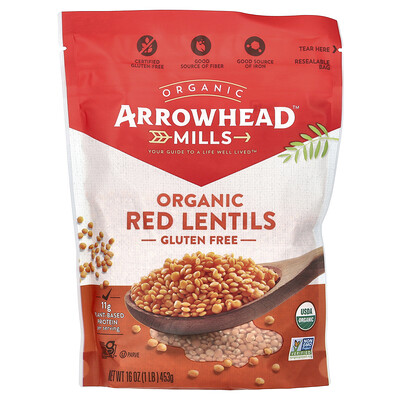
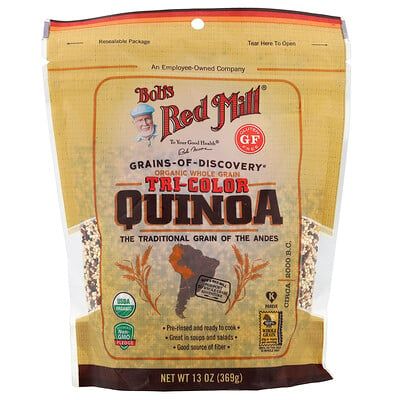
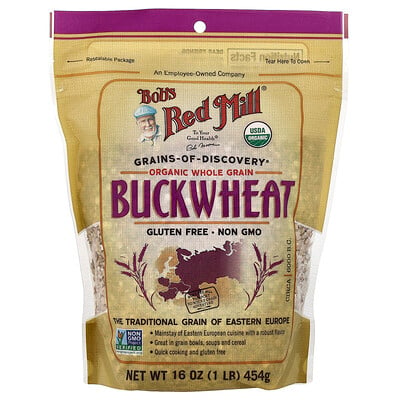
Always pair carbs with some protein or healthy fat for the best balance.
3. You’re Eating Emotionally or Reactively
Sometimes, hunger isn’t physical—it’s emotional.
If you find yourself reaching for food when you’re bored, stressed, anxious, lonely, or just done with the day, that’s emotional hunger showing up. And it plays by a different set of rules.
Emotional hunger often:
- Hits suddenly, like out of nowhere
- Craves a specific comfort food (hello, chips or chocolate)
- Doesn’t feel satisfied—even after you’ve eaten
Helpful tools like the Intuitive Eating Workbook by Evelyn Tribole and Elyse Resch (available on Amazon) or Mindful Eating: A Guide to Rediscovering a Healthy and Joyful Relationship with Food can guide you through understanding your hunger cues.
And for those high-stress moments, a calming cup of PUKKA Organic Herbal Relax Tea can help you slow down and check in with your body before eating.


Related Article: How to Make Intuitive Eating Work For You and Support Weight Loss»
What Science Says
Emotional eating has been linked to depression, anxiety, and a preference for more unhealthy foods—especially during stressful times. It’s not just about how much you eat, but what you reach for when you’re emotionally overwhelmed. Studies suggest that managing stress and emotions may be just as important as managing food choices.

4. You’re Not Getting Enough Protein or Fat
Think of protein and fat as your hunger heroes.
- Protein helps trigger satiety hormones in your gut and brain—it tells your body, “Hey, we’re good!”
- Fat slows digestion and keeps your blood sugar from crashing, so you stay full longer.
If your meals are mostly carbs—even healthy ones like fruit or veggies—you’ll probably feel full for a little while… and then hungry all over again.
Try this instead:
For quick, fuss-free protein, the Evoloop Egg Cooker (available on Amazon) makes it easy to prepare perfectly cooked eggs—soft, medium, or hard-boiled—in minutes, so you can keep hunger in check without spending extra time in the kitchen.
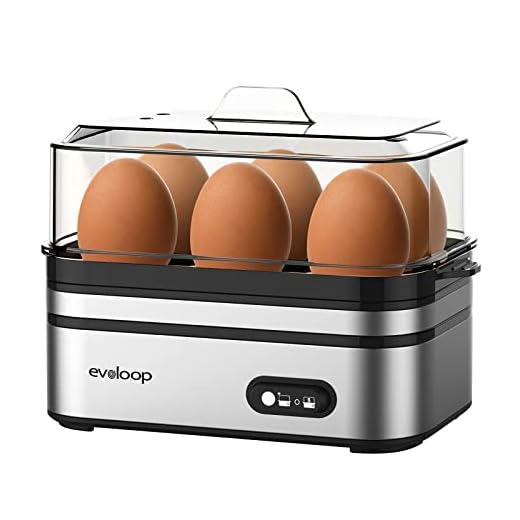
Evoloop Rapid Egg Cooker Electric 6 Eggs Capacity, Soft, Medium, Hard Boiled, Poacher, Omelet Maker Egg Poacher With Auto Shut-Off, BPA Free
- Perfect eggs every time – Cooks soft, medium, or hard-boiled eggs with no guesswork.
- Multi-functional – Also poaches eggs and makes omelets in minutes.
- Compact & convenient – Small footprint and auto shut-off make it ideal for busy mornings.
5. You’re Skipping Breakfast or Drinking It
If your “breakfast” is a banana and coffee—or nothing at all—you are setting yourself up for rebound hunger later.
When you skip or skimp on breakfast, your body gets the message: “Fuel is scarce. Stay hungry.”
And so it does… all day long.
Try this instead:
Fuel your body early, and you’ll be surprised how much more balanced your hunger feels the rest of the day.
Related Article: 9 Sustainable Weight Loss Habits That Will Change Your Life»
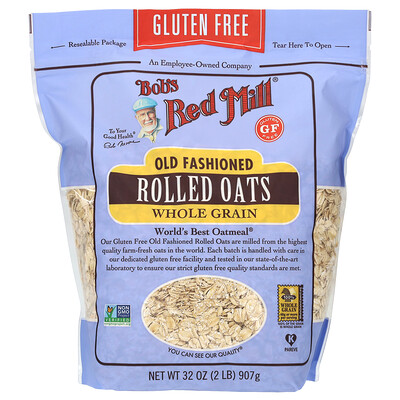
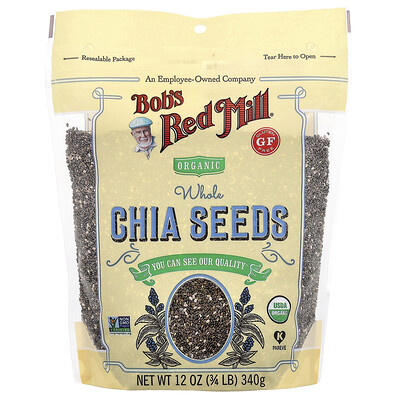
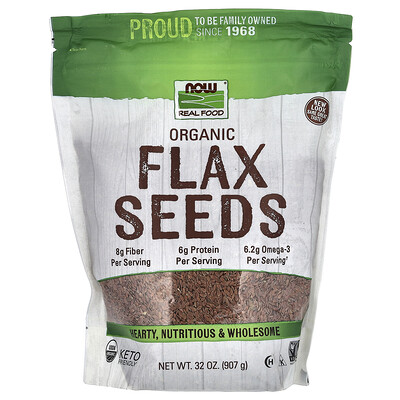
To make it easier, stock your kitchen with a few breakfast staples like Bob’s Red Mill Old Fashioned Rolled Oats for overnight oats or a warm, hearty bowl, Bob’s Red Mill Organic Whole Chia Seeds to stir into smoothies or yogurt for extra fiber and omega-3s, and Now Foods Organic Flax Seeds for sprinkling over yogurt or blending into a smoothie for a nutrient boost.
What Science Says:
A 2021 review found that kids and teens who ate a protein-rich breakfast felt fuller, had lower hunger, and even showed signs of better energy balance throughout the morning—compared to those who skipped protein or had a carb-heavy meal. Researchers suggest that protein helps regulate appetite hormones and might even help with long-term weight management.
6. You’re Sleep-Deprived or Stressed
When you’re running on little sleep (or lots of stress), your hunger signals go haywire.
Here’s what happens:
- Ghrelin (your hunger hormone) goes up
- Leptin (your fullness hormone) goes down
- And cortisol (your stress hormone) cranks up cravings for sugar, salt, and quick energy
Even if you’re eating balanced meals, this combo can make it really hard to feel satisfied.
Try this instead:
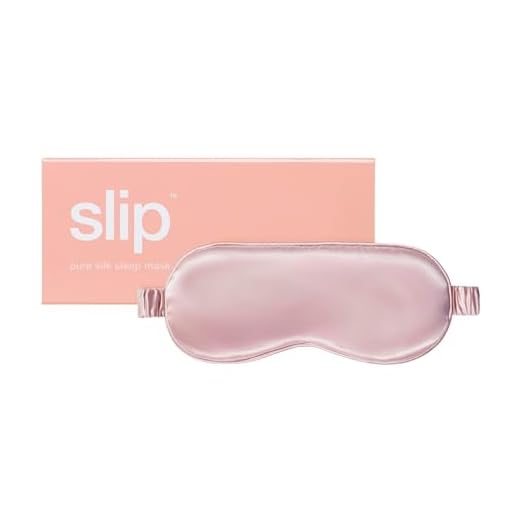
To support better rest, consider using a Slip Pure Silk Mask to block out light, a thisWorks Deep Sleep Pillow Spray to calm your mind, and a Snooze Smart White Noise Machine to minimize distractions.


Rest is nourishment, too—and your hunger will feel so much more manageable when your body’s not running on fumes.
7. You’ve Been Restricting Too Long
If you’ve spent years dieting, skipping meals, trying to “be good,” or eating under 1,400 calories a day… your body has noticed.
All that restriction—especially paired with food guilt—can throw your hunger cues out of sync. Your body isn’t broken. It’s protecting you.
Because when it senses deprivation?
It fights back with more hunger, stronger cravings, and a drive to hold on to energy.
Related Article: Can You Really Lose Weight with 1500 Calories Per Day?»
Try this instead:
Using a tool like the Clever Fox Food Journal (available on Amazon) can help track patterns, tune into true hunger signals, and gently guide you toward a balanced, more intuitive relationship with food.

Clever Fox Food Journal – Daily Food Diary, Meal Planner to Track Calories & Nutrients, Weight Tracker Notebook, A5 (Rose Gold)
- Stay mindful – Track meals, snacks, and water intake to build healthy eating habits.
- Goal-focused – Includes space for setting intentions, tracking progress, and reflecting daily.
- Portable & durable – Compact design with a sturdy cover for easy on-the-go journaling.
What Science Says:
Years of restriction—and exposure to ultra-processed foods—can change the way your brain responds to hunger and satisfaction. Research shows that people who regularly eat Western-style diets (think: high sugar, high saturated fat) may become more sensitive to cravings for palatable foods, even when they’re full—and less responsive to general hunger, like when their body needs real fuel. It’s like the brain forgets how to recognize “enough.”
So, What Should You Eat to Feel Full?
Let’s keep it simple.
Here’s a quick and easy way to build meals that actually satisfy your hunger—and keep you feeling good for hours: the 3-S Meal Framework.
1. Satiety (Protein)
Protein is your hunger-buster. It tells your brain you’re full and satisfied. Think: eggs, chicken, tofu, Greek yogurt, beans, or even protein powder like Sports Research Collagen Powder.

Sports Research, Collagen Peptides, Unflavored, 1 lb (454 g)
- Supports skin, hair & joints – Promotes elasticity, hydration, and overall joint health.
- Easily dissolves – Mixes smoothly into coffee, smoothies, or recipes without altering taste.
- High-quality & clean – Sourced from grass-fed, pasture-raised cattle with no added fillers.
Including protein in every meal helps keep those hunger pangs at bay.
2. Stability (Healthy Fat)
Healthy fats help steady the ship. They slow digestion, balance blood sugar, and keep you feeling grounded (not hangry an hour later).
Try adding avocado, nuts, tahini, or a high-quality olive oil like Oro Bailen Reserva Familiar (one of the most awarded), Entelia Olive Oil (great value), or Tamia Green (a versatile favorite that goes on everything).
Buying from Olive Oil Lovers means you’re getting the real deal—pure, fresh, high-quality olive oil, not the diluted stuff that often ends up on grocery store shelves.


Fat isn’t the enemy—it’s actually essential for staying full and supporting hormone health. But it’s important to remember: even healthy fats are calorie-dense, and eating too much—even of the good kind—can lead to weight gain.
Related Article: The Amazing Health Benefits of Olive Oil»
3. Simplicity (Fiber + Slow Carbs)
This is where fiber and slow-burning carbs come in—they keep digestion steady and give your body long-lasting energy without the crash.
Think: leafy greens, berries, sweet potato, lentils, oats, or squash. Simple, whole ingredients that actually fill you up.
- Example Breakfast: Veggie omelet + sourdough toast + avocado
- Example Lunch: Grilled salmon bowl with rice, kale, and tahini dressing
- Example Snack: Apple + almond butter or full-fat Greek yogurt + berries
Tip: If you love yogurt, making your own at home can save money, reduce additives, and taste amazing. I use the Luvele Yogurt Maker for creamy, fresh yogurt every time.
RECOMMENDATION
Luvele Pure Yogurt Maker

This simple and high-quality yogurt maker has advanced water-bath technology, which ensures even and consistent temperatures for thick, probiotic-rich yogurt.
Key features:
Real Talk: It’s Not About “More Discipline”
If you’re constantly hungry, it’s not because you’re lazy. Or addicted. Or out of control.
It’s because your body is:
- Underfed
- Under-recovered
- Or missing key nutrients it actually needs
You don’t need to fight your hunger.
You need to listen to it.
Understand it. Respect it.
When you start making food choices that truly satisfy and stabilize your body, everything shifts:
That’s not weakness. That’s freedom.
Related Article: The Ultimate Guide to Sustainable Weight Loss: Eat Better, Not Less»
Ready to Stop Fighting Hunger and Start Nourishing?
If you want to lose weight, feel more in control around food, and finally trust your hunger again—it doesn’t start with eating less.
It starts with eating better.
Not how little. But how well.
To help you get started, we’ve created a free guide packed with simple, effective tips. Just sign up for our email below to get your copy:
Get the eBook
Join now to receive our FREE ebook on how to create a healthy relationship with food.
Because here’s what I want you to remember: You are not meant to be hungry all the time. You are meant to be nourished.
Final Thoughts
If you’ve been feeling like you’re always hungry and just can’t figure out why—please know this: your body isn’t betraying you. It’s communicating with you.
And once you stop seeing hunger as the enemy and start seeing it as a signal, everything begins to shift. You don’t need more willpower—you need more nourishment, more clarity, and more trust in your own body.
True change doesn’t come from restriction.
It comes from learning how to fuel yourself in a way that’s satisfying, sustainable, and rooted in self-respect.
When you give your body what it actually needs, you create space for peace with food—and a version of health that doesn’t leave you feeling deprived.
You deserve to feel full. You deserve to feel energized. And you deserve to feel free.
*This article is for informational purposes only and is not intended as medical advice. It should not be used to diagnose, treat, or prevent any health condition. Always consult a qualified healthcare professional before making any changes to your diet, exercise, or health routine.
Davis, Rochelle et al. “The Impact of Meal Timing on Risk of Weight Gain and Development of Obesity: a Review of the Current Evidence and Opportunities for Dietary Intervention.” Current diabetes reports vol. 22,4 (2022): 147-155. doi:10.1007/s11892-022-01457-0. Adapted and used under the terms of the Creative Commons Attribution 4.0 International License.
Qiu, Meijuan, Yu Zhang, Zheng Long, and Yuna He. “Effect of Protein-Rich Breakfast on Subsequent Energy Intake and Subjective Appetite in Children and Adolescents: Systematic Review and Meta–Analysis of Randomized Controlled Trials.” Nutrients, vol. 13, no. 8, 2021, p. 2840. https://doi.org/10.3390/nu13082840. Adapted and used under the terms of the Creative Commons Attribution 4.0 International License.
Stevenson, Richard J., and Kerri Boutelle. “Hunger, Satiety, and Their Vulnerabilities.” Nutrients, vol. 16, no. 17, 2024, p. 3013. https://doi.org/10.3390/nu16173013. Adapted and used under the terms of the Creative Commons Attribution 4.0 International License.
Wyatt, Paul, et al. "Postprandial Glycaemic Dips Predict Appetite and Energy Intake in Healthy Individuals." Nature Metabolism, vol. 3, 2021, pp. 523–529. https://doi.org/10.1038/s42255-021-00383-x. Abstract only.

Malin, the co-founder of Courier Wellness, is well-informed in nutrition and health and brings her own unique perspective to the world of holistic wellness. With a passion for writing and a deep interest in wellbeing, she wants to create content that fosters balance and nourishment for the mind and body.