Mediterranean Diet for Beginners: Your Complete Guide to Getting Started

This post contains affiliate links, which means we may earn a commission if you purchase through our links—at no extra cost to you. As an Amazon Associate we earn from qualifying purchases. We only recommend products we use or trust. Learn more about affiliate marketing or read our full disclosure.
If you’ve been hearing all the buzz about the health benefits of the Mediterranean diet and are curious to give it a try—but aren’t exactly sure where to start—you’re in the right place.
Think of this as your go-to Mediterranean diet for beginners guide. I’ll cover everything you need to get started: what to eat, simple tips to make it stick, and even easy meal ideas that are as tasty as they are heart-healthy.
By the end, you’ll feel confident—and excited—to embrace this delicious way of eating.
So, let’s dive in!
What Is the Mediterranean Diet?
So, what exactly is the Mediterranean diet?
Simply put, it’s inspired by the traditional eating habits of countries that hug the Mediterranean Sea—think Greece, Italy, and Spain.
But don’t worry, you don’t need to book a flight to enjoy it!
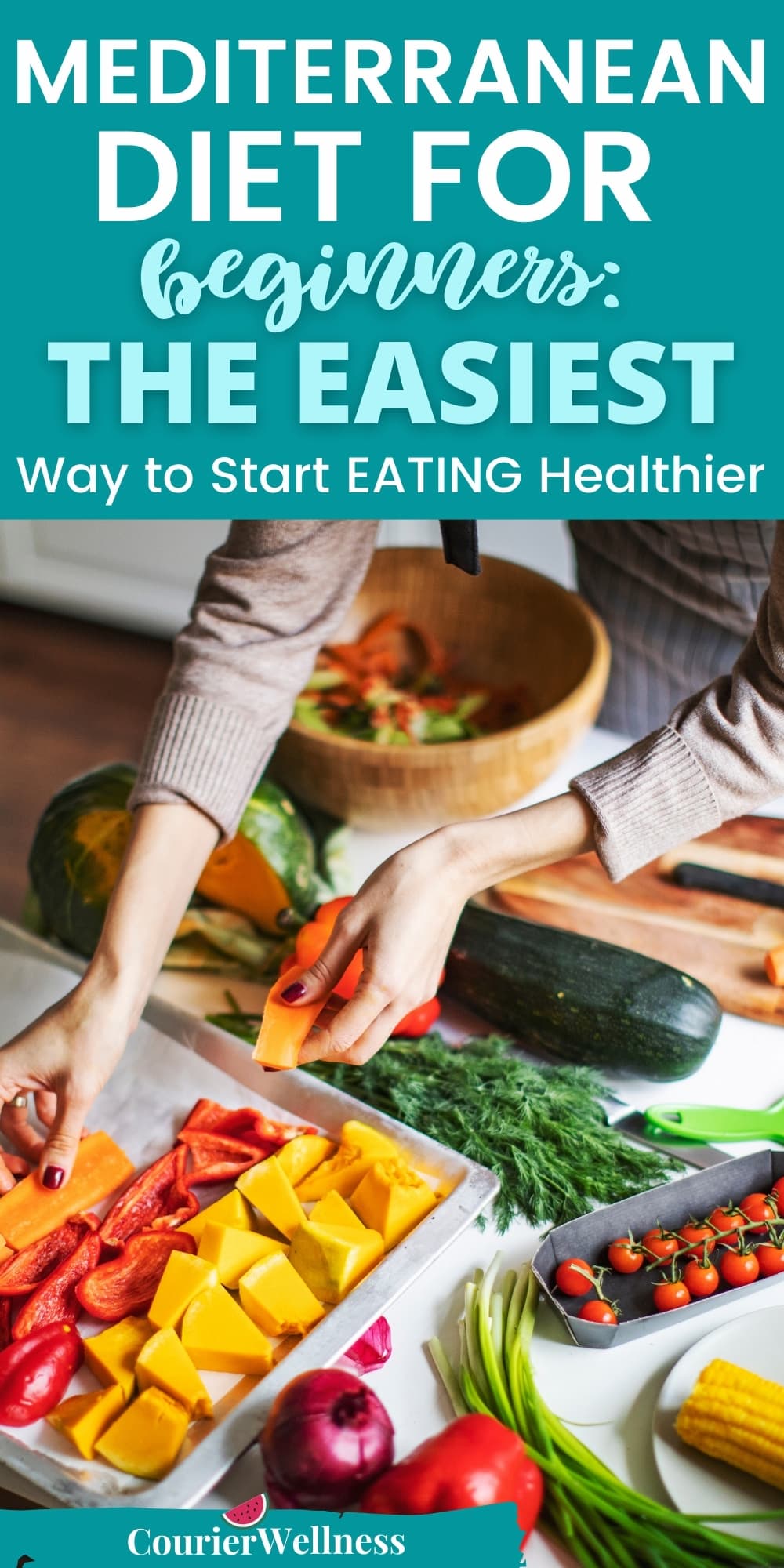
This way of eating focuses on fresh, whole foods, healthy fats, and balanced nutrition—not strict calorie counting or depriving yourself of the foods you love.
Here’s the gist of the Mediterranean diet for beginners:
Load up on fruits, vegetables, legumes, nuts, and whole grains. These are the stars of the show and provide plenty of fiber, vitamins, and minerals.
Use extra virgin olive oil as your main fat. It’s heart-healthy, flavorful, and can even make a simple salad feel gourmet.
Enjoy fish and seafood regularly. Think salmon, sardines, shrimp—packed with omega-3s.
Go easy on red meat and processed foods. They’re not forbidden, but they’re more of an occasional treat.
Include dairy here and there, like yogurt and cheese. These add protein and creaminess without overdoing it.
Red wine is optional—but if you do, keep it moderate. A glass here and there can be part of the fun.
Move your body and savor your meals. Walking, stretching, or enjoying meals with friends and family is just as much a part of this lifestyle as what’s on your plate.
In short, the Mediterranean diet isn’t about rules or restrictions—it’s about enjoying wholesome, flavorful foods that make you feel good inside and out.
related Posts:
- 9 Surprising Health Benefits of the Mediterranean Diet (Backed by Science)
- Mediterranean Diet Food List for Beginners: Your Simple Guide
- The Ultimate Mediterranean Diet Blueprint: How to Eat, Cook, and Thrive
- 15 Quick and Tasty Mediterranean Diet Breakfast Ideas
- The Complete Mediterranean Diet Grocery List for Beginners
Why Should Beginners Try the Mediterranean Diet?
If you’re new to healthy eating—or if you’ve tried diets that felt strict, boring, or just plain impossible to stick to—the Mediterranean diet is a breath of fresh air.
It’s flexible, enjoyable, and backed by decades of research showing it supports your overall health in some amazing ways:
Heart Health
Extra virgin olive oil—the main fat in the Mediterranean diet—is packed with natural antioxidants that support healthy cholesterol, keep your blood vessels happy, and help your body manage blood sugar more steadily.
Research shows it can support better long-term heart health.
Brain Health
The Mediterranean diet is naturally rich in antioxidants from fruits, veggies, nuts, seeds, and extra virgin olive oil — all of which help protect your brain from everyday stress and inflammation.
These nutrients support healthy communication between brain cells, may help keep memory sharp as you age, and are linked with a lower risk of cognitive decline.
Weight Management
Supports healthy, sustainable weight goals. Instead of strict rules or cutting out entire food groups, the Mediterranean diet focuses on satisfying, nutrient-rich foods like fruits, vegetables, whole grains, lean proteins, and extra virgin olive oil.
Research shows that people who stick closely to this way of eating are more likely to maintain weight loss over time — partly because the diet is filling, balanced, and easy to enjoy day after day.
Gut Health
Nourishes a healthy, balanced gut. Because the Mediterranean diet is naturally rich in fiber, plant foods, and polyphenols, it helps feed the “good” bacteria in your digestive system.
This supports a stronger gut lining, reduces inflammation, and promotes smoother digestion.
Over time, a healthier gut can also support better metabolism, steadier energy, and even improved mood and cognitive function.
Reduce Inflammation
The Mediterranean diet is full of healthy fats, fiber, vitamins, and antioxidants that naturally support your immune system and lower chronic inflammation.
Research shows that ingredients like extra virgin olive oil, nuts, fruits, and vegetables help your body manage inflammatory responses, while fiber feeds the gut bacteria that also play a role in keeping inflammation in check.
Over time, this can support overall health, including heart, brain, and gut function.
Key Takeaway
For beginners, the best part is that all these benefits come from focusing on fresh, flavorful foods—not complicated rules or endless restrictions.
It’s a way of eating that feels good, tastes amazing, and actually fits into your life.
Mediterranean Diet for Beginners: What to Eat
Starting with the basics is the easiest way to build a healthy, lasting habit. When it comes to the Mediterranean diet, think of it as adding more of the good stuff rather than taking things away.
Here’s what to focus on:
1. Fruits and Vegetables
Aim to fill at least half your plate with vegetables at every meal. They’re packed with fiber, vitamins, and antioxidants that help your body feel amazing.
On top of that, make sure to enjoy 1–2 servings of fruit each day.
Fresh, seasonal fruit is a natural way to satisfy your sweet tooth while giving your body a boost of nutrients. Think juicy berries, crisp apples, or a handful of grapes—simple, delicious, and energizing.
2. Whole Grains
Instead of refined grains, reach for whole grains like brown rice, quinoa, barley, whole wheat, or oats.
They keep you feeling full longer, support digestive health, and add a satisfying, nutty flavor to your meals.
Think hearty morning oatmeal, a side of fluffy quinoa, or a slice of whole-grain bread—it’s all about simple swaps that make a big difference.
If you want to make whole grains a regular part of your Mediterranean meals, having some reliable pantry staples makes it so much easier.
I personally love keeping a few of these on hand:
- NOW Foods, Real Food, Organic Sprouted Brown Rice (available on iHerb) – this cooks up fluffy and nutty, perfect as a side for veggies or fish. It keeps you full and satisfied, so you won’t be reaching for snacks too soon.
- Bob’s Red Mill Organic Tri-Color Quinoa (available on iHerb) – it’s quick to cook, adds a fun pop of color, and gives your meals a protein boost. I love tossing it in salads or pairing it with roasted veggies for a filling lunch.
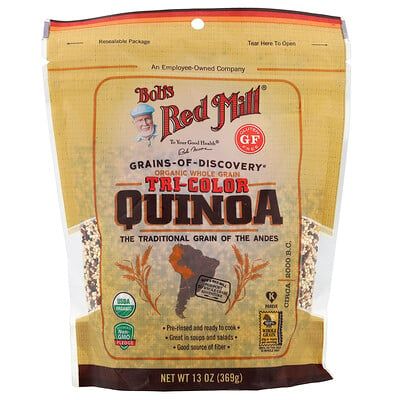
Bob's Red Mill, Organic Tri-Color Quinoa, Whole Grain, 13 oz (369 g)
- Bob’s Red Mill Pearl Barley (available on iHerb) – hearty and chewy, it makes soups, stews, or grain bowls extra satisfying while keeping you full for hours.
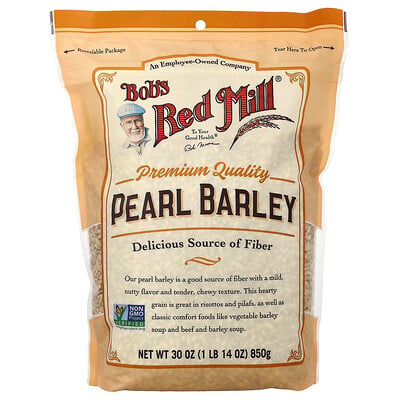
Bob's Red Mill, Pearl Barley, 1 lb 14 oz (850 g)
- Bob’s Red Mill Steel Cut Oats (available on iHerb) – morning oatmeal never felt so hearty! The texture is wonderfully chewy, and it keeps me energized all morning without that mid-morning crash.
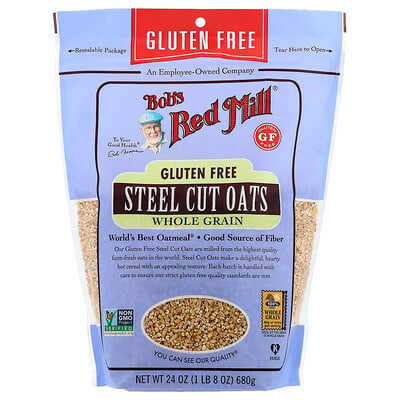
Bob's Red Mill, Steel Cut Oats, Whole Grain, Gluten Free, 24 oz (680 g)
The best part?
These grains support your digestion, keep you feeling full longer, and make it easy to enjoy satisfying, balanced meals. Once you have them stocked, healthy swaps like these become second nature
3. Legumes
Beans, lentils, chickpeas, and peas are plant-based protein powerhouses. They’re not only packed with protein but also loaded with fiber, which keeps your digestion happy and helps you feel full longer.
Toss them into salads, soups, stews, or even make a creamy hummus—there are endless tasty ways to enjoy them.
If you want to make legumes a regular part of your Mediterranean meals, having some pantry staples you trust makes it so much easier.
A few favorites from iHerb to try:
- Eden Foods Organic Black Beans – these cook up beautifully in soups, stews, or salads. They’re packed with protein and fiber, keeping you full and satisfied for hours.
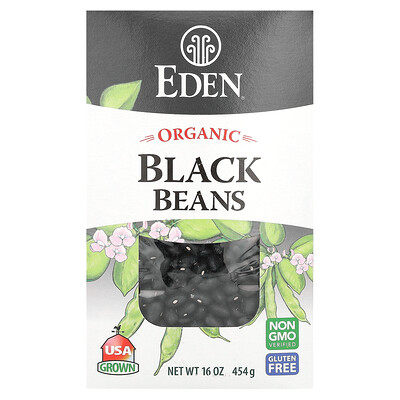
Eden Foods, Organic Black Beans, 16 oz (454 g)
- Arrowhead Mills Organic Red Lentils – quick-cooking and versatile, they’re perfect for hearty soups or a simple lentil curry. Plus, they support digestive health with all that natural fiber.
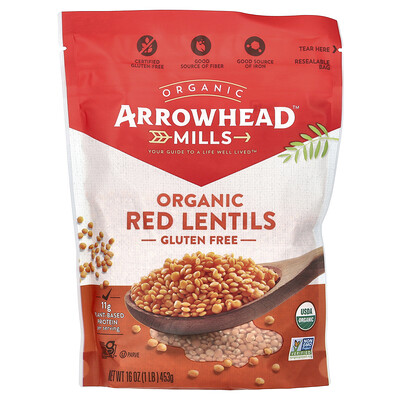
Arrowhead Mills, Organic Red Lentils, 16 oz (453 g)
- Arrowhead Mills Organic Chickpeas – the star of hummus or roasted snacks! Chickpeas add protein and texture to salads, stews, or even quick grain bowls.
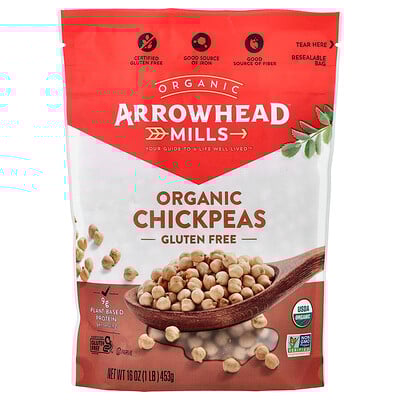
Arrowhead Mills, Organic Chickpeas, 16 oz (453 g)
Stocking your pantry with high-quality, organic legumes makes it easy to whip up meals that are filling, nourishing, and full of flavor. They’re the kind of ingredients that let you enjoy your food while giving your body a real boost.
4. Nuts and Seeds
Almonds, walnuts, pistachios, chia seeds, and flaxseeds might be small, but they pack a big nutritional punch. They’re loaded with healthy fats, fiber, and essential micronutrients.
Sprinkle them on salads, oatmeal, or yogurt, or enjoy a handful as a satisfying snack between meals.
If you want to make nuts and seeds a regular part of your Mediterranean meals, having some quality staples on hand makes it super easy.
A few favorites from iHerb to try:
- NOW Foods Organic Raw Almonds, Unsalted – perfect for a quick snack or sprinkled on oatmeal and yogurt. They keep you full, support heart health, and add a satisfying crunch.
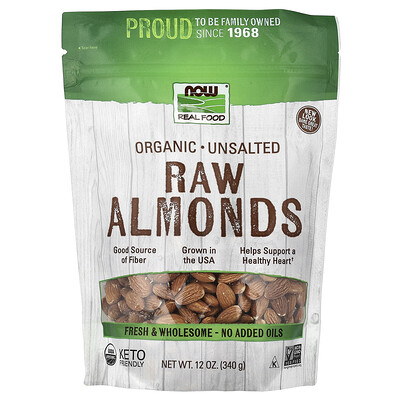
NOW Foods, Real Food, Organic Raw Almonds, Unsalted, 12 oz (340 g)
- NOW Foods Raw Walnuts, Unsalted – rich in omega-3s, these are great for brain health and make salads, granola, or roasted veggie bowls even more delicious.
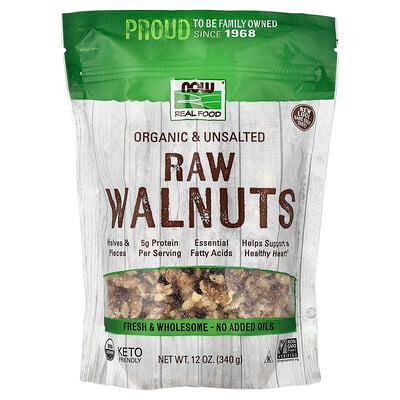
NOW Foods, Real Food, Organic Raw Walnuts, Unsalted, 12 oz (340 g)
- Mamma Chia Organic Chia Seeds – tiny but mighty! Add them to smoothies, oatmeal, or yogurt for extra fiber, protein, and healthy fats.
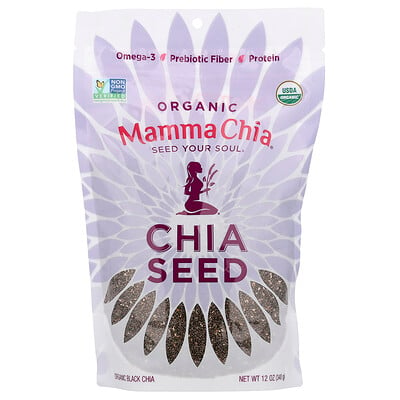
Mamma Chia, Organic Chia Seed, 12 oz (340 g)
- NOW Foods Organic Flax Seeds (available on iHerb) – another powerhouse for fiber and omega-3s. Great in baked goods, sprinkled on cereals, or blended into smoothies.
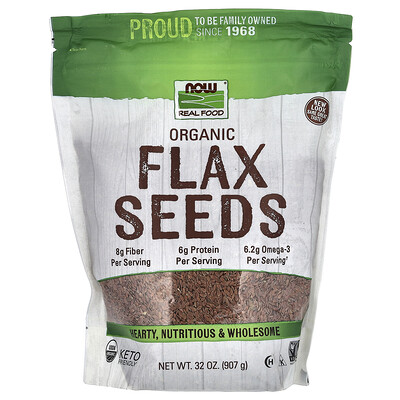
NOW Foods, Real Food, Organic Flax Seeds, 32 oz (907 g)
Stocking your pantry with these nutrient-packed nuts and seeds makes it easy to enjoy snacks and meals that are filling, flavorful, and good for your body. They’re small ingredients that make a big impact on your health and satisfaction.
5. Olive Oil
Make extra virgin olive oil your go-to for cooking and salad dressings. It’s packed with heart-healthy monounsaturated fats and antioxidants, and it adds rich, delicious flavor to everything from roasted veggies to simple greens.
If you want to make olive oil a regular part of your Mediterranean meals, having a few reliable bottles on hand makes it easy—and delicious.
A few favorites from Olive Oil Lovers to try:
- Entelia Extra Virgin Olive Oil – great value without compromising on quality. Perfect for everyday cooking and dressings.

Entelia
- Quattrociocchi Superbo Organic – high in polyphenols, making it especially heart-healthy and full of robust flavor.

Quattrociocchi Superbo Organic
- Tamia Green – a versatile favorite that works on just about everything. Drizzle it over roasted veggies, salads, or grilled fish to instantly add rich flavor and heart-healthy goodness.

Tamia Green
- Pruneti Frantoio Biologico – award-winning and full-bodied, this one turns even simple dishes into something special.

Pruneti Frantoio Biologico
The best part?
Extra virgin olive oil isn’t just tasty—it’s packed with heart-healthy fats and antioxidants, so every meal you make with it is doing your body good.
Think of it as your everyday flavor boost that’s as nourishing as it is delicious.
6. Fish and Seafood
Try to enjoy at least two servings of fatty fish each week, like salmon, sardines, mackerel, or trout. These are packed with omega-3 fatty acids, which support heart and brain health.
Whether grilled, baked, or tossed into a salad, fish is an easy way to add flavor and nutrition to your week.
7. Dairy
Include moderate amounts of yogurt and cheese in your diet. Goat or sheep milk varieties are especially tasty and easier to digest for some people.
These add a bit of creaminess, protein, and calcium to your meals without overdoing it—think a dollop of Greek yogurt with fruit or a sprinkle of cheese on a salad.
If you want to enjoy fresh, creamy yogurt at home, a good yogurt maker can make a huge difference.
I’ve been using the Luvele Pure Yogurt Maker (the smaller version) and ferment my yogurt for 24 hours—I eat it almost every day, and it’s been amazing for my gut health. Honestly, once you make your own yogurt, you realize how much better it tastes compared to store-bought versions.
editor’s choice
Luvele Pure Yogurt Maker

This simple and high-quality yogurt maker has advanced water-bath technology, which ensures even and consistent temperatures for thick, probiotic-rich yogurt.
Key features:
*We may earn a commission at no extra cost to you.
If you want something bigger or more versatile, the Luvele Pure Plus Yogurt Maker is great. You can make larger batches and even try kefir, which is another gut-friendly, protein-rich option.
great pick
Luvele Pure Plus Yogurt Maker

This versatile and high-quality yogurt maker features advanced water-bath technology, delivering precise, consistent temperatures for thick, probiotic-rich yogurt—and even homemade kefir.
Key features:
*We may earn a commission at no extra cost to you.
Making your own yogurt at home is simple, delicious, and lets you control exactly what goes into it—no hidden sugars or additives. It’s one of those small changes that can really support digestion and make your meals more satisfying.
8. Poultry and Eggs
Enjoy poultry and eggs in moderation. They’re a great source of protein without too much saturated fat.
Think roasted chicken, turkey, or a simple veggie omelet—easy, versatile, and perfect for keeping your meals balanced.
9. Red Meat
Keep red meat to a few times per month, and when you do, choose lean cuts. It’s all about balance—savor it as an occasional treat rather than a daily staple, and pair it with plenty of veggies and whole grains to round out your meal.
10. Sweets and Ultra-Processed Foods
Keep sweets and ultra-processed foods to a minimum. Instead, satisfy your cravings with fresh fruit or a small piece of dark chocolate.
This way, you still enjoy a little indulgence without derailing your healthy eating habits.
Mediterranean Diet for Beginners: What to Avoid
While the Mediterranean diet focuses on delicious, wholesome foods, there are a few things you’ll want to limit or avoid to get the best results:
High in added sugars and unhealthy fats, these are best kept to a minimum.
These are found in some fried and packaged foods and aren’t heart-friendly.
Think sausages, deli meats, and other heavily processed options—enjoy these only occasionally.
White bread, pastries, and other refined treats can sneak in extra sugar and calories.
Focusing on whole, fresh foods while minimizing these items helps you get the full health benefits of the Mediterranean diet without feeling deprived.
Getting Started: Simple Tips for Mediterranean Diet Beginners
Transitioning to a new way of eating can feel overwhelming, but the Mediterranean diet is all about small, enjoyable changes that add up over time.
Here are some tips to help you ease in smoothly:
1. Start Small and Swap Smart
You don’t have to overhaul your entire diet overnight.
Begin with simple swaps:
- Use olive oil instead of butter or vegetable oil.
- Swap white bread and pasta for whole-grain versions.
- Add an extra serving of veggies to your meals.
Little changes like these make a big difference over time—and they’re easy to stick with.
2. Plan Your Meals
Set yourself up for success by keeping Mediterranean staples on hand—think olive oil, nuts, canned or dry beans, whole grains, and frozen veggies.
Planning simple meals ahead of time makes it easier to stick to healthy choices and reduces the temptation to reach for processed foods. A little prep goes a long way!
3. Cook at Home More Often
Making meals at home gives you full control over your ingredients—and it’s a great way to embrace the Mediterranean tradition of cooking and sharing food.
Even simple dishes, like roasted vegetables with olive oil or a hearty bean salad, can be delicious, satisfying, and healthier than takeout.
One way to make cooking at home easier and healthier is to use non-toxic, high-quality cookware. For example, the Caraway Nonstick Ceramic Cookware Set (12 Piece) from Amazon is designed to be free from harmful chemicals, distributes heat evenly, and helps you cook with less oil.
Using cookware like this can make healthy cooking simpler, safer, and more enjoyable, especially if you’re trying out new Mediterranean recipes.
Plus, once you get into the rhythm of cooking at home, it can actually be fun—and you’ll start looking forward to preparing meals that nourish your body and taste amazing.
4. Embrace Herbs and Spices
Let herbs and spices do the heavy lifting when it comes to flavor. Garlic, oregano, basil, rosemary, and thyme can transform a simple dish into something delicious—without adding extra salt or fat.
Experimenting with different combinations can make meals exciting and keep your taste buds happy.
5. Try New Recipes Gradually
You don’t have to change everything at once—experiment slowly and have fun in the kitchen. Try Mediterranean classics like Greek salad, ratatouille, shakshuka, or grilled fish with lemon and herbs.
Adding just one new recipe a week can keep things exciting and help you build a sustainable routine.
Personal tip:
I love this Mediterranean Chopped Greek Salad with Lettuce and Avocado recipe from Natasha’s Kitchen—it’s fresh, easy, and full of flavor!
6. Enjoy Your Meals
The Mediterranean diet isn’t just about what you eat—it’s about how you eat. Take time to savor your food, eat mindfully, and ideally share meals with family or friends.
Slowing down and enjoying the experience makes meals more satisfying and helps you stick to healthy habits for the long term.
7. Incorporate Physical Activity
The Mediterranean lifestyle isn’t just about food—it’s about moving your body regularly.
Simple activities like walking, cycling, or gardening can complement your new eating habits and boost your overall health.
Think of it as part of the lifestyle, not a chore—small, consistent movement goes a long way!
Sample Mediterranean Diet for Beginners Meal Plan
To make things easier, here’s a simple sample meal plan to give you an idea of what a day on the Mediterranean diet can look like.
Remember, it’s flexible—swap in your favorite fruits, veggies, grains, and proteins to suit your taste.
Breakfast
- Greek yogurt topped with fresh berries, walnuts, and a sprinkle of cinnamon
- Whole-grain toast with mashed avocado, fresh lime juice, and a sprinkle of sea salt
This combo gives you protein, fiber, healthy fats, and natural sweetness to start your day feeling full and energized.
Lunch
- Quinoa salad with cucumbers, tomatoes, olives, feta cheese, and a drizzle of olive oil dressing
- Lentil soup loaded with vegetables, served with a slice of whole-grain bread
This lunch is filling, nutrient-packed, and full of Mediterranean flavor. You’re getting fiber from the quinoa and lentils, healthy fats from the olive oil and olives, and plenty of vitamins from fresh veggies—perfect for keeping energy levels steady through the afternoon.
Snack
- A handful of almonds paired with a crisp apple
- Hummus served with carrot and cucumber sticks
These snacks are simple, satisfying, and packed with fiber, protein, and healthy fats. They keep you energized between meals and help curb cravings without relying on processed treats.
Dinner
- Grilled salmon with steamed broccoli and roasted sweet potatoes
- Chicken souvlaki served with tzatziki sauce, a side Greek salad, and a portion of bulgur
This way, you’re getting protein, healthy fats, fiber, and complex carbs, which keeps you full and satisfied. It’s a complete, balanced Mediterranean-style dinner that’s both delicious and practical.
Mediterranean Diet for Beginners: Shopping List Essentials
To make getting started easier, here’s a list of staple items to keep on hand.
Stocking your kitchen with these essentials will set you up for success:
Grocery List
With these basics in your kitchen, putting together Mediterranean meals is simple, flexible, and delicious.
Frequently Asked Questions
Final Thoughts
The Mediterranean diet is more than just what’s on your plate—it’s a lifestyle that celebrates fresh, wholesome food, shared meals, and balance. For beginners, it’s a flexible, flavorful path to better health without strict rules or calorie counting.
Start small, savor the delicious foods, and let the diet work its magic naturally.
With a little patience and consistency, the Mediterranean diet can become your lifelong way to nourish both body and soul, making healthy eating feel enjoyable rather than restrictive.
*This article is for informational purposes only and is not intended as medical advice. It should not be used to diagnose, treat, or prevent any health condition. Always consult a qualified healthcare professional before making any changes to your diet, exercise, or health routine.
Flynn, Mary M et al. “Is Extra Virgin Olive Oil the Critical Ingredient Driving the Health Benefits of a Mediterranean Diet? A Narrative Review.” Nutrients vol. 15,13 2916. 27 Jun. 2023, doi:10.3390/nu15132916. Adapted and used under the terms of the Creative Commons Attribution 4.0 International License.
Perrone, Pasquale, and Stefania D'Angelo. “Gut Microbiota Modulation Through Mediterranean Diet Foods: Implications for Human Health.” Nutrients vol. 17,6 948. 8 Mar. 2025, doi:10.3390/nu17060948. Adapted and used under the terms of the Creative Commons Attribution 4.0 International License.
Picone, Pasquale et al. “Enriching the Mediterranean diet could nourish the brain more effectively.” Frontiers in nutrition vol. 11 1489489. 27 Nov. 2024, doi:10.3389/fnut.2024.1489489. Adapted and used under the terms of the Creative Commons Attribution 4.0 International License.
Poulimeneas, Dimitrios et al. “Exploring the relationship between the Mediterranean diet and weight loss maintenance: the MedWeight study.” The British journal of nutrition vol. 124,8 (2020): 874-880. doi:10.1017/S0007114520001798. Adapted and used under the terms of the Creative Commons Attribution 4.0 International License.

Linda is the co-founder of Courier Wellness and holds a Diploma in Natural Health Nutrition & Diet. Her passions include photography, food, and travel, where she derives inspiration from diverse cultures and their holistic approaches to well-being. She is committed to helping others make informed, nourishing choices for a healthier life.