The Ultimate Guide to the Anti-Inflammation Diet: What to Eat and Avoid
This post contains affiliate links, which means we may earn a commission if you purchase through our links—at no extra cost to you. As an Amazon Associate we earn from qualifying purchases. We only recommend products we use or trust. Learn more about affiliate marketing or read our full disclosure.
Inflammation is your body’s natural defense system—like an internal firefighter protecting you from injury, infection, and toxins.
But when it sticks around too long, turning chronic, it can damage tissues and contribute to conditions like arthritis, heart disease, diabetes, and even cancer.
That’s where the anti-inflammation diet comes in. It’s not a fad—it’s a natural, food-based way to cool that internal fire.
In this guide, you’ll learn how your diet affects inflammation, which foods fight it, and which ones make it worse.
Ready to take control of your health? Let’s dive in!
Understanding Inflammation
Inflammation is your body’s built-in defense system—it’s how your immune system reacts when something’s wrong, like an infection or injury.
It jumps into action to protect you, repair damage, and help you heal.
There are two main types of inflammation to know about:
1. Acute Inflammation
This is the short-term kind—think of it as your body’s immediate reaction to a cut or a bruise.
It causes redness, heat, and swelling as your immune system rushes in to heal the area. Then it goes away once everything’s back to normal.
2. Chronic Inflammation
This is the troublemaker. It sticks around too long and can actually cause more harm than good.
Research shows that chronic inflammation is a key factor in many long-term diseases, including:
- Heart disease
- Type 2 diabetes
- Alzheimer’s disease
- Obesity
- Autoimmune disorders
- Certain cancers
Poor diet, smoking, lack of physical activity, chronic stress, irregular sleep, and aging can all trigger it—and when it hangs around, it can lead to serious health issues.
The good news?
You’ve got more control over this than you may think! What you eat plays a huge role in either feeding or fighting inflammation.
That’s where the anti-inflammation diet comes in.
By focusing on whole, nutrient-dense foods, you can help calm your body’s inflammatory response and support your overall health.
RELATED POST: Top 20 Anti-Inflammation Foods You Need to Eat Every Week
Core Principles of the Anti-Inflammation Diet
The anti-inflammation diet isn’t just about cutting things out—it’s about adding in nourishing, healing foods that help your body thrive.
Think of it as fueling your body with the right ingredients for energy, balance, and long-term health.
Here’s a breakdown of the key principles:
1. Focus On Whole, Unprocessed Foods
Fresh fruits, vegetables, legumes, nuts, and seeds. These are the good-for-you foods that give your body what it needs to heal and stay strong.
2. Prioritize Healthy Fats
Especially omega-3 fatty acids, which are known for their inflammation-fighting powers. Think fatty fish like salmon, or plant-based sources like flaxseeds and walnuts.
3. Choose Lean, Clean Proteins
Look for fish, poultry, legumes, and plant-based options. These provide the building blocks your body needs without overloading on unhealthy fats.
4. Emphasize Antioxidants
These little powerhouses help neutralize free radicals, the nasty molecules that can fuel inflammation. Load up on colorful fruits and veggies like berries and leafy greens.
4. Limit Ultra-Processed Foods
Foods refined carbs, added sugars and ultra-processed foods can drive inflammation, so keeping them in check is key to staying on track.
5. Stay Hydrated and Manage Stress
Both of these are huge when it comes to keeping inflammation in check.
Drink plenty of water and find stress-reducing activities that work for you—whether that’s yoga, meditation, or just taking a walk in nature.
book tip

The Headspace Guide to Meditation & Mindfulness
By Andy Puddicombe
What if 10 minutes a day could make your life less stressful and more fulfilling?
Did you know? Bookshop.org gives 80%+ of their profits to support independent bookstores.
*We may earn a commission at no extra cost to you.
Top Anti-Inflammatory Foods to Eat
Now, let’s talk about the foods that actively fight inflammation and help your body heal.
These are the ones you want to fill your plate with:
1. Colorful Fruits and Vegetables
These are some of the most powerful tools in your anti-inflammatory arsenal. Packed with antioxidants and phytonutrients, fruits and veggies work overtime to calm inflammation and support your health.
The key is variety—aim for a rainbow of colors to get the full spectrum of benefits:
Berries
Berries like blueberries, raspberries, and strawberries are packed with anthocyanins, powerful antioxidants that help fight inflammation.
Why it helps:
Anthocyanins and other flavonoids in berries help reduce oxidative stress and regulate inflammatory pathways, supporting overall cell health.
Leafy Greens
Leafy greens, such as spinach, kale, and collards are rich in vitamins A, C, and K, and they support your immune system while calming inflammation.
Why it helps:
Their antioxidants and polyphenols modulate inflammatory enzymes and transcription factors like NF-κB, helping to keep inflammation in check.
Cruciferous Vegetables
Cruciferous vegetables – broccoli, cauliflower, brussel sprouts etc. – contain sulforaphane, which has been shown to block inflammatory pathways in the body.
Why it helps:
Compounds like sulforaphane, kaempferol, and quercetin help reduce pro-inflammatory cytokines and enzyme activity.
Tomatoes
Tomatoes are high in lycopene, a natural compound that’s known for its anti-inflammatory effects.
Why it helps:
Tomatoes are rich in lycopene, flavanols, and anthocyanins, which can help reduce inflammation by modulating gut bacteria and lowering pro-inflammatory compounds.
💡 Tip: Aim for at least five servings of fruits and vegetables a day to keep inflammation in check. Mix it up, and keep your meals colorful!
2. Healthy Fats
When it comes to fats, it’s all about making the right choices. Some fats can fuel inflammation, while others can help calm it.
The key players here are omega-3 fatty acids, which are powerful anti-inflammatory agents, and omega-6 fatty acids, which are found in processed oils and can actually trigger inflammation when consumed in excess.
So, what fats should you focus on?
Here are the top sources of healthy fats that can help reduce inflammation:
Fatty Fish
Salmon, mackerel, sardines, and trout are all packed with omega-3s, which are great for fighting inflammation and supporting heart health.
Why it helps:
Omega-3s like EPA and DHA reduce inflammatory cytokines, modulate immune cells, and produce anti-inflammatory compounds called resolvins, supporting heart and overall health.
Avocados
These creamy delights are full of monounsaturated fats, which can lower inflammation, and they also come with a bonus—antioxidants!
Why it helps:
Monounsaturated fats increase anti-inflammatory adiponectin, improve insulin sensitivity, and help reduce pro-inflammatory markers in the body.
Olive Oil
Go for extra virgin olive oil for the best anti-inflammatory effects. It’s loaded with healthy fats and antioxidants that help protect your body from inflammation.
Why it helps:
Olive oil is rich in monounsaturated fats and polyphenols that lower pro-inflammatory cytokines and oxidative stress.
If you really want to take it up a notch, look for a high–polyphenol olive oil—that’s where the real inflammation-fighting power comes from. A great example is Quattrociocchi Superbo Organic Extra Virgin Olive Oil (available on OliveOilLovers.com).
It has bold flavor and exceptional polyphenol content, making it one of the healthiest olive oils out there. Once you’ve tried a premium olive oil like this, regular grocery-store versions just don’t compare.

Quattrociocchi Superbo Organic
Nuts and Seeds
Almonds, walnuts, flaxseeds, and chia seeds are all rich in healthy fats and fiber, making them perfect for supporting a balanced, anti-inflammatory diet.
Why it helps:
These foods provide omega-3s, monounsaturated fats, and antioxidants that reduce inflammation, support heart health, and promote a healthy gut microbiome.
For a high-quality option, try NOW Foods Organic Flax Seeds (available on iHerb.com).
This is such an easy way to make sure you’re getting enough omega-3s, which is important for balancing your omega-3 to omega-6 ratio and keeping inflammation under control.
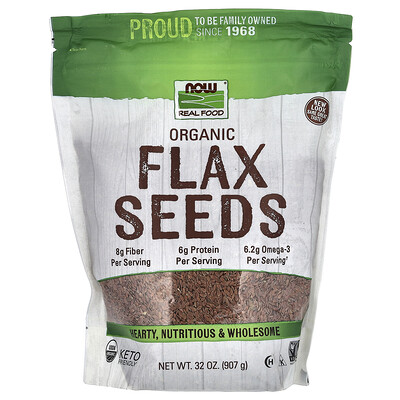
NOW Foods, Real Food, Organic Flax Seeds, 32 oz (907 g)
3. Lean Proteins
Protein is essential for building and repairing tissues, but not all proteins are created equal. The source you choose matters when it comes to inflammation.
Here are the best options for lean, anti-inflammatory proteins:
Wild-Caught Fish
Rich in omega-3 fatty acids, wild-caught fish like salmon, sardines, and mackerel are some of the best sources of inflammation-fighting protein.
Why it helps:
Omega-3s in fish reduce inflammatory cytokines, modulate immune cells, and support heart health.
Pasture-Raised Poultry
Chicken and turkey raised on pasture are lean sources of animal protein.
Why it helps:
Compared to red and processed meats, lean poultry is lower in saturated fat and pro-inflammatory compounds, helping to reduce triggers of chronic inflammation.
Plant-Based Proteins
Think lentils, beans, quinoa, tofu, and tempeh—these are great options for vegetarians and vegans, but anyone can include them in their diet.
Why it helps:
These proteins contain natural compounds that help calm inflammation, lower harmful cytokines, and support your body’s overall immune balance.
Nuts and Seeds
Almonds, walnuts, flaxseeds, chia seeds, and peanuts are packed with protein, fiber, and healthy fats.
Why it helps:
Eating nuts and seeds regularly is linked to lower levels of inflammation markers (CRP, IL-6, TNF-α) and supports heart health. They also help regulate your immune system and may reduce the risk of chronic diseases.
I like to eat a handful of almonds every day—it’s a simple habit that keeps me satisfied between meals and ensures I’m getting a steady dose of healthy fats.
For a high-quality option, try NOW Foods Organic Raw Almonds, Unsalted (available on iHerb.com).
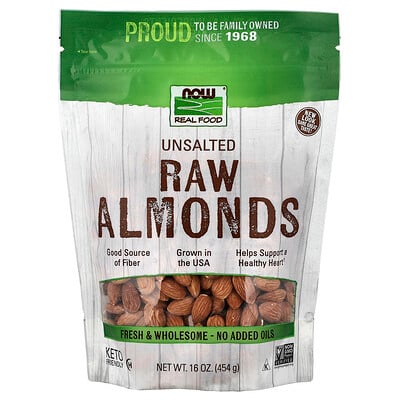
NOW Foods, Real Food, Raw Almonds, Unsalted, 16 oz (454 g)
What to limit
Processed meats like bacon, sausages, and deli meats are linked to higher inflammation and should be limited as much as possible.
4. Whole Grains
When it comes to grains, whole grains are your best friend.
Unlike refined grains, which have been stripped of many nutrients, whole grains are packed with fiber, vitamins, and antioxidants—all of which help fight inflammation.
Here are some great choices to include in your anti-inflammatory diet:
Oats
A fantastic source of soluble fiber that can help reduce cholesterol and support healthy digestion.
Why it helps:
The fiber in oats feeds gut bacteria, which produce short-chain fatty acids (SCFAs) that reduce inflammation and support your gut and immune system.
For a high-quality option, I like Bob’s Red Mill Steel Cut Oats (available on iHerb.com). They’re hearty, minimally processed, and make it easy to start the day with a gut-friendly, anti-inflammatory breakfast.
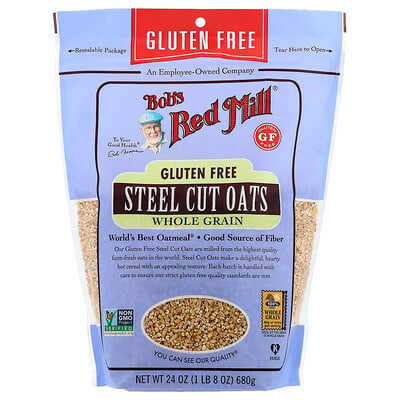
Bob's Red Mill, Steel Cut Oats, Whole Grain, Gluten Free, 24 oz (680 g)
Quinoa
Packed with protein and fiber, this grain is a great gluten-free option that helps keep inflammation in check.
Why it helps:
Quinoa’s fiber promotes SCFA production, while its antioxidants help calm inflammatory pathways.
For a high-quality choice, try the Bob’s Red Mill Organic Tri-Color Quinoa (available on iHerb.com). Its nutty flavor and fluffy texture make it easy to incorporate into salads, bowls, or side dishes—an effortless way to boost your anti-inflammatory meals.
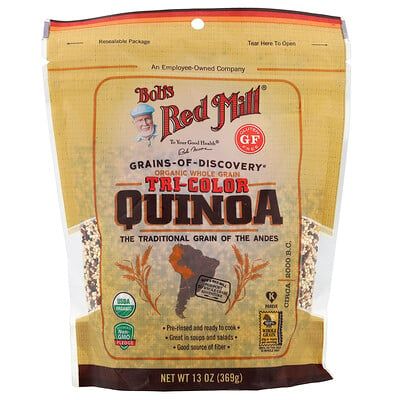
Bob's Red Mill, Organic Tri-Color Quinoa, Whole Grain, 13 oz (369 g)
Brown Rice
Full of fiber and essential nutrients, it’s a healthier alternative to white rice.
Why it helps:
The fiber in brown rice supports gut bacteria and SCFA production, helping to regulate inflammation and improve gut health.
If you’re choosing brown rice, it’s a good idea to go with a high-quality, organic option like NOW Foods Real Food Organic Sprouted Brown Rice, Raw (available on iHerb.com). Sprouted varieties are easier to digest and generally lower in arsenic.
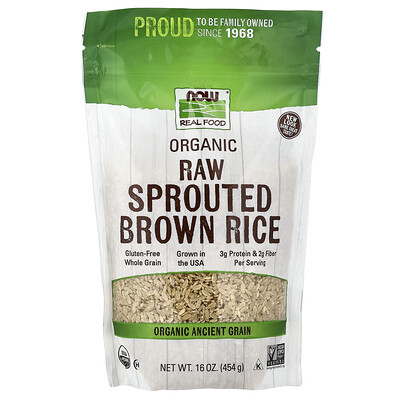
NOW Foods, Real Food, Organic Sprouted Brown Rice, Raw, 16 oz (454 g)
For those concerned about arsenic, basmati rice can also be a safe alternative while still fitting into an anti-inflammatory diet.
Barley
High in fiber, barley is known for its ability to reduce cholesterol and support heart health.
Why it helps:
Barley’s soluble fiber boosts SCFA production and helps maintain a balanced inflammatory response in the body.
For a high-quality choice, I like Bob’s Red Mill Pearl Barley (available on iHerb.com). Its tender texture makes it easy to add to soups, salads, or side dishes—an effortless way to include more anti-inflammatory fiber in your meals.
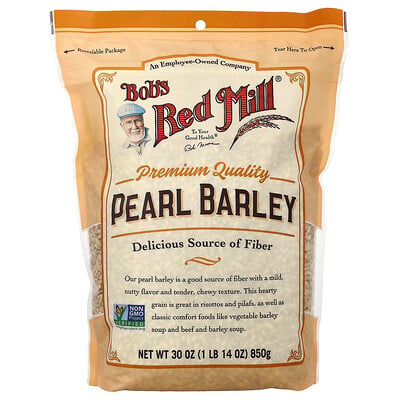
Bob's Red Mill, Pearl Barley, 1 lb 14 oz (850 g)
Buckwheat
Another gluten-free favorite, it’s rich in antioxidants and helps fight inflammation.
Why it helps:
Buckwheat provides fiber for SCFA production and antioxidants that neutralize inflammatory molecules.
For a high-quality option, try Bob’s Red Mill Organic Buckwheat (available on iHerb.com). It’s versatile for porridge, pancakes, or salads, making it an easy way to add anti-inflammatory nutrients to your daily meals.
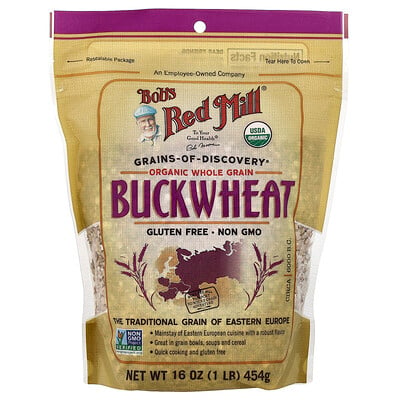
Bob's Red Mill, Organic Buckwheat, Whole Grain, 16 oz (454 g)
💡 Tip: Always check the labels! Avoid products with “enriched” or “refined” flours, as these have been processed and stripped of their natural nutrients.
5. Herbs and Spices
Nature’s medicine cabinet is packed with powerful inflammation fighters—no prescription needed!
These herbs and spices aren’t just for flavor; they’ve been used for centuries for their healing properties.
Here are some of the top inflammation-busting options:
Turmeric
This golden spice contains curcumin, one of the most studied and potent anti-inflammatory compounds out there. It’s a must-have for reducing inflammation.
Why it helps:
Curcumin blocks inflammatory molecules and pathways, such as NF-κB, reducing cytokines like IL-6 and TNF-α.
For a high-quality option, try the Simply Organic Turmeric (available on iHerb.com). Adding it to smoothies, teas, or cooked dishes is an easy way to enjoy its anti-inflammatory benefits daily.
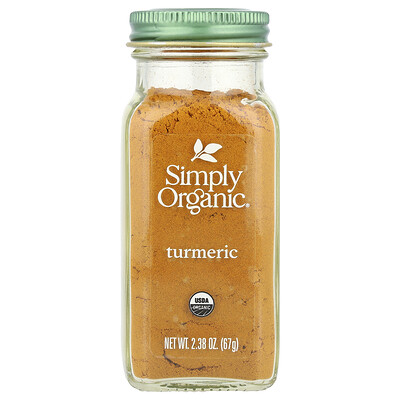
Simply Organic, Turmeric, 2.38 oz (67 g)
💡 Tip: Pair turmeric with a pinch of black pepper to maximize curcumin absorption and its anti-inflammatory benefits.
Ginger
A natural pain reliever that also helps with digestion. Ginger is known to soothe the stomach and ease discomfort.
Why it helps:
Ginger’s bioactive compounds inhibit pro-inflammatory enzymes and reduce cytokine production.
For a high-quality option, try Simply Organic Ginger (available on Amazon). Adding it to teas, smoothies, or cooked dishes is an easy way to enjoy its anti-inflammatory benefits daily.

Simply Organic, Ginger, 1.64 oz (46 g)
Cinnamon
Not just for sweet treats! Cinnamon is a great anti-inflammatory choice.
Why it helps:
Cinnamon’s antioxidants help reduce oxidative stress and regulate inflammatory pathways.
I like to sprinkle it on my oatmeal in the mornings for a touch of natural sweetness. When choosing cinnamon, it’s important to go for a high-quality, Ceylon option to avoid excess coumarin.
I recommend Simply Organic Ceylon Cinnamon (available on iHerb.com) — a safe, flavorful way to enjoy its anti-inflammatory benefits every day.
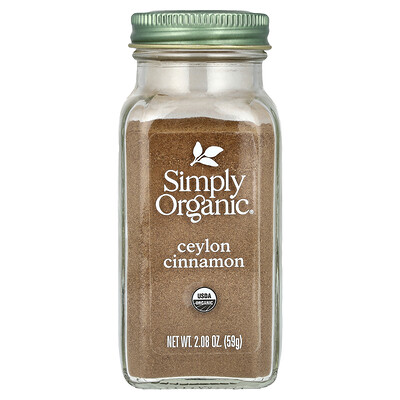
Simply Organic, Ceylon Cinnamon, 2.08 oz (59 g)
Garlic
Packed with allicin, a compound that supports your immune system and has natural anti-inflammatory properties.
Why it helps:
Allicin suppresses inflammatory enzymes and cytokines, helping calm inflammation naturally.
For a high-quality option, try the Simply Organic Garlic Powder (available on iHerb.com). I like keeping a jar on hand to easily add a boost of flavor and anti-inflammatory power to soups, sauces, and roasted vegetables.
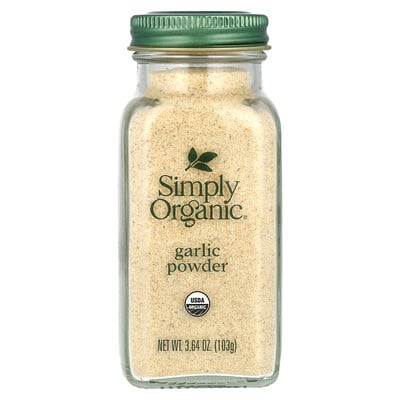
Simply Organic, Garlic Powder, 3.64 oz (103 g)

6. Beverages That Heal
What you drink is just as important as what you eat when it comes to fighting inflammation. The right beverages can hydrate, detoxify, and help calm inflammation from the inside out.
Here are some top picks:
Green Tea
This antioxidant powerhouse is rich in catechins, which have been shown to fight inflammation and support overall health.
Why it helps:
Green tea catechins, especially EGCG, act as antioxidants and reduce pro-inflammatory signaling pathways such as NF-κB and MAPK, helping lower chronic inflammation and oxidative stress.
For a high-quality option, try Yogi Tea Green Tea Kombucha (available on iHerb). Sipping a few cups each day is a simple, soothing way to incorporate anti-inflammatory benefits into your routine.
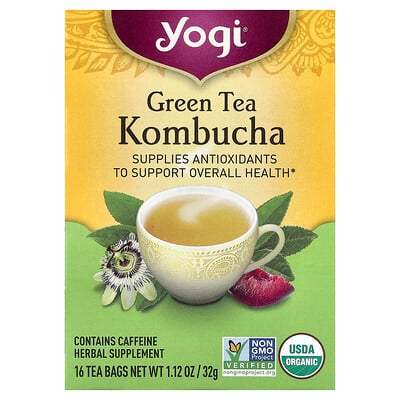
Yogi Tea, Green Tea Kombucha, 16 Tea Bags, 1.12 oz (32 g)
Herbal Teas
Ginger, turmeric, chamomile, and peppermint teas all come with their own anti-inflammatory benefits. Whether you’re looking to soothe digestion or relax, these teas have you covered.
Why it helps:
Herbal teas contain bioactive compounds like gingerol, curcumin, and flavonoids that modulate inflammatory pathways, decrease cytokines, and support gut health.
For a high-quality option, I like the Pukka Herbs Organic Herbal Tea, Three Ginger (available on iHerb). Sipping a cup daily is an easy, soothing way to enjoy anti-inflammatory benefits while adding a moment of calm to your routine.
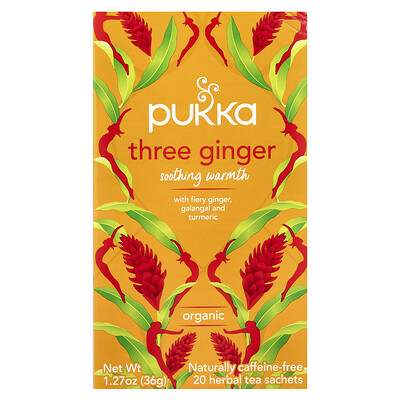
Pukka Herbs, Organic Herbal Tea, Three Ginger, Caffeine Free, 20 Sachets, 1.27 oz (36 g)
water
Never underestimate the power of hydration. Drinking plenty of water helps your body flush out toxins and keeps your cells balanced.
Why it helps:
Adequate water intake maintains gut barrier function, prevents harmful microbial overgrowth, reduces oxidative stress, and indirectly supports immune balance, which lowers inflammation.
Hydrogen-Rich Water (H₂ Water)
H₂ water is regular water infused with molecular hydrogen. Studies suggest it may offer antioxidant and anti-inflammatory benefits beyond standard hydration.
Why it helps:
Hydrogen molecules can selectively neutralize harmful reactive oxygen species (ROS), reduce oxidative DNA damage, and suppress pro-inflammatory pathways.
💡 Tip: Make tea and water your go-to drinks. Drink them every day to stay hydrated and support your body’s natural anti-inflammatory defenses.
Foods to Avoid on an Anti-Inflammation Diet
Some foods can trigger or worsen chronic inflammation, making it harder for your body to heal.
So, it’s important to limit or avoid these inflammatory culprits:
1. Refined Carbohydrates
Refined carbs, like white bread, pastries, and sugary cereals, are known for spiking blood sugar levels, which in turn increase inflammatory markers in the body.
Studies show that diets high in refined carbs are linked to elevated CRP and IL-6 levels, both indicators of inflammation.
So, while these foods may taste great in the moment, they can make it harder to maintain your overall health in the long run.
2. Added Sugars
Too much sugar isn’t just bad for your waistline—it can also increase insulin resistance and lead to oxidative stress.
But that’s not all. Diets high in sugary drinks and refined sweets are also associated with higher dietary inflammatory index (DII) scores.
In other words, they contribute to chronic low-grade inflammation (the bad kind).
That’s why it’s important to be mindful of those hidden sugars lurking in some common foods.
Here’s where you might find them:
- Sodas and energy drinks
- Flavored yogurts
- Sauces and dressings
- Packaged snacks
💡 Tip: While honey and maple syrup are more natural options, they still contain sugar, so it’s best to use them in moderation. They do have some antioxidants and a lower glycemic index than refined sugars, but too much of anything can still fuel inflammation.
If you’re choosing honey, opt for a high-quality, pure variety to get the most nutrients and flavor.
You can try the Entelia Cretan Honey XL (available from Olive Oil Lovers)—a premium honey that’s rich, flavorful, and a perfect way to sweeten your dishes naturally.

Entelia Cretan Honey XL
RELATED POST: How to Lose Weight by Removing Hidden Sugar
3. Processed and Fried Foods
Processed and fried foods often contain trans fats and oxidized oils. Not only do they promote systemic inflamation, but they’re also linked to higher risk of heart disease and metabolic syndrome.
Here’s what to steer clear of:
- Fast food
- Margarine
- Chips and fried snacks
These foods might be convenient, but they can really mess with your body’s ability to stay balanced and heal itself.
4. Processed Meats
Bacon, sausages, and deli meats might be delicious, but they come with a downside. They contain preservatives, nitrates, and oxidized lipids that can promote inflammation and oxidative damage.
It’s best to limit these types of foods as much as possible to keep inflammation in check.
5. Excess Alcohol and Soda
Too much alcohol can disrupt your body’s immune balance, promote inflammation, and make you more susceptible to infections.
Similarly, sodas are loaded with sugar and chemicals that your body just doesn’t need.
In fact, studies show that regularly drinking sugar-sweetened beverages is linked to higher levels of inflammation and even an increased risk of inflammatory diseases like rheumatoid arthritis.
Focus on hydrating with water or unsweetened herbal teas—they’ll keep you feeling refreshed without the inflammation triggers.
Sample 1-Day Anti-Inflammation Meal Plan
Curious about what a day on the anti-inflammation diet could look like?
Here’s a simple, delicious meal plan to get you started:
Breakfast:
- Oatmeal topped with blueberries, walnuts, and a sprinkle of cinnamon
- Green tea
Lunch:
- Quinoa salad with mixed greens, chickpeas, avocado, and an olive oil dressing
- Water
Snack:
- A handful of almonds or a piece of fruit
- Water
Dinner:
- Grilled salmon with roasted vegetables and turmeric brown rice
- A calming cup of chamomile tea before bed
Lifestyle Tips to Support an Anti-Inflammatory Diet
Remember, food is just one part of the picture. Your daily habits and lifestyle choices play a big role in keeping inflammation at bay.
Here are some simple but powerful tips to support your anti-inflammation journey:
- Get Quality Sleep – Aim for 7–9 hours per night. Your body does a lot of healing while you’re asleep, so rest is crucial!
- Stay Active – Gentle exercise like yoga, walking, or swimming can help keep your body moving without adding stress.
- Manage Stress – Try meditation or deep breathing exercises to help calm your mind and keep inflammation in check.
- Avoid Smoking and Limit Alcohol – Both can ramp up inflammation, so giving up smoking and limiting your alcohol intake can make a big difference.
- Maintain a Healthy Gut – Probiotics and fiber-rich foods are key for a happy, balanced gut, which in turn helps fight inflammation.
If quitting smoking has been a challenge, I highly recommend Allen Carr’s “The Easy Way to Stop Smoking”. This book helped my sister quit smoking for good after several years of struggling.
It’s a straightforward and practical approach that makes the process feel manageable and achievable.
book tip

Easy Way to Stop Smoking
By Allen Carr
If you’ve been trying to quit smoking but nothing seems to stick, then this book is for you.
Did you know? Bookshop.org gives 80%+ of their profits to support independent bookstores.
*We may earn a commission at no extra cost to you.
If you want to incorporate probiotics into your daily routine then I recommend making your own homemade yogurt. For me personally, buying the Luvele Yogurt Maker has been one of the best decisions for my health—I love it so much and can’t recommend it enough.
Homemade yogurt is simple, delicious, and lets you control the ingredients while boosting your gut health naturally.
editor’s pick

Luvele Pure Yogurt Maker
Make thick, probiotic-rich yogurt at home with even heat and reliable results every time.
*We may earn a commission at no extra cost to you.
RELATED POST: The Ultimate Guide to Living a Healthy Lifestyle
Benefits of Following an Anti-Inflammation Diet
Adopting an anti-inflammatory diet can lead to incredible benefits for both your body and mind.
Studies on Mediterranean-style and other plant-forward diets show that these eating patterns can lower key inflammation markers in the body, improve gut health, and support long-term wellness.
Here’s what you can expect:
- Reduced Joint and Muscle Pain – Anti-inflammatory foods help calm your body’s natural pain pathways, easing stiffness and discomfort over time.
- Improved Energy and Focus – With less inflammation weighing you down, your body can function more efficiently, leading to sharper focus and steady energy.
- Healthier Digestion and Gut Balance – Diets like the Mediterranean diet have been shown to promote a more diverse gut microbiome—helping reduce inflammation from the inside out.
- Better Skin Health – When inflammation decreases, your skin often reflects it—appearing clearer, calmer, and more radiant.
- Lower Risk of Chronic Diseases – Research shows that anti-inflammatory diets reduce levels of CRP, IL-6, and other inflammatory markers, helping protect against heart disease, diabetes, and certain cancers.
- Stronger Immune System – A nutrient-rich, anti-inflammatory diet supports immune function, helping your body fight off illness and recover faster.
And remember, the effects are cumulative—the longer you stick with this lifestyle, the more your body heals and thrives.
Final Thoughts
The anti-inflammation diet isn’t about following strict rules or giving up all the foods you love—it’s about making choices that help your body thrive.
By focusing on whole, nutrient-dense foods, healthy fats, lean proteins, and lifestyle habits that support your well-being, you can reduce chronic inflammation, feel more energized, and protect your long-term health.
Start small, be consistent, and remember: every meal is an opportunity to heal and nourish your body. Your journey to better health doesn’t have to be perfect—it just has to start.
*This article is for informational purposes only and is not intended as medical advice. It should not be used to diagnose, treat, or prevent any health condition. Always consult a qualified healthcare professional before making any changes to your diet, exercise, or health routine.
Calder, Philip C. “Omega-3 polyunsaturated fatty acids and inflammatory processes: nutrition or pharmacology?.” British journal of clinical pharmacology vol. 75,3 (2013): 645-62. doi:10.1111/j.1365-2125.2012.04374.x. Abstract only.
Chavda, Vivek P et al. “Inflammation: The Cause of All Diseases.” Cells vol. 13,22 1906. 18 Nov. 2024, doi:10.3390/cells13221906. Adapted and used under the terms of the Creative Commons Attribution 4.0 International License.
Collins, Edward J et al. “Tomatoes: An Extensive Review of the Associated Health Impacts of Tomatoes and Factors That Can Affect Their Cultivation.” Biology vol. 11,2 239. 4 Feb. 2022, doi:10.3390/biology11020239. Adapted and used under the terms of the Creative Commons Attribution 4.0 International License.
Dürholz, Kerstin et al. “Dietary Short-Term Fiber Interventions in Arthritis Patients Increase Systemic SCFA Levels and Regulate Inflammation.” Nutrients vol. 12,10 3207. 20 Oct. 2020, doi:10.3390/nu12103207. Adapted and used under the terms of the Creative Commons Attribution 4.0 International License.
Griffiths, Keith et al. “Food Antioxidants and Their Anti-Inflammatory Properties: A Potential Role in Cardiovascular Diseases and Cancer Prevention.” Diseases (Basel, Switzerland) vol. 4,3 28. 1 Aug. 2016, doi:10.3390/diseases4030028. Adapted and used under the terms of the Creative Commons Attribution 4.0 International License.
Hu, Yang et al. “Sugar-sweetened soda consumption and risk of developing rheumatoid arthritis in women.” The American journal of clinical nutrition vol. 100,3 (2014): 959-67. doi:10.3945/ajcn.114.086918. Abstract only.
Kiyimba, Tonny et al. “Efficacy of Dietary Polyphenols from Whole Foods and Purified Food Polyphenol Extracts in Optimizing Cardiometabolic Health: A Meta-Analysis of Randomized Controlled Trials.” Advances in nutrition (Bethesda, Md.) vol. 14,2 (2023): 270-282. doi:10.1016/j.advnut.2023.01.002.
Rajaram, Sujatha et al. “Effect of Nuts on Markers of Inflammation and Oxidative Stress: A Narrative Review.” Nutrients vol. 15,5 1099. 22 Feb. 2023, doi:10.3390/nu15051099. Adapted and used under the terms of the Creative Commons Attribution 4.0 International License.
Ravaut, Gaetan et al. “Monounsaturated Fatty Acids in Obesity-Related Inflammation.” International journal of molecular sciences vol. 22,1 330. 30 Dec. 2020, doi:10.3390/ijms22010330. Adapted and used under the terms of the Creative Commons Attribution 4.0 International License.
Sim, Min, et al. “Hydrogen-Rich Water Reduces Inflammatory Responses and Prevents Apoptosis of Peripheral Blood Cells in Healthy Adults: A Randomized, Double-Blind, Controlled Trial.” Scientific Reports, vol. 10, 2020, p. 12130, https://doi.org/10.1038/s41598-020-68930-2. Adapted and used under the terms of the Creative Commons Attribution 4.0 International License.
Stromsnes, Kristine et al. “Anti-Inflammatory Properties of Diet: Role in Healthy Aging.” Biomedicines vol. 9,8 922. 30 Jul. 2021, doi:10.3390/biomedicines9080922. Adapted and used under the terms of the Creative Commons Attribution 4.0 International License.
Tharmalingam, Jayaraman et al. “Impact of Alcohol on Inflammation, Immunity, Infections, and Extracellular Vesicles in Pathogenesis.” Cureus vol. 16,3 e56923. 25 Mar. 2024, doi:10.7759/cureus.56923. Adapted and used under the terms of the Creative Commons Attribution 4.0 International License.
Tristan Asensi, Marta et al. “Low-Grade Inflammation and Ultra-Processed Foods Consumption: A Review.” Nutrients vol. 15,6 1546. 22 Mar. 2023, doi:10.3390/nu15061546. Adapted and used under the terms of the Creative Commons Attribution 4.0 International License.
Truong, Van-Long, and Woo-Sik Jeong. “Antioxidant and Anti-Inflammatory Roles of Tea Polyphenols in Inflammatory Bowel Diseases.” Food Science and Human Wellness, vol. 11, no. 3, 2022, pp. 502–511, https://doi.org/10.1016/j.fshw.2021.12.008. Adapted and used under the terms of the Creative Commons Attribution 4.0 International License.
Yu, Xiaoping et al. “Overview of anti-inflammatory diets and their promising effects on non-communicable diseases.” The British journal of nutrition vol. 132,7 (2024): 898-918. doi:10.1017/S0007114524001405. Adapted and used under the terms of the Creative Commons Attribution 4.0 International License.

Linda is the co-founder of Courier Wellness and holds a Diploma in Natural Health Nutrition & Diet. Her passions include photography, food, and travel, where she derives inspiration from diverse cultures and their holistic approaches to well-being. She is committed to helping others make informed, nourishing choices for a healthier life.