11 Easy Steps on How to Start Eating Healthy

This post contains affiliate links, which means we may earn a commission if you purchase through our links—at no extra cost to you. As an Amazon Associate we earn from qualifying purchases. We only recommend products we use or trust. Learn more about affiliate marketing or read our full disclosure.
Want to start eating healthy but not sure where to begin?
I hear you. With busy schedules and fast food everywhere, making better food choices can feel overwhelming. But eating healthy doesn’t have to be complicated!
In fact, it’s all about taking small, simple steps that can fit into your routine without overwhelming you. You don’t need to be perfect, and you don’t need to completely overhaul your life overnight.
With just a few easy changes, you’ll not only start feeling more energized, but you’ll also be taking steps toward feeling better overall—physically and mentally.
In this article, I’m going to share 11 simple, stress-free ways to kick-start your journey to healthier eating. No need to overthink it—just small, manageable changes that can make a big difference.
Let’s get started, shall we?
How to Start Eating Healthy
Let’s be honest—navigating all the nutrition advice out there can be super confusing. One expert says one thing, another says the complete opposite… it’s enough to make your head spin, right?
So, how do you know who to trust?

Instead of getting caught up in the confusion, it’s best to stick to the basics. Healthy eating doesn’t have to be a complex, overwhelming task. That’s why I’m sharing this simple step-by-step guide to help you get started.
These are the exact steps I followed (and still follow) when I made the decision to improve my diet and overall lifestyle. By making these small changes, I didn’t just get healthier—I also lost weight and managed to keep it off for years.
And the best part?
I didn’t have to rely on crazy restrictive diets.
I’m here to show you that it’s possible to do the same. You can embrace a healthier lifestyle without the stress of traditional dieting and still enjoy the benefits of feeling great.
related Posts:
- 11 Simple Strategies on How to Eat Healthy on a Budget
- The Complete Guide to Healthy Eating: Nourish Your Body for Life
- Eat Better, Not Less: The Quality-Over-Quantity Approach to Healthy Weight
- Balance and Bliss: 11 Holiday Eating Tips You’ll Love
- 11 Easy Steps on How to Start Eating Healthy
The Truth About Eating Healthy
A lot of people think that eating healthy and losing weight means being super strict with yourself, constantly sacrificing your favorite foods, or feeling like you have to follow some rigid rules.
But here’s the thing: that’s just not true.
When you focus on nourishing your body, instead of depriving it, you’ll start to see results that last. Healthy eating isn’t about being perfect—it’s about making better choices that make you feel good, inside and out.
The reason so many of us struggle with our weight isn’t a lack of willpower—it’s because our eating habits have shifted.
Over time, we’ve started reaching for ultra-processed foods that are easy and convenient, while whole, nutrient-dense options have taken a backseat. This shift impacts everything—our energy, metabolism, and overall health.
But here’s the good news: you don’t need to starve yourself, fight off cravings, or feel like you’re constantly missing out just to be healthy.
The key is simple: eat better, not less.
Some people might tell you that being naturally thin is all about genetics, and while genetics do play a role, healthy eating is actually a learned behavior.
And guess what?
You can learn it too. By making small changes, you can improve how you feel, maintain a healthy weight, and build a healthy relationship with food—without obsessing over every single bite.
So, if you’re ready to take control of your health, feel more energized, and build a better relationship with food, let’s dive into these 11 simple steps that will get you started on your journey.
Trust me, it’s easier than you think!
A Step-by-Step Guide to Eating Healthy
Starting on the path to healthy eating might feel a little overwhelming at first, but don’t worry—taking it one step at a time makes it much more manageable.
The key is to break things down into small, simple changes that you can stick with. Every little shift you make can have a huge impact on your health, and with the right mindset, you’ll be able to build habits that last a lifetime.
Remember, this isn’t about perfection; it’s about progress. By focusing on one small change at a time, you’ll set yourself up for lasting success.
Here are 11 easy steps to help you start eating healthier, one bite at a time:
1. Shift Your Mindset to Health First
Healthy living begins with a healthy mindset. The way you think about food plays a huge role in the choices you make. Instead of focusing solely on weight loss, try shifting your focus to nourishment.
When you prioritize your health, eating well becomes a lifestyle—not just a quick fix or a temporary diet.
Think nutrients, not just calories. Healthy foods are packed with vitamins, minerals, and all the good stuff your body needs to thrive.
On the other hand, ultra-processed foods are loaded with sugar, salt, and unhealthy fats. Not only are they high in calories, but they also lack real nutrition.
This is why poor eating habits are often linked to weight gain and other health issues.
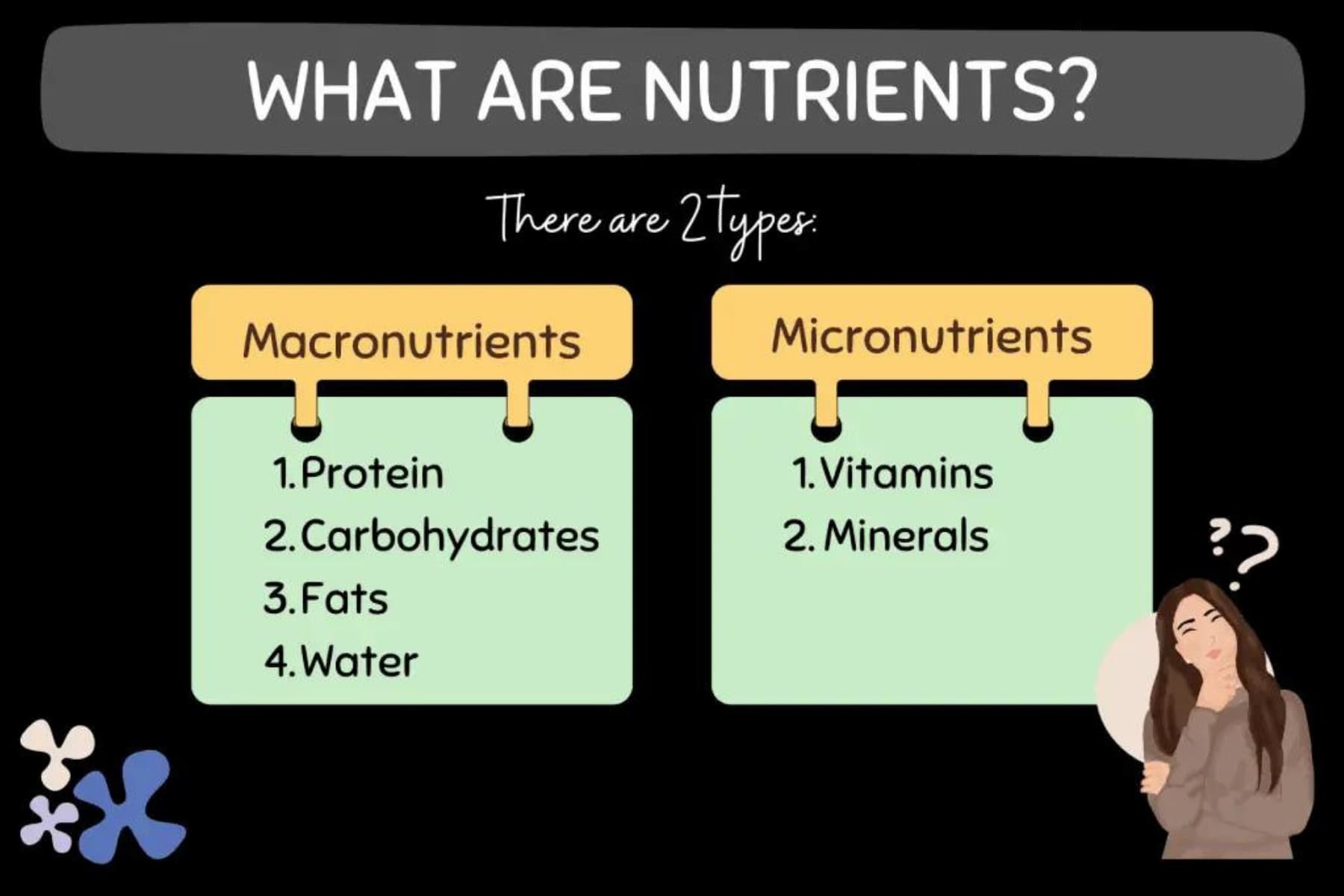
Here’s the thing: many people start diets with the sole goal of losing weight, and often, they end up cutting calories without even thinking about what they’re actually eating.
The problem?
Some of the most nutritious foods, like nuts and avocados, are calorie-dense but packed with benefits for your metabolism and overall health. So instead of fearing calories, focus on choosing foods that fuel your body and make you feel good.
A balanced, nutritious diet naturally leads to a healthy weight. But remember—real, lasting change takes time.
So, forget about chasing quick fixes. Build sustainable habits that will support your health for years to come.
2. Take Control of Your Health by Cooking Your Own Meals
Let’s face it—eating unhealthy foods is super convenient these days. Between take-out, fast food chains, and pre-packaged meals, it’s easy to fall into habits that don’t exactly support our health.
In fact, did you know that over 78% of the food in the U.S. is ultra-processed?
That’s right—most grocery store items are packed with sugar, sodium, and artificial ingredients that aren’t doing your body any favors. That’s why one of the best ways to start eating healthier is by cooking your own meals.
When you cook at home, you get to decide what goes into your food.
You can choose fresh, nutrient-rich ingredients that support your overall well-being. It’s empowering, and you can actually enjoy the process once you get the hang of it!
I totally get it if you’re not a fan of cooking or if you feel like you’re not good at it. I used to feel the same way.
But trust me, cooking doesn’t have to be intimidating. Over the years, I’ve learned to enjoy it, and now, it’s something I actually look forward to.
Plus, with all the YouTube videos and blogs out there teaching how to cook, anyone can become a great cook with a little practice.
Even if you try to eat healthy at restaurants, you’re still at the mercy of the kitchen. You don’t know exactly what’s going into your food or how much fat, sugar, or salt is being used.
But when you cook at home, you have full control. You can work with fresh ingredients, tailor your meals to your health goals, and experiment with flavors you love.
No more reheated, over-salted food—just wholesome, nutrient-packed meals made by you.
Now, I know what you’re probably thinking: “I don’t have time to cook every day!” Trust me, I hear you. Life is busy.
But here’s the thing: our busy lives aren’t going anywhere, so it’s up to us to make time for the things that really matter—like cooking meals that support our health.
If we keep relying on takeout and fast food, our health and weight will eventually catch up with us, if it hasn’t done so already. So, making a little time for cooking can pay off big in the long run.
3. Nourish Your Body by Eating All Your Meals
Skipping meals might seem like an easy way to cut calories, but trust me—it can actually do more harm than good.
Your body needs consistent nourishment to run smoothly. That means eating all your meals—breakfast, lunch, dinner, and snacks—is essential for keeping your energy levels up and your health on track.
But it’s not just about eating regularly—it’s also about feeling satisfied after each meal. If you’re constantly hungry, it’s much easier to grab unhealthy snacks, which can mess with your progress.
By focusing on balanced, nutrient-rich meals, you help keep those cravings under control and prevent overeating later in the day.
Plus, there’s a metabolic benefit to eating all your meals. When you give your body steady fuel throughout the day, it helps maintain a high basal metabolic rate (BMR), which is key for managing weight.
Regular meals also help stabilize blood sugar levels, keeping energy crashes and mood swings at bay.
Research has shown that skipping meals or eating too late can mess with your body’s natural rhythms, affecting metabolism, hormones, and even your sleep quality. Your body isn’t designed to go long stretches without food—it thrives on consistency.
Remember: food is not the enemy. Your body needs it to survive, function, and feel its best.
Instead of focusing on eating less, try shifting your focus to eating the right foods most of the time. When you nourish your body properly, it will reward you with more energy, better vitality, and long-term health.
4. Boost Your Health with Fiber
If you’re looking to lose weight and start eating healthier, fiber should be your best friend. Most people know fiber is important, but not everyone realizes just how crucial it is for your overall health.
Fiber is a complex carbohydrate that your body actually has a hard time breaking down—and that’s a good thing.
Since it isn’t fully digested, fiber travels through your system, helping to flush out toxins, excess cholesterol, and waste.
The result?
A healthier, better-functioning body. But fiber isn’t just great for digestion—it’s also a game-changer for weight loss. It helps keep you feeling fuller for longer, which makes it easier to avoid overeating.
Plus, fiber helps regulate your blood sugar levels, keeping those pesky energy crashes at bay.
Adding more fiber to your meals is one of the easiest and most effective ways to support a healthy lifestyle. It’s a simple change with big rewards for your body.
There are two main types of fiber, and both play crucial roles in your health:
- Soluble Fiber: This type dissolves in water and helps lower cholesterol and blood sugar levels. It’s great for heart health!
- Insoluble Fiber: This type doesn’t dissolve in water but adds bulk to your stool, helping to keep your digestive system moving smoothly.
Here’s where you can find them:
|
Soluble Fiber |
Insoluble Fiber |
|
Oats |
Potatoes |
|
Carrots |
Whole-wheat flour |
|
Beans |
Green beans |
|
Apples |
Nuts |
|
Citrus fruits |
Cauliflower |
If you’re not used to eating a lot of fiber, start slowly. Gradually increasing your intake will give your body time to adjust and help avoid any digestive discomfort.
Pro Tip: Always drink plenty of water when increasing your fiber intake to prevent constipation. The more fiber you eat, the more hydration your body needs!
5. Load Up on Veggies for a Healthier You
If you want to start eating healthy, vegetables should be a regular part of your daily meals. Experts recommend at least three servings per day, but many of us fall short.
The good news?
Adding more veggies to your meals is easier than you think!
Vegetables are packed with essential nutrients while being naturally low in calories, making them perfect for supporting both your health and weight loss goals. Plus, they help keep you feeling full, reducing the temptation to overeat.
For maximum benefits, aim for a variety of colors on your plate—each color brings different vitamins, minerals, and antioxidants that support your body in unique ways.
Here are some simple ways to eat more veggies:
- Steam them – This is a quick and easy way to keep the nutrients intact.
- Enjoy a salad – A fresh side salad can complement almost any meal.
- Keep frozen veggies on hand – They’re just as nutritious as fresh ones and super convenient!
Steamed veggies are also great for digestion, especially when paired with heavier meals. For example, if you’re having pasta, adding a side of steamed broccoli can help your body break it down more efficiently.
And let’s be honest—sometimes, we all crave something indulgent. If you’re treating yourself to pizza or takeout, balance it out by adding a generous serving of veggies on the side. You’ll boost your nutrition while making digestion a little easier.
Remember, healthy eating isn’t about perfection—it’s about making better choices, one step at a time!
6. Include Fruits for Healthy Eating
If you’re looking to eat healthier, fruits should be a daily staple in your diet. Packed with fiber, vitamins, and antioxidants, they’re not only delicious but also incredibly good for you!
Aim for 2–3 servings per day to make sure you’re reaping all the health benefits.
One of the best things about fruit?
It’s nature’s perfect snack. Whether you’re on the go or need a quick energy boost, fruits are an easy, nutritious option.
If your diet tends to include a lot of processed foods, you might not realize how much sugar you’re actually consuming. Cutting back on sugar can be tough at first, but fruit is a great way to satisfy those cravings while still nourishing your body.

Unlike refined sugar, which can spike your blood sugar and lead to energy crashes, fruit contains natural sugars paired with fiber. This helps slow digestion and keeps your energy levels stable throughout the day.
And don’t forget—sugar isn’t just a concern for those trying to lose weight. Too much sugar can affect your overall health over time.
So, next time you’re craving something sweet, skip the candy or pastries and reach for an apple, a handful of berries, or a banana.
7. Enjoy Healthy Fats (But Watch Your Portions)
Not all fats are bad—actually, healthy fats are crucial for both your body and brain.
Foods like avocados, nuts, seeds, and olive oil are all fantastic choices that support heart health, boost brain function, and help you feel full and satisfied.
That being said, fat is calorie-dense, so portion control is important. Even the healthiest fats can contribute to weight gain if you overdo it.
So, instead of pouring olive oil straight from the bottle or grabbing too many nuts without thinking, try measuring your portions.
For example, if a recipe calls for 2 tablespoons of olive oil, use a measuring spoon rather than eyeballing it. Those small miscalculations can add up over time, leading to extra calories without realizing it.
Experts generally recommend that 20–30% of your daily calories come from fat, but that can vary depending on your individual needs. For example, people with hormonal imbalances might benefit from a slightly higher fat intake.
Bottom line?
Healthy fats are your friend—just be mindful of how much you’re using!
8. Cut Back on Red Meat (But Don’t Eliminate It)
Red meat is packed with protein, iron, zinc, and vitamin B12, making it a nutritious option—when eaten in moderation.
That said, studies suggest that eating too much red meat can increase the risk of heart disease and certain cancers. So, if you’re aiming to eat healthier, it’s a good idea to limit red meat to a few times a week rather than having it every day.
But here’s the good news: You don’t have to eliminate it completely! Just balance your protein sources by including other options like fish, chicken, eggs, beans, and lentils.
Eating a variety of protein-rich foods gives your body a well-rounded mix of nutrients, which is key for your overall health.
9. Load Up on Antioxidant-Rich Foods
Antioxidants are powerful compounds that help protect your cells from damage caused by free radicals—those unstable molecules linked to aging, illness, and inflammation.
Free radicals build up from things like pollution, stress, smoking, and ultra-processed foods. That’s why it’s so important to fight back with antioxidant-rich foods.
While your body does produce some antioxidants naturally, it’s essential to get more from your diet. Different antioxidants offer different benefits, so the more variety you include, the better off you’ll be in supporting your health.
Here are some of the best sources of antioxidants:
|
Food Type |
Examples |
|
Dark Chocolate |
High-cocoa dark chocolate (70% or more) |
|
Berries |
Blueberries, strawberries, goji berries, raspberries |
|
Leafy Greens |
Kale, spinach, red cabbage |
|
Vegetables |
Beets, bell peppers, carrots |
|
Beans & Legumes |
Black beans, kidney beans, lentils |
|
Spices & Herbs |
Cinnamon, oregano, sage, thyme, rosemary |
One easy way to add more antioxidants to your diet?
Sprinkle some cinnamon into your oatmeal or coffee. Not only does it add a touch of natural sweetness, but it also gives your health a nice little boost!
10. Boost Your Gut Health with Probiotics
A healthy gut is key to good digestion, strong immunity, and overall well-being. One of the best ways to support your gut is by eating probiotics—those beneficial bacteria that help balance your gut microbiome.
You can find probiotics in fermented foods, drinks, and supplements, but food sources are the most natural and effective way to get them.
Here are some of the best probiotic-rich foods:
|
Food Type |
Examples |
|
Dairy |
Yogurt, kefir, aged cheese |
|
Fermented Vegetables |
Sauerkraut, kimchi, pickles (naturally fermented) |
|
Soy-Based Foods |
Miso, tempeh, natto |
|
Fermented Drinks |
Kombucha, kvass |
I personally love homemade yogurt—it’s one of the easiest (and tastiest) ways to get probiotics into my diet every day.
If making yogurt from scratch sounds intimidating, don’t worry! A yogurt maker can simplify the process and make it much more convenient.
Unfortunately, many modern food production methods strip away the natural probiotics in foods due to chlorine washing, preservatives, and antibiotics in our food supply.
That’s why it’s so important to deliberately feed your gut good bacteria to stay healthy.
For my own probiotics, I use the Luvele Pure Yogurt Maker, and I highly recommend it! It’s perfect for making delicious, probiotic-rich yogurt in smaller batches. I love having control over the process, which ensures I get the best yogurt every time.
editor’s pick

Luvele Pure Yogurt Maker
Make thick, probiotic-rich yogurt at home with even heat and reliable results every time.
*We may earn a commission at no extra cost to you.
The Luvele Pure Plus Yogurt Maker is also an excellent choice, especially if you have a larger family or want to make both yogurt and kefir.
With its added flexibility and larger batch capacity, it’s a great investment for anyone who loves homemade, probiotic-rich yogurt.
great pick

Luvele Pure Plus Yogurt Maker
Create thick, probiotic-rich yogurt or fresh kefir with precise heat and consistently smooth results.
*We may earn a commission at no extra cost to you.
For a more in-depth review of both models, check out my full Luvele yogurt maker review here to help you decide which one is the best fit for you!
11. Prioritize Water as Your Go-To Drink
Water is by far the healthiest beverage you can drink—it has zero calories, keeps you hydrated, and supports digestion. If you’re not already drinking water with your meals, now’s the perfect time to start.
So, why should you choose water?
- It enhances the flavor of food by cleansing your palate.
- It eliminates unnecessary liquid calories from your diet.
- It keeps you hydrated, helping to prevent fatigue and headaches.
Sugar-sweetened beverages are the number one source of added sugar in the American diet. They’re packed with empty calories—high in energy but offering no nutritional value.
Over time, too much sugar can lead to obesity, diabetes, and other health problems.
Even diet sodas aren’t the best choice, as they can still trigger cravings and mess with your metabolism. While it’s okay to have an occasional sugary drink, it’s best to make water your go-to beverage.
Years ago, I switched to mostly drinking water, and honestly, it was one of the best decisions I’ve ever made. It’s such a simple, yet powerful way to cut down on sugar, reduce bloating, and support long-term health.
A healthy diet should be a lifestyle, not a quick fix. If you’re aiming for lasting health benefits, your choices need to be sustainable.
Drinking more water is an easy, impactful step in the right direction!
Final Thoughts
Starting your journey toward healthy eating is one of the best things you can do for your overall well-being. It’s not about being perfect—it’s about making progress and staying consistent.
By developing the right mindset and taking control of your meals through home cooking, you’re empowering yourself to make informed, nutritious choices that benefit your health long-term.
To build a balanced diet, keep these key points in mind:
- Eat all your meals and focus on nourishing your body.
- Prioritize fiber, and include a variety of vegetables and fruits.
- Incorporate healthy fats while limiting red meat and ultra-processed foods.
- Choose antioxidant-rich foods to protect your cells and support longevity.
- Support gut health with probiotics and stay hydrated with water.
By following these simple yet impactful steps, you’ll create sustainable, enjoyable eating habits that will support your health and well-being for years to come!
*This article is for informational purposes only and is not intended as medical advice. It should not be used to diagnose, treat, or prevent any health condition. Always consult a qualified healthcare professional before making any changes to your diet, exercise, or health routine.
Accame, Debbie. "First Randomized, Controlled Study Finds Ultra-Processed Diet Leads to Weight Gain." CC Newsletter, Summer 2019, National Institutes of Health, https://clinicalcenter.nih.gov/about/news/newsletter/2019/summer/story-01.html. Accessed 19 November 2023.
Boles, Danielle Z., et al. "Can Exercising and Eating Healthy Be Fun and Indulgent Instead of Boring and Depriving? Targeting Mindsets About the Process of Engaging in Healthy Behaviors." Frontiers in Psychology, vol. 12, 2021, doi:10.3389/fpsyg.2021.745950. Adapted and used under the Creative Commons Attribution 4.0 International License.
Liu, A.G., Ford, N.A., Hu, F.B., et al. "A healthy approach to dietary fats: understanding the science and taking action to reduce consumer confusion." Nutrition Journal, vol. 16, no. 53, 2017, https://doi.org/10.1186/s12937-017-0271-4. Published 30 August 2017.
McIntosh, James. "Fifteen Benefits of Drinking Water." Medical News Today, medically reviewed by Karen Cross, FNP, MSN, Updated on March 10, 2023, https://www.medicalnewstoday.com/articles/290814. Accessed 19 November 2023.
Menichetti, G. et al. “Machine learning prediction of the degree of food processing.” Nat Commun 14, 2312 (2023). https://doi.org/10.1038/s41467-023-37457-1. Adapted and used under the terms of the Creative Commons Attribution 4.0 International License.
Miller, Caroline et al. “Consumption of Sugar-Sweetened Beverages, Juice, Artificially-Sweetened Soda and Bottled Water: An Australian Population Study.” Nutrients vol. 12,3 817. 19 Mar. 2020, doi:10.3390/nu12030817. Adapted and used under the Creative Commons Attribution 4.0 International License.
Norris, Taylor. "What’s the Difference Between Soluble and Insoluble Fiber?" Healthline, medically reviewed by Natalie Olsen, R.D., L.D., ACSM EP-C, Updated on February 16, 2023, https://www.healthline.com/health/soluble-vs-insoluble-fiber#benefits. Accessed 19 November 2023.
“Probiotics.” NHS, Last reviewed 24 November 2022, https://www.nhs.uk/conditions/probiotics/. Contains public sector information licensed under the Open Government Licence v3.0. Accessed 19 November 2023.
Raman, Ryan, MS, RD. "12 Healthy Foods High in Antioxidants." Healthline, medically reviewed by Amy Richter, RD, Nutrition, Updated on December 20, 2022,https://www.healthline.com/nutrition/foods-high-in-antioxidants. Accessed 19 November 2023.
"Red Meat and the Risk of Bowel Cancer." NHS, Page last reviewed: 15 March 2021, https://www.nhs.uk/live-well/eat-well/food-guidelines-and-food-labels/red-meat-and-the-risk-of-bowel-cancer/. Contains public sector information licensed under the Open Government Licence v3.0. Accessed 19 November 2023.
“Rough Up Your Diet: Fit More Fiber Into Your Day." NIH News in Health, August 2010, https://newsinhealth.nih.gov/2010/08/rough-up-your-diet. Accessed 19 November 2023.
Savarino, Giovanni et al. “Macronutrient balance and micronutrient amounts through growth and development.” Italian journal of pediatrics vol. 47,1 109. 8 May. 2021, doi:10.1186/s13052-021-01061-0. Adapted and used under the Creative Commons Attribution 4.0 International License.
Schuppelius, Bettina et al. “Time Restricted Eating: A Dietary Strategy to Prevent and Treat Metabolic Disturbances.” Frontiers in endocrinology vol. 12 683140. 12 Aug. 2021, doi:10.3389/fendo.2021.683140. Adapted and used under the Creative Commons Attribution 4.0 International License.
“Why 5 a day?” NHS, Last reviewed 12 July 2022, https://www.nhs.uk/live-well/eat-well/5-a-day/why-5-a-day/. Contains public sector information licensed under the Open Government Licence v3.0. Accessed 19 November 2023.
Wolfson, Julia A., et al. "What does cooking mean to you?: Perceptions of cooking and factors related to cooking behavior." Appetite, vol. 97, 2016, pp. 146-154, ISSN 0195-6663, https://doi.org/10.1016/j.appet.2015.11.030. Accessed via ScienceDirect, https://www.sciencedirect.com/science/article/pii/S0195666315301070.
Yashin, Alexander et al. “Antioxidant Activity of Spices and Their Impact on Human Health: A Review.” Antioxidants (Basel, Switzerland) vol. 6,3 70. 15 Sep. 2017, doi:10.3390/antiox6030070. Adapted and used under the Creative Commons Attribution 4.0 International License.
“8 tips for healthy eating.” NHS, Last reviewed 22 November 2022, https://www.nhs.uk/live-well/eat-well/how-to-eat-a-balanced-diet/eight-tips-for-healthy-eating/. Contains public sector information licensed under the Open Government Licence v3.0. Accessed 19 November 2023.

Malin, the co-founder of Courier Wellness, is well-informed in nutrition and health and brings her own unique perspective to the world of holistic wellness. With a passion for writing and a deep interest in wellbeing, she wants to create content that fosters balance and nourishment for the mind and body.