11 Tips For Holiday Eating: How To Enjoy Without Overdoing It

This post contains affiliate links, which means we may earn a commission if you purchase through our links—at no extra cost to you. As an Amazon Associate we earn from qualifying purchases. We only recommend products we use or trust. Learn more about affiliate marketing or read our full disclosure.
The holidays are all about joy, connections, and celebration—but let’s be honest, they can also bring a little stress, overindulgence, and that familiar food guilt.
Between festive feasts, endless desserts, and cozy snacks, it’s easy to feel like your healthy habits are taking a backseat.
The good news? You don’t have to give them up. With a few mindful tips for holiday eating, you can enjoy every bite and still feel balanced.
In this article, I’ll cover 11 simple, realistic strategies to help you eat well, feel good, and truly enjoy the season—without restriction or guilt.
Let’s dive in!
11 Tips for Holiday Eating to Help You Stay Balanced
The holiday season comes with a lot of indulgences—heaping plates of food, irresistible desserts, and plenty of treats that make it easy to go overboard.
Part of the reason is that holiday periods often line up with days off work or school, giving us plenty of chances to lounge, snack, and indulge.
On Christmas Day alone, some people can consume up to 6,000 calories—that’s three times the recommended daily amount!
It’s no wonder people talk about gaining five pounds or more over the holidays. But the truth is, the actual number is much lower.
Research shows the average holiday weight gain is closer to just one pound. Sounds small, right?
But here’s the catch: most people never lose it. That single pound adds up year after year, turning into about 10 pounds over a decade. Eventually, that “one-a-year indulgence” habit starts to look a lot more noticeable on the scale.
The good news?
If you eat mostly healthy throughout the year, you can enjoy holiday treats without worrying about extra pounds. Your body will naturally balance itself out.
With a few mindful tips for holiday eating, you can savor every bite, celebrate fully, and skip the stress—or the post-feast regret.
Here are 11 practical ways to stay balanced and feel your best this holiday season:
1. Start With the Right Mindset
Before we dive into the food itself, let’s take a moment to talk about mindset. So often, we approach holiday meals in one of two ways:
- Strict rules (“I can’t have that”)
- Total abandon (“It’s the holidays, I’ll eat everything”)
Neither approach tends to work out well because one is too restrictive and the other too indulgent.
The real secret? Balance.
Let go of guilt
One indulgent meal won’t erase all your healthy habits. Enjoying your favorite foods on occasion is part of living a healthy lifestyle.
As long as you eat mostly healthy throughout the year, you can indulge—without going overboard—when the occasion calls for it.
focus on the experience
The holiday season is all about connection, laughter, and tradition. Take the time to savor the flavors, enjoy the company, and soak up the joy around the table—rather than stressing about every calorie.
If you do overindulge, don’t stress. Just remind yourself that you’ll eat healthy tomorrow and simply get back on track.
It’s not what happened yesterday that matters, but how you move forward.
set realistic expectations
You probably won’t just eat vegetables all evening—and that’s perfectly okay. There will be some higher-calorie foods on your plate, and the trick is to find a balance between healthy and indulgent choices.
Aim for moderation and enjoyment, and you’ll feel better both physically and mentally.
RELATED POST: The Complete Guide to Healthy Eating: Nourish Your Body for Life
2. Plan Ahead
A little preparation can go a long way when it comes to holiday eating. Without a plan, it’s easy to overeat, reach for whatever’s convenient, or end up feeling sluggish and guilty afterward.
Check out the menu in advance
Before you fill your plate, take a quick look at what’s available—on the table, at the buffet, or even in the kitchen. Then, choose the dishes you’ll really love.
You don’t have to try a bit of everything. Too many combinations can be hard on your digestion, so stick with your favorites and enjoy them mindfully.
Have a snack beforehand
If you know what time the event starts, try eating something healthy and balanced 3–4 hours before—like Greek yogurt topped with a handful of nuts.
This helps prevent extreme hunger, which research shows can make us more impulsive and more likely to choose indulgent foods over healthier options.
Being satiated gives you a better chance to make mindful choices.
Bring a healthy dish to share
Consider bringing something green—like a salad or roasted vegetables to the event. Not only is it delicious, but the fiber can help with digestion and make you feel less uncomfortable or bloated.
Bonus points: you know there’s at least one option you can enjoy guilt-free, and everyone else gets to try something delicious and nutritious too.
3. Savor Every Bite
Holiday meals are meant to be enjoyed, not rushed.
Mindful eating is a simple but powerful way to really savor your food, tune in to your body, and avoid overeating—without feeling deprived.
engage your senses
Take a moment to appreciate the colors, smells, and textures of your food before you start eating. Paying attention makes each meal richer, more satisfying, and more memorable.
chew slowly
Take smaller bites and chew your food thoroughly. This helps your digestion and gives your brain time to register when you’re full. Plus, you get to truly taste every bite!
book tip
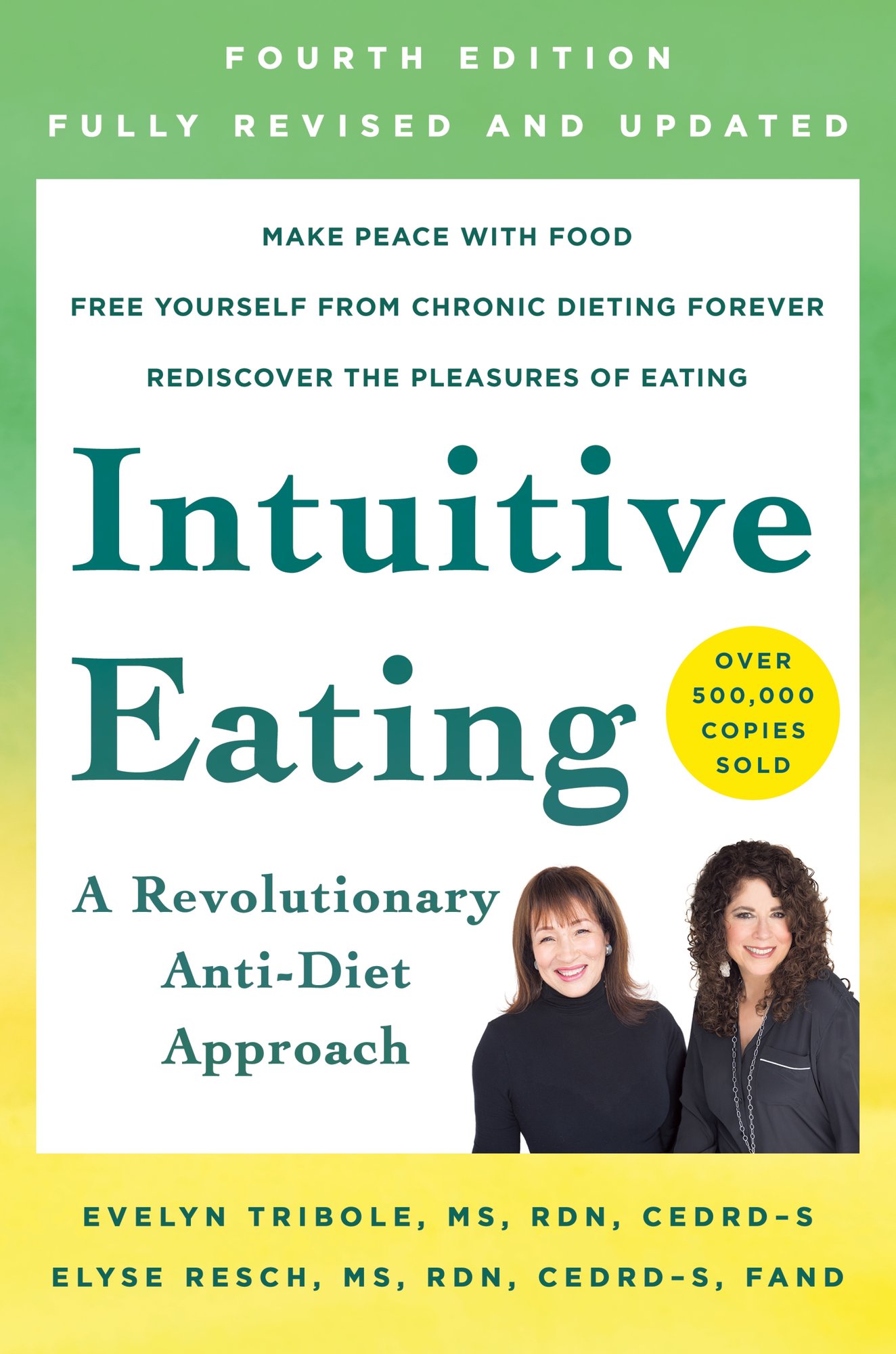
Intuitive Eating
By Evelyn Tribole, Elyse Resch
Frustrated by diets that never seem to stick? This book helps you rebuild a healthy relationship with food by listening to your body’s hunger and fullness cues.
*We may earn a commission at no extra cost to you.
pause between bites
Try putting your fork down as you chew. It naturally slows your pace and gives your stomach a chance to catch up—so you can stop when you’re satisfied, not stuffed.
check in with your hunger cues
Trust your body to tell you when it’s had enough. Eat until you feel comfortably satisfied, and don’t hesitate to leave a few bites behind.
Eating mindfully can make a huge difference in how much you eat and how much you enjoy it.
RELATED POST: How to Make Intuitive Eating Work For You and Support Weight Loss
4. Balance Your Plate
You don’t have to skip your favorite holiday foods to stay balanced—the secret is in the portions and how you compose your plate.
A few mindful tweaks can make a big difference without feeling restrictive.
make room for veggies
Fill at least half your plate with vegetables. They’re packed with nutrients, and the fiber helps with digestion and keeps you feeling fuller for longer.
Bonus: it reduces the risk of going back for unnecessary seconds.
Moderate protein and carbs
Enjoy lean proteins and traditional sides in reasonable portions so your meal stays balanced and satisfying.
stick to just one dessert
Instead of sampling multiple desserts, pick your favorite and savor it. This way, you get the indulgence without overdoing it.
A simple strategy to keep in mind: aim for ½ veggies, ¼ protein, ¼ starch. This approach keeps your meals nutritious, satisfying, and guilt-free—so you can enjoy everything on your plate with confidence.

5. Stay Hydrated
Amid all the food and festivities, it’s easy to forget about hydration—but water plays a big role in digestion, energy, and helping you feel your best.
stick mostly to water
It might feel boring to drink water with your meal, but trust me—it makes a huge difference in how your tummy feels.
Holiday foods are already heavy on your stomach, and pairing them with carbonated beverages or soda can create extra gas, leaving you bloated and uncomfortable.
That’s why I highly recommend sticking to water. Not only will your tummy thank you, but you’ll also be able to taste your food better. Sugar-sweetened drinks have a way of overpowering the flavors of your meal!
balance alcohol with water
If you plan to drink alcohol during the festive season, try alternating each alcoholic beverage with a glass of water. It helps you stay hydrated and slows down alcohol absorption.
Also, keep in mind that some drinks like beer, cider, sparkling wine, and sugary mixed drinks tend to cause more gas or bloating than others. So, if you’re sensitive, you might want to avoid those or keep them to a minimum.
enjoy herbal teas as a treat
If you want something soothing after your holiday meal, then you can’t go wrong with a nice cup of herbal tea. Not only is it flavorful and cozy, but also completely sugar-free (unless you sweeten it).
RELATED POST: How to Celebrate New Year Without the Hangover: Health Tips for the Party
6. Enjoy Treats Without Overdoing It
Holidays are meant for indulgence, and yes—you can absolutely enjoy dessert without going overboard. It’s about mindful enjoyment, not restriction.
Choose one favorite treat
Instead of trying a little of everything, pick the one sweet that truly makes your taste buds happy. When you choose what you really want, you’ll feel more satisfied with less.
Eat intentionally, not mindlessly
Sit down, take a moment, and savor your treat—rather than nibbling as you walk by the dessert table.
Savor small portions
A few slow, mindful bites of your favorite dessert are often more enjoyable than a large serving eaten in a rush.
Focusing on quality over quantity helps you fully enjoy the experience—without the guilt—so you can relish every flavor of the season.
RELATED POST: 5 Tips on How to Create a Healthy Relationship with Food
7. Add in Some Movement
Holiday meals can leave you feeling full and sluggish—but a little movement afterward can help you feel energized, aid digestion, and give you a refreshing break from sitting.
Make it a family affair
Take a walk after meals, go ice skating, or enjoy a backyard game together. Movement can be fun and social, and the best part is that you’ll feel better and your tummy will feel less heavy.
Short workouts count
Even 15–20 minutes of activity can make a noticeable difference in how you feel. One small study found that walking soon after a meal—rather than waiting an hour—can even help you manage your weight better.
Whether it’s a brisk stroll or a gentle walk, moving after eating helps your digestion, boosts energy, and keeps you from feeling sluggish.
Focus on consistency over intensity
A daily stroll after meals is gentler on your stomach than intense workouts, which can actually be uncomfortable if you’re stuffed.
Regular, moderate movement matters more than pushing yourself too hard around big holiday feasts.
Pairing a little activity with mindful eating helps you stay balanced, energized, and ready to enjoy the season—without guilt or pressure.
RELATED POST: Exercise for Healthy Lifestyle: Easy Workouts for Everyday Wellness
8. Manage Holiday Stress Effectively
The holidays can bring joy—but they can also stir up family tensions, social pressure, and emotional triggers.
Recognizing these challenges helps you navigate the season without turning to food or drink out of habit or stress.
Spot your triggers
Notice when you’re feeling tense, anxious, or emotional.
Are family disagreements, subtle pressure to eat or drink, or emotional memories nudging you toward extra indulgence?
Awareness is the first step in staying in control.
check in before you eat
Stress eating often leads to overeating. Before reaching for another serving, pause and ask yourself if you’re truly hungry—or if you’re responding to tension or emotion.
Be cautious with alcohol
If you’re feeling stressed, sad, or anxious, be mindful of how much you drink. It’s easy to overindulge when emotions are off balance, and you can end up regretting it the next day—especially if you have work or commitments.
A healthy lifestyle can include alcohol, but the key is moderation. Enjoy a drink if you like, but keep it controlled so you feel good the next day and can return to your healthy routines without disruption.
Set boundaries politely
It’s okay to say no if someone pressures you to eat or drink more than you want. You don’t need to justify yourself—your choices are yours.
RELATED POST: 6 Healthy Lifestyle Tips: Improving Mental Health Through Better Habits
9. Make Smart Swaps
You don’t have to sacrifice flavor to make your holiday meals a bit lighter. Small, thoughtful swaps can keep dishes delicious while boosting their nutritional value—especially if you’re hosting this year.
Load up on vegetables
Add extra roasted or steamed vegetables to your traditional favorites. Think colorful options like broccoli, Brussels sprouts, carrots, or sweet potatoes. Your plate will be satisfying, full of fiber, and visually appealing.
Cut back on sugar naturally
For desserts, consider reducing sugar slightly and enhancing flavor with natural ingredients like fruit or warm spices. You can still enjoy sweet treats without overdoing it—and without using artificial sweeteners.
Choose high-quality fats and make things from scratch
When possible, make dressings, sauces, or spreads yourself. For example, homemade mayonnaise or salad dressings can be made with a good-quality oil, letting you control the ingredients.
You’ll keep your dishes rich and flavorful, while making smarter choices than store-bought alternatives.
10. Get Enough Rest
Sleep and nutrition are more connected than you might think. When you skimp on rest, cravings spike, willpower dips, and even the best intentions around food can go out the window.
prioritize your sleep
Aim for 7–8 hours a night, even with holiday chaos. Sleep deprivation doesn’t just make you tired—research confirms it can increase cravings for high-calorie foods and make it harder to make thoughtful food choices.
Getting enough rest helps your brain stay in control of appetitive urges, so you can enjoy treats without overindulging.
Keep routines when you can
Holiday evenings can interrupt your usual schedule—you might stay up later than normal, and that’s okay if you’re having fun.
Try not to push bedtime too late, though, so you can wake up rested. Your body does incredible work while you sleep, supporting energy, digestion, and appetite regulation.
cREATE A RELAXING WIND-DOWN
Going to bed on a full stomach or after drinking alcohol can disrupt sleep. Gentle stretching, reading, or a warm bath can help signal to your body that it’s time to rest, making your sleep more restorative.
Good sleep doesn’t just improve mood and energy—it also helps you make mindful food choices and stay balanced throughout the holiday season.
11. Celebrate Without Obsession
The holidays are about joy, connection, and making memories—not just what’s on your plate. Food is part of the celebration, but it doesn’t need to take center stage.
Focus on people, not just plates
Enjoy the conversations, laughter, and shared experiences that make the season special. Notice the little moments—these are what make holidays memorable.
Practice gratitude
Take a moment to appreciate the abundance before you—and the people around the table. Gratitude helps shift attention from food quantity to the joy of the experience.
Let go of perfection
The goal is balance, not restriction. Embracing flexibility allows you to enjoy your favorite foods without guilt or stress.
When you celebrate fully, food becomes a source of pleasure—not pressure—so you can savor every bite, every laugh, and every memory.
RELATED POST: 10 Healthy Lifestyle Habits to Boost Energy, Mood, and Wellness
Key Takeaways: Tips for Holiday Eating
A quick guide to practical strategies that let you enjoy the holidays without guilt:
- Mindset first: Focus on connection, joy, and enjoyment—not perfection. Let go of guilt.
- Plan ahead: Decide what and how much you’ll eat, know the menu, and bring or prep snacks or healthy dishes to share.
- Mindful eating: Slow down, savor each bite, and listen to your hunger and fullness cues.
- Balance your plate: Fill half with vegetables, a quarter with protein, and a quarter with starch or other favorites.
- Hydrate wisely: Water and herbal teas help digestion, fullness, and energy.
- Enjoy treats strategically: Pick one favorite sweet or indulgence, eat it intentionally, and savor small portions.
- Move your body: Post-meal walks or short activity help digestion, boost energy, and reduce sluggishness.
- Manage stress: Notice family dynamics, social pressure, and emotional triggers. Set boundaries and be mindful with food and alcohol.
- Smart swaps: Use high-quality oils, extra veggies, or slightly less sugar in desserts. Make dishes from scratch when possible.
- Prioritize sleep: Aim for enough rest to support appetite regulation, energy, and mindful choices—keep routines and wind down well.
- Celebrate fully: Focus on people, laughter, and memories. Enjoy food without obsession or guilt.
With these strategies, the holidays can be a time of indulgence and well-being, rather than stress or regret.
Final Thoughts
Holiday eating doesn’t have to come with stress or guilt. With a balanced, mindful approach, you can savor the flavors, enjoy your favorite treats, and still stay in tune with your health goals.
Remember: balance isn’t about perfection—it’s about making choices that nourish both your body and your soul.
Celebrate, connect with loved ones, and indulge in moderation. When you focus on joy, connection, and mindful choices, the holidays can truly be a season of bliss.
The best part?
These strategies aren’t just for the holidays—they can help you carry a sense of mindful enjoyment and balance into the new year and beyond.
By practicing awareness, planning, and self-compassion now, you’re setting yourself up for healthier, happier meals all year long.
*This article is for informational purposes only and is not intended as medical advice. It should not be used to diagnose, treat, or prevent any health condition. Always consult a qualified healthcare professional before making any changes to your diet, exercise, or health routine.
Greer, Stephanie M et al. “The impact of sleep deprivation on food desire in the human brain.” Nature communications vol. 4 (2013): 2259. doi:10.1038/ncomms3259. Abstract only.
Hijikata, Yasuyo, and Seika Yamada. “Walking just after a meal seems to be more effective for weight loss than waiting for one hour to walk after a meal.” International journal of general medicine vol. 4 (2011): 447-50. doi:10.2147/IJGM.S18837.
Kandola, Aaron. "What to know about alcohol bloating." Medical News Today, 17 August 2023, https://www.medicalnewstoday.com/articles/325778. Accessed 2 November 2025.
Otterbring, Tobias et al. “The impact of hunger on indulgent food choices is moderated by healthy eating concerns.” Frontiers in nutrition vol. 11 1377120. 23 Aug. 2024, doi:10.3389/fnut.2024.1377120. Adapted and used under the terms of the Creative Commons Attribution 4.0 International License.
Wu, Jianfen et al. “Carbonated Beverages and Puffed Foods Cause Gastric Rupture.” Current medical imaging, 10.2174/1573405620666230608091921. 8 Jun. 2023, doi:10.2174/1573405620666230608091921. Adapted and used under the terms of the Creative Commons Attribution 4.0 International License.
Yanovski, J A et al. “A prospective study of holiday weight gain.” The New England journal of medicine vol. 342,12 (2000): 861-7. doi:10.1056/NEJM200003233421206. Abstract only.

Malin, the co-founder of Courier Wellness, is well-informed in nutrition and health and brings her own unique perspective to the world of holistic wellness. With a passion for writing and a deep interest in wellbeing, she wants to create content that fosters balance and nourishment for the mind and body.