Eat Better, Not Less: The Quality-Over-Quantity Approach to Healthy Weight
This post contains affiliate links, which means we may earn a commission if you purchase through our links—at no extra cost to you. As an Amazon Associate we earn from qualifying purchases. We only recommend products we use or trust. Learn more about affiliate marketing or read our full disclosure.
“I eat less, but I still don’t lose weight.”
“I’m always hungry.”
“I’m tired of obsessing over calories.”
Sound familiar?
If you’ve ever tried to lose weight by simply eating less—only to end up feeling tired, cranky, or stuck in a cycle of yo-yo dieting—you’re definitely not alone.
The old-school advice to “eat less and move more” has let a lot of women down. Not because they’re not trying hard enough, but because it overlooks something crucial: what they’re eating.
Here’s the real game-changer: You don’t need to eat less. You need to eat better.
That’s right—eat better, not less.
In this article, we’ll unpack why food quality matters more than strict calorie cutting when it comes to lasting, feel-good weight loss.
You’ll discover how to fuel your body with foods that boost your metabolism, curb cravings, and actually keep you satisfied—so you’re not constantly battling hunger or willpower.
Ready to ditch the restriction mindset and feel good in your body again?
Let’s dive in!
Why Eating Less Isn’t the Answer (And Often Backfires)
Let’s start with something really important: your body isn’t trying to “ruin your progress.”
When you consistently eat less than your body needs—especially for a long time—it starts to adapt. Not in a dramatic, broken-way… but in a very normal, protective way.
It’s basically thinking: “Hmm… food might be scarce. I should probably be a bit more efficient with energy.”

So it does what it’s designed to do: It slows down your metabolism, conserves energy, and make your body more efficient overall. You might lose a few pounds at first—but soon, the weight loss stalls, your energy tanks, and the cravings kick in harder than ever.
That’s not a failure on your part. That’s biology doing its job.
And here’s the kicker: the more you restrict, the more your body tends to resist. It’s a survival mechanism, not a lack of willpower.
So if you’ve ever thought, “Why is this so hard?” or “Why can’t I just stick to eating less?”—please know this: you’re not broken. The method is.
When You Chronically Eat Too Little
Research suggests that when you chronically under-eat, your body fights back in a few predictable ways:
- Your Metabolism Slows Down – Thyroid hormones and overall energy expenditure can decrease, meaning you burn fewer calories than before.
- Hunger Hormones Shift – Leptin and insulin may decrease (making your brain perceive lower energy availability), while ghrelin increases, pushing you to seek food more often.
- You May Start Losing Muscle, Not Just Fat – Testosterone can decrease and cortisol may increase, which can contribute to muscle breakdown—especially if protein intake or strength training is low.
- You May Feel Tired, Moody, and Deprived – These hormonal and energy shifts can affect mood, cravings, and overall energy levels.
And then?
You snap. You binge. You “fall off.” Then the guilt creeps in. You blame yourself—when really, it was the diet that failed you.
When your meals are low in nutrients—or filled with ultra-processed, empty-calorie foods—your body doesn’t get what it needs. So it keeps sending out hunger signals.
That’s why shifting your mindset from “How little can I eat?” to “How well can I nourish myself?” changes everything.
When you eat better, not less, your body starts working with you—not against you.
What Does It Mean to Eat “Better”?
Eating better isn’t about being perfect—or following some rigid, impossible rules. It’s about tuning into what your body actually needs to feel nourished, satisfied, and fully supported.
It means choosing foods that fuel you, not just fill you. Foods that help your metabolism run smoothly and keep cravings more stable throughout the day.
Here’s what eating better looks like in real life:
1. Real, Whole Foods Over Ultra-Processed Products
Think swapping chips for roasted veggies, candy for fresh fruit, or fast food for a colorful homemade stir-fry.
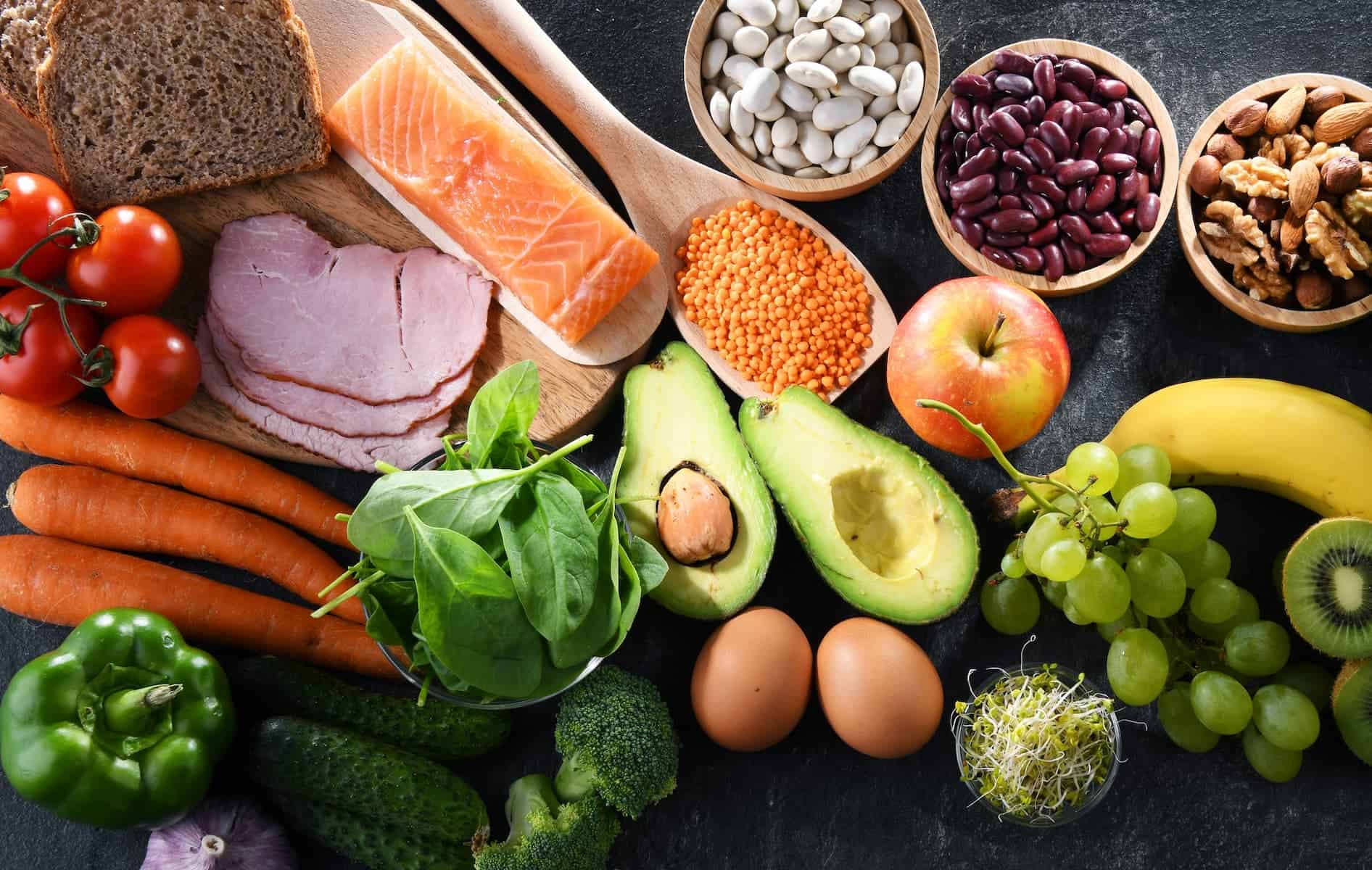
It’s not about giving up all your favorite flavors or being perfect—it’s about choosing foods that come closer to their natural state. Whole foods—like vegetables, fruits, nuts, lean proteins, and whole grains—are packed with the nutrients your body actually needs to feel energized and satisfied.
On the other hand, ultra-processed foods are often loaded with added sugars, unhealthy fats, and empty calories that leave you craving more.
If you’re ready to stock your kitchen with some simple, nourishing staples, a few of great options from iHerb are Bob’s Red Mill Organic Tri-Color Quinoa which is a versatile, protein-rich base for salads, bowls, or as a side dish; NOW Foods Organic Raw Almonds, a clean and nutrient-dense snack.
And last but not least, Bob’s Red Mill Organic Buckwheat, a hearty, naturally gluten-free option that’s perfect for porridge, pancakes, or grain bowls.
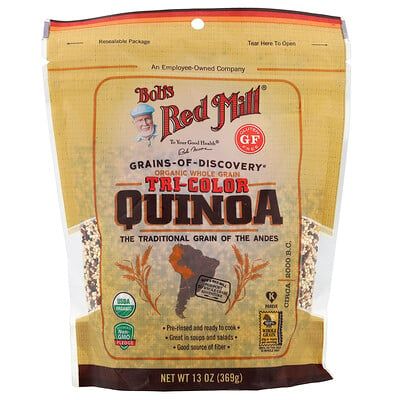
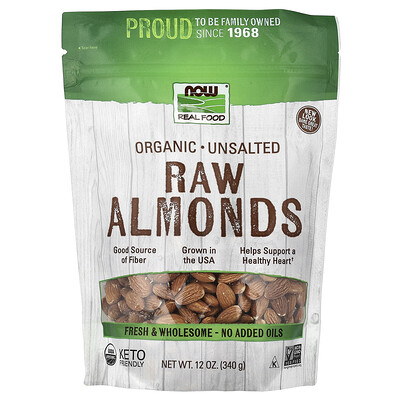
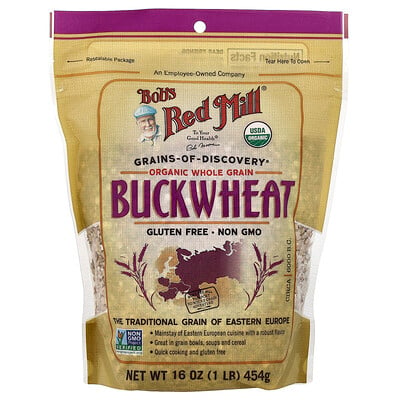
Adding just a couple of these whole-food staples to your meals makes it much easier to embrace the “eat better, not less” approach in a way that feels both satisfying and sustainable.
2. Nutrient-Dense Over Calorie-Light
Think about this: a hearty salad loaded with olive oil, grilled chicken, crunchy nuts, and quinoa will do way more for your body than a tiny 100-calorie snack pack.
It’s not just about the number of calories you eat—it’s about what those calories are made of. Nutrient-dense foods give your body vitamins, minerals, healthy fats, and protein that keep you full, energized, and functioning at your best.
Did You Know? According to one review, protein is more filling than carbs or fats and has a higher thermic effect of food (TEF) compared to carbohydrates and fats, meaning your body uses more energy during digestion.
Calorie-light snacks might seem like a quick fix, but often they leave you hungry and craving more because they lack the nutrients your body really needs.
Choosing nutrient-rich foods helps you feel satisfied longer and supports everything from your metabolism to your mood—so you can stop obsessing over calories and start enjoying your food again.
3. Balanced Meals Over Restriction
Think of meals that include a good mix of protein, healthy fats, and fiber as your secret weapon for staying full and satisfied longer.
When you balance your plate with these nutrients, your blood sugar stays steady—meaning fewer energy crashes and way fewer cravings. This balance helps keep your hunger in check without feeling deprived or stuck counting every bite.
So, instead of cutting out entire food groups or drastically slashing calories, focus on nourishing your body with meals that keep you energized and satisfied.
RELATED POST: Are Smoothies Good for Weight Loss?
It’s about working with your body, not fighting against it.
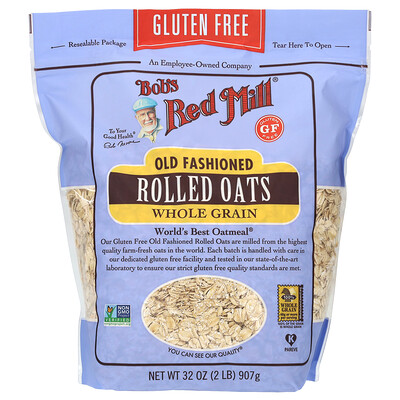
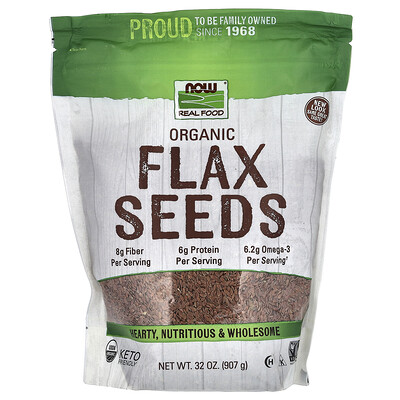
If you’re looking for pantry staples that make building balanced meals simple, some great options from iHerb are Bob’s Red Mill Old Fashioned Rolled Oats for quick and hearty breakfasts, Now Foods Organic Flax Seeds for an easy boost of fiber and healthy fats in oatmeal or smoothies.
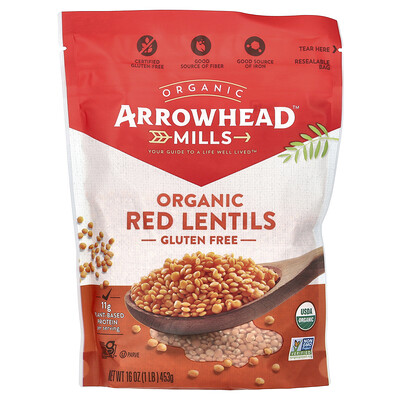
Another great option to add to your pantry is Arrowhead Mills Organic Red Lentils for nourishing soups, stews, and bowls.
4. Mindful Eating Over Mindless Tracking
Instead of obsessing over every calorie or jotting down every bite, try tuning into your body’s natural signals—like hunger, fullness, and how different foods actually make you feel. Mindful eating means slowing down, savoring your food, and checking in with yourself throughout the meal.
When you listen to your body, you learn what truly satisfies you, not just what fits into a number on a tracker.
If you’d like a deeper dive into this practice, a great book is Mindful Eating: A Guide to Rediscovering a Healthy and Joyful Relationship (available on Bookshop.org). It’s a practical resource that can help you shift away from food rules and reconnect with your body in a positive way.
book tip

Mindful Eating
By Jan Chozen Bays
This book shows invites you to slow down, reconnect with your body, and rediscover the joy of eating.
Did you know? Bookshop.org gives 80%+ of their profits to support independent bookstores.
*We may earn a commission at no extra cost to you.
This approach is way more sustainable and enjoyable in the long run—and it helps you build a healthier, more peaceful relationship with food.
Research shows that people who practice mindful eating tend to have lower body fat and healthier eating habits. They also report less depression, anxiety, and stress.
5. Quality vs Quantity: A Simple Analogy
Picture your body like a fire. Eating less is like tossing just a few tiny twigs onto that fire. Sure, you might get a flicker of flame, but it won’t last long—and soon, the fire starts to die down.
But eating better?
That’s like feeding your fire solid, slow-burning logs. You get steady heat, fewer flare-ups, and energy that lasts way longer.
It’s not about starving the fire—it’s about giving it the right fuel to keep you burning bright, all day long.
What Happens When You Focus on Food Quality?
When you make the switch to high-quality, nourishing foods, something pretty amazing happens:
1. You Naturally Eat Less—Without Trying
When you fill your plate with whole, nutrient-packed foods, something wonderful happens—you feel genuinely full and satisfied.
These foods are rich in fiber, protein, and healthy fats that keep hunger at bay and nourish your body deeply. Your plate might still be full, but it’s the right kind of fullness—one that leaves you energized and content, not deprived or hungry.
It’s not about eating less—it’s about eating better so you can enjoy your meals and feel good afterward.
2. Your Metabolism Works With You, Not Against You
When you prioritize protein, healthy fats, and fiber, you’re giving your body the tools it needs to work with you—not fight against you.
Research shows that protein (especially leucine-rich sources), vitamin D, omega-3s, and minerals like magnesium can help maintain muscle strength and keep your metabolism running efficiently.
These nutrients preserve muscle mass (key for burning calories), steady your blood sugar, and support hormone balance—all important players in losing fat naturally.
Instead of your metabolism slowing down or feeling out of control, it stays strong and steady, working with you every step of the way. Eggs, for example, are an excellent leucine-rich protein source that supports muscle and metabolism.
If you’d like a little help in the kitchen, a tool like the Evoloop Rapid Egg Cooker (available on Amazon) can make perfectly cooked eggs (soft, medium, or hard-boiled) with zero guesswork—so you always have a protein-packed option ready.
3. You Stop Obsessing Over Food
When your meals truly satisfy you—both in taste and how they make you feel—you’re no longer caught in that endless loop of “What can I eat next?” Instead of thinking about food all the time or feeling controlled by cravings, you can relax and enjoy your meals without guilt or stress.
Eating better helps you break free from food obsession and makes mealtime something you look forward to, not something you dread.
4. You Gain More Energy, Clarity, and Calm
Eating nourishing foods doesn’t just help your body—it supports your mind too. These foods reduce inflammation, help regulate your mood, and keep your brain sharp and focused.
As a result, you’ll notice more energy throughout your day, a clearer headspace, and a greater sense of calm.
And the best part?
Weight loss can become a byproduct of taking care of your health—without forcing it.
Research shows that food affects your mood in more ways than just nutrients. Who you eat with, cultural traditions, access to fresh foods, and even memories linked to certain meals all play a role in how you feel. This means that the social and emotional context of eating can be just as important for your energy, clarity, and calm as the food itself.
How to Start Eating Better (Without Overwhelm)
Let’s keep this simple. You don’t need to overhaul everything overnight or dive into complicated diets.
Here’s an easy, step-by-step way to upgrade the quality of your meals—without the stress or overwhelm:
Step 1: Build Every Meal Around 3 Nutrients
To feel truly full and satisfied, try using the simple “3-S Framework” at every meal.
It’s a simple way to think about your meals by focusing on three key nutrients that work together to nourish your body and keep hunger in check:
- Satisfaction (healthy fats to keep you feeling full)
- Substance (protein to support muscle and metabolism)
- Sustenance (fiber-rich carbs like veggies and whole grains to stabilize blood sugar)
When your meals include all three, you’ll naturally feel more balanced and less likely to reach for snacks or cravings later.
1. Satisfaction (Protein)
Protein is key for supporting your muscles and helping you feel full. When you eat enough protein, it signals your body’s fullness hormones—so you’re less likely to overeat or snack unnecessarily.
Some great protein sources include eggs, chicken, beans, Greek yogurt, tofu, fish, tempeh, and even protein powder.
2. Stability (Healthy Fat)
Healthy fats are another important part of satisfaction—they slow down digestion and help your body absorb all those good nutrients from your food. Plus, fats keep you feeling full and satisfied longer, so you’re less tempted to snack between meals.
Avocado, nuts, seeds, and tahini are great, but a top-quality olive oil can truly transform your meals.
For example, Entelia (available on Olive Oil Lovers) offers excellent value without compromising flavor, Oro Bailen Reserva Familiar Picual is celebrated worldwide for its award-winning taste, and Quattrociocchi Superbo Organic packs one of the highest polyphenol levels for maximum health benefits.
A splash over salads, roasted veggies, or grains instantly boosts both flavor and nourishment.


3. Simplicity (Fiber + Slow Carbs)
Fiber and slow-digesting carbs are your digestion’s best friends. They help keep your blood sugar steady and keep you feeling full for the long haul.
Think leafy greens, lentils, oats, sweet potatoes, berries, squash, and quinoa—foods that nourish your body gently and effectively.
Including these in your meals brings simplicity and balance, making it easier to stay satisfied without the crash.
Sample Meals
Here are some easy ideas that include all three nutrients from the 3-S Framework:
- Breakfast: Scrambled eggs, sautéed spinach, and avocado on sourdough
- Lunch: Grilled chicken quinoa bowl with veggies and tahini dressing
- Dinner: Baked salmon with roasted sweet potatoes and broccoli
- Snack: Greek yogurt with chia seeds and berries
Remember—you don’t need to count calories or track every bite. If your plate includes these three key nutrients, you’re already on the right track to eating better and feeling great.
If you need inspiration for what to cook, I love trying recipes from cookbooks like Natasha’s Kitchen: 100+ Easy Family-Favorite Recipes You’ll Make Again and Laura in the Kitchen: Favorite Italian-American Recipes Made Easy (available on Bookshop.org.)
book tip
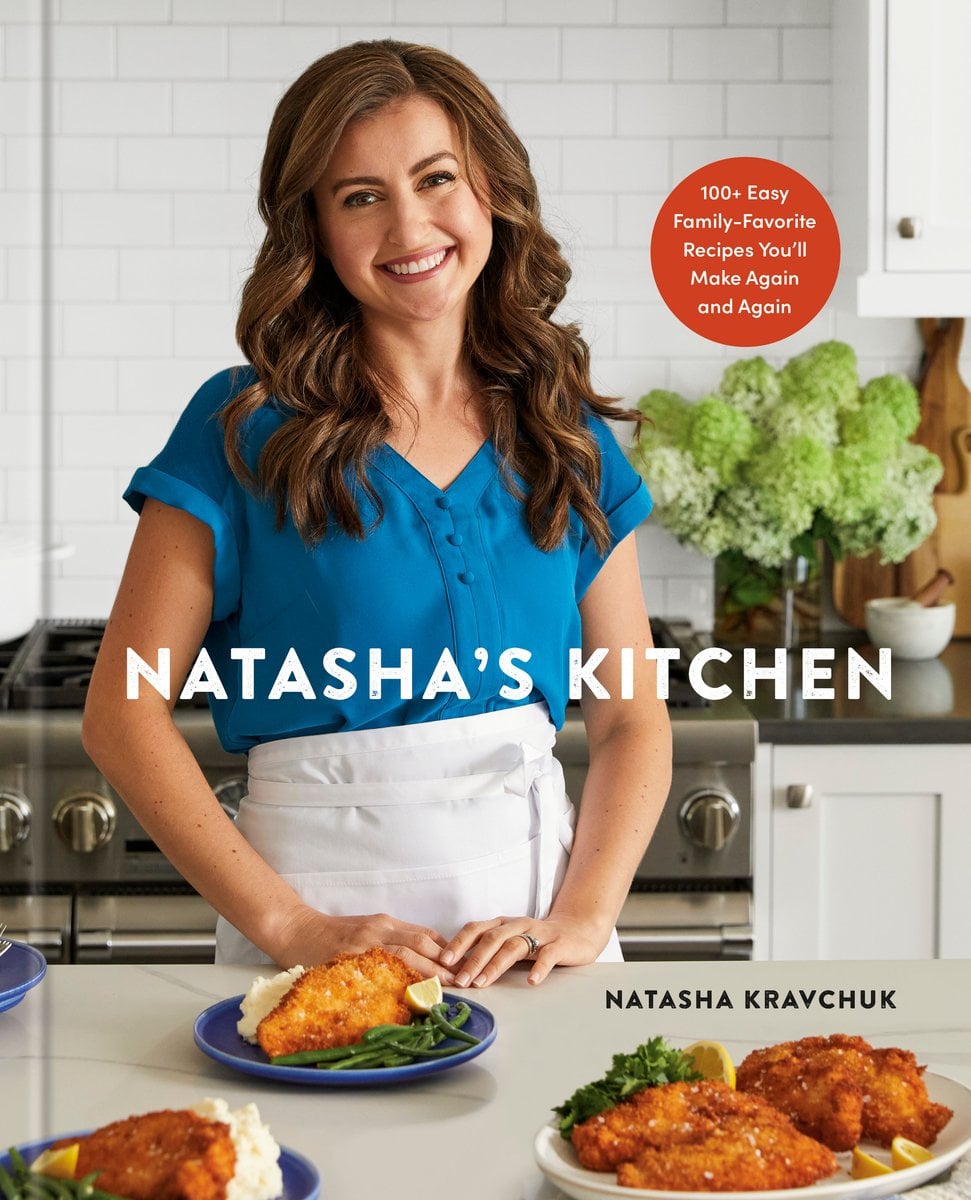
Natasha’s Kitchen
By Natasha Kravchuk
Looking for delicious, approachable recipes that feel like home-cooked comfort food every day?
Did you know? Bookshop.org gives 80%+ of their profits to support independent bookstores.
*We may earn a commission at no extra cost to you.
book tip
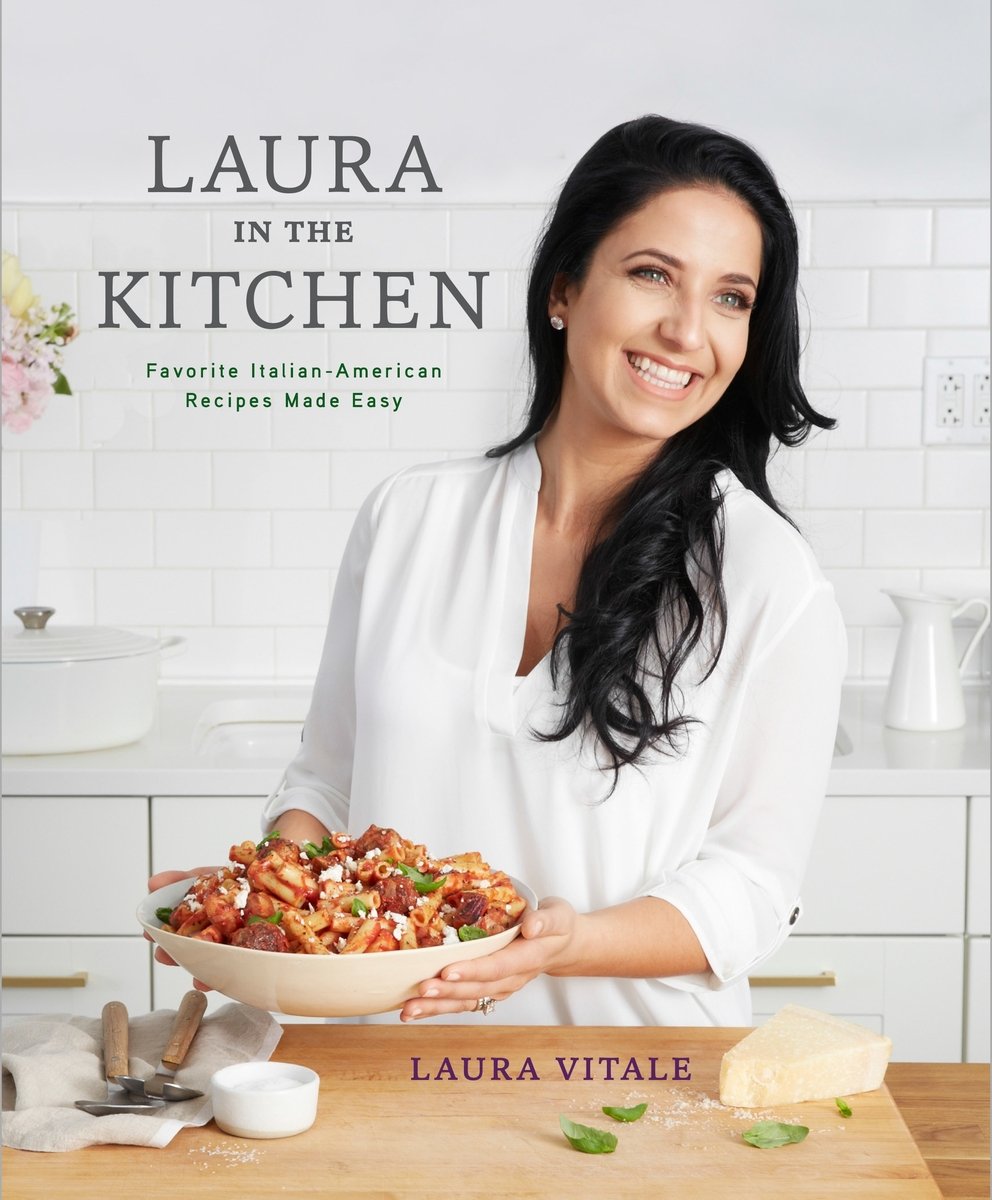
Laura in the Kitchen
By Laura Vitale
Love home cooking but don’t want complicated recipes or hard-to-find ingredients?
Did you know? Bookshop.org gives 80%+ of their profits to support independent bookstores.
*We may earn a commission at no extra cost to you.
I also enjoy exploring Big Vegan Flavor: Techniques and 150 Recipes to Master Vegan Cooking—even though I’m not vegan, these meals are surprisingly delicious and a fun way to mix up weeknight dinners.
book tip
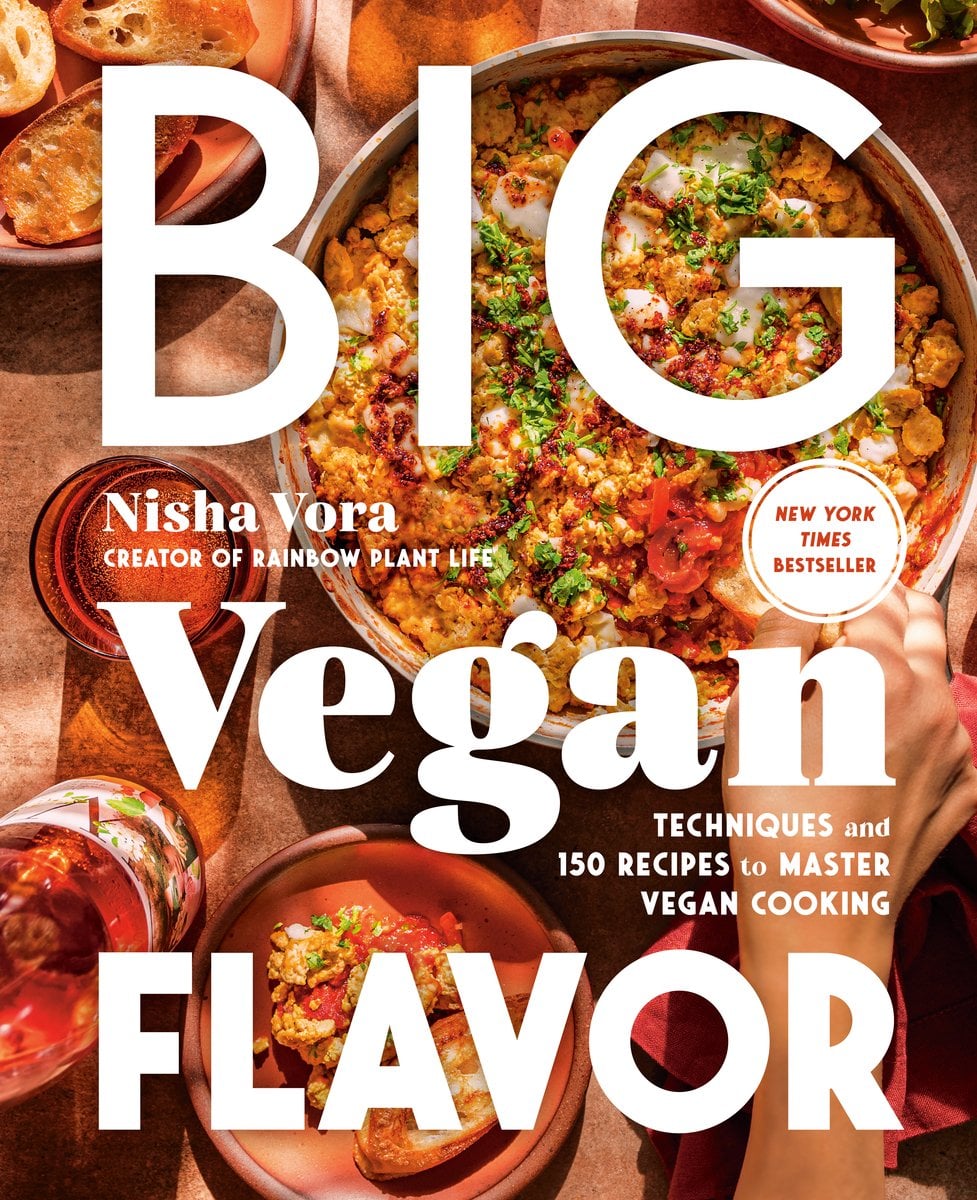
Big Vegan Flavor
By Nisha Vora
Think vegan food can’t be bold, exciting, and full of flavor? Think again!
Did you know? Bookshop.org gives 80%+ of their profits to support independent bookstores.
*We may earn a commission at no extra cost to you.
Step 2: Make Simple Food Swaps
Eating better doesn’t mean giving up everything you love. Just start swapping lower-quality items for better ones.
|
Instead of… |
Try this… |
|---|---|
|
Sugary cereal |
Oats with almond butter + banana |
|
Low-fat flavored yogurt |
Full-fat Greek yogurt + berries |
|
Chips |
Roasted chickpeas or almonds |
|
Diet frozen meals |
Home-cooked meals |
|
White bread |
Sprouted grain or sourdough |
|
Flavored coffee drinks |
Coffee + milk + cinnamon |
These simple switches help you eat better without feeling deprived or overwhelmed.
I personally love using the Luvele Yogurt Maker—I ferment my yogurt for 24 hours and enjoy it almost every day. It’s packed with healthy bacteria that support gut health, making it a delicious and nourishing way to upgrade your meals.
editor’s pick

Luvele Pure Yogurt Maker
Make thick, probiotic-rich yogurt at home with even heat and reliable results every time.
*We may earn a commission at no extra cost to you.
If you have a larger family or also want to make kefir, you might prefer the Luvele Pure Plus Yogurt Maker, which offers a slightly larger capacity.
great pick

Luvele Pure Plus Yogurt Maker
Create thick, probiotic-rich yogurt or fresh kefir with precise heat and consistently smooth results.
*We may earn a commission at no extra cost to you.
Step 3: Shift Your Mindset Around Hunger
Hunger isn’t the enemy—it’s your body’s way of communicating with you, not something to suppress or fear.
Instead of pushing it away, start asking yourself questions like:
What is my body really asking for right now?
Did I eat enough protein today?
Is this hunger physical or emotional?
Am I craving because I’m tired, stressed, or distracted?
The more you tune in and listen, the easier it becomes to respond with kindness and nourishment—not punishment or restriction. Hunger becomes a helpful guide, not a source of anxiety.
If you’re interested in keeping track of what you’re eating, the Clever Fox Food Journal (available on Amazon) can help you do just that.
But keep in mind—you shouldn’t use it to become obsessed with every bite. This journal works best as a tool to help you become more aware of the kinds of foods you eat and how they make you feel, so you can make mindful, nourishing choices without stress.
Real Talk: You Don’t Have to Earn Your Food
One of the biggest lies we’ve been told is that we must eat “less” to be worthy, healthy, or in control.
But here’s the truth:
- You can nourish your body and still lose weight.
- You can feel satisfied and still make progress.
- You can enjoy food and still reach your goals.
This isn’t about willpower or deprivation—it’s about alignment. Eating in a way that supports your body, instead of fighting against it, is the real key to lasting success.
Final Thoughts
Eating better—not less—isn’t just a strategy for weight loss. It’s a mindset shift. One that invites you to nourish your body instead of punish it, to feel satisfied instead of restricted, and to build habits that support your health long term, not just for a few weeks.
When you stop focusing on shrinking your portions and start focusing on upgrading your nutrition, everything starts to change.
Progress doesn’t come from perfection—it comes from consistency. Small shifts, like adding protein to breakfast or swapping one snack a day, may not feel groundbreaking, but they add up.
These changes don’t require willpower; they just require intention. And over time, they help you build a way of eating that feels natural, sustainable, and good.
So if you’re done with diets that leave you hungry, frustrated, or stuck, know this: there’s a better way. You can eat well, feel full, and still move toward your goals. You don’t have to earn your food—you just have to start fueling your body with care.
One step at a time, you can create lasting change that actually feels like you.
*This article is for informational purposes only and is not intended as medical advice. It should not be used to diagnose, treat, or prevent any health condition. Always consult a qualified healthcare professional before making any changes to your diet, exercise, or health routine.
Lazarevich, Irina et al. “Mindful Eating and Its Relationship with Obesity, Eating Habits, and Emotional Distress in Mexican College Students.” Behavioral sciences (Basel, Switzerland) vol. 15,5 669. 14 May. 2025, doi:10.3390/bs15050669. Adapted and used under the terms of the Creative Commons Attribution 4.0 International License.
Lee, Megan F et al. “"Maybe it's Not Just the Food?" A Food and Mood Focus Group Study.” International journal of environmental research and public health vol. 20,3 2011. 21 Jan. 2023, doi:10.3390/ijerph20032011. Adapted and used under the terms of the Creative Commons Attribution 4.0 International License.
Paddon-Jones, Douglas et al. “Protein, weight management, and satiety.” The American journal of clinical nutrition vol. 87,5 (2008): 1558S-1561S. doi:10.1093/ajcn/87.5.1558S. Abstract only.
Trexler, Eric T et al. “Metabolic adaptation to weight loss: implications for the athlete.” Journal of the International Society of Sports Nutrition vol. 11,1 7. 27 Feb. 2014, doi:10.1186/1550-2783-11-7. Adapted and used under the terms of the Creative Commons Attribution 2.0 Generic License.

Linda is the co-founder of Courier Wellness and holds a Diploma in Natural Health Nutrition & Diet. Her passions include photography, food, and travel, where she derives inspiration from diverse cultures and their holistic approaches to well-being. She is committed to helping others make informed, nourishing choices for a healthier life.