Keto Diet Risks You Need to Know: How Cutting Carbs Affects Your Health
This post contains affiliate links, which means we may earn a commission if you purchase through our links—at no extra cost to you. As an Amazon Associate we earn from qualifying purchases. We only recommend products we use or trust. Learn more about affiliate marketing or read our full disclosure.
Thinking about cutting carbs? You’re not alone.
The keto diet has exploded in popularity, promising fast weight loss, better focus, and sky-high energy levels.
It sounds amazing, right?
But here’s the thing—carbs aren’t just “empty calories” or something to fear. Your body needs them, especially your brain. When you dramatically slash carbs, like on keto, you’re also messing with systems your body relies on to stay balanced and healthy.
So before you cut that next slice of bread out of your life, let’s take a closer look.
In this article, I’ll break down the key keto diet risks you should know—how extreme carb restriction affects your body and brain, and why going super low-carb might not be the golden ticket it seems.
Let’s dive in!
What Is the Keto Diet, Really?
Chances are, you’ve heard the buzz. The keto diet is everywhere—touted as the ultimate way to shed pounds, sharpen focus, and boost energy.
But what’s actually going on inside your body when you go keto?
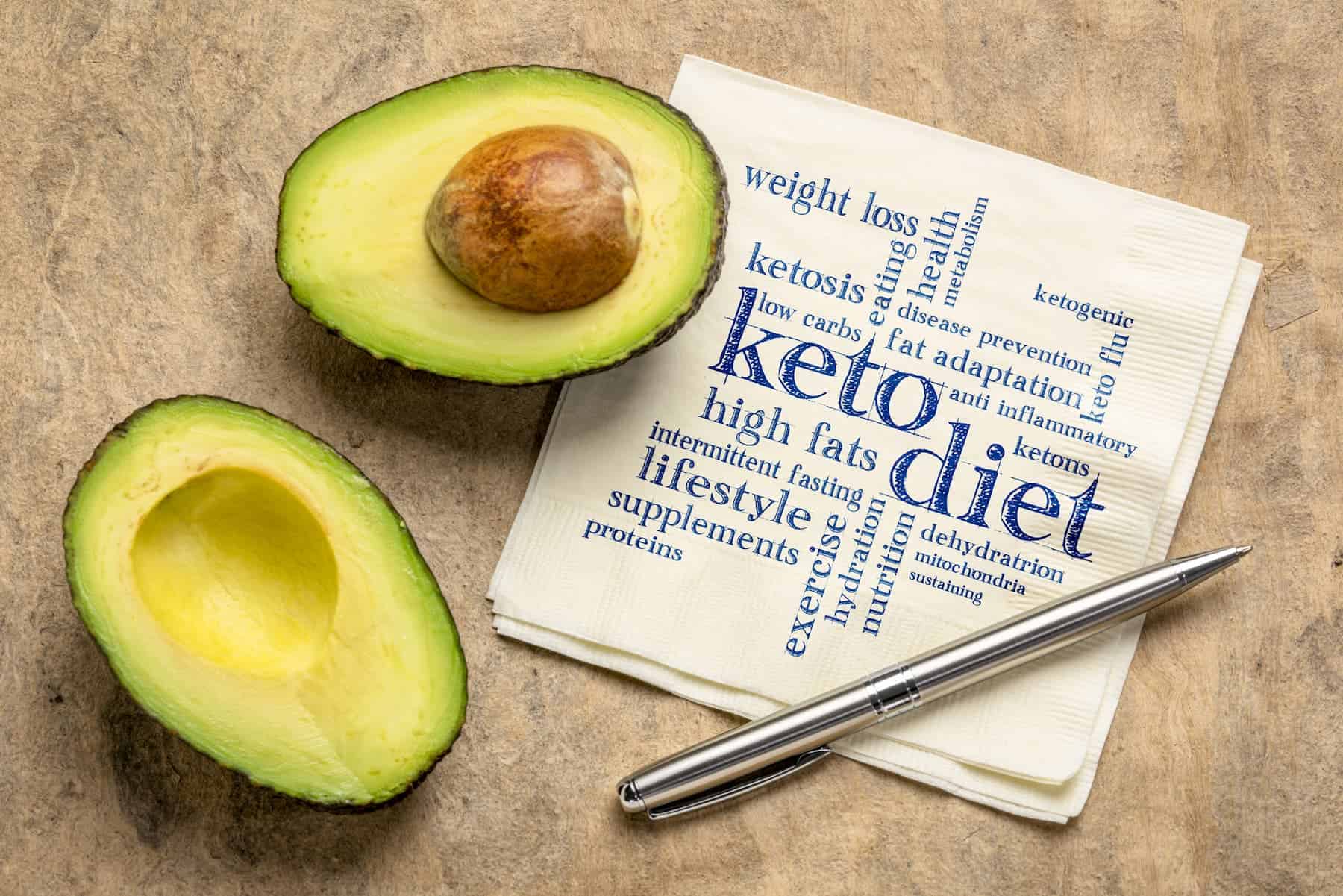
Here’s the gist: by drastically cutting carbs and upping your fat intake, your body shifts into a state called ketosis. Instead of relying on sugar (glucose) for fuel, it starts burning fat.
That metabolic switch is what draws so many people to keto.
SAVE THIS PIN FOR LATER!
Be sure to save this post by pinning the image to your Pinterest board. I’ll be updating it regularly, so you can easily come back to explore this topic further!

But there’s a catch—and it’s a big one.
To get into ketosis, you have to give up a lot: bread, pasta, rice, most fruits, and even starchy veggies.
In their place?
High-fat foods like cheese, avocado, eggs, and meat. Sure, some people love it at first. But this kind of extreme restriction can have real consequences if you stick with it too long.
Studies show that long-term carb-cutting can lead to issues like:
- Increased risk of heart disease
- Bone loss and weakened bones
- Strain on your kidneys
- Higher risk of certain cancers
So while keto might offer some short-term benefits, it’s not necessarily built for the long haul.
Before you ditch carbs entirely, it’s worth thinking about whether there’s a better, more balanced path to health.
Why Your Body (and Brain) Actually Need Carbs
Carbs often get a bad rap, but here’s the truth: they’re your body’s favorite fuel.
When you eat carbs, your body breaks them down into glucose (a type of sugar), which it uses for quick, clean energy.
Whether you’re powering through a tough workout, trying to stay sharp at work, or just getting through a long day—carbs are your go-to.
Sure, your body can burn fat or protein for energy if it has to. But it’s not ideal. That process is slower and puts extra strain on your system.
That’s one reason the keto diet isn’t always sustainable—your body ends up working harder just to function normally.
Your Brain Runs on Carbs—Literally
Here’s something interesting: your brain weighs only about 2% of your body weight… but it uses around 20% of your energy.
And guess where most of that energy comes from?
Yep—glucose, aka the sugar your body gets from carbs.
Your muscles can adapt and burn fat for fuel. Your brain? Not so much. It needs glucose to fire on all cylinders.
Now, when you go super low-carb, your body creates ketones to feed your brain. That’s how the keto diet works. But ketones are more like your brain’s backup generator. It’ll run on them in a pinch, but it’s not the most efficient setup long-term.
Get the eBook
Join now to receive our FREE ebook on how to create a healthy relationship with food.

What Happens to Your Brain When You Ditch Carbs?
Ever cut carbs and suddenly feel like your brain is in a fog? Like you’re trying to think through molasses?
That’s called “brain fog”—and it’s a real thing. When your brain doesn’t get the fuel it needs, everything from memory to focus to decision-making takes a hit.
Studies show that people on low-carb diets often experience mental sluggishness and reduced cognitive performance, especially when their carb stores (glycogen) are depleted.
The good news?
Things usually bounce back once carbs are reintroduced—proof that your brain loves carbs.
Related Article: How to Improve Your Mental Health by Reducing Ultra-Processed Food»
Bottom Line
Your brain is incredibly adaptable, but that doesn’t mean it thrives on carb restriction. For most of us, cutting carbs too low for too long can leave us feeling foggy, fatigued, and off our game.
So if you’ve been struggling to stay sharp on keto, it might not be you—it might be the carbs (or lack of them).
How Cutting Carbs Affects Your Body
If you’ve tried cutting carbs, you’ve probably noticed it’s not just your brain that takes a hit. Your body feels it too—and not in a good way.
When carbs disappear from your plate, you may start feeling… off.
Here are two of the most common physical side effects:
1. Running on Empty: Fatigue & Energy Crashes
One of the first red flags your body waves when it’s low on carbs?
Constant tiredness.
Without carbs to fuel your day, your body has to work harder to squeeze energy from fats and proteins. It’s like trying to drive with the parking brake on—eventually, you’ll stall out.
You might feel:
- Sluggish by mid-morning
- Wiped out after lunch
- In need of a nap by 3 p.m.
In fact, early research suggests that people on keto often report more fatigue—and less motivation to move.
That lack of energy doesn’t just affect your workouts; it can make even everyday stuff like grocery shopping or going for a walk feel like a chore.
Learn More: 11 Easy Steps on How to Start Eating Healthy»
2. Weaker Workouts: Muscle Fatigue & Poor Performance
Carbs is fuel for your muscles. It’s that simple.
When you work out—especially at higher intensities—your body taps into glycogen, which is stored carbohydrate in your muscles.
Without enough carbs in your system, those stores dry up, and your muscles start to feel like jelly.
Low glycogen can lead to:
- More muscle fatigue
- Slower recovery
- Poorer performance
- Less motivation to train
One clinical trial found that keto made participants feel more tired—even during normal daily movement. Not only were their workouts harder, but simple physical tasks felt more draining too.
So if you’ve been feeling weak, sore, or just “off” since ditching carbs, your body might be waving a white flag.
The Long-Term Risks of a Keto Diet
Cutting carbs might feel like a quick win—but what happens when you keep it up long-term?
The truth is, the keto diet can have serious ripple effects on your health over time.
Let’s break down some of the biggest Keto diet risks:
1. Hormonal Imbalances (Especially for Women)
Carbs do more than fuel your workouts—they help regulate your hormones, too.
In women especially, low carb intake can disrupt reproductive hormones, leading to irregular cycles—or even amenorrhea (when your period stops altogether).
SAVE THIS PIN FOR LATER!
Be sure to save this post by pinning the image to your Pinterest board. I’ll be updating it regularly, so you can easily come back to explore this topic further!

I’ve been there. A few years ago, I decided to give keto a try. Not only did my energy tank during workouts, but my cycle was also completely thrown off. It came two weeks early, even though I was on birth control—something that had never happened before.
My sister tried keto at the same time, and while my period came early, hers was weeks late. That was a huge red flag for both of us.
Turns out, we weren’t alone.
A randomized controlled trial found that 85% of women on keto experienced menstrual changes, including shifts in frequency and intensity.
Meanwhile, women following a more balanced, low-fat diet didn’t have those issues—suggesting it wasn’t just weight loss causing the disruption, but carb restriction itself.
When your body thinks energy is scarce, it hits pause on anything non-essential—including reproductive function.
Since switching to a more balanced approach, I haven’t had those problems again. My cycle’s back on track, and I feel stronger overall.
2. Gut Health Takes a Hit
Let’s talk about fiber. It’s found in many carb-rich foods—like fruits, veggies, legumes, and whole grains—and it’s essential for a happy gut.
Fiber helps:
- Keep your digestion running smoothly
- Feed good bacteria in your gut
- Prevent constipation and bloating
But on keto? Fiber often gets left behind.
Without enough of it, your gut microbiome (aka your internal ecosystem) can get out of balance, leading to inflammation, weakened immunity, and even mood issues.
Struggling with gut issues?
One of the best ways to support your gut health is by incorporating probiotics into your diet. Personally, I make my own yogurt using the Pure Yogurt Maker from Luvele. It’s super easy to use, and the result is creamy, delicious, and packed with probiotics! I’ve noticed a huge improvement in both my gut health and skin since I started. I highly recommend it!
Want to learn more? Check out my full review of the Luvele yogurt makers here.
3. Nutrient Deficiencies
Carbs aren’t just about energy—they’re packed with key nutrients. When you cut out healthy carb sources, you risk missing out on important vitamins and minerals.
Low-carb diets can lead to deficiencies in:
- Calcium and magnesium (important for bones and digestion)
- Iron, which can lead to anemia and fatigue
- B vitamins, crucial for energy and metabolism
You might start to notice dry skin, hair thinning, brittle nails—or feel generally run down.
And over time, more serious issues can creep in, like osteoporosis or kidney strain. Keto may seem like a shortcut to better health, but it can come with a high cost if not managed carefully.
Bottom line
Balance wins. Instead of cutting carbs altogether, focus on choosing the right ones—whole, nutrient-rich foods that nourish your body and support long-term health.
The Benefits of Carbs in a Balanced Diet
Here’s the thing—carbs aren’t the enemy. In fact, when you choose the right ones, they can be one of the best things you do for your body.
Whole, unprocessed carbs (like veggies, fruits, legumes, and whole grains) give you lasting energy by releasing glucose slowly into your bloodstream.
That steady release helps keep your energy levels stable and prevents those dreaded blood sugar spikes and crashes.
Unlike refined carbs—think white bread, soda, and pastries—these complex carbs come packed with fiber, too. And fiber is a superstar. It supports digestion, balances blood sugar, lowers cholesterol, and keeps you feeling full longer.
That means fewer cravings and more control over portions!
Carbs also play well with others.
When balanced with healthy fats and proteins, they help form a complete, nourishing diet that fuels your brain, supports your body, and keeps you feeling your best.
Related Article: Do You Fear Eating Carbs? Learn How to Overcome It»
Our Philosophy: Health Over Hype
My sister and I have been on the weight loss journey—and we get it. The pressure to “go keto,” cut carbs, or follow the latest trend is everywhere.
But here’s what we’ve learned: lasting results don’t come from extremes.
We believe in eating healthy without unnecessary restrictions—except for ultra-processed foods (because let’s be honest, they’re not really food).
We never encourage cutting out essential macronutrients like carbohydrates. Your body needs them for energy, brain function, and overall well-being.
Weight loss isn’t about deprivation—it’s about building sustainable habits that support your health long term. That’s how we’ve both lost weight and kept it off for over a decade.
No dieting. No extremes. Just real food, real habits, and a lifestyle that lasts.
Want to learn more about how we did it? Read our Ultimate guide to sustainable weight loss below.
Related Article: The Ultimate Guide to Sustainable Weight Loss: Eat Better, Not Less»
Moving Beyond the Keto Diet: Embracing a Balanced Approach
While low-carb diets may have their place in certain medical situations (like managing epilepsy or insulin resistance), for most people, a balanced diet that includes healthy carbohydrates is key to long-term wellness.
Here are some simple, practical tips for incorporating carbs into your daily routine without going overboard:
Focus on Whole Foods
Opt for complex carbs like vegetables, fruits, whole grains, and legumes. These nutrient-rich foods offer fiber, vitamins, and minerals that refined carbs simply can’t provide.
Practice Portion Control
Instead of cutting carbs entirely, aim for mindful portion control. Enjoy the benefits of carbs without going overboard or feeling restricted. Balance is everything.
Pair Carbs with Proteins and Fats
Combine carbs with proteins and healthy fats to slow glucose absorption, stabilize blood sugar, and keep you feeling fuller for longer. It’s the perfect recipe for sustained energy throughout the day.
Avoid Processed Carbs
Refined carbs—like white bread, pastries, and sugary cereals—can lead to energy crashes and contribute to health issues in the long run. Stick to high-fiber, complex carbs to keep your energy steady and your body nourished.
Get the eBook
Join now to receive our FREE ebook on how to create a healthy relationship with food.
Final Thoughts
At the end of the day, the key to lasting health and weight management isn’t about quick fixes or drastic measures.
It’s about consistency, balance, and making small, sustainable changes that fit into your lifestyle.
While the keto diet and other extreme low-carb plans may work for some in the short term, they often come with risks that can affect your health and well-being in the long run.
You don’t need to deprive your body of essential macronutrients like carbs to see real results.
Instead, focus on nourishing your body with whole foods, practicing mindful eating, and embracing balance in all aspects of your diet.
Remember, carbs are not your enemy. In fact, they’re an essential part of a healthy, balanced diet.
Your body needs carbs for energy, your brain thrives on them, and they provide vital nutrients that help keep you healthy in the long term.
It’s not about cutting carbs out entirely—it’s about choosing the right types of carbs, in the right amounts, to fuel your body and support your goals.
*This article is for informational purposes only and is not intended as medical advice. It should not be used to diagnose, treat, or prevent any health condition. Always consult a qualified healthcare professional before making any changes to your diet, exercise, or health routine.
Bilsborough, Shane A, and Timothy C Crowe. “Low-carbohydrate diets: what are the potential short- and long-term health implications?” Asia Pacific journal of clinical nutrition vol. 12,4 (2003): 396-404, https://pubmed.ncbi.nlm.nih.gov/14672862/. Accessed 30 January 2025. Abstract only.
D'Anci, Kristen E et al. “Low-carbohydrate weight-loss diets. Effects on cognition and mood.” Appetite vol. 52,1 (2009): 96-103. doi:10.1016/j.appet.2008.08.009. Accessed 30 January. Abstract only.
Herculano-Houzel, Suzana. “The remarkable, yet not extraordinary, human brain as a scaled-up primate brain and its associated cost.” Proceedings of the National Academy of Sciences of the United States of America vol. 109 Suppl 1,Suppl 1 (2012): 10661-8. doi:10.1073/pnas.1201895109. Accessed 31 January. Abstract only.
Kackley, Madison L et al. “Self-reported menses physiology is positively modulated by a well-formulated, energy-controlled ketogenic diet vs. low fat diet in women of reproductive age with overweight/obesity.” PloS one vol. 19,8 e0293670. 16 Aug. 2024, doi:10.1371/journal.pone.0293670. Adapted and used under the Creative Commons Attribution 4.0 International License.
Sjödin, Anna et al. “Effects of a Ketogenic Diet on Muscle Fatigue in Healthy, Young, Normal-Weight Women: A Randomized Controlled Feeding Trial.” Nutrients vol. 12,4 955. 30 Mar. 2020, doi:10.3390/nu12040955. Adapted and used under the Creative Commons Attribution 4.0 International License.
White, Andrea M et al. “Blood ketones are directly related to fatigue and perceived effort during exercise in overweight adults adhering to low-carbohydrate diets for weight loss: a pilot study.” Journal of the American Dietetic Association vol. 107,10 (2007): 1792-6. doi:10.1016/j.jada.2007.07.009. Accessed 31 January 2025. Abstract only.

Malin, the co-founder of Courier Wellness, is well-informed in nutrition and health and brings her own unique perspective to the world of holistic wellness. With a passion for writing and a deep interest in wellbeing, she wants to create content that fosters balance and nourishment for the mind and body.