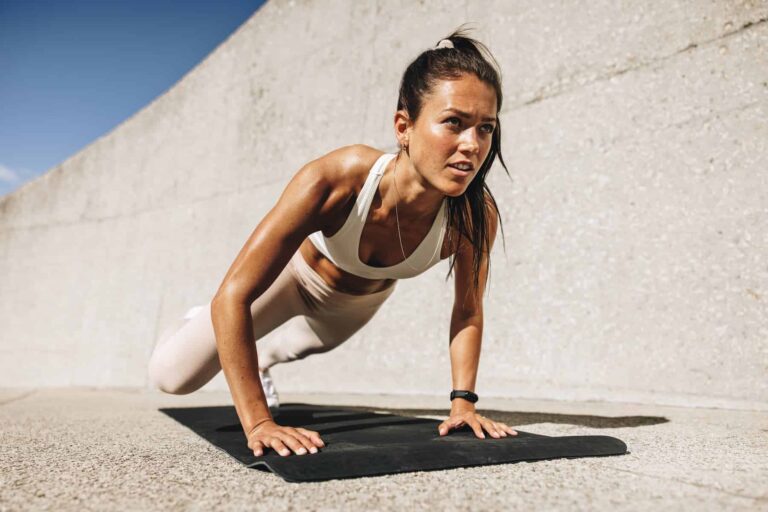
What Is Skinny Fat and How to Fix It

When it comes to health and fitness, many of us believe that being slim means being healthy. But here’s the truth—looks can be deceiving.
Ever heard the term “skinny fat”?
It’s used to describe people who look thin but carry more body fat than they realize. I should know, since I used to be one.
On the outside, I looked slim, but on the inside, my body wasn’t as healthy as I thought. It wasn’t until I learned about “skinny fat” that I realized how important it is to focus on more than just what we see in the mirror.
In this article, I’ll break down what ‘skinny fat’ really means, explain why it’s important to pay attention to it, and I’ll share some tips on what has worked for me to improve my health and strength.
If this piques your interest, then continue reading!
Defining Skinny Fat
You’ve probably heard the term “skinny fat” thrown around, but what does it actually mean?
Simply put, it describes someone who looks thin on the outside but actually has more body fat than muscle. This happens even if their body mass index (BMI) is within the “normal” range.
So just because you’re not technically overweight doesn’t mean your body is in good shape.
People who are considered “skinny fat” often have low muscle mass and a higher percentage of body fat, which can put them at risk for health issues in the long run.
SAVE THIS PIN FOR LATER!
Be sure to save this post by pinning the image to your Pinterest board. I’ll be updating it regularly, so you can easily come back to explore this topic further!
Although skinny fat isn’t a medical term, it’s common among those who have sedentary lifestyles, rarely exercise, and/or have poor dietary habits. Even though they might not appear overweight, their health isn’t optimal because they lack muscle tone and carry excess fat.
So, what’s the solution?
Building muscle, improving your diet, and staying active are all important steps to combat skinny fat and feel your best.
Possible Causes of Skinny Fat
The causes of being skinny fat are more complicated than they might seem. It’s not just about being inactive or eating poorly—though those things do play a big role.
Other factors, like genetics and how our bodies metabolize food, can also contribute. Everyone’s body is different, and these factors make the journey to a healthier body a little more complex.
Here are some possible causes of skinny fat:
1. Sedentary Life
A sedentary lifestyle, where you’re not getting enough physical activity, can definitely contribute to developing a skinny fat body. Without regular exercise, you lose muscle mass, and your body becomes more prone to storing excess fat.
That said, it’s not always the case for everyone—like me, for example. I was always active, but I didn’t focus enough on strength training, which is a key factor in building muscle.
So, even though I stayed active, my body still lacked the muscle mass it needed for optimal health and composition.
2. Eating Too Many Bad Carbs
Consuming too many unhealthy carbs—like sugary snacks, drinks, white bread, and pastries—can seriously mess with your body composition.
These carbs cause your blood sugar to spike, which triggers an increase in insulin levels, making your body store more fat.
What’s more, hidden sugars in processed foods can sneakily add up, leading to excess calorie intake and making it harder to achieve a toned body. Even if you’re active, too many of these “bad” carbs can contribute to the skinny fat condition and prevent you from getting the results you want.
Related Article: 11 Easy Steps on How to Start Eating Healthy»
3. Excess Insulin
Too much insulin in your body can lead to more fat storage. Insulin is the hormone that helps control blood sugar, but when you eat a lot of carbs or sugary foods regularly, your body can become less responsive to it.
This causes insulin levels to stay elevated in your blood, which can make your body store more fat.
It’s easy to think you need to cut calories or go on a strict diet to fix this, but the truth is you might just need to eat more nutritious food. Eating more vegetables and cutting back on starchy foods like potatoes can help regulate blood sugar and reduce the chances of excess insulin production.
This way, you’re supporting your body in a healthier way without needing to starve yourself.
Get the eBook
Join now to receive our FREE ebook on how to create a healthy relationship with food.

4. Not Eating Enough Protein
If you’re dealing with a “skinny fat” body type, increasing your protein intake can be a total game-changer when it comes to improving your body composition.
Protein is essential for building and maintaining muscle, and without enough of it, your muscles may not grow or stay strong.
To really tackle a skinny fat physique, it’s crucial to pair strength training with a diet rich in protein. Not only does protein help build muscle, but it also keeps you feeling fuller for longer, which can help with weight management by curbing unnecessary calorie intake.
5. Too Much Cardio, Too Little Strength Training
As we’ve already discussed, cardio is great for heart health and burning calories, but too much of it—especially without strength training—can actually lead to muscle loss.
For people with a “skinny fat” body type, this isn’t ideal. Maintaining enough muscle mass is key to achieving a toned, lean look, so balancing cardio with strength training is really important for getting the best results.
6. Slow Metabolism
Metabolism refers to how your body converts food into energy, and it plays a huge role in overall body composition.
While some people may burn calories faster because they have a higher metabolism, this isn’t always the case for those with a skinny fat physique. Even if you burn calories quickly, you might still carry excess fat if you don’t have enough muscle mass.
The bottom line?
Achieving your fitness goals isn’t just about how quickly you burn calories. It’s about eating healthy and building muscle to create a more balanced, stronger body.
Health Implications of Skinny Fat
I used to be “skinny fat” in my 20s. Back then, my habits weren’t exactly healthy—I ate tons of white bread, prioritized cardio over strength training, and indulged in too many refined carbs.
Despite having a fast metabolism and a slim physique, I couldn’t shake the extra fat around my belly and thighs. It made me feel self-conscious, even though I thought I was healthy.
It wasn’t until I got older that I truly realized how far off track I was. With age comes wisdom, right?
So I shifted my diet to focus on healthy carbs and cut back on the bad ones.
While I still love my cardio, I’ve added strength training to my routine to build muscle. And let me tell you, the difference has been huge for my overall health!
SAVE THIS PIN FOR LATER!
Be sure to save this post by pinning the image to your Pinterest board. I’ll be updating it regularly, so you can easily come back to explore this topic further!
Here’s the thing—just because someone looks slim doesn’t mean they’re free from health issues.
People with a “skinny fat” body type may not be overweight, but they can still face health risks because of fat distribution and lack of muscle mass.
Some of the health issues linked to being skinny fat include:
1. Metabolic Health
Looking slim on the outside doesn’t always mean your metabolism is in good shape. If you’re dealing with skinny fat, you might face issues with insulin function and glucose utilization.
This can mess with your body’s ability to regulate blood sugar, which increases the risk of developing type 2 diabetes and other metabolic problems over time.
2. Cardiovascular Health
When you carry extra body fat, especially around your organs (also called visceral fat), it can seriously affect your heart health. This type of fat is linked to higher blood pressure, elevated cholesterol, and an increased risk of heart disease.
So, even if you look slim, it’s important to be mindful of where that fat is stored.
3. Bone Health
If you don’t have enough muscle mass and lead a sedentary lifestyle, your bones can take a hit. People who are skinny fat often skip out on weight-bearing exercises—like strength training—which are key for building and maintaining strong bones.
Without them, bone density can decrease, increasing the risk of fractures and osteoporosis later on.
4. Poor Body Composition
When you have more body fat and less muscle, your body composition isn’t in an ideal balance. This can lead to a higher risk of chronic diseases and lower overall fitness.
Having a healthy ratio of muscle to fat is key to feeling strong and staying healthy long-term.
5. Increased Risk of Falls and Fractures
As we get older, lacking muscle mass and strength can make us more prone to falls and fractures. Maintaining strong muscles is crucial for balance and stability, helping reduce the risk of injury as we age.
So strength training isn’t just for looking good—it’s also key to staying safe and mobile!
6. Inflammation:
Fat in our bodies isn’t just inactive; it actually produces inflammatory substances. So, even if you look like you’re at a healthy weight, excess body fat can still lead to chronic inflammation.
This ongoing inflammation is linked to a variety of health issues and could even contribute to the development of cellulite over time. Yes, even those who are skinny can experience cellulites.
7. Hormonal Imbalances:
When your body composition isn’t in balance, it can mess with important hormones like leptin and adiponectin, which help control hunger and metabolism.
This disruption can make it harder to manage weight and maintain a healthy energy balance.
The Role of Body Composition
Most people focus on weight when thinking about health.
But here’s the thing—your weight alone doesn’t tell the full story. What really matters is your body composition, or the balance between fat and lean muscle mass in your body.
If you fall into the “skinny fat” category, it means you have more body fat than muscle, even if you look slim. This imbalance can affect your strength, metabolism, and overall health.
So, what’s the fix?
Instead of just thinking about losing weight, the goal should be changing your body composition—building muscle while reducing excess fat.
And don’t worry, you don’t need to become a bodybuilder to do this! Small, consistent changes in exercise and nutrition can make a huge difference.
Let’s dive into how you can start improving your body composition and feeling stronger from the inside out.
Get the eBook
Join now to receive our FREE ebook on how to create a healthy relationship with food.
Tips to Improve Body Composition
Improving your body composition is all about creating a healthy balance between muscle and fat. It’s not just about losing weight—it’s about building strength, boosting metabolism, and feeling your best.
The following tips will help you make lasting changes to your body, focusing on muscle growth and fat reduction to achieve a healthier, stronger version of yourself.
1. Muscle Mass vs. Fat Mass:
As mentioned earlier, if you identify as ‘skinny fat,’ you likely have more body fat and less muscle.
That’s why building lean muscle is key! The more muscle you have, the more active your body becomes, giving your metabolism a natural boost.
This helps you burn fat more efficiently and improve your overall body composition.
2. Strength Training and Exercise:
To improve your body composition, regular strength training is non-negotiable. It’s not just about building muscle—it also speeds up your metabolism and helps burn fat.
Try focusing on exercises that engage multiple muscle groups at once, like squats, deadlifts, push-ups and planks. These exercises are super effective at building strength and improving body composition overall.
3. Nutrition and Protein Intake:
When it comes to muscle building, protein is your best friend. Make sure you’re eating enough of it to support muscle growth and repair.
Lean protein sources like chicken, fish, and beans are perfect for maintaining and enhancing muscle mass.
Just remember, a balanced diet is key—don’t forget to include healthy fats, fiber, and plenty of veggies to keep your body nourished.
4. Caloric Balance:
Finding the right balance of calories is crucial. You don’t want to overeat and gain extra fat, but you also don’t want to restrict too much, as that can cause you to lose muscle.
The goal is to strike a balance that supports muscle building and fat loss at the same time. Pay attention to your body’s signals and make adjustments based on your progress.
Related Article: Can You Really Lose Weight with 1500 Calories Per Day?»
5. Cardiovascular Exercise:
Cardio definitely has its place in your fitness routine. It’s great for overall health, boosting endurance, and burning extra calories.
However, don’t go overboard with it.
Too much cardio, especially without strength training, can lead to muscle loss. Find a balance that works for you—aim for moderate cardio sessions a few times a week alongside your strength training routine.
Final Thoughts
The “skinny fat” body type is more common than you might think, and it’s not just about appearance—it’s about your body composition.
Even if you look slim, having more body fat than muscle can lead to several health issues like poor metabolism, hormonal imbalances, and increased risk of chronic diseases.
It’s a reminder that being thin doesn’t automatically mean you’re healthy, and there’s more to fitness than just losing weight.
Improving your body composition isn’t about following extreme diets or doing endless hours of cardio. The key is building muscle through strength training, eating a balanced diet with plenty of protein, and finding the right balance between exercise types.
As I mentioned earlier, I’ve been there myself, and I can tell you that embracing strength training has made a huge difference in how I feel, both physically and mentally.
It’s not just about looking good—it’s about feeling strong and confident.
If you’re dealing with a “skinny fat” body type, know that you’re not alone. With the right changes to your workout routine and diet, you can start building muscle, burning fat, and improving your overall health.
Remember, it’s a journey, and consistency is key. So take it one step at a time and focus on building a body that feels as good as it looks!
*This article is for informational purposes only and is not intended as medical advice. It should not be used to diagnose, treat, or prevent any health condition. Always consult a qualified healthcare professional before making any changes to your diet, exercise, or health routine.
Aragon, Alan A et al. “International society of sports nutrition position stand: diets and body composition.” Journal of the International Society of Sports Nutrition vol. 14 16. 14 Jun. 2017, doi:10.1186/s12970-017-0174-y. Adapted and used under the Creative Commons Attribution 4.0 International License.
Forny-Germano L, De Felice FG, Vieira MNN. “The Role of Leptin and Adiponectin in Obesity-Associated Cognitive Decline and Alzheimer’s Disease.” Front. Neurosci. 12:1027. doi: 10.3389/fnins.2018.01027. Adapted and used under the Creative Commons Attribution 4.0 International License.
Hellicar, Lauren. “What does skinny fat mean?” Medical News Today, medically reviewed by Avi Varma, MD, MPH, AAHIVS, FAAFP, 1 November 2023, https://www.medicalnewstoday.com/articles/skinny-fat. Accessed 6 December 2023.
Kolb, Hubert et al. “Insulin: too much of a good thing is bad.” BMC medicine vol. 18,1 224. 21 Aug. 2020, doi:10.1186/s12916-020-01688-6. Adapted and used under the Creative Commons Attribution 4.0 International License.
Pluta, Waldemar et al. “Metabolic Obesity in People with Normal Body Weight (MONW)-Review of Diagnostic Criteria.” International journal of environmental research and public health vol. 19,2 624. 6 Jan. 2022, doi:10.3390/ijerph19020624. Adapted and used under the Creative Commons Attribution 4.0 International License.
Saxena, Aditya et al. “The common pathophysiologic threads between Asian Indian diabetic's 'Thin Fat Phenotype' and partial lipodystrophy: the peripheral adipose tissue transcriptomic evidences.” Adipocyte vol. 9,1 (2020): 253-263. doi:10.1080/21623945.2020.1776082. Adapted and used under the Creative Commons Attribution 4.0 International License.
Sequeira, Ivana R et al. “Pancreas Fat, an Early Marker of Metabolic Risk? A Magnetic Resonance Study of Chinese and Caucasian Women: TOFI_Asia Study.” Frontiers in physiology vol. 13 819606. 31 Mar. 2022, doi:10.3389/fphys.2022.819606. Adapted and used under the Creative Commons Attribution 4.0 International License.
Stokes, Tanner et al. “Recent Perspectives Regarding the Role of Dietary Protein for the Promotion of Muscle Hypertrophy with Resistance Exercise Training.” Nutrients vol. 10,2 180. 7 Feb. 2018, doi:10.3390/nu10020180. Adapted and used under the Creative Commons Attribution 4.0 International License.
Wilkinson, D J et al. “The age-related loss of skeletal muscle mass and function: Measurement and physiology of muscle fibre atrophy and muscle fibre loss in humans.” Ageing research reviews vol. 47 (2018): 123-132. doi:10.1016/j.arr.2018.07.005. Adapted and used under the Creative Commons Attribution 4.0 International License.
Willoughby, Darryn et al. “Body Composition Changes in Weight Loss: Strategies and Supplementation for Maintaining Lean Body Mass, a Brief Review.” Nutrients vol. 10,12 1876. 3 Dec. 2018, doi:10.3390/nu10121876. Adapted and used under the Creative Commons Attribution 4.0 International License.
Yetman, Daniel. “What Does ‘Skinny Fat’ Mean?” Healthline, medically reviewed by Lisa Hodgson, RDN, CDN, CDCES, FADCES, Nutrition, 8 June 2021, https://www.healthline.com/health/fitness/skinny-fat. Accessed 6 December 2023.

Linda is the co-founder of Courier Wellness and holds a Diploma in Natural Health Nutrition & Diet. Her passions include photography, food, and travel, where she derives inspiration from diverse cultures and their holistic approaches to well-being. She is committed to helping others make informed, nourishing choices for a healthier life.