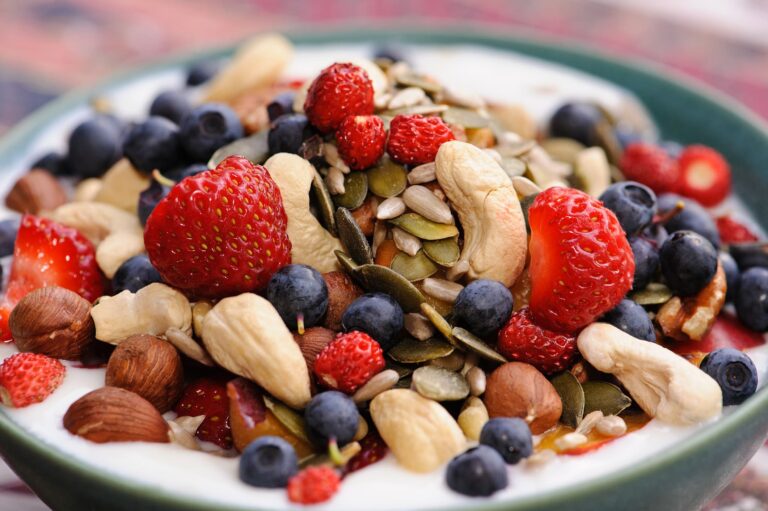
Top 20 Anti-Inflammation Foods You Need to Eat Every Week
This post contains affiliate links, which means we may earn a commission if you purchase through our links—at no extra cost to you. As an Amazon Associate we earn from qualifying purchases. We only recommend products we use or trust. Learn more about affiliate marketing or read our full disclosure.
Chronic inflammation is sneaky — it starts with little things like stiffness or fatigue and can quietly snowball into bigger issues over time.
Short-term inflammation is normal, but when it lingers, that’s when problems show up.
The good news?
You have more control than you think, and it starts with what you eat. Some foods are naturally packed with antioxidants and nutrients that help calm inflammation and keep your body feeling balanced.
In this guide, you’ll find 20 of the best anti inflammation foods to add to your weekly routine — plus why they work and easy ways to enjoy them.
Ready to dive in? Let’s do it.
Why Anti-Inflammation Foods Matter
Here’s the thing: your diet is one of the most powerful tools you have for keeping inflammation in check.
Foods that are highly processed, loaded with refined carbs, or packed with added sugars tend to pour gasoline on the fire, while whole, nutrient-rich foods help calm things down and support your body’s natural healing process.
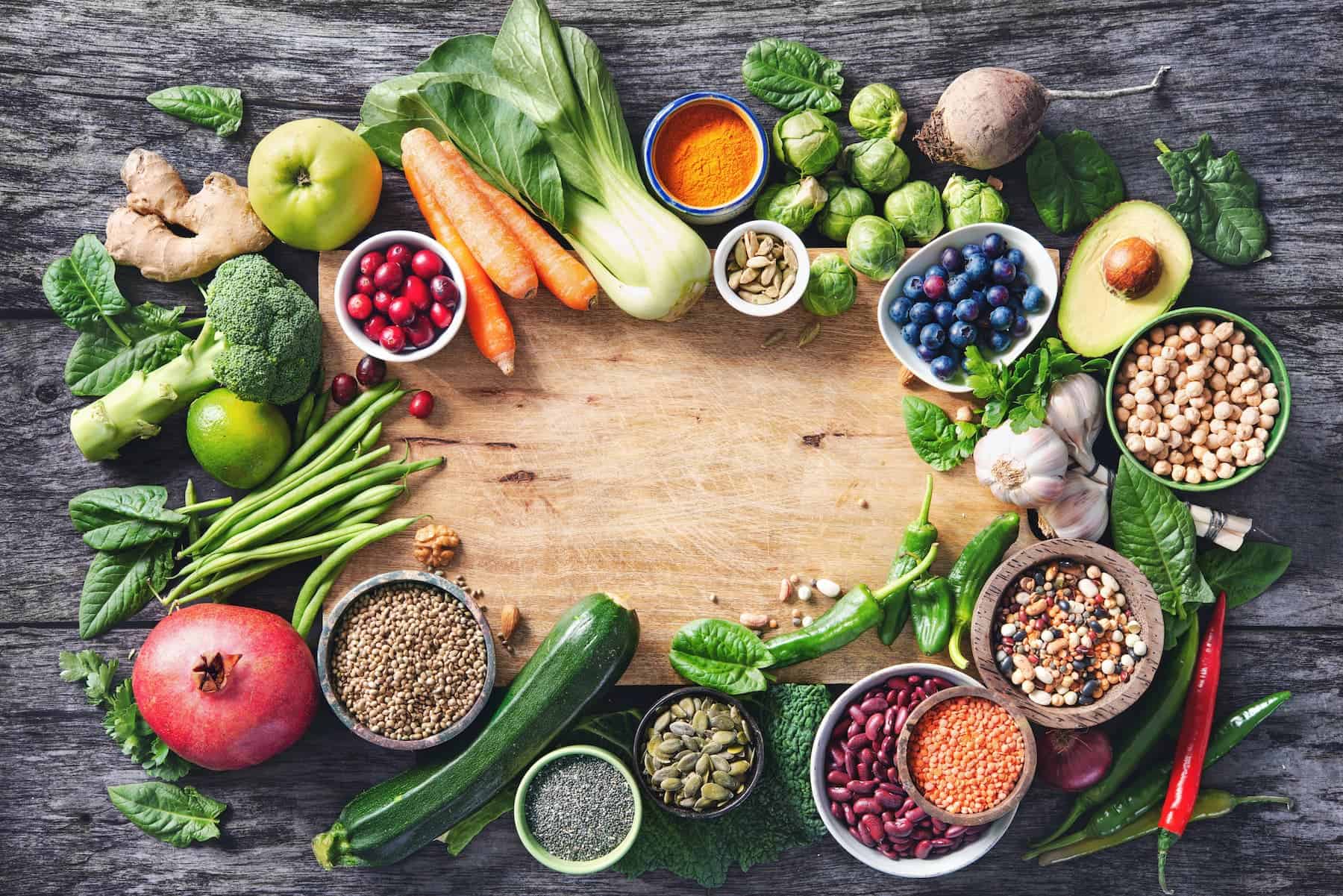
Most anti-inflammation foods have a few things in common.
They’re usually:
- Rich in antioxidants and polyphenols (your body’s natural “fire extinguishers”)
- High in omega-3s or other healthy fats
- Packed with essential vitamins, minerals, and plenty of fiber
- Naturally low in added sugars, chemicals, and artificial ingredients
When you eat more of these foods consistently, you may notice some pretty big benefits, like:
- Less pain and stiffness
- Better digestion and a happier gut
- More steady energy throughout the day
- Stronger heart and brain health
- A more resilient immune system
RELATED POST: The Ultimate Guide to the Anti-Inflammation Diet: What to Eat and Avoid
Now let’s look at the top anti-inflammation foods to add to your weekly routine:
1. Broccoli
Broccoli might not be the flashiest veggie, but it’s genuinely one of the most powerful anti-inflammation foods you can add to your plate.
It’s packed with antioxidants like vitamins C, A, and K, plus minerals your body loves — all of which help protect your cells from oxidative stress.
But the real star is sulforaphane, a naturally occurring compound shown to help calm inflammation by slowing down the enzymes that trigger inflammatory responses in the first place.
Broccoli’s fiber also supports a healthier gut and steadier immune function, which both play big roles in keeping chronic inflammation in check.
How to enjoy it:
Keep it simple! Steam, roast, or stir-fry your broccoli in a little olive oil with garlic, then finish with a squeeze of lemon.
If you want to steam your veggies in style, the Caraway Steamer Duo, (available on Amazon) is such a nice upgrade.
It comes with two sizes — one for the Dutch Oven, one for the Sauce Pan — so you’re covered whether you’re steaming a quick batch of broccoli or making a full dinner.
They’re made from sturdy stainless steel with Caraway’s smooth ceramic non-stick coating (no PFAS or weird chemicals), so food just slides out and cleanup is ridiculously easy.
The handles make lifting them out simple, too — just remember they get hot, so grab a towel.
Note: They may only fit Caraway pots.
2. Blueberries
Tiny but seriously mighty, blueberries are one of the easiest anti-inflammation foods to work into your day.
Their deep color comes from anthocyanins — powerful plant compounds that help lower inflammation, fight oxidative stress, and support overall cellular health.
What’s cool is how far-reaching their benefits appear to be.
Research links regular blueberry intake with better heart health, steadier blood sugar, sharper brain function, and even healthier aging.
There’s also growing evidence that blueberries support the gut microbiome and may help reduce inflammation after exercise — making them a true all-around wellness food.
How to enjoy it:
Toss fresh or frozen blueberries into oatmeal, smoothies, yogurt bowls, or even salads. They add a natural sweetness and a big antioxidant boost with almost zero effort.
3. Fatty Fish
If you’re looking for one of the most powerful anti-inflammation foods out there, fatty fish easily makes the list.
Salmon, sardines, mackerel, and trout are loaded with omega-3s (EPA and DHA) — the exact types your body uses to dial down inflammation, support heart health, and keep your brain sharp.
Omega-3s help your body produce more “pro-resolving” compounds (basically little peacekeepers for your immune system).
And regular intake has been linked to better cardiovascular markers, steadier immune responses, and even reduced inflammation in conditions like arthritis.
How to enjoy it:
Aim for 2–3 servings of wild-caught fish each week. Grill it, bake it, or pan-sear it with fresh herbs, garlic, and a squeeze of lemon.
Simple, delicious, and incredibly inflammation-friendly.
4. Avocados
Avocados aren’t just trendy — they’re genuinely one of the most nourishing anti-inflammatory foods you can eat.
They’re loaded with monounsaturated fats, fiber, and powerful antioxidants like lutein, zeaxanthin, and other carotenoids that help calm inflammation, support heart health, and even nourish your gut.
Their mix of healthy fats, vitamins, minerals, and phytonutrients is one reason avocados keep showing up in studies on better cholesterol levels, improved metabolic health, and even cognitive support.
In short: they do way more than make your toast taste amazing.
How to enjoy it:
Mash avocado onto whole-grain toast, blend it into smoothies for extra creaminess, or slice it over salads, tacos, and grain bowls.
It’s one of the easiest (and most delicious) ways to add more healthy fats to your day.
5. Extra Virgin Olive Oil
Extra virgin olive oil is basically liquid gold for fighting inflammation.
It’s a staple of the Mediterranean diet — one of the most researched eating patterns in the world — and its benefits come down to its powerful mix of antioxidants and polyphenols.
Compounds like oleocanthal, hydroxytyrosol, and oleuropein help lower inflammation, support heart and metabolic health, and protect your cells from oxidative stress.
Some studies even compare oleocanthal’s anti-inflammatory action to a natural, gentle version of ibuprofen.
How to enjoy it:
Drizzle it over salads, roasted veggies, or warm grain bowls, or use it for low-heat cooking.
Keep in mind: most supermarket bottles are blended, old, or heavily processed, which strips away the antioxidants and polyphenols that make olive oil so special.
They’re cheaper, yes, but that’s because they’re not harvested at the perfect time, gently pressed, or handled carefully to preserve all the healthy compounds that make top-quality olive oil so beneficial.
That’s the difference with 100% natural, nutrient-packed olive oil that actually delivers — like the ones from Olive Oil Lovers.
RELATED POST: The Amazing Health Benefits of Olive Oil
Why we recommend Olive Oil Lovers
Olive Oil Lovers goes the extra mile to make sure every bottle is top-notch.
Each year, their team travels the world to find the best producers, visiting farms, checking how the olives are grown and pressed, and tasting each harvest.
Every bottle is carefully selected for its flavor, aroma, and true extra virgin quality.
Founder Joanne Lacinda personally oversees the process, making sure each oil is fresh, delicious, and packed with the healthy compounds that make olive oil so special.
Here are some great options from their selection:
Entelia Extra Virgin Olive Oil, Medium – Crete, Greece 🇬🇷
A versatile, delicious olive oil from the sunny hills of Crete. Medium-bodied with fruity notes and a gentle peppery finish, it’s perfect for everyday cooking or drizzling over salads, roasted veggies, and fresh bread.

Entelia 5L Tin
Quattrociocchi Superbo Organic – Lazio, Italy 🇮🇹
A bold, intense organic extra virgin olive oil with fruity notes, a peppery kick, and herbal hints of mint, sage, and basil. Perfect for cooking or drizzling over salads, pasta, seafood, and fresh bread.

Quattrociocchi Superbo Organic
Tamia Green – Lazio, Italy 🇮🇹
A fresh, versatile olive oil from Lazio, Italy, made with a blend of carefully selected olives. Light and smooth with mild grassy and fruity notes, it adds flavor without overpowering your dishes. Perfect for salads, roasted veggies, pasta, or finishing grilled fish.

Tamia Green
Each extra virgin olive oil offers excellent flavor and anti-inflammatory benefits, so pick the one that fits your needs and budget.
RELATED POST: Different Types of Olive Oil: Which One to Choose?
6. Tomatoes
Tomatoes are one of those simple everyday foods that deliver big anti-inflammatory benefits.
They’re naturally rich in lycopene, a powerful antioxidant shown to reduce inflammation — particularly in the heart, blood vessels, and lungs.
They also contain vitamin C, beta-carotene, and phenolic compounds (like flavonoids and chlorogenic acid), all of which help lower oxidative stress — one of the root causes of chronic inflammation.
Bonus?
Cooking tomatoes actually boosts your body’s ability to absorb lycopene, making sauces and soups even more beneficial.
How to enjoy it:
Toss fresh tomatoes into salads, slice them onto sandwiches, or cook them down into rich sauces, soups, and stews. Fresh or cooked, they’re an easy win for your weekly menu.
7. Walnuts
Walnuts are tiny inflammation-fighting powerhouses.
They’re one of the best plant-based sources of omega-3s (ALA), which your body uses to create compounds that help reduce inflammation.
They’re also loaded with polyphenols, especially a unique group called ellagitannins. These get converted by your gut into antioxidants that help calm inflammatory pathways and support long-term health — especially for the heart and brain.
In short: walnuts bring a lot more to the table than just crunch.
How to enjoy it:
Grab a small handful as a daily snack, sprinkle them over oatmeal or yogurt, or add them to salads for a satisfying crunch (and a big anti-inflammatory boost).
If you want a clean, reliable walnut option to support your anti-inflammatory routine, NOW Foods Raw Walnuts, (available on iHerb.com) are an easy pick.
These organic walnuts deliver everything you want from this powerhouse nut: plant-based omega-3s (ALA), antioxidant-rich polyphenols, and naturally occurring essential fatty acids that help support heart and brain health.
The best part?
They’re raw and contain no added oils or salt, so you get walnuts in their purest form!
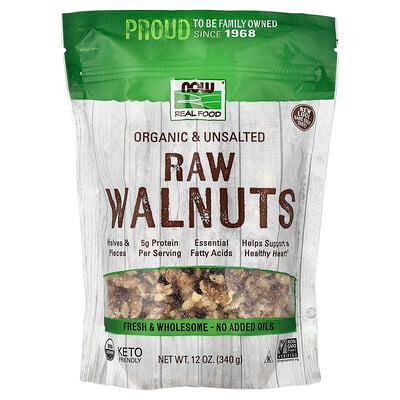
NOW Foods, Real Food, Organic Raw Walnuts, Unsalted, 12 oz (340 g)
8. Carrots
Carrots aren’t just a crunchy snack — they’re packed with beta-carotene and other bioactive compounds like phenolic acids, flavonoids, and polyacetylenes.
These compounds help regulate inflammation, reduce oxidative stress, and support both your innate and adaptive immune responses.
In short, carrots help protect your cells and keep your immune system strong.
How to enjoy it:
Dip raw carrot sticks in hummus, roast them with your favorite spices, or blend them into cozy soups for a naturally sweet, nutrient-rich boost.
9. Turmeric
Turmeric is a true superstar in the world of anti-inflammatory foods.
Its key compound, curcumin, is a powerful natural anti-inflammatory and antioxidant, shown in studies to help with everything from arthritis to inflammatory bowel issues.
Beyond inflammation, curcumin has been studied for its effects on heart, liver, and brain health, thanks to its ability to influence immune function, cellular pathways, and oxidative stress.
How to enjoy it
Stir turmeric into curries, soups, or even a warm cup of golden milk. For the best absorption of curcumin, add a pinch of black pepper.
If you want turmeric made from 100% pure, organic turmeric root, then the Simply Organic Turmeric, (available on iHerb) is a great choice.
This spice has a vibrant color and a slightly pungent, earthy flavor with hints of ginger and pepper.
Perfect for curries, soups, rice dishes, or even homemade dressings, it’s an easy way to include one of nature’s most powerful anti-inflammatory ingredients in your diet.
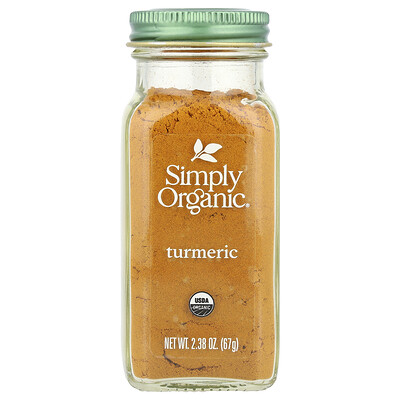
Simply Organic, Turmeric, 2.38 oz (67 g)
10. Citrus Fruits
Citrus fruits aren’t just bright and refreshing—they’re serious anti-inflammation foods.
They’re packed with vitamin C and folate, which help protect your cells from oxidative stress and support a strong immune system.
On top of that, citrus flavonoids like hesperidin, narirutin, and naringin have been shown to reduce inflammation in both lab studies and human trials.
Some studies even suggest orange juice can lower markers of inflammation, including C-reactive protein, especially after a high-fat meal.
How to enjoy it:
Snack on fresh oranges, grapefruits, or tangerines daily for a naturally sweet, nutrient-packed boost.
11. Garlic
Garlic isn’t just for flavor—it’s a true powerhouse among anti-inflammation foods.
Rich in polyphenols and sulfur compounds like allicin, garlic has been shown in lab, animal, and human studies to reduce inflammation, support heart health, and help regulate cholesterol.
It also has antioxidant and antimicrobial properties, making it a simple way to boost overall wellness.
How to enjoy it:
Use raw or lightly cooked garlic in sauces, dressings, stir-fries, or roasted veggies. A little goes a long way in boosting both flavor and your body’s defenses.
12. Ginger
Ginger is a staple anti-inflammation food for a reason.
Its bioactive compounds, including gingerols and shogaols, have been shown in both human and animal studies to reduce inflammation.
In addition, it also help ease muscle soreness, support healthy digestion, and even help with certain inflammatory conditions like arthritis and psoriasis.
It’s like a gentle, natural reset for your body.
How to enjoy it:
Grate fresh ginger into tea, blend it into smoothies, or toss it into stir-fries and other savory dishes for a warm, zesty kick.
13. Oats
Oats are more than just a cozy breakfast—they’re a powerful anti-inflammation food.
They’re packed with fiber, antioxidants called avenanthramides, and other bioactive compounds like phenolic acids and tocols.
These help calm inflammation, support gut health, and keep your heart happy.
How to enjoy it:
Start your day with warm oatmeal topped with berries, nuts, and a sprinkle of cinnamon, or get creative with overnight oats or savory oat bowls.
Would you like to enjoy a warm, comforting bowl of oatmeal in the mornings?
Then you can’t go wrong with Bob’s Red Mill Old Fashioned Rolled Oats, (available on iHerb)! These gluten-free oats are whole grain, naturally nutritious, and milled with care in a dedicated gluten-free facility.
Soft, tender, and perfect for oatmeal, overnight oats, or baking, they’re a delicious way to give your body a wholesome, anti-inflammatory boost.
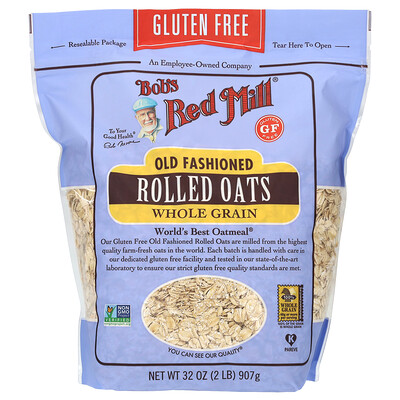
Bob's Red Mill, Old Fashioned Rolled Oats, Whole Grain, Gluten Free, 32 oz (907 g)
Or if you’d rather have a more hearty, chewy breakfast, then Bob’s Red Mill Steel-Cut Oats, (available on iHerb) might be just what you need!
These gluten-free, whole grain oats are cut from farm-fresh grains and carefully milled to give a robust texture and nutty flavor.
Perfect for hot cereal or savory oat bowls, they’re a wholesome way to support gut health, calm inflammation, and keep you energized all morning.
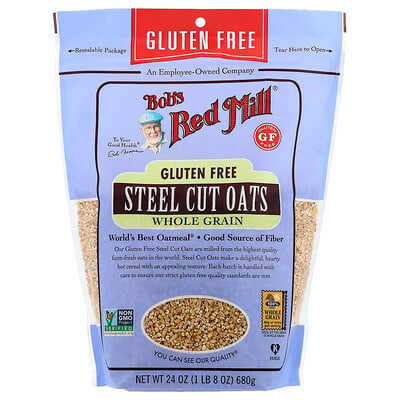
Bob's Red Mill, Steel Cut Oats, Whole Grain, Gluten Free, 24 oz (680 g)
14. Beans and Lentils
Beans and lentils are true plant-based powerhouses and some of the best anti-inflammation foods you can eat.
They’re rich in fiber, protein, and protective plant compounds like polyphenols and saponins—natural nutrients shown to help calm chronic inflammation.
They may even help reduce C-reactive protein (CRP), a key marker of inflammation in the body.
How to enjoy it:
Stir beans or lentils into soups, stews, or salads for a hearty, filling meal that’s as satisfying as it is anti-inflammatory. They’re easy to prep ahead and versatile enough for a variety of dishes.
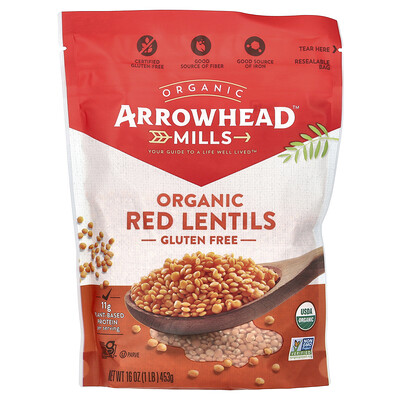
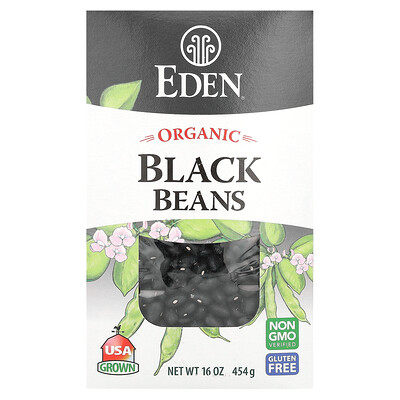
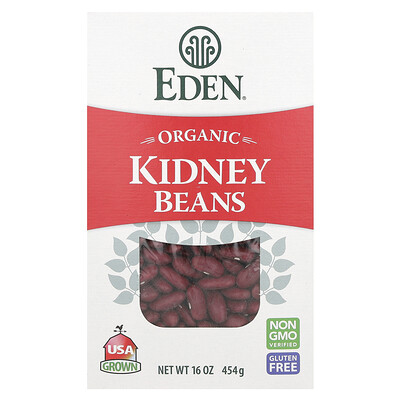
For high-quality, reliable options, try Arrowhead Mills Organic Red Lentils, Eden Foods Organic Black Beans, or Eden Foods Organic Kidney Beans, (available on iHerb). These are minimally processed, nutrient-rich, and perfect for adding to your weekly meals.
15. Apples
Apples are more than just a convenient snack—they’re a smart anti-inflammation food.
Rich in quercetin and other polyphenols, they help regulate inflammation, protect against oxidative stress, and support gut and cardiovascular health.
Plus, their fiber feeds beneficial gut bacteria, further helping to calm inflammation from the inside out.
How to enjoy it:
Enjoy apples raw on their own, sliced with a smear of nut butter, or baked with a sprinkle of cinnamon for a naturally sweet, anti-inflammatory treat.
16. Leafy Greens
Dark leafy greens are some of the easiest and most powerful anti-inflammation foods to add to your plate.
Studies show that compounds in leafy greens can help reduce inflammation and protect your cells from oxidative stress.
They’re packed with vitamins A, C, and K and loaded with antioxidants, making them a nutrient-dense shield for your body.
How to enjoy it:
Sauté them with a little olive oil and garlic, toss them into salads, or blend them into smoothies for a quick nutrient boost.
💡 Pro tip: When cooking, using non-toxic ceramic cookware—like the Caraway Nonstick Ceramic Cookware Set (12 Piece), (available on Amazon)—can help reduce exposure to chemicals that may contribute to inflammation.
It’s a small change that makes your healthy meals even better for your body.
17. Sweet Potatoes
Sweet potatoes are naturally sweet, satisfying, and a top-tier anti-inflammation food.
Their beta-carotene, anthocyanins, vitamin C, and fiber help reduce oxidative stress, calm inflammation, and support balanced blood sugar.
Bonus: They’re versatile and comforting, making it easy to enjoy them regularly.
How to enjoy it:
Bake or roast them with a drizzle of olive oil and your favorite herbs, or mash them as a creamy, nutrient-packed side dish. They’re delicious warm or cold, and a simple way to sneak more anti-inflammatory goodness into your meals.
18. Green Tea
Green tea is a gentle but powerful anti-inflammation drink.
Its catechins, particularly EGCG (epigallocatechin gallate), are strong antioxidants that help protect your cells and calm inflammation throughout your body.
Tip: Matcha provides an even more concentrated source of EGCG for extra benefit.
How to enjoy it:
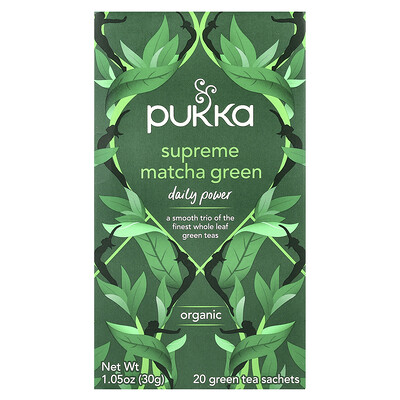
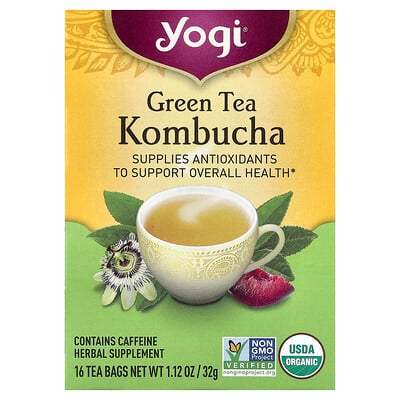
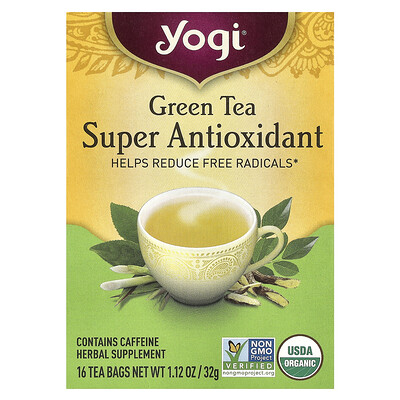
Sip 1–2 cups daily, hot or iced. Some high-quality options include Pukka Herbs Organic Green Tea, Supreme Matcha Green, Yogi Tea Green Tea Kombucha, and Yogi Tea Green Tea Super Antioxidant.
These teas are organic, flavorful, and make it easy to enjoy the anti-inflammatory benefits of green tea every day.
19. Dark Chocolate (70% or higher)
Good news for chocolate lovers: dark chocolate is an anti-inflammation food!
It’s packed with flavonoids, including catechins, epicatechins, and procyanidins, which help protect your cells from inflammation and oxidative stress.
Minerals like magnesium, copper, and potassium support heart health and overall well-being.
Tip: Choose chocolate with 70% cocoa or higher and minimal added sugar for maximum benefits.
How to enjoy it:
Savor a small square daily as a little treat, or add unsweetened cacao powder to smoothies for a rich, chocolatey boost.
One of my personal favorites is Lindt EXCELLENCE 70% Cocoa Dark Chocolate, (available on Amazon)—it’s smooth, satisfying, and hits the sweet spot without overdoing sugar.
20. Chia and Flaxseeds
Don’t underestimate these tiny seeds! They’re nutritional powerhouses and top-notch anti-inflammation foods.
Chia seeds can help reduce CRP, a key inflammatory marker, while flax seeds support heart and gut health, improve lipid profiles, and provide antioxidants.
How to enjoy it:
Sprinkle them on yogurt, oatmeal, or blend them into smoothies for an easy nutrient boost.
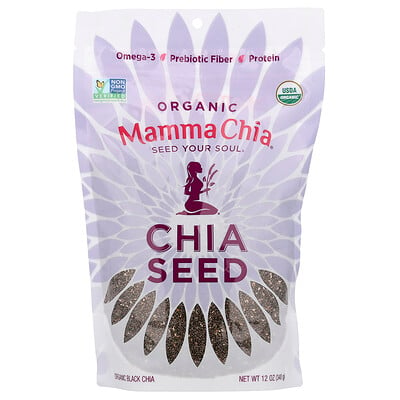
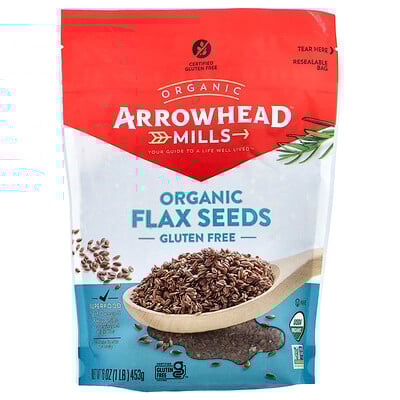
Some high-quality options include Mamma Chia Organic Chia Seeds and Arrowhead Mills, Organic Flax Seeds, which are organic, minimally processed, and packed with anti-inflammatory goodness.
How to Add These Foods to Your Weekly Routine
To really reap the benefits, aim to include several of these anti-inflammation foods in your diet each day.
Here’s a simple way to structure it:
|
Meal |
Menu |
|---|---|
|
Breakfast |
Oatmeal topped with blueberries, walnuts, and a sprinkle of flaxseeds |
|
Lunch |
Spinach or kale salad with avocado, salmon, and a drizzle of olive oil dressing |
|
Snack |
Apple slices with almond butter, or a cup of green tea |
|
Dinner |
Hearty lentil stew with carrots, garlic, and a touch of turmeric |
|
Dessert |
A square of 70% (or higher) dark chocolate |
Even small, consistent changes can make a big difference over time.
Foods to Limit or Avoid
To get the most out of your anti-inflammation foods, it helps to cut back on common inflammation triggers.
These include:
- Processed and fried foods
- Refined sugars and white flour
- Processed meats like bacon and sausages
- Sweetened drinks and sodas
- Excess alcohol
- Refined vegetable oils, such as corn or soybean oil
Swapping these for whole, natural foods gives your body the space to heal and maintain balance naturally. Small changes in what you avoid can make a big difference in how you feel.
The Science Behind the Anti-Inflammation Diet
Eating diets rich in anti-inflammatory foods—like Mediterranean or DASH-style eating—can help reduce the risk of chronic disease, support metabolism, and even promote longevity.
Here’s how these foods work their magic:
- Omega-3 Fatty Acids – These healthy fats help calm inflammation in your body by lowering markers like C-reactive protein (CRP) and soothing overactive inflammatory signals.
- Antioxidants – Found in fruits, veggies, and green tea, antioxidants act like little bodyguards for your cells, neutralizing harmful free radicals and protecting you from oxidative stress.
- Fiber – Fiber isn’t just for digestion—it feeds the good bacteria in your gut, helping reduce overall inflammation and supporting a healthy gut environment through compounds like short-chain fatty acids.
- Polyphenols – These powerful plant compounds, found in herbs, green tea, and dark chocolate, protect your cells, keep inflammation in check, and may even support brain health.
Anti-inflammatory foods also help your neurotransmitters, protect your neurons, and even influence gene expression—giving your body a little boost across the board.
In simple terms, eating more of these foods gives your body a natural, science-backed boost—like daily medicine from your plate.
Final Thoughts
The path to better health really does start with your plate.
By filling your meals with these 20 anti-inflammation foods, you’re giving your body the tools it needs to fight chronic inflammation, boost energy, and protect against disease.
This isn’t about restriction—it’s about abundance. The more colorful, whole, and nutrient-rich your meals are, the better you will feel.
Start simple: add berries to your breakfast, swap butter for olive oil, or enjoy fish instead of fried foods.
Within a few weeks, you may notice less bloating, improved focus, and an overall sense of well-being. Small, consistent changes add up to big results.
*This article is for informational purposes only and is not intended as medical advice. It should not be used to diagnose, treat, or prevent any health condition. Always consult a qualified healthcare professional before making any changes to your diet, exercise, or health routine.
Ansary, Johura et al. “Potential Health Benefit of Garlic Based on Human Intervention Studies: A Brief Overview.” Antioxidants (Basel, Switzerland) vol. 9,7 619. 15 Jul. 2020, doi:10.3390/antiox9070619. Adapted and used under the terms of the Creative Commons Attribution 4.0 International License.
Ballester, Pura et al. “Effect of Ginger on Inflammatory Diseases.” Molecules (Basel, Switzerland) vol. 27,21 7223. 25 Oct. 2022, doi:10.3390/molecules27217223. Adapted and used under the terms of the Creative Commons Attribution 4.0 International License.
Collins, Edward J et al. “Tomatoes: An Extensive Review of the Associated Health Impacts of Tomatoes and Factors That Can Affect Their Cultivation.” Biology vol. 11,2 239. 4 Feb. 2022, doi:10.3390/biology11020239. Adapted and used under the terms of the Creative Commons Attribution 4.0 International License.
Correia, Marta et al. “Unraveling the Extra Virgin Olive Oil Effect on Inflammation and on Gut and Saliva Microbiota.” Biomolecules vol. 15,3 338. 26 Feb. 2025, doi:10.3390/biom15030338. Adapted and used under the terms of the Creative Commons Attribution 4.0 International License.
Cozmin, Mihai et al. “Turmeric: from spice to cure. A review of the anti-cancer, radioprotective and anti-inflammatory effects of turmeric sourced compounds.” Frontiers in nutrition vol. 11 1399888. 28 May. 2024, doi:10.3389/fnut.2024.1399888. Adapted and used under the terms of the Creative Commons Attribution 4.0 International License.
Fan, Nuoxi et al. “Antioxidant and Anti-Inflammatory Properties of Walnut Constituents: Focus on Personalized Cancer Prevention and the Microbiome.” Antioxidants (Basel, Switzerland) vol. 12,5 982. 22 Apr. 2023, doi:10.3390/antiox12050982. Adapted and used under the terms of the Creative Commons Attribution 4.0 International License.
Gunathilake, K D P P et al. “In Vitro Anti-Inflammatory Properties of Selected Green Leafy Vegetables.” Biomedicines vol. 6,4 107. 19 Nov. 2018, doi:10.3390/biomedicines6040107. Adapted and used under the terms of the Creative Commons Attribution 4.0 International License.
Juárez-Chairez, Milagros Faridy et al. “Potential anti-inflammatory effects of legumes: a review.” The British journal of nutrition vol. 128,11 (2022): 2158-2169. doi:10.1017/S0007114522000137. Abstract only.
Magrone, Thea et al. “Cocoa and Dark Chocolate Polyphenols: From Biology to Clinical Applications.” Frontiers in immunology vol. 8 677. 9 Jun. 2017, doi:10.3389/fimmu.2017.00677. Adapted and used under the terms of the Creative Commons Attribution 4.0 International License.
Marra, Anita, et al. “Avocado and Its By-Products as Natural Sources of Valuable Anti-Inflammatory and Antioxidant Bioactives for Functional Foods and Cosmetics with Health-Promoting Properties.” Applied Sciences, vol. 14, no. 14, 2024, p. 5978. doi:10.3390/app14145978. Adapted and used under the terms of the Creative Commons Attribution 4.0 International License.
Maqsood, Sammra et al. “Anthocyanins From Sweet Potatoes (Ipomoea batatas): Bioavailability, Mechanisms of Action, and Therapeutic Potential in Diabetes and Metabolic Disorders.” Food science & nutrition vol. 13,9 e70895. 4 Sep. 2025, doi:10.1002/fsn3.70895. Adapted and used under the terms of the Creative Commons Attribution 4.0 International License.
Mendivil, Carlos O. “Dietary Fish, Fish Nutrients, and Immune Function: A Review.” Frontiers in nutrition vol. 7 617652. 20 Jan. 2021, doi:10.3389/fnut.2020.617652. Adapted and used under the terms of the Creative Commons Attribution 4.0 International License.
Miles, Elizabeth A, and Philip C Calder. “Effects of Citrus Fruit Juices and Their Bioactive Components on Inflammation and Immunity: A Narrative Review.” Frontiers in immunology vol. 12 712608. 24 Jun. 2021, doi:10.3389/fimmu.2021.712608. Adapted and used under the terms of the Creative Commons Attribution 4.0 International License.
Nowak, Wioletta, and Małgorzata Jeziorek. “The Role of Flaxseed in Improving Human Health.” Healthcare (Basel, Switzerland) vol. 11,3 395. 30 Jan. 2023, doi:10.3390/healthcare11030395. Adapted and used under the terms of the Creative Commons Attribution 4.0 International License.
Pam, Pedram et al. “Chia seed supplementation and inflammatory biomarkers: a systematic review and meta-analysis.” Journal of nutritional science vol. 13 e91. 11 Dec. 2024, doi:10.1017/jns.2024.70. Abstract only.
Paudel, Devendra et al. “A Review of Health-Beneficial Properties of Oats.” Foods (Basel, Switzerland) vol. 10,11 2591. 26 Oct. 2021, doi:10.3390/foods10112591. Adapted and used under the terms of the Creative Commons Attribution 4.0 International License.
Radeva-Ilieva, Maya et al. “Green Tea: Current Knowledge and Issues.” Foods (Basel, Switzerland) vol. 14,5 745. 22 Feb. 2025, doi:10.3390/foods14050745. Adapted and used under the terms of the Creative Commons Attribution 4.0 International License.
Stull, April J et al. “The state of the science on the health benefits of blueberries: a perspective.” Frontiers in nutrition vol. 11 1415737. 11 Jun. 2024, doi:10.3389/fnut.2024.1415737. Adapted and used under the terms of the Creative Commons Attribution 4.0 International License.
Syed, Rahamat Unissa et al. “Broccoli: A Multi-Faceted Vegetable for Health: An In-Depth Review of Its Nutritional Attributes, Antimicrobial Abilities, and Anti-inflammatory Properties.” Antibiotics (Basel, Switzerland) vol. 12,7 1157. 7 Jul. 2023, doi:10.3390/antibiotics12071157. Adapted and used under the terms of the Creative Commons Attribution 4.0 International License.
van Zonneveld, Sophie M et al. “An Anti-Inflammatory Diet and Its Potential Benefit for Individuals with Mental Disorders and Neurodegenerative Diseases-A Narrative Review.” Nutrients vol. 16,16 2646. 10 Aug. 2024, doi:10.3390/nu16162646. Adapted and used under the terms of the Creative Commons Attribution 4.0 International License.
Zhang, Yue et al. “Does an apple a day keep away diseases? Evidence and mechanism of action.” Food science & nutrition vol. 11,9 4926-4947. 20 Jun. 2023, doi:10.1002/fsn3.3487. Adapted and used under the terms of the Creative Commons Attribution 4.0 International License.

Linda is the co-founder of Courier Wellness and holds a Diploma in Natural Health Nutrition & Diet. Her passions include photography, food, and travel, where she derives inspiration from diverse cultures and their holistic approaches to well-being. She is committed to helping others make informed, nourishing choices for a healthier life.