The Anti-Inflammation Teas That Calm Your Body Naturally

This post contains affiliate links, which means we may earn a commission if you purchase through our links—at no extra cost to you. As an Amazon Associate we earn from qualifying purchases. We only recommend products we use or trust. Learn more about affiliate marketing or read our full disclosure.
If you’re looking for a comforting way to support your health, it’s hard to beat a warm cup of tea.
For centuries, people around the world have enjoyed herbal and traditional teas not only for their flavor but also for their potential wellness benefits.
Today, researchers continue to study the natural compounds found in tea, including antioxidants and plant polyphenols, which may help support the body’s normal inflammatory response.
While no anti inflammation tea can cure chronic inflammation or replace medical treatment, drinking unsweetened tea can be a simple, enjoyable habit that complements a healthy lifestyle.
When paired with a balanced diet, regular physical activity, quality sleep, and effective stress management, certain teas may help support your body’s natural well-being.
In this guide, you’ll discover some of the best anti-inflammatory teas, what makes them beneficial, and simple ways to enjoy them at home.
What Is Inflammation?
Inflammation is your body’s natural defense system. When you get injured or develop an infection, your immune system triggers inflammation to help protect your body and repair damaged tissues.

This short-term, or acute, inflammation is a normal and essential part of staying healthy.
Problems can develop when inflammation becomes chronic. Ongoing inflammation has been linked to a range of health conditions, including heart disease, type 2 diabetes, arthritis, and certain autoimmune disorders.
Lifestyle factors such as smoking, chronic stress, poor sleep, physical inactivity, and diets high in ultra-processed foods may all contribute to chronic inflammation.
Although there’s no single food or drink that can eliminate inflammation, choosing nutrient-rich foods and beverages may help support your body’s natural balance over time.
Why Tea May Help Support a Healthy Inflammatory Response
Tea is naturally rich in plant compounds called polyphenols. These compounds act as antioxidants, helping protect your cells from oxidative stress caused by free radicals.
Some teas also contain naturally occurring substances that researchers have studied for their potential anti-inflammatory properties.
Just as importantly, replacing sugary drinks with unsweetened anti inflammation tea can help reduce your intake of added sugars while increasing your daily fluid intake—both of which are positive steps toward better overall health.
Whether you enjoy traditional teas made from the Camellia sinensis plant or naturally caffeine-free herbal teas, there’s an option to suit almost every taste and lifestyle.
Now, let’s explore some of the best anti-inflammatory teas.
1. Green Tea
Green tea is one of the most extensively researched beverages for its potential health benefits.
It contains catechins, particularly epigallocatechin gallate (EGCG), a powerful antioxidant that researchers have studied extensively for its potential role in supporting healthy inflammatory pathways.
Green tea has a light, refreshing flavor that pairs especially well with fresh lemon or mint.
Best time to drink:
- Morning
- Midday
- Early afternoon
Because it naturally contains caffeine, some people prefer to avoid drinking it later in the day.
If you’re looking for an easy way to enjoy green tea at home, Yogi Tea Green Tea Super Antioxidant (available on iHerb) is a great choice. It’s made with antioxidant-rich green tea and offers a fresh, smooth flavor that’s easy to enjoy every day.
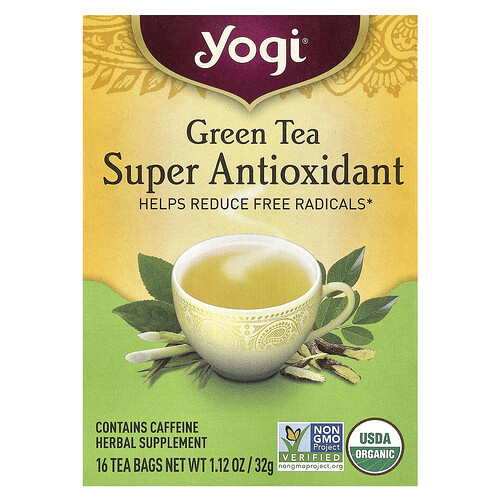
Yogi Tea, Green Tea Super Antioxidant, 16 Tea Bags, 1.12 oz (32 g)
2. Ginger Tea
Fresh ginger has been used in traditional cooking and herbal practices for thousands of years.
Its naturally spicy flavor comes from compounds called gingerols and shogaols, which have been widely studied for their potential antioxidant and anti-inflammatory properties.
Many people also enjoy ginger tea for its ability to help soothe occasional digestive discomfort.
Simple ginger tea:
- Steep several thin slices of fresh ginger in hot water for 10–15 minutes.
3. Turmeric Tea
Turmeric’s vibrant golden color comes from curcumin, the plant compound behind many of its most widely studied health benefits.
Curcumin is naturally difficult for the body to absorb, so many recipes include a small pinch of black pepper, which may help improve its absorption.
Easy golden tea:
- 1 cup hot water
- ½ teaspoon turmeric
- Pinch of black pepper
- Small slice of fresh ginger
- Cinnamon stick (optional)
If you prefer something ready to brew, Traditional Medicinals Organic Turmeric & Ginger Tea (available on iHerb) combines two well-known anti-inflammatory ingredients in one convenient tea bag.
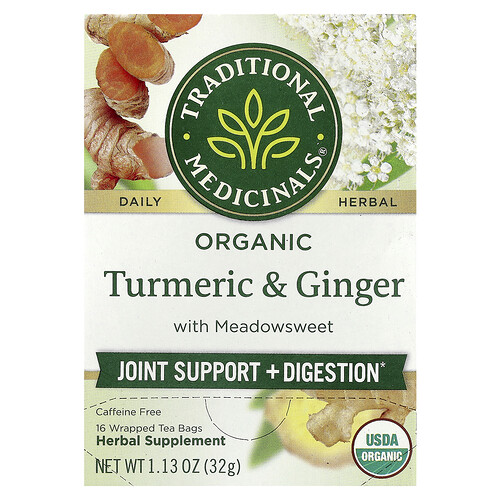
Traditional Medicinals, Organic Turmeric & Ginger with Meadowsweet, Caffeine Free, 16 Wrapped Tea Bags, 1.13 oz (32 g)
4. Chamomile Tea
Chamomile is best known for its naturally calming properties.
Although it isn’t usually the first tea people think of for inflammation, chamomile contains antioxidants called flavonoids that researchers continue to study for their potential health-supporting benefits.
Many people enjoy a cup of chamomile tea in the evening as part of a relaxing bedtime routine.
If you’re looking for a calming evening tea, Traditional Medicinals Organic Chamomile (available on iHerb) is a simple, high-quality option made with organic chamomile flowers.
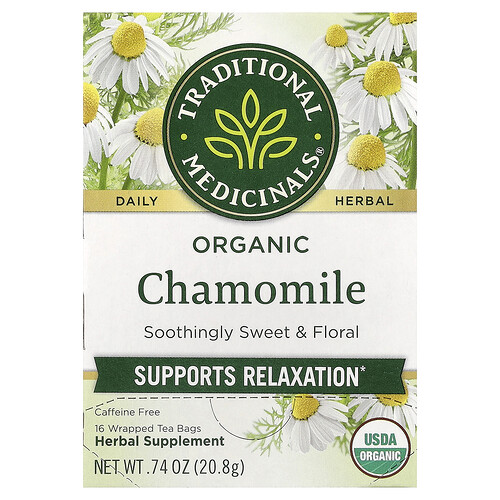
Traditional Medicinals, Organic Chamomile, Caffeine Free, 16 Wrapped Tea Bags, 0.74 oz (20.8 g)
5. Hibiscus Tea
Hibiscus tea is made from the dried petals of the hibiscus flower.
Its vibrant ruby-red color reflects its rich antioxidant content, particularly anthocyanins—the same family of plant compounds found in berries.
Hibiscus has a pleasantly tart flavor that’s delicious served either hot or iced.
Curious about hibiscus tea? Traditional Medicinals Organic Hibiscus Tea (available on iHerb) is an easy way to enjoy its bright, tangy flavor at home. It’s naturally caffeine-free.
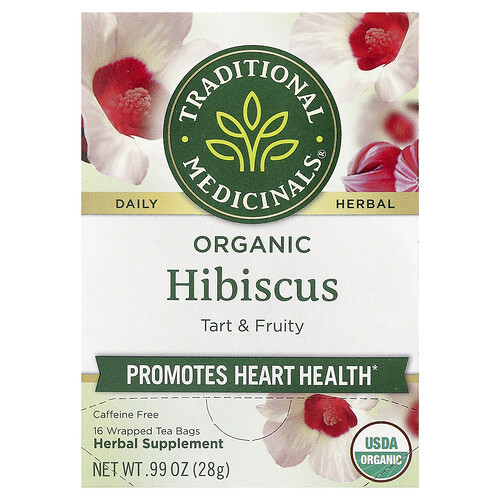
Traditional Medicinals, Organic Hibiscus, Caffeine Free, 16 Wrapped Tea Bags, 0.99 oz (28 g)
6. Rooibos Tea
Native to South Africa, rooibos is naturally caffeine-free and packed with unique antioxidants.
Its smooth, naturally sweet flavor makes it a popular choice for anyone looking to cut back on caffeine without giving up a satisfying cup of tea.
Rooibos also pairs wonderfully with cinnamon, vanilla, or a splash of milk.
Curious about rooibos tea? J&R Port Trading Organic Rooibos Tea (available on iHerb) is made from 100% organic rooibos and has the naturally smooth, slightly sweet flavor that makes this South African tea so popular. Since it’s loose leaf, you can easily adjust the strength to suit your taste.
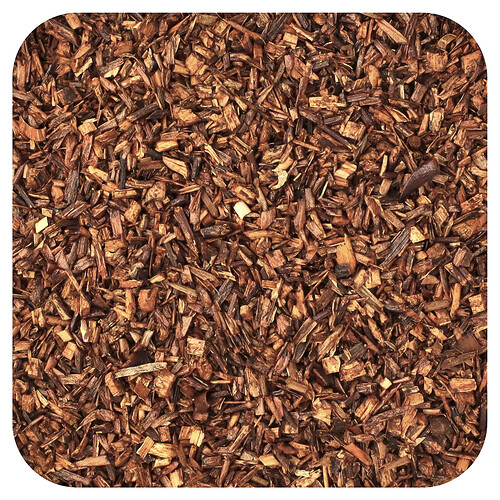
J&R Port Trading, Organic Rooibos Tea, Caffeine Free, 1 lb (454 g)
7. Peppermint Tea
Peppermint tea is refreshing, soothing, and naturally caffeine-free.
While it’s best known for supporting digestive comfort, peppermint also contains beneficial plant compounds that contribute to its antioxidant properties.
A warm cup after dinner can be an especially relaxing way to end the day.
Traditional Medicinals Organic Peppermint (available on iHerb) is made with organic peppermint leaves and delivers a crisp, refreshing flavor that’s especially enjoyable after meals.
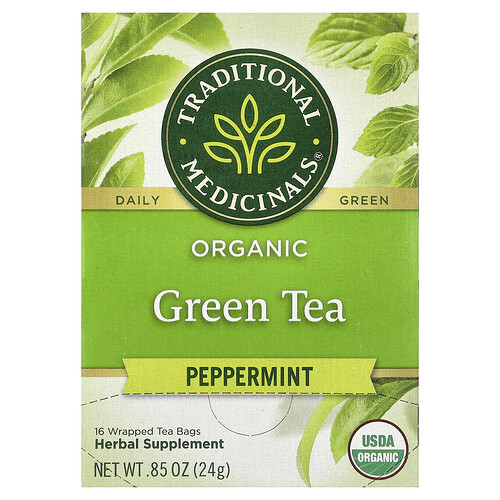
Traditional Medicinals, Organic Green Tea, Peppermint, 16 Wrapped Tea Bags, 0.85 oz (24 g)
8. White Tea
White tea is one of the least processed traditional teas, allowing it to retain many of its naturally occurring polyphenols.
Its light, delicate flavor is milder than green tea, making it an excellent choice if you prefer a more subtle taste.
If you’d like to try white tea, Prince of Peace Organic White Tea (available on iHerb) is a great everyday option. Made with organic white tea leaves, it has the light, delicate flavor that makes white tea so enjoyable, and you can find it on iHerb.
9. Matcha
Matcha is a powdered form of green tea made from finely ground tea leaves.
Because you consume the entire tea leaf, matcha provides a more concentrated source of antioxidants than traditionally brewed green tea.
Its rich, earthy flavor pairs well with unsweetened almond milk or oat milk.
Curious about matcha? California Gold Nutrition Organic Matcha Green Tea Powder (available on iHerb) is made from finely ground green tea leaves, making it a simple way to enjoy authentic matcha at home.
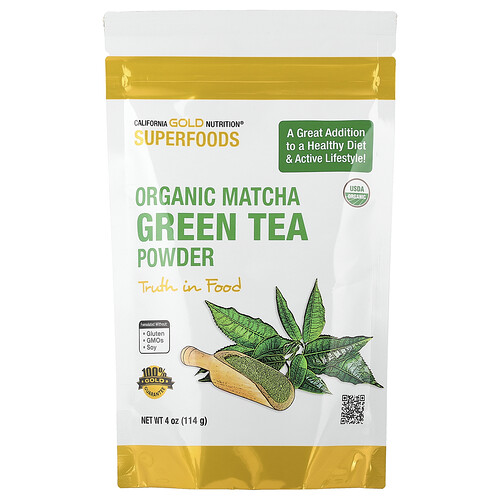
California Gold Nutrition, Superfoods, Organic Matcha Green Tea Powder, 4 oz (114 g)
If you’d like to prepare it the traditional way, the TANG PIN Matcha Set (available on Amazon) helps you create a smooth, frothy cup.
10. Lemon Balm Tea
Lemon balm belongs to the mint family and has long been valued for its gentle citrus aroma and naturally calming qualities.
While research into its effects on inflammation is still evolving, it contains antioxidant compounds that may support overall wellness.
It’s a lovely tea to enjoy on stressful days or as part of a relaxing evening routine.
If you’d like to try lemon balm for yourself, Traditional Medicinals Organic Lemon Balm Tea (available on iHerb) is a convenient option made with organic lemon balm. It’s naturally caffeine-free and a soothing choice for winding down in the evening.
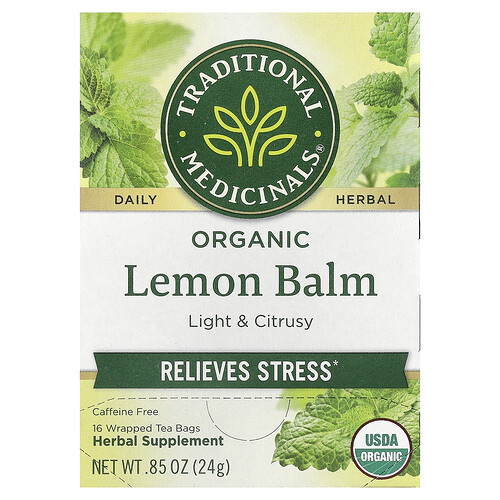
Traditional Medicinals, Organic Lemon Balm, Caffeine Free, 16 Wrapped Tea Bags, 0.85 oz (24 g)
How to Get the Most Benefits from Your Tea
To make your anti inflammation tea habit even healthier:
- Drink it unsweetened whenever possible.
- If you prefer a touch of sweetness, use a small amount of honey instead of refined sugar.
- Avoid adding large amounts of sugar or flavored syrups.
- Experiment with herbs and spices like cinnamon or fresh ginger.
- Brew your tea for the recommended steeping time to get the best flavor.
If you enjoy a touch of sweetness in your tea, Entelia Cretan Honey XL (available on Olive Oil Lovers) is a delicious choice. This raw honey from Crete has a rich, natural flavor, so a small drizzle is often all you need to complement your favorite cup of tea.

Entelia Thyme & Wild Flowers Cretan Honey XL
RELATED POST: What to Drink for Inflammation: The Best Healing Smoothie Recipes
Lifestyle Habits That Support Healthy Inflammation
Tea is most beneficial when it’s part of an overall healthy lifestyle rather than a standalone solution.
Other habits that may help support your body’s normal inflammatory response include:
- Eating plenty of colorful fruits and vegetables
- Choosing whole grains instead of refined grains
- Including healthy fats from foods like nuts, seeds, olive oil, and fatty fish
- Staying physically active
- Prioritizing seven to nine hours of quality sleep
- Managing stress through activities such as meditation, deep breathing, or spending time in nature
- Avoiding smoking and limiting alcohol intake
Together, these daily habits are likely to have a much greater impact on your long-term health than any single food or beverage.
If you’d like to learn more about reducing inflammation through everyday food choices, The Complete Anti-Inflammatory Diet for Beginners (available on Bookshop.org) is an excellent resource. It offers practical nutrition advice, simple meal plans, and easy recipes to help you build lasting healthy habits.
book tip

The Complete Anti-Inflammatory Diet for Beginners
By Dorothy Calimeris, Lulu Cook Rdn, and
Jennifer Lang MD
A beginner-friendly guide to the anti-inflammation diet with guidance from a registered dietician.
Did you know? Bookshop.org gives 80%+ of their profits to support independent bookstores.
*We may earn a commission at no extra cost to you.
Should You Drink Tea Every Day?
For many people, enjoying one to three cups of unsweetened tea each day can be a healthy habit.
Whether you choose a traditional tea or an herbal anti inflammation tea, you’ll increase your daily fluid intake while enjoying a variety of beneficial plant compounds.

If you prefer caffeinated teas such as green, white, or matcha, pay attention to how your body responds. Some people are more sensitive to caffeine than others, especially later in the day.
If you’re pregnant, breastfeeding, taking medications, or have a medical condition, it’s a good idea to speak with your healthcare provider before regularly drinking herbal teas, as some herbs may not be suitable for everyone.
If tea is part of your daily routine, having a reliable kettle can make preparing each cup quick and effortless. The SMEG 50’s Retro Style Electric Kettle (available on Amazon) heats water quickly, features automatic shutoff for added convenience, and is a stylish addition to any kitchen.
Frequently Asked Questions
Which tea is best for inflammation?
There isn’t one single “best” tea. Green tea has been studied extensively because of its high concentration of catechins, while herbal teas such as ginger and turmeric contain plant compounds that have also shown promise in research. The best anti inflammation tea is ultimately one that you enjoy drinking consistently as part of an overall healthy lifestyle.
Can tea cure inflammation?
No. Tea is not a cure or treatment for chronic inflammation. However, antioxidant-rich teas may help support your body’s normal inflammatory response when combined with a balanced diet and other healthy lifestyle habits.
Is herbal tea better than green tea?
Both have their own benefits. Green tea provides catechins along with a moderate amount of caffeine, while herbal teas are often naturally caffeine-free and offer a wide variety of beneficial plant compounds. Rotating between different teas is a simple way to enjoy a broader range of flavors and antioxidants.
Should I add honey?
A small amount of honey can make tea more enjoyable, especially if you have a sore throat. However, if you drink tea regularly, it’s best to use little or no added sweetener to help keep your beverage lower in added sugars.
Final Thoughts
Making tea part of your daily routine is a simple, comforting way to support your overall well-being.
Whether you enjoy the fresh taste of green tea, the warming spice of ginger, the golden richness of turmeric, or the calming aroma of chamomile, each cup offers its own unique blend of antioxidants and beneficial plant compounds.
It’s important to remember that no anti inflammation tea can prevent or cure chronic inflammation on its own.
Long-term health is built through consistent daily habits—eating a variety of whole foods, staying active, getting enough sleep, managing stress, and enjoying nourishing beverages like tea.
So put the kettle on, choose your favorite blend, and take a few quiet moments to slow down. Sometimes, taking care of your body begins with something as simple as a warm cup of tea.
*This article is for informational purposes only and is not intended as medical advice. It should not be used to diagnose, treat, or prevent any health condition. Always consult a qualified healthcare professional before making any changes to your diet, exercise, or health routine.

Linda is the co-founder of Courier Wellness and holds a Diploma in Natural Health Nutrition & Diet. Her passions include photography, food, and travel, where she derives inspiration from diverse cultures and their holistic approaches to well-being. She is committed to helping others make informed, nourishing choices for a healthier life.