What to Drink for Inflammation: The Best Healing Smoothie Recipes

This post contains affiliate links, which means we may earn a commission if you purchase through our links—at no extra cost to you. As an Amazon Associate we earn from qualifying purchases. We only recommend products we use or trust. Learn more about affiliate marketing or read our full disclosure.
Inflammation is your body’s natural response to injury and infection. But when it becomes chronic, it may contribute to fatigue, joint pain, digestive issues, skin concerns, and long-term health conditions.
While no single food or drink can cure inflammation, choosing nutrient-rich ingredients can help support your body’s normal inflammatory response as part of a balanced lifestyle.
One of the easiest and most delicious ways to enjoy an anti inflammation smoothie is by making one at home.
Packed with colorful fruits, leafy greens, healthy fats, and warming spices, these smoothies are quick to prepare and make a satisfying breakfast, snack, or post-workout recovery drink.
In this guide, you’ll learn what makes a smoothie inflammation-friendly, the best ingredients to include, and several delicious recipes you can make in just minutes.
Why Anti-Inflammatory Smoothies Are So Beneficial
Smoothies are one of the easiest ways to enjoy a variety of nutrient-dense foods in one convenient meal or snack.
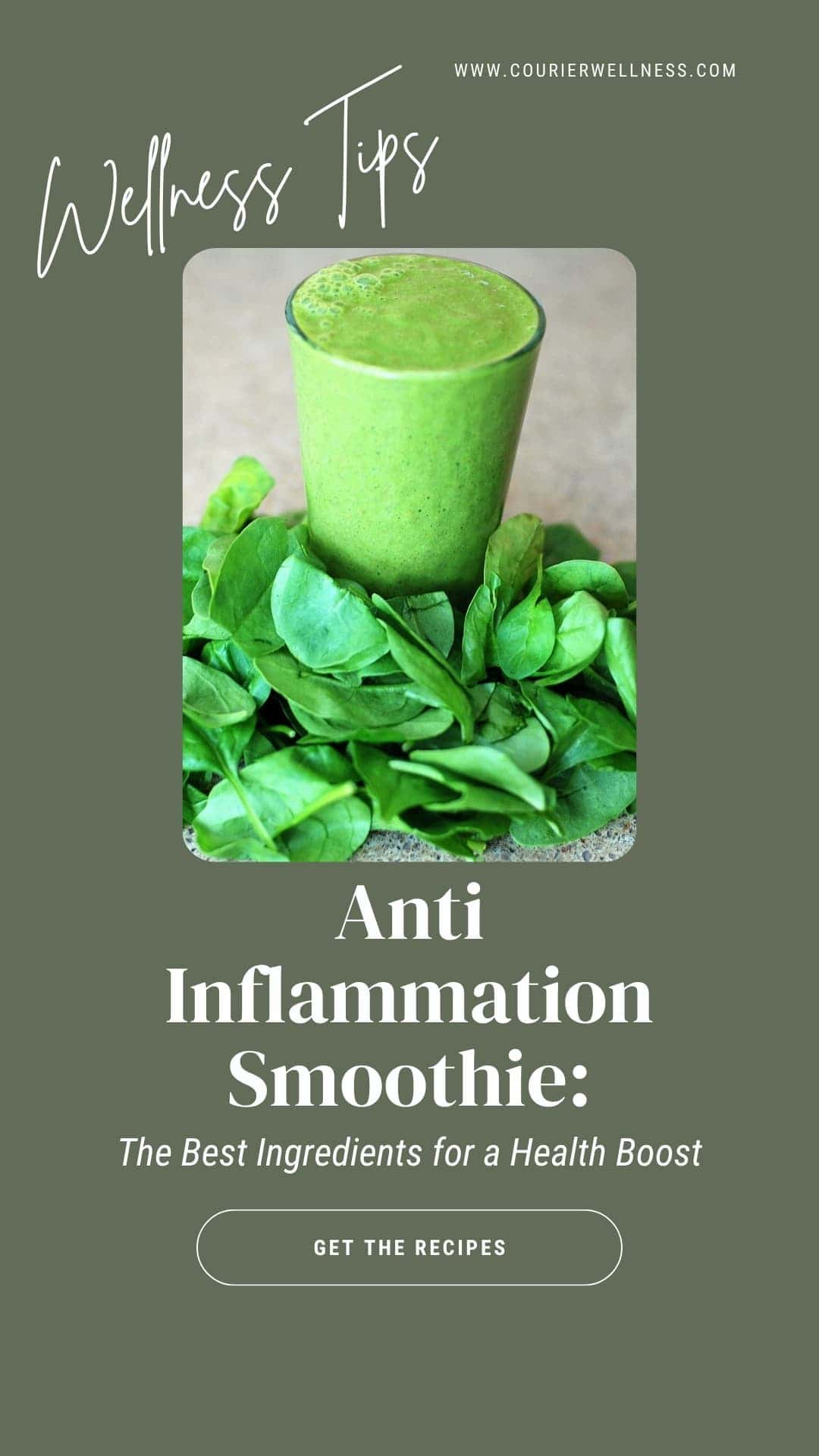
Instead of relying on processed ingredients, you can blend whole foods that are naturally rich in vitamins, minerals, antioxidants, fiber, and healthy fats.
Many popular smoothie ingredients contain beneficial plant compounds that help protect your cells from oxidative stress. Others provide omega-3 fatty acids, probiotics, or fiber that support overall wellness and fit easily into a balanced lifestyle.
The key is to choose ingredients with little or no added sugar and focus on whole, minimally processed foods.
Need a blender for your smoothies? The Ninja Blast Max Portable Blender (available on Amazon) is a convenient option for making single-serve smoothies at home, at work, or on the go. Its compact design makes it easy to blend fresh, nutritious smoothies whenever you need a quick meal or snack.
RELATED POST: The Ultimate Anti-Inflammatory Diet Guide: What to Eat and Avoid
Best Anti-Inflammatory Smoothie Ingredients
Here are some of the best ingredients to include in an anti inflammation smoothie:
1. Berries
Blueberries, strawberries, raspberries, and blackberries are packed with antioxidants called anthocyanins. These colorful plant compounds help protect your cells from damage caused by free radicals.
Frozen berries work just as well as fresh ones and give smoothies a deliciously creamy texture.
2. Leafy Greens
Spinach and kale are nutritional powerhouses, loaded with vitamins A, C, K, and folate.Their mild flavor blends easily with fruit, making them a simple addition to almost any smoothie.
3. Ginger
Fresh ginger has been used for centuries in traditional cooking and wellness practices.
Its naturally spicy flavor adds a gentle warmth and pairs especially well with fruits like pineapple, mango, and orange.
4. Turmeric
Turmeric contains curcumin, a natural compound that has been widely studied for its anti-inflammatory properties.
Adding a pinch of black pepper may help improve curcumin absorption.
Looking for a quality turmeric? Simply Organic Turmeric (available on iHerb) is an easy way to keep this versatile spice on hand for smoothies, curries, soups, and other everyday recipes.
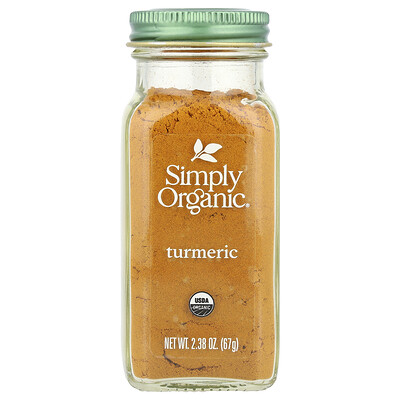
Simply Organic, Turmeric, 2.38 oz (67 g)
5. Chia Seeds
Tiny but incredibly nutritious, chia seeds are rich in:
- Fiber
- Omega-3 fatty acids
- Protein
- Calcium
They also help create a thicker, more satisfying smoothie.
If you’d like to add more chia seeds to your diet, Mamma Chia Organic Chia Seeds (available on iHerb) are a convenient pantry staple for smoothies, yogurt, oatmeal, and homemade energy bites.
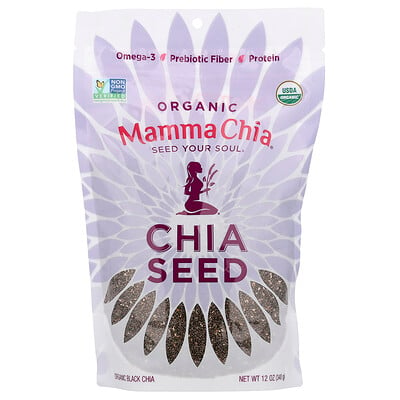
Mamma Chia, Organic Chia Seed, 12 oz (340 g)
6. Flaxseed
Ground flaxseed is another excellent source of plant-based omega-3 fatty acids. It blends easily into almost any smoothie without noticeably changing the flavor.
Need a good source of flaxseed? NOW Foods Organic Flax Seeds (available on iHerb) are easy to sprinkle into smoothies, oatmeal, baked goods, and yogurt for an extra boost of fiber and plant-based omega-3s.
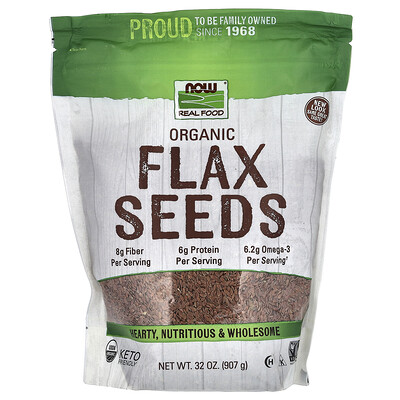
NOW Foods, Real Food, Organic Flax Seeds, 32 oz (907 g)
7. Avocado
Avocados provide heart-healthy monounsaturated fats that create a rich, creamy texture. They’re also a good source of potassium and fiber.
8. Greek Yogurt
Plain Greek yogurt provides:
- Protein
- Calcium
- Probiotics
Choose unsweetened varieties whenever possible. If you prefer a dairy-free option, use plain coconut or almond yogurt with live cultures.
If you enjoy homemade yogurt, the Luvele Pure Yogurt Maker makes it easy to prepare fresh yogurt at home, so you’ll always have some ready for smoothies, breakfasts, and snacks.
editor’s pick

Luvele Pure Yogurt Maker
Make thick, probiotic-rich yogurt at home with even heat and reliable results every time.
*We may earn a commission at no extra cost to you.
9. Pineapple
Pineapple contains bromelain, an enzyme that has been studied for its potential role in digestion and inflammation.
It also adds plenty of natural sweetness to your smoothie.
10. Green Tea
Instead of using juice, try cooled green tea as the base for your smoothie. It’s rich in catechins, powerful antioxidants that support overall health.
Want to try green tea as your smoothie base? Yogi Tea Green Tea Super Antioxidant (available on iHerb) is an easy option to brew, cool, and blend into smoothies, while also enjoying as a hot or iced tea.
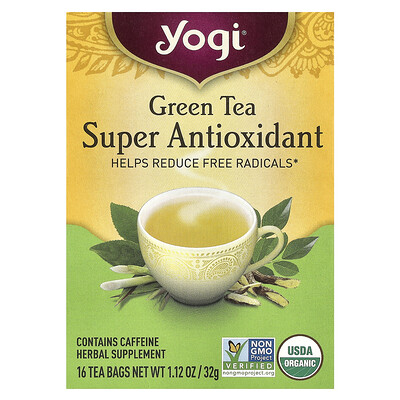
Yogi Tea, Green Tea Super Antioxidant, 16 Tea Bags, 1.12 oz (32 g)
RELATED POST: Top 20 Anti-Inflammation Foods You Need to Eat Every Week
Smoothie Recipe #1: Berry Turmeric Glow Smoothie
Ingredients:
- 1 cup frozen blueberries
- ½ cup strawberries
- 1 handful spinach
- ½ teaspoon turmeric
- Pinch of black pepper
- 1 tablespoon chia seeds
- 1 cup unsweetened almond milk
- Ice if desired
Directions:
Blend until completely smooth. Enjoy immediately.
Why you’ll love it:
This anti inflammation smoothie combines antioxidant-rich berries with turmeric and spinach for a refreshing and nourishing way to start your day.
RELATED POST: What to Eat for Breakfast to Calm Inflammation Naturally
Smoothie Recipe #2: Tropical Ginger Recovery Smoothie
Ingredients:
- 1 cup frozen pineapple
- ½ mango
- 1-inch fresh ginger
- Juice of ½ lime
- 1 tablespoon flaxseed
- 1 cup coconut water
Directions:
Blend for about one minute, or until smooth and creamy.
Benefits:
The sweetness of the tropical fruit balances the fresh ginger, while coconut water provides natural hydration.
Smoothie Recipe #3: Creamy Green Anti-Inflammation Smoothie
Ingredients:
- 1 ripe avocado
- 2 cups spinach
- ½ cucumber
- 1 green apple
- Juice of one lemon
- 1 tablespoon hemp seeds
- 1 cup water
Directions:
Blend until silky smooth.
Why it works:
Healthy fats from avocado make this smoothie rich and satisfying, while leafy greens provide an extra boost of vitamins.
Smoothie Recipe #4: Cherry Vanilla Recovery Smoothie
Ingredients:
- 1 cup frozen cherries
- ½ frozen banana
- ¾ cup plain Greek yogurt
- 1 teaspoon vanilla extract
- 1 tablespoon ground flaxseed
- Splash of milk
Blend until smooth.
Perfect for:
This smoothie makes a delicious afternoon snack or a satisfying post-workout drink.
Smoothie Recipe #5: Golden Mango Turmeric Smoothie
Ingredients:
- 1 cup frozen mango
- ½ banana
- ½ teaspoon turmeric
- Fresh ginger
- 1 tablespoon almond butter
- Unsweetened oat milk
Blend until creamy.
Optional additions:
- Cinnamon
- Chia seeds
- Hemp hearts
Smoothie Recipe #6: Chocolate Berry Wellness Smoothie
Who says chocolate can’t be part of a healthy smoothie?
Ingredients:
- 1 cup mixed berries
- 1 tablespoon unsweetened cocoa powder
- 1 tablespoon chia seeds
- 1 tablespoon almond butter
- Unsweetened almond milk
- Ice
Blend and enjoy.
The cocoa gives this smoothie a rich, dessert-like flavor without adding lots of extra sugar.
Smoothie Recipe #7: Citrus Green Refresher
Ingredients:
- 1 orange
- 1 kiwi
- Handful spinach
- Fresh mint
- Small piece fresh ginger
- Coconut water
Blend until smooth.
This bright, refreshing smoothie is packed with vitamin C-rich fruit and fresh herbs for a light, flavorful drink.
Tips for Making Healthier Smoothies
Keep these simple tips in mind:
- Choose whole fruit instead of fruit juice.
- Include a source of healthy fat.
- Add protein to help you stay full longer.
- Limit added sweeteners.
- Use frozen fruit for a thick, creamy texture.
- Rotate your ingredients to enjoy a wider variety of nutrients.
- Include vegetables whenever you can.
RELATED POST: 20 Foods That Trigger Inflammation in the Body
What to Eat with an Anti-Inflammation Smoothie
An anti inflammation smoothie can be even more satisfying when you pair it with other nutrient-rich foods, such as:
- Oatmeal topped with walnuts
- Whole-grain avocado toast
- Hard-boiled eggs
- Cottage cheese
- Homemade energy bites
- Mixed nuts
- Hummus with vegetables
Combining protein, fiber, and healthy fats helps create a more balanced and satisfying meal.
If you’re looking for an easy breakfast to enjoy alongside your smoothie, Bob’s Red Mill Old Fashioned Rolled Oats (available on iHerb) are a wholesome option that’s perfect for oatmeal, overnight oats, or baking.
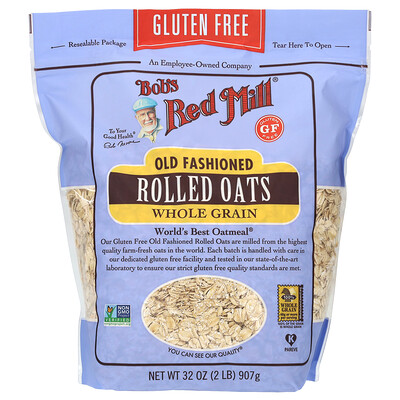
Bob's Red Mill, Old Fashioned Rolled Oats, Whole Grain, Gluten Free, 32 oz (907 g)
Can You Drink Smoothies Every Day?
Smoothies can be a healthy addition to your diet, but they’re best enjoyed as part of a balanced eating pattern rather than as a replacement for whole-food meals.
Whenever possible, choose whole foods that you can chew. Chewing is the first step of digestion because it stimulates saliva production, activates digestive enzymes, and signals your stomach and intestines to prepare for digestion.
Taking the time to chew your food thoroughly may also help you eat more mindfully and better recognize when you’re comfortably full.
That said, smoothies are a convenient way to enjoy more fruits, vegetables, and other nutrient-rich ingredients, especially on busy days or after exercise.
They work best as a complement to a healthy diet rather than a substitute for balanced meals made with whole, minimally processed foods.
Enjoy smoothies as an occasional snack or alongside a nutritious meal instead of relying on them as your primary source of nutrition. When making one, include ingredients that provide protein, healthy fats, and fiber while keeping added sugars to a minimum.
Want to go beyond smoothies? The Complete Anti-Inflammatory Diet for Beginners (available on Bookshop.org) is an excellent resource if you’d like to learn more about building balanced, anti-inflammatory meals with practical tips, meal plans, and easy recipes.
book tip
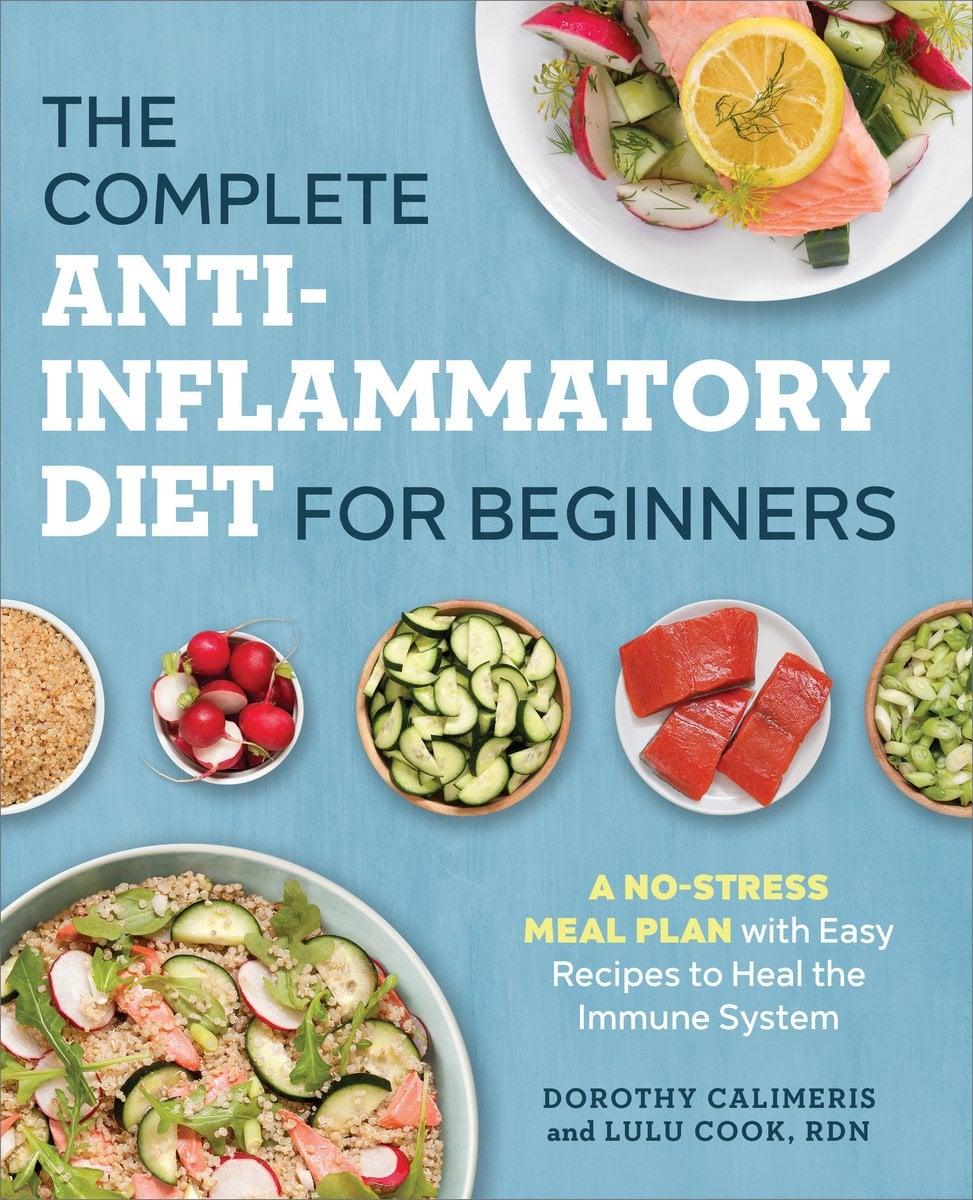
The Complete Anti-Inflammatory Diet for Beginners
By Dorothy Calimeris, Lulu Cook Rdn, and
Jennifer Lang MD
A beginner-friendly guide to the anti-inflammation diet with guidance from a registered dietician.
Did you know? Bookshop.org gives 80%+ of their profits to support independent bookstores.
*We may earn a commission at no extra cost to you.
RELATED POST: The Best Inflammation Remedies Go Beyond Food Alone
Frequently Asked Questions
What is the best fruit for inflammation?
Berries, cherries, pineapple, and citrus fruits are all nutritious choices that provide antioxidants and other beneficial plant compounds.
Is turmeric really effective?
Turmeric contains curcumin, a natural compound that has been widely studied for its anti-inflammatory properties. Because curcumin isn’t easily absorbed on its own, many recipes include a small amount of black pepper to help improve absorption.
Can smoothies replace meals?
In general, it’s best to think of smoothies as a snack or an easy way to add more nutrient-rich ingredients to your day rather than a meal replacement. Whole-food meals encourage chewing, are often more satisfying, and can make it easier to enjoy a wider variety of nutrients. If you occasionally replace a meal with a smoothie for convenience, try to include a source of protein, healthy fats, and fiber to make it more balanced.
Should I use fresh or frozen fruit?
Both are nutritious choices. Frozen fruit is convenient, is often picked at peak ripeness, and creates a thick, creamy texture without the need for extra ice.
Final Thoughts
Adding an anti inflammation smoothie to your routine is a simple and enjoyable way to increase your intake of fruits, vegetables, healthy fats, and fiber.
While smoothies aren’t a cure for chronic inflammation, they can be a nourishing part of an overall healthy lifestyle that also includes regular physical activity, quality sleep, stress management, and a variety of whole foods.
Whether you enjoy vibrant berries, tropical flavors, creamy avocado, or warming spices like ginger and turmeric, there’s a smoothie recipe to suit every taste.
Experiment with different combinations, keep your freezer stocked with frozen fruit, and enjoy a refreshing, nutrient-packed smoothie whenever you need a healthy boost.
*This article is for informational purposes only and is not intended as medical advice. It should not be used to diagnose, treat, or prevent any health condition. Always consult a qualified healthcare professional before making any changes to your diet, exercise, or health routine.

Malin, the co-founder of Courier Wellness, is well-informed in nutrition and health and brings her own unique perspective to the world of holistic wellness. With a passion for writing and a deep interest in wellbeing, she wants to create content that fosters balance and nourishment for the mind and body.