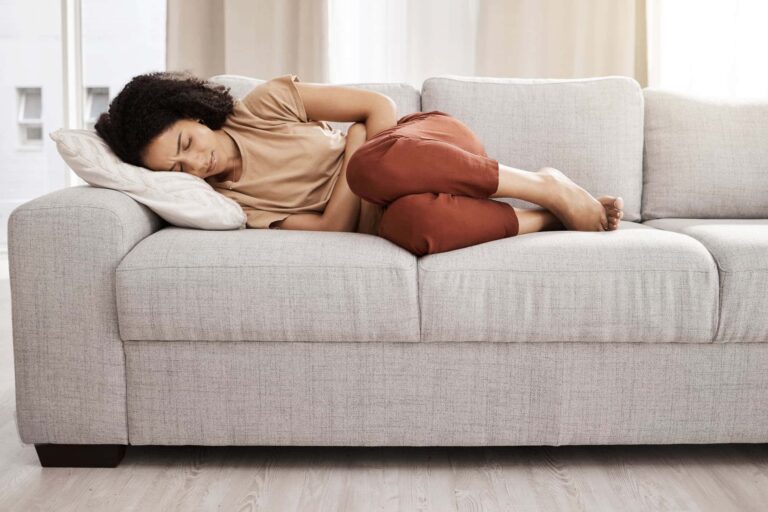
How to Get a Flat Stomach Naturally by Reducing Bloating

This post contains affiliate links, which means we may earn a commission if you purchase through our links—at no extra cost to you. As an Amazon Associate we earn from qualifying purchases. We only recommend products we use or trust. Learn more about affiliate marketing or read our full disclosure.
If your stomach looks flat in the morning but starts feeling tight, bloated, or noticeably larger as the day goes on, you’re definitely not alone.
It’s easy to assume this means you’re dealing with stubborn belly fat, but in many cases, bloating is actually the real cause.
The good news is that bloating is often linked to everyday habits, your digestion, and the foods you eat—not permanent fat gain.
That means you can often reduce it naturally and start noticing a difference with a few simple changes.
In this guide, you’ll learn how to get a flat stomach naturally by reducing bloating—without extreme diets, detox cleanses, or unrealistic restrictions.
Is It Belly Fat or Bloating?
Before you try to get a flatter stomach, it helps to understand what’s actually causing the change.
Belly fat:
- Feels soft and stays fairly consistent throughout the day
- Changes gradually over weeks or months
- Usually requires long-term adjustments to your diet, activity level, and overall lifestyle
Bloating:
- Comes and goes throughout the day
- Feels tight, full, or swollen
- Often gets worse after meals or later in the evening
- Can noticeably change within just a few hours
If your stomach changes noticeably throughout the day, bloating is likely playing a major role.
Why Bloating Happens in the First Place
Bloating happens when your digestive system isn’t processing food as comfortably or efficiently as usual.
This can lead to excess gas, water retention, or a feeling of fullness that makes your stomach look and feel more bloated.
Common causes include:
1. Eating Too Quickly
When you eat too quickly, you’re more likely to swallow extra air along with your food. That trapped air can build up in your digestive system, leaving you feeling full, tight, or bloated.
Research suggests that eating meals more slowly may help reduce digestive discomfort after eating.
2. Certain “Healthy” Foods
Some healthy foods are naturally higher in fiber or other carbohydrates that can be more difficult for some people to digest.
These include:
- Beans and lentils
- Broccoli, cabbage, and cauliflower
- Apples and pears
- High-fiber cereals
These foods are still very nutritious, but for some people, they can contribute to bloating—especially when eaten in large amounts or introduced to the diet too quickly.
If a particular food consistently leaves you feeling bloated, try eating a little less of it or introducing it more gradually.
Many people find their digestion improves as their body adjusts to a higher-fiber diet.
3. Carbonated Drinks
Soda, sparkling water, and other fizzy drinks introduce extra gas into your digestive system.
This can leave your stomach feeling fuller or more bloated after drinking them.
The Gastrointestinal Society notes that carbonated beverages can increase bloating and abdominal discomfort in susceptible people.
4. Salt and Processed Foods
Many processed foods are high in sodium and may also contain ingredients that contribute to bloating in some people.
According to The American Heart Association excess sodium can cause your body to retain water, leading to temporary bloating and puffiness.
5. Hormonal Changes
For many women, hormonal fluctuations around the menstrual cycle can lead to temporary bloating.
These natural changes can affect water retention and digestion, making your stomach feel fuller or more swollen than usual.
6. Gut Imbalance
When the balance of bacteria in your gut is disrupted, digestion may become less efficient and gas production may increase.
This can contribute to bloating, excess gas, and digestive discomfort.
7. Sitting Too Much
Spending long periods sitting can slow digestion and make it harder for gas to move through your digestive system.
Getting up to walk regularly and staying active throughout the day can help support healthy digestion and reduce bloating.
Even if you exercise regularly, it’s still important to break up long periods of sitting.
How to Get a Flat Stomach Naturally by Reducing Bloating
Now let’s look at some simple habits that can help reduce bloating naturally.
1. Slow Down Your Eating
One of the simplest—and often most effective—changes you can make is paying attention to how you eat.
When you eat too quickly:
- You swallow more air
- Your digestive system has less time to process your meal comfortably
- Your body has less time to recognize when you’re full
Try this instead:
- Put your fork down between bites.
- Chew each bite about 15–20 times.
- Aim to make your meals last at least 15–20 minutes.
For many people, this simple habit can help reduce bloating over time.
2. Identify Your Personal Trigger Foods
Not everyone has the same bloating triggers. Foods that cause bloating for one person may have little or no effect on someone else.
A simple way to figure out what affects you is to:
- Keep a simple food diary for 3–5 days.
- Pay attention to when bloating occurs.
- Look for patterns that keep showing up.
Common personal triggers include:
- Dairy (especially if you’re lactose sensitive)
- Gluten (for some people)
- Artificial sweeteners
- Certain high-fiber vegetables
You don’t have to eliminate everything. Instead, pay attention to how your body responds and make adjustments based on what you notice.
3. Reduce Carbonated Drinks
Even “healthy” sparkling water can contribute to bloating.
Why?
Because it introduces extra gas into your digestive system.
If bloating is a problem for you, try replacing fizzy drinks with:
- Still water
- Herbal teas (such as peppermint or ginger)
4. Balance Fiber Intake (Don’t Overdo It)
Fiber is an important part of a healthy diet, but increasing it too quickly—or eating too much at once—can sometimes lead to temporary gas and bloating while your digestive system adjusts.
Signs you may be increasing your fiber intake too quickly include:
- Gas after meals
- Abdominal pressure
- Feeling overly full or uncomfortable
Instead of cutting back on healthy, fiber-rich foods, try increasing your fiber intake gradually and drinking plenty of water to help your digestive system adjust.
5. Stay Hydrated Throughout the Day
Drinking enough water supports healthy digestion and helps keep your digestive system working smoothly.
For a flatter stomach:
- Drink water consistently throughout the day.
- Start your morning with a glass of water.
- Reduce overly salty foods, which can contribute to water retention.
According to the National Institute of Diabetes and Digestive and Kidney Diseases (NIDDK), drinking enough fluids helps support normal bowel function, especially when combined with enough dietary fiber. This may help reduce bloating associated with constipation.
6. Walk After Meals
You don’t need intense workouts to help reduce bloating.
A simple 10–15 minute walk after eating can:
- Support healthy digestion
- Encourage movement through your digestive system
- Help you feel more comfortable after meals
Research suggests that even a short walk can stimulate gut motility, which may help support healthy digestion.
7. Manage Stress Levels
Stress can affect the way your digestive system functions, which may contribute to bloating and digestive discomfort in some people.
Helpful habits include:
- Deep breathing exercises
- Short walks
- Stretching or gentle yoga
- Reducing screen time before bed
Research suggests that managing stress helps support your body’s natural “rest-and-digest” response, promoting healthy digestive function.
8. Support Your Gut Health
The bacteria in your gut play an important role in digestion and overall gut health.
To support them:
- Eat fermented foods such as yogurt, kefir, and sauerkraut.
- Include prebiotic foods such as onions, garlic, and bananas.
- Cut back on heavily processed foods.
Research suggests that regularly eating fermented foods can increase gut microbial diversity and reduce markers of inflammation.
While everyone’s digestive system is different, supporting a healthy gut may also help improve digestive comfort over time.
A simple way to eat more fermented foods
One habit that’s made a real difference for me is making homemade yogurt.
I use the Luvele Pure Yogurt Maker almost every day, and I’ve found it much easier to eat probiotic-rich yogurt regularly.
editor’s pick

Luvele Pure Yogurt Maker
Make thick, probiotic-rich yogurt at home with even heat and reliable results every time.
*We may earn a commission at no extra cost to you.
Since making it part of my routine, my digestion has felt better, and I’ve noticed less bloating overall.
If you’re making yogurt for a larger family—or you’d also like to make kefir—the Luvele Pure Plus Yogurt Maker is a great option because of its larger capacity and extra versatility.
great pick

Luvele Pure Plus Yogurt Maker
Create thick, probiotic-rich yogurt or fresh kefir with precise heat and consistently smooth results.
*We may earn a commission at no extra cost to you.
9. Don’t Eat Late at Night
Eating late at night can slow digestion and leave you feeling more bloated the next morning.
Try to:
- Finish your last meal 2–3 hours before going to bed
- Keep late meals light if you really need to eat
This gives your body more time to digest before you lie down for the night.
10. Watch Your Salt Intake
Too much salt can cause your body to retain water, making your stomach appear puffier even if you haven’t eaten more than usual.
To reduce bloating:
- Cut back on processed snacks
- Choose fresh foods whenever possible
- Flavor meals with herbs and spices instead of relying heavily on salt
Reducing your sodium intake may help decrease water retention and bloating over time.
11. Improve Your Posture
Improving your posture won’t reduce internal bloating, but it can instantly change the way your stomach looks.
Poor posture:
- Pushes your stomach outward
- Can make your stomach appear more pronounced
Better posture:
- Naturally engages your core
- Can help your stomach appear flatter right away
Think of standing tall with a long spine, relaxed shoulders, and gentle core engagement.
12. Strengthen Your Deep Core
Intense ab workouts won’t reduce bloating, but gentle core activation can help support digestion and improve posture.
Try:
- Deep belly breathing
- Pilates-style core movements
- Light stretching routines
These gentle movements help improve posture, core stability, and support throughout your midsection.
RELATED POST: Flat Stomach Workout Trainers Swear By (Deep Core Routine)
How Fast Can You See Results?
If bloating is the main issue, you may start noticing improvements over the following timeline:
Within a few days:
- Less puffiness from reducing excess sodium and other bloating triggers
Within 1–2 weeks:
- Better digestion from healthier daily habits
- Less frequent bloating
Within 2–3 weeks:
- A flatter-looking midsection
The key is consistency, not trying to do everything perfectly all the time.
Final Thoughts
Getting a flat stomach naturally isn’t about following extreme diets or spending hours working out.
In many cases, it’s about reducing the habits that trigger bloating and supporting healthy digestion.
When you:
- Eat more slowly
- Identify your trigger foods
- Stay properly hydrated
- Take walks after meals
- Manage your stress levels
you may find that your stomach looks and feels flatter—without doing anything extreme.
The goal isn’t perfection—it’s consistency. Small habits practiced every day can add up to meaningful improvements over time.
*This article is for informational purposes only and is not intended as medical advice. It should not be used to diagnose, treat, or prevent any health condition. Always consult a qualified healthcare professional before making any changes to your diet, exercise, or health routine.
Cherpak, Christine E. “Mindful Eating: A Review Of How The Stress-Digestion-Mindfulness Triad May Modulate And Improve Gastrointestinal And Digestive Function.” Integrative medicine (Encinitas, Calif.) vol. 18,4 (2019): 48-53, https://pmc.ncbi.nlm.nih.gov/articles/PMC7219460/.
Gastrointestinal Society, and Canadian Society of Intestinal Research. "Intestinal Gas and Nutrition." BadGut.org, https://badgut.org/information-centre/health-nutrition/intestinal-gas-nutrition/. Accessed 16 July 2026.
Katagiri, K., et al. "Immediate Effect of Physical Activity on Gut Motility in Healthy Adults." Scientific Reports, vol. 15, 2025, article 33423. Nature, https://doi.org/10.1038/s41598-025-18860-8. Adapted and used under the terms of the Creative Commons Attribution 4.0 International License.
National Institute of Diabetes and Digestive and Kidney Diseases. "Eating, Diet, & Nutrition for Constipation." May 2018, https://www.niddk.nih.gov/health-information/digestive-diseases/constipation/eating-diet-nutrition. Accessed 16 July 2026.
Wastyk, Hannah C et al. “Gut-microbiota-targeted diets modulate human immune status.” Cell vol. 184,16 (2021): 4137-4153.e14. doi:10.1016/j.cell.2021.06.019.
Wildi, Stephan M et al. “The influence of rapid food intake on postprandial reflux: studies in healthy volunteers.” The American journal of gastroenterology vol. 99,9 (2004): 1645-51. doi:10.1111/j.1572-0241.2004.30273.x.

Linda is the co-founder of Courier Wellness and holds a Diploma in Natural Health Nutrition & Diet. Her passions include photography, food, and travel, where she derives inspiration from diverse cultures and their holistic approaches to well-being. She is committed to helping others make informed, nourishing choices for a healthier life.