12 Powerful Foods for Gut Health You Should Try

This post contains affiliate links, which means we may earn a commission if you purchase through our links—at no extra cost to you. As an Amazon Associate we earn from qualifying purchases. We only recommend products we use or trust. Learn more about affiliate marketing or read our full disclosure.
Taking care of your gut isn’t just the latest wellness buzz—it’s one of the best things you can do for your overall health.
When your gut is happy and balanced, you’ll likely notice fewer digestive issues, better energy, a stronger immune system, and easier weight management.
But when things are out of balance, bloating, fatigue, inflammation, and other health issues can creep in.
The good news?
You can support your gut daily with the right foods. By filling your plate with nourishing, gut-friendly ingredients, you’re giving your microbiome the fiber, probiotics, and prebiotics it needs to thrive.
In this article, we’ll dive into 12 powerful foods for gut health and show you simple, tasty ways to add them into your meals.
Ready to give your gut some love?
Let’s get started!
Why a Healthy Gut Matters
Your gut is so much more than a place where food gets digested—it’s the foundation of your entire well-being.
Inside your gut lives a bustling community of bacteria, viruses, and fungi (your gut microbiome), and they’re busy working behind the scenes 24/7.
When your gut microbiome is balanced, amazing things happen: you absorb nutrients more efficiently, your immune system gets a natural boost, your hormones stay more regulated, and even your mood and energy levels improve.
A happy gut can literally help you feel lighter, brighter, and more resilient.

But when your gut gets out of balance (a condition known as dysbiosis), the opposite happens.
That’s when you might notice constant bloating, stubborn fatigue, weird food sensitivities, inflammation, or even bigger health concerns like obesity, diabetes, or autoimmune issues.
In short: a healthy gut doesn’t just mean better digestion—it’s key to a healthier, happier you.
How Modern Food Has Affected Gut Health
Think about how much our diets have changed in just the last few decades.
Instead of fresh, whole foods, many of us now rely on quick, packaged options loaded with refined sugar, artificial additives, and processed oils.
Sure, they’re convenient—but your gut?
Not a fan. These modern staples do little to actually nourish your microbiome.
In fact, they can reduce the diversity of your gut bacteria and encourage the “bad guys” (harmful bacteria) to take over.
Add in frequent antibiotic use, high stress, poor sleep, and not enough fiber, and it’s no wonder so many people today struggle with sluggish digestion, bloating, inflammation, and that constant low-energy feeling.
The takeaway?
Modern food culture may be convenient, but it often comes at the cost of gut health—and your overall vitality.
RELATED POST: Modern Eating Is The Number One Cause of Global Obesity
Being Proactive About Gut Health
Here’s the good news: you have way more control over your gut health than you might think.
By making intentional food choices, you can actually reshape your microbiome and set yourself up for better digestion, higher energy, a stronger immune system, and even a better mood.
The secret?
Feeding your gut the right mix of prebiotics and probiotics. Prebiotics act like fuel for your good bacteria, while probiotics help add more of those friendly microbes to your gut.
Together, they create the kind of balance your body thrives on—keeping your digestion smooth, your gut lining strong, and your whole system supported.
Every time you choose gut-friendly foods, you’re giving your body the tools it needs to flourish not just today, but in the long run.
And the best part?
These foods are as delicious as they are powerful.
RELATED POST: A Complete Guide To Gut Health: Everything You Need To Know To Stay Healthy
Up next, we’ll dive into 12 of the most powerful foods for gut health—and I’ll share easy ways to sneak them into your everyday meals.
1. Yogurt
Let’s start with a classic: yogurt. It’s probably the most famous probiotic food out there, and for good reason.
Packed with live cultures like Lactobacillus bulgaricus and Streptococcus thermophilus, yogurt gives your gut a direct dose of beneficial bacteria that help balance your microbiome, improve digestion, and even give your immune system a little extra support.
Why it’s great for your gut:
Research also shows that it may support bone health, reduce risk of diabetes and heart disease, and strengthen your immune system.
Easy ways to enjoy it:
Feeling adventurous?
Try making your own yogurt at home—it’s fresher, cheaper, and skips all the added sugars.
I eat homemade probiotic yogurt every day using the Pure Yogurt Maker from Luvele—and honestly, I can’t recommend it enough. It’s incredibly easy to use, and the yogurt turns out creamy, delicious, and consistent every single time.
Since making it part of my daily routine, I’ve noticed real benefits: I rarely catch colds, my digestion feels better, and even my skin looks healthier.
If you’re curious, we’ve put together a full review of the Luvele Pure Yogurt Maker and why it’s our top choice for gut health. Check it out here: Luvele: Why It’s The Best Yogurt Maker For Gut Health.
editor’s choice
Luvele Pure Yogurt Maker

This simple and high-quality yogurt maker has advanced water-bath technology, which ensures even and consistent temperatures for thick, probiotic-rich yogurt.
Key features:
*We may earn a commission at no extra cost to you.
PRO TIP: When making your own yogurt, always start with active bacterial cultures to make sure you get all the probiotic benefits.
We use Yogourmet Yogurt Starter (you can grab it on Amazon) because it’s reliable and gives consistently great results.

Yogourmet Yogurt Starter (16 Pack Bulk Version) – Make Yogurt at Home – Starter Culture – All Natural, Gluten Free, Kosher, Halal – 3 g Sachets
2. Kefir
Kefir might not be as well-known as yogurt, but it’s definitely worth the hype. This fermented milk drink is like yogurt on steroids when it comes to probiotics.
Unlike yogurt, which is usually made with just a couple of bacterial strains, kefir contains a diverse mix of bacteria and yeasts that deliver an even broader range of benefits.
These microbes can help balance your gut microbiome, reduce low-grade inflammation, and even support healthy aging.
Researchers are especially interested in kefir’s bioactive compounds and unique peptides, which may influence the gut–brain axis and overall immune function.
Why it’s great for your gut:
How to enjoy it:
If you’re into DIY, making kefir at home is a fantastic way to control the sugar content and ensure you’re getting the highest quality probiotics.
And here’s the best part: the Pure Plus Yogurt Maker from Luvele isn’t just for yogurt. It has all the same advantages as the Pure Yogurt Maker, plus an extra feature—you can make kefir too!
That means creamy, probiotic-rich yogurt and tangy, gut-friendly kefir, all from one machine.
great pick
Luvele Pure Plus Yogurt Maker

This versatile and high-quality yogurt maker features advanced water-bath technology, delivering precise, consistent temperatures for thick, probiotic-rich yogurt—and even homemade kefir.
Key features:
*We may earn a commission at no extra cost to you.
Just like with homemade yogurt, you’ll need a good starter culture.
We recommend Yogourmet Kefir starter packs (available on Amazon) because they contain all the beneficial bacteria you need to get the most out of your kefir.

Yogourmet Kefir Starter (12 Pack Bulk Version) – Make Kefir at Home – Starter Culture – All Natural, Gluten Free, Kosher, Halal – 3 g Sachets
3. Sauerkraut
If you haven’t yet discovered the magic of sauerkraut, now’s the time.
This tangy, fermented cabbage is loaded with probiotics, including beneficial strains like Lactobacillus plantarum, L. brevis, and Leuconostoc mesenteroides, which help support a balanced and diverse gut microbiome.
On top of that, sauerkraut is full of fiber, vitamin C, vitamin E, and antioxidants, making it a nutritional powerhouse.
Why it’s great for your gut:
How to enjoy it:
If you’re feeling adventurous, why not try making sauerkraut at home? That way, you can tweak the seasoning to your taste and make it as tangy—or as mild—as you like.
Need a little guidance?
We make our own every winter, and you can follow along with our step-by-step recipe here: Fermented Perfection: How to Make Sauerkraut at Home»

Kilner Create & Make Fermentation Set | 3L
4. Kimchi
If you love a bit of spice, kimchi is your gut’s new best friend. This Korean fermented dish, usually made with cabbage, radish, garlic, chili, and ginger, is a probiotic powerhouse.
Not only does it deliver gut-boosting lactic acid bacteria, but the fermentation process also helps suppress harmful microbes while enhancing the beneficial effects of its ingredients.
The mix of cruciferous vegetables and spices like garlic, ginger, and chili provides antioxidants and bioactive compounds that support overall health.
Why it’s great for your gut:
How to enjoy it:

5. Miso
Miso isn’t just for making soup—it’s a fermented powerhouse that can work wonders for your gut health.
Made from soybeans, barley, or rice, this savory paste is created through fermentation with koji (a beneficial mold) and other microbes.
The process not only gives miso its rich umami flavor but also produces probiotics, enzymes, and a spectrum of bioactive compounds.
It’s also a natural source of key nutrients like manganese, copper, and vitamin K.
It’s no surprise miso is a staple in the Japanese diet—its fermentation products have been linked to benefits ranging from gut support to heart and immune health.
Why it’s great for your gut:
How to enjoy it:
6. Tempeh
Tempeh is a firm, nutty fermented soy product that’s as versatile as it is gut-friendly.
The fermentation process not only makes it easier to digest than unfermented soy but also boosts its nutritional profile by reducing anti-nutrients and increasing beneficial compounds like polyphenols and isoflavones.
Beyond being a fantastic source of protein, calcium, and iron, tempeh is rich in prebiotics—basically food for your good gut bacteria—helping them thrive and maintain a healthy digestive system.
Why it’s great for your gut:
How to enjoy it:
7. Garlic
Garlic isn’t just a flavor booster—it’s a true gut hero.
Rich in prebiotics and sulfur-containing compounds like allicin and flavonoids such as quercetin, garlic helps feed and support beneficial gut bacteria while providing a host of other health benefits.
Why it’s great for your gut:
How to enjoy it:
RELATED POST: Are We Not Eating Real Food Anymore? What You Need to Know
8. Onion
Onions aren’t just a kitchen staple—they’re a prebiotic powerhouse.
Rich in compounds like inulin and fructooligosaccharides (FOS), onions feed beneficial gut bacteria while supporting the production of short-chain fatty acids and other metabolites that promote gut health.
Why it’s great for your gut:
How to enjoy it:
9. Asparagus
Asparagus isn’t just a springtime favorite—it’s a prebiotic superstar for your gut.
Packed with inulin, it feeds your good gut bacteria while supporting smooth digestion and regular bowel movements.
Why it’s great for your gut:
How to enjoy it:
10. Apples
Apples aren’t just a crunchy, sweet snack—they’re a gut-friendly powerhouse.
Packed with soluble fiber like pectin and rich in polyphenols, apples act as a prebiotic, feeding beneficial gut bacteria and promoting a healthy microbiome.
Why it’s great for your gut:
How to enjoy it:
RELATED POST: Best Diet for a Healthy Lifestyle: What to Eat Daily
11. Flaxseeds
Don’t let their tiny size fool you—flaxseeds are gut-friendly powerhouses.
Packed with fiber, omega-3 fatty acids, and lignans, they act as prebiotics, nourishing beneficial gut bacteria while supporting digestion, heart health, and even brain function.
Why it’s great for your gut:
How to enjoy it:
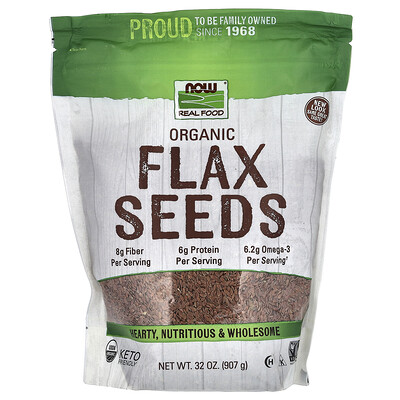
NOW Foods, Real Food, Organic Flax Seeds, 32 oz (907 g)
12. Bone Broth
Bone broth might just be the ultimate gut-soothing drink.
Made by simmering animal bones and connective tissue, it’s packed with collagen, gelatin, and gut-supporting amino acids like glutamine, glycine, and proline.
But that’s not all; it also contains essential minerals such as calcium, magnesium, and zinc.
Why it’s great for your gut:
How to enjoy it:
Tips for Incorporating Gut-Friendly Foods Daily
Keeping your gut happy doesn’t have to be complicated.
Here are some simple ways to weave these 12 powerful foods into your everyday meals:
Your gut microbiome loves variety. Rotate these gut-friendly foods to give your beneficial bacteria a balanced mix of nutrients.
Pair foods like yogurt and kefir (probiotics) with garlic, onions, or asparagus (prebiotics) to nourish your gut bacteria even more effectively.
Cut back on refined sugar, artificial additives, and heavily processed foods—they can upset the balance of your microbiome.
RELATED POST: A Step-by-Step Guide on How to Avoid Ultra-Processed Foods
Water helps move fiber through your digestive system and keeps everything running smoothly.
Pro tip: Drink 1-2 glasses of water after consuming fiber to prevent constipation.
Staying hydrated is easier when you always have water on hand—try using a reusable water bottle like the Hydro Flask from Amazon to make it a healthy habit.

Hydro Flask Water Bottle – Insulated Stainless Steel – Wide Mouth Flex Straw Lid, Non Spill, Leakproof and Refillable in 32 Oz Thyme Rose Gold
Small servings of kimchi, sauerkraut, or miso can give your gut a steady boost of beneficial bacteria.
Incorporating these habits doesn’t have to be overwhelming—start small, mix in your favorite foods, and watch your gut (and overall health!) thrive.
Final Thoughts
Your gut health isn’t just about digestion—it’s at the heart of your overall well-being. The foods you choose every day play a huge role in shaping your microbiome.
By including these 12 gut-friendly foods—from probiotics like yogurt and kefir to prebiotics like garlic, onions, and asparagus—you’re giving your gut the tools it needs to thrive.
Even small, consistent changes can make a big difference. Start by adding one or two of these foods to your meals each week, and gradually build from there.
Over time, you may notice better energy, smoother digestion, improved immunity, and even healthier weight management.
After all, a happy gut truly makes for a happy body!
*This article is for informational purposes only and is not intended as medical advice. It should not be used to diagnose, treat, or prevent any health condition. Always consult a qualified healthcare professional before making any changes to your diet, exercise, or health routine.
Duarte, Sara et al. “Flaxseed in Diet: A Comprehensive Look at Pros and Cons.” Molecules (Basel, Switzerland) vol. 30,6 1335. 16 Mar. 2025, doi:10.3390/molecules30061335. Adapted and used under the terms of the Creative Commons Attribution 4.0 International License.
Ettehad-Marvasti, Fateme et al. “Effect of garlic extract on weight loss and gut microbiota composition in obese women: A double-blind randomized controlled trial.” Frontiers in nutrition vol. 9 1007506. 24 Oct. 2022, doi:10.3389/fnut.2022.1007506. Adapted and used under the terms of the Creative Commons Attribution 4.0 International License.
Górska, Katarzyna, Ewa Pejcz, and Joanna Harasym. "Tempeh and Fermentation—Innovative Substrates in a Classical Microbial Process." Applied Sciences 15, no. 16: 8888, 2025, https://doi.org/10.3390/app1516888. Adapted and used under the terms of the Creative Commons Attribution 4.0 International License.
Hadjimbei, Elena et al. “Beneficial Effects of Yoghurts and Probiotic Fermented Milks and Their Functional Food Potential.” Foods (Basel, Switzerland) vol. 11,17 2691. 3 Sep. 2022, doi:10.3390/foods11172691. Adapted and used under the terms of the Creative Commons Attribution 4.0 International License.
Koutsos, Athanasios et al. “Apples and cardiovascular health--is the gut microbiota a core consideration?.” Nutrients vol. 7,6 3959-98. 26 May. 2015, doi:10.3390/nu7063959. Adapted and used under the terms of the Creative Commons Attribution 4.0 International License.
Matar, Ayah et al. “Bone Broth Benefits: How Its Nutrients Fortify Gut Barrier in Health and Disease.” Digestive diseases and sciences vol. 70,6 (2025): 1951-1961. doi:10.1007/s10620-025-08997-x. Abstract only.
Olas, Beata. “A Review of the Pro-Health Activity of Asparagus officinalis L. and Its Components.” Foods (Basel, Switzerland) vol. 13,2 288. 16 Jan. 2024, doi:10.3390/foods13020288. Adapted and used under the terms of the Creative Commons Attribution 4.0 International License.
Park, Kun-Young et al. “Health benefits of kimchi (Korean fermented vegetables) as a probiotic food.” Journal of medicinal food vol. 17,1 (2014): 6-20. doi:10.1089/jmf.2013.3083. Abstract only.
Saeed, Farhan et al. “Miso: A traditional nutritious & health-endorsing fermented product.” Food science & nutrition vol. 10,12 4103-4111. 15 Sep. 2022, doi:10.1002/fsn3.3029. Adapted and used under the terms of the Creative Commons Attribution 4.0 International License.
Shahbazi, Roghayeh et al. “Anti-Inflammatory and Immunomodulatory Properties of Fermented Plant Foods.” Nutrients vol. 13,5 1516. 30 Apr. 2021, doi:10.3390/nu13051516. Adapted and used under the terms of the Creative Commons Attribution 4.0 International License.
Yoo, Yebeen et al. “The prebiotic potential of dietary onion extracts: shaping gut microbial structures and promoting beneficial metabolites.” mSystems vol. 10,1 (2025): e0118924. doi:10.1128/msystems.01189-24. Adapted and used under the terms of the Creative Commons Attribution 4.0 International License.

Linda is the co-founder of Courier Wellness and holds a Diploma in Natural Health Nutrition & Diet. Her passions include photography, food, and travel, where she derives inspiration from diverse cultures and their holistic approaches to well-being. She is committed to helping others make informed, nourishing choices for a healthier life.