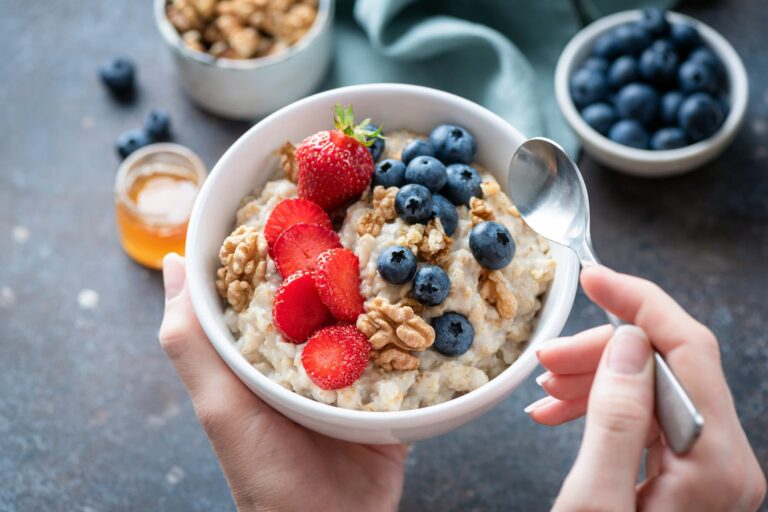
20 Foods That Cause Inflammation: What You Need to Know

This post contains affiliate links, which means we may earn a commission if you purchase through our links—at no extra cost to you. As an Amazon Associate we earn from qualifying purchases. We only recommend products we use or trust. Learn more about affiliate marketing or read our full disclosure.
Chronic inflammation is sneaky — it can contribute to everything from joint pain and digestive issues to heart problems, diabetes, and even some cancers.
And what’s one of the biggest triggers?
The foods we eat.
Certain foods can actually set off inflammatory pathways, make symptoms worse, and even sabotage your health efforts. That’s why knowing which foods cause inflammation is so important.
In this guide, I’ll break down the top foods that cause inflammation, explain why they’re harmful, and share simple, practical tips to help protect your body and feel your best.
Let’s dive in!
What Is Inflammation and Why Diet Matters
Inflammation is your body’s built-in defense system. Any time you’re injured, sick, or under stress, inflammation jumps in to help you heal.
In the short term, that’s a good thing.
- Acute inflammation is temporary and helpful (like redness or swelling after a cut).
- Chronic inflammation is different. It sticks around. And that’s where problems start.
When your immune system stays switched on, your body keeps releasing inflammatory chemicals like cytokines and C-reactive protein (CRP).
Over time, this low-grade inflammation can damage tissues, interfere with normal body functions, and increase your risk for disease — even if you don’t feel “inflamed.”
Research links chronic inflammation to conditions like:
- Heart disease
- Type 2 diabetes
- Arthritis
- Obesity
- Digestive disorders
- Cognitive and mood issues
So, what cause chronic low-grade inflammation?
While there are many factors, one of the biggest causes is what you eat.
Diets high in refined carbohydrates, added sugars, unhealthy fats, and ultra-processed foods have been shown to raise inflammatory markers in the body.
When those foods make up a big part of your routine, inflammation can slowly build in the background.
Top Foods That Cause Inflammation
Chronic inflammation doesn’t usually come from just one “bad” food — it builds over time from everyday eating patterns.
Here’s a breakdown of the foods most strongly linked to inflammation:
1. Sugary Beverages
Sodas, sweet teas, and many so-called “juice” drinks are some of the sneakiest sources of added sugar in our diets.
- What they do: When you drink sugar in liquid form, your body absorbs it really fast. That spikes your blood sugar and insulin levels, and over time, it can trigger low-grade inflammation.
- Why they’re harmful: These drinks pack a punch of fructose and glucose but offer almost nothing else — no fiber, protein, or nutrients to slow things down. That overload fuels oxidative stress, fat buildup, and inflammatory signaling in your body.
- Health risks: Regularly sipping sugary drinks has been linked to weight gain, insulin resistance, metabolic syndrome, type 2 diabetes, and heart disease.
What to drink instead:
Cutting back on sugary drinks is one of the easiest ways to lower your daily inflammation load. A few simple swaps can make a real difference.
Water
Staying well hydrated supports circulation, digestion, temperature control, and normal metabolic function — all of which influence inflammation. Aim for about 2 liters per day (more if you’re active, in a hot climate, or sweating a lot).
One of the easiest ways to meet your hydration goals is to carry a water bottle with you. A great option is the Hydroflask Water Bottle from Amazon. It’s durable, leakproof, and keeps your water cold for up to 24 hours.
Green Tea
Green tea contains natural plant compounds called catechins (especially EGCG) that have antioxidant and anti-inflammatory properties.
Research suggests they can help reduce oxidative stress and support metabolic health. It’s not a miracle drink, but it gives you hydration plus helpful bioactive compounds.
Personally, I love Supreme Matcha Green Tea from Pukka Herbs. It has a smooth, pleasant flavor, feels gentle on digestion, and I’ve even noticed my skin looks better when I drink it regularly. You can find it on iHerb.
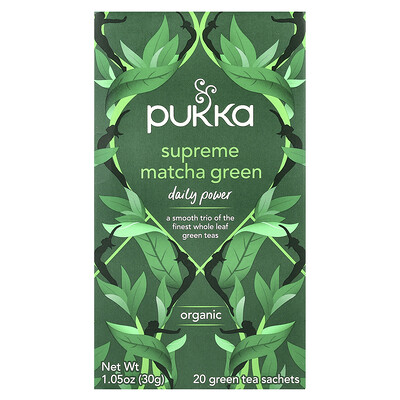
Pukka Herbs, Organic Green Tea, Supreme Matcha Green, 20 Sachets, 1.05 oz (30 g)
2. Refined Carbohydrates
Refined carbs like white bread, pastries, crackers, and many cereals are easy to love… but our bodies pay the price.
- What they do: Refined carbs are digested quickly, sending your blood sugar and insulin on a rollercoaster ride. Research shows this rapid spike can trigger low-grade inflammation and oxidative stress.
- Why they’re harmful: Because they’re stripped of fiber and other nutrients, refined carbs leave your body with nothing to slow the sugar rush. This can lead to fat accumulation, insulin resistance, and persistent inflammatory signaling.
- Health risks: High intake is linked to obesity, type 2 diabetes, metabolic syndrome, and cardiovascular disease — all conditions tied to chronic inflammation.
What to eat instead:
When you cut back on refined carbs, the goal isn’t to fear carbohydrates — it’s to upgrade them.
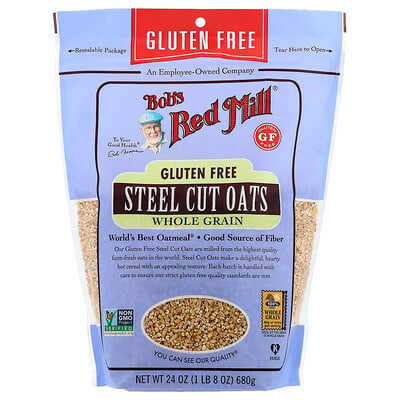
Oats
Oats are one of the easiest anti-inflammatory swaps. They’re rich in a special type of soluble fiber called beta-glucan, which helps steady blood sugar, lower cholesterol, and feed beneficial gut bacteria.
Oats also contain unique antioxidants called avenanthramides, which are being studied for their anti-inflammatory and immune-supporting effects.
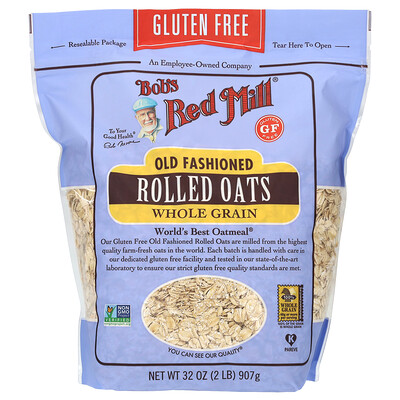
Some great options are Old Fashion Rolled Oats and Steel Cut Oats by Bob’s Red Mill, available on iHerb.com.
Quinoa
Quinoa is a naturally gluten-free whole grain that provides fiber, plant protein, and a variety of bioactive compounds.
Studies show quinoa can lower inflammatory messengers like IL-6, IL-1β, and TNF-α, which are closely tied to chronic inflammation.
While human research is still emerging, quinoa is a smart replacement for white rice, refined pasta, or crackers.
Want a 100% organic option? Try Bob’s Red Mill Organic Tri-Color Quinoa from iHerb.com.
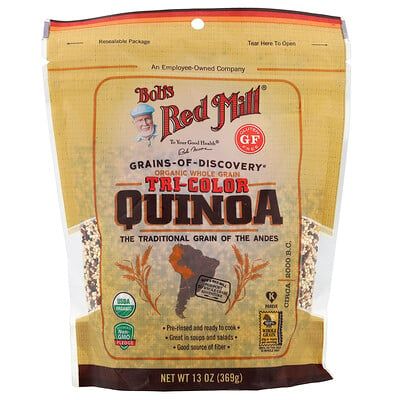
Bob's Red Mill, Organic Tri-Color Quinoa, Whole Grain, 13 oz (369 g)
Large clinical analyses consistently find that people who eat more whole grains have lower levels of inflammatory markers like CRP and IL-6.
Whole grains provide fiber and polyphenols that support your gut microbiome, strengthen the intestinal barrier, and promote the production of short-chain fatty acids — all of which help calm low-grade inflammation.
3. Processed Meats
Sausages, bacon, hot dogs, and deli meats may be convenient, but they’re some of the most inflammation-promoting foods in the modern diet.
- What they do: Processed meats contain nitrates, nitrites, excess sodium, and compounds formed during smoking or curing. These substances increase oxidative stress and can activate inflammatory pathways in the body.
- Why they’re harmful: They’re typically high in saturated fat and cholesterol and low in protective nutrients. Research links frequent processed meat intake to higher levels of inflammatory markers, particularly C-reactive protein (CRP).
- Health risks: High intake is linked to obesity, type 2 diabetes, cardiovascular disease, and colorectal cancer — all conditions closely tied to long-term inflammatory processes.
What to eat instead:
You don’t need to skip protein — you just need to choose the right types. Replacing processed meats with whole, minimally processed proteins can help lower inflammation while keeping your meals satisfying.
Fatty fish
Fatty fish (salmon, sardines, mackerel, herring) are one of the richest natural sources of omega-3 fatty acids, (especially EPA and DHA). These fats don’t just “block” inflammation; they actively help your body turn it off.
Eggs
Eggs are a high-quality protein source with important micronutrients. Clinical trials show that egg consumption does not increase key inflammatory markers like CRP.
Legumes
Legumes (beans, lentils, chickpeas) are rich in fiber, protein, and bioactive compounds like peptides, polyphenols, and saponins, which have been shown in studies to have antioxidant and anti-inflammatory effects.
Yogurt
Research shows that regular yogurt intake is linked to lower levels of IL-6 and fibrin, two important markers of chronic inflammation.
Want to eat more yogurt in your diet? Try making it yourself!
I use the Luvele Pure Yogurt Maker to make creamy, probiotic-rich yogurt regularly, and I love it. My gut is feeling better, my skin has improved, and I have more energy.
editor’s choice
Luvele Pure Yogurt Maker

This simple and high-quality yogurt maker has advanced water-bath technology, which ensures even and consistent temperatures for thick, probiotic-rich yogurt.
Key features:
*We may earn a commission at no extra cost to you.
Want to learn more about Luvele’s yogurt makers? Check out our full review: Luvele: Why It’s The Best Yogurt Maker For Gut Health.
4. Fried Foods
Foods cooked in deep-fried or high-heat oils — like French fries, fried chicken, and many packaged snacks — are some of the sneakiest sources of inflammation in the modern diet.
- What they do: Frying oils at high heat can produce peroxidized lipids (POLs) — chemically altered fats that your body absorbs throughout the gut. Research in cells and animal models shows that these fats can contribute to low-grade systemic inflammation throughout the body.
- Why they’re harmful: Regularly eating fried foods increases inflammatory signaling, oxidative stress, and bad cholesterol.
- Health risks: Frequent intake of fried foods has been associated with obesity, type 2 diabetes, atherosclerosis (plaque buildup in arteries), and inflammatory gut conditions.
How to cook instead:
You don’t have to give up your favorite flavors — just change the way you cook.
Bake, Roast, or Grill
Vegetables, potatoes, and proteins taste amazing when baked or roasted with olive oil or avocado oil instead of deep-fried. This reduces harmful oxidized fats while keeping your meals flavorful.
5. Red Meat (Excessive Consumption)
Red meat can be part of a healthy diet — but like most things, too much can tip the balance toward inflammation.
- What it does: Eating a lot of red meat, especially processed or mixed cuts, can raise key inflammation markers. Saturated fats and certain amino acids in these meats can send your immune system signals that keep low-level inflammation simmering.
- Why it’s harmful: Excessive red meat can contribute to chronic inflammation, oxidative stress, and metabolic strain. Processed meats, in particular, may worsen these effects due to added chemicals.
- Health risks: High intake of red meat has been linked to higher CRP levels, heart disease, metabolic syndrome, and other inflammation-related conditions.
How to eat red meat wisely:
Moderation is Key
Keep red meat to no more than 1–2 servings per week, focusing on lean, unprocessed cuts like sirloin, tenderloin, or grass-fed options.
Pair with Anti-Inflammatory Foods
Vegetables, whole grains, and legumes help balance the meal and reduce inflammatory responses.
6. Margarine and Shortening
Margarine, many spreads, and baked goods made with hydrogenated oils may taste great — but they’re a fast track to inflammation.
- What they do: These foods contain trans fats, which have been shown to trigger intestinal inflammation, disrupt your gut barrier, and raise pro-inflammatory cytokines. In other words, they can prime your immune system for chronic low-level inflammation.
- Why they’re harmful: Trans fats not only spark inflammation but also interfere with your gut microbiome. They can damage the intestinal lining, making it easier for toxins to reach your bloodstream — another pathway to systemic inflammation.
- Health risks: Regular intake is associated with heart disease, diabetes, colorectal cancer, and other inflammation-related conditions.
How to cut back:
Read Labels
Avoid anything labeled “partially hydrogenated oil” — it’s the trans fat warning you don’t want.
Swap Spreads
Use olive oil, avocado, or nut butters instead of margarine.
7. Highly Processed Snacks
Chips, crackers, cookies, and candy bars are quick, convenient, and often irresistible. But they’re also some of the biggest contributors to inflammation in our diets.
- What they do: These snacks are typically loaded with refined flours, added sugars, unhealthy fats, and artificial additives. Research in children and adolescents shows that high intake of ultra-processed foods (UPFs) may increase pro-inflammatory markers and lead to low-grade inflammation over time.
- Why they’re harmful: Processed snacks pack calories with almost no nutrients. That combination can fuel oxidative stress, disrupt blood sugar, and trigger inflammatory pathways in the body.
- Health risks: Frequent snacking on chips, cookies, and candy bars may contribute to metabolic syndrome, heart disease, and poor gut health.
What to snack on instead:
Choosing snacks that provide fiber, healthy fats, and antioxidants can help calm inflammation while still satisfying cravings.
Fresh Fruit (not fruit juices)
Whole fruits like berries, cherries, and grapes aren’t just tasty—they’re packed with fiber and antioxidants that help calm inflammation.
Studies show they can lower pro-inflammatory markers and boost anti-inflammatory ones, especially in people with metabolic risk factors.
Nuts and Seeds
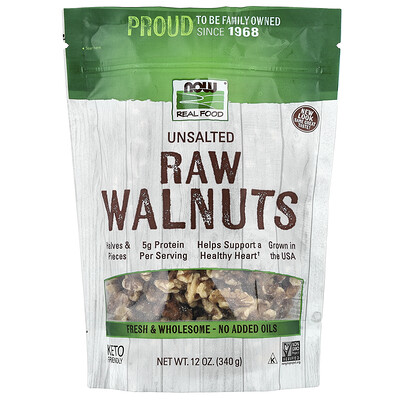
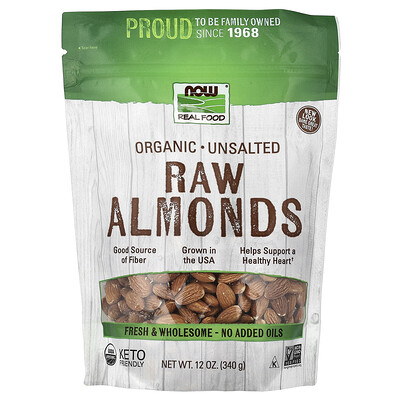
Almonds, walnuts, and other nuts and seeds are more than just a crunchy snack—they’re packed with healthy fats, fiber, and micronutrients that can help calm inflammation.
Research in over 6,000 adults showed that people who ate nuts and seeds more often had lower levels of key inflammatory markers, like C-reactive protein and interleukin-6.
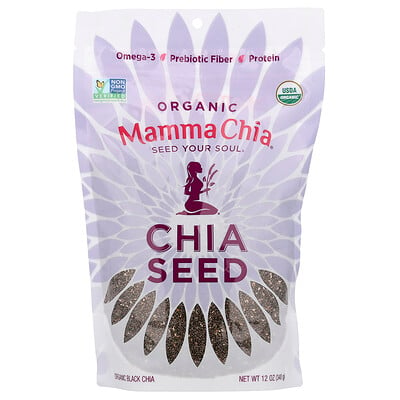
Personally, I always keep nuts and seeds, like walnuts, almonds, and chia seeds in my pantry. They’re perfect as healthy snacks or to add a bit of crunch to my yogurt or oatmeal. You can find all three on iHerb.com.
8. Excessive Alcohol
An occasional drink may work for some people, but frequent or heavy drinking is one of the strongest lifestyle drivers of chronic inflammation.
- What it does: As your body breaks down alcohol, it creates toxic byproducts that produce reactive oxygen species (ROS). These molecules damage cells and activate NF-κB, a master switch for inflammation.
- Why it’s harmful: Alcohol disrupts your gut microbiome and weakens the gut barrier, allowing bacterial toxins (LPS) to leak into the bloodstream. These toxins activate immune cells in the liver, fueling ongoing inflammation.
- Health risks: Excessive intake is linked to alcoholic liver disease, cirrhosis (permanently damaged liver), cardiovascular disease, gut disorders, weakened immunity, brain inflammation, and several cancers — all tied to chronic inflammatory stress.
What to drink instead:
If you enjoy alcohol, swapping it out has to feel satisfying — not like a punishment. These options keep the ritual, flavor, and function of a “drink,” without driving inflammation.
Sparkling water (plain or naturally infused)
Keeps the bite and habit of a drink with zero sugar or alcohol. Carbonated water hydrates effectively and may support digestion and fullness. Good hydration supports liver function and helps regulate inflammatory signaling.
💡 Tip: Add berries, cucumber, or herbs for antioxidants and flavor.
Kombucha (low sugar)
A fermented tea that provides organic acids, polyphenols, and live cultures. Research shows kombucha has antioxidant and antimicrobial activity and may support gut microbiome balance — a key regulator of inflammation.
💡 Tip: Choose low-sugar varieties or even better, make it yourself!
Non-alcoholic drinks (choose carefully)
Non-alcoholic beers and mocktails can ease the transition away from alcohol, but some raise glucose, insulin, and triglycerides — all linked to inflammation.
💡 Important Tip: Look for low-calorie, unsweetened options and think of them as transition drinks rather than consuming them regularly.
Tart cherry juice is rich in anthocyanins shown to lower oxidative stress and inflammatory markers. It also supports melatonin production and sleep — both important for inflammation control.
💡 Tip: A small splash in sparkling water makes a great alternative to wine or cocktails.
9. Artificial Sweeteners
Artificial sweeteners are often marketed as harmless sugar alternatives, but growing research suggests they can promote inflammation.
- What they do: Your gut microbes don’t ignore artificial sweeteners — they interact with them like foreign chemicals. Studies show that several non-nutritive sweeteners can change the composition and activity of gut bacteria, altering short-chain fatty acid production, bile acid metabolism, and glucose regulation.
- Why they’re harmful: The gut microbiome is a major regulator of inflammation. When artificial sweeteners disrupt microbial balance (dysbiosis), they can weaken the gut barrier and promote low-grade chronic inflammation.
- Health risks: High intake of artificial sweeteners has been associated with impaired glucose control, insulin resistance, metabolic syndrome, fatty liver changes, and increased cardiometabolic risk — all conditions closely tied to chronic inflammation.
How to sweeten instead:
Nature has some delicious anti-inflammatory alternatives when you want something sweet.
Bananas
Bananas aren’t just sweet—they’re packed with polyphenols, dopamine precursors, and other bioactive compounds that may help reduce inflammation and support recovery after exercise.
Studies show banana metabolites can calm immune cell activity and protect against oxidative stress.
Berries
Berries like blueberries, strawberries, and blackberries are little powerhouses of antioxidants. They help reduce inflammatory signaling in the body, protect cells from oxidative damage, and may lower the risk of chronic diseases.
Dates
Dates are naturally sweet and rich in fiber, flavonoids, and polyphenols. Preclinical studies suggest they can support heart health, lower oxidative stress, and improve blood lipid profiles.
Cocoa
Cocoa goes beyond a sweet treat—its polyphenols help calm inflammation, reduce pro-inflammatory markers, and protect gut and immune cells from oxidative stress.
Cinnamon and Vanilla
Ceylon cinnamon isn’t just delicious — it can help calm inflammation and fight oxidative stress. Vanilla, thanks to its main compound vanillic acid, protects your immune system, lowers inflammatory signals, and acts as a natural antioxidant.

10. Refined Oils
Vegetable oils high in omega-6 fatty acids are staples in fried foods, baked goods, and processed snacks.
- What they do: These oils are rich in omega-6 fats, which are essential in moderation. However, excessive intake can imbalance the omega-6 to omega-3 ratio, promoting inflammatory signaling in the body.
- Why they’re harmful: Diets high in partially hydrogenated or overly processed oils have been linked to higher levels of inflammatory markers, including CRP.
- Health risks: Frequent consumption of refined and hydrogenated oils can contribute to chronic inflammation, increasing the risk of heart disease, metabolic dysfunction, and other inflammation-related conditions.
What to Eat Instead:
Swap refined vegetable oils for monounsaturated fats with powerful anti-inflammatory benefits.
Extra Virgin Olive Oil (EVOO)
EVOO is rich in polyphenols—plant compounds that act as antioxidants and support healthy metabolism.
Studies show that EVOO can improve cholesterol levels, reduce blood sugar markers, and lower pro-inflammatory molecules such as CRP.
But not all extra virgin olive oils are created equal. If you’re looking for premium EVOO made from the finest olives and packed with nutrients, these three options stand out:
- Oro Bailen Reserva Familiar Picual – an award-winning EVOO bursting with antioxidants.
- Quattrociocchi Superbo Organic – a truly healthy, organic EVOO rich in polyphenols.
- Entelia – a versatile EVOO with a delicate flavor, great for everyday cooking.


Avocado Oil
Avocado oil is rich in monounsaturated fatty acids, polyphenols, carotenoids, and other antioxidants.
Research shows it can reduce inflammation, support immune function, improve blood lipid profiles, and promote healthy gut microbiota.
But that’s not all! The anti-inflammatory and antioxidant properties of avocado oil also help protect against chronic diseases like cardiovascular disease, diabetes, and metabolic syndrome.
11. Pastries and Baked Goods
Cakes, donuts, muffins, and pies are often packed with sugar, refined flour, and trans fats — a triple threat for inflammation.
- What they do: High intake of these foods spikes blood sugar and triggers inflammatory pathways in the body.
- Why they’re harmful: Excess sugar can trigger the body’s inflammatory response, increasing markers like IL-6, IL-1β, TNF-α, and CRP — all signs of low-grade chronic inflammation.
- Health risks: Regularly consuming pastries and sweetened baked goods is linked to obesity, metabolic disease, insulin resistance, and an overall increase in chronic inflammation.
what to eat instead:
Fresh Fruit
Berries, cherries, and citrus fruits are naturally sweet and packed with antioxidants and polyphenols that help fight inflammation.
Whole-Grain or Oat-Based Treats
Swap refined flour for oats, whole grains, or almond flour for added fiber and nutrients.
Dark Chocolate
Choose 70% cocoa or higher to enjoy a sweet treat with anti-inflammatory flavonoids.
12. Ice Cream
Most store-bought ice-creams are loaded with sugar, unhealthy fats, and emulsifiers — a mix that can stir up inflammation in your body.
- What it does: Sugar spikes CRP and other inflammatory markers, while trans fats push your body to release pro-inflammatory molecules. Emulsifiers, which make ice cream creamy, have been shown in animal studies to disrupt gut bacteria and weaken the intestinal barrier — a key driver of low-grade chronic inflammation.
- Why it’s harmful: Eating ice cream regularly can keep your body in a state of constant low-level stress, even if you feel fine on the outside.
- Health risks: Over time, high intake is linked to obesity, type 2 diabetes, heart disease, and other metabolic problems.
what to eat instead:
Make your own ice cream at home! This lets you skip the added sugars, trans fats, and processed emulsifiers that trigger inflammation.
Try these ideas:
13. White Rice
White rice is a highly refined carbohydrate with most of its fiber, vitamins, and minerals stripped away.
- What it does: White rice causes rapid spikes in blood glucose and insulin. These swings activate inflammatory signaling pathways and increase oxidative stress, both of which contribute to low-grade chronic inflammation.
- Why it’s harmful: Diets built around refined grains promote metabolic strain. Repeated blood-sugar spikes can stimulate inflammatory messengers and raise markers like C-reactive protein (CRP), a key indicator of systemic inflammation.
- Health risks: High intake of refined grains such as white rice is associated with increased risk of weight gain, insulin resistance, type 2 diabetes, cardiovascular disease, and chronic inflammatory conditions.
what to eat instead:
No need to ditch rice — just make a simple swap.
Brown Rice
Switching white rice for brown rice can help lower inflammation, support healthy weight, and keep your blood pressure in check.
Packed with fiber, minerals, and beneficial compounds, brown rice digests more slowly, helping prevent blood-sugar spikes that fuel inflammation.
14. Candy and Sweets
Chocolate bars, gummies, hard candies, and chewy treats are some of the biggest sugar bombs in the modern diet.
- What they do: Eating lots of sugar — especially fructose and sucrose — sparks inflammation. It boosts markers like CRP, IL-6, and TNF-α, triggers key inflammatory pathways, and ramps up oxidative stress while messing with insulin signaling.
- Why they’re harmful: Too much sugar keeps your body in a constant low-level “on” state of inflammation. It triggers fat tissue and the liver to release inflammatory signals, and even weakens your gut barrier, letting inflammatory molecules into your bloodstream.
- Health risks: Regular candy and sweet intake is linked to insulin resistance, metabolic syndrome, type 2 diabetes, fatty liver, heart problems, and even inflammation-related effects on brain areas important for learning and memory.
what to eat instead:
You don’t have to cut out sugar completely, but reducing it or swapping for healthier options can help lower inflammation.
Here are some tasty alternatives:
15. Fast Food Meals
Fast food is convenient and tasty, but it often combines refined carbs, added sugar, trans fats, processed meats, and additives — a recipe for inflammation.
- What it does: Eating a lot of fast food and ultra-processed meals can disrupt your gut microbiome, lower the production of protective short-chain fatty acids, and weaken your intestinal barrier. This fuels both gut and systemic inflammation, keeping your immune system in overdrive.
- Why it’s harmful: Regular fast food intake is strongly linked to chronic gut inflammation. Studies show higher consumption is associated with an increased risk of inflammatory bowel conditions like ulcerative colitis and Crohn’s disease.
- Health risks: Beyond gut inflammation, frequent fast food consumption is tied to obesity, type 2 diabetes, metabolic syndrome, heart disease, non-alcoholic fatty liver disease, and even poorer mental health.
what to eat instead:
Swap fast food for home-cooked, minimally processed meals.
Include:
16. Flavored Coffee Drinks
Sweetened lattes, frappes, and mochas may taste like a treat, but many are more dessert than coffee. Packed with added sugar, flavored syrups, whipped cream, and refined carbs, these drinks can trigger inflammation.
- What they do: Sugar spikes blood sugar and insulin, activating inflammatory pathways and markers that can contribute to low-grade chronic inflammation. Over time, excess sugar can also increase gut permeability, allowing inflammatory signals to spread systemically.
- Why they’re harmful: Sweetened coffee is linked to higher inflammatory markers and metabolic stress.
- Health risks: Regular consumption of sugar-laden coffee drinks has been linked to weight gain, insulin resistance, type 2 diabetes, metabolic syndrome, and increased cardiometabolic risk — all closely tied to chronic inflammation.
what to drink instead:
Good news: you don’t have to give up coffee — it’s packed with antioxidants that may help reduce inflammation.
But sugar cancels out most of these benefits, so stick to:
17. Energy Drinks
Energy drinks might promise a quick boost of focus and stamina, but the reality is a little harsher. Most are packed with sugar, caffeine, and synthetic additives — a combo your body isn’t really built to handle.
- What they do: Studies in animals suggest that energy drinks can irritate the gut, triggering immune activity and messing with normal tissue repair. On top of that, all the sugar can ramp up oxidative stress and switch on inflammatory pathways throughout the body.
- Why they’re harmful: Drinking energy drinks regularly can strain your gut lining and blood vessels, making it harder for your body to heal properly. Even if inflammation doesn’t spike right away in the bloodstream, these small tissue-level changes can add up over time.
- Health risks: Regular consumption is linked to metabolic problems, insulin resistance, gut inflammation, cardiovascular stress, and those notorious energy crashes that make you reach for another can.
what to drink instead:
Swap energy drinks for options that give you a natural boost without the sugar overload and inflammatory stress.
18. White Pasta
White pasta may be a classic comfort food, but most of its fiber, vitamins, and protective plant compounds are stripped away.
- What it does: Because white pasta is low in fiber, it’s digested quickly. This leads to rapid spikes in blood sugar and insulin, which over time can activate inflammatory pathways. Studies link diets high in refined grains to higher levels of hs-CRP, a common marker of low-grade chronic inflammation.
- Why it’s harmful: Without fiber to slow digestion, eating white pasta regularly can create repeated blood-sugar swings that strain metabolism and promote inflammation.
- Health risks: High intake of refined grains has been linked to insulin resistance, weight gain, metabolic syndrome, and increased cardiovascular risk, especially when they replace whole-grain foods.
what to eat insteaD:
Choose whole-grain options that support gut health, improve blood sugar control, and is associated with lower inflammation levels.
19. Packaged Sauces and Dressings
Store-bought sauces, salad dressings, and condiments often look harmless, but many fall into the category of ultra-processed foods (UPFs). When used frequently, they can contribute to inflammation without you even realizing it.
- What they do: Most packaged sauces are made with added sugars, refined oils, excess salt, and emulsifiers. Research links these ingredients to higher levels of low-grade inflammation, including elevated C-reactive protein (CRP).
- Why they’re harmful: It’s not just what’s in these sauces — it’s how they’re made. Ultra-processing itself may promote inflammation. Additives like emulsifiers and artificial sweeteners can disrupt gut bacteria and weaken the intestinal barrier, a key pathway in chronic inflammation.
- Health risks: Higher intake of ultra-processed foods, including packaged sauces and dressings, has been associated with obesity, metabolic syndrome, cardiovascular disease, type 2 diabetes, certain cancers, depression, and increased all-cause mortality.
what to eat instead:
20. Certain Dairy Products
Dairy isn’t one-size-fits-all when it comes to inflammation. While some dairy foods appear neutral or even beneficial, a high intake of butter and certain processed full-fat dairy products may contribute to inflammation — especially in people who are more sensitive.
- What they do: Butter is especially high in saturated fat, and research has linked higher butter intake to increased levels of C-reactive protein (CRP), a marker of low-grade inflammation.
- Why it’s harmful: Regularly consuming large amounts of saturated fat can promote inflammatory signaling and metabolic stress over time. Processing also plays a role — refined, low-fiber dairy products tend to have a different inflammatory impact compared to whole or fermented options.
- Health risks: Regular high intake of butter and similar products has been linked to higher inflammation levels, which are associated with increased risk of cardiovascular disease and metabolic disorders in the long term.
what to eat instead:
You don’t have to avoid butter completely, but to keep inflammation in check, aim to use it in moderation and focus on:
Final Thoughts
You have the power to help your body feel its best — one meal at a time. Treat yourself occasionally, but don’t let inflammatory foods sneak in day after day.
Swap out the refined carbs, sugary snacks, fried foods, and processed meats for whole grains, colorful fruits and veggies, lean proteins, and healthy fats.
These simple swaps calm inflammation, protect your organs, and set you up for long-term health — all while still enjoying meals you love.
*This article is for informational purposes only and is not intended as medical advice. It should not be used to diagnose, treat, or prevent any health condition. Always consult a qualified healthcare professional before making any changes to your diet, exercise, or health routine.
Almofarreh, Anas et al. “The Association Between Fast Food Consumption and Inflammatory Bowel Disease: A Case-Control Study and Meta-Analysis.” Nutrients vol. 17,11 1838. 28 May. 2025, doi:10.3390/nu17111838. Adapted and used under the terms of the Creative Commons Attribution 4.0 International License.
Annunziata, Giuseppe et al. “Differential impact of coffee quantity and sweetening on body composition parameters and inflammation.” Frontiers in nutrition vol. 12 1673677. 17 Sep. 2025, doi:10.3389/fnut.2025.1673677. Adapted and used under the terms of the Creative Commons Attribution 4.0 International License.
Awad, Camila et al. “Ultra-Processed Foods and Markers of Systemic Inflammation in Children.” Food science & nutrition vol. 13,9 e70795. 1 Sep. 2025, doi:10.1002/fsn3.70795. Adapted and used under the terms of the Creative Commons Attribution 4.0 International License.
Barforoush, Fateme et al. “The Effect of Tart Cherry on Sleep Quality and Sleep Disorders: A Systematic Review.” Food science & nutrition vol. 13,9 e70923. 16 Sep. 2025, doi:10.1002/fsn3.70923. Adapted and used under the terms of the Creative Commons Attribution 4.0 International License.
Correia, Marta et al. “Unraveling the Extra Virgin Olive Oil Effect on Inflammation and on Gut and Saliva Microbiota.” Biomolecules vol. 15,3 338. 26 Feb. 2025, doi:10.3390/biom15030338. Adapted and used under the terms of the Creative Commons Attribution 4.0 International License.
D'Antonio, Veronica et al. “Unraveling the Role of Foods on Chronic Anti- and Pro-Inflammatory Cytokines: A Systematic Review of Chronic Dietary Intervention Trials in Humans.” Nutrients vol. 17,17 2834. 30 Aug. 2025, doi:10.3390/nu17172834. Adapted and used under the terms of the Creative Commons Attribution 4.0 International License.
De Gaetano, Anna et. al. "221 Effects of energy drinks on inflammatory response: study in vivo in rats.", European Heart Journal Supplements, Volume 23, Issue Supplement_G, December 2021, suab131.005, https://doi.org/10.1093/eurheartj/suab131.005. Abstract only.
Esmaillzadeh, Ahmad, and Leila Azadbakht. “Home use of vegetable oils, markers of systemic inflammation, and endothelial dysfunction among women.” The American journal of clinical nutrition vol. 88,4 (2008): 913-21. doi:10.1093/ajcn/88.4.913. Abstract only.
Fic, Weronika, and Ewelina Polak-Szczybyło. 2025. "Dietary Factors Influencing the Intensity of Low-Grade Inflammation in Obesity." Obesities 5, no. 1: 12, 2025, https://doi.org/10.3390/obesities5010012. Adapted and used under the terms of the Creative Commons Attribution 4.0 International License.
Hetta, Helal F et al. “Artificial Sweeteners: A Double-Edged Sword for Gut Microbiome.” Diseases (Basel, Switzerland) vol. 13,4 115. 15 Apr. 2025, doi:10.3390/diseases13040115. Adapted and used under the terms of the Creative Commons Attribution 4.0 International License.
Jiang, Rui et al. “Nut and seed consumption and inflammatory markers in the multi-ethnic study of atherosclerosis.” American journal of epidemiology vol. 163,3 (2006): 222-31. doi:10.1093/aje/kwj033. Abstract only.
Juárez-Chairez, Milagros Faridy et al. “Potential anti-inflammatory effects of legumes: a review.” The British journal of nutrition vol. 128,11 (2022): 2158-2169. doi:10.1017/S0007114522000137. Abstract only.
Kazemzadeh, Mahdieh et al. “Effect of Brown Rice Consumption on Inflammatory Marker and Cardiovascular Risk Factors among Overweight and Obese Non-menopausal Female Adults.” International journal of preventive medicine vol. 5,4 (2014): 478-88, https://pmc.ncbi.nlm.nih.gov/articles/PMC4018597/. Abstract only.
Keewan, Esra'a et al. “Are Fried Foods Unhealthy? The Dietary Peroxidized Fatty Acid, 13-HPODE, Induces Intestinal Inflammation In Vitro and In Vivo.” Antioxidants (Basel, Switzerland) vol. 9,10 926. 27 Sep. 2020, doi:10.3390/antiox9100926. Adapted and used under the terms of the Creative Commons Attribution 4.0 International License.
Kreimeyer, Henriette et al. “Non-Alcoholic Beer Influences Glucose and Lipid Metabolism and Changes Body Composition in Healthy, Young, Male Adults.” Nutrients vol. 17,10 1625. 9 May. 2025, doi:10.3390/nu17101625. Adapted and used under the terms of the Creative Commons Attribution 4.0 International License.
Land Lail, Hannah et al. “Berries as a Treatment for Obesity-Induced Inflammation: Evidence from Preclinical Models.” Nutrients vol. 13,2 334. 23 Jan. 2021, doi:10.3390/nu13020334. Adapted and used under the terms of the Creative Commons Attribution 4.0 International License.
Lucas, Kurt et al. “Cinnamon and Hop Extracts as Potential Immunomodulators for Severe COVID-19 Cases.” Frontiers in plant science vol. 12 589783. 26 Feb. 2021, doi:10.3389/fpls.2021.589783. Adapted and used under the terms of the Creative Commons Attribution 4.0 International License.
Ma, Xiao et al. “Excessive intake of sugar: An accomplice of inflammation.” Frontiers in immunology vol. 13 988481. 31 Aug. 2022, doi:10.3389/fimmu.2022.988481. Adapted and used under the terms of the Creative Commons Attribution 4.0 International License.
Magiera, Anna et al. “Antioxidant and Anti-Inflammatory Effects of Vanillic Acid in Human Plasma, Human Neutrophils, and Non-Cellular Models In Vitro.” Molecules (Basel, Switzerland) vol. 30,3 467. 22 Jan. 2025, doi:10.3390/molecules30030467. Adapted and used under the terms of the Creative Commons Attribution 4.0 International License.
Magrone, Thea et al. “Cocoa and Dark Chocolate Polyphenols: From Biology to Clinical Applications.” Frontiers in immunology vol. 8 677. 9 Jun. 2017, doi:10.3389/fimmu.2017.00677. Adapted and used under the terms of the Creative Commons Attribution 4.0 International License.
Malek Mahdavi, Aida et al. “Effects of Quinoa (Chenopodium quinoa) on inflammatory mediators: a systematic review of preclinical studies.” Inflammopharmacology vol. 31,1 (2023): 241-251. doi:10.1007/s10787-022-01091-y. Abstract only.
Marra, Anita, et al. “Avocado and Its By-Products as Natural Sources of Valuable Anti-Inflammatory and Antioxidant Bioactives for Functional Foods and Cosmetics with Health-Promoting Properties.” Applied Sciences, vol. 14, no. 14, 2024, p. 5978. doi:10.3390/app14145978. Adapted and used under the terms of the Creative Commons Attribution 4.0 International License.
Mendivil, Carlos O. “Dietary Fish, Fish Nutrients, and Immune Function: A Review.” Frontiers in nutrition vol. 7 617652. 20 Jan. 2021, doi:10.3389/fnut.2020.617652. Adapted and used under the terms of the Creative Commons Attribution 4.0 International License.
Mohamadi, Azam et al. “Inflammatory markers may mediate the relationship between processed meat consumption and metabolic unhealthy obesity in women: a cross sectional study.” Scientific reports vol. 13,1 9261. 7 Jun. 2023, doi:10.1038/s41598-023-35034-6. Adapted and used under the terms of the Creative Commons Attribution 4.0 International License.
Neumann, Karoline et al. “A Refined Carbohydrate-Rich Diet Reduces Vascular Reactivity Through Endothelial Oxidative Stress and Increased Nitric Oxide: The Involvement of Inducible Nitric Oxide Synthase.” Nutrients vol. 17,15 2395. 22 Jul. 2025, doi:10.3390/nu17152395. Adapted and used under the terms of the Creative Commons Attribution 4.0 International License.
Nieman, David C et al. “Metabolic recovery from heavy exertion following banana compared to sugar beverage or water only ingestion: A randomized, crossover trial.” PloS one vol. 13,3 e0194843. 22 Mar. 2018, doi:10.1371/journal.pone.0194843. Adapted and used under the terms of the Creative Commons Attribution 4.0 International License.
Okamura, Takuro et al. “Trans Fatty Acid Intake Induces Intestinal Inflammation and Impaired Glucose Tolerance.” Frontiers in immunology vol. 12 669672. 29 Apr. 2021, doi:10.3389/fimmu.2021.669672. Adapted and used under the terms of the Creative Commons Attribution 4.0 International License.
Partridge, D et al. “Food additives: Assessing the impact of exposure to permitted emulsifiers on bowel and metabolic health - introducing the FADiets study.” Nutrition bulletin vol. 44,4 (2019): 329-349. doi:10.1111/nbu.12408. Adapted and used under the terms of the Creative Commons Attribution 4.0 International License.
Paudel, Devendra et al. “A Review of Health-Beneficial Properties of Oats.” Foods (Basel, Switzerland) vol. 10,11 2591. 26 Oct. 2021, doi:10.3390/foods10112591. Adapted and used under the terms of the Creative Commons Attribution 4.0 International License.
Radeva-Ilieva, Maya et al. “Green Tea: Current Knowledge and Issues.” Foods (Basel, Switzerland) vol. 14,5 745. 22 Feb. 2025, doi:10.3390/foods14050745. Adapted and used under the terms of the Creative Commons Attribution 4.0 International License.
Sajadi Hezaveh, Zohreh et al. “Effect of egg consumption on inflammatory markers: a systematic review and meta-analysis of randomized controlled clinical trials.” Journal of the science of food and agriculture vol. 99,15 (2019): 6663-6670. doi:10.1002/jsfa.9903. Abstract only.
Serra-Majem, Lluís et al. “Updating the Mediterranean Diet Pyramid towards Sustainability: Focus on Environmental Concerns.” International journal of environmental research and public health vol. 17,23 8758. 25 Nov. 2020, doi:10.3390/ijerph17238758. Adapted and used under the terms of the Creative Commons Attribution 4.0 International License.
Sikalidis, Angelos K et al. “Non-Alcoholic Beverages, Old and Novel, and Their Potential Effects on Human Health, with a Focus on Hydration and Cardiometabolic Health.” Medicina (Kaunas, Lithuania) vol. 56,10 490. 23 Sep. 2020, doi:10.3390/medicina56100490. Adapted and used under the terms of the Creative Commons Attribution 4.0 International License.
Taskinen, Riikka E et al. “The associations between whole grain and refined grain intakes and serum C-reactive protein.” European journal of clinical nutrition vol. 76,4 (2022): 544-550. doi:10.1038/s41430-021-00996-1. Adapted and used under the terms of the Creative Commons Attribution 4.0 International License.
Tharmalingam, Jayaraman et al. “Impact of Alcohol on Inflammation, Immunity, Infections, and Extracellular Vesicles in Pathogenesis.” Cureus vol. 16,3 e56923. 25 Mar. 2024, doi:10.7759/cureus.56923. Adapted and used under the terms of the Creative Commons Attribution 4.0 International License.
Tristan Asensi, Marta et al. “Low-Grade Inflammation and Ultra-Processed Foods Consumption: A Review.” Nutrients vol. 15,6 1546. 22 Mar. 2023, doi:10.3390/nu15061546. Adapted and used under the terms of the Creative Commons Attribution 4.0 International License.
Voutilainen, Elisa K et al. “Associations of fermented and non-fermented dairy consumption with serum C-reactive protein concentrations - A cross-sectional analysis.” Clinical nutrition ESPEN vol. 48 (2022): 401-407. doi:10.1016/j.clnesp.2022.01.011. Adapted and used under the terms of the Creative Commons Attribution 4.0 International License.
Wang, Yu et al. “The Effects of Red Meat Intake on Inflammation Biomarkers in Humans: A Systematic Review and Meta-Analysis of Randomized Controlled Trials.” Current Developments in Nutrition vol. 6,Suppl 1 994. 14 Jun. 2022, doi:10.1093/cdn/nzac068.023. Abstract only.
Xu, Yujie et al. “Whole grain diet reduces systemic inflammation: A meta-analysis of 9 randomized trials.” Medicine vol. 97,43 (2018): e12995. doi:10.1097/MD.0000000000012995. Adapted and used under the terms of the Creative Commons Attribution 4.0 International License.
Yu, Xiaoping et al. “Overview of anti-inflammatory diets and their promising effects on non-communicable diseases.” The British journal of nutrition vol. 132,7 (2024): 898-918. doi:10.1017/S0007114524001405. Adapted and used under the terms of the Creative Commons Attribution 4.0 International License.
Yuan, Mengjie et al. “Yogurt Consumption Is Associated with Lower Levels of Chronic Inflammation in the Framingham Offspring Study.” Nutrients vol. 13,2 506. 4 Feb. 2021, doi:10.3390/nu13020506. Adapted and used under the terms of the Creative Commons Attribution 4.0 International License.

Malin, the co-founder of Courier Wellness, is well-informed in nutrition and health and brings her own unique perspective to the world of holistic wellness. With a passion for writing and a deep interest in wellbeing, she wants to create content that fosters balance and nourishment for the mind and body.