Could the Blue Zones Diet Be the Healthiest Way to Eat?
This post contains affiliate links, which means we may earn a commission if you purchase through our links—at no extra cost to you. As an Amazon Associate we earn from qualifying purchases. We only recommend products we use or trust. Learn more about affiliate marketing or read our full disclosure.
Every few years, a new “best diet” takes the spotlight in the health world.
One year it’s keto. Next it’s paleo, intermittent fasting, carnivore, low-fat, or a strict plant-based approach.
But while diet trends come and go, one way of eating continues to stand out for a very different reason:
The people who follow it often live remarkably long, healthy lives.
The blue zones diet is based on the traditional eating habits of communities where people regularly live into their 90s and even 100s, while experiencing lower rates of chronic disease.
Unlike many modern fad diets, the blue zones diet wasn’t created in a lab or promoted as a weight-loss solution. Instead, it developed naturally over generations, shaped by local culture, farming traditions, environmental conditions, and everyday life.
So, could the blue zones diet really be one of the healthiest ways to eat?
There’s no simple yes-or-no answer. But the research behind it is compelling and well worth exploring.
What Is the Blue Zones Diet?
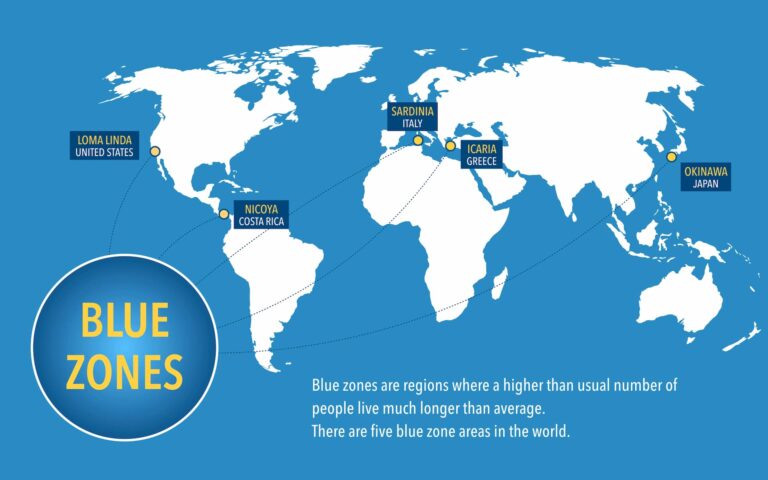
The blue zones diet is inspired by the traditional eating habits of people living in five regions of the world that are well known for their exceptional longevity:
- Okinawa, Japan
- Sardinia, Italy
- Nicoya, Costa Rica
- Ikaria, Greece
- Loma Linda, California
Even though these regions differ widely in culture and geography, their traditional diets share several important similarities.
Most blue zones diets emphasize:
- Whole foods
- Plant-based meals
- Beans and legumes
- Vegetables
- Whole grains
- Nuts and seeds
- Moderate eating habits
Highly processed foods are eaten only occasionally. Animal products are also usually eaten in smaller amounts than they are in many modern diets.
Most importantly, the blue zones diet is not a strict meal plan. It’s better understood as an overall way of eating that has developed through steady lifestyle habits over many years.
Blue Zones Diet and Longevity
The main reason the blue zones diet gets so much attention is simple:
People who eat this way often live remarkably long lives.
Researchers studying blue zones have found:
- High numbers of centenarians
- Lower rates of heart disease
- Reduced obesity levels
- Lower incidence of chronic illnesses
- Better physical function in older age
No diet can promise a longer life, but blue zones offer real-world examples of communities that have stayed healthy and active across generations, not just in short-term research studies.
That matters because many modern diets may lead to quick results, but they can be hard to stick with over time.
The blue zones diet appears to be sustainable because it fits naturally into people’s daily lives and routines.
The Diet Is Built Around Whole Foods
One of the biggest reasons the blue zones diet may support good health is its focus on minimally processed foods.
Meals are typically centered around:
- Beans
- Lentils
- Vegetables
- Sweet potatoes
- Whole grains
- Fruits
- Olive oil
- Nuts
By contrast, many modern diets rely heavily on ultra-processed foods, including:
- Sugary drinks
- Packaged snacks
- Fast food
- Refined carbohydrates
- Processed meats
Research consistently links a high intake of ultra-processed foods to:
- Obesity
- Type 2 diabetes
- Cardiovascular disease
- A higher risk of early death
One of the most interesting things about the blue zones diet is that it naturally limits many of these foods without relying on strict rules or complicated restrictions.
Research also shows that diets rich in plant foods, such as fruits, vegetables, legumes, and whole grains, are associated with a lower risk of all-cause mortality than diets high in red and processed meats, refined carbohy
book tip
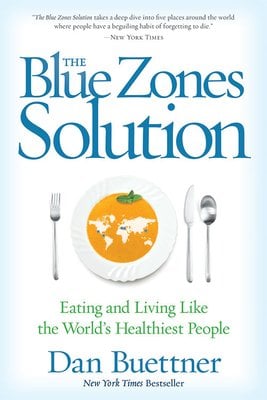
The Blue Zones Solution
By Dan Buettner
Want to know the secrets to living longer, healthier, and happier?
Did you know? Bookshop.org gives 80%+ of their profits to support independent bookstores.
*We may earn a commission at no extra cost to you.
Beans May Be One of the Healthiest Foods on Earth
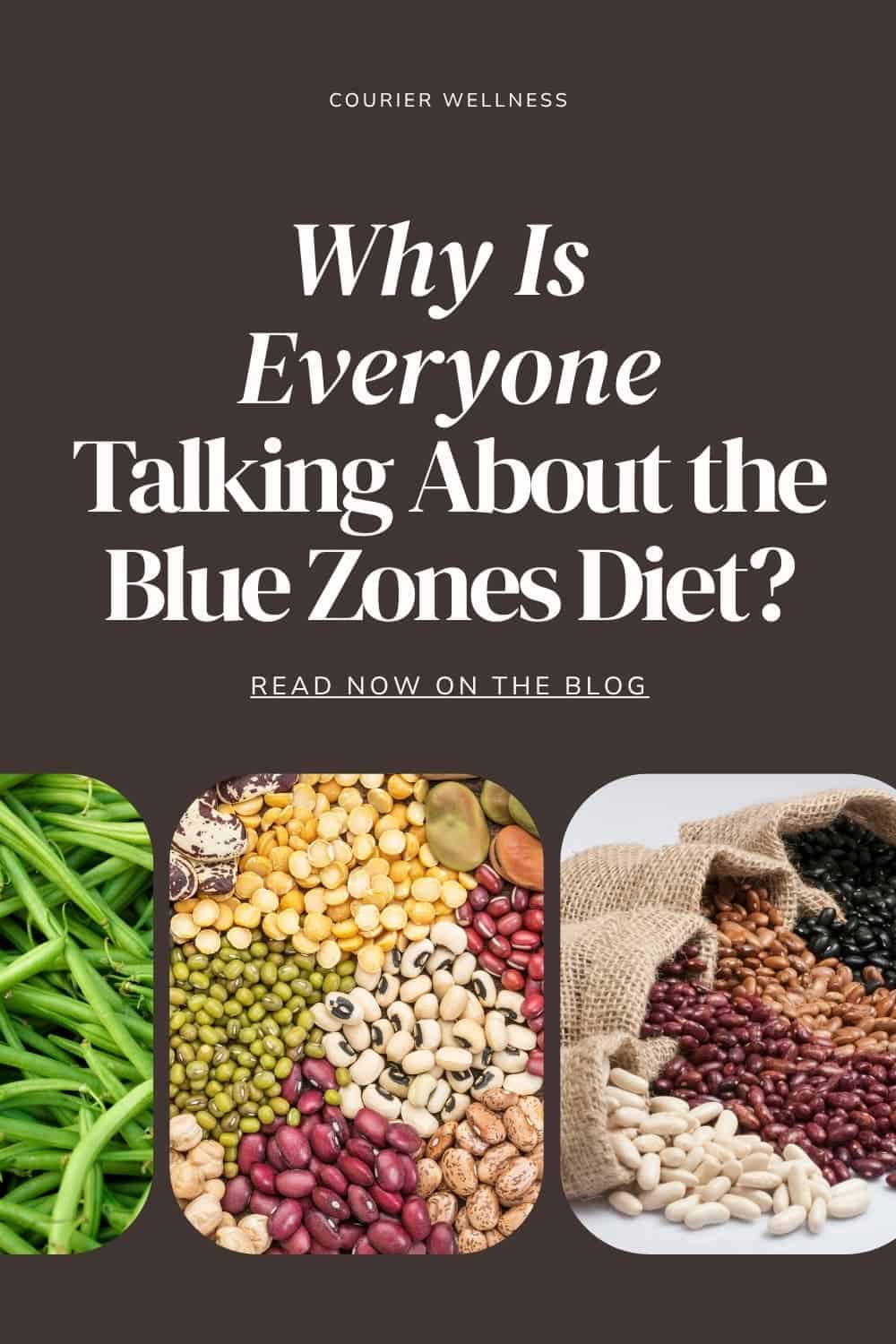
One of the most important staples of the blue zones diet is beans.
- Black beans in Nicoya.
- Soybeans in Okinawa.
- Chickpeas and lentils in Mediterranean regions.
Beans are:
- High in fiber
- Rich in plant protein
- Low in saturated fat
- Nutrient-dense
- Affordable
They also help support:
- Blood sugar regulation
- Heart health
- Gut microbiome diversity
- Feeling full and satisfied after meals
Despite their impressive nutritional value, beans are surprisingly underused in many modern diets.
In blue zones, however, people often eat beans every day. That consistent habit may be one of the key reasons these traditional diets support long-term health.
The Blue Zones Diet Is Naturally High in Fiber
Fiber is one of the most overlooked nutrients in modern diets. Many processed foods lose much of their natural fiber during manufacturing.
The blue zones diet is naturally high in fiber because it emphasizes:
- Legumes
- Vegetables
- Whole grains
- Fruits
One study found that people who ate legumes at least four times per week had a 22% lower risk of coronary heart disease.
Fiber helps support:
- Digestive health
- More stable blood sugar
- Lower cholesterol
- Feeling full after meals
- Healthy gut bacteria
High-fiber eating patterns are consistently associated with a lower risk of chronic disease.
One of the strengths of the blue zones diet is that it provides these benefits naturally, without relying on supplements or specialized “health products.”
Research also suggests that moving from a typical Western diet to one centered on whole grains, legumes, nuts, fruits, and vegetables—while reducing red and processed meats and added sugar—could add a decade or more to life expectancy.
RELATED POST: 8 Blue Zones Diet Secrets for Cutting Out Ultra-Processed Foods
Portion Control Happens Naturally
Unlike many modern diets, the blue zones diet doesn’t revolve around counting calories. Instead, moderation is naturally built into everyday life and culture.
For example, in Okinawa, people traditionally practice “Hara Hachi Bu,” which means stopping eating when you feel about 80% full.
Meals are often:
- Smaller
- Slower
- Less calorie-dense
This naturally helps reduce the likelihood of overeating.
Modern food environments often encourage you to eat more than your body needs through:
- Large portions
- Hyper-palatable foods
- Constant snacking
- Sugary drinks
By contrast, the blue zones diet encourages satisfaction through fiber-rich, nutrient-dense foods and slower eating habits, rather than simply consuming more calories.
The Blue Zones Diet Is Less Restrictive Than Many Fad Diets
One reason many diets fail over time is that they can feel overly restrictive.
Extreme dietary rules can lead to:
- Burnout
- Feeling socially cut off
- Habits that are difficult to maintain
- Rebound overeating
The blue zones diet, however, is much more flexible.
People can still enjoy:
- Bread
- Pasta
- Wine in moderation
- Traditional desserts from time to time
There’s no emphasis on being perfect all the time. That flexibility may be one of the biggest reasons this way of eating feels both practical and sustainable over the long term.
Healthy Eating Is Embedded Into Lifestyle
Another reason the blue zones diet may be so effective has less to do with the food itself and more to do with the lifestyle that surrounds it.
Meals are often:
- Shared with others
- Eaten slowly
- Homemade
- Part of a daily routine
By contrast, modern eating habits often include:
- Fast food
- Eating while distracted
- Eating alone
- Constant rushing
In blue zones, the environment naturally supports healthy eating, making it feel like part of everyday life rather than something you have to constantly work at.
The Diet Supports Better Metabolic Health
Blue zones diets typically include:
- Fewer refined sugars
- More complex carbohydrates
- More fiber
- Less processed food
This combination may help support:
- Insulin sensitivity
- Blood sugar control
- More stable energy levels
Many modern diets, however, tend to have the opposite effect:
- Fast blood sugar spikes
- Energy crashes
- Stronger cravings
Blue zones eating patterns generally promote slower digestion and steadier energy throughout the day.
It May Reduce Chronic Inflammation
Chronic inflammation is associated with many health conditions that commonly develop with age:
- Heart disease
- Diabetes
- Cognitive decline
- Certain cancers
The blue zones diet includes a variety of anti-inflammatory foods, including:
- Olive oil
- Vegetables
- Beans
- Nuts
- Herbs
- Fruits
At the same time, it contains relatively small amounts of highly processed foods, which are often linked to increased inflammation.
The Blue Zones Diet Prioritizes Sustainability Over Perfection
Many modern diets can be difficult to maintain because they often rely on:
- Constant willpower
- Tracking everything you eat
- Strict restriction
- Elimination rules
The blue zones diet is different because it evolved naturally over many generations.
People don’t typically “start” or “stop” the diet. Instead, it becomes a natural part of everyday life.
That long-term sustainability may be one of its greatest strengths.
A reasonably healthy way of eating that you can maintain for years is often more beneficial than extreme dieting that comes and goes.
The Social Component May Be Just as Important as the Food
One aspect of blue zones eating that often gets overlooked is the social environment surrounding meals.
In these communities:
- Meals are shared with others
- Families regularly eat together
- Food is connected to tradition and daily rituals
Social eating may influence:
- How fast you eat
- How much you eat
- Mental well-being
- Stress levels
Modern eating habits often separate food from community. Many people eat while distracted or on their own.
Blue zones suggest that healthy eating isn’t just about nutrition—it’s also about connection, community, and culture.
Is the Blue Zones Diet Perfect?
No diet is perfect for everyone. There are also some important limitations to consider.
For example:
- Genetics still play a major role in longevity
- Lifestyle factors beyond diet matter a lot
- Some blue zones traditions are difficult to replicate elsewhere
- Modern food access and work schedules are very different today
It’s also worth remembering that most blue zones research is observational. That means researchers are identifying patterns rather than conducting tightly controlled long-term experiments.
Even so, the consistency of the findings across multiple populations is difficult to ignore.
The Blue Zones Diet Is Not a “Magic Solution”
It’s important not to oversimplify longevity. The blue zones diet alone is unlikely to be the sole reason people live exceptionally long lives.
Other factors clearly contribute as well:
- Physical activity
- Social connection
- Sense of purpose
- Lower stress levels
- Sleep
- Environment
The diet works as part of a much broader lifestyle.
That may help explain why isolated diet trends often fail to produce similar results. Long-term health rarely depends on a single factor.
Why the Blue Zones Diet Feels So Different From Modern Dieting
Modern diet culture often focuses on:
- Fast results
- Weight loss
- Restriction
- Short-term transformation
The blue zones diet, by contrast, places greater emphasis on:
- Long-term nourishment
- Consistency
- Simplicity
- Sustainability
This creates a very different relationship with food. Rather than trying to optimize every detail, people simply practice healthy habits consistently over time.
That long-term approach may be more closely aligned with lasting health.
What We Can Learn From the Blue Zones Diet
You don’t have to perfectly replicate blue zones eating habits to benefit from their lessons.
Some practical takeaways include:
- Eat more beans and legumes
- Focus more on whole foods
- Cut back on ultra-processed foods
- Eat more vegetables
- Cook at home more often
- Slow down when you eat
- Practice moderation
- Make meals more social
Even small changes in this direction can improve the overall quality of your diet.
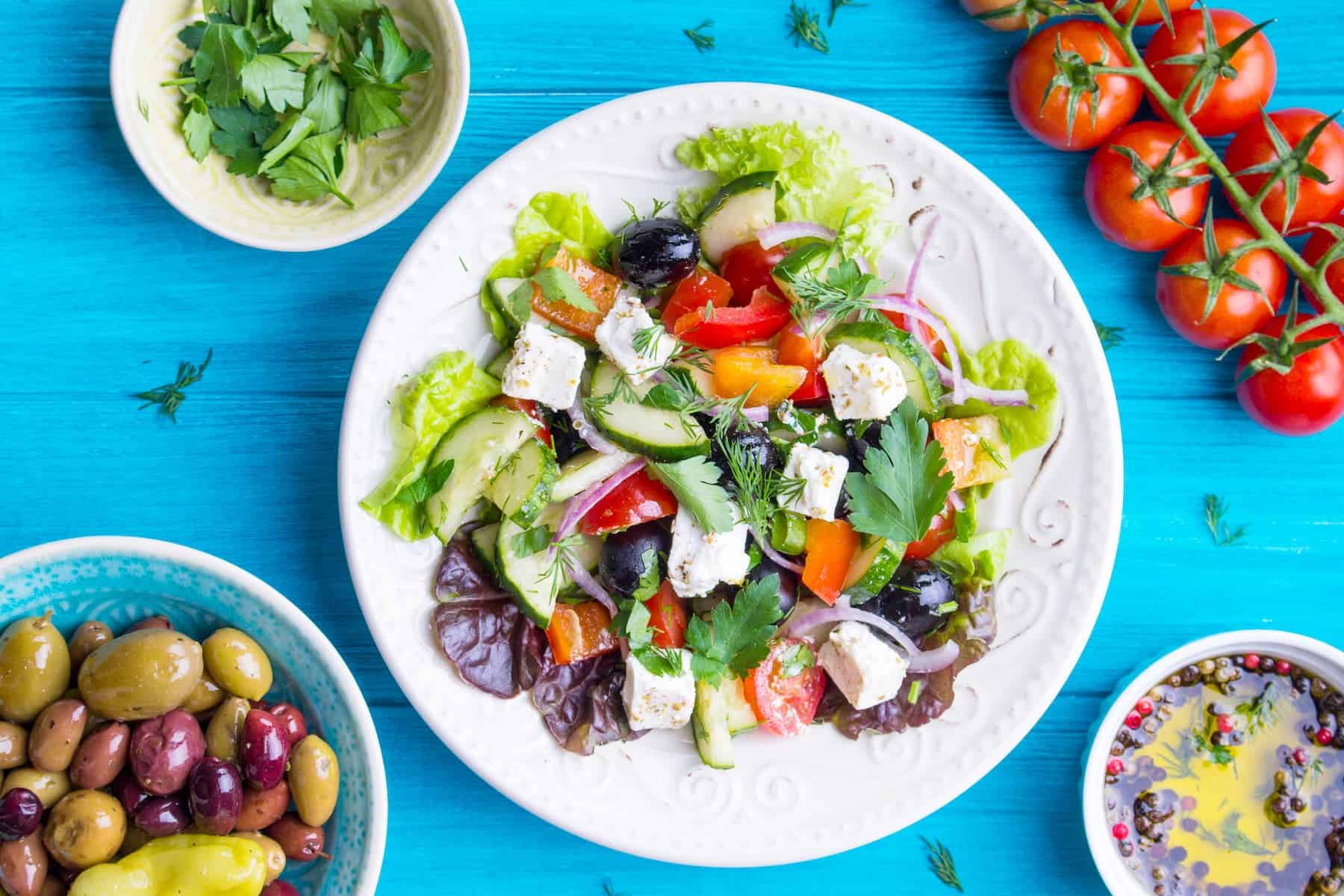
A Simple Blue Zones-Inspired Plate
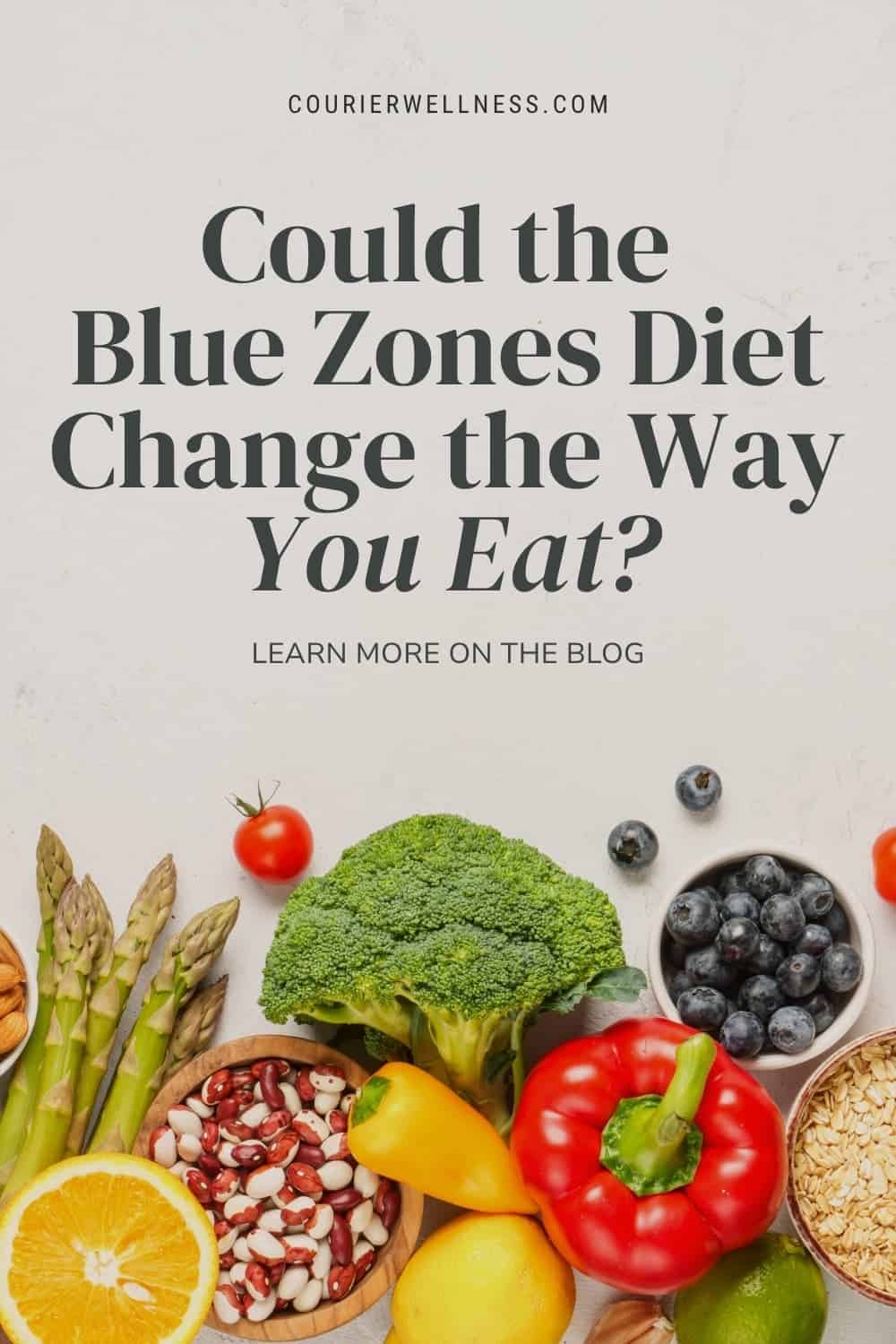
A typical blue zones-inspired meal might include:
- Beans or lentils
- Vegetables
- Whole grains
- Healthy fats like olive oil
- Fruit
- Small amounts of animal products, if you choose
This type of meal naturally provides:
- Fiber
- Micronutrients
- Protein
- Healthy fats
- Complex carbohydrates
Without relying heavily on processed foods.
Why the Blue Zones Diet Continues to Resonate
Many people are drawn to the blue zones diet because it feels practical and achievable.
It doesn’t promise:
- Rapid fat loss
- Miracle transformations
- Perfect health
Instead, it points toward something more sustainable:
A way of eating that’s connected to culture, daily routines, and long-term well-being.
In a world filled with conflicting nutrition advice, that simplicity is a big part of what makes it so appealing.
Final Thoughts
So, could the blue zones diet be the healthiest way to eat?
It may not be the only healthy way to eat, but it’s certainly one of the most compelling dietary patterns observed in real-world populations.
Its strengths come from:
- Whole foods
- Plant-based staples
- Fiber-rich meals
- Moderate eating habits
- Minimal processing
- Long-term sustainability
Most importantly, the blue zones diet is part of a broader lifestyle built around movement, community, purpose, and a slower pace of life.
And perhaps that’s the most important lesson:
The healthiest diet isn’t necessarily the most extreme or perfectly optimized one. Instead, it may simply be the one you can enjoy, stick with, and sustain for the rest of your life.
*This article is for informational purposes only and is not intended as medical advice. It should not be used to diagnose, treat, or prevent any health condition. Always consult a qualified healthcare professional before making any changes to your diet, exercise, or health routine.
English, LK.et al. "Evaluation of Dietary Patterns and All-Cause Mortality: A Systematic Review." JAMA Netw Open, 2021;4(8):e2122277, doi:10.1001/jamanetworkopen.2021.22277. Adapted and used under the terms of the Creative Commons Attribution 4.0 International License.
Fadnes, L. T., Økland, J.-M., Haaland, Ø. A., and Johansson, K. A. “Estimating Impact of Food Choices on Life Expectancy: A Modeling Study.” PLoS Medicine, vol. 19, no. 2, 2022, e1003889, https://doi.org/10.1371/journal.pmed.1003889. Adapted and used under the terms of the Creative Commons Attribution 4.0 International License.
Mohol P, Ghosh A, Kulkarni S. Blue Zone Dietary Patterns, Telomere Length Maintenance, and Longevity: A Critical Review. Nutr Food Sci 2025; 13(2), doi:http://dx.doi.org/10.12944/CRNFSJ.13.2.6. Adapted and used under the terms of the Creative Commons Attribution 4.0 International License.

Linda is the co-founder of Courier Wellness and holds a Diploma in Natural Health Nutrition & Diet. Her passions include photography, food, and travel, where she derives inspiration from diverse cultures and their holistic approaches to well-being. She is committed to helping others make informed, nourishing choices for a healthier life.